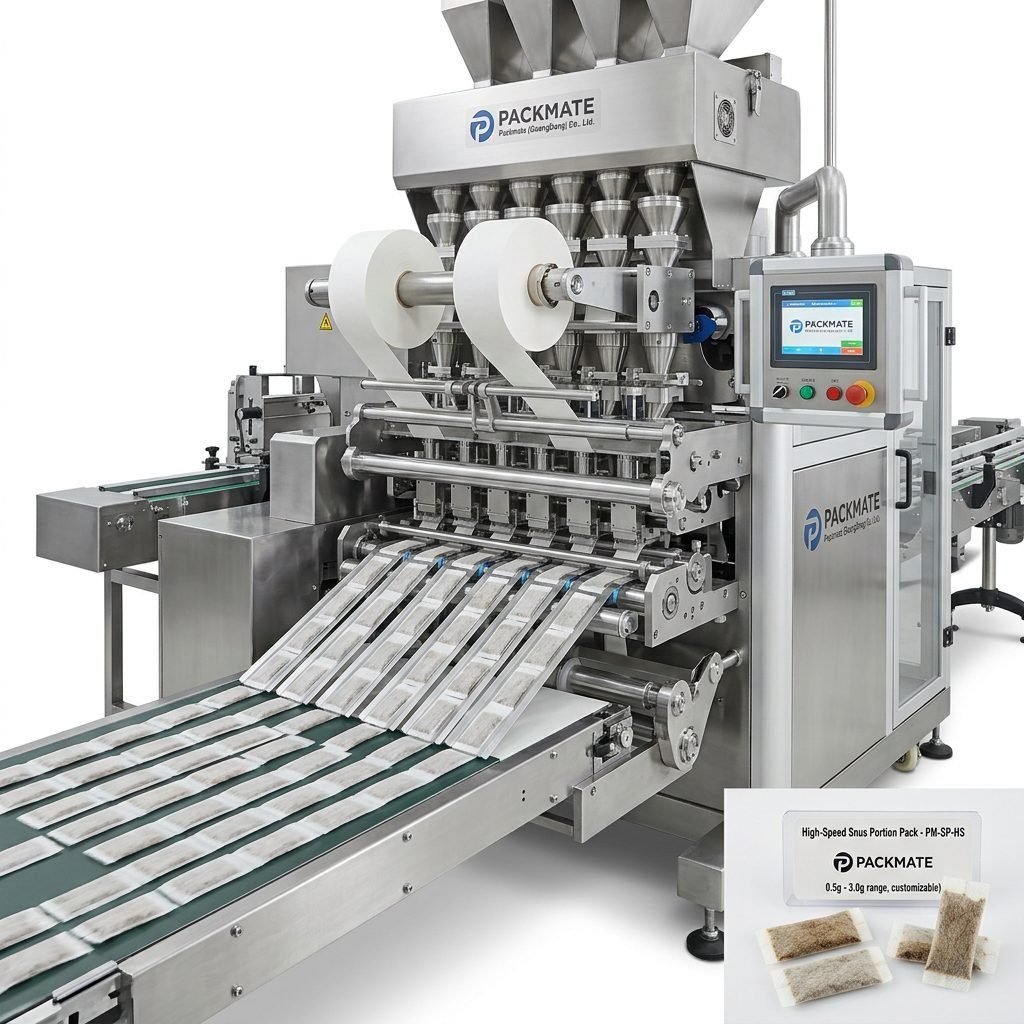
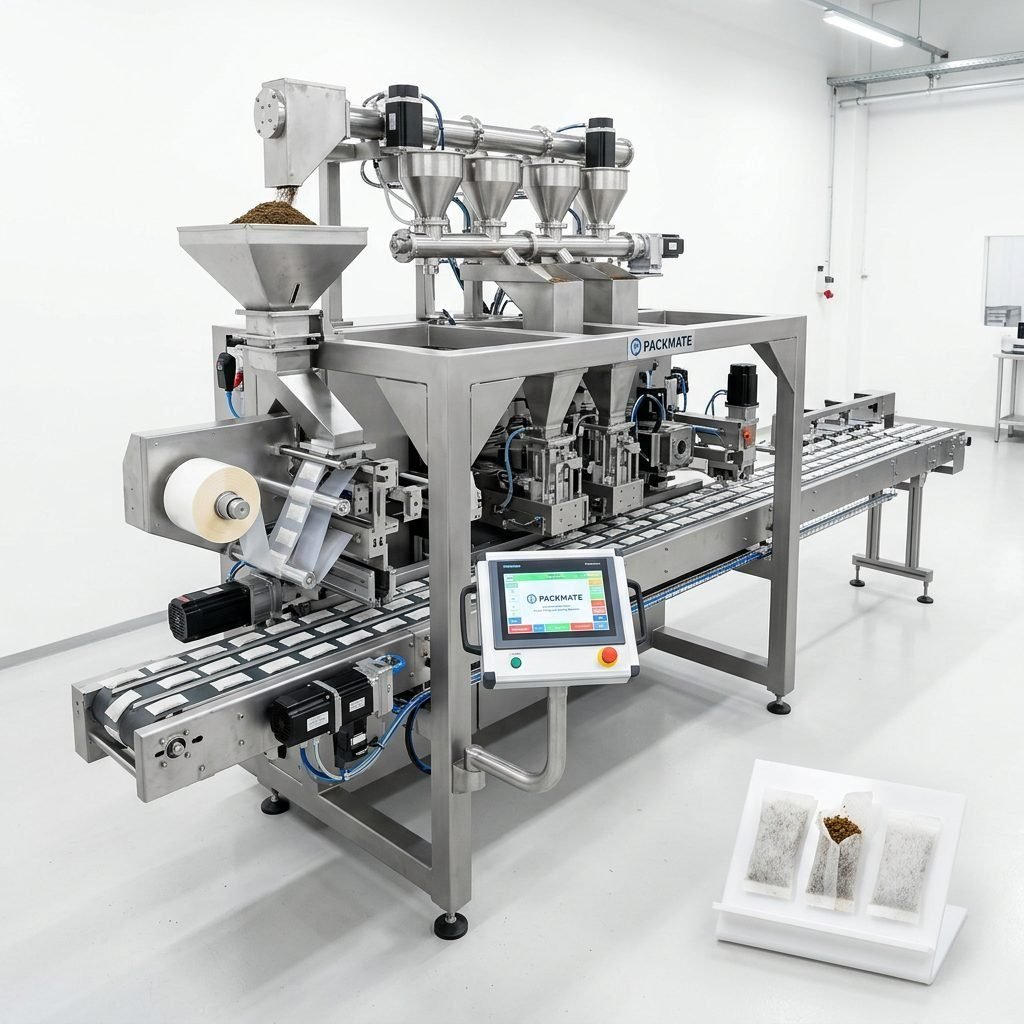
The global snus and nicotine pouch packaging sector is evolving rapidly as regulatory shifts, consumption patterns and manufacturing innovations converge. This analysis offers an in-depth look at market size, leading manufacturers, technological trends, production challenges and commercial opportunities — helping packaging managers, procurement teams and equipment investors make informed decisions.
Market Size & Growth Dynamics 📈
Demand for nicotine pouches and smokeless tobacco alternatives has expanded in recent years due to shifting consumer preferences toward smoke-free products and rising interest in portioned formats. While exact market figures vary by region, the snus and nicotine pouch market has shown mid- to high-single-digit annual growth in established European and North American markets and faster growth in emerging markets where regulations permit. Key drivers include product innovation (flavors, dosing), retail expansion and increased adoption among adult users seeking reduced-risk alternatives.
Key Demand Factors
Rising consumer preference for convenient single-dose formats, retail channel expansion, and new product innovations (e.g., low-dose and nicotine-free variants) are primary forces shaping production volumes. Regulatory clarity in some markets has also unlocked larger institutional investment in production lines.
Short-term Forecast (1-3 years)
Global capacity additions will focus on flexible multi-lane lines and modular solutions that support rapid SKU changes. Manufacturers with strong R&D and customization capabilities are expected to capture greater market share.
Leading Manufacturers & Competitive Landscape 🔧
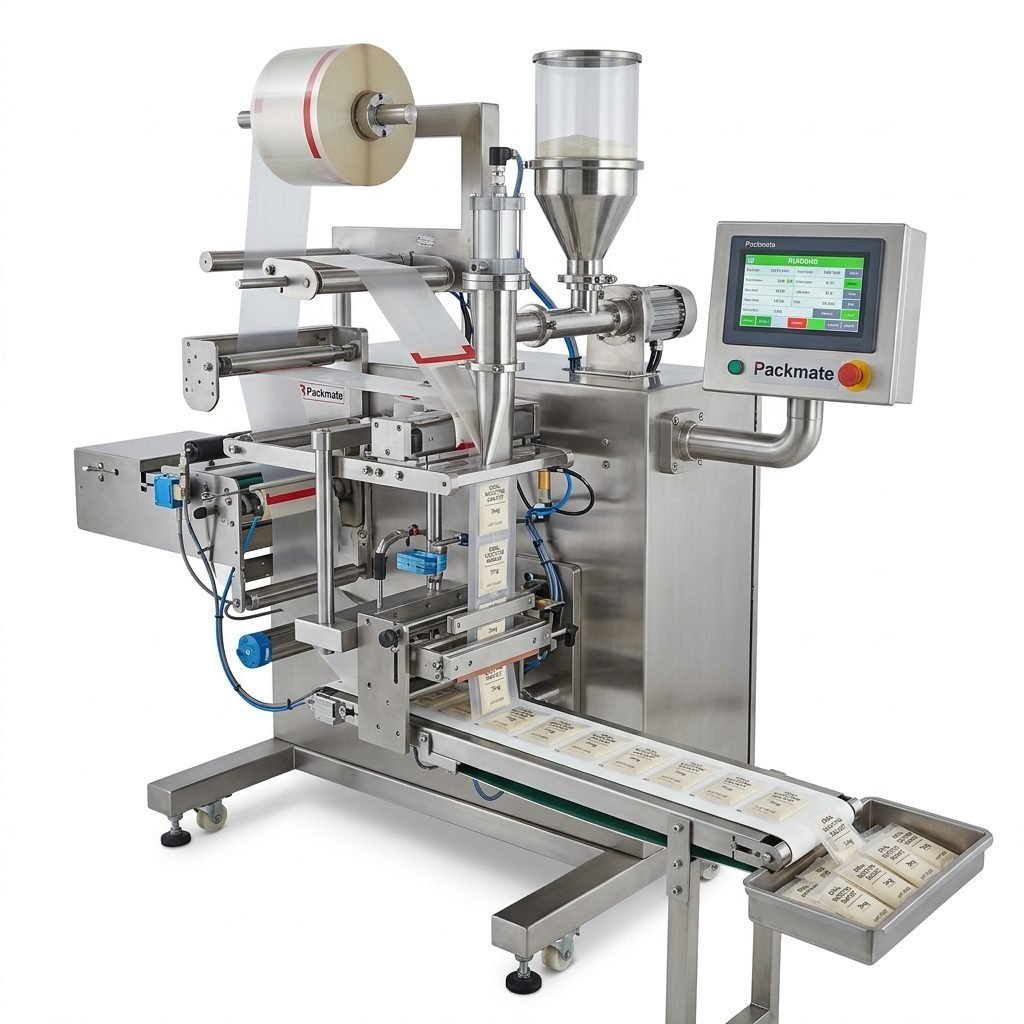
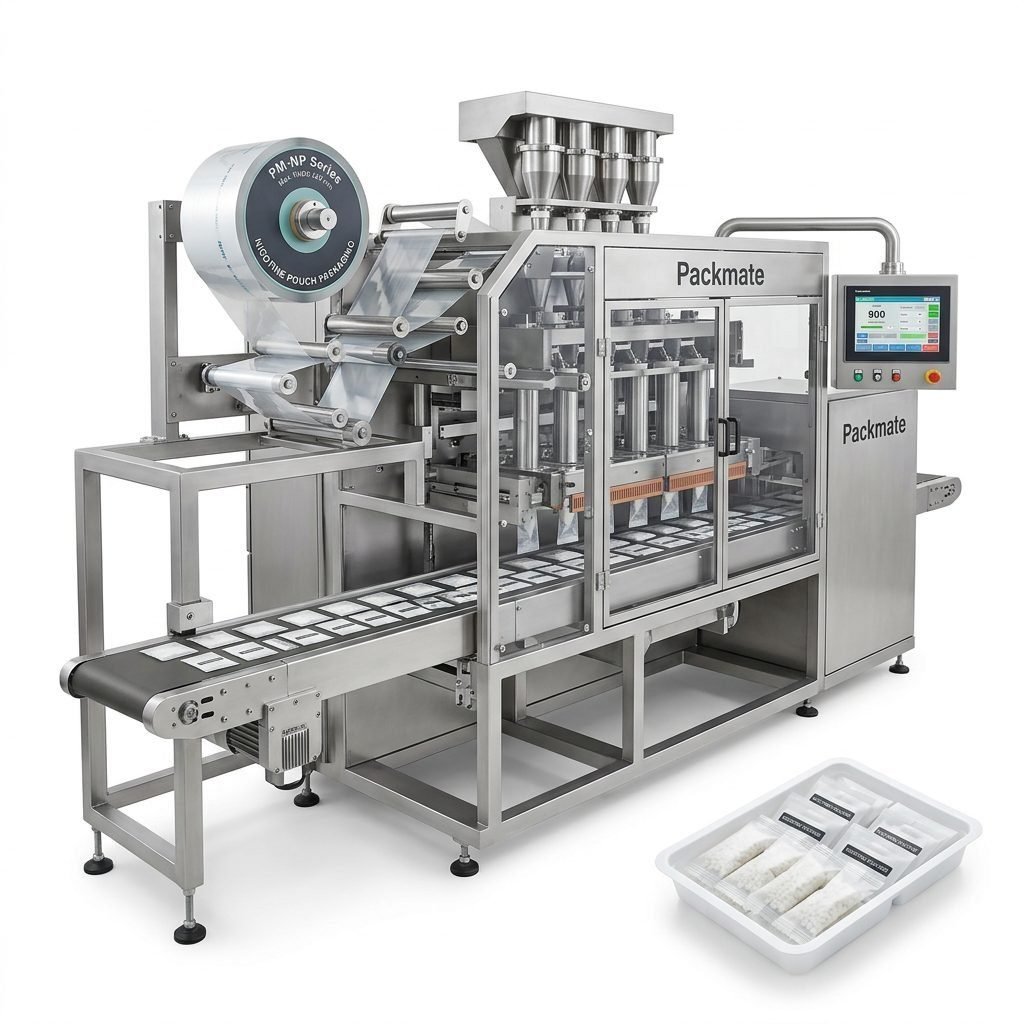
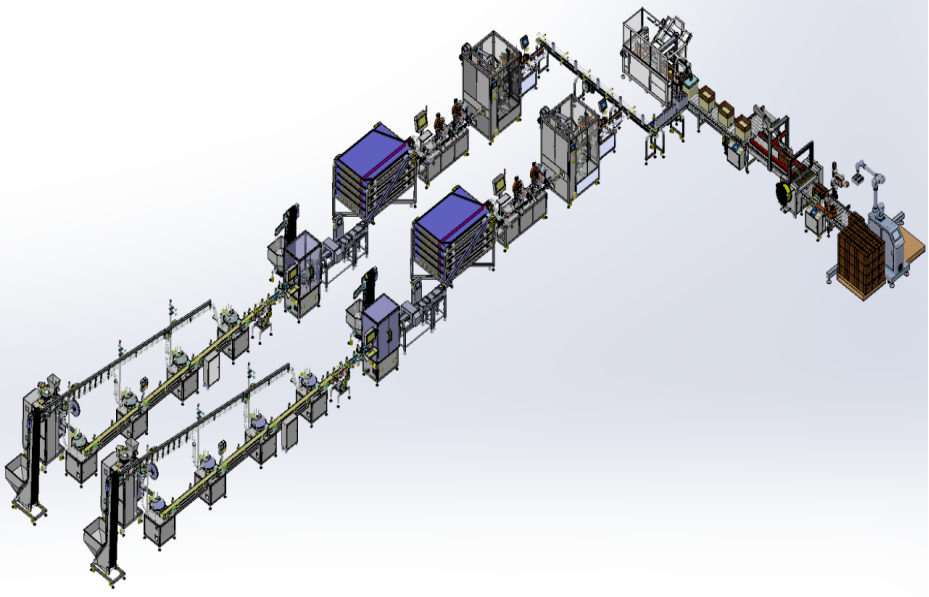
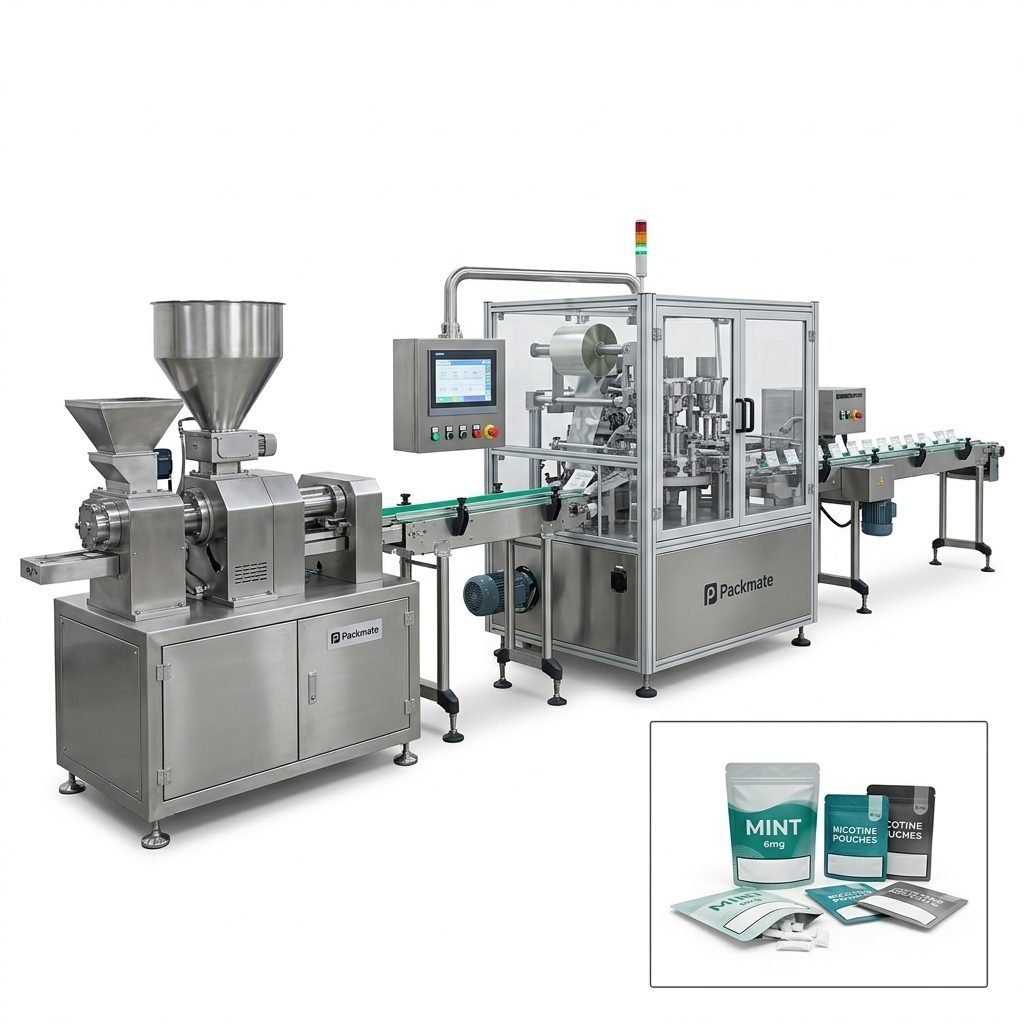
The snus packing machine segment is specialized and capital intensive. A few global and regional suppliers dominate, offering integrated turnkey lines that include feeding, weighing, pouch forming, sealing and auxiliary equipment. Among specialized providers, companies that offer snus & nicotine packaging machines and modular multi-lane solutions have strong demand from contract manufacturers and brand owners.
What sets top manufacturers apart?
Reliability, precision dosing, ease of cleaning, fast format changeover and strong after-sales support. Suppliers that combine ISO/CE certification with local service networks are preferred in regulated markets. Packmate Snus Machine, for example, leverages 30+ years of engineering experience and a 20,000㎡ manufacturing facility to supply customized multi-lane snus packaging lines that meet international standards.
Company Snapshot — Packmate Snus Machine
Founded from hands-on R&D experience and now operating with a full turnkey offering, Packmate supplies stick pack, sachet and multi-lane systems tailored for nicotine pouches, tea, powders and liquids. Their factory features advanced CNC machining centers and precision assembly lines, supporting 50+ machine models and global deployments.
Technology Trends Shaping Packaging Lines ⚙️
Technology investments are focused on increasing throughput, reducing waste and improving product consistency. The following trends are becoming standard expectations.
1. Multi-lane & High-speed Automation
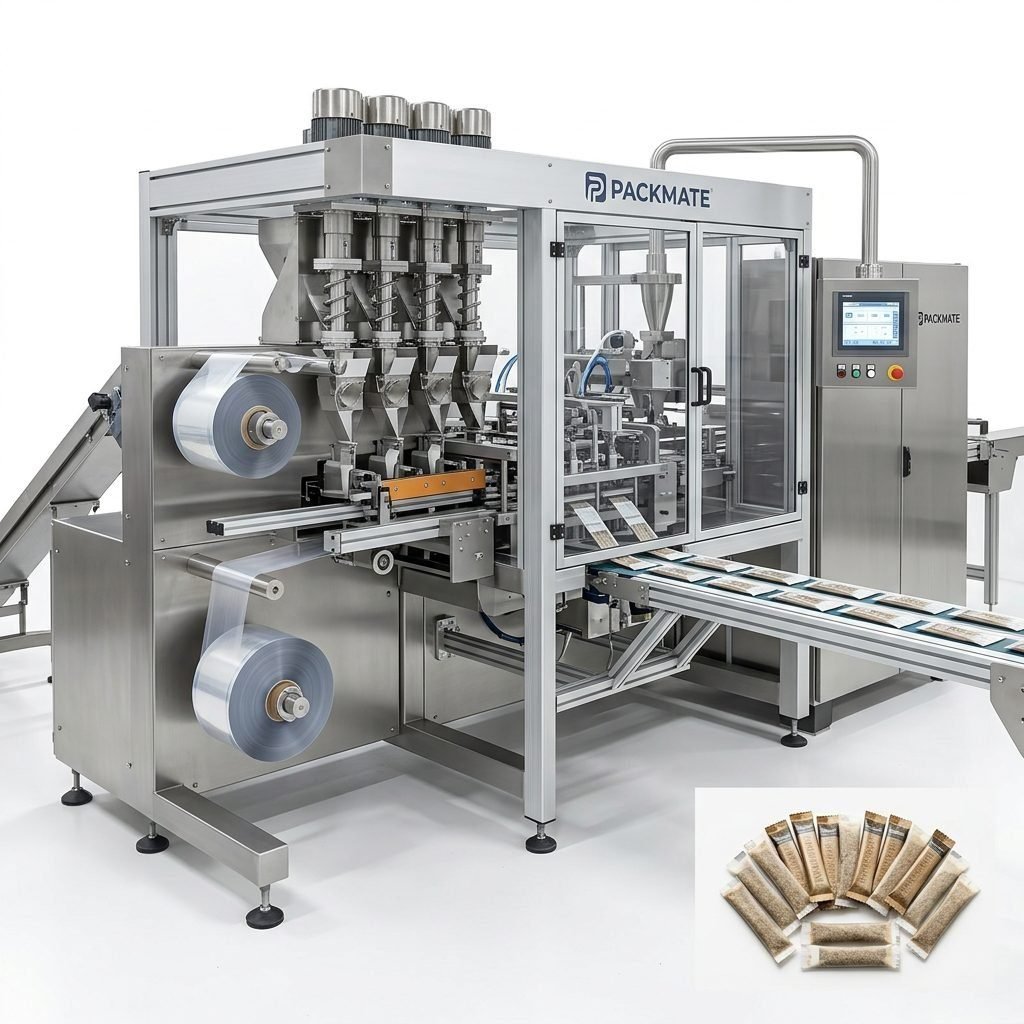
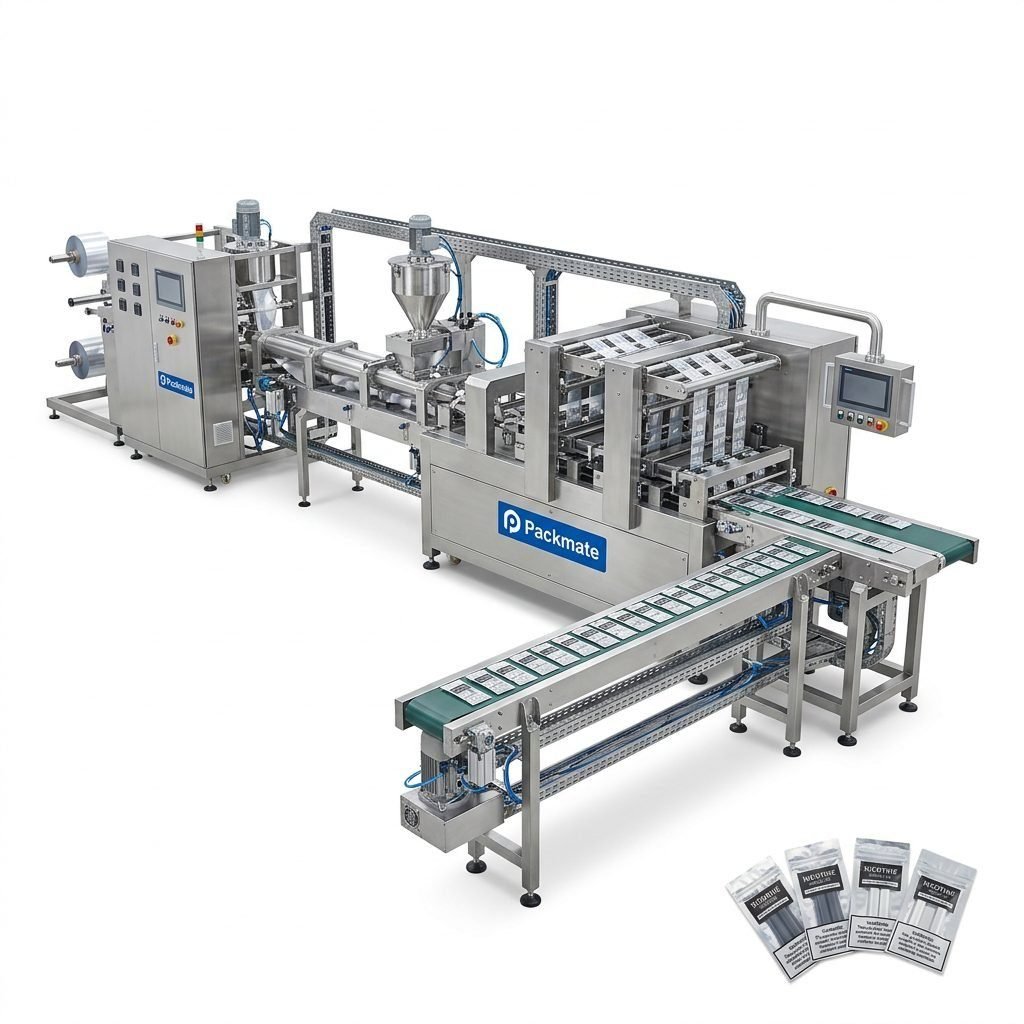
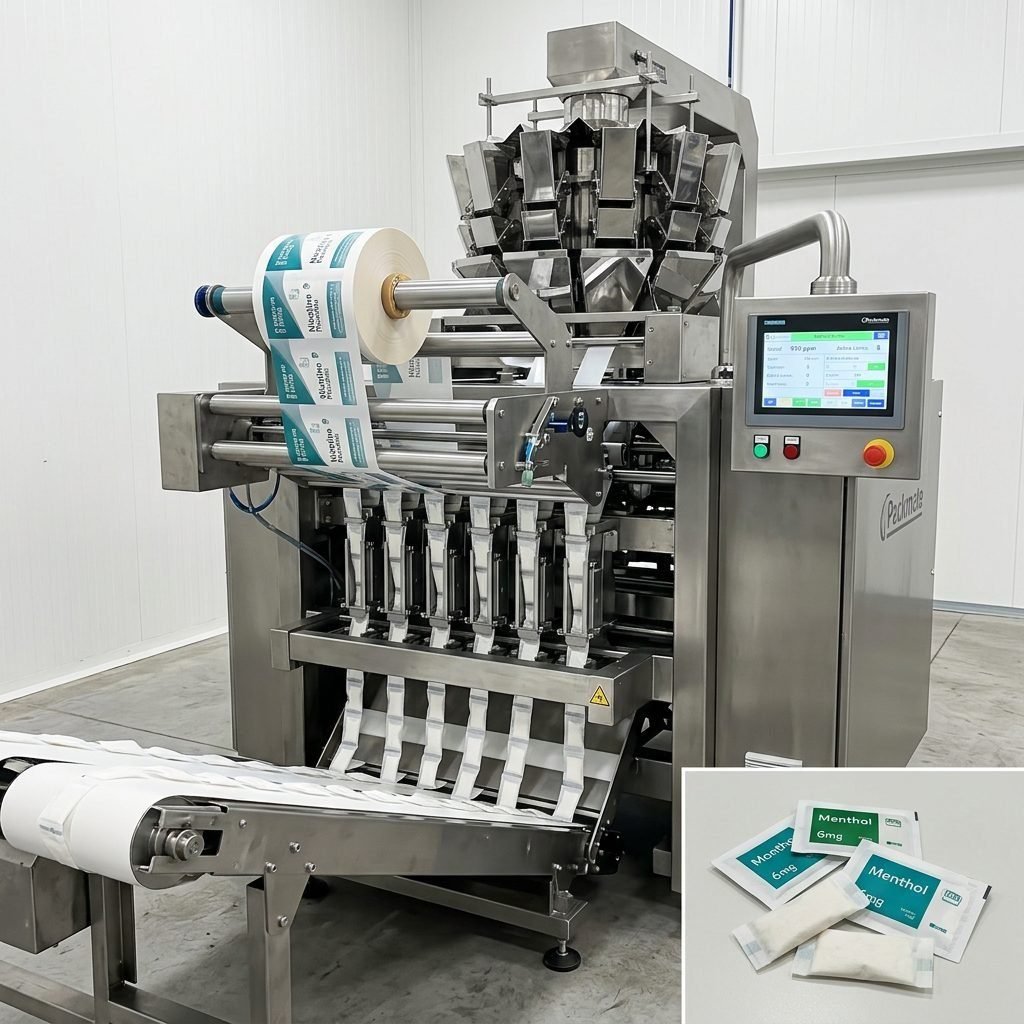
Multi-lane configurations provide greater output without proportionally increasing floor space. High-speed filling heads and synchronized intermittent motion reduce cycle time while maintaining accurate dosing for low-weight nicotine pouches.
2. Modular, Turnkey Lines
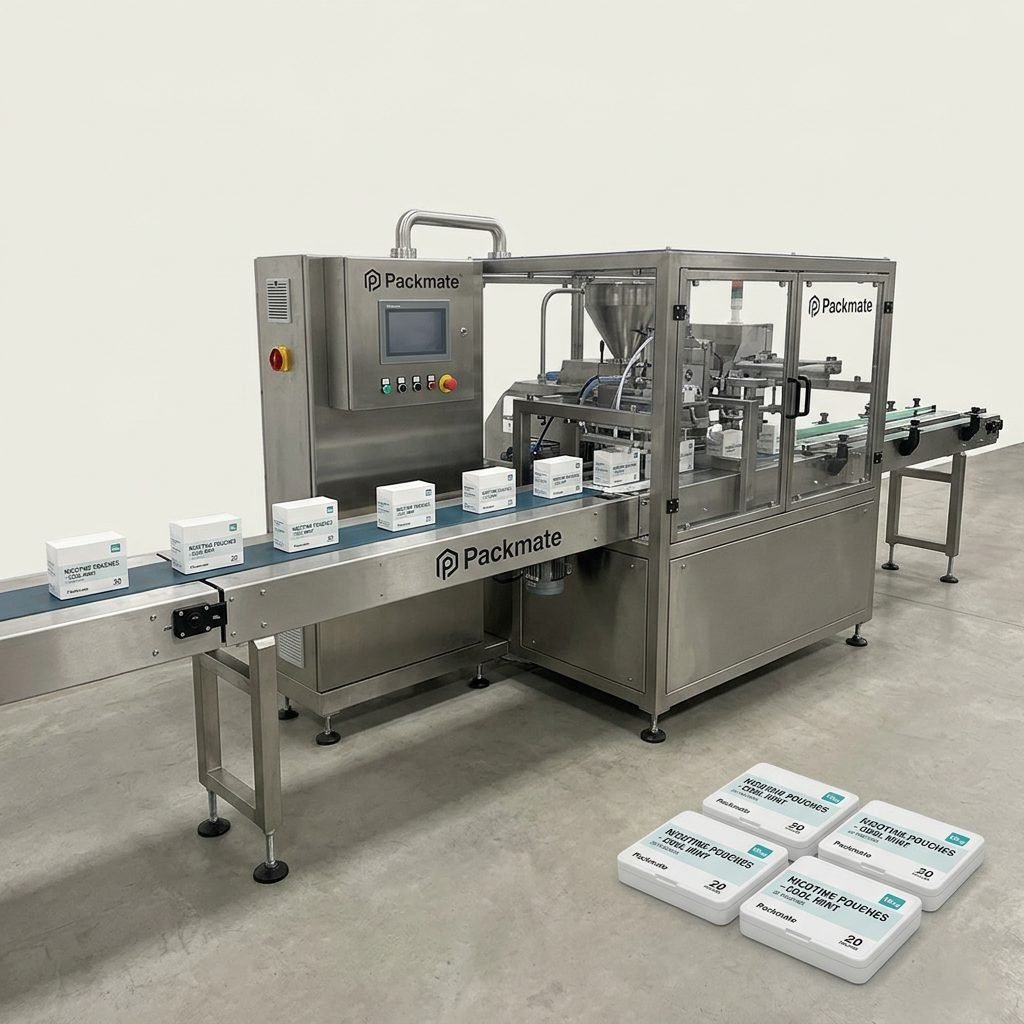
Brands prefer modular designs that allow rapid addition of upstream or downstream modules (e.g., weighing systems, cartoning, labeling). This reduces capital risk and shortens time-to-market for new SKUs. See examples of modular equipment in filling & packaging lines.
3. Integrated Weighing & Quality Control
Inline check weighing, metal detection and vision inspection improve compliance and reduce recalls. Advanced control systems log production data to support traceability and regulatory reporting.
4. User-friendly HMI & Remote Support
Intuitive HMIs with recipe management reduce operator errors and accelerate format changes. Remote diagnostics and predictive maintenance services lower downtime and support global customers efficiently.
Tip: When specifying equipment, prioritize systems that support fast SKU changeovers, easy cleaning and modular expansion to protect future growth.
Regulatory & Quality Considerations 🛡️
Compliance is central to commercial success. Manufacturers should supply machines that support hygienic design (easy access, stainless steel contact parts), CE/ISO certifications, and integration with compliance workflows such as batch traceability and audit-ready reporting. Packmate machines come with international compliance credentials to facilitate market entry.
Key compliance features to request
– Hygienic frames and enclosed product paths for easy cleaning.
– Validation documentation and commissioning support.
– Data logging, recipe storage and user access controls.
– CE marking and ISO-conforming manufacturing processes.
Operational Challenges & Mitigation Strategies ⚠️
Scaling production for snus and nicotine pouches has its operational hurdles. Understanding common challenges and mitigation options improves uptime and reduces total cost of ownership.
Challenge: Product variability and dosing accuracy
Low-weight pouches require high-precision dosing heads. Use gravimetric or multi-head scale systems for powders and granules, and employ vision systems to verify pouch integrity post-seal.
Challenge: Frequent SKU changes
Use quick-change tooling and recipe-driven HMIs to minimize non-productive time. Modular conveyors and plug-and-play modules simplify format switches and future upgrades.
Challenge: Regulatory documentation and traceability
Integrate production data capture into your MES or ERP to ensure every batch has supporting evidence for audits. Many suppliers offer turnkey data solutions to ease integration.
Investment Case & ROI Considerations 💼
Capital investments in snus packing equipment balance throughput, flexibility and long-term operating cost. A high-quality multi-lane line may carry a larger upfront cost but delivers a lower cost per pouch at scale due to higher throughput and reduced labor intensity.
ROI Checklist
– Evaluate throughput vs. market demand projections.
– Consider uptime, service plans and spare parts availability.
– Include validation, installation and operator training in cost models.
– Assess energy consumption and consumable costs (films, pouches).
Commercial Opportunities & Market Entry Strategies 🌍
Opportunities exist across contract manufacturing, private-label brands and established tobacco companies diversifying into nicotine pouches. Key strategies to capture growth:
1. Contract Manufacturing Partnerships
Outsourcing to experienced toll manufacturers reduces capital barriers and accelerates market entry. Look for partners that operate proven snus lines and can provide scale-up support.
2. Focus on Differentiated SKUs
Innovative dosing profiles, recyclable packaging and targeted flavor portfolios create brand differentiation. Machines that support quick format changes enable more frequent new SKU introductions.
3. Service & Aftermarket Revenue
After-sales service contracts, retrofit kits and training programs are recurring revenue streams for OEMs and distributors. Reliable local support is a major purchasing factor for large buyers.
For a closer look at product families that enable these strategies, explore Packmate’s portfolio including sachet & stick pack machines and weighing & packaging systems.
Selecting the Right Supplier — Decision Criteria ✅
When evaluating equipment suppliers, use a structured checklist to reduce procurement risk:
- Proven multi-lane experience and references in snus/nicotine pouch lines.
- Quality standards and certifications (CE, ISO).
- Local service network or reliable remote support.
- Modularity and upgrade paths for future expansion.
- Comprehensive commissioning, validation and training packages.
Supplier Highlight: Packmate provides turnkey solutions with advanced machining capabilities and a broad machine portfolio — a strong option for brands seeking integrated lines and global support. Learn more about Packmate.
Sustainability & Packaging Material Trends 🌱
Sustainability is increasingly important across the supply chain. Brands are evaluating recyclable films, mono-material constructions and reduced package sizes. Machines capable of handling thinner films and precise sealing temperatures are required to maintain integrity with sustainable substrates.
Material Handling Considerations
Ensure your packaging line vendor supports material testing and can provide trial runs for new substrates. Performance guarantees for seal strength and barrier properties are essential when switching to eco-friendly films.
Conclusion
The snus and nicotine pouch packaging industry presents attractive growth prospects driven by consumer trends and product innovation. Investing in flexible, reliable multi-lane and modular equipment reduces long-term risk and improves market responsiveness. Prioritize suppliers with proven R&D, strong manufacturing capabilities and robust after-sales support to achieve sustainable growth.
Useful Resources
For product catalogs, case studies and service options, consider visiting these pages: Catalog, Case, and Service.
Frequently Asked Questions
Q1: How do I decide between single-lane and multi-lane snus packing machines?
A1: Choose based on projected throughput, floor space and product mix. Multi-lane systems offer higher output per m² and are ideal for high-volume SKUs, while single-lane machines are flexible and lower-cost for limited runs.
Q2: What certifications should a reputable snus machine supplier provide?
A2: Look for CE compliance and ISO-certified manufacturing processes. Also request documentation for hygienic design, material declarations and traceability features.
Q3: Can packaging lines handle sustainable films and recyclable substrates?
A3: Yes — but you must validate film compatibility, seal integrity and processing temperatures. Work with suppliers who offer material trials and test runs.
Q4: How important is local service when purchasing packaging equipment?
A4: Very important. Local service minimizes lead time for spare parts and repairs and improves overall equipment effectiveness. If local support is limited, ensure robust remote diagnostics and spare parts agreements.
Q5: Where can I see live demonstrations or request factory acceptance tests?
A5: Many suppliers host exhibitions and factory demos — check the manufacturer’s exhibition schedule or request FAT (Factory Acceptance Test) and on-site commissioning. Visit Our Exhibition for event listings.