Choosing the right nicotine packaging machine supplier for your business in Finland is a strategic decision that affects product quality, compliance, and long-term operating costs. Finnish buyers value reliability, regulatory compliance, sustainability, and after-sales support — all of which should shape your supplier selection process. The following guide walks you through practical criteria, local considerations, inspection checklists, and negotiation tips to help you select the best partner for snus and nicotine pouch packaging solutions.
Understand Finland’s Market Context and Local Preferences
Finland is part of the European market where consumers and regulators pay close attention to product safety, packaging waste, and clear labeling. Although nicotine product regulation can be stricter in Nordic countries, the growing demand for alternative nicotine formats means manufacturers must prioritize compliance, traceability, and quality manufacturing. Finnish purchasers often look for:
Sustainability — recyclable or low-waste packaging, energy-efficient machines, and clear environmental policies.
Reliability & uptime — low maintenance, robust spare parts availability in Europe, and stable multi-shift operation.
Regulatory compliance — CE/ISO certifications and documentation suitable for European import and Finnish authorities.
Customization — flexible formats for local product preferences and branding.
Local Business Customs & Practical Tips
Finnish procurement culture values transparency, punctuality, and technical detail. Be ready to provide complete technical sheets, compliance certificates, and a clear timeline. Remote demonstration sessions or machine videos are appreciated before an in-person factory visit. If you plan installation in Finland, consider logistics such as EU customs paperwork, CE declaration files, and local field service availability.
Key Technical Criteria: What the Machine Must Deliver
Selecting a machine is about matching current production needs and future flexibility. Focus on performance indicators that matter for nicotine pouch and snus production.
Production Format & Flexibility
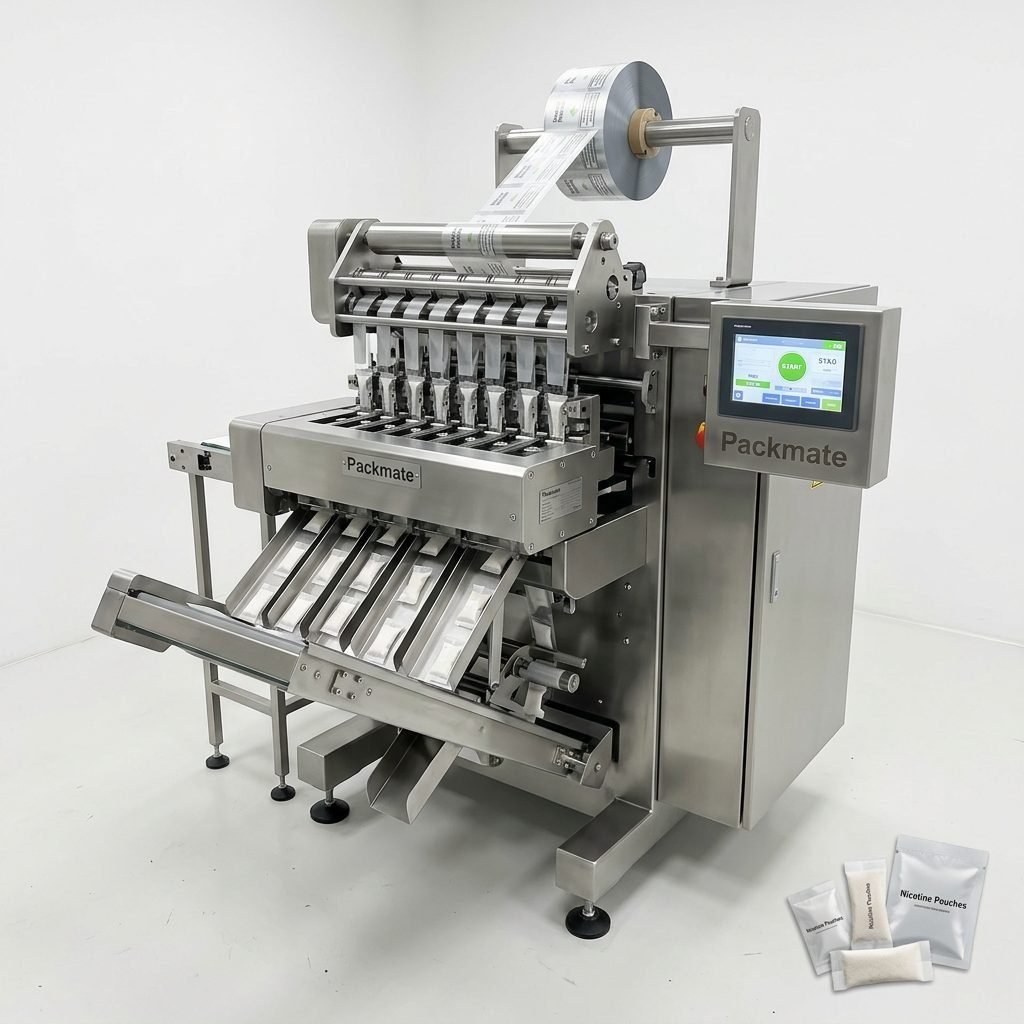
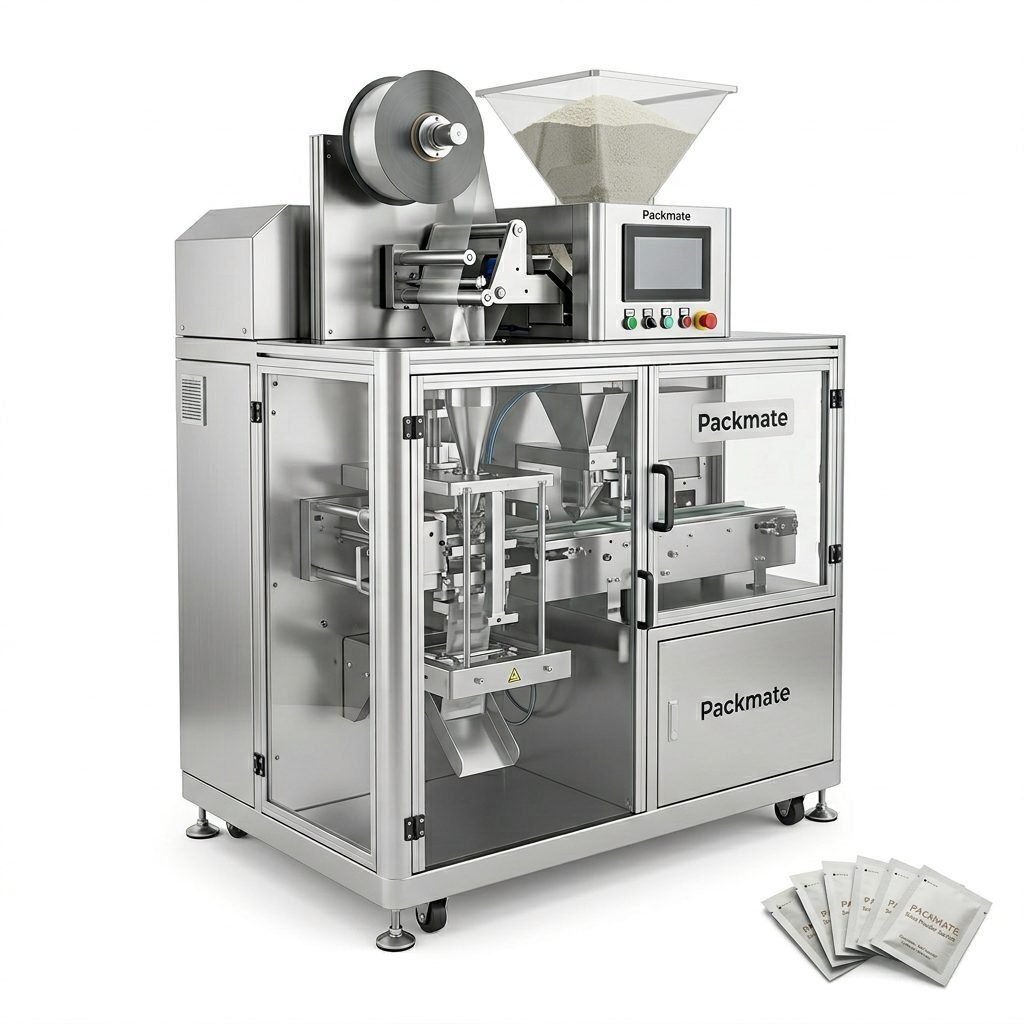
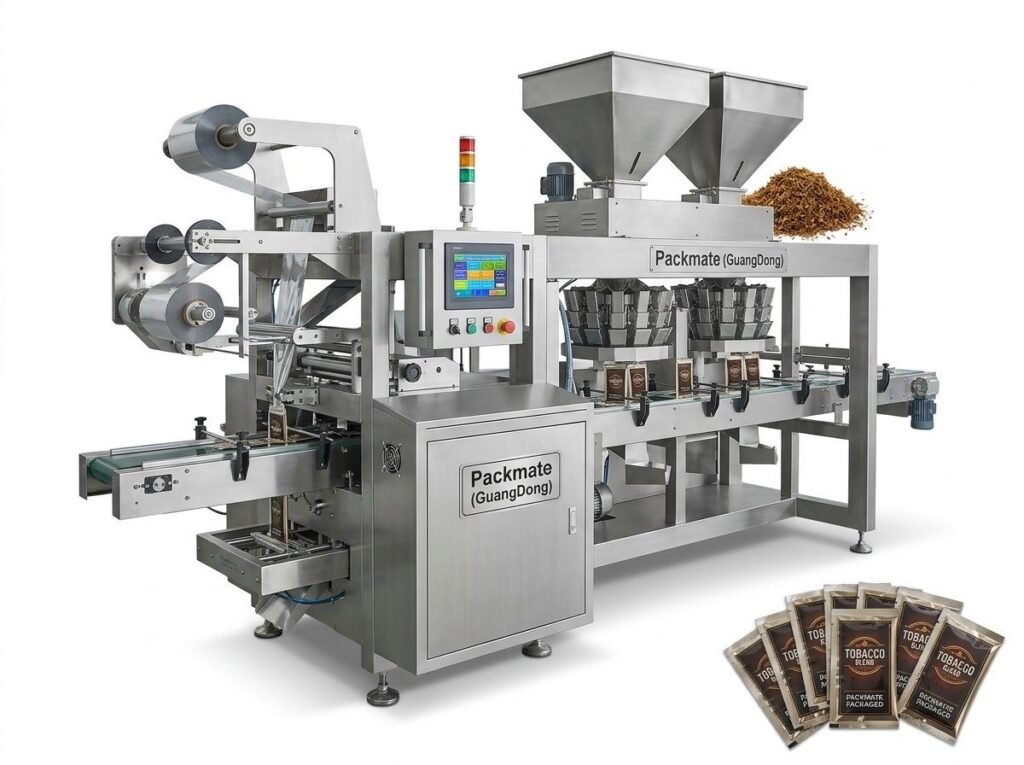
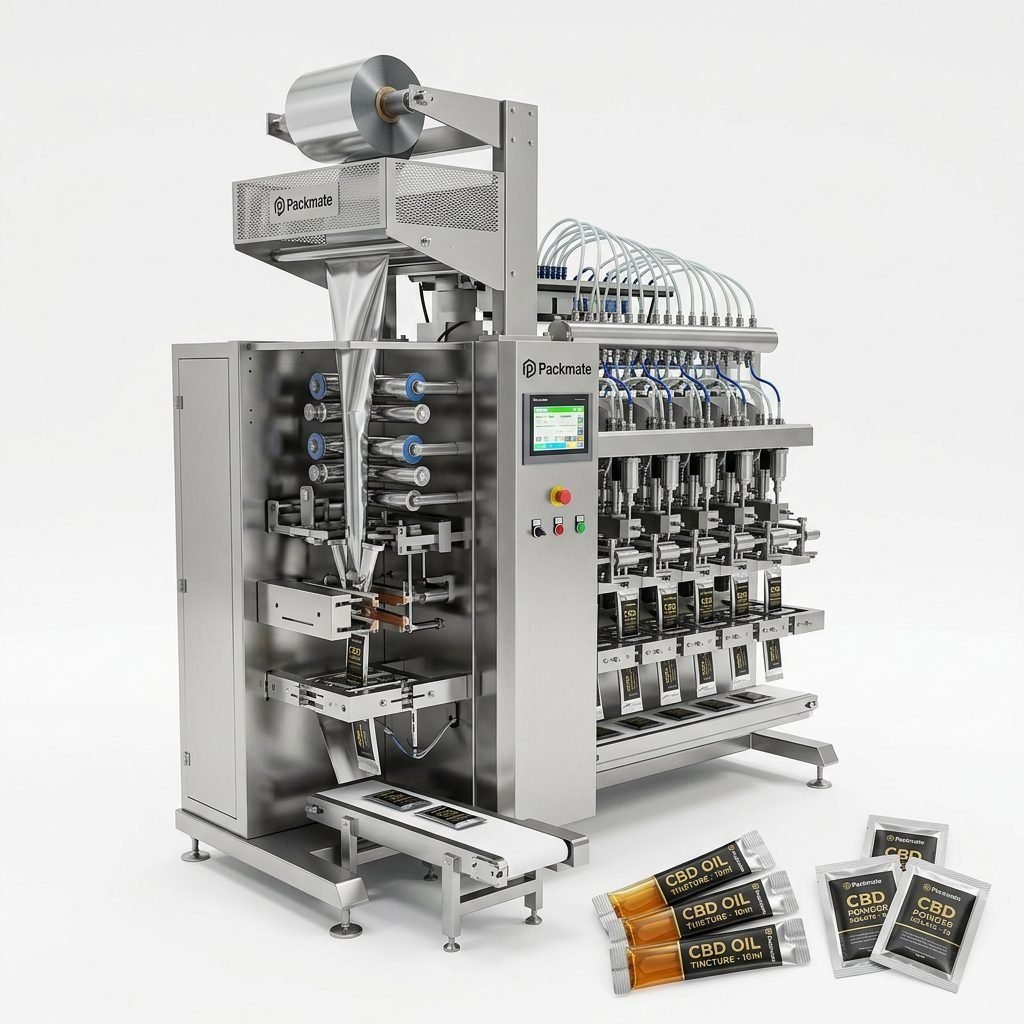
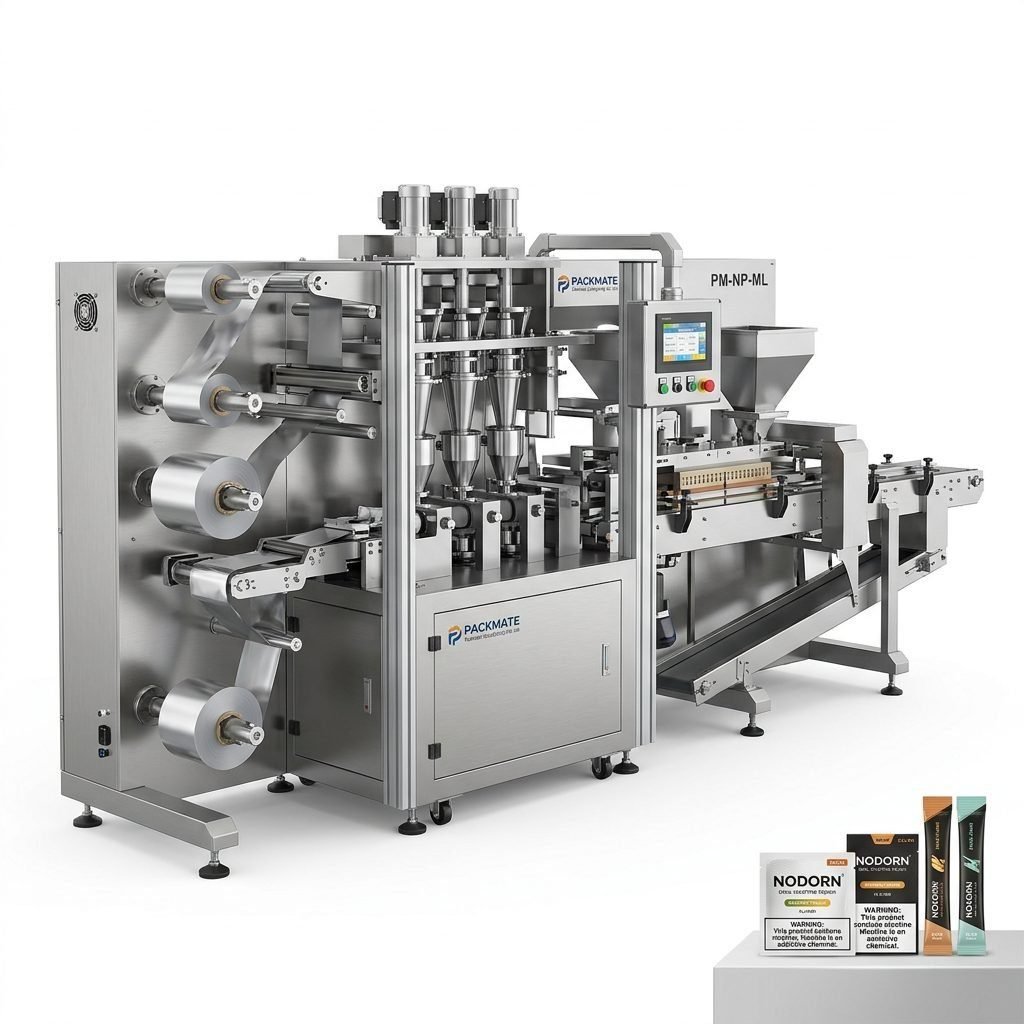
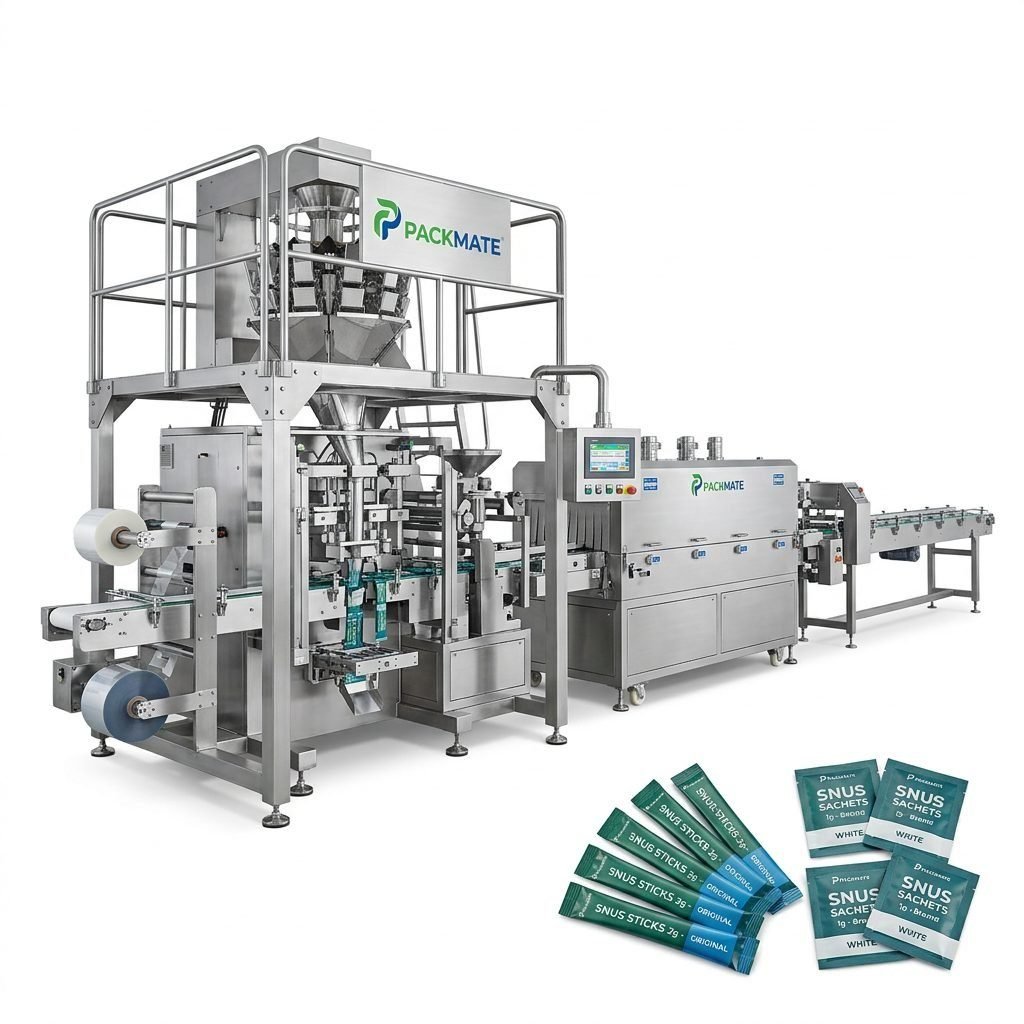
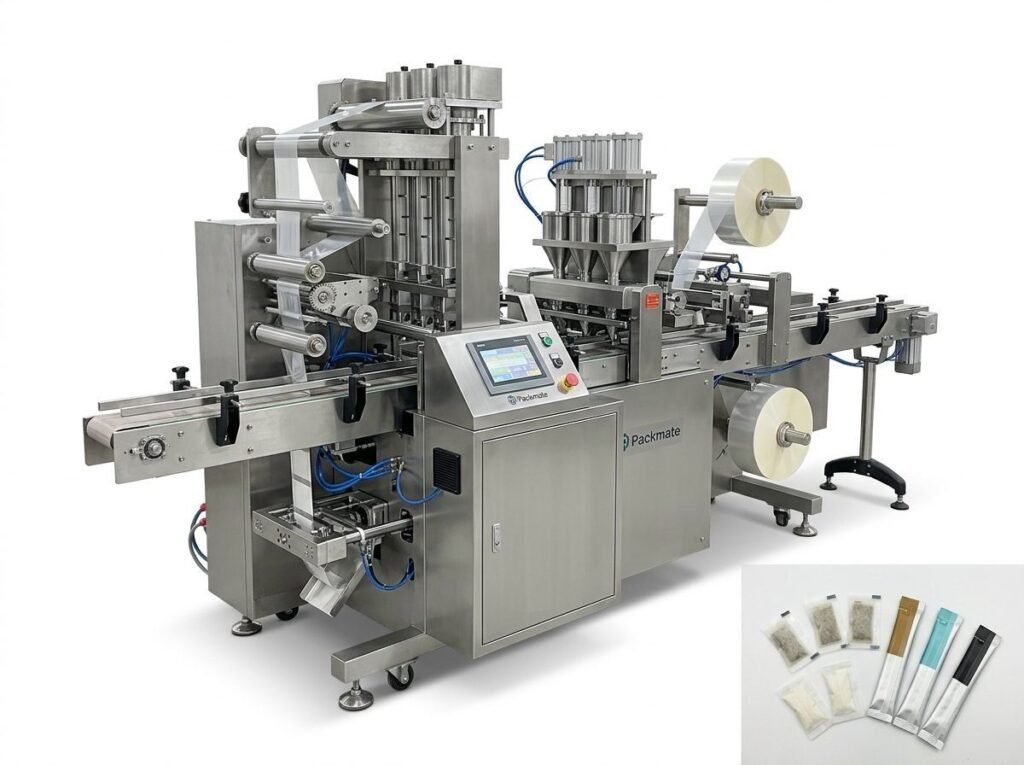
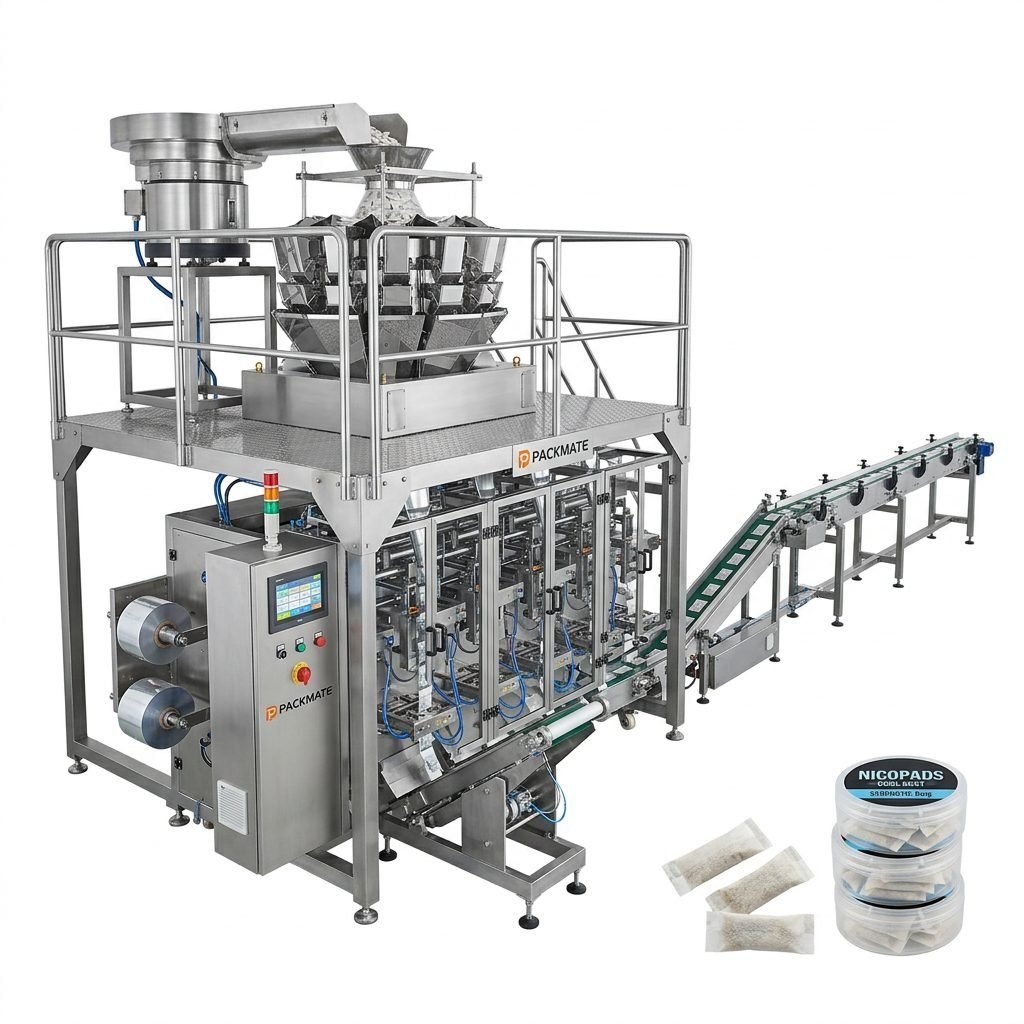
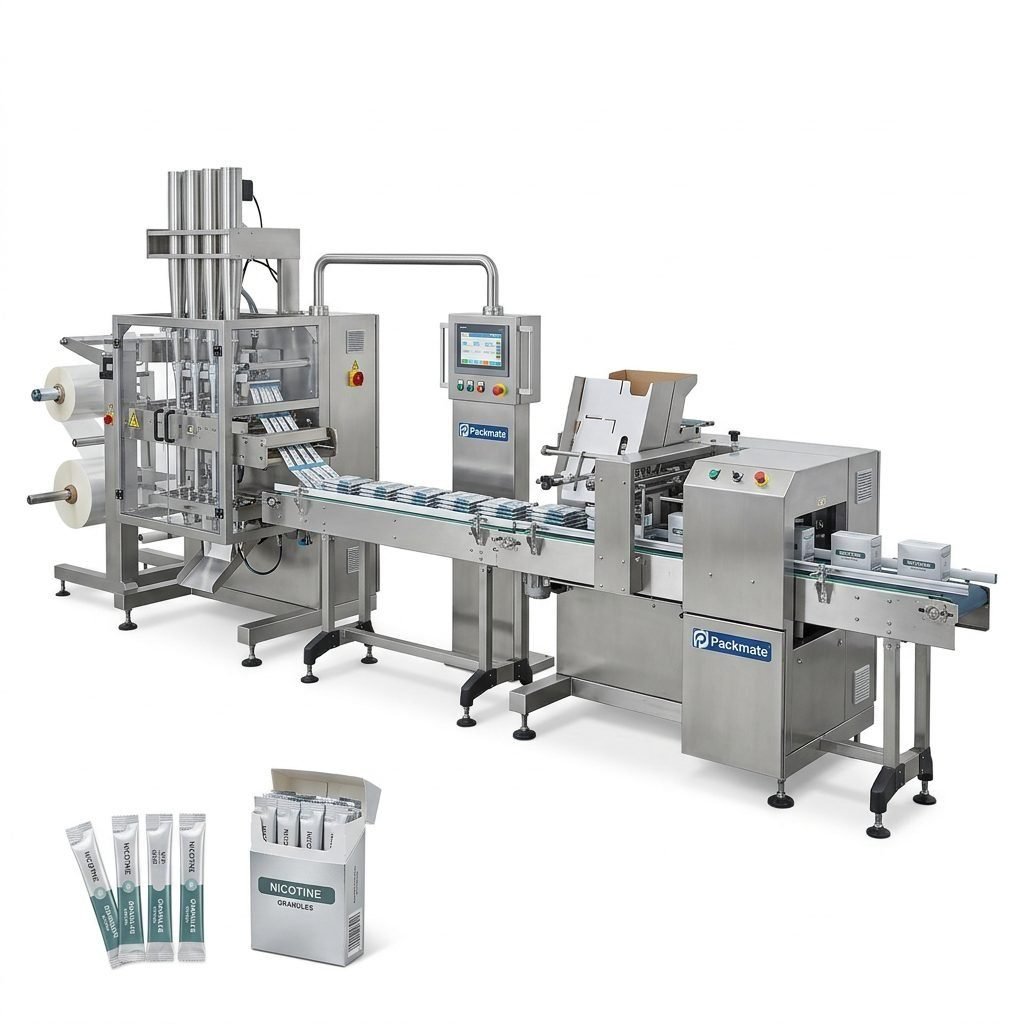
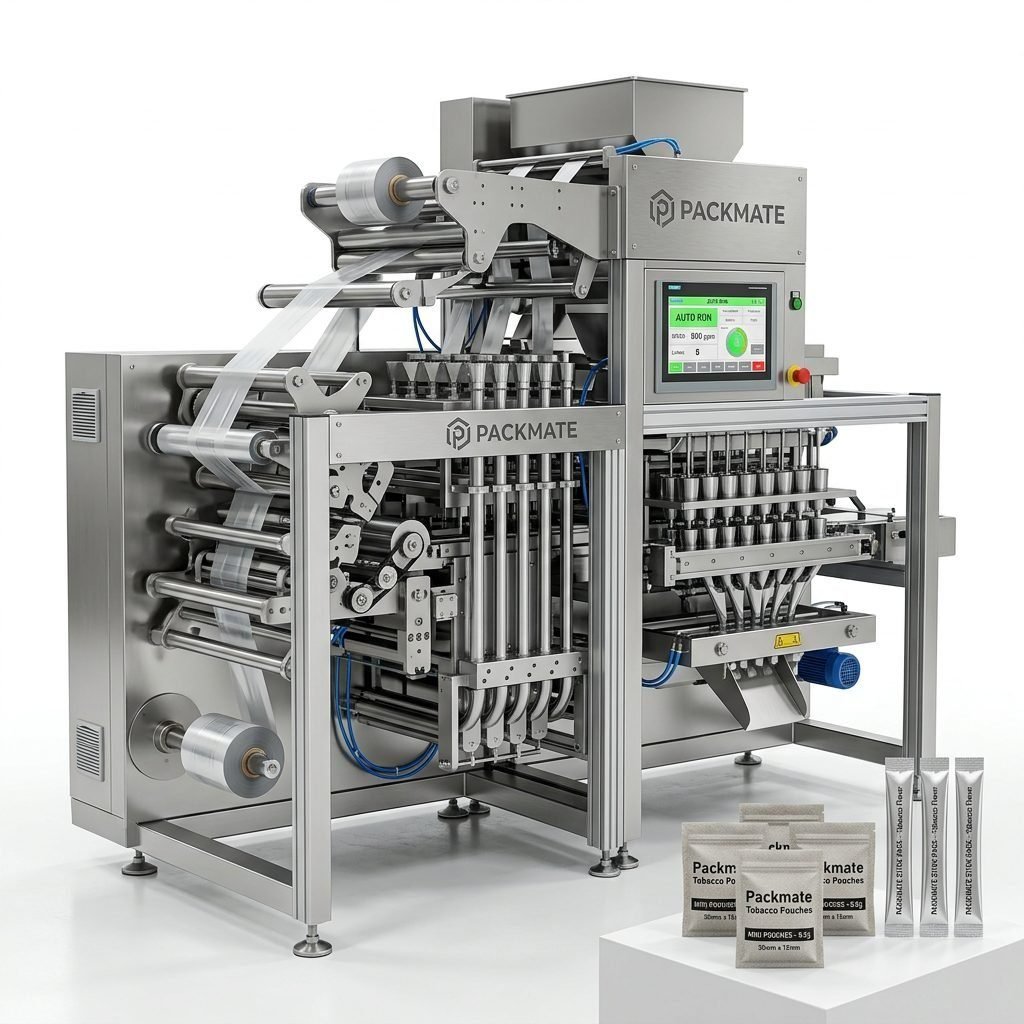
Choose a supplier that offers machines compatible with your product formats — stick packs, sachets, multi-lane pouch systems, or custom snus cans. Multi-lane and high-speed models are ideal if you plan to scale quickly. For product references, explore supplier product lines like Snus & Nicotine Packaging Machines to confirm available models and configurations.
Capacity, Speed & OEE
Assess realistic output rates (kg/hr, pouches/min) and the machine’s overall equipment effectiveness (OEE). Ask for examples of machines running similar recipes and request real-world uptime metrics. Finnish operations often value predictable performance over theoretical maximum speeds.
Material Handling & Accuracy
Nicotine pouch filling demands dosing accuracy and gentle handling. Verify the supplier’s weighing or volumetric dosing systems, how they handle hygroscopic materials, and whether the machine prevents cross-contamination between flavors. For integrated solutions, consider systems that combine weighing & feeding with packaging for better accuracy.
Hygiene, Cleaning & Maintenance
Look for hygienic machine design (stainless contact parts, easy disassembly), CIP-friendly options if applicable, and documented cleaning procedures. Clear maintenance schedules and simple access to wear parts reduce downtime and are a key selling point for Nordic customers who run machines in strict quality environments.
Supplier Capabilities & Factory Assessment
A supplier’s factory and engineering depth determine the long-term success of your installation. Conduct a structured assessment covering manufacturing capacity, customization ability, and quality control.
📌 Factory scale & equipment — Look for modern CNC machining centers, precision assembly lines, and dedicated test benches. A 20,000㎡ facility with advanced equipment signals serious manufacturing capability and consistent quality.
Ask for evidence: production pictures, factory layout, inspection reports, and a list of standard components vs. custom parts. If available, review the supplier’s product catalog and case studies that demonstrate experience with nicotine pouch projects.
Packmate Snus Machine’s background shows decades of engineering and a range of product lines suitable for snus and nicotine pouch production. Learn more about company history and capabilities on their About Packmate page.
Quality, Certifications & Testing
Regulatory documentation and quality systems are non-negotiable. Always demand visible proof of certifications and testing procedures.
- CE marking and compliance documentation for EU market entry.
- ISO quality management certificates and factory QC records.
- Factory Acceptance Test (FAT) procedures and witnessed FAT options.
- Routine performance validation and material traceability controls.
You can typically review supplier certificates to confirm compliance. For further verification, suppliers often publish Certificates and product compliance pages.
After-sales, Spare Parts & Local Support in Finland
After-sales service is vital when machines are critical to daily production. Evaluate the supplier’s service structure and local support options.
Key service questions:
- Are spare parts stocked in Europe or available through regional partners?
- Does the provider offer remote diagnostics and PLC/software support?
- What are the terms for training, commissioning, and startup support?
- Is there a defined warranty and a straightforward RMA process?
Suppliers with structured Service offerings and fast-response spare parts logistics will reduce downtime and make operations in Finland smoother. Explore the supplier’s Service page to understand their support model and warranty terms.
Commercial Terms, Lead Times & Logistics
Negotiate clear commercial terms to minimize surprises. Typical items to clarify include:
- Lead time — from contract to FAT and shipment; longer for customized multi-lane lines.
- Payment milestones tied to design approval, FAT, and shipment.
- Warranty scope and extension options.
- Freight terms (EXW, FOB, CIF) and expected customs clearance documentation for EU import.
Also confirm documentation for CE compliance, user manuals in English (and optionally Finnish), electrical schematics, and spare parts lists to streamline installation with Finnish integrators.
Factory Acceptance Test (FAT) & Site Acceptance Test (SAT)
A thorough FAT reduces on-site surprises. Insist on witnessed FAT with your production recipe or close simulants. FAT should include functional runs, speed tests, packaging integrity checks, and operator training sessions.
✅ FAT checklist: recipe run, target throughput, sample retention, electrical safety checks, HMI & PLC backup, spare parts verification, and documented acceptance criteria.
How to Compare Proposals — A Practical Scorecard
To make objective comparisons, use a weighted scorecard. Suggested criteria and weighting:
- Technical fit & flexibility — 30%
- Reliability & references — 20%
- Price & TCO (5-year estimate) — 15%
- Lead time & delivery risk — 15%
- After-sales & spare parts support — 10%
- Compliance & documentation — 10%
This approach helps balance upfront cost vs. operational reliability — particularly important in a market like Finland where uptime and compliance are highly valued.
Why Supplier Track Record Matters — Real-World Evidence
Review case studies, exhibition demonstrations, and references from similar markets. Suppliers who participate in international exhibitions and maintain global cooperation cases typically have proven engineering depth and export experience. For specific packaging lines and examples, view Snus & Nicotine Packaging Machines and related product lines to see machine families and successful deployments.
If possible, contact references to ask about installation timelines, spare parts lead times, and actual performance after one year of operation.
Negotiation Tip
Request a phased payment plan linked to design milestones and an extended warranty or initial spare parts kit. Ask for performance penalties or remedies in case FAT/SAT results do not meet agreed criteria.
Next Steps & Ready-to-use Checklist
📌 Practical checklist before signing:
- Obtain CE/ISO certificates and a clear FAT plan.
- Confirm spare parts availability in Europe and lead times.
- Arrange remote demo and request live production references.
- Clarify warranty, training, and documentation language.
- Agree on payment milestones and clear acceptance criteria.
If you want an experienced partner with a long history in snus packing machines and turnkey packaging solutions, review the supplier’s qualifications and product groups such as Bag & Pouch Packaging Machines, Sachet & Stick Pack Machines, and Weighing & Packaging Systems to ensure they match your product specifications.
Where to Find More Information
Explore supplier product pages and company background to validate claims and understand their end-to-end capabilities:
Final Considerations for Finland
Finnish customers appreciate partners who can demonstrate environmental responsibility, provide clear regulatory documentation, and offer reliable local support. Aim for a supplier who balances technical excellence (e.g., multi-lane snus pouch systems) with practical logistics and service strategies for European operations.
Decision Summary
In short, prioritize regulatory compliance (CE/ISO), proven machines with documented FAT performance, strong after-sales support (spare parts in-region or fast shipping), and a supplier who understands sustainability expectations common in Finland. Use a weighted scorecard, witness FAT, and secure favorable commercial terms linked to performance to reduce risk.
Frequently Asked Questions
Q1: How important is CE certification for nicotine packaging machines shipped to Finland?
A1: CE certification is essential for machine safety and EU market access. Request the certificate and associated conformity documents before procurement.
Q2: What support should I expect after installation in Finland?
A2: Expect commissioning, operator training, spare parts lists, remote diagnostics, and defined warranty terms. Confirm whether the supplier has European spare parts stock or fast shipping channels.
Q3: Should I require the supplier to perform a witnessed FAT?
A3: Yes. A witnessed FAT with your product recipe is critical to validate performance, tolerances, and acceptance criteria before shipment.
Q4: How can I verify a supplier’s factory capabilities remotely?
A4: Request factory videos, machine build documentation, live remote tours, references, and sample production runs. Also review their About and Case pages for historical evidence of exports and similar projects.
Q5: What sustainability features should I ask about for nicotine pouch packaging lines?
A5: Ask about energy-efficient drive systems, recyclable packaging compatibility, waste reduction options, and machine designs that reduce material scrap and enable lightweight packaging formats.