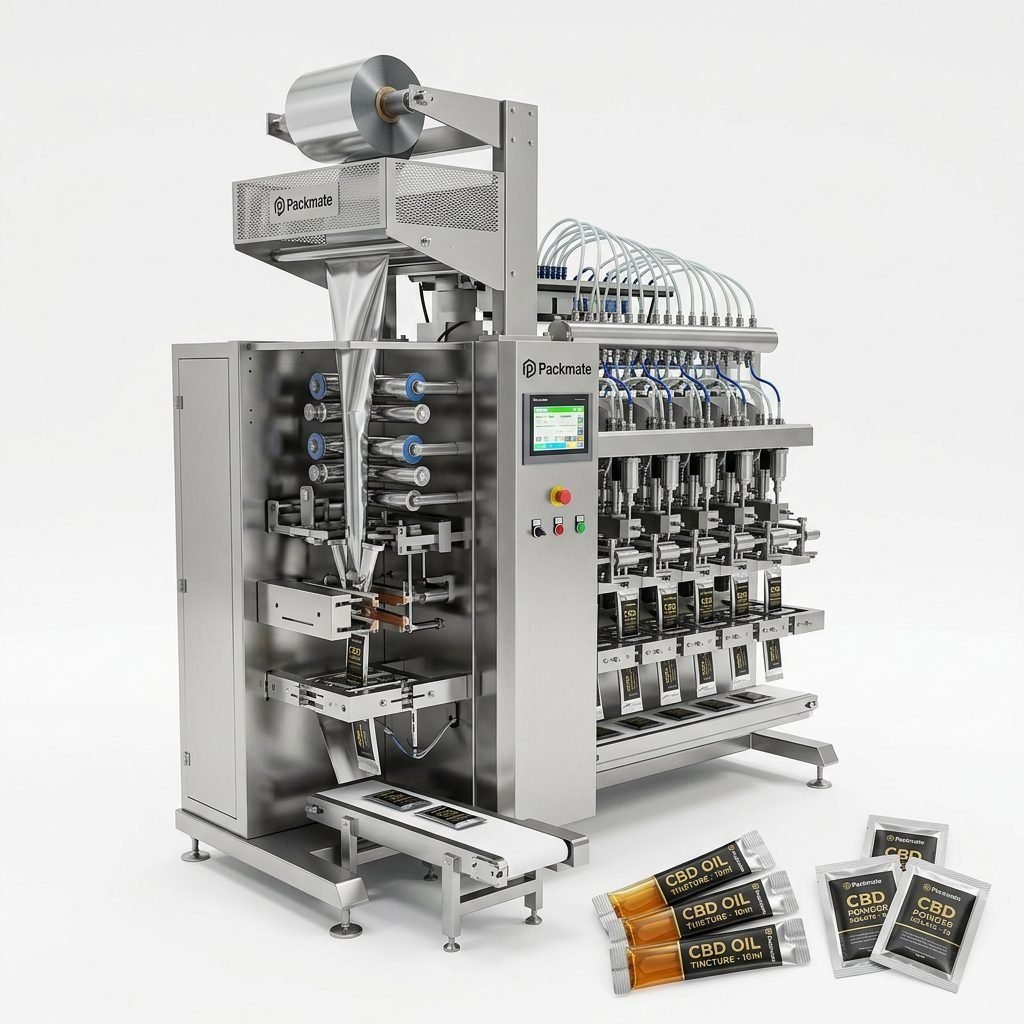
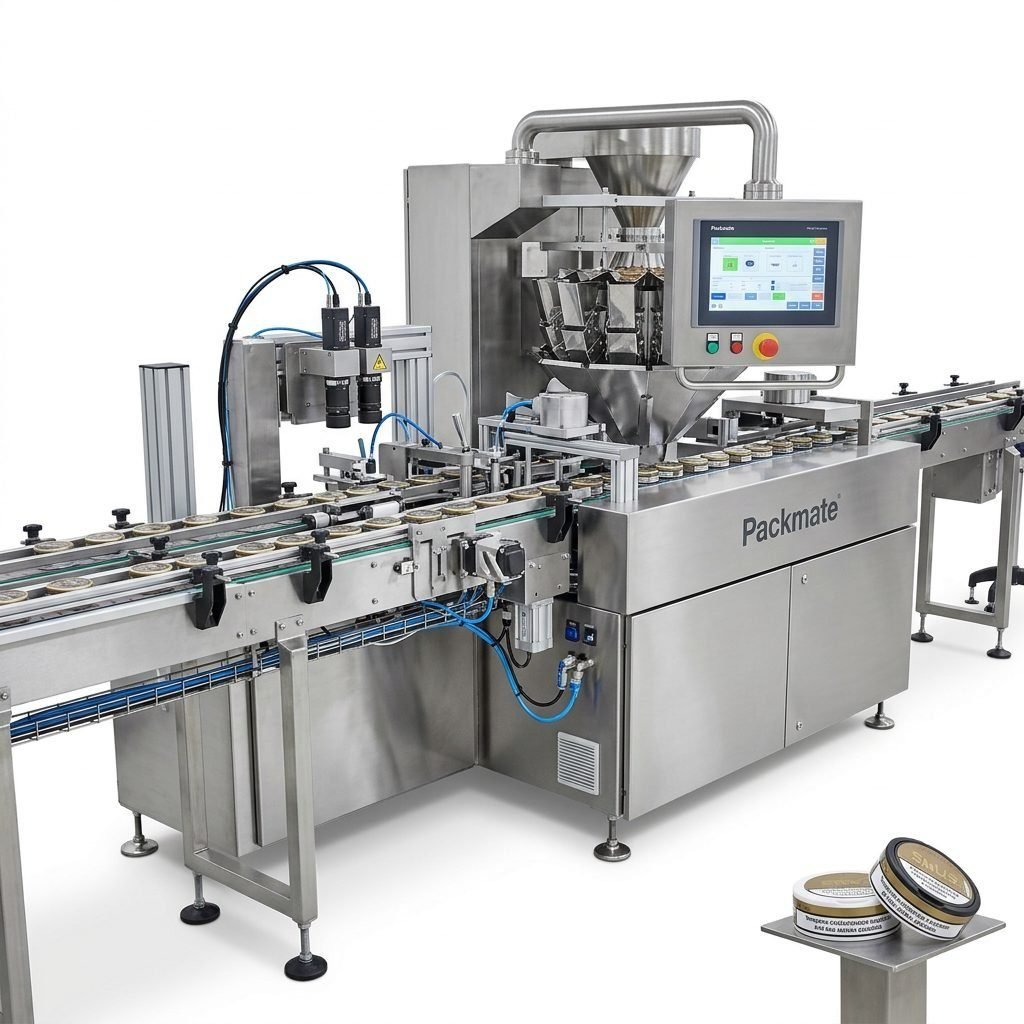
Finding a dependable snus packaging machine supplier in Liechtenstein requires more than price comparisons — it demands an understanding of local market habits, regulatory sensitivity, production quality, and after-sales reliability. This practical buyer’s guide walks you through each step: from assessing technical specs to navigating Liechtenstein’s cross-border trade milieu, so you can make a confident, cost-effective investment in snus and nicotine pouch packaging equipment.
Why choosing the right supplier matters in Liechtenstein
Liechtenstein is a small, high-income country where buyers expect precision, compliance, and long-term partnerships. A wrong choice of supplier can mean production downtime, regulatory setbacks, and reputational risk. In a niche market like snus & nicotine pouches, a machine’s uptime, consistency in pouch weight and seal quality, and adaptability to small-batch runs are critical. Keep in mind that many Liechtenstein businesses value reliability and after-sales service as highly as initial cost.
Local context and cultural cues to consider
Business culture in Liechtenstein is formal and relationship-oriented. Decision cycles may involve careful vetting, references, and a preference for vendors with proven European service networks. Many companies work closely with partners in neighboring Switzerland and Austria, so logistics, spare parts availability, and cross-border customs practices play a larger role than in bigger markets.
Tip: Ask potential suppliers about Swiss/European service hubs and shipping timelines to Liechtenstein. Fast access to spare parts often beats lower purchase cost in the long run.
Step 1 — Define your production needs precisely
Start by documenting your current and expected production volumes, pouch formats, and product characteristics (moisture, granular size, dosing accuracy). Key questions to answer:
✓ What is your target output (pouches per minute per lane)?
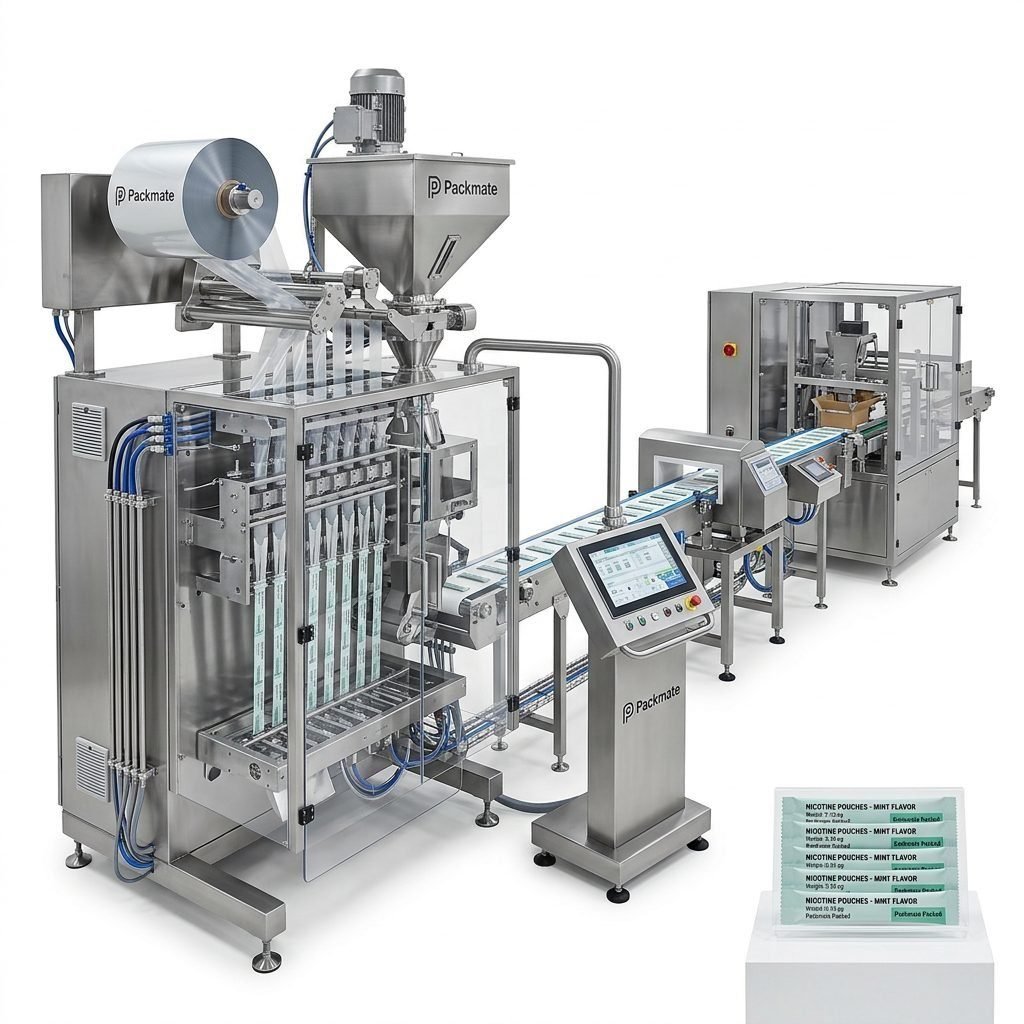
✓ Do you need multi-lane solutions for small-dose pouches?
✓ Will you package nicotine-containing products requiring special handling or cleaning protocols?
✓ Do you plan frequent formula changes or flexible packaging sizes?
Why these details matter
Machines optimized for high-volume, single-format production are different from those built for multi-lane, variable-format runs. For Liechtenstein SMEs that may run smaller batches or experiment with formulations, flexibility and easy changeovers are often more valuable than sheer speed.
Step 2 — Evaluate machine performance and technical specs
Look beyond the sales brochure. The most important technical metrics include dosing accuracy, sealing integrity, lane synchronization (for multi-lane units), and downtime statistics. When evaluating offers, request the following:
Checklist: performance test reports, sample pouches from identical products, mean time between failures (MTBF), recommended maintenance intervals.
Key specs to compare
– Dosing precision (e.g., ±X mg or %)
– Sealing temperature range and seal strength test data
– Number of lanes and effective speed per lane
– Control system openness (PLC/HMI language options, remote diagnostics)
– Material contact parts (stainless steel grade, anti-corrosion coatings)
Step 3 — Compliance, certifications and documentation
Regulatory compliance is essential. For Liechtenstein companies, CE and ISO compliance signal that a machine will meet recognized safety and quality benchmarks. Ask for full documentation:
📄 Declaration of Conformity (CE), ISO certificates, electrical schematics, user manuals in German/English, and cleaning validation protocols if applicable. Suppliers who provide clear traceability and documentation demonstrate better quality control practices.
Step 4 — Inspect manufacturing capability and references
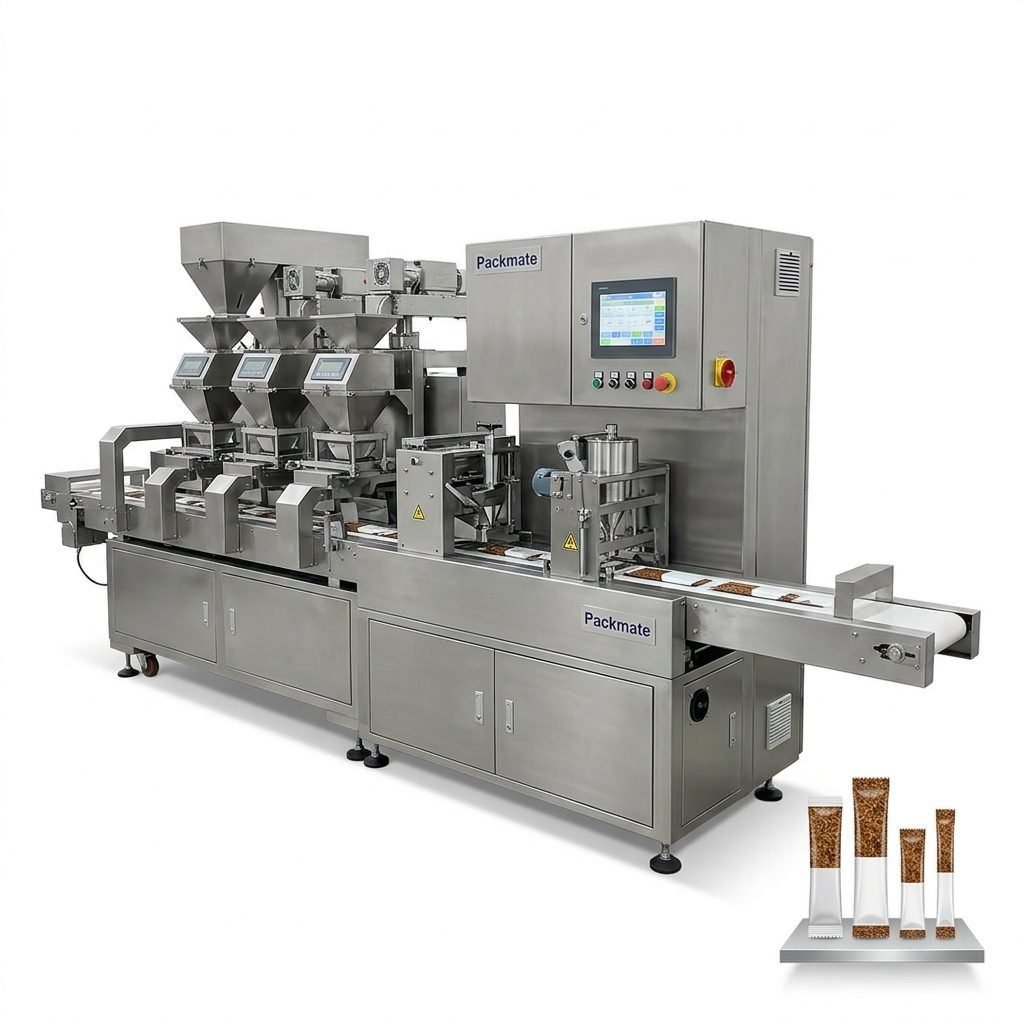
A reliable supplier will welcome technical visits and share customer cases. Evaluate their factory capabilities (CNC machining, assembly precision) and testing procedures. For example, Packmate Snus Machine emphasizes a 20,000㎡ facility, advanced CNC centers, and a strict quality control process — indicators of scale and repeatable quality.
Ask for reference contacts in similar industries and request to see case studies or video demonstrations of machines running comparable products.
What to ask during a factory visit
⚙️ Can you observe a full production run with similar recipes?
⚙️ How are spare parts stored and shipped for urgent orders?
⚙️ What is the standard lead time from order to delivery and installation?
Step 5 — After-sales support, spare parts and training
In Liechtenstein’s market, proximity to support matters. Confirm service coverage in Central Europe and expected response times. A strong supplier offers:
– Local or regional technicians and training;
– Clear spare parts catalog with SKU and expected delivery times;
– Remote diagnostics and software update policies;
– On-site installation & operator training packages.
Red Flag: suppliers that fail to offer spare part lead times or charge excessive service fees. Verify service level agreements before purchase.
Step 6 — Ask for on-site trials and sample verification
The best way to confirm performance is through trials. Request the supplier to run your exact recipe and produce sample pouches. Key verification points:
– Weight variation analysis across 1,000 pouches;
– Seal integrity under storage conditions used locally in Liechtenstein (cool, stable humidity);
– Continuous run time tests (to assess heat buildup and wear patterns).
Step 7 — Commercial terms and contract negotiation
When negotiating, focus on more than price: warranty terms, spare parts discounts, installation costs, shipping and customs responsibilities, and performance guarantees. Because Liechtenstein often uses Swiss logistics channels, confirm whether the supplier will handle customs paperwork or provide export documentation suitable for Swiss/Liechtenstein import processes.
Negotiation tips
– Request a structured payment schedule tied to milestones (design approval, FAT, shipping, installation).
– Secure a penalty clause for missed lead times if those are critical to your launch.
– Ensure software and PLC ownership/licensing terms are clearly stated.
Step 8 — Logistics, installation and acceptance testing
Plan logistics around Liechtenstein’s geography: most freight routes go via Switzerland. Confirm delivery responsibilities (Incoterms), and prepare for installation with local electricians, compressed air, and utilities accessible. The supplier should perform a Factory Acceptance Test (FAT) and a Site Acceptance Test (SAT) to validate machine performance after installation.
How Packmate Snus Machine addresses buyer priorities
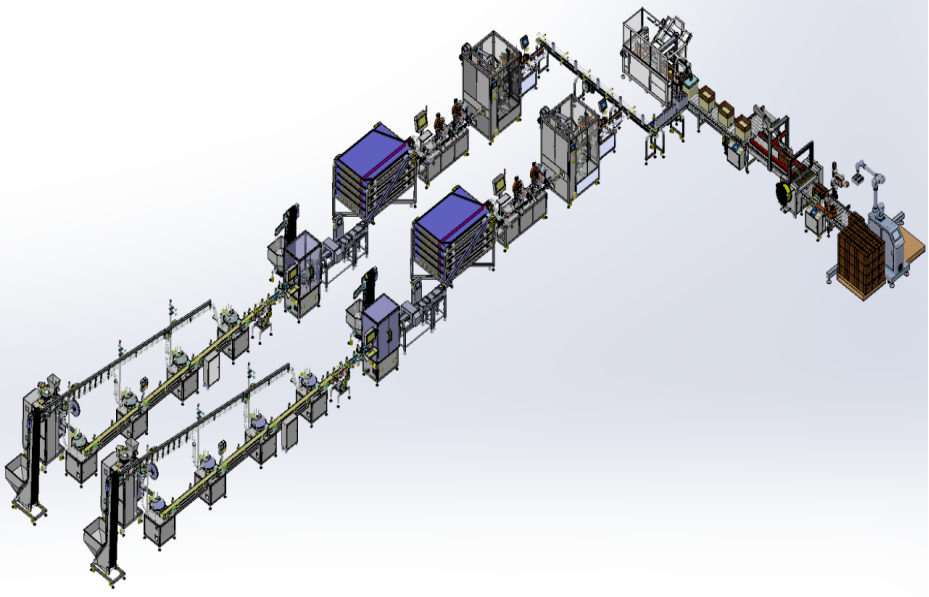
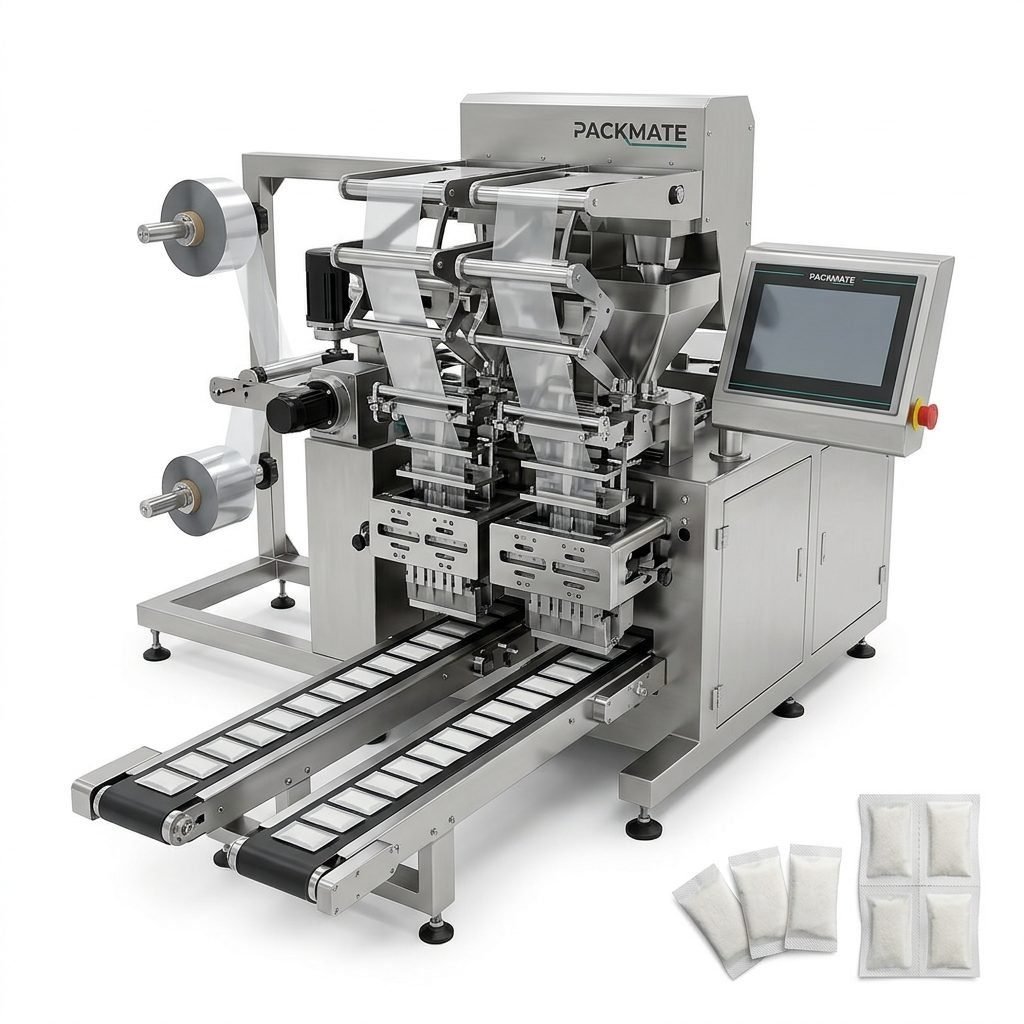
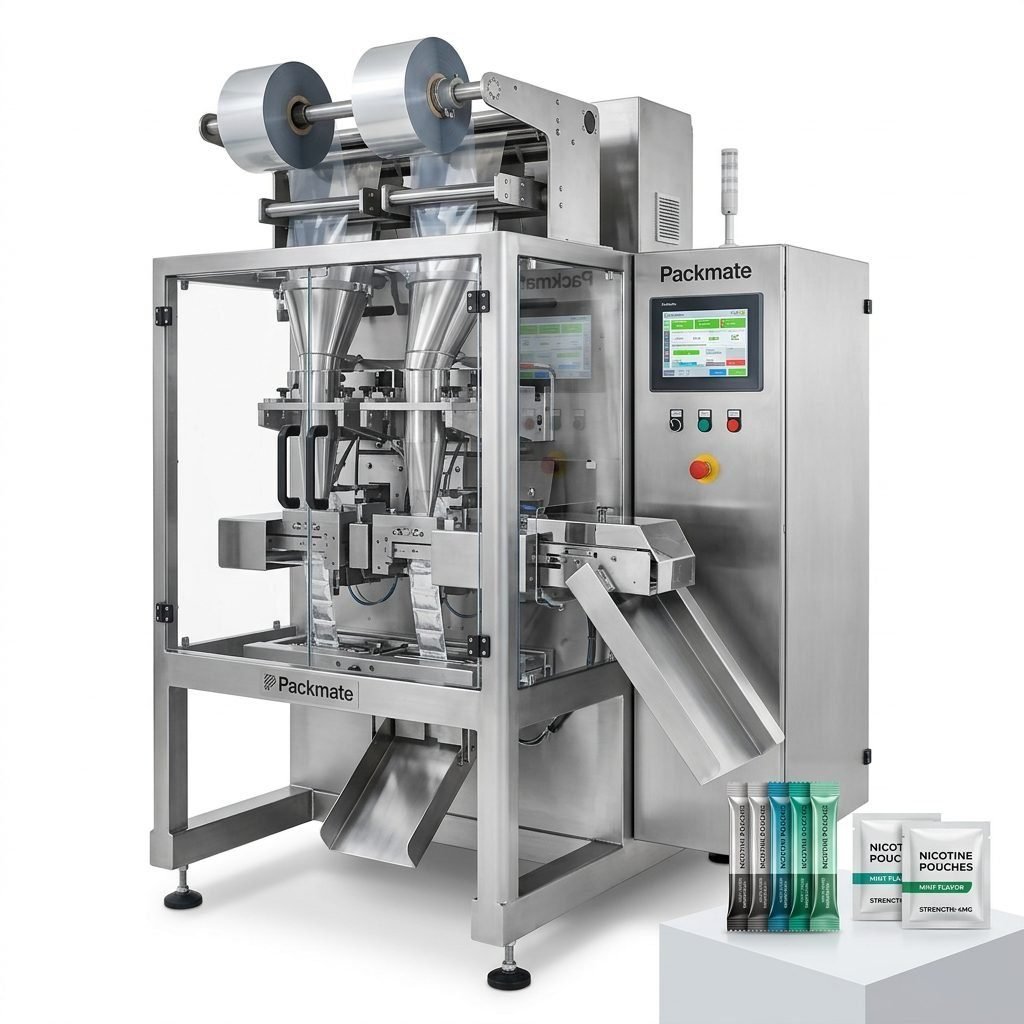
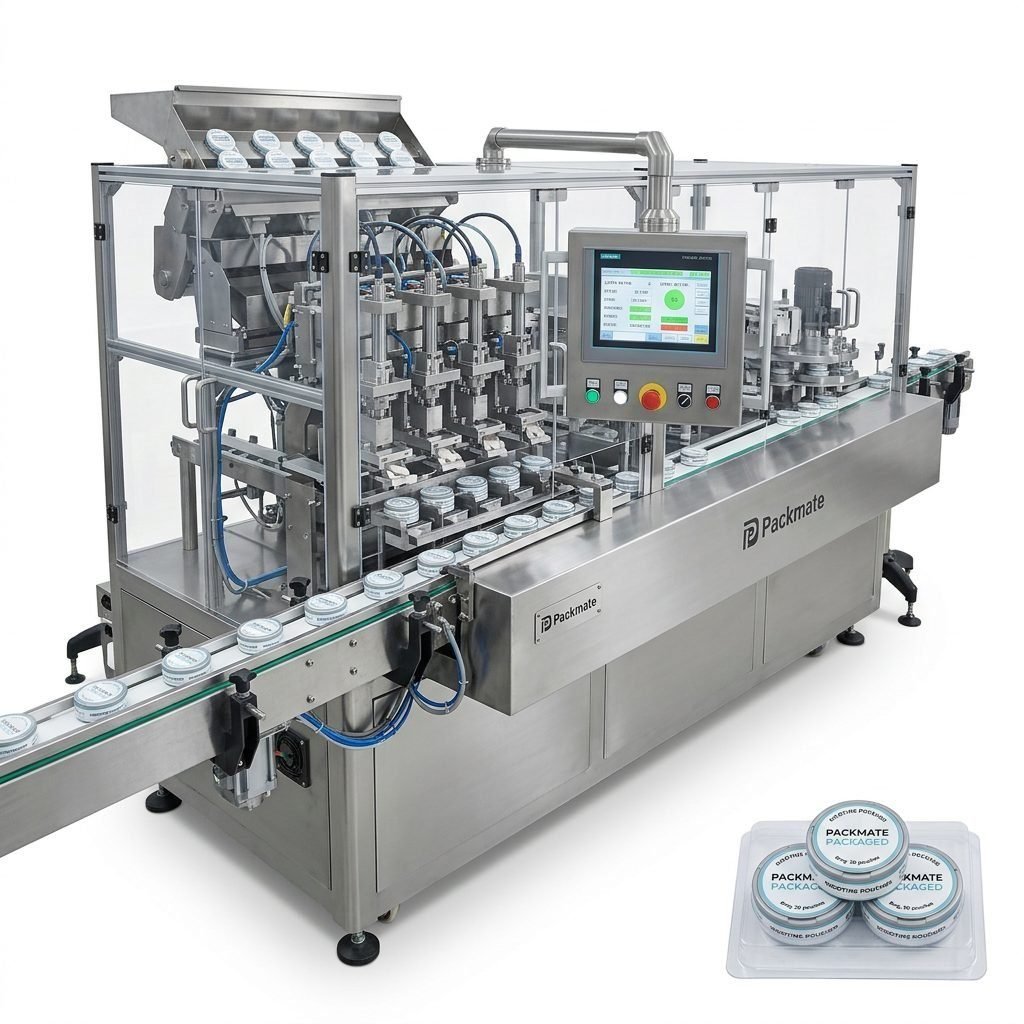
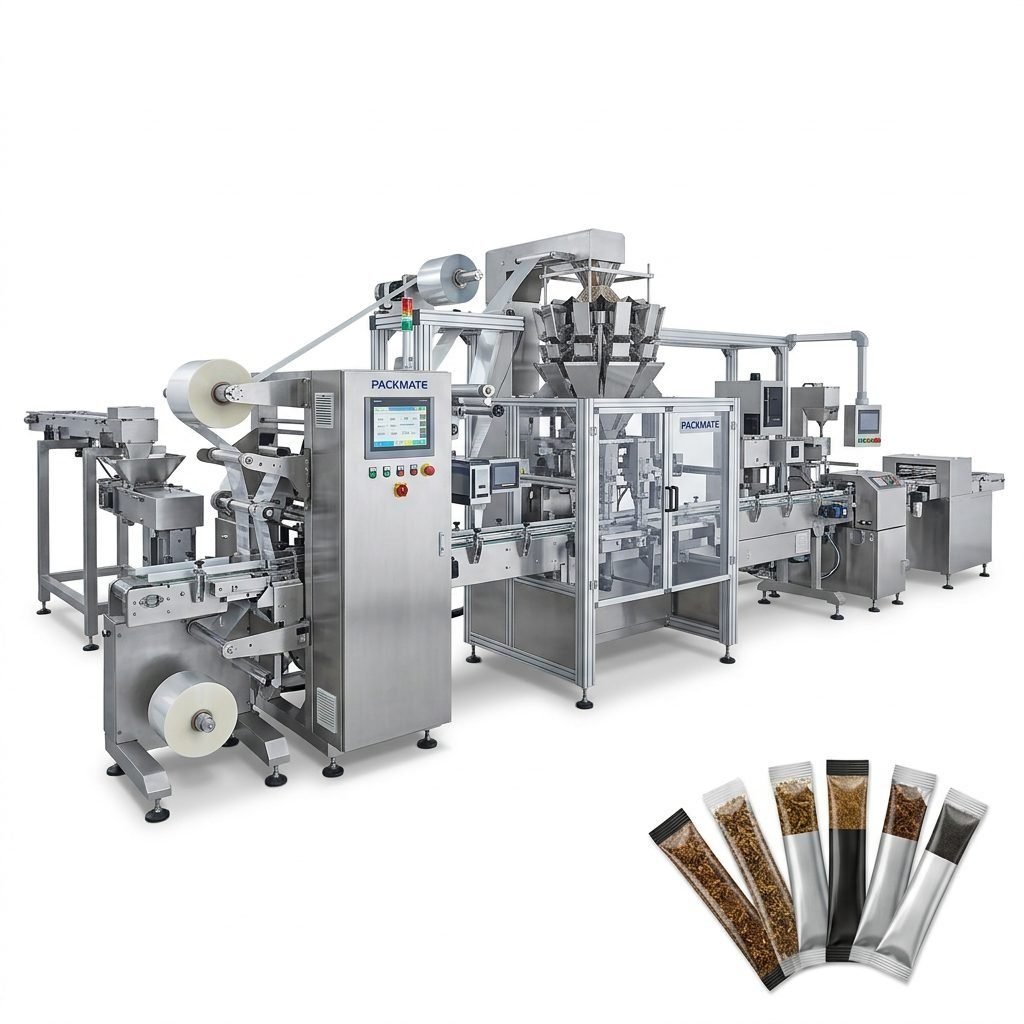
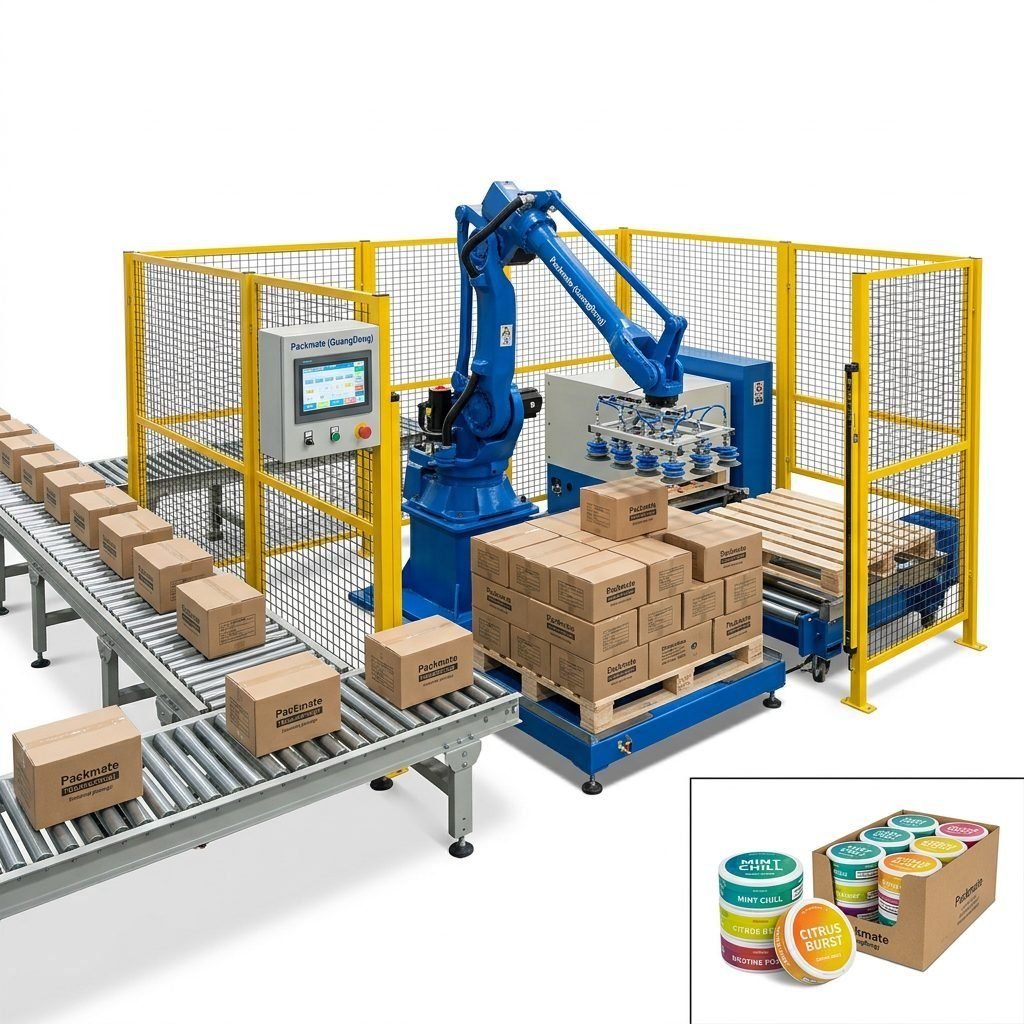
Packmate brings 30+ years of experience and a manufacturing base with advanced CNC centers and precision assembly lines. Their product portfolio includes specialized snus and nicotine pouch machines, multi-lane systems, and full production lines — making them a candidate worth considering for Liechtenstein buyers who prioritize manufacturer capability and documentation. See their product range:
Snus & Nicotine Packaging Machines,
Sachet & Stick Pack Machines, and
About Packmate.
Why their factory size matters: a 20,000㎡ facility and 50+ machine models typically indicate the ability to support bespoke solutions and maintain spare parts inventories for faster service.
Comparing suppliers — a quick decision matrix
Create a scoring sheet for the following categories (score 1–5): technical fit, documentation & compliance, after-sales & spare parts, lead time, price, and references. Weight categories by importance — for Liechtenstein buyers, after-sales and compliance may carry higher weight than raw cost.
Sample priority weights
Technical fit 25%, After-sales 20%, Compliance 20%, Lead time 15%, Price 10%, References 10%.
Red flags and pitfalls to avoid
⚠️ Vague warranty clauses or undocumented spare parts lists.
⚠️ No local technical contact or unreasonable spare parts lead times.
⚠️ Suppliers unwilling to run sample tests with your exact product.
⚠️ Promises of impossible throughput without documented FAT results.
Practical checklist before signing
✓ Documented FAT and SAT procedures agreed in contract.
✓ Clear spare parts catalog and lead times.
✓ Training plan for operators and maintenance staff.
✓ Confirmed certification copies (CE/ISO) and service network.
✓ Inspection of sample pouches and production data.
Useful supplier resources and links
For more reference materials, product catalogs and case studies, visit supplier pages such as:
Snus & Nicotine Packaging Machines
Case Studies
Contact & Service
Final steps after purchase
After delivery and installation, document your acceptance tests, schedule periodic preventive maintenance, and maintain a reserve of critical spare parts based on supplier recommendations. Set up a direct line for priority support and negotiate a parts & service contract if your production is mission-critical.
Conclusion
Buying a snus packaging machine for the Liechtenstein market is a strategic decision that combines technical assessment, regulatory diligence, and cultural understanding. Prioritize suppliers with transparent documentation, regional service capability, and proven multi-lane or small-dose experience. A methodical approach — define needs, verify performance, secure support — will safeguard production quality and business continuity.
Frequently Asked Questions
Q1: How important is CE certification for machines shipped to Liechtenstein?
A1: CE certification is crucial as it indicates conformity to European safety standards and simplifies cross-border imports into Liechtenstein via Swiss channels.
Q2: Should I favor European suppliers over overseas manufacturers?
A2: Not necessarily — weigh supplier track record, spare parts availability, and service presence in Central Europe. Overseas manufacturers with strong regional support can be excellent choices.
Q3: What ongoing costs should I budget for beyond the purchase price?
A3: Include spare parts, annual maintenance, consumables, operator training, and potential software updates or licenses.
Q4: How do I verify a supplier’s production claims?
A4: Request FAT videos, sample pouches from the same recipe, customer references, and third-party inspection reports when possible.
Q5: Where can I find validated snus packaging solutions? Explore full filling & packaging lines or review detailed product pages for multi-lane systems.