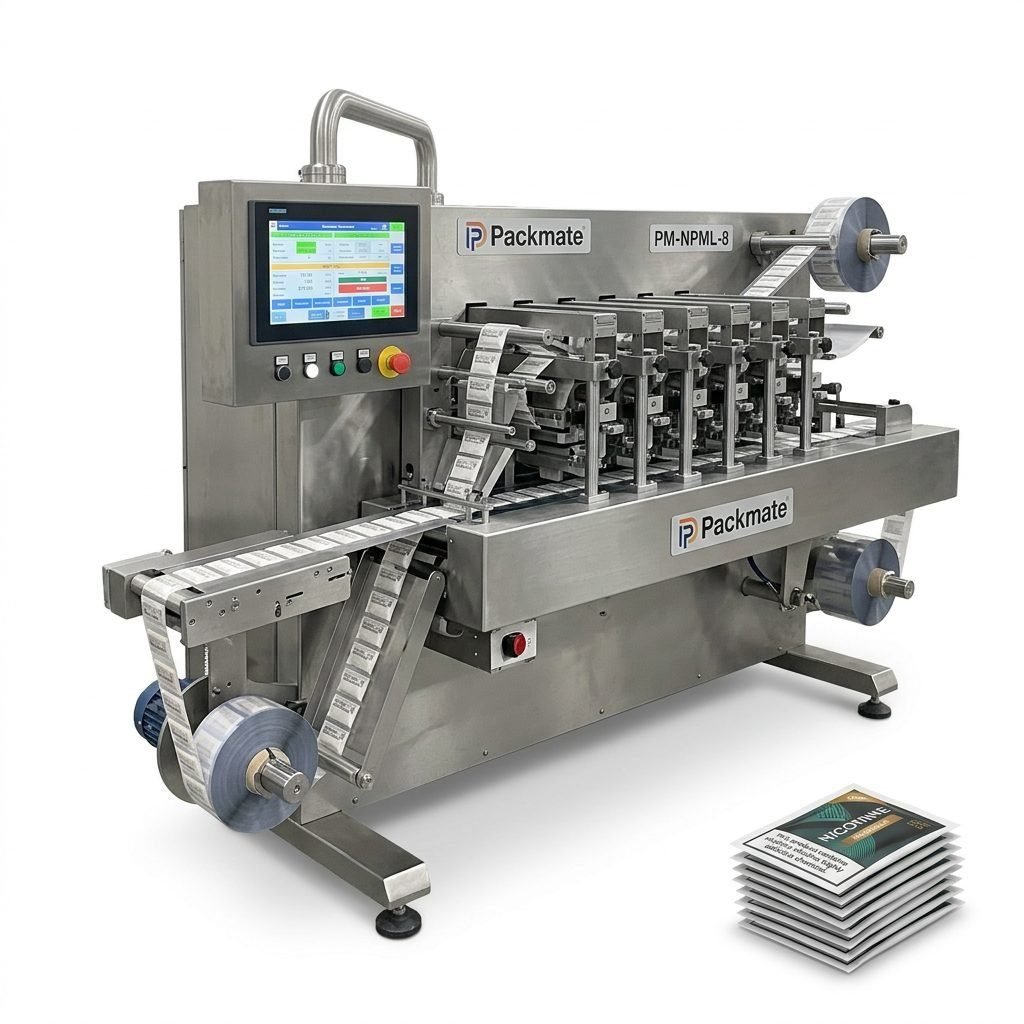
Entering Kenya’s snus and nicotine pouch market requires more than a good product — it demands a reliable packaging partner who understands local logistics, regulatory expectations, and production scale. This guide walks you step-by-step through how to find a trustworthy snus packaging machine supplier in Kenya, what to evaluate during supplier selection, and practical tips to secure the best machine, installation and long-term support.
Market Snapshot & Why Local Context Matters
Kenya’s consumer market is evolving: urban centers like Nairobi and Mombasa show growing demand for modern convenience products, while distribution into smaller towns requires cost-effective packaging solutions. Regulatory scrutiny, import procedures via the Port of Mombasa, and preference for reliable after-sales service make supplier selection a strategic decision. When evaluating international suppliers, always factor in customs clearance timelines, local language support (English and Kiswahili), and cultural business norms.
Quick overview: What Kenyan buyers prioritize
Reliability — machines that run with minimal downtime; local service & parts availability; clear warranty and training; and cost-effective logistics. Kenyan manufacturers and packagers also appreciate suppliers who can offer multi-lane systems for higher throughput, or modular options for small-batch lines.
Step 1 — Define Your Production Requirements
Before contacting suppliers, clarify: expected daily output, pouch size and format (e.g., stick pack, sachet, multi-lane nic-pouch), product type (powder, granule, portion), and automation level. Prepare a simple spec sheet: target RPM, lanes, weight tolerance, filling accuracy, and desired packaging materials. Clear specs let suppliers propose suitable models and avoid costly mismatches.
🔎 Tip: For nicotine pouches, choose machines built for small-dose precision and contamination control. See a range of dedicated options at
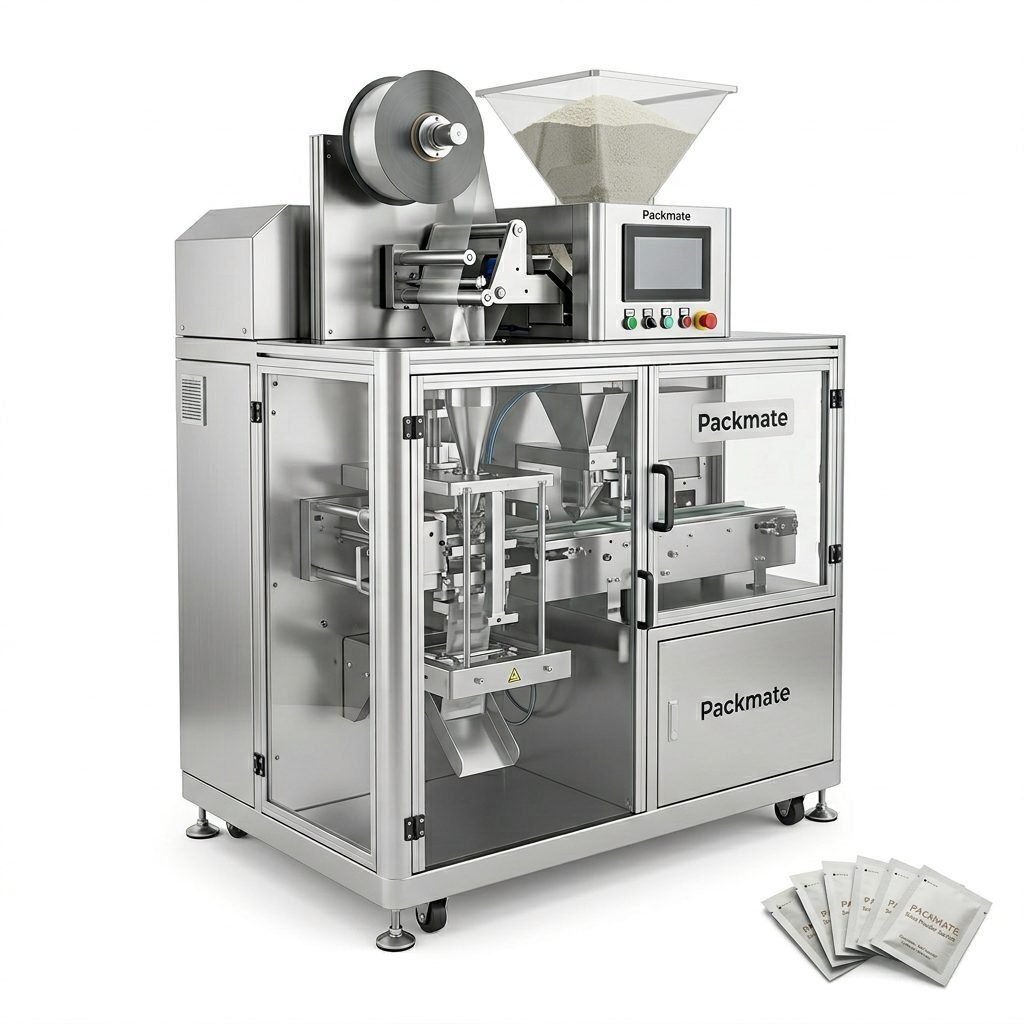
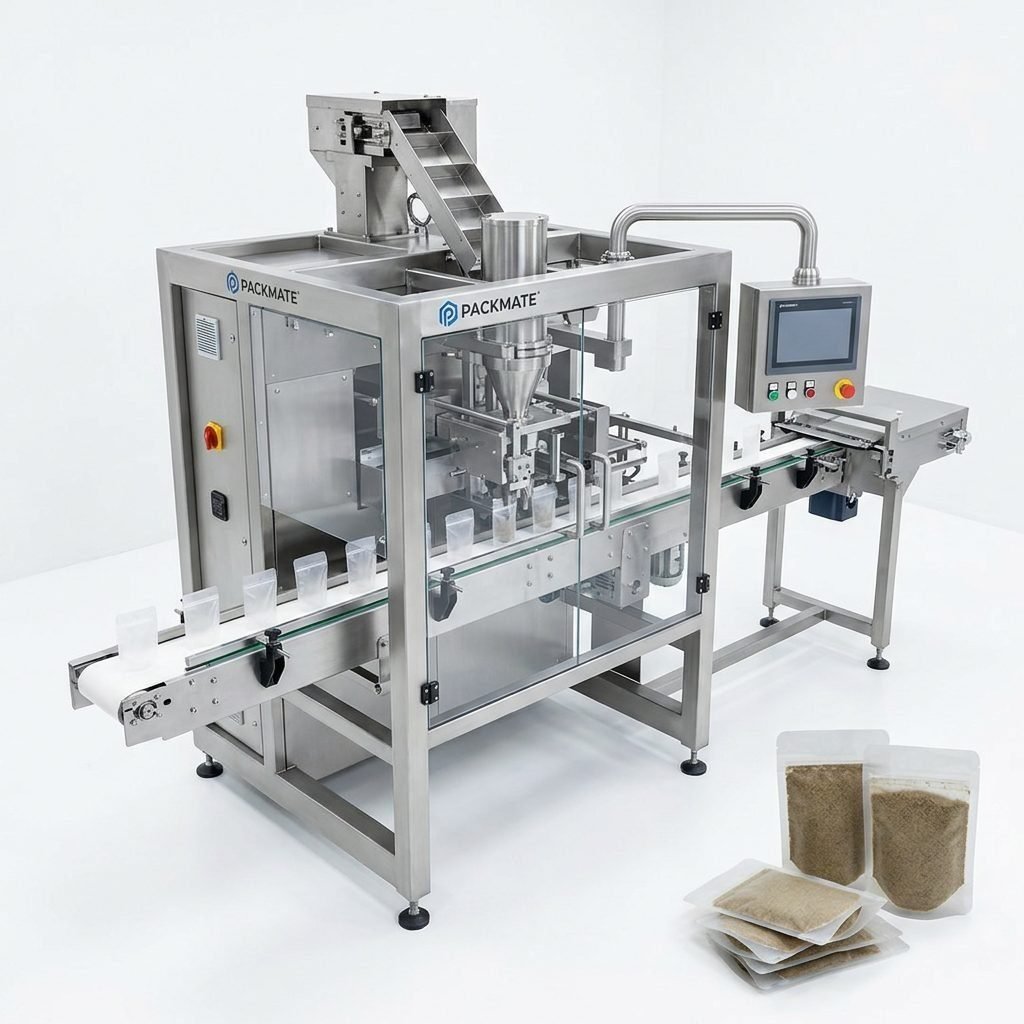
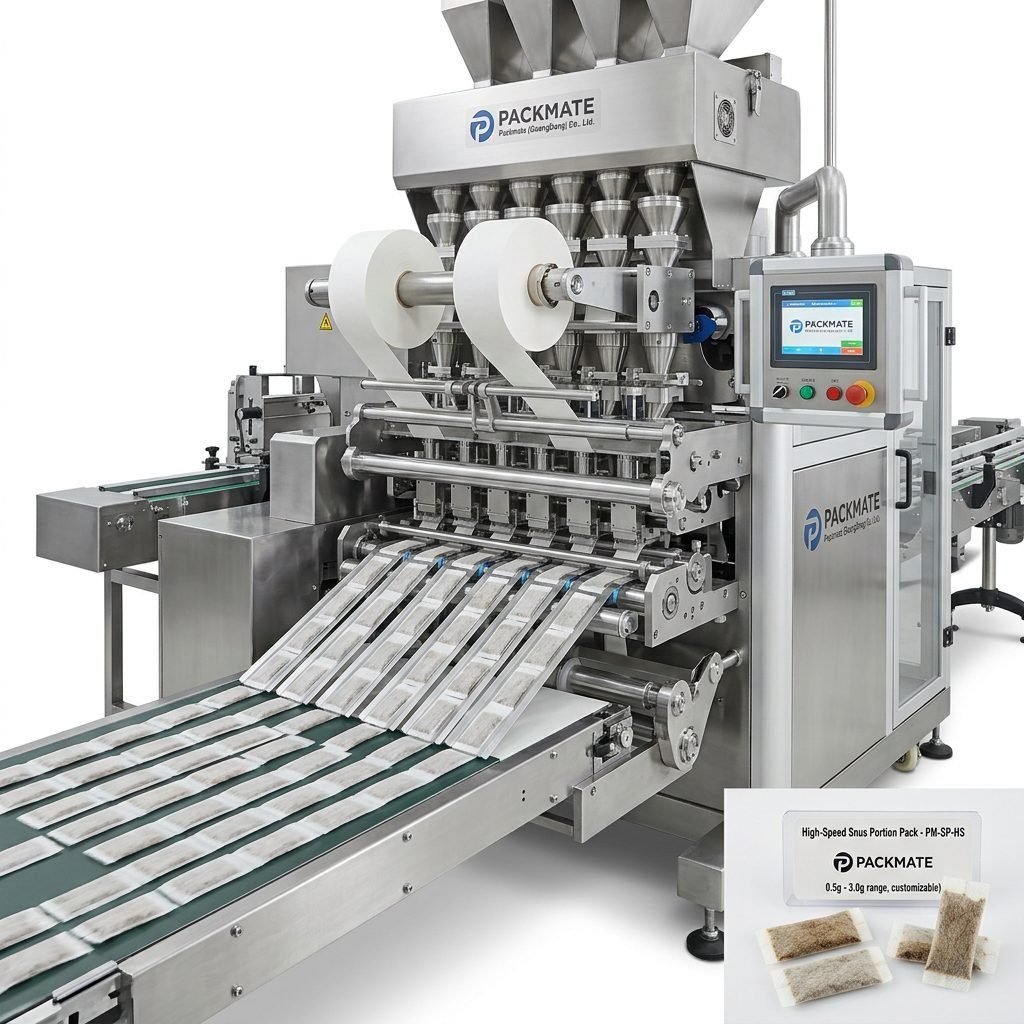
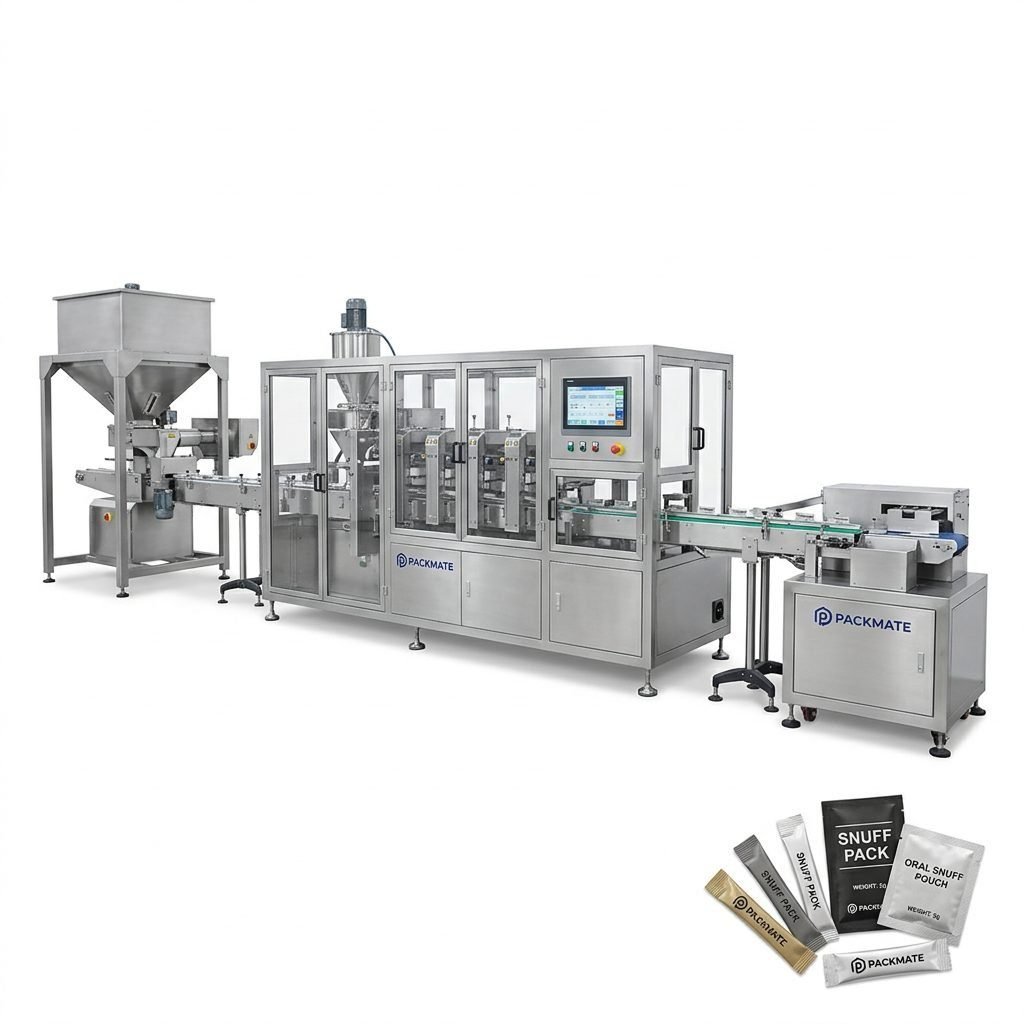
Snus & Nicotine Packaging Machines.
Step 2 — Verify Supplier Credentials and Manufacturing Strength
Look for suppliers with proven manufacturing capacity, clear company history, and multiple machine models. Verify factory size, machining capabilities, and assembly lines. Suppliers with long engineering experience and ISO/CE certifications are preferable because they demonstrate quality systems and compliance for export.
For example, Packmate Snus Machine has over 30 years of experience, a 20,000㎡ factory, and a wide model range. Learn more about their history and capabilities via their company page:
About Packmate.
What to request from the supplier
Request: factory photos, production video, equipment list (CNC, welding, assembly), QA procedures, CE/ISO certificates, and customer references. A transparent supplier will also share past case studies and machine performance data.
Step 3 — Inspect Machine Specifications & Customization Options
Key technical parameters to evaluate:
Production speed (packs/min), filling accuracy (±g), material compatibility (paper, laminated films), power consumption, and overall footprint. Confirm if the machine supports CIP or easy cleaning protocols, critical for nicotine-handling lines.
✅ Ask for a performance video of the exact model running a similar product. Suppliers with multiple machine families (stick pack, sachet, multi-lane) can scale as your volumes grow. Browse product families at
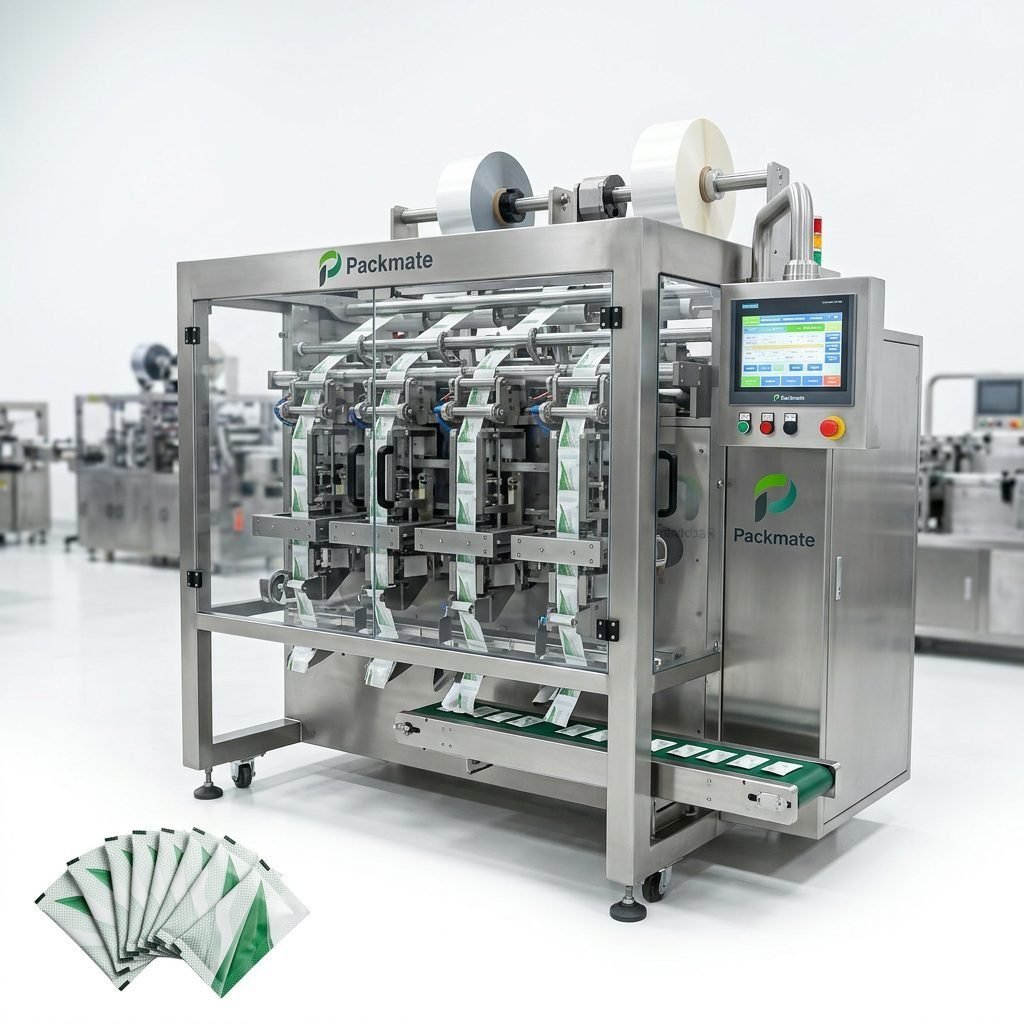
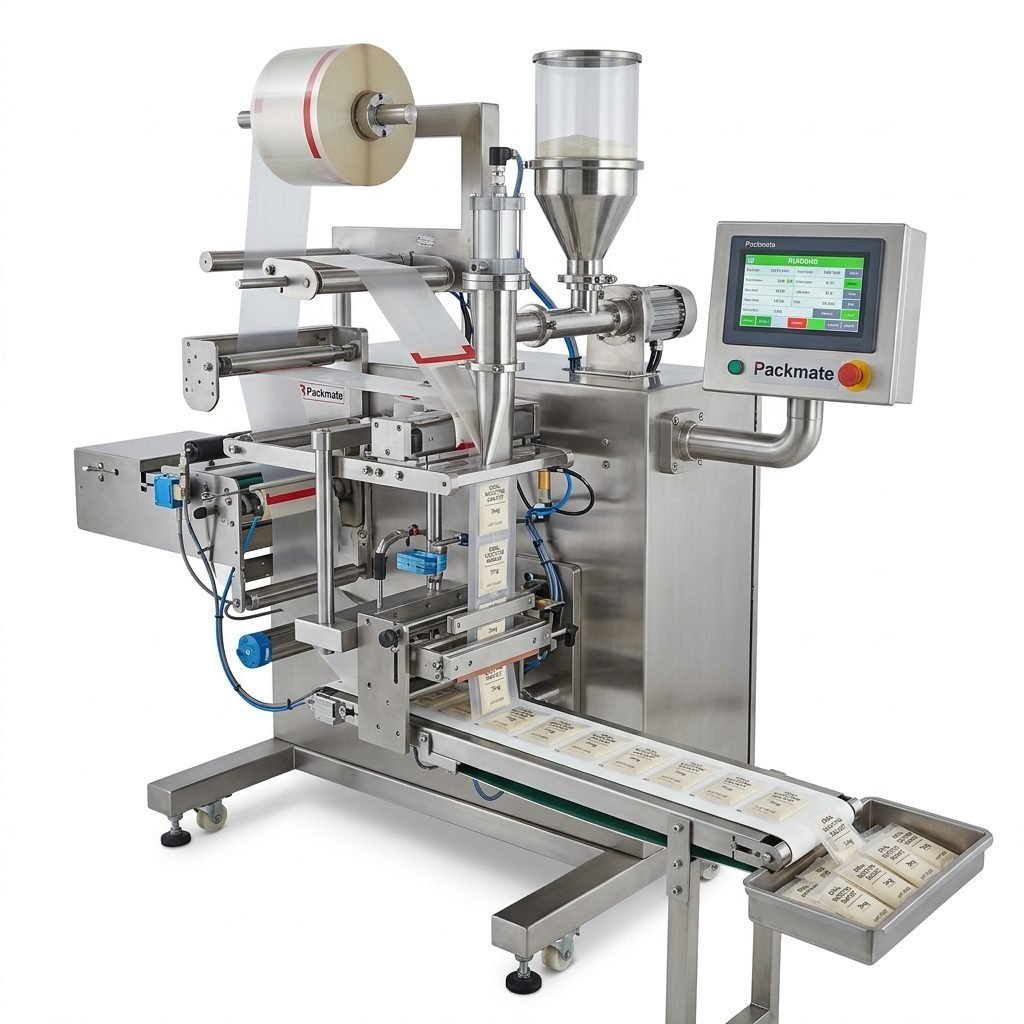
Sachet & Stick Pack Machines.
Step 4 — Quality, Certifications & Compliance
Confirm international certifications (CE, ISO) and any hygiene-related test reports. For export to Kenya, ensure electrical standards and safety interlocks meet importers’ expectations. A reliable supplier provides documentation to ease customs clearance and local acceptance.
Step 5 — After-Sales Support, Spare Parts & Training
After-sales is often the deciding factor for Kenyan buyers. Confirm:
– Warranty period and what it covers
– Spares kit included with delivery
– Remote troubleshooting capabilities (video calls, manuals)
– On-site commissioning and operator training
– Local agent or recommended service partners in Kenya
Before finalizing, ask for a clear spare parts list and lead times — commonly ordered spares should be kept locally to minimize downtime. Suppliers that offer comprehensive service contracts and long-term technical backup demonstrate confidence in their equipment.
Step 6 — Price, Terms, and Logistics
Price is important, but so are payment terms, delivery schedules, and shipping. Clarify FOB vs CIF vs DDP options. For Kenya, CIF to Mombasa is common; DDP simplifies import but is pricier. Confirm machine packaging, crating standards, and expected arrival time at the Port of Mombasa.
💡 Negotiation tip: many reputable suppliers accept staged payments — deposit, production milestone, before shipment — which protects both buyer and manufacturer.
Step 7 — Factory Acceptance Test (FAT) and Site Acceptance Test (SAT)
Insist on a FAT — either in-person or via live video — where the supplier demonstrates the machine running your product or a close substitute. Document acceptance criteria, such as throughput, fault rates, and packaging quality. After shipping and installation in Kenya, perform a SAT to confirm performance under local conditions.
Cultural & Business Etiquette in Kenya
Kenyan business culture values trust and relationship-building. Use polite introductions, allow time for questions, and be clear about timelines. English is widely used in business; however, incorporating a few Kiswahili phrases can build rapport. When planning visits, Nairobi is the primary hub for business, while the Port of Mombasa handles most imports — coordinate logistics accordingly.
Local Regulatory Considerations
Tobacco and nicotine products face specific regulations; ensure packaging lines comply with Kenyan labeling rules and product registration processes if applicable. Work with local legal or regulatory consultants to confirm packaging claims, health warnings, and import permits where needed.
Logistics checklist for Kenya imports
– Harmonized System (HS) codes for packaging machines
– Commercial invoice, packing list, and bill of lading
– CE/ISO and any supplier test certificates
– Pre-shipment inspection (if required)
– Clearance agent contact and Mombasa Port timing
Evaluating Suppliers — A Practical Checklist
Supplier Checklist:
🔸 Factory photos & capacity documented
🔸 CE/ISO certificates verified
🔸 FAT video for your product
🔸 Spare parts list and lead times
🔸 On-site commissioning and training offered
🔸 Proven case studies and customer references — see examples at
Case
Why Packmate May Be a Suitable Partner for Kenyan Buyers
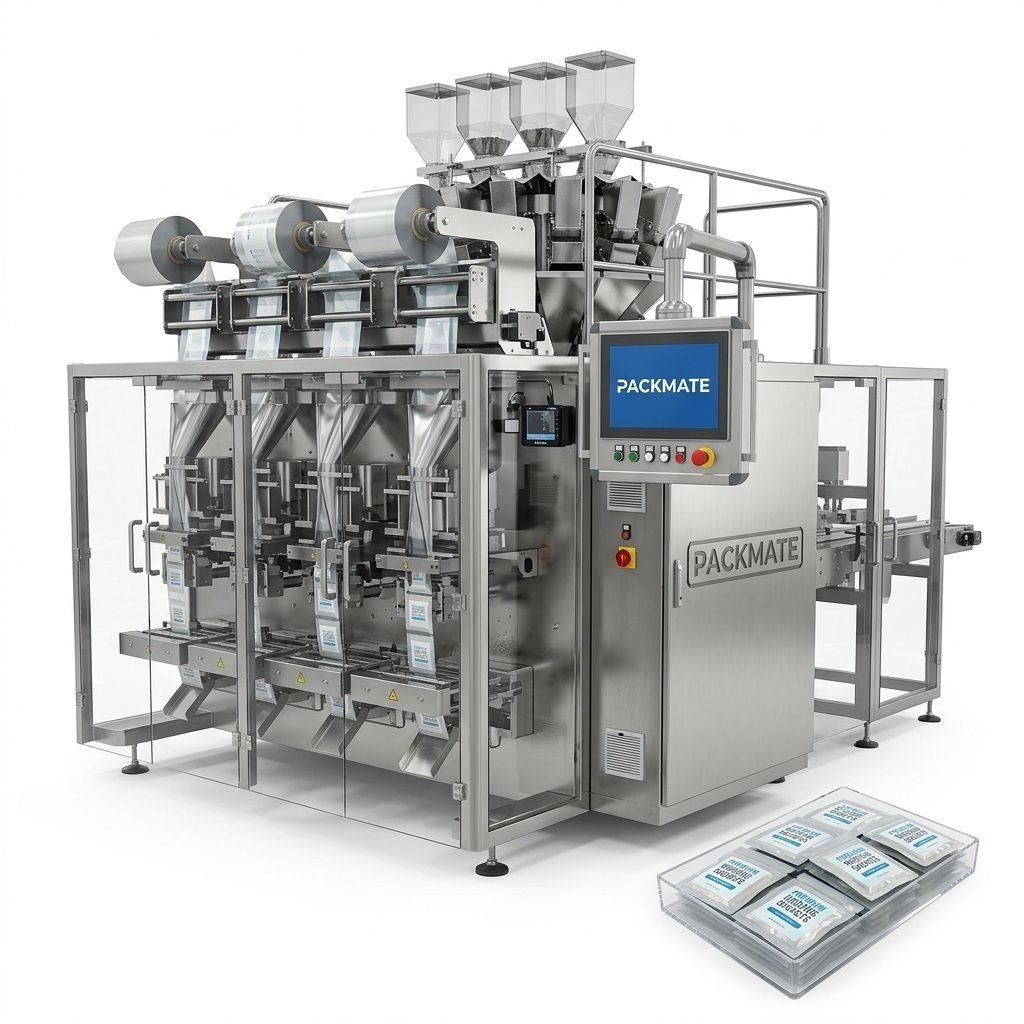
Packmate Snus Machine combines decades of engineering experience, a large manufacturing footprint, and specialized snus/nicotine packaging lines. They offer models suited for stick packs, sachets and multi-lane nicotine pouch production. Their global turnkey solutions and demonstrated export experience can simplify procurement for Kenyan packagers seeking quality and long-term support.
Explore product categories or request a catalog to find an appropriate model:
Catalog •
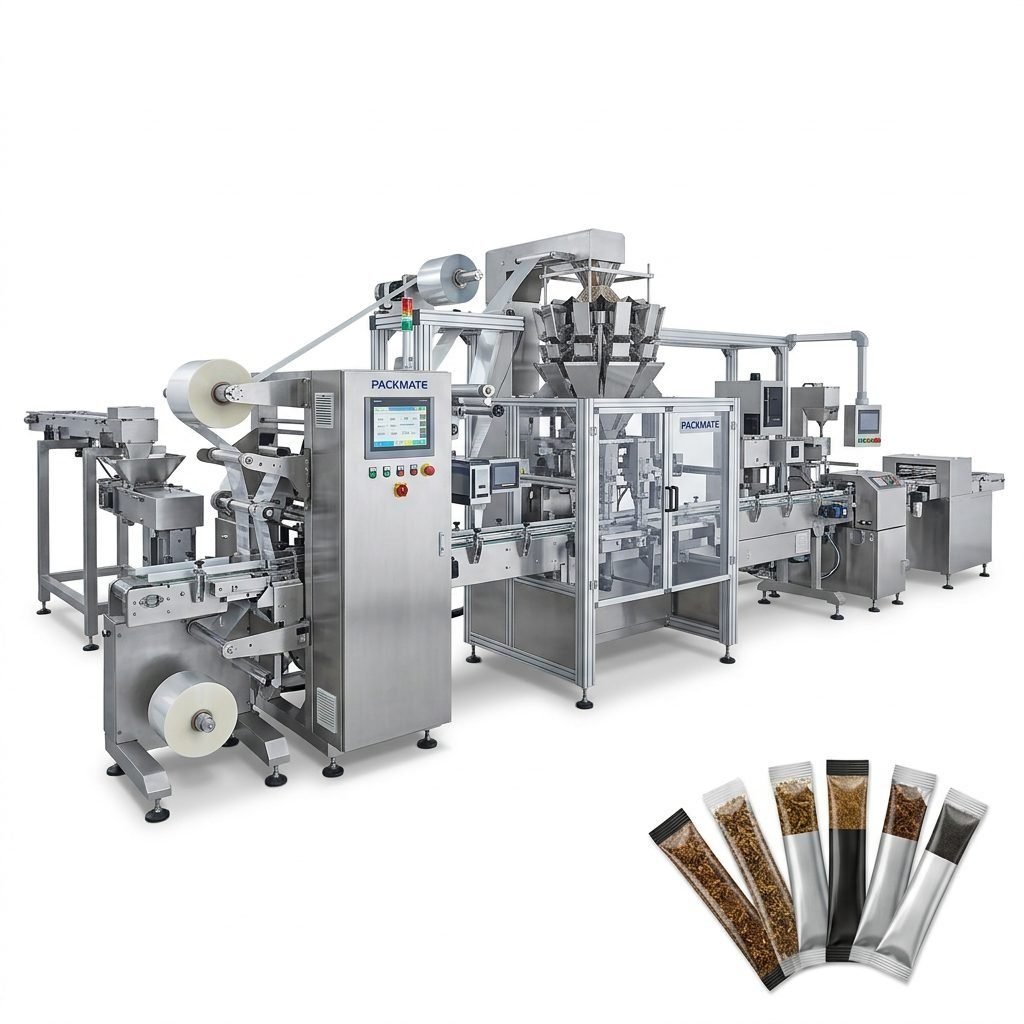
Filling & Packaging Lines
Negotiation & Contract Points to Secure
Include these contractual safeguards: clear acceptance criteria (FAT/SAT), warranty terms, spare parts commitments, training scope, delivery milestones, and arbitration/choice of law. For payment, confirm letter of credit or staged telegraphic transfers to minimize risk. Clarify who bears customs duties, insurance and inland transport in Kenya.
Final Decision Matrix
Rank suppliers by: technical fit, factory credibility, demonstrated performance, price fairness, logistics ease, and after-sales reliability. A slightly higher initial cost for a well-supported machine often saves money over its lifetime through reduced downtime and better yields.
Making the Move
When ready, request a formal quotation, a sample FAT video, and references from existing African customers if possible. Coordinate your customs broker early and schedule commissioning with supplier engineers to minimize on-site surprises.
📞 Need direct contact? For supplier inquiries or after-sales coordination, contact suppliers through their official channels such as
Contact Us.
Quick Resources & Next Steps
– Review product families and case studies before shortlisting suppliers.
– Organize a FAT and define acceptance metrics in writing.
– Allocate budget for spares and local technician training.
– Plan logistics early with your Kenyan customs broker and confirm port handling timelines.
Frequently Asked Questions
Q1: How long does it take to receive a snus packaging machine in Kenya from order?
A1: Typical lead time depends on model and customization — generally 8–16 weeks production plus 4–8 weeks shipping and customs clearance. Always confirm with the supplier and your freight forwarder.
Q2: What warranties and spare part support should I expect?
A2: Look for at least a 12-month warranty, a spare parts kit included on delivery, and clear lead times for critical components. Suppliers with global service networks can shorten response time.
Q3: Can suppliers customize machines for small-batch or multi-lane production?
A3: Yes — reputable suppliers offer modular or multi-lane options to scale capacity. Discuss lane counts, changeover time, and tooling with the supplier early.
Q4: How do I verify machine performance before shipping?
A4: Require a FAT video showing your product or a similar formulation under agreed acceptance criteria. If possible, visit the factory or arrange an independent inspection.
Q5: Where can I view real-world implementations and references?
A5: Request customer references and case studies from the supplier. Many manufacturers publish case examples online — for instance, review documented projects at
Case.