Choosing the right snus packaging machine manufacturer in Yemen is a critical business decision that affects product quality, regulatory compliance, production efficiency, and long-term profitability. This guide walks you through practical steps to evaluate manufacturers, understand technical specifications, and adapt to Yemen’s market and cultural environment so you can make a well-informed choice for your nicotine pouch or snus production line.
Why the Manufacturer Matters: Production, Compliance, and Brand Reputation
The machine supplier you select will influence not only daily operations but also your ability to meet local regulations, maintain hygienic standards, and deliver a consistent product to customers. In Yemen, where consumer trust and product authenticity are essential, partnering with a reputable manufacturer helps you avoid technical downtime and legal risks. Look for suppliers with proven experience in producing snus and nicotine pouch equipment and with a demonstrated track record of global deliveries and certifications.
Key fact: Manufacturers with long-term engineering experience and a broad range of machine models are more likely to deliver robust, serviceable packaging lines — for example, suppliers that provide stick pack, sachet, and multi-lane systems for nicotine pouches.
Step 1 — Verify Technical Capabilities and Product Range
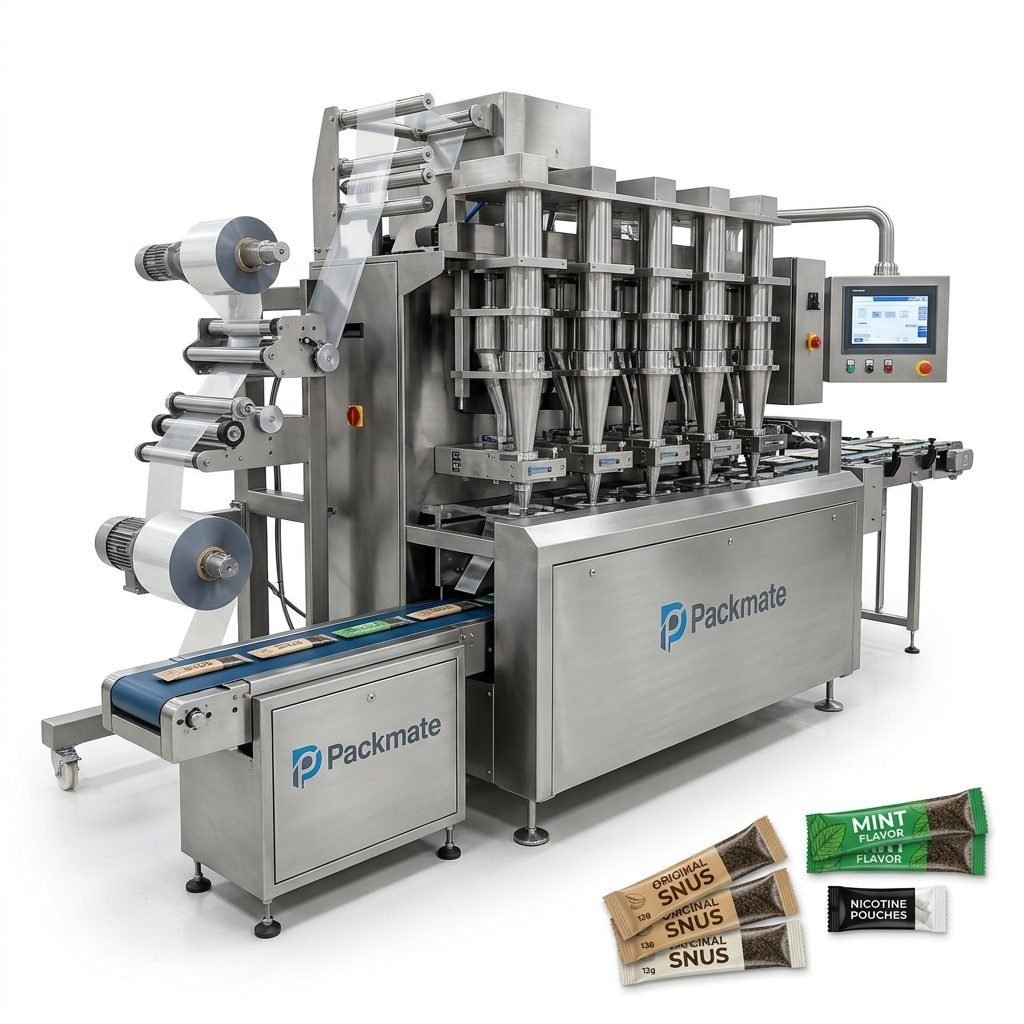
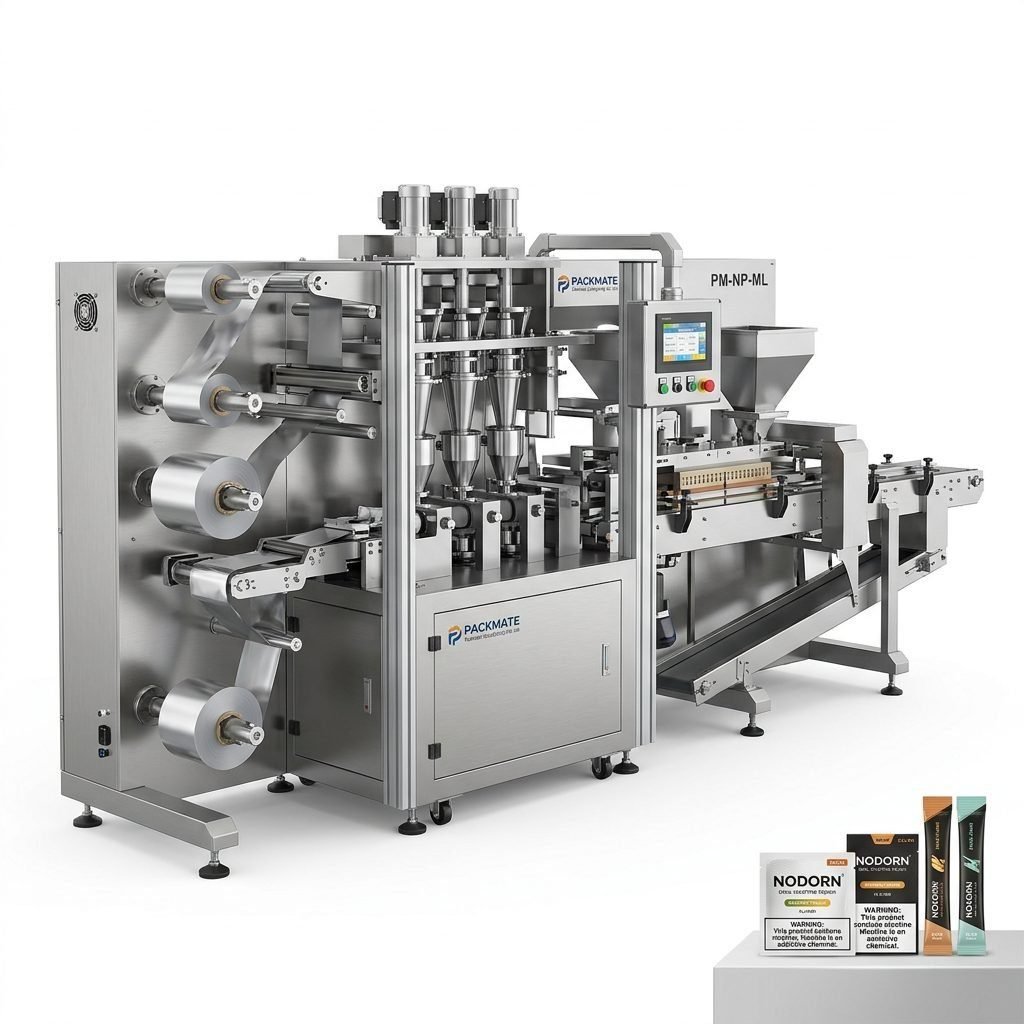
A top manufacturer should offer a variety of machines that match your planned output and pouch format. Key machine types to evaluate include:
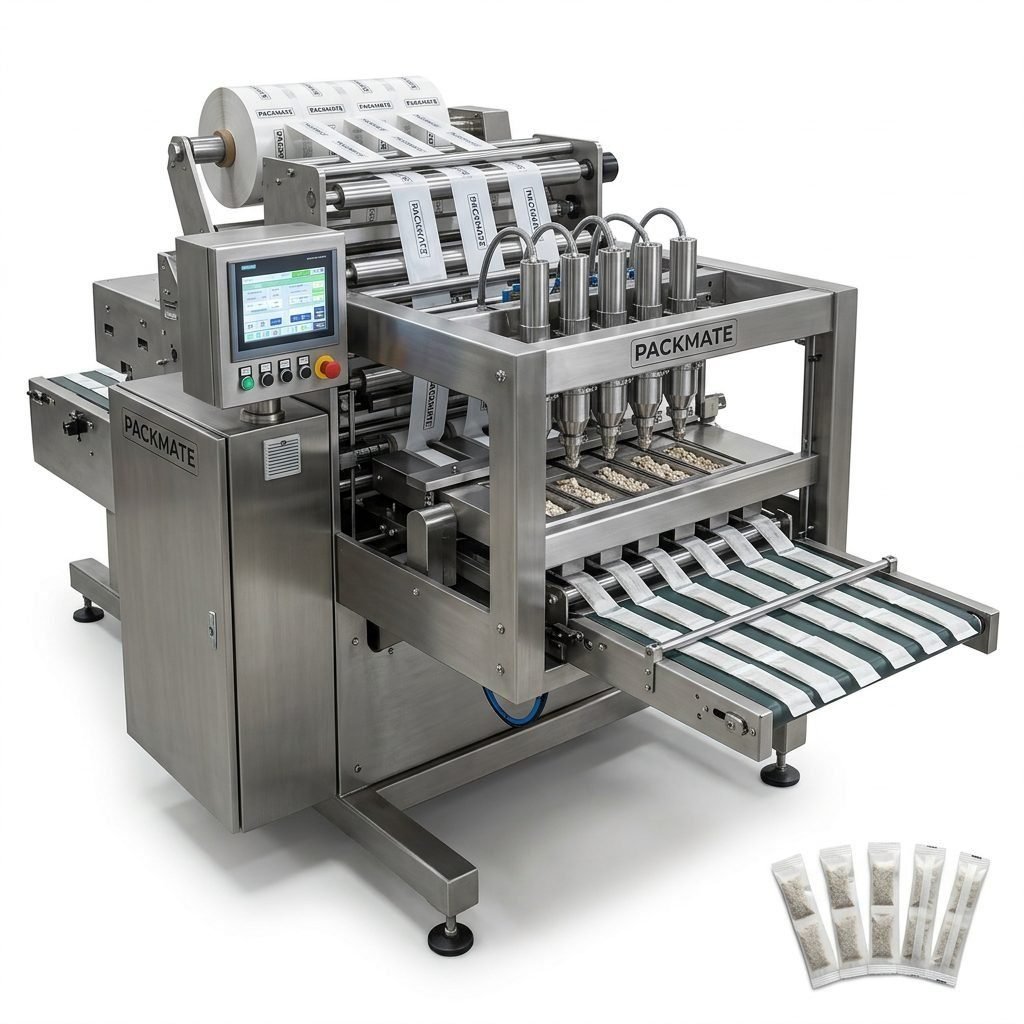
- Multi-lane snus packaging machines for high-volume production.
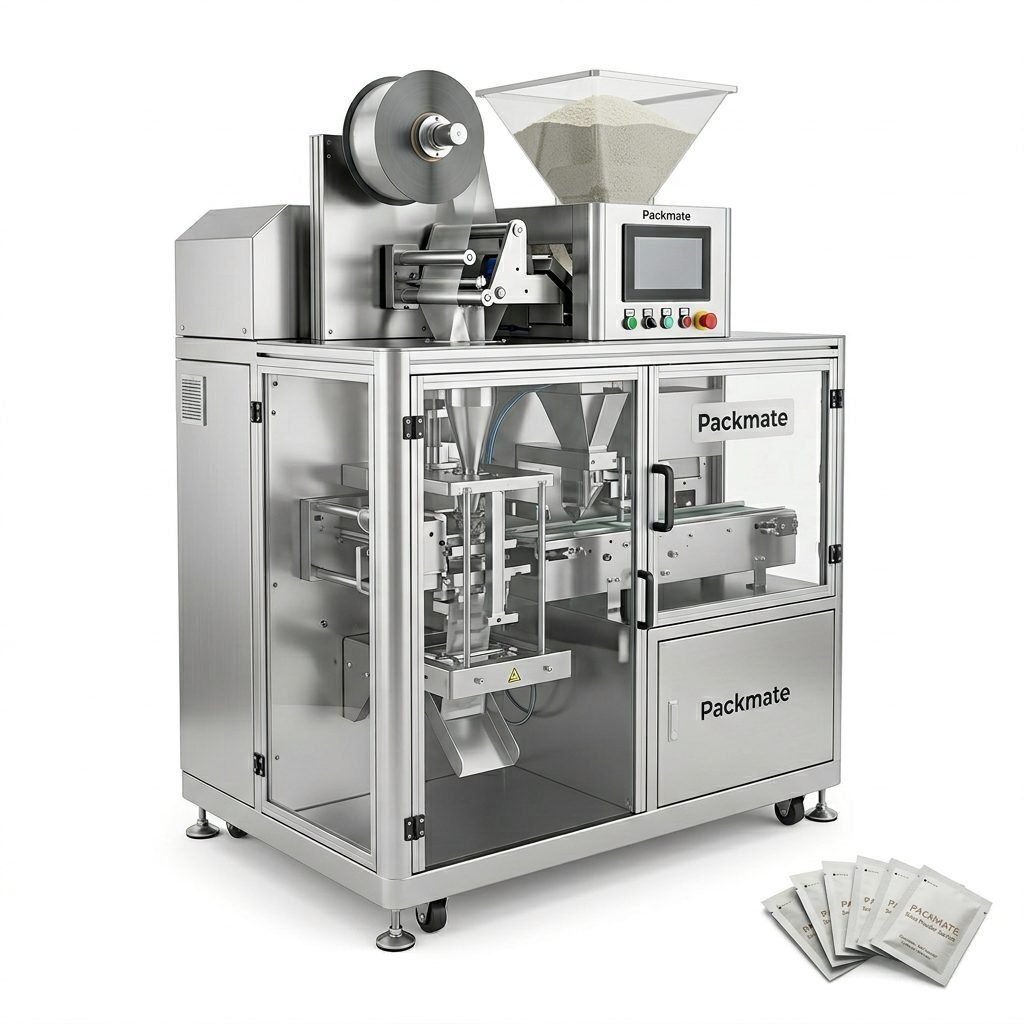
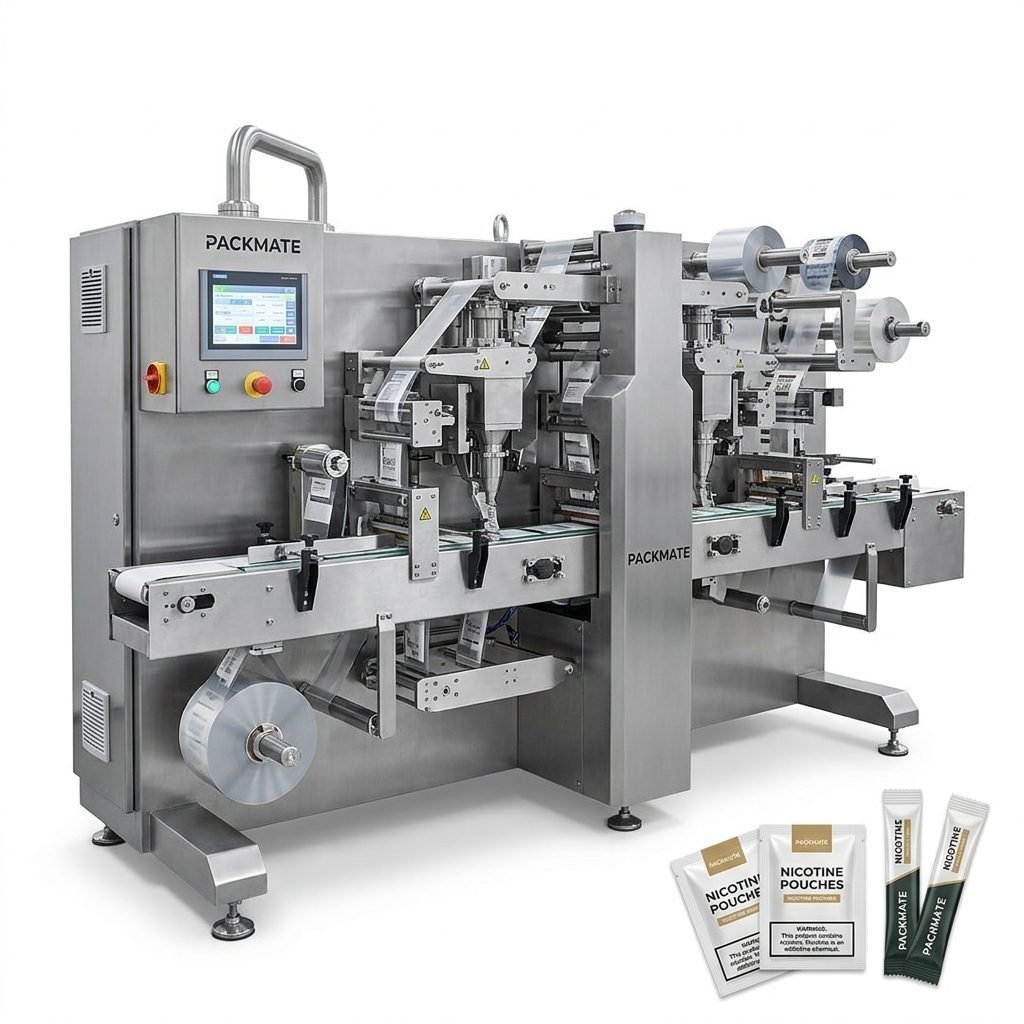
- Sachet & stick pack equipment for single-dose pouches and variants (Sachet & Stick Pack Machines).
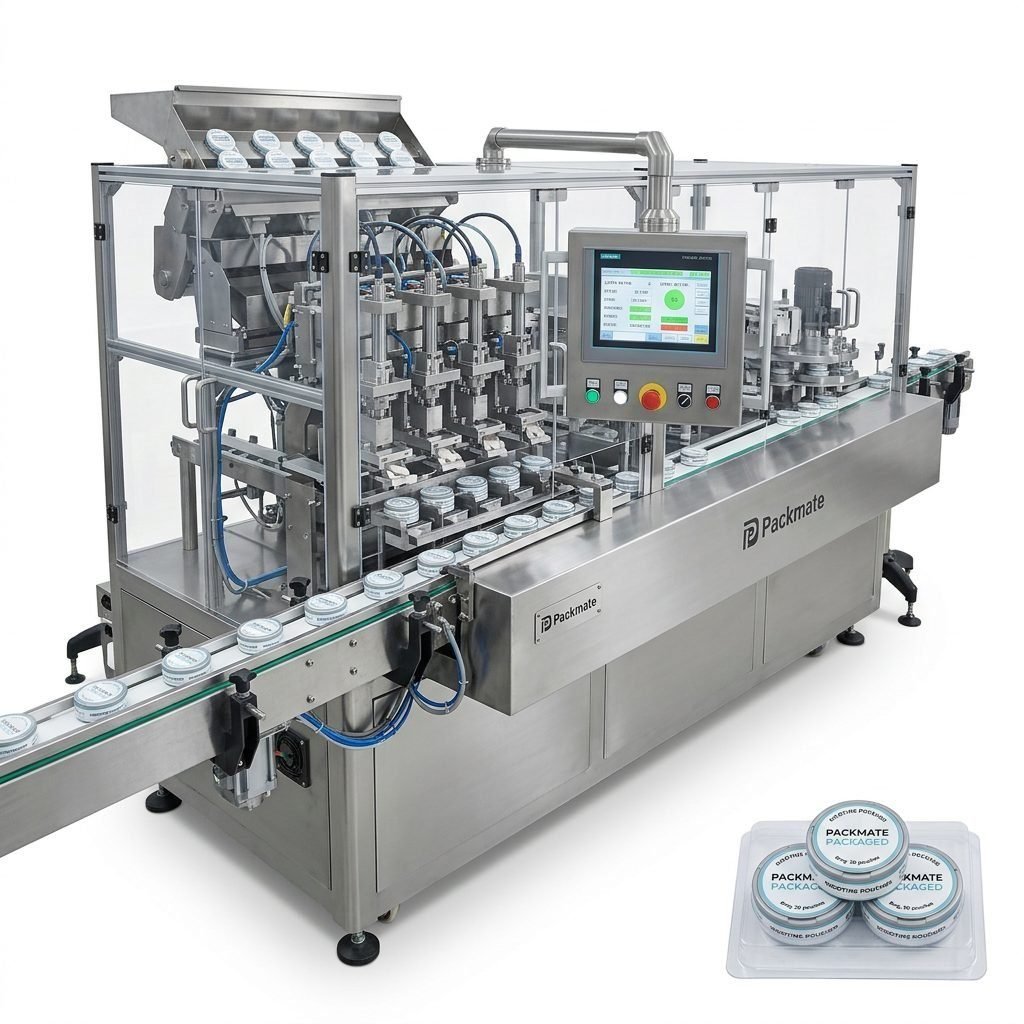
- Integrated weighing and filling systems for precise small-dose production (Weighing & Packaging Systems).
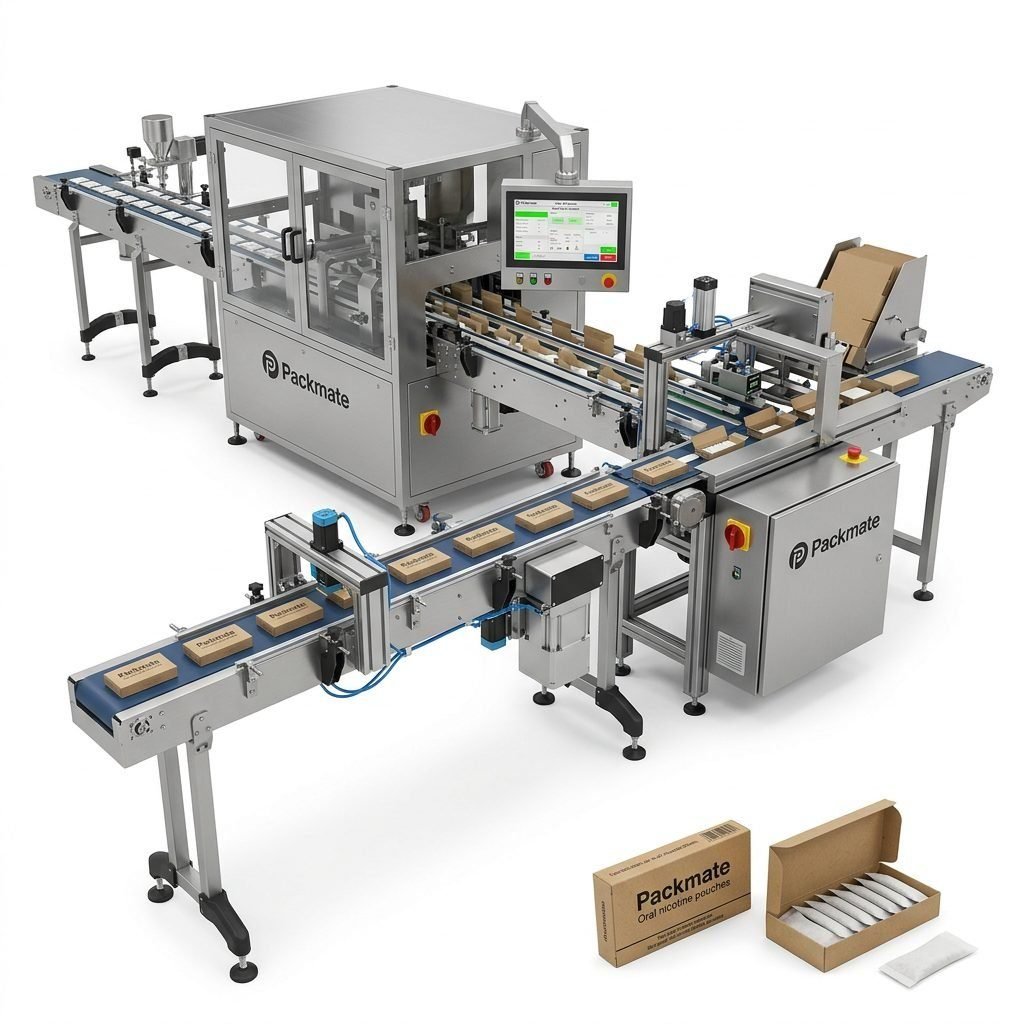
- Auxiliary equipment like conveyors, labeling, and inspection systems to build a complete line (Auxiliary Packaging Equipment).
Step 2 — Inspect Factory Strength and Quality Control
Manufacturing capability and quality control matter more than flashy sales material. When evaluating suppliers, consider the following:
- Factory footprint and machining capabilities — look for CNC centers and precision assembly lines.
- Quality systems and certifications such as CE and ISO that demonstrate international compliance.
- Range of available models — suppliers with 50+ machine types can better tailor solutions to your needs.
Tip: Ask for factory photos and video of the production line, and request evidence of CNC machining and assembly workflows. Reputable companies will provide a virtual tour or documentation without hesitation.
Step 3 — Evaluate After-Sales Support and Spare Parts Availability
In Yemen, logistical constraints and limited local machine service providers make after-sales support a critical selection criterion. Confirm that the manufacturer offers:
- Spare parts inventory and reasonable lead times for replacement components.
- Remote technical support and training packages for operators and maintenance staff.
- Installation and commissioning services, or detailed guidance if they cannot travel to Yemen.
Local Considerations in Yemen: Culture, Regulations, and Market Preferences
Yemen’s market and cultural landscape influence how you should approach snus production and packaging. Consider local consumer habits, religious observances, and import procedures when planning your packaging investment.
Cultural and Seasonal Factors
Smoking and tobacco use are widely known in Yemen, and nicotine product demand often ties to social occasions. Respect for religious practices such as Ramadan affects production scheduling and consumer purchasing patterns — demand can shift before and after fasting periods. Plan production cycles and maintenance windows around these cultural patterns to maximize sales and minimize downtime.
Regulatory and Import Considerations
Before importing machinery or raw materials, check Yemen’s customs requirements, import tariffs, and any licensing needed for nicotine-related products. Work with the manufacturer to ensure documentation (CE/ISO certificates, machine manuals, spare parts lists) is complete to smooth customs clearance.
Important: Manufacturers should supply complete certificates and clear packing lists to reduce delays at Yemeni ports. Ask for assistance with documentation if your supplier has export experience.
Machine Features to Prioritize for Nicotine Pouch Production
When reviewing machine specifications, prioritize reliability, dosing accuracy, and hygienic construction. The following features will be especially important:
- Precision dosing systems for small-dose pouches (consistent weight per pouch).
- Multi-lane capabilities if you need high throughput in a compact footprint.
- Stainless steel construction and easy-to-clean surfaces to meet food/pharma hygiene standards.
- Flexible format changeover to test different pouch sizes and materials.
- PLC and touchscreen controls with remote diagnostic abilities.
Automation and Turnkey Solutions
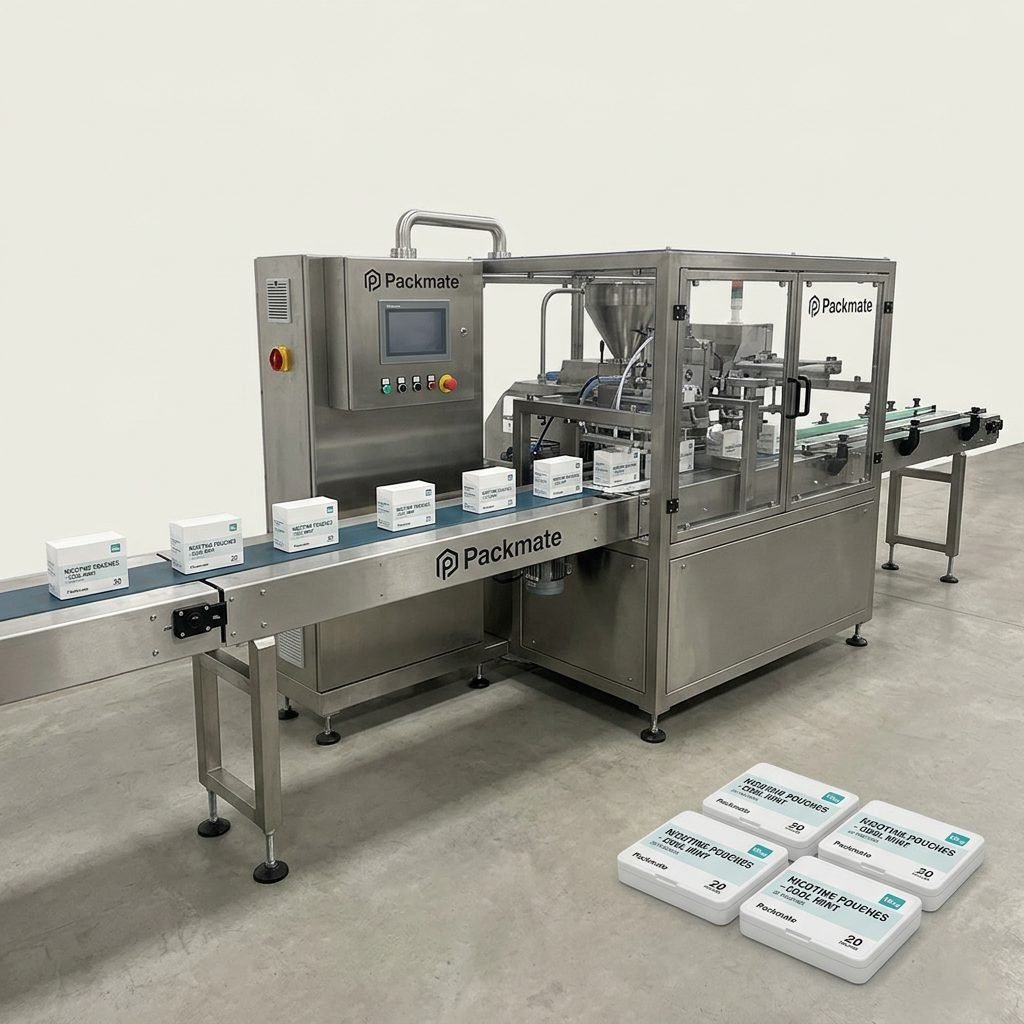
If you aim to scale quickly, consider turnkey production lines that combine filling, sealing, weighing, and packaging into one integrated system. Manufacturers that provide turnkey options — including conveyors, checkweighers, and metal detectors — will reduce engineering time and integration risks. See solutions for complete lines in Filling & Packaging Lines.
Quality, Certification, and Test Runs
Quality assurance begins before a machine ships. Reputable manufacturers allow on-site or virtual factory acceptance tests (FAT) to demonstrate performance, speed, and pouch integrity. Confirm the supplier provides:
- Factory Acceptance Test reports and video demonstrations of the machine running with your product or a similar product.
- CE/ISO certifications or equivalent documentation for electrical and mechanical safety.
- Detailed operation manuals and spare parts lists included in the contract.
Checklist item: Before signing, request a FAT schedule and ensure acceptance criteria are documented — speed, dosing accuracy, sealing integrity, and changeover time should be measurable.
Budgeting: Not Just Purchase Price
Total cost of ownership includes purchase price, shipping, customs, installation, spare parts inventory, and expected operating costs. In Yemen, factor in longer shipping times and potential delays at customs. A slightly higher upfront investment for a robust, reliable machine can pay off through reduced downtime and lower maintenance costs.
Financing and Payment Terms
Negotiate payment milestones tied to delivery and FAT completion. Suppliers with flexible terms, or those willing to ship after partial payment plus balance on acceptance, reduce financial risk. Confirm warranty coverage length and what it includes (parts, labor, travel).
Choosing a Trusted Manufacturer: What to Ask During Supplier Meetings
Prepare a set of direct questions to compare suppliers quickly:
- Can you provide references from clients running snus or nicotine pouch lines?
- What is your spare parts lead time and recommended spare parts inventory?
- Do you provide remote commissioning and operator training for international clients?
- Can you run a FAT using our product sample or a close analogue?
- What are the warranty terms and optional service contracts?
Packmate Snus Machine, for instance, highlights a 30-year engineering background and a wide product range — details that are often shared by established suppliers. You can learn more about a manufacturer’s background and exhibition presence via their company profile and exhibition pages (About Packmate | Our Exhibition).
Practical Steps for Yemeni Importers
Follow these practical steps to minimize risks when importing packaging machines to Yemen:
- Confirm legality and licensing for nicotine-related products in your area.
- Request full shipping documentation and harmonized system (HS) codes for customs.
- Plan for spare parts storage and local technician training before the machine arrives.
- Schedule FAT and video acceptance to avoid surprises during commissioning.
Resource: For machine types and detailed product catalogs, check relevant product pages such as Snus & Nicotine Packaging Machines and Bag & Pouch Packaging Machines.
Final Selection Checklist (Quick Reference)
Use this condensed checklist when comparing final candidates:
- Verified factory capabilities, CNC machining, and assembly lines.
- Relevant certifications (CE/ISO) and FAT evidence.
- Clear after-sales support, spare parts policy, and warranty.
- Turnkey solution options and integration services.
- Experience exporting to similar markets and assistance with documentation.
Contact and Next Steps
Shortlist two or three suppliers and schedule virtual meetings or factory tours. Request a written proposal that includes delivery timeframes, spare parts list, FAT schedule, and payment terms. If you need a point of contact for supplier inquiries and after-sales arrangements, look up the supplier’s contact resources (Contact Us).
FAQs — Common Questions from Yemeni Buyers
Q1: How long does shipping and installation usually take to Yemen?
A1: Shipping time varies by supplier and port; typically allow 6–12 weeks for manufacturing and sea freight plus customs clearance. Plan installation and commissioning with the supplier to overlap with shipping where possible.
Q2: What warranty and spare parts support should I expect?
A2: Expect a minimum 12-month warranty on major components and options for extended service contracts. Verify spare parts lead times and request a recommended on-site spare parts kit for critical wear items.
Q3: Can machines be adapted for local power supplies and environment conditions?
A3: Yes — reputable manufacturers will customize electrical panels, voltages, and protections for local conditions. Provide environmental details (temperature, humidity, dust) so the supplier can recommend protective measures.
Q4: Is remote training and diagnostics available if technicians cannot travel?
A4: Most modern suppliers offer remote commissioning, online training sessions, and diagnostic support. Confirm the availability of software updates and remote access tools.
Q5: Where can I see real case examples and machine performance?
A5: Request case studies and client references from the manufacturer, and review their online case page or exhibition demonstrations to validate real-world performance (Case).