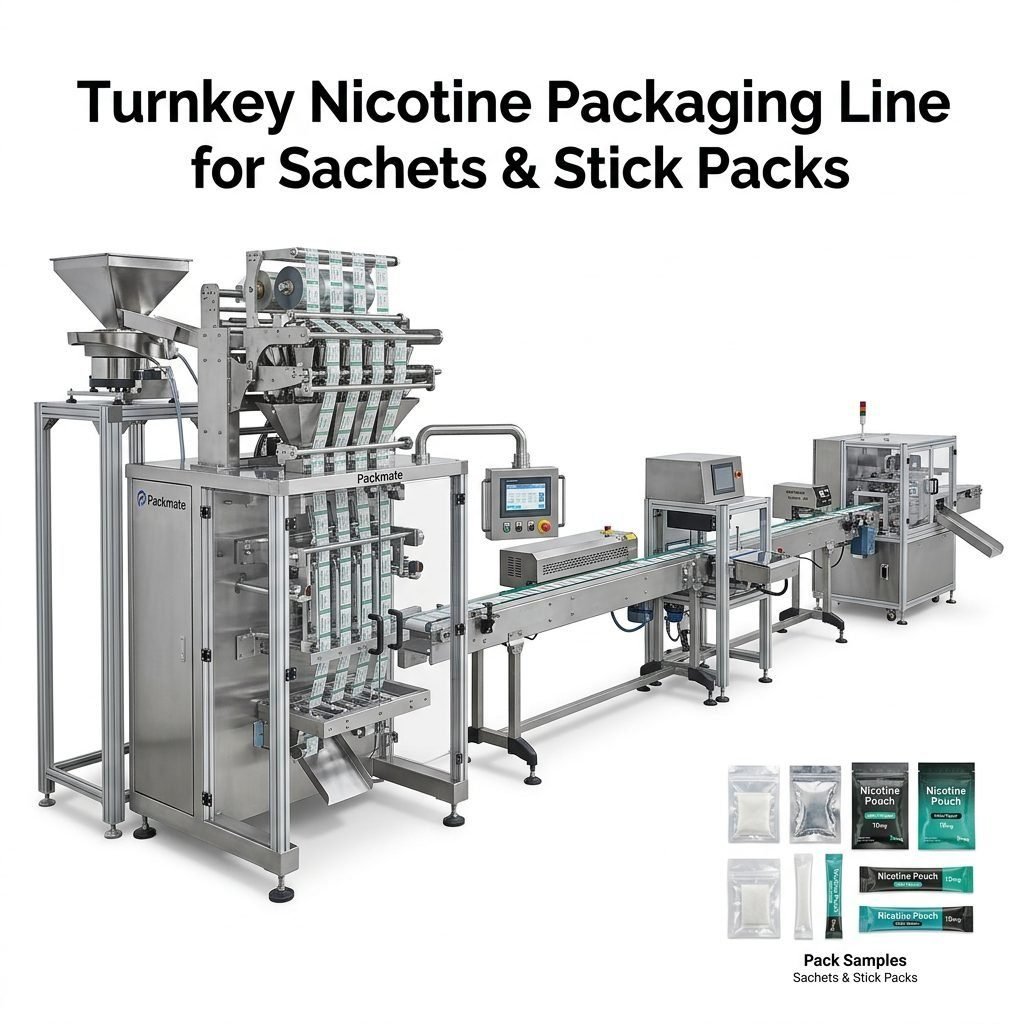
Choosing the right snus packaging machine for a production line in Costa Rica involves more than selecting a fast filler or a low-cost supplier. Local climate, Spanish labeling, regulatory compliance, and the market’s preference for discreet, portable formats all influence the machine configuration you need. This guide walks you through technical criteria, practical considerations, and vendor selection steps so you can confidently pick the best snus packing machine for your Costa Rican operation.
Understand Costa Rica’s Market and Local Considerations
Costa Rica is a tropical country with a warm, humid climate and a consumer base that values quality and sustainability. When evaluating snus packaging equipment, factor in:
⚠️ Humidity and temperature — machines must provide reliable sealing and material handling under higher humidity to prevent clumping or degraded seals.
📝 Spanish-language requirements — ensure the line supports label layouts and printing modules that accommodate Spanish text, health warnings, and required local information.
♻️ Sustainability preferences — Costa Rican consumers often prefer recyclable or minimal packaging; choose machines that work with biodegradable films or reduced-material designs.
Typical Costa Rican Use Cases
Small-batch craft producers, regional distributors, and exporters to Central American markets each have different priorities. Small producers need flexible changeovers and compact lines; exporters need high throughput and international compliance. Match machine selection to your primary business model.
Main Types of Snus Packaging Machines
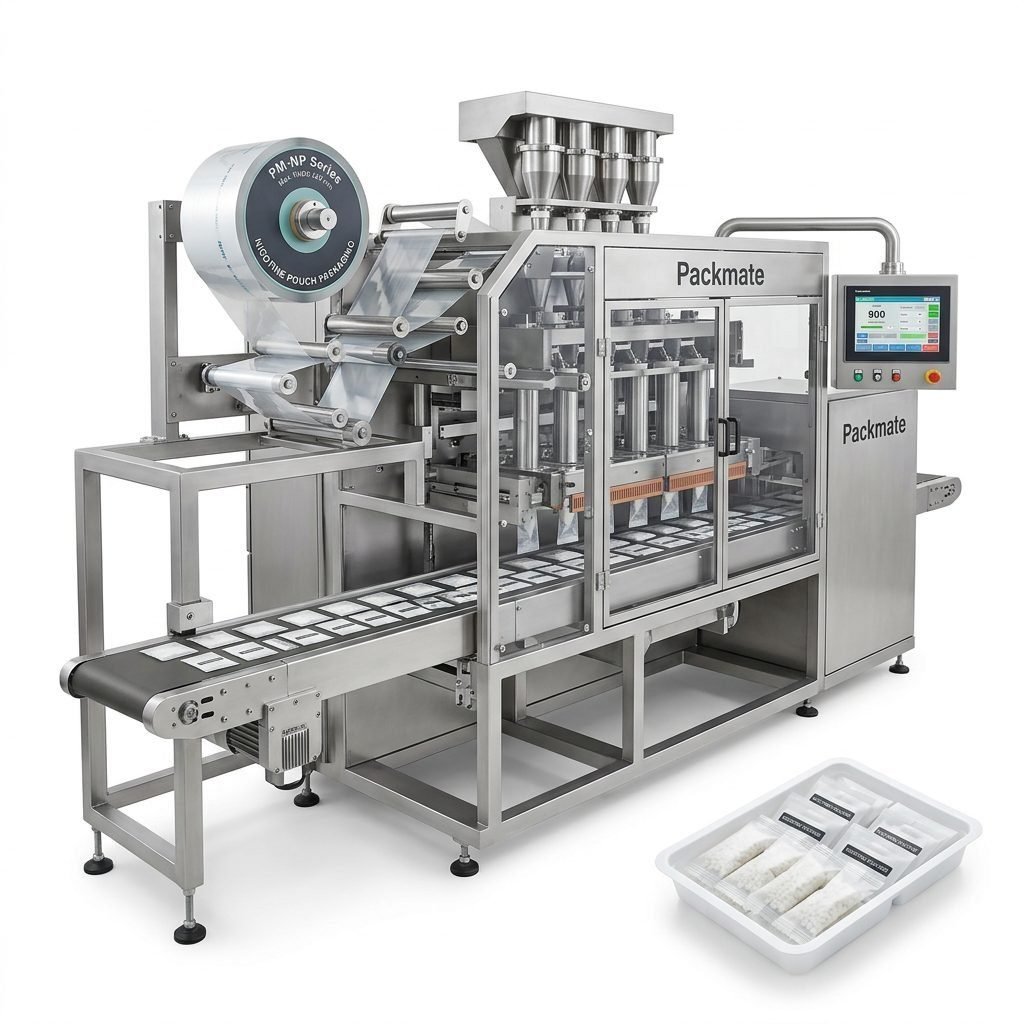
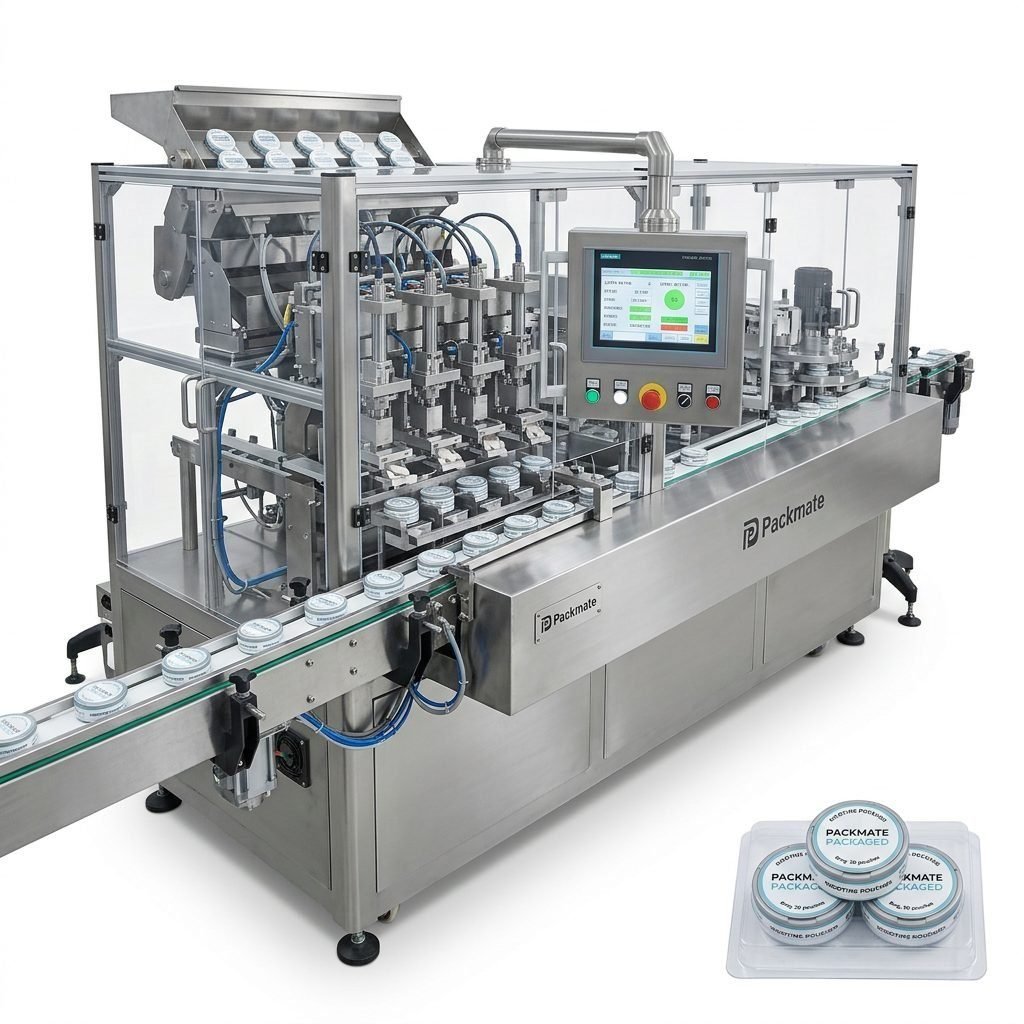
Choose from several machine classes based on pouch format, capacity, and automation level:
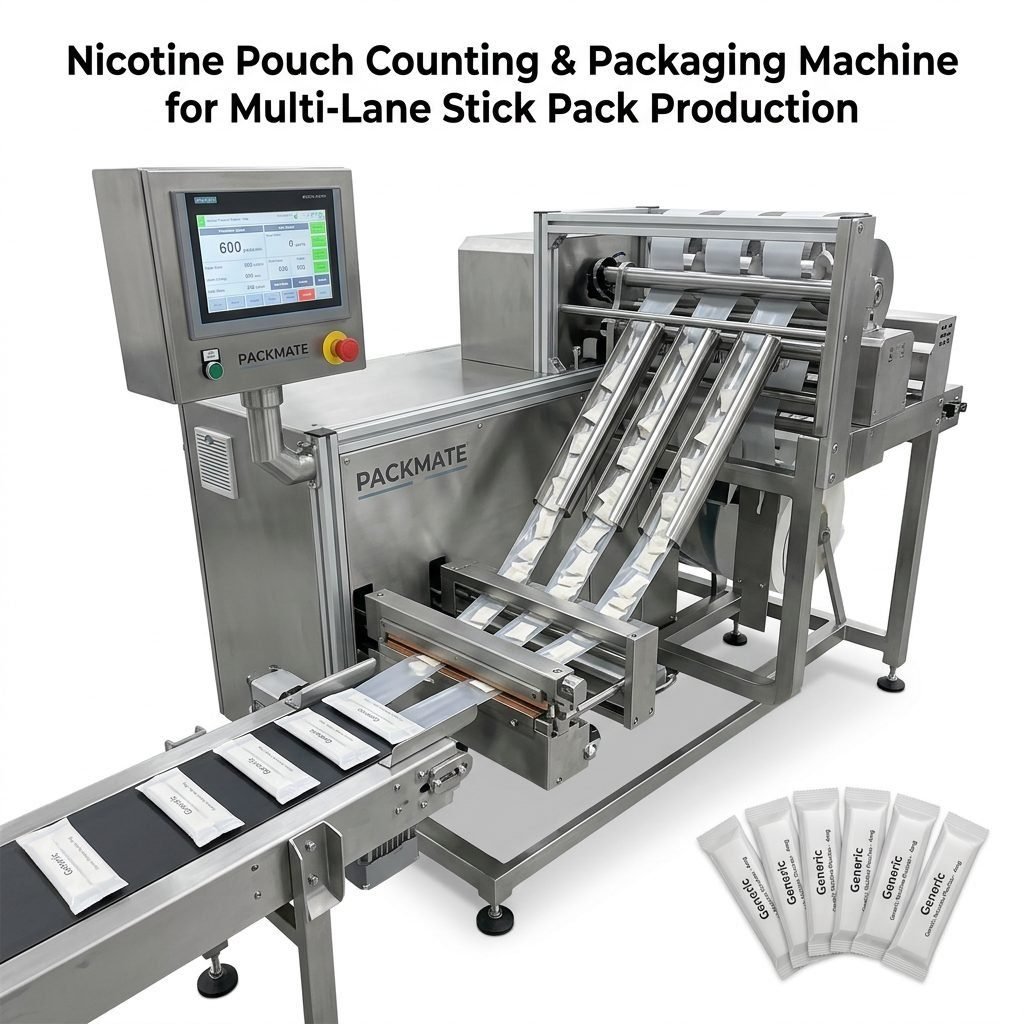
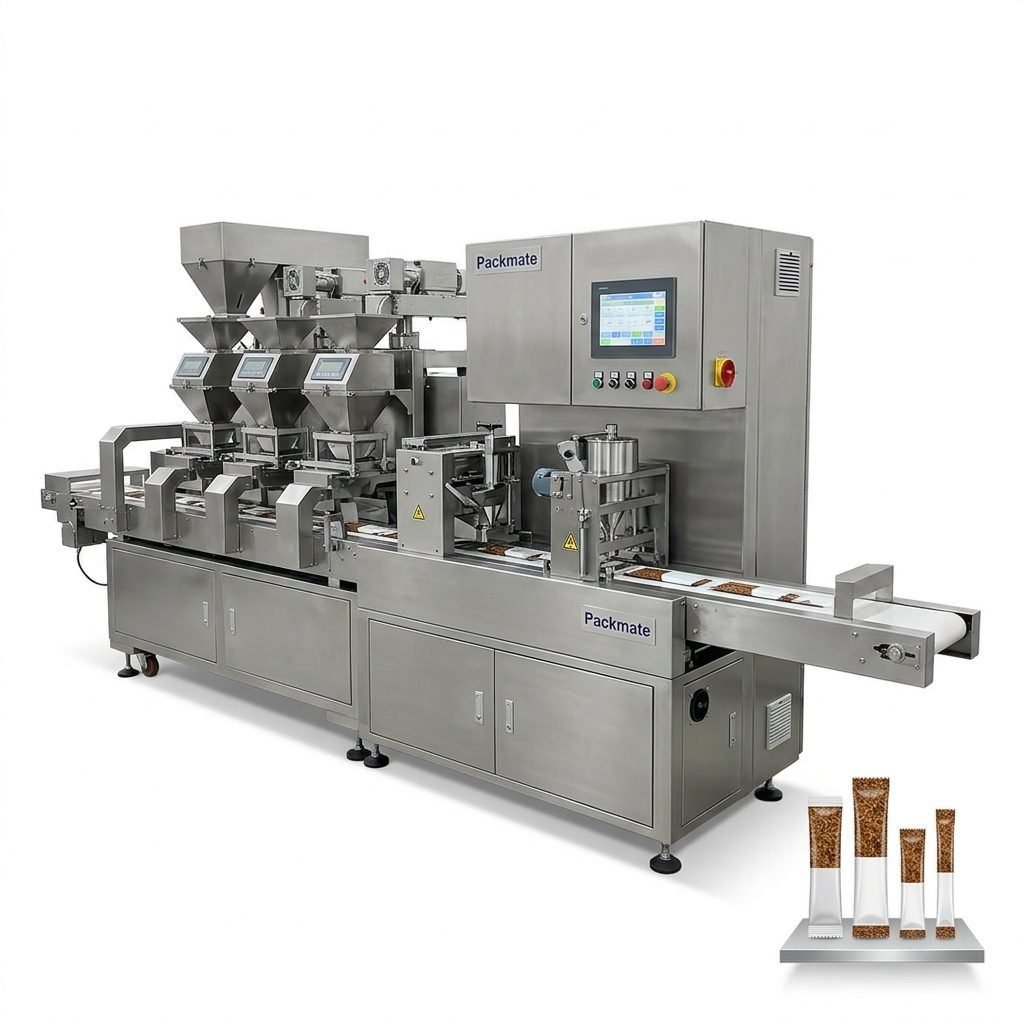
Sachet & Stick Pack Machines
Ideal for single-dose pouches and stick styles. These machines offer continuous packaging with precise portioning and are suitable for low to medium production volumes. For examples, see the Sachet & Stick Pack Machines page.
(Sachet & Stick Pack Machines)
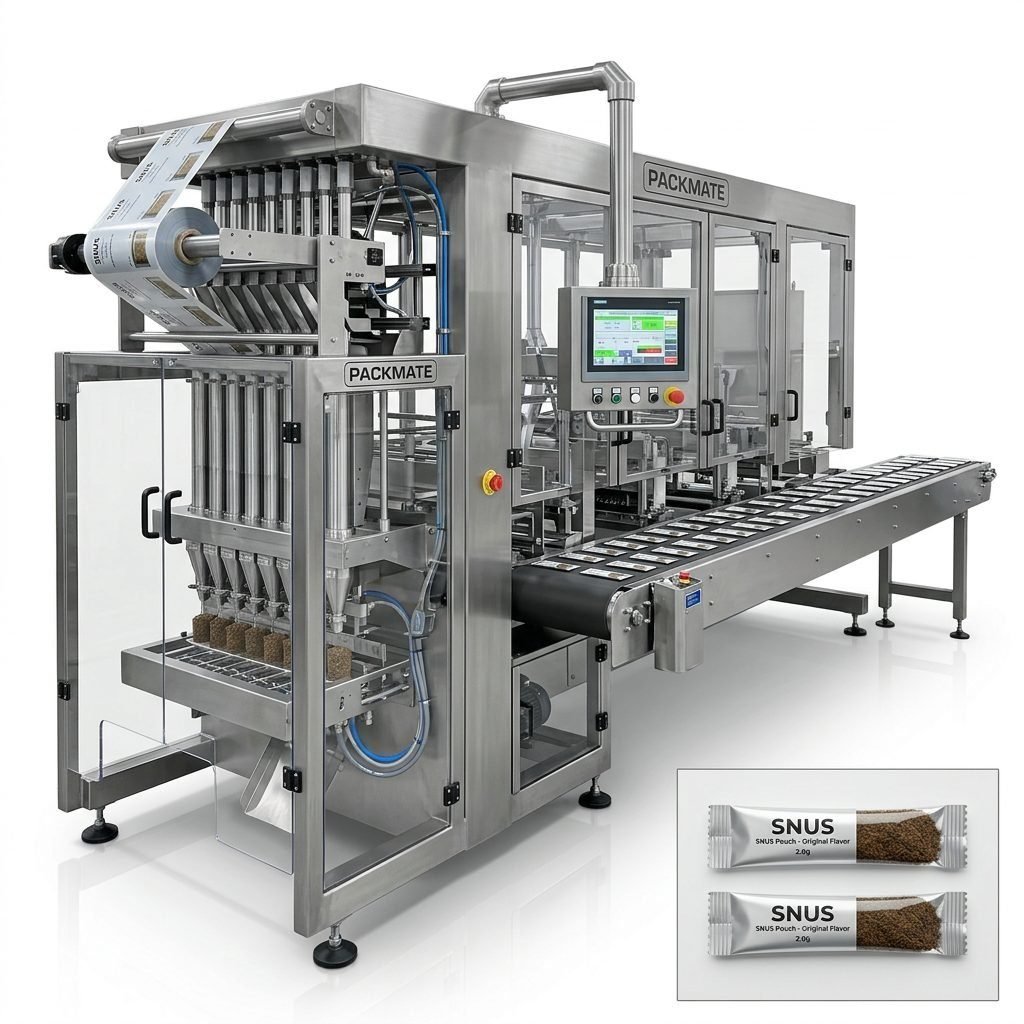
Multi-lane Snus Machines
Multi-lane systems dramatically increase output by running several pouch lanes in parallel. Choose multi-lane for high-volume production and consistent filling accuracy across lanes.
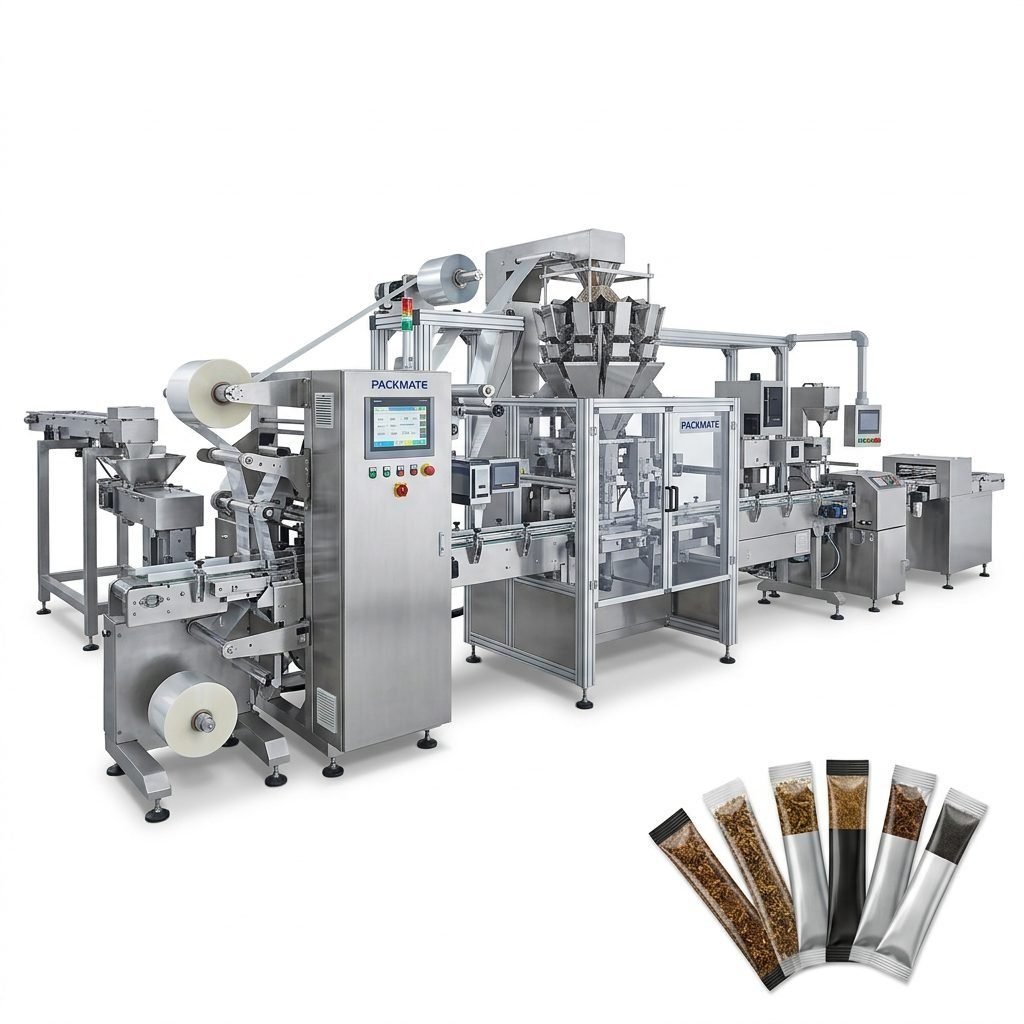
Bag & Pouch Packaging Machines
For larger retail bags or resealable pouches, bag & pouch machines support zipper headers, tear notches, and custom windowing options. Review Bag & Pouch Packaging Machines for configurations that suit retail packaging standards.
(Bag & Pouch Packaging Machines)
Key Technical Specifications to Evaluate
Evaluate machines against core performance metrics to ensure long-term reliability and return on investment:
⚙️ Speed & throughput — measured in pouches per minute or lanes × speed. Match capacity to expected demand plus 20–30% headroom.
🔬 Filler accuracy — dosing precision is critical for nicotine pouches. Check weighing, volumetric, or auger systems and their CV% for your product weight range.
🔒 Seal integrity & material compatibility — ensure the machine can seal your chosen film (PE, laminated films, biodegradable options) and that it compensates for moisture to avoid weak seals in Costa Rica’s humidity.
🔧 Changeover & flexibility — quick-change tooling reduces downtime when switching SKUs. For multi-flavor or multi-size lines, modular designs save production hours.
🖥 Automation & controls — look for PLC controls, intuitive HMI in Spanish option, recipe management, and remote diagnostics. Ease of troubleshooting reduces local service costs.
Quality, Certifications & Manufacturer Credentials
Working with a certified manufacturer reduces risk. Key markers include CE, ISO certifications, and strong proof of machine testing. Packmate Snus Machine has a long engineering history and global certifications; learn more on the About Packmate page.
(About Packmate)
✔️ Factory & testing facilities — check for CNC machining, precision assembly, and dedicated testing lines. A robust factory footprint (for example a 20,000㎡ facility) indicates capacity to customize and support turnkey lines.
After-sale support, spare parts & training
Local service capability in Central America is vital. Confirm spare-part lead times, availability of bilingual manuals, remote support, and on-site commissioning. Explore Service offerings when evaluating vendors.
(Service)
Packaging Material & Sustainability Options
Costa Rican consumers often prefer sustainable packaging. When selecting films and pouches, ask about:
• Recyclable film compatibility — can the machine process mono-polymer films without losing seal quality?
• Reduced material designs — narrower seals, thinner laminates, and efficient pouch patterns lower cost and waste.
• Compostable/biodegradable options — verify sealing temperatures and machine adjustments needed for new materials.
Regulatory & Labeling Notes for Costa Rica
Nicotine products face specific health and import regulations. Ensure your packaging line can:
• Print batch codes, expiration dates, and Spanish health warnings — integrate an inkjet or thermal coder for reliable marking.
• Accommodate tamper-evident or child-resistant features — some retail channels may require these for nicotine pouches.
Work with local regulatory advisors to ensure labeling compliance for both domestic sales and export throughout Central America.
Installation, Commissioning & Training
Proper installation and operator training are essential for smooth production:
• Site preparation — confirm power specifications, cooling, clean-room needs (if any), and floor loading capacity.
• On-site commissioning — vendor should run pilot production to validate speeds, fill weights, and seal integrity under real product conditions.
• Operator & maintenance training — bilingual training reduces errors and ensures timely preventive maintenance.
Cost, ROI & Financing
When calculating ROI consider machine price, installation, tooling, training, and spare parts inventory. Factor in:
• Throughput advantage — higher initial cost machines often pay back through reduced labor and higher output.
• Energy consumption — efficient drives and systems lower monthly operating costs.
Consider vendor financing options or leasing to preserve working capital while upgrading to more automated lines.
How to Choose a Supplier — Step-by-Step
Follow a structured buying process:
1. Define your SKUs & output targets — list pouch sizes, materials, speed targets, and growth plans.
2. Request factory demos and references — watch machines running similar products. Check Case studies to verify performance.
(Case)
3. Verify certifications & testing — CE/ISO conformity and factory test protocols reduce commissioning risk. See Certificate for documentation.
(Certificate)
4. Evaluate total cost of ownership — include utilities, maintenance, and spare parts.
5. Confirm after-sales support — bilingual manuals, remote troubleshooting, and local spare-part stocking are crucial for Central American operations.
Real-World Examples & Exhibition Insights
Seeing machines at exhibitions or visiting production lines provides confidence. Packmate exhibits globally and showcases turnkey snus solutions — check Our Exhibition to find upcoming events.
(Our Exhibition)
Practical Checklist Before Purchase
• Confirm film compatibility and sealing window for your material.
• Verify dosing accuracy and test with your product samples.
• Ensure bilingual HMI and documentation (Spanish).
• Check spare-part delivery times to Costa Rica.
Why Consider Packmate for Snus Packaging in Costa Rica
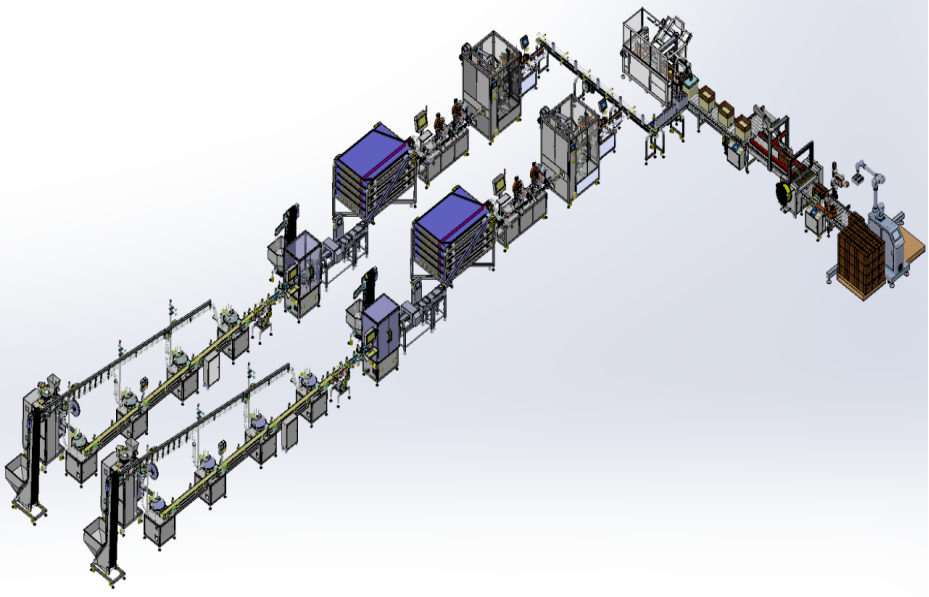
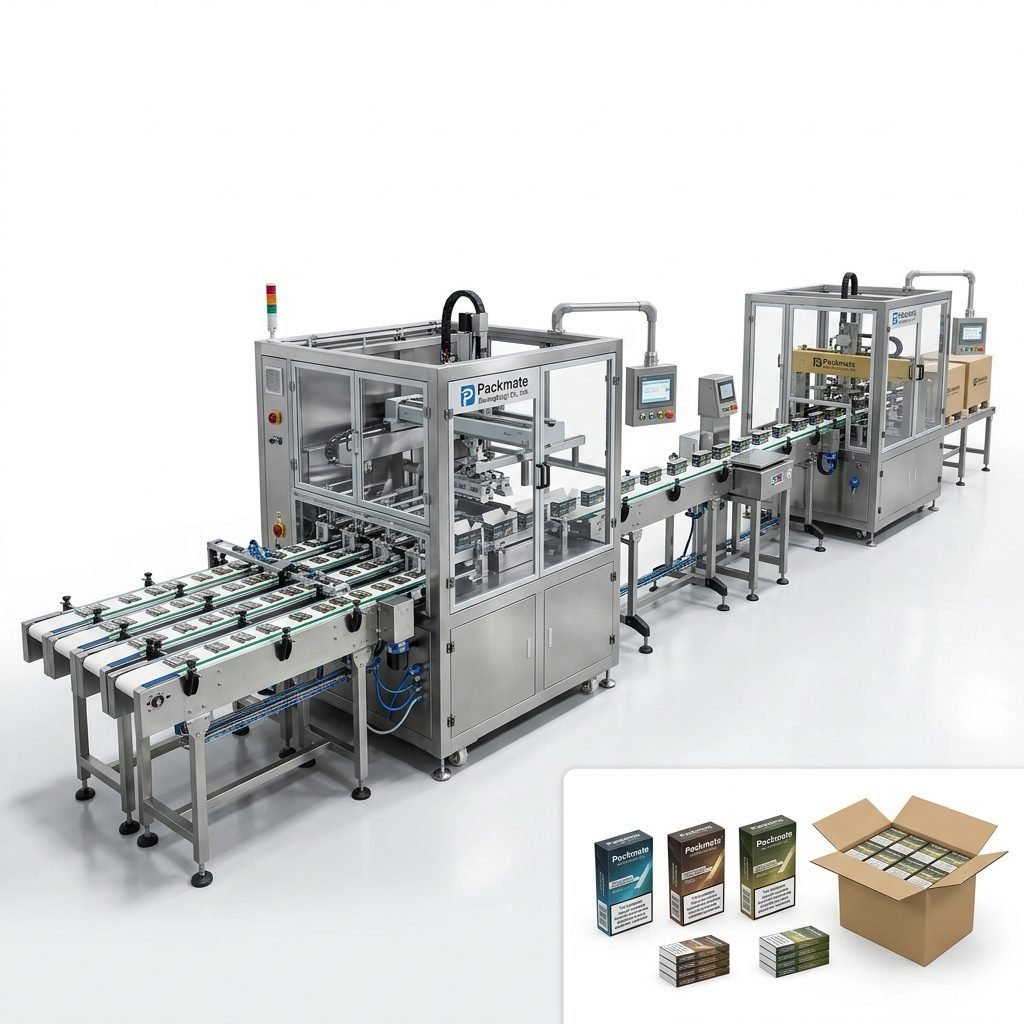
Packmate Snus Machine specializes in snus and nicotine pouch packaging with 30+ years of engineering experience and a diverse machine portfolio. Their factory capabilities, multi-lane expertise, and turnkey solutions make them a strong partner for companies entering or expanding in Central America. Explore their Snus & Nicotine Packaging Machines portfolio to see models tailored for small-dose pouch lines.
(Snus & Nicotine Packaging Machines)
Final Recommendations
Select a machine that balances throughput with flexibility, supports materials suited to Costa Rica’s climate, and comes from a supplier with proven after-sales service and certifications. Prioritize sealing reliability, dosing accuracy, and bilingual support to prevent downtime and ensure regulatory compliance.
Frequently Asked Questions
Q1: What machine format is best for a Costa Rican startup with limited floor space?
A1: For compact operations, choose a single-lane sachet or stick pack machine with quick-change tooling. These machines are space-efficient and can scale with modular add-ons.
Q2: How does humidity in Costa Rica affect sealing and what can be done?
A2: High humidity may reduce seal strength and cause product clumping. Use controlled drying for ingredients, select films with robust sealing windows, and ensure the machine has adjustable sealing temperature and dwell time.
Q3: Can Packmate provide turnkey lines and local support in Central America?
A3: Packmate offers turnkey packaging solutions and global cooperation cases. Discuss installation, training, and spare-part logistics with the vendor to ensure adequate local support. See Case studies for examples.
(Case)
Q4: Are there options for recyclable or biodegradable pouches?
A4: Yes — many machines can be adjusted to process mono-polymer recyclable films or specific biodegradable laminates, but sealing parameters and feed systems must be validated with samples.
Q5: What certifications should I request from a supplier?
A5: Ask for CE, ISO, and factory testing documentation. Confirm that control systems support traceability and that the vendor provides detailed FAT reports before shipment. For more supplier details, check the About Packmate and Certificate pages.
(Certificate)