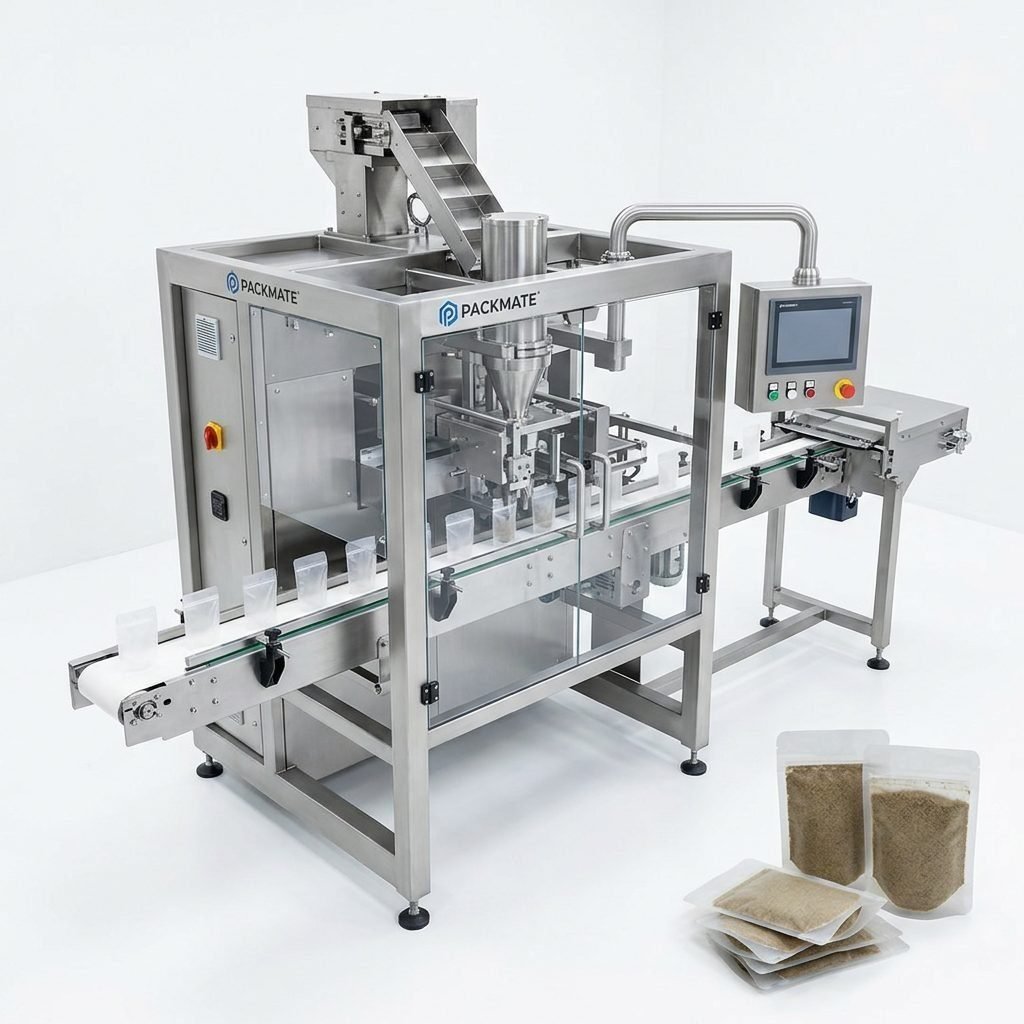
Choosing the right snus packaging machine supplier for your factory in Morocco is a strategic decision that affects product quality, regulatory compliance, and long-term operational efficiency. This guide walks factory owners, production managers, and procurement teams through practical steps to select a supplier who understands the technical demands of snus and nicotine pouch packaging while respecting local business customs, language preferences, and regulatory realities in Morocco.
Understand Moroccan Market Needs and Local Customs
Morocco’s consumer market is shaped by a blend of Arab and Amazigh traditions, with French widely used in industry and trade. When evaluating packaging solutions, consider that many Moroccan buyers appreciate clear communication in French or Arabic, rapid after-sales service, and documentation that aligns with local regulatory expectations. Also keep in mind local sensitivities: discreet, compact packaging is often preferred for products like nicotine pouches in regions where public attitudes can be conservative.
Practical tip
🔍 Make sure the supplier can provide manuals and technical support in French or Arabic, or has a reliable translator/partner in Morocco to ensure smooth commissioning and maintenance.
Key Technical Criteria for Snus Packaging Machines
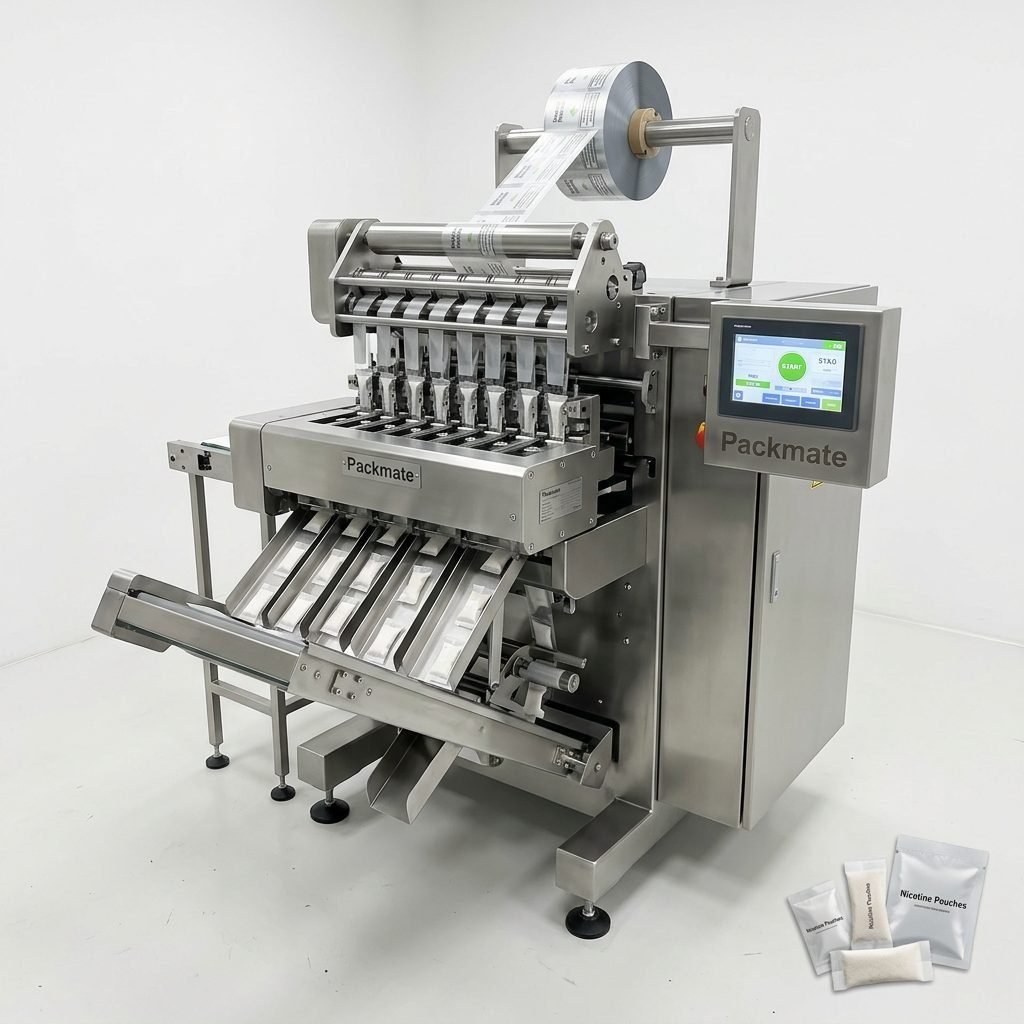
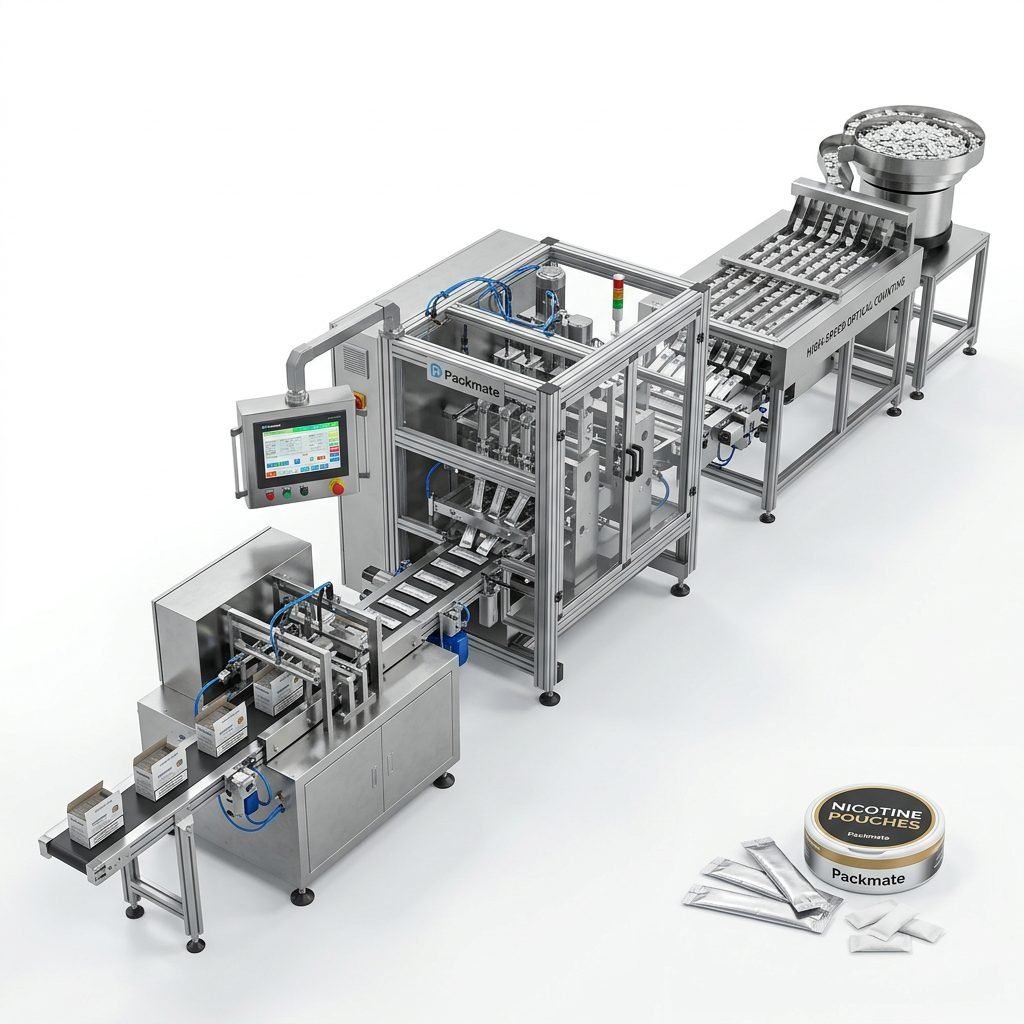
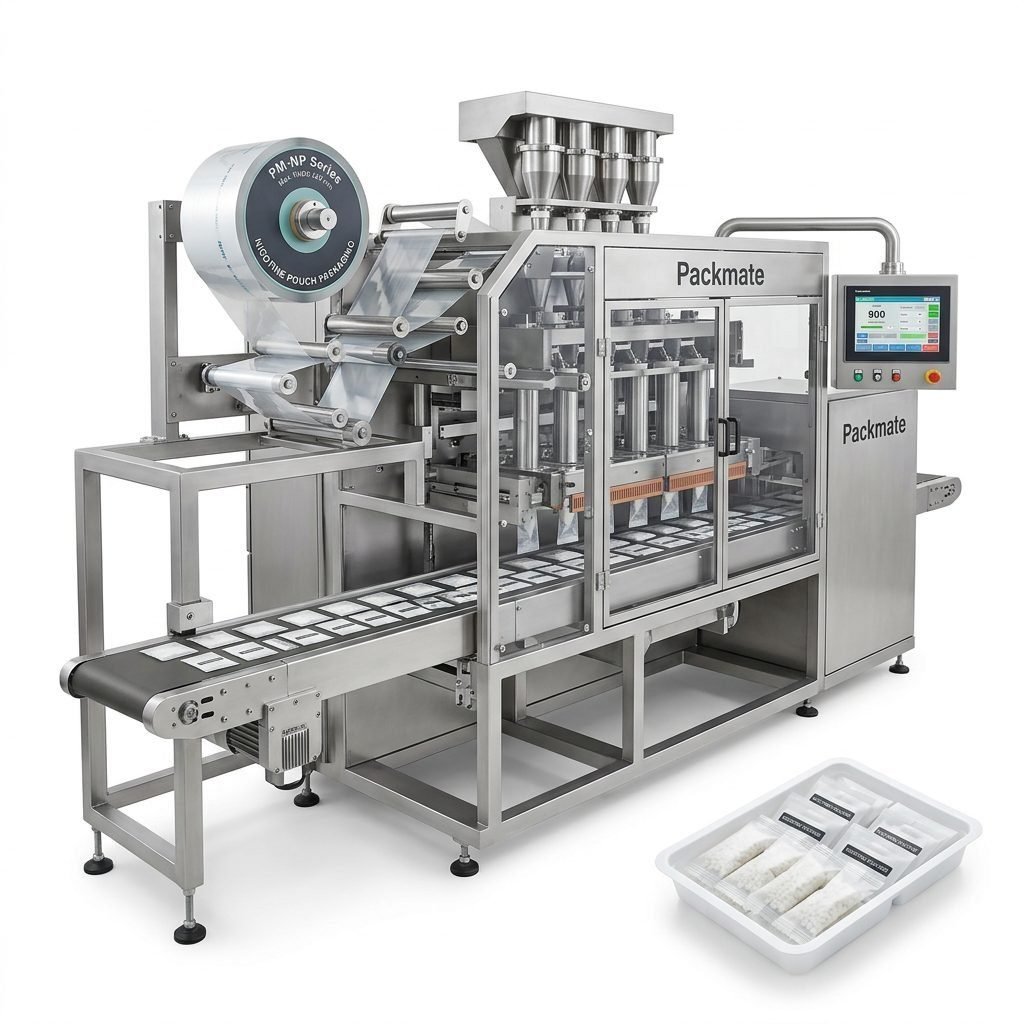
Not all packaging lines are created equal. For snus and nicotine pouches, prioritize machines that deliver precise dose control, stable multi-lane performance for small-dose pouches, hermetic sealing to protect moisture-sensitive formulations, and easy material changeover. Look for suppliers with models specifically designed for nicotine pouch/sn us packaging rather than generic pouch machines.
📌 Must-have features: precise weighing/filling (± small tolerance), multi-lane capability for higher throughput, gentle handling for soft pouches, MUX-friendly automation options, and easy cleaning/maintenance.
Why multi-lane matters
Multi-lane machines let you produce many small pouches simultaneously, improving output without increasing footprint. For Moroccan factories aiming to serve both local demand and export markets in Europe or West Africa, multi-lane systems can drastically reduce per-unit cost while maintaining consistent quality.
Supplier Evaluation: Experience, Certifications, and Factory Strength
Seek suppliers with a proven track record in snus and nicotine pouch packaging. Experience matters — companies with decades in packaging engineering are better equipped to translate customer needs into reliable machines. Verify certifications (CE, ISO) to ensure compliance with international safety and quality standards.
✅ Example: a supplier with 30+ years of engineering experience and a well-equipped 20,000㎡ factory demonstrates the scale and capability to develop highly customized turnkey lines. Look for clear evidence of advanced CNC machining, precision assembly processes, and strict quality testing procedures.
Assess After-Sales Service and Local Support Options
After-sales service is critical for continuous production. Confirm lead times for spare parts, availability of local technicians or partners, remote diagnostic capabilities, and training options for your staff. Suppliers that provide on-site training and spare parts kits reduce downtime risk.
⚠️ Important: in Morocco, logistics can be affected by customs procedures and import documentation. A supplier experienced with Moroccan exports can help prevent delays by preparing accurate certificates and packing lists.
Remote support and training
Remote commissioning via video calls and virtual training sessions can speed up installation. Confirm whether the supplier offers follow-up visits and whether they maintain a local inventory of critical spare parts near Casablanca, Tangier, or other industrial hubs.
Quality Assurance: Testing, Customization, and Case References
Request factory acceptance tests (FAT) and video demonstrations of machines running products similar to your formula. Ask for case studies or references from customers who use the supplier’s snus packaging machines in climates similar to Morocco’s — exposure to heat and humidity can influence material selection and sealing approaches.
📌 Check the supplier’s success stories and case gallery to evaluate whether they have delivered comparable lines. Reviewing real-world cases helps you understand reliability, lead times, and how the supplier resolves issues in field conditions. See more examples in their case section.
Case
Materials, Packaging Formats, and Climate Considerations
Morocco’s coastal and inland regions have varying humidity and temperature ranges. Choose packaging films and sealing technologies that maintain product stability under local storage and transport conditions. Suppliers experienced with food/pharma packaging can recommend barrier films, desiccant options, and vacuum or modified atmosphere packaging where needed.
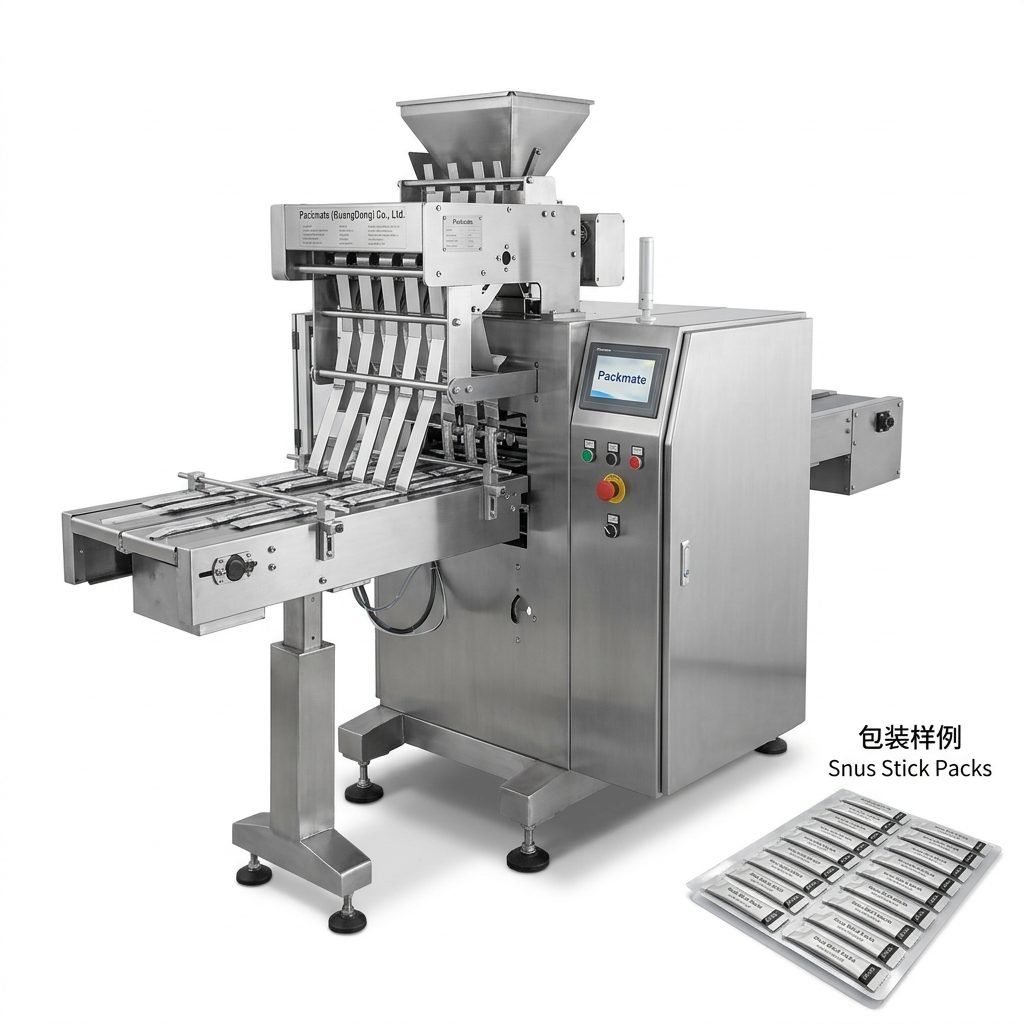
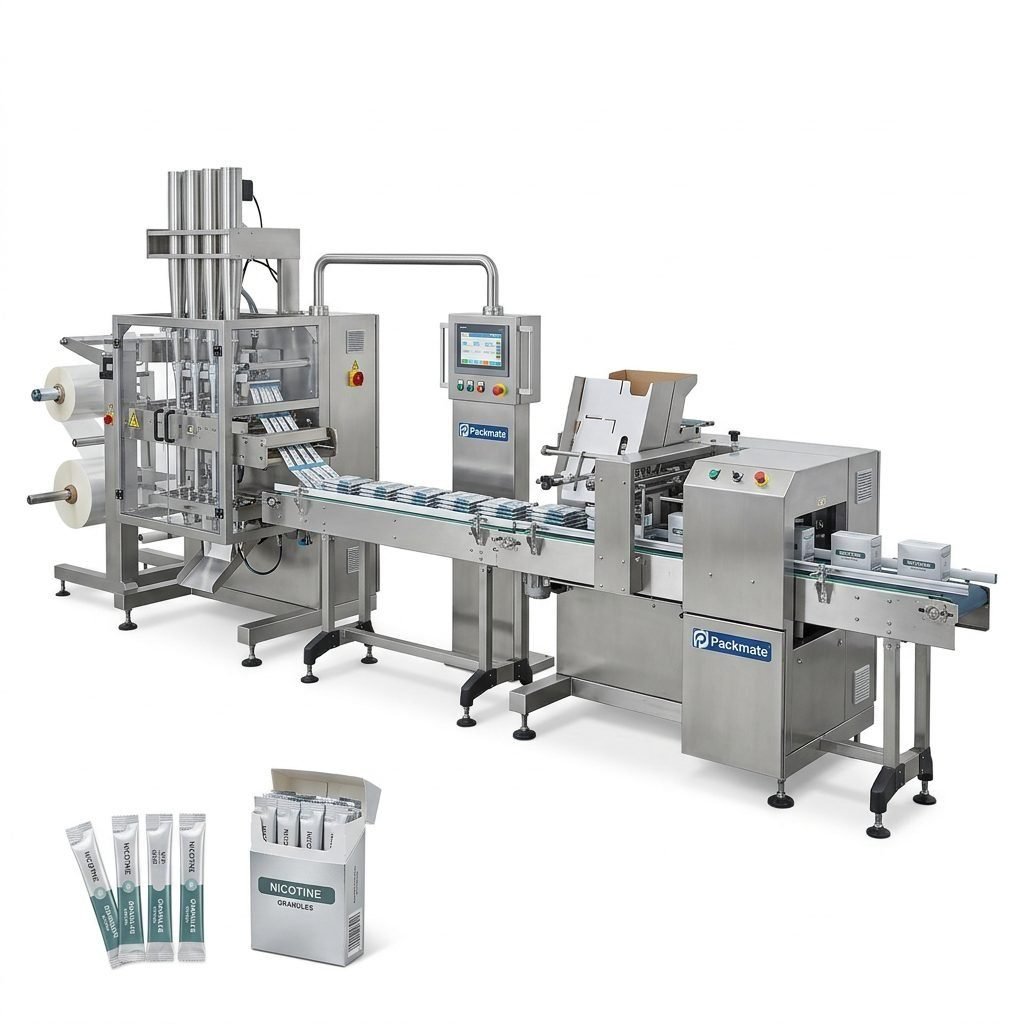
Consider a supplier offering a range of formats (stick pack, sachet, pouch, multi-lane pouches) so you can adapt packaging based on market feedback. View specialized snus and nicotine packaging options for inspiration.
Snus & Nicotine Packaging Machines
Customization, Turnkey Solutions, and Production Scalability
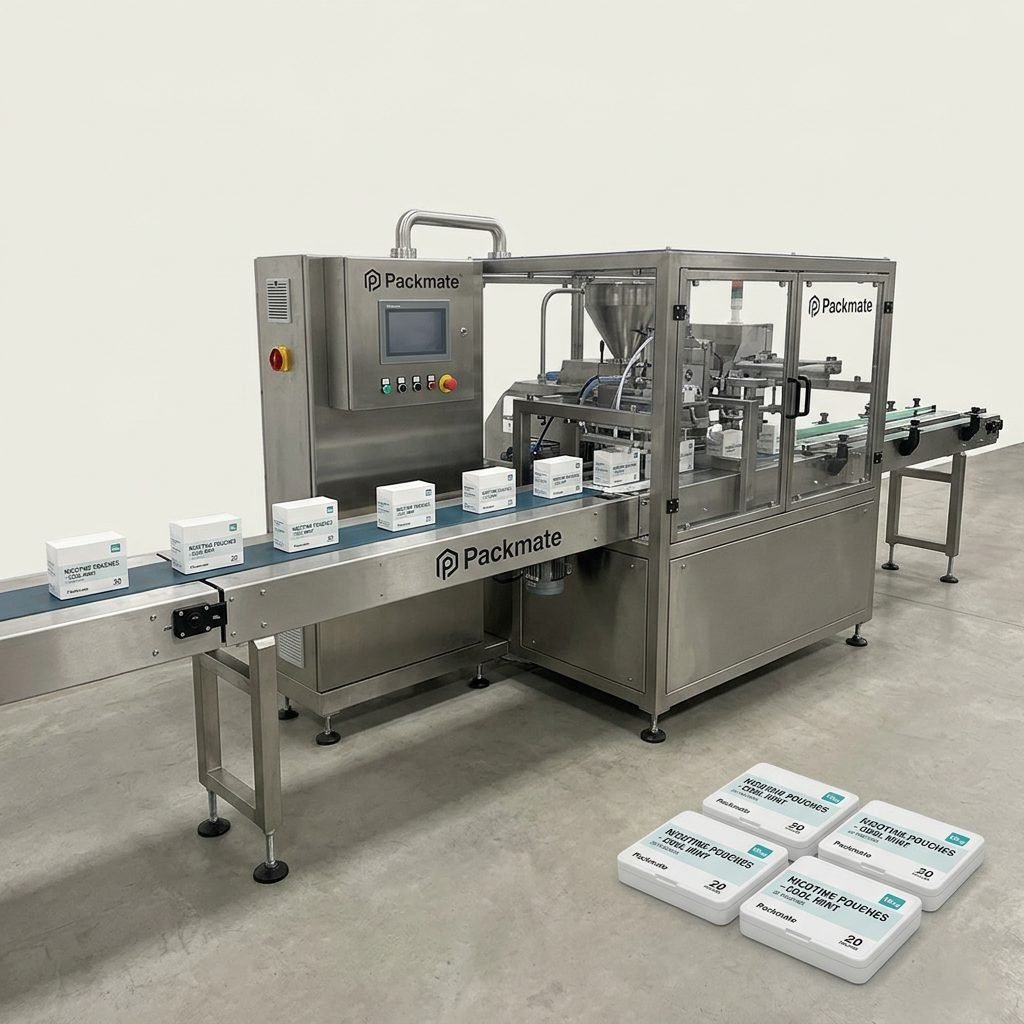
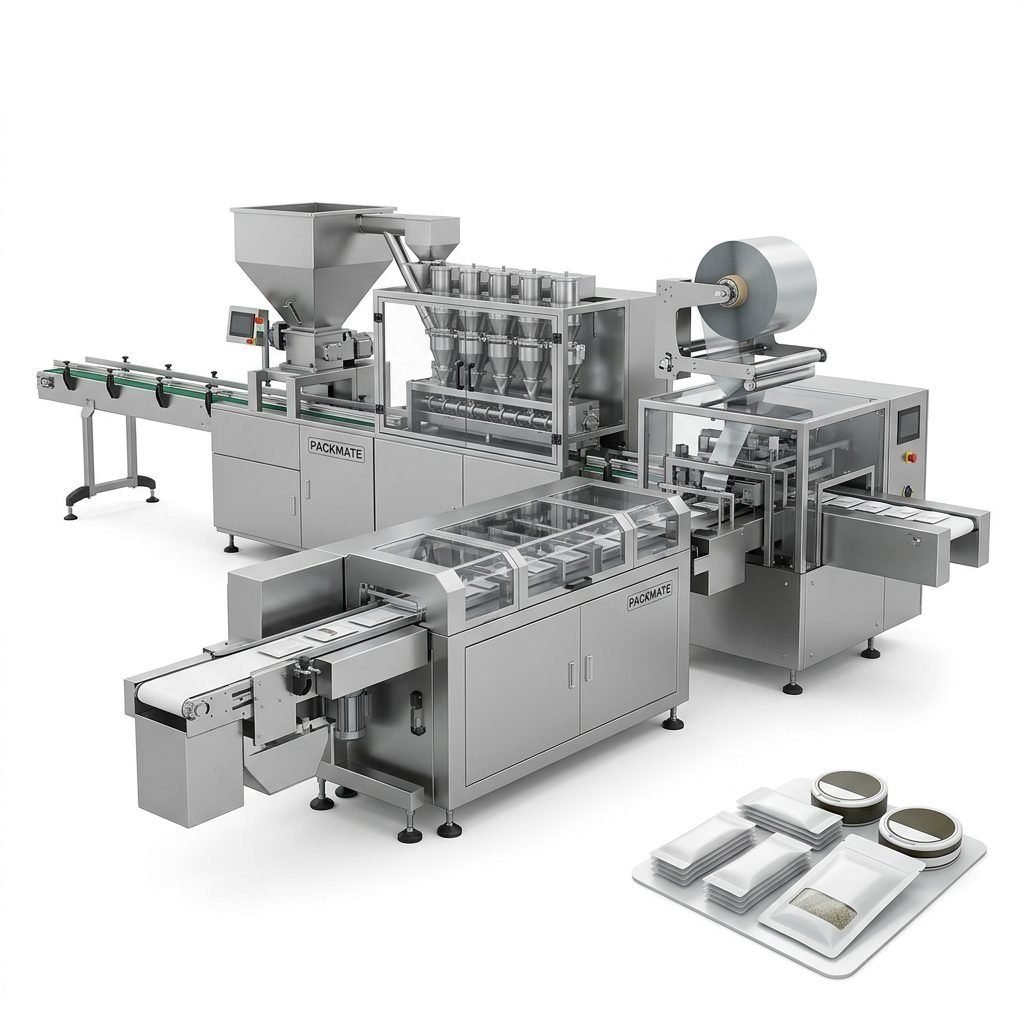
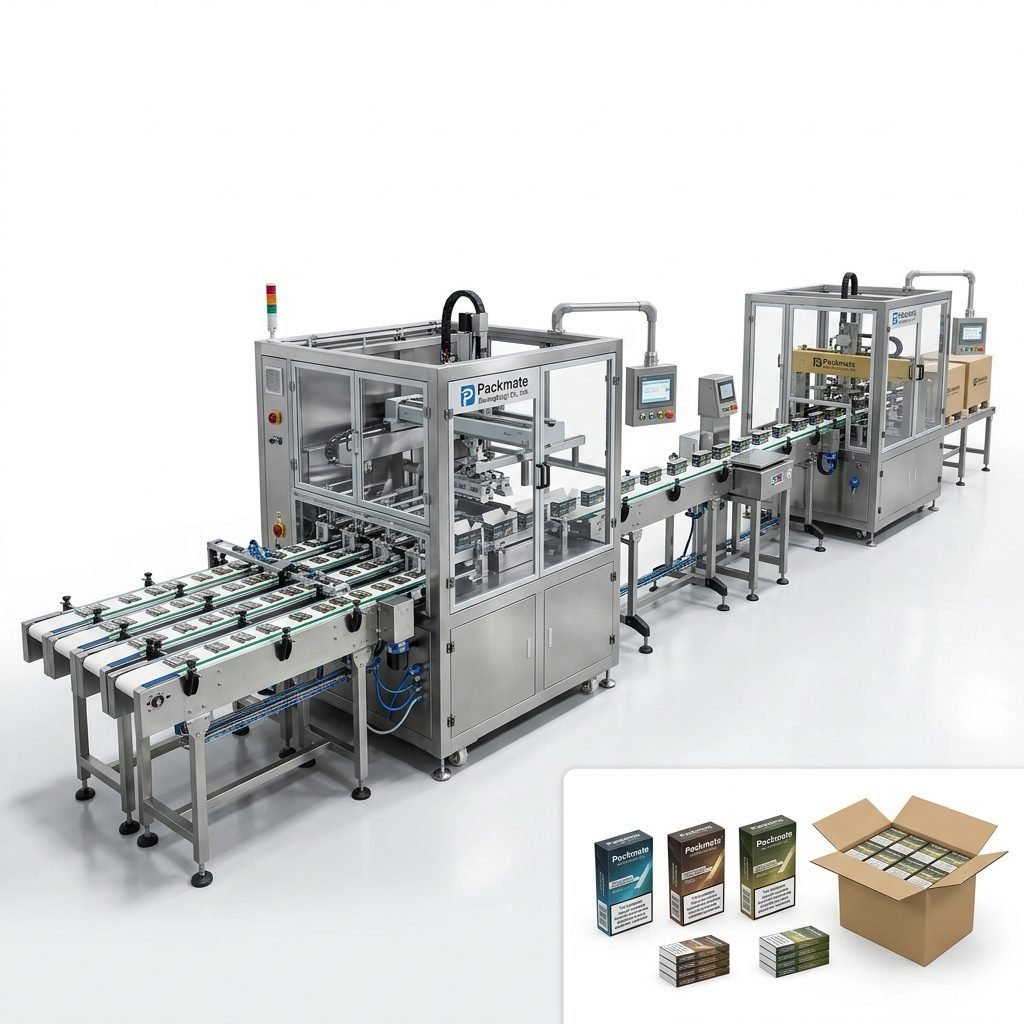
If you plan to scale production or expand SKUs, choose a supplier that offers turnkey solutions: integrated weighing/filling, sealing, inspection, and secondary packaging. Customization options such as adjustable lane counts, PLC/HMI in French, and modular add-ons future-proof your investment.
✅ Scalability checklist: modular design, spare parts availability, software updates, compatibility with existing lines, and local service agreements.
Turnkey benefits
Turnkey suppliers can help with factory layout, utility requirements, and staff training so you can begin production faster and with fewer integration issues. Consider suppliers who have exported fully assembled lines or provided detailed shipping and assembly plans for Moroccan ports.
Commercial Terms: Warranties, Payment, and Lead Time
Negotiating favorable commercial terms protects your factory. Confirm warranty length and scope, spare parts support, and performance guarantees. Typical reputable suppliers offer 12–24 month warranties on core components and continued technical support. Clarify payment terms (deposit, balance on shipping, or L/C options) and realistic lead times including FAT schedules.
Site Assessment, Installation, and Commissioning in Morocco
Before signing, arrange a site assessment to confirm your factory’s power supply, compressed air, floor load capacity, and environmental control. Local installers or supplier technicians can manage installation and commissioning; ensure clear timelines and acceptance criteria are agreed upon.
🔧 Request a detailed installation checklist from your supplier that includes training plans for Moroccan operators and maintenance teams, including parts lists and suggested spares.
Regulatory and Cultural Considerations in Morocco
While snus and nicotine pouches are legal in many markets, regulations vary. Verify Morocco’s current import and product regulations for nicotine-containing products and labeling requirements. Ensure your supplier provides documentation needed for customs clearance and compliance certificates. Also be mindful of cultural norms when designing labeling and marketing — local language labeling in Arabic and French helps build trust with distributors and consumers.
How to Shortlist and Make the Final Choice
Start with a shortlist of 3–5 suppliers, evaluate them across technical capability, references, price, and after-sales support. Request live demos or recorded FATs with machines running products similar to yours. Ask for detailed proposals that include delivery timelines, warranties, spare parts, and training schedules.
📌 Consider visiting the supplier’s factory (when possible) to witness manufacturing processes. A transparent supplier readily shares documentation, factory photos, and third-party certifications. For more supplier background and company information, review the manufacturer’s about page and exhibition records.
About Packmate | Our Exhibition
Final checklist before signing
– Confirm technical specifications against your product formula and expected throughput.
– Verify warranty, spare parts lead times, and local service availability.
– Ensure documentation and manuals are provided in a usable language for your team.
– Agree FAT criteria and acceptance testing procedures.
– Confirm logistics and customs documentation for shipment to Moroccan ports.
✅ Quick resource links: product model references, auxiliary equipment, and service pages can help you design a complete line.
Bag & Pouch Packaging Machines,
Weighing & Packaging Systems,
Service
Conclusion
Selecting the best snus packaging machine supplier for your Moroccan factory requires a balanced review of technical specifications, local regulatory understanding, after-sales support, and cultural fit. Prioritize suppliers with targeted experience in snus/nicotine packaging, robust factory capabilities, and a transparent approach to testing and commissioning. A supplier who offers turnkey solutions, multilingual support, and local logistics experience will help you launch production smoothly and scale reliably.
Common Questions
Q1: How important is CE/ISO certification when buying a snus packaging machine?
A1: Very important — certifications such as CE and ISO signal compliance with international safety and quality standards, which simplifies export and import clearance and ensures safer operations.
Q2: Can suppliers provide documentation in French or Arabic for Moroccan customs and operators?
A2: Reputable suppliers often provide multilingual documentation or can supply translated manuals. Confirm this during negotiation to avoid delays in training and customs clearance.
Q3: What after-sales support should I expect?
A3: Expect spare parts availability, remote troubleshooting, commissioning support, and options for on-site visits. Clarify response times for critical components to minimize downtime.
Q4: Are turnkey lines necessary for small factories in Morocco?
A4: Turnkey solutions speed up start-up and reduce integration risks, but smaller factories may opt for modular equipment if they have experienced technical staff and clear growth plans.
Q5: Where can I see real-world examples and machine specifications?
A5: Review supplier case studies and product pages for machine specs and success stories to match with your production goals. For more details and contacts, visit the manufacturer’s contact page.
Contact Us