Finding a reliable nicotine packaging machine supplier in Oceania requires more than a quick web search. From regulatory differences between Australia and New Zealand to shipping logistics across vast ocean distances and island nations, buyers must weigh technical capability, compliance, after-sales support, and local business culture. This guide walks you through a practical step-by-step approach to selecting the right partner — with an emphasis on real-world checks, negotiation tactics, and red flags to avoid.
🔍 Understand the Oceania Market Context
Oceania is diverse: Australia and New Zealand lead in industrial demand, while Pacific Island nations have smaller, often regulated markets. Before contacting suppliers, clarify local rules. For example, Australia’s nicotine controls are strict and often require prescriptions or special permits for importing nicotine-containing products, while New Zealand has taken more liberal steps towards reducing smoking through alternative nicotine products. This affects machine specifications, documentation, and customs requirements.
📌 Regulatory and customs checklist
– Confirm whether nicotine-containing product machinery requires additional certificates for import in your target country. Documentation matters — complete CE, ISO, and any hygiene or pharmaceutical compliance certificates should be available.
– Check local labeling and batch-traceability mandates. Machines must support serialization, date codes, or variable data printing if required.
– Plan for customs delays in remote regions; include buffer time and clear HS codes on paperwork.
🏗️ Technical capability: what to evaluate on machines
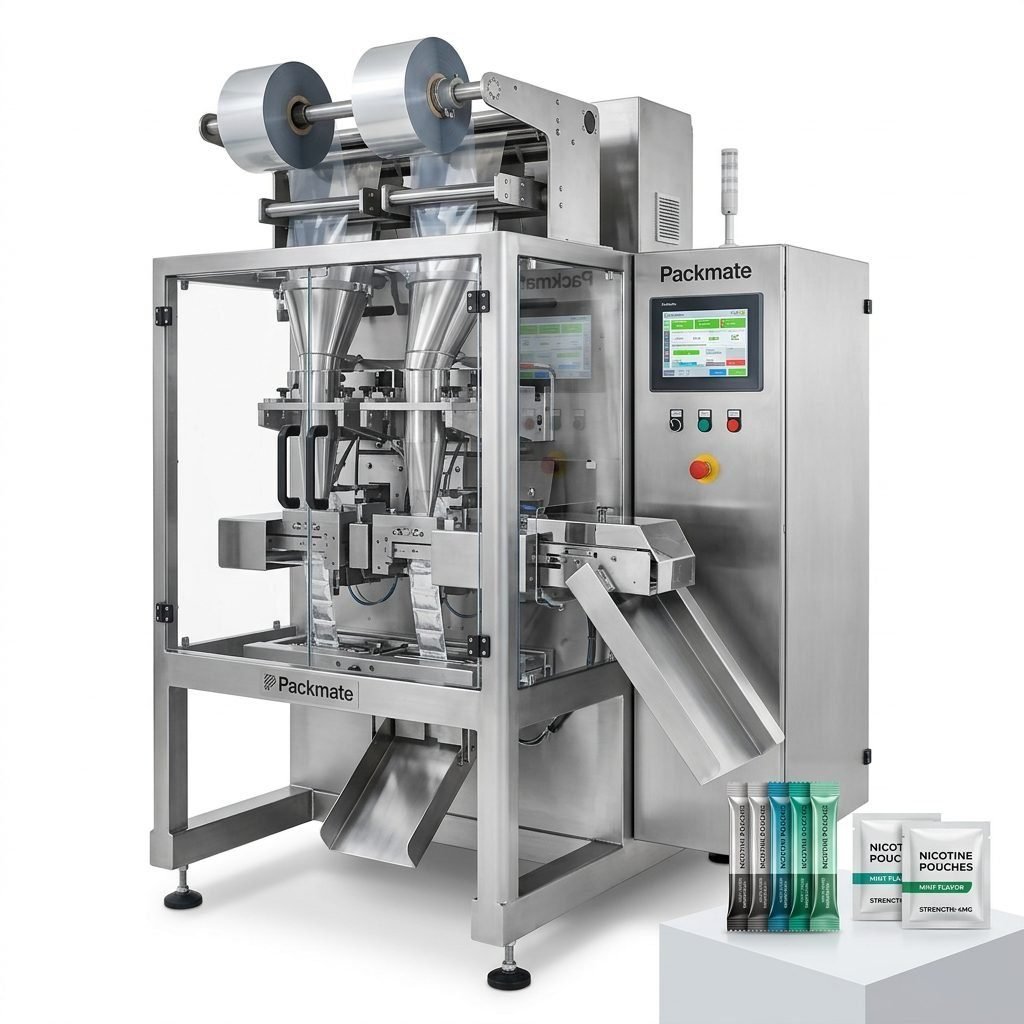
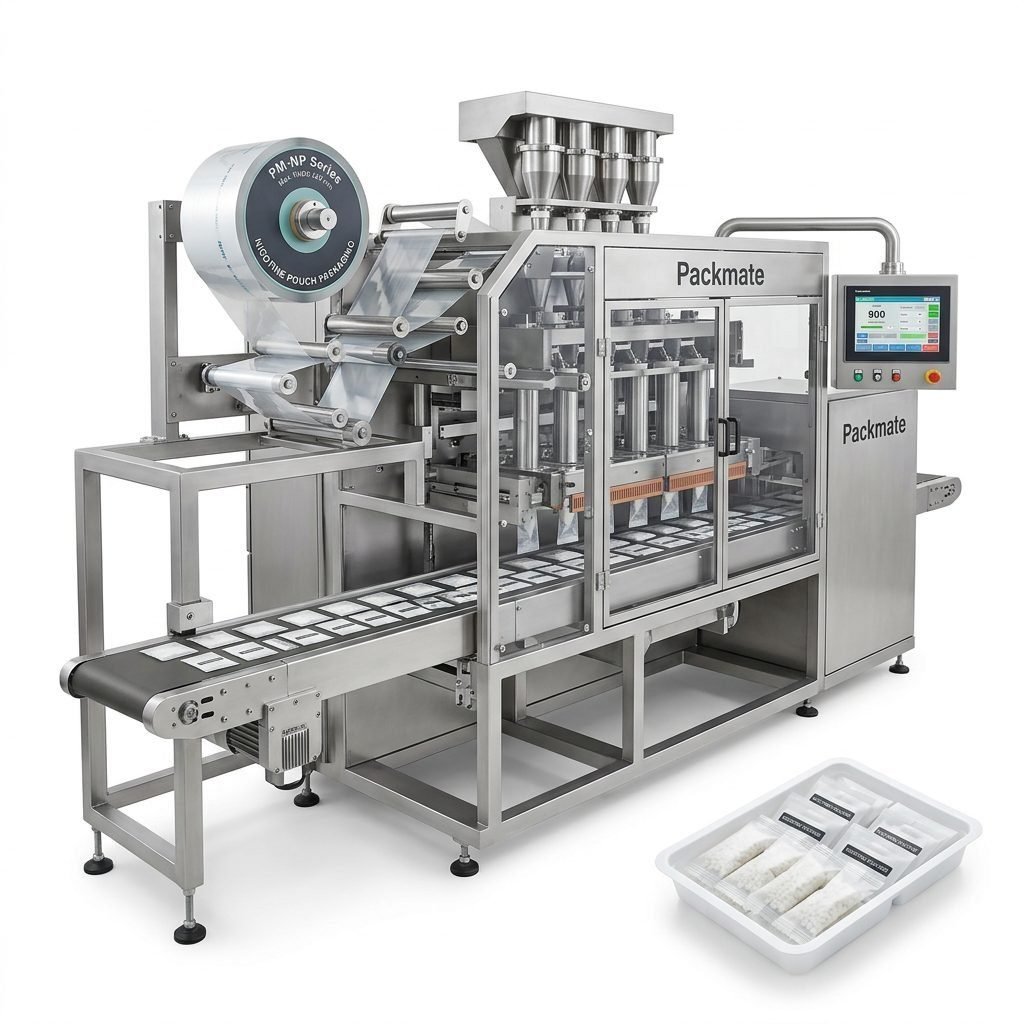
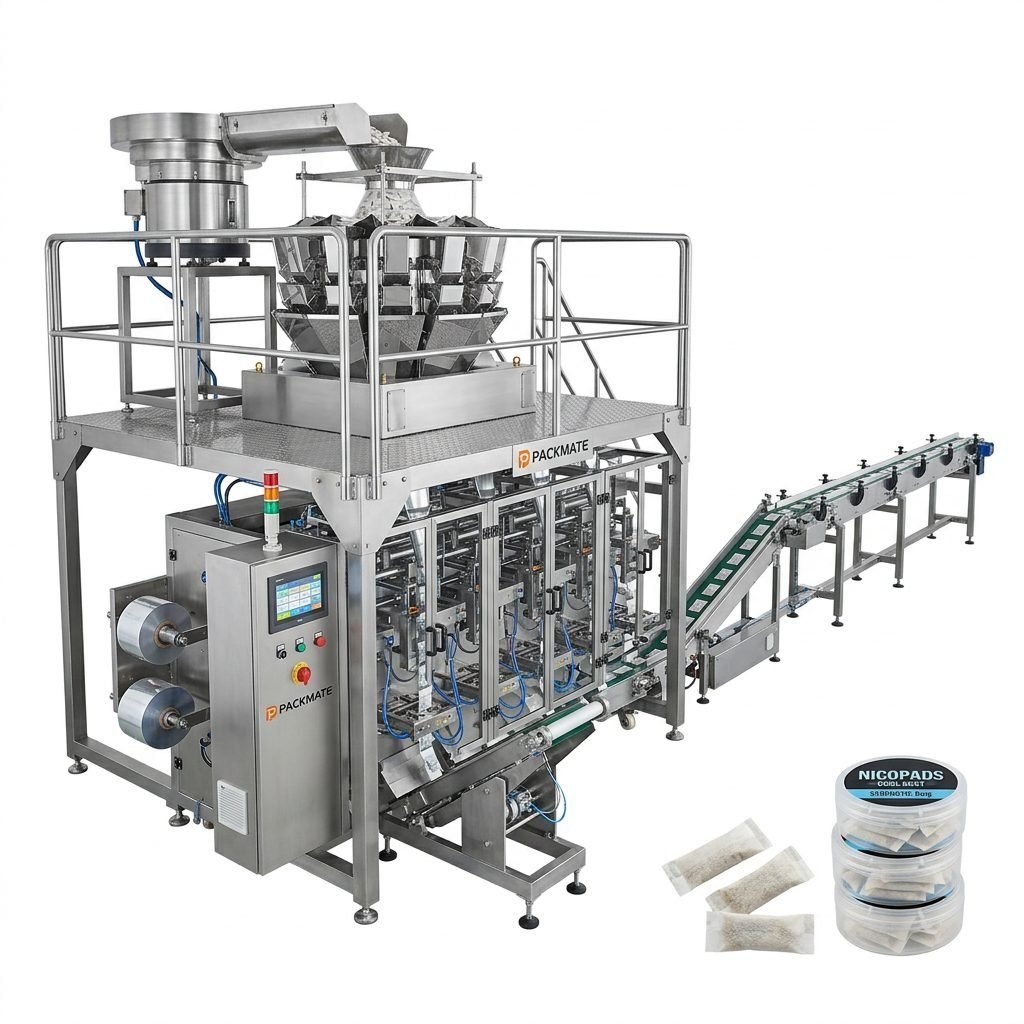
A reliable supplier should provide machines that match your production volume, product form (pouch, sachet, stick pack, multi-lane), and ingredient characteristics (powder, granule, liquid). Look beyond speed claims — prioritize consistent dosing accuracy, low downtime, and easy cleaning/maintenance.
Key technical criteria
- Filling accuracy and repeatability — ask for test data and production variance reports.
- Material compatibility — food-grade or pharmaceutical-grade contact parts if needed.
- Ease of changeover — quick tool-less format swaps are valuable for multi-SKU runs.
- PLC and HMI standards — remote diagnostics, language options, and alarm logs help with maintenance.
- Spare parts availability and modular design to reduce MTTR (mean time to repair).
👀 Supplier due diligence: company & production capability
Verify the supplier’s engineering background, factory scale, and history in nicotine or snus packaging. A supplier with decades of experience and a large manufacturing facility typically provides better long-term support and parts inventory.
Example checks:
– Factory area and equipment list: CNC centers, precision assembly lines, and quality testing labs indicate strong production capacity.
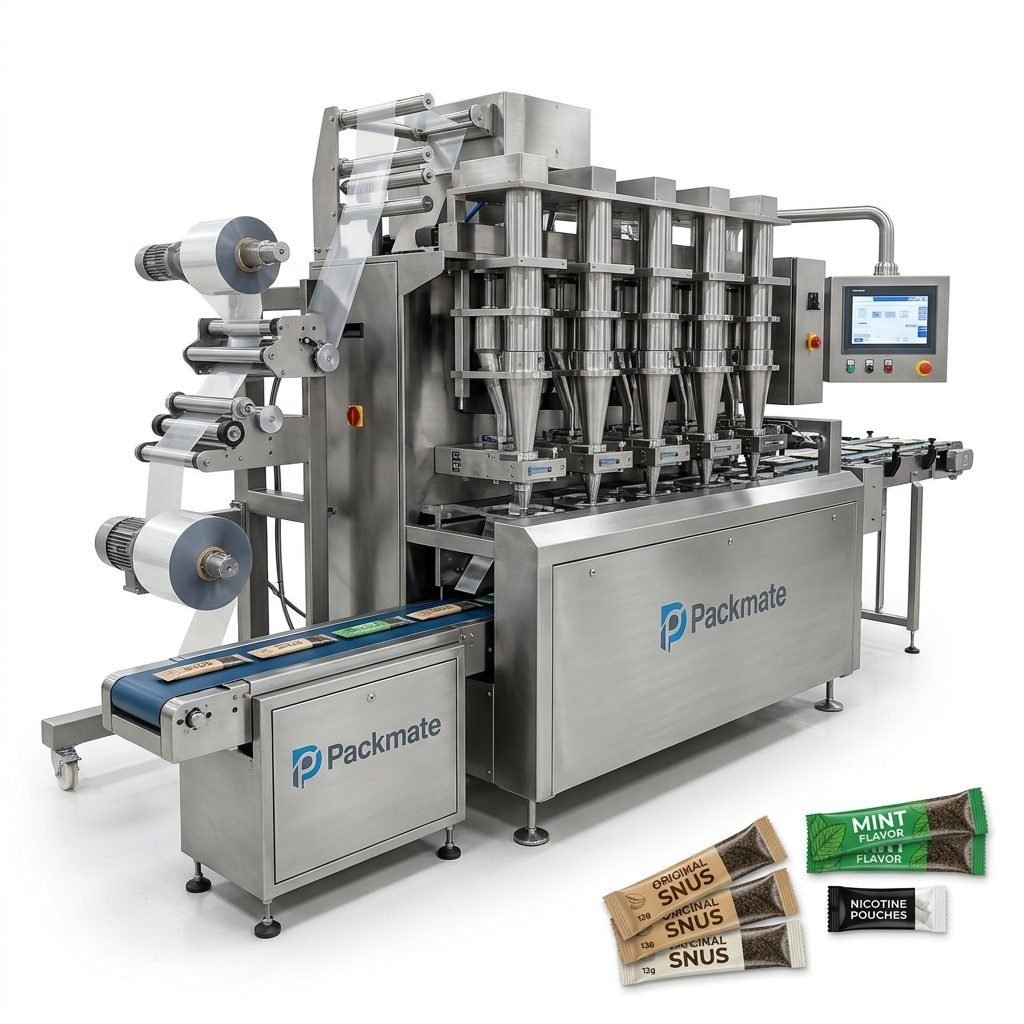
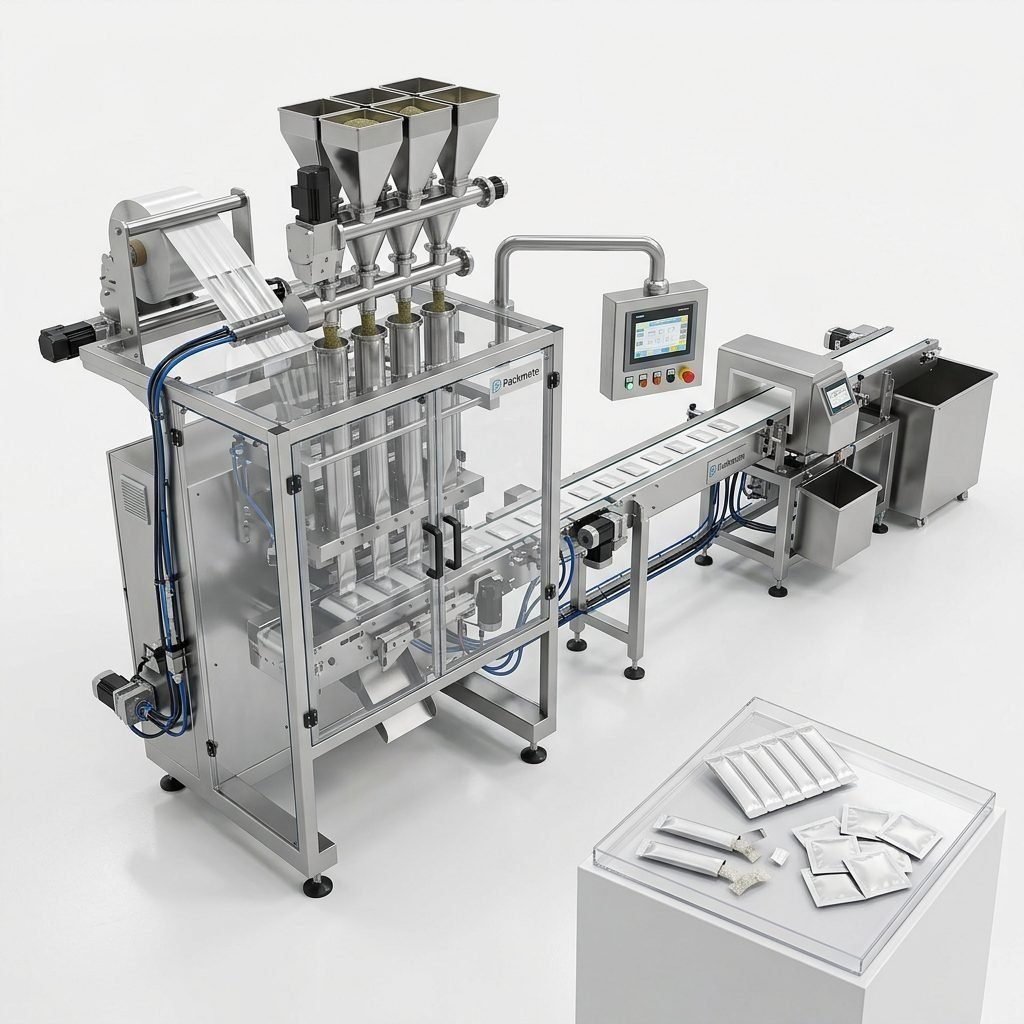
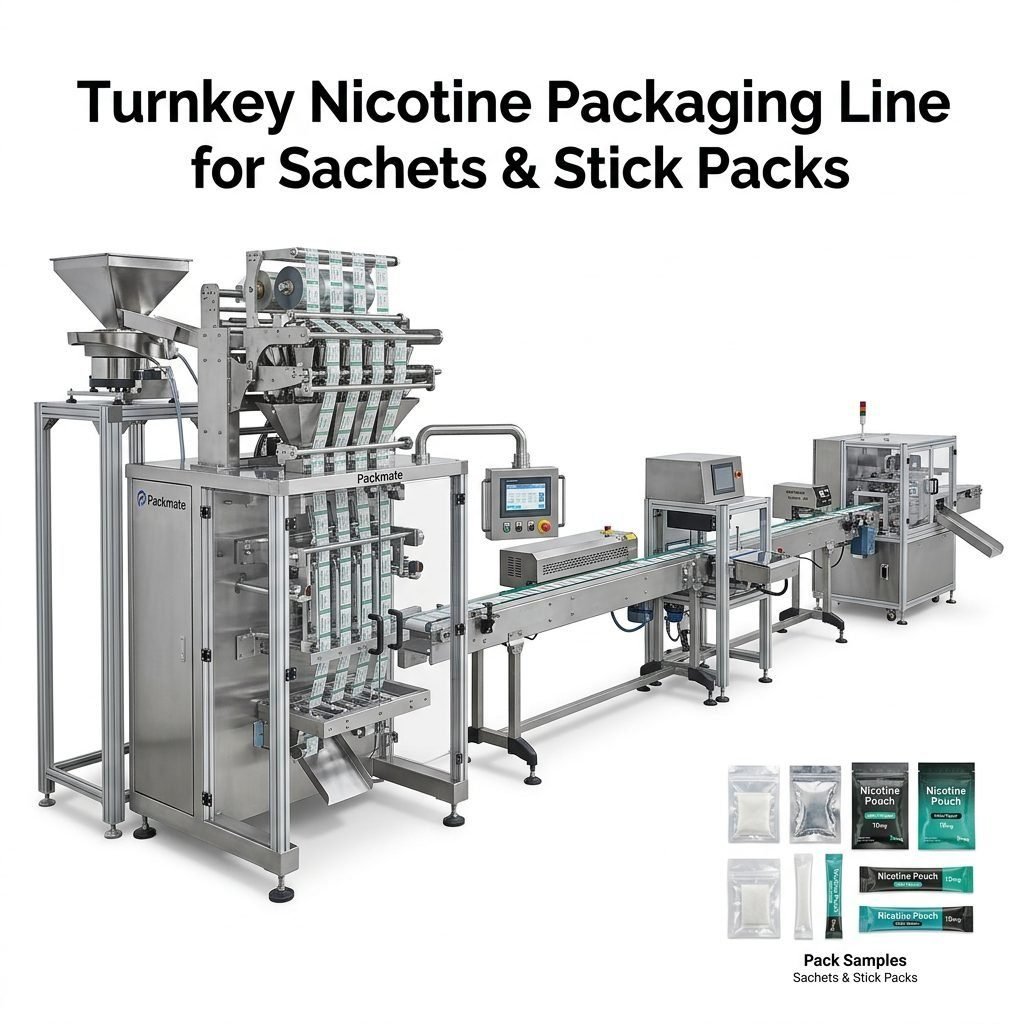
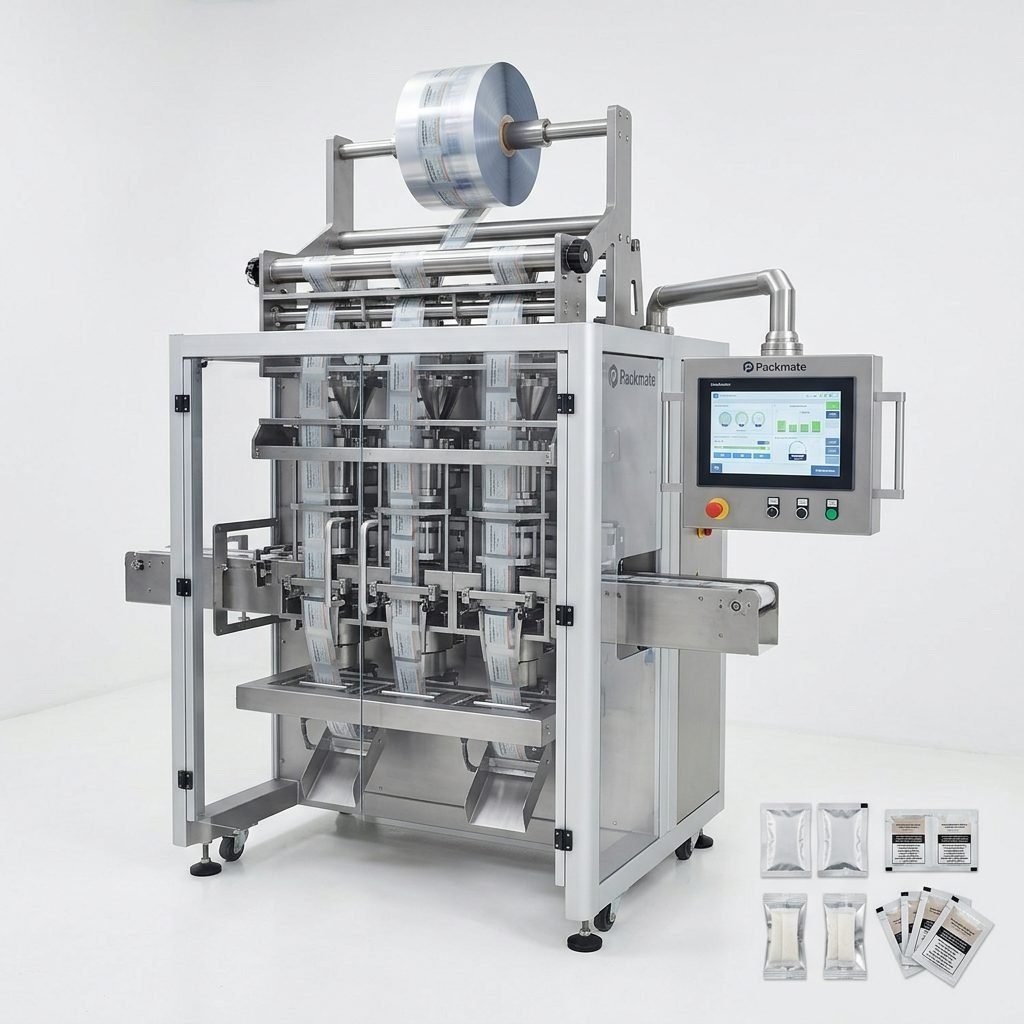
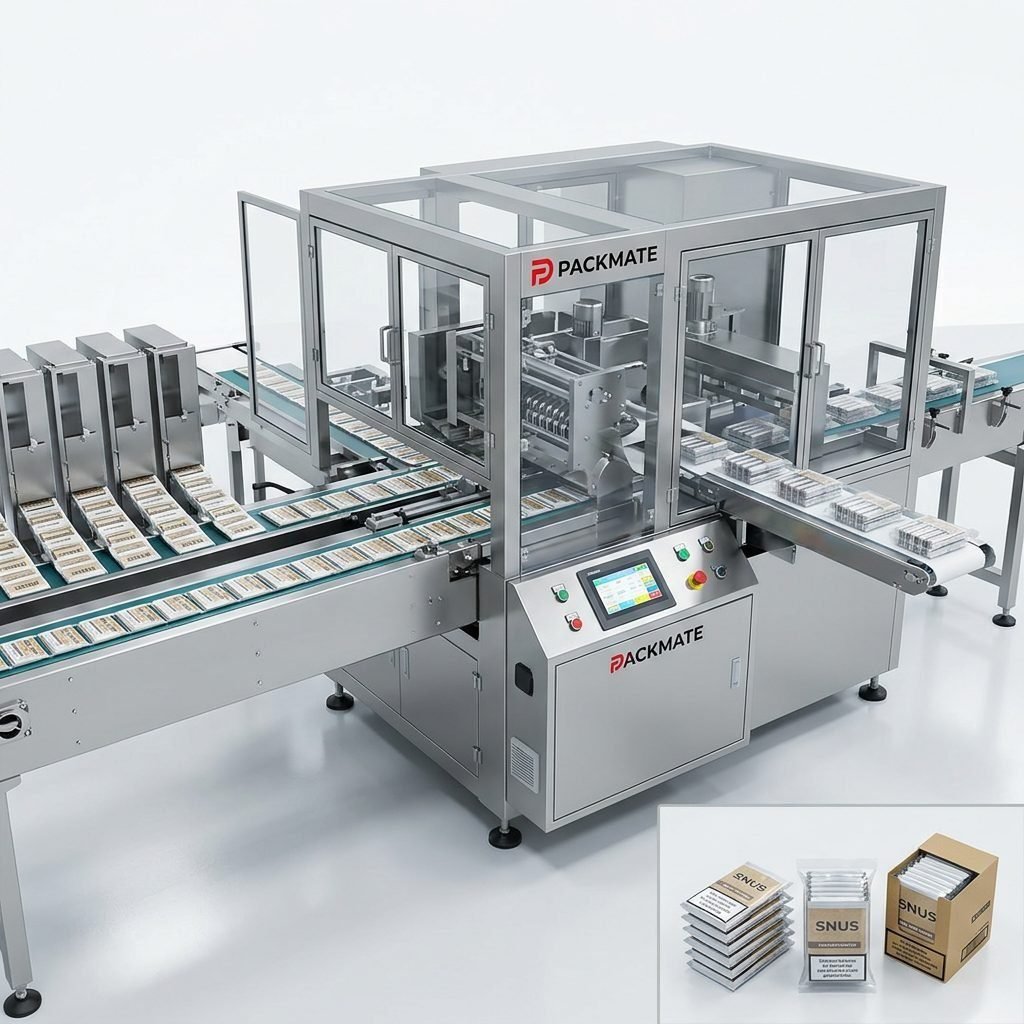
– Product range and customization ability: can the supplier deliver multi-lane systems, stick packs, sachets, or complete lines? (See supplier portfolios like Snus & Nicotine Packaging Machines and Sachet & Stick Pack Machines.)
– Certifications and compliance: CE, ISO and documented quality control processes are essential for export and local approvals.
📞 Communication, after-sales service & warranties
After-sales support is often the deciding factor. Machines serving nicotine/snус markets require fast response for spare parts, remote troubleshooting, and operator training. Before signing, confirm warranty terms, spare parts lead times, and whether the supplier offers installation supervision or commissioning.
Questions to ask your supplier
- Do you provide local or regional service partners in Oceania, or remote diagnostics with fast response?
- What is the standard warranty and what does it cover (components, wear parts, onsite labour)?
- How are training and documentation delivered — in-person commissioning, video training, or manuals?
- Typical spare parts lead times and whether a spare parts kit is included for first runs.
📦 Logistics, installation and commissioning in Oceania
Ocean freight to Oceania can be costly and slow — plan for packaging, crating, and inland logistics. For island nations, air freight for critical parts may be justified. Negotiate Incoterms carefully to define who handles customs clearance, duties, and local installation support.
Tips:
– Choose a supplier who documents electrical and pneumatic requirements clearly to avoid surprises with local power and certification.
– Request a pre-shipment check and FAT (Factory Acceptance Test) video demonstration to confirm performance metrics.
🤝 Negotiation and contract essentials
Contracts should protect your operations. Define acceptance criteria, penalty terms for missed delivery or performance, and post-installation KPIs. Include a clear spare parts supply agreement and an escalation path for unresolved technical problems.
Key contract clauses
- Performance guarantees validated at SAT (Site Acceptance Test).
- Warranty period and scope, with explicit exclusions for wear parts or misuse.
- Delivery terms (INCOTERMS), lead times for spare parts, and spare parts pricing conventions.
- Training commitments and documentation language(s).
✅ Red flags and how to spot them
Be cautious if a supplier avoids factory visits, cannot provide references, or has vague technical specs. Unrealistically cheap quotes may hide hidden costs like non-standard electrical components, missing safety guards, or poor-quality control.
Watch for:
– No demonstrable FAT or test videos with actual products.
– Lack of spare parts policy or ambiguous warranty terms.
– Unwillingness to provide CE/ISO documentation or traceable supplier history.
🌍 Cultural & business etiquette in Oceania
Business in Oceania values transparency, punctuality, and environmental responsibility. Australian and New Zealand buyers often expect direct communication, clear delivery timelines, and compliance with sustainability practices. Suppliers who demonstrate commitment to safety, energy efficiency, and waste reduction will stand out.
Practical suggestions
- Be concise and factual in proposals — include technical data sheets and energy consumption figures.
- Offer environmentally responsible packaging for the machine crate — buyers appreciate reduced waste and recyclable materials.
- Respect meeting schedules and respond promptly to queries; punctuality is highly regarded.
🔧 Case study & supplier example
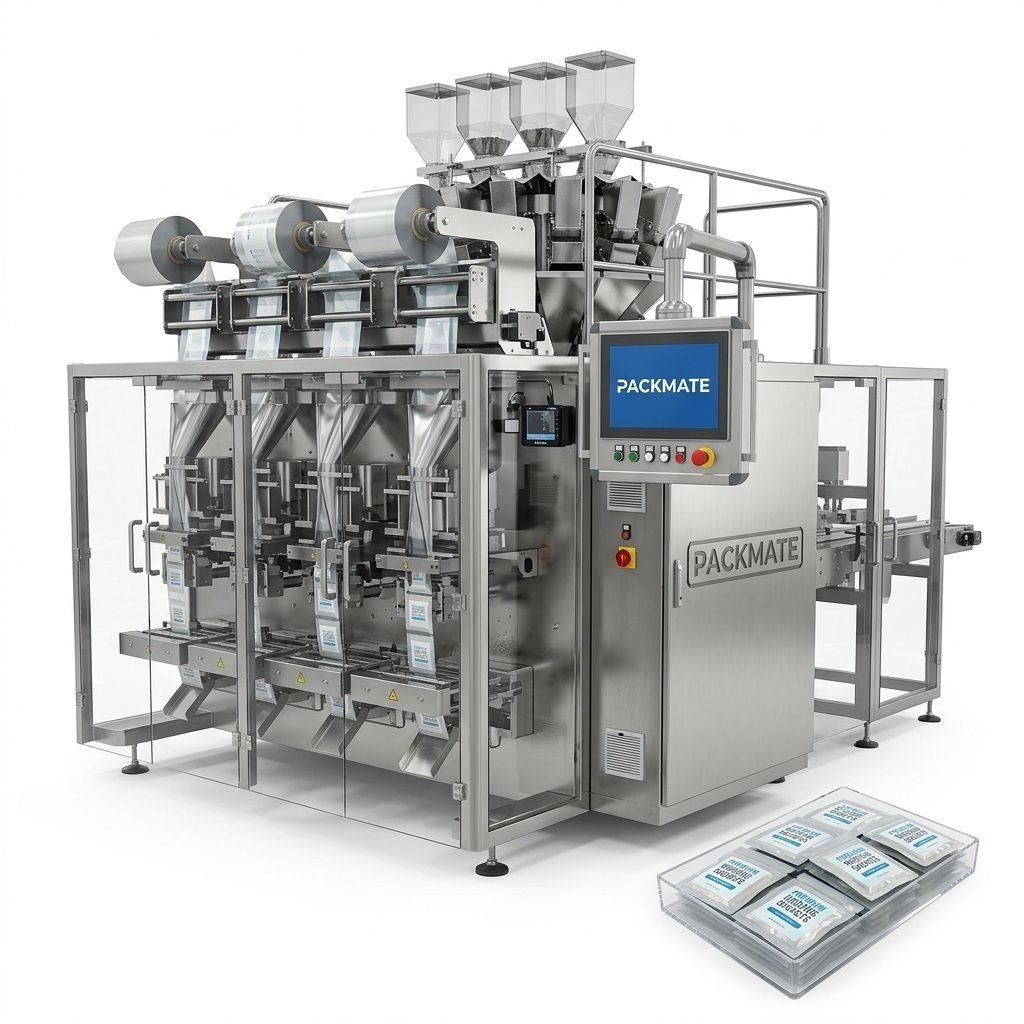
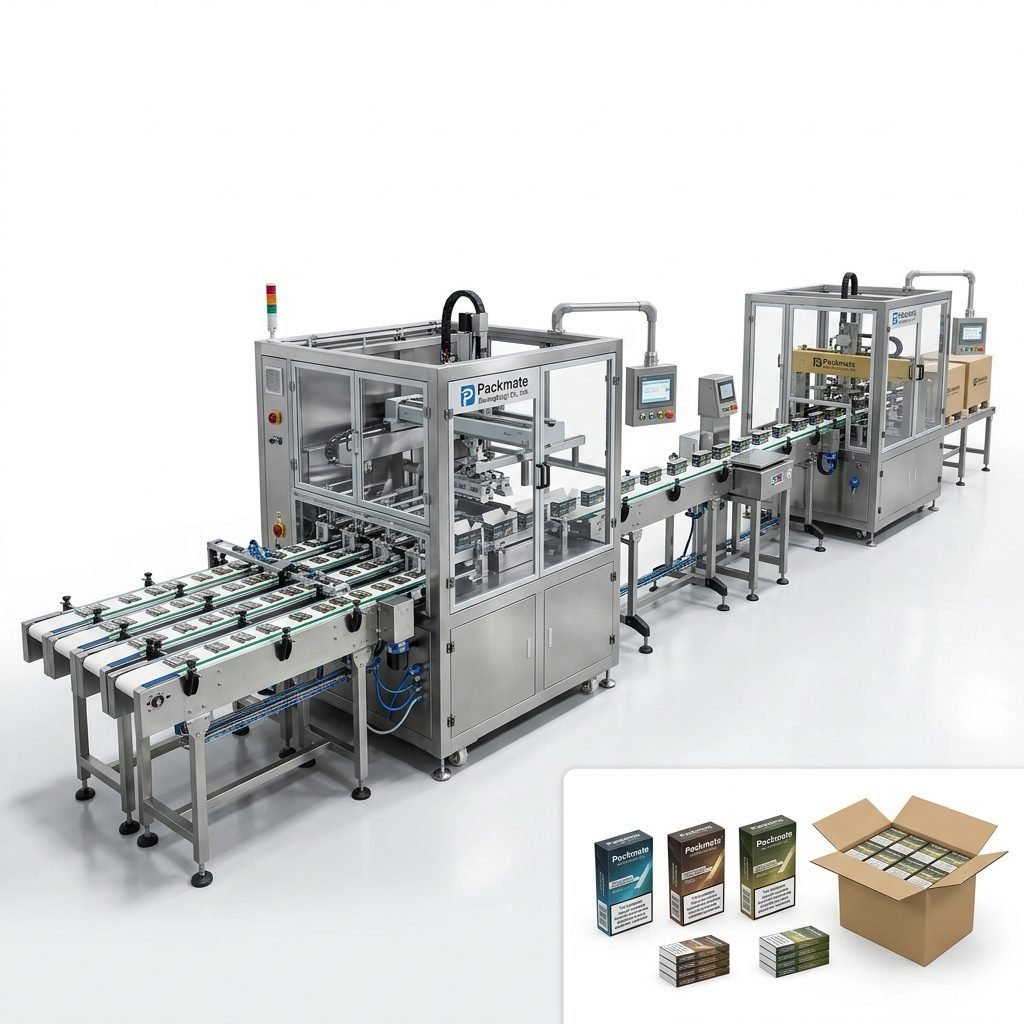
Suppliers with long-term engineering experience and a wide model range can simplify procurement. For instance, companies offering specialized snus and nicotine pouch lines, multi-lane systems, and integrated weighing/packaging solutions are better positioned to deliver turnkey lines. Explore product portfolios such as Weighing & Packaging Systems and Filling & Packaging Lines for integrated solutions and reference projects in global markets.
📂 Vetting suppliers with references & exhibitions
Suppliers who exhibit at international trade shows and publish case studies demonstrate transparency and market commitment. Reviewing customer cases gives insight into real-world performance and longevity. You can review examples and company information on pages like Case and About Packmate.
🧾 Final pre-order checklist
– Confirm FAT results and get them in writing.
– Verify warranty, spare parts list, and lead times for wear items.
– Agree on installation, SAT and acceptance criteria, and training schedules.
– Ensure shipping terms are clear and customs documentation is complete for Oceania destinations.
📣 Where to go next
Start by shortlisting suppliers who match your technical requirements and can demonstrate experience with nicotine pouch or snus packaging. Request detailed proposals, FAT videos, and at least two customer references. If you want to learn more about suppliers that specialize in snus and nicotine pouch equipment, check dedicated product pages and contact pages such as Snus & Nicotine Packaging Machines and reach out via the Contact Us page for tailored solutions.
🔚 Conclusion
Selecting a reliable nicotine packaging machine supplier in Oceania demands careful attention to regulatory compliance, machine performance, after-sales support, and local logistics. Prioritize suppliers with proven engineering history, transparent documentation, and robust spare parts and training offerings. With thorough due diligence and clear contractual safeguards, you can secure a partner who supports long-term, compliant production in the region.
❓ Frequently Asked Questions
Q1: What certifications should a nicotine packaging machine supplier provide?
A: Essential documents typically include CE and ISO certificates, material compliance records for food/pharmaceutical contact components, and documented quality control procedures. For Oceania imports, ensure documentation aligns with local customs and regulatory requirements.
Q2: How important is a Factory Acceptance Test (FAT)?
A: Very important. FAT validates machine performance before shipment and reduces the risk of onsite issues. Ask for recorded FATs with your exact product or equivalent formulations to verify dosing accuracy and runtime stability.
Q3: What are common hidden costs when importing machines to Oceania?
A: Common hidden costs include import duties, customs brokerage fees, local electrical conversion or certification, spare parts freight for initial runs, and travel costs for commissioning engineers if remote support isn’t available.
Q4: How can I ensure quick spare parts supply for remote locations?
A: Negotiate a spare parts kit with your purchase, ask for recommended local distributors, and include lead-time clauses in the contract. Suppliers with large factories and global networks typically offer faster turnaround for critical parts.
Q5: Are there regional differences in acceptance of nicotine products in Oceania?
A: Yes. Australia tends to have stricter controls and import restrictions, while New Zealand has been more facilitative for nicotine alternatives. Always consult local regulations and/or a legal advisor before importing nicotine-related production equipment or finished products.