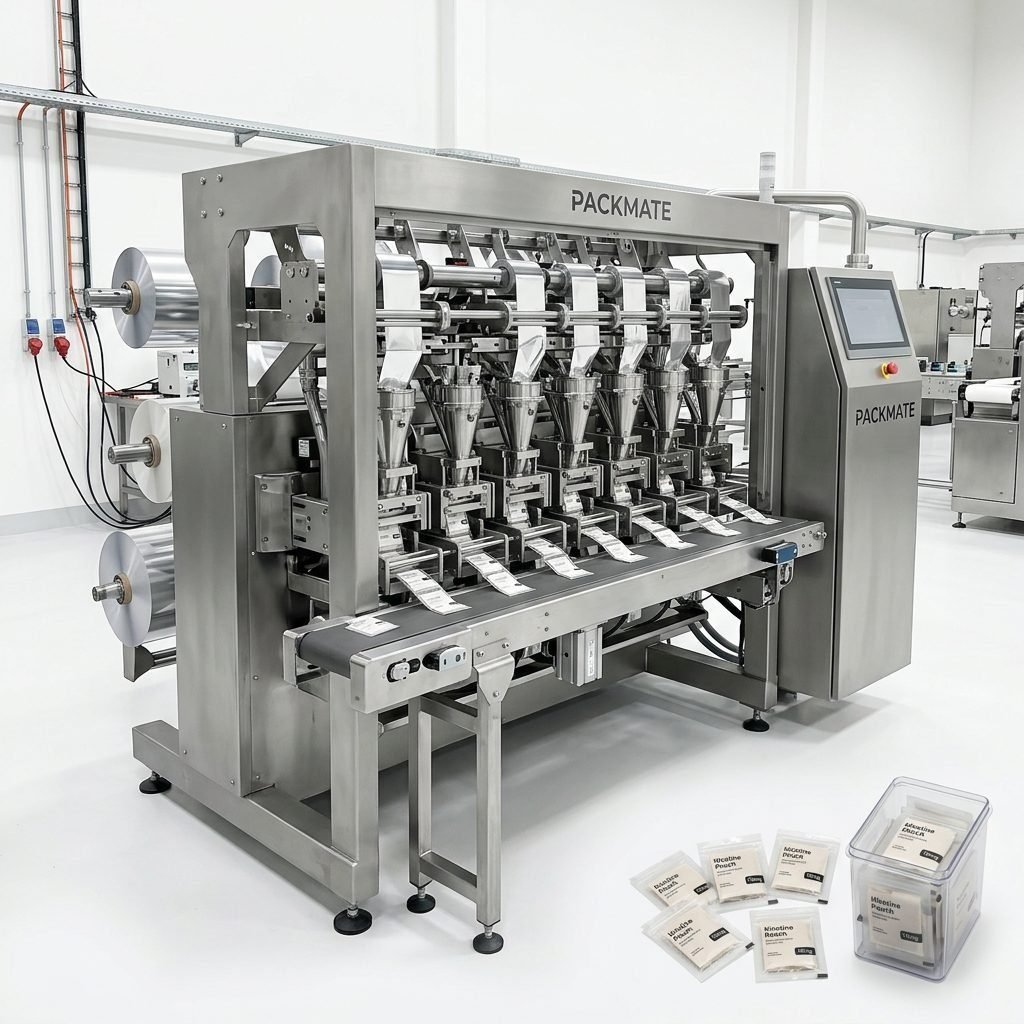
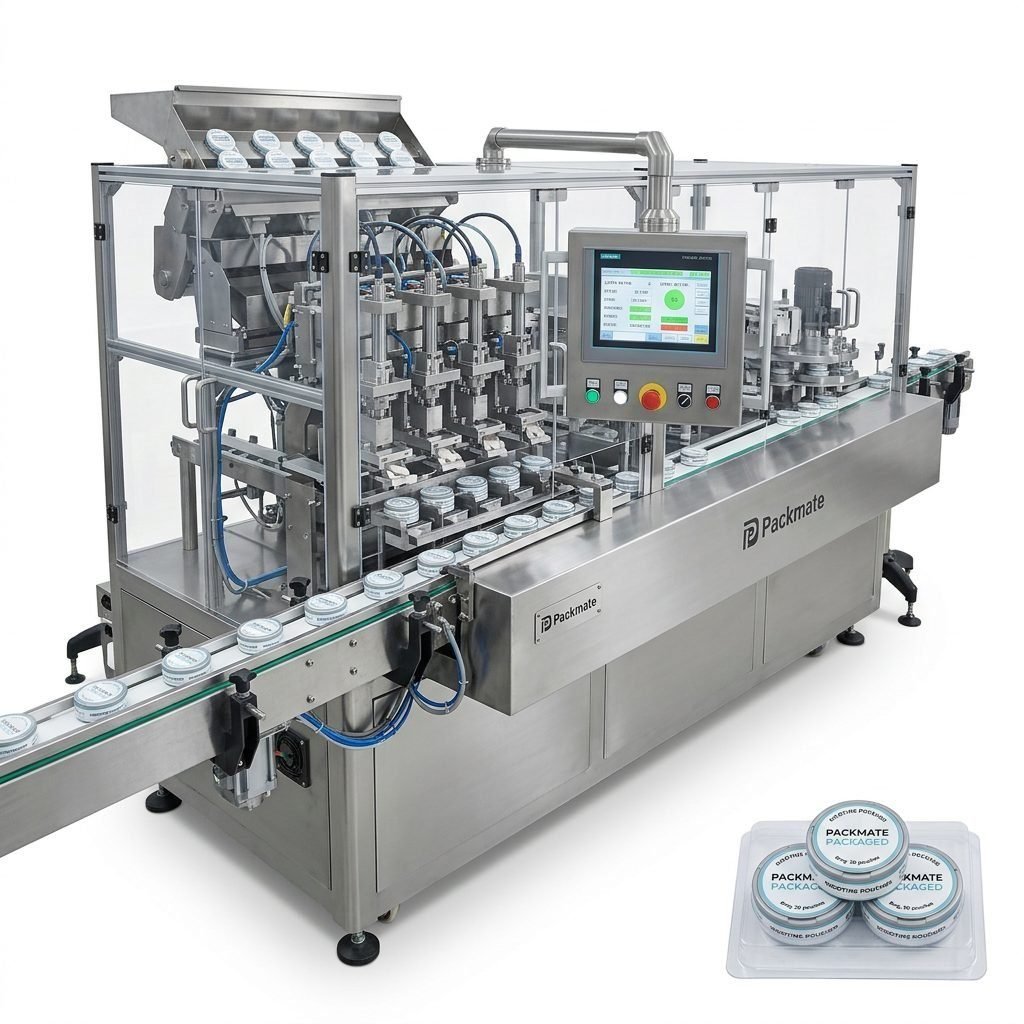
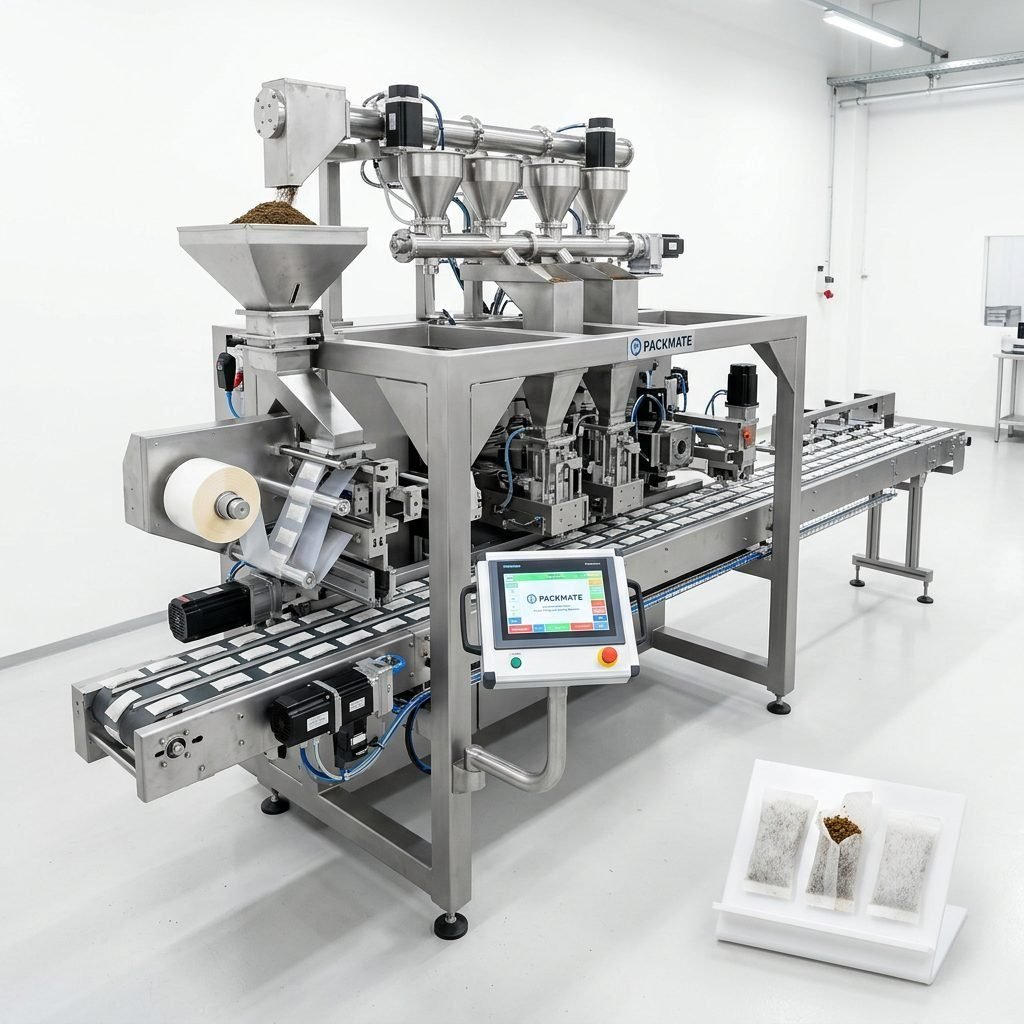
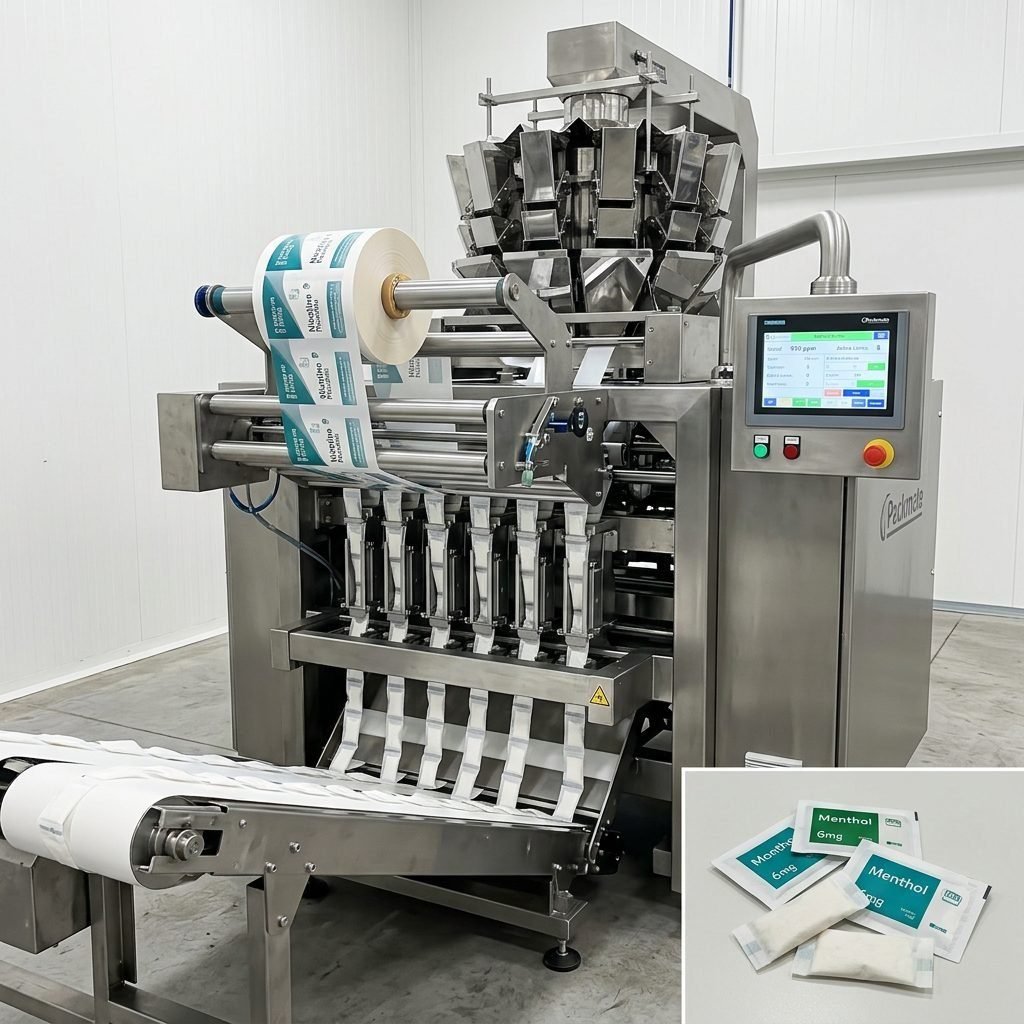
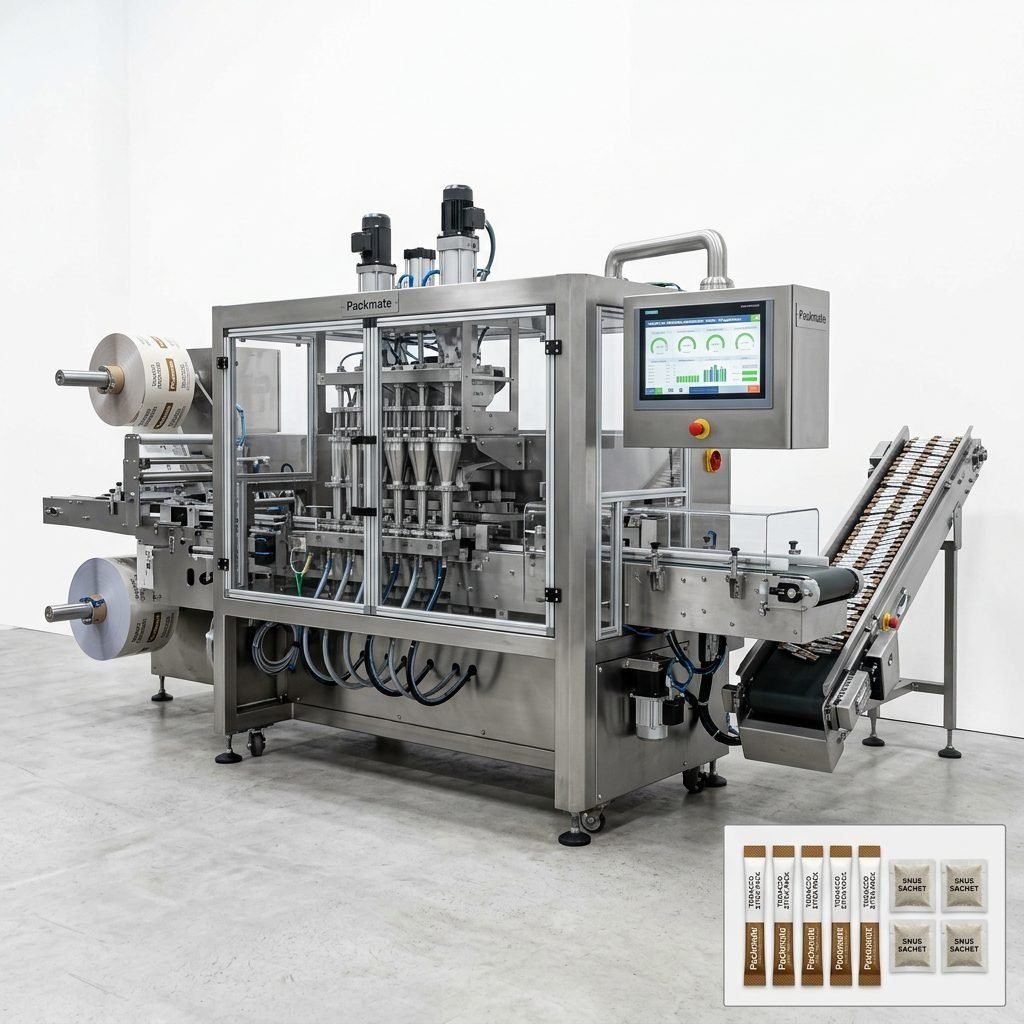
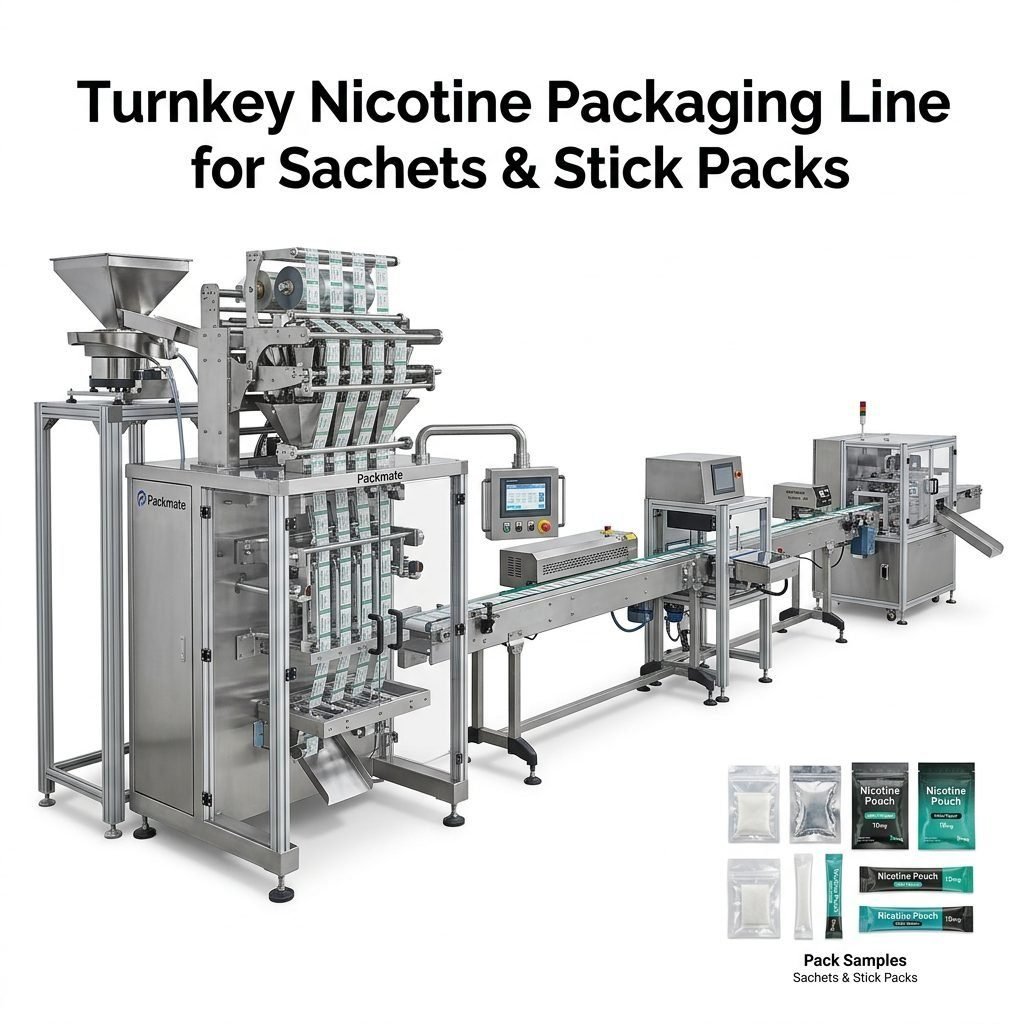
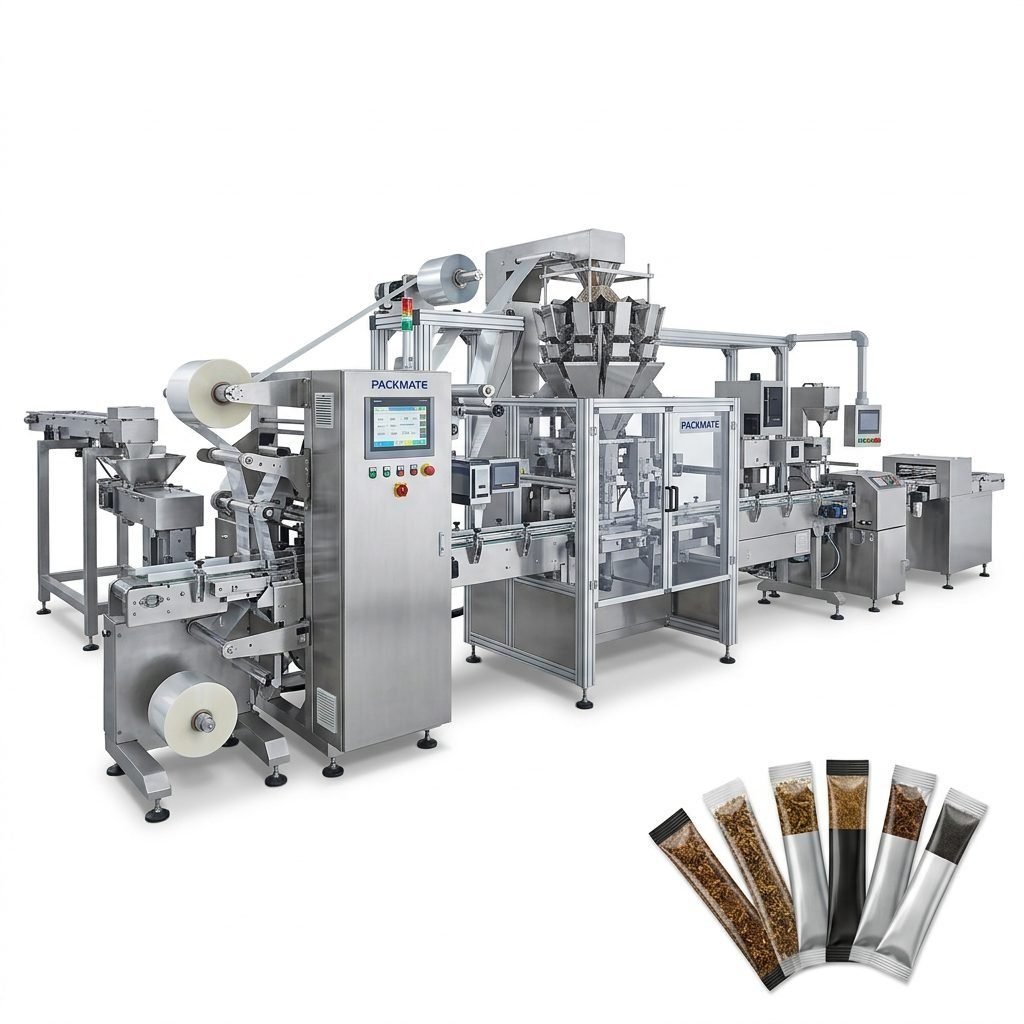
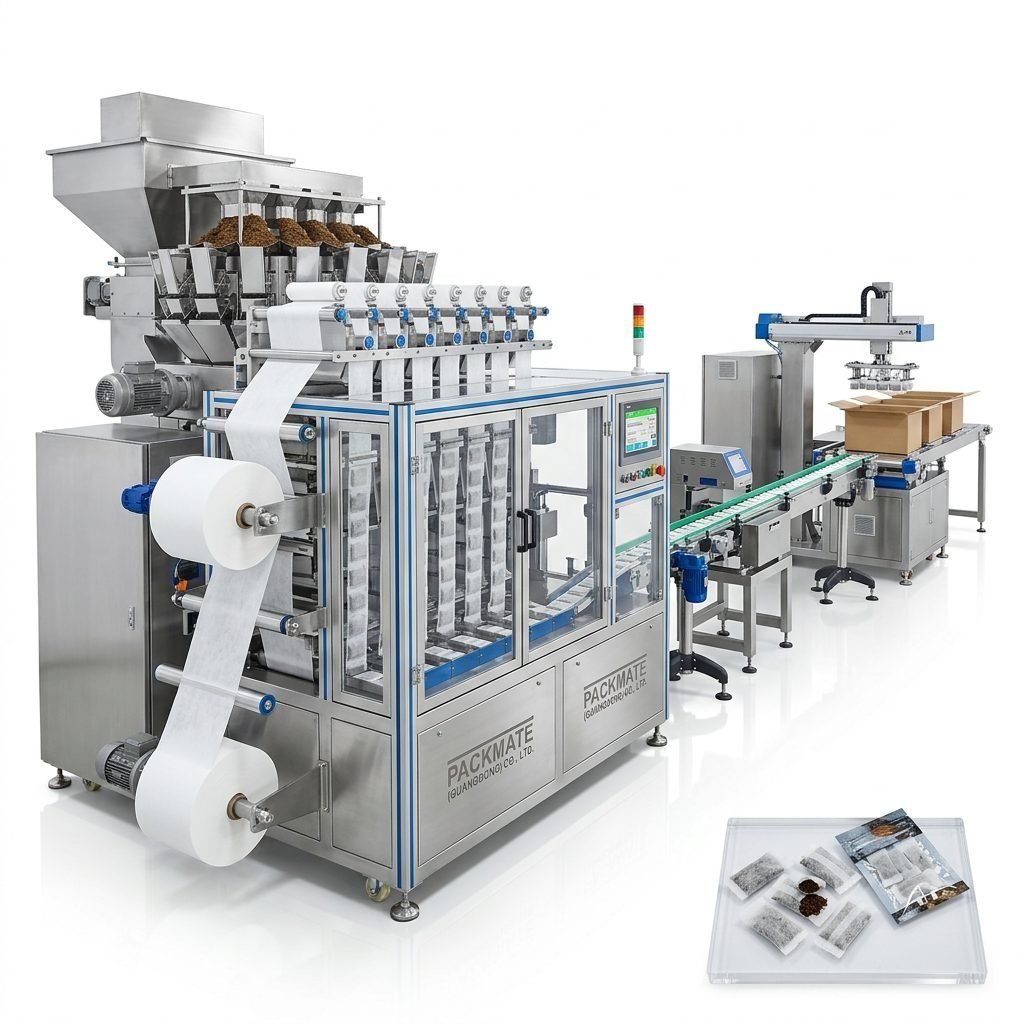
Finding a reliable supplier for nicotine pouch and snus packaging machines in Jordan requires a mix of technical knowledge, local market understanding, and careful supplier vetting. This guide walks you through the practical steps, cultural considerations, and sourcing tactics that will help your company secure the right equipment, minimize risk, and accelerate production ramp-up in Jordan’s unique business environment.
Understand the Jordan Market and Local Preferences
Jordan’s business environment is shaped by a conservative culture, strong regulatory oversight, and established import practices. When you look for a packaging machine supplier, consider how local habits influence product formats, labeling, and distribution:
– Many Jordanian consumers prefer clear Arabic labeling and compact pack sizes for convenience. Arabic labels and dual-language instructions can significantly improve acceptance.
– Respect for local sensitivities means marketing and packaging design must avoid provocative imagery; suppliers who can help with compliant artwork and labeling guidance are more valuable.
– Seasonality and religious observances (like Ramadan) can affect purchasing cycles and workforce availability — plan lead times and installation schedules accordingly.
Start with Clear Technical and Commercial Requirements
Before contacting suppliers, prepare a clear specification sheet. A well-structured brief will save time and reduce misunderstandings:
Key specification items to define:
- Target product: nicotine pouches / snus / other consumables
- Format: dose size, pouch style (stick, sachet, multi-lane pouch)
- Speed: required pouches per minute / hour
- Automation level: standalone machine vs full turnkey line
- Integration: weighing, filling, sealing, labeling, cartoning needs
- Local compliance: Arabic labels, batch coding, tamper-evidence
- Budget, delivery timeframe, site constraints (power, floor space)
Why this matters
A supplier can only propose an accurate solution when they understand your exact product format and throughput goals. For example, a multi-lane snus packaging machine may be essential for small-dose pouches aimed at mass retail, while a smaller sachet machine suits boutique runs and samples.
Where to Find Reputable Suppliers
Use a combination of online research, trade shows, and local networks. Target suppliers with documented projects and global service footprints. Consider looking into specialized manufacturers like Packmate for snus and nicotine pouch packaging. Useful resource links to review product lines and company background:
– Explore machine categories and product pages such as Snus & Nicotine Packaging Machines and Sachet & Stick Pack Machines.
– Review company capabilities at About Packmate and check real-world implementations under Case.
Evaluate Supplier Credentials and Manufacturing Strength
Look beyond glossy brochures. The most reliable suppliers can demonstrate:
Checklist for supplier evaluation
- Engineering track record (years in industry, R&D history)
- Factory scale and equipment: CNC centers, assembly lines, test benches
- Number of machine models and customization capability
- Certifications: CE, ISO or other relevant standards (Certificate)
- After-sales support network and spare parts availability
- Case studies showing installations in similar markets
Tip
If possible, request a virtual or in-person factory tour. Seeing the production environment provides a direct sense of quality control and workflows. Reliable manufacturers like Packmate generally welcome visits and live demonstrations to showcase machine stability and output.
Quality, Testing and Compliance
Nicotine and tobacco-related products are often subject to stricter regulatory scrutiny. When assessing a packaging machine, prioritize:
- Hygienic design and materials suitable for consumable products
- Accurate dosing and weighing systems that reduce wastage
- Traceability features: batch coding, serialized tracking
- Functional testing: run-off tests with your product or closest analog
Commercial Terms: Price, Warranty and Spare Parts
Price is only one part of value. Carefully compare:
What to negotiate and clarify:
- Warranty period, scope and conditions
- Lead time and shipment terms (FOB, CIF, DDP)
- Spare parts list and pricing; recommended stocking levels
- Installation, commissioning and operator training services
- Service response time in Jordan or nearby regions
Logistics, Customs and Local Certification in Jordan
Importing machinery demands planning for customs clearance, taxes, and sometimes local certification. Work with suppliers who can assist with:
- Documentation: packing list, commercial invoice, certificates of origin
- Export compliance and hazardous material declarations if applicable
- Local label language requirements — Arabic labeling and user manuals
- Customs agents familiar with industrial equipment imports to Jordan
Service & After-Sales Support — The Hidden Value
A robust after-sales plan ensures uptime. Assess supplier service depth:
– Are spare parts kept in regional warehouses or reachable within weeks?
– Do they provide remote troubleshooting, training materials, and multilingual support? Check offerings under the supplier’s service page, for example Service.
Local technical training and operator readiness
Due to Jordan’s talent pool and language preferences, request on-site training and translated manuals. Vendors who offer practical operator training help reduce errors and improve yields during the ramp-up period.
Supplier Visit and Factory Acceptance Test (FAT)
A Factory Acceptance Test is essential. During FAT you should:
- Observe the machine running at target speed with representative material
- Witness dosing accuracy and sealing integrity checks
- Request full documentation and a spare parts kit list
- Record video evidence for your team and local regulators
Negotiation and Contract Essentials
When you move to contract, ensure everything agreed in the quote is captured:
Contract checklist
- Detailed machine scope and technical drawings
- Acceptance criteria and FAT/PAT (Factory / Site Acceptance Tests)
- Payment schedule aligned with milestones
- Warranty and penalties for missed delivery or performance shortfalls
- IP and confidentiality terms (important if you share formulas or unique pack designs)
Installation, Commissioning and Local Partnerships
For successful commissioning in Jordan, consider partnering with a local engineering firm or distributor who understands wiring standards, certification practices, and Arabic documentation needs. A local partner eases customs, coordinates installation, and bridges language gaps.
If you want turnkey integration – from weighing to filling to final packaging – see integrated solutions on pages like Filling & Packaging Lines and Weighing & Packaging Systems.
Common Red Flags to Avoid
Be wary of:
- Suppliers unwilling to share factory references or FAT videos
- Vague warranty terms or no spare parts commitment
- Unrealistic lead times that lack supporting production schedules
- Low-ball quotes that exclude essential integrations, training, or documentation
How Packmate Demonstrates Credibility
Packmate is an example of a trusted snus and nicotine pouch machine manufacturer with over 30 years of engineering experience, a 20,000㎡ manufacturing facility, and more than 50 machine models tailored for small-dose pouch production. Their documented history, certifications, and global case studies reduce buyer risk when evaluating potential suppliers. For more details on Packmate’s portfolio and exhibitions, review Our Exhibition and the company story at Mission & Vision.
Decision checklist before you sign
Final verification
- All technical requirements matched against the machine spec
- FAT and site acceptance conditions clearly stated
- Local support plan agreed and documented
- Shipping, customs paperwork, and installation timetable confirmed
Practical Timeline Example
Typical timeline from first contact to production-ready:
- Week 1–2: Define requirements and request quotes
- Week 3–4: Evaluate proposals, review references, schedule FAT
- Week 5–8: Factory Acceptance Test and contract finalization
- Week 9–16: Manufacture and quality checks
- Week 17–20: Shipping, customs clearance and on-site installation
- Week 21–24: Commissioning and operator training
Final Thoughts
Sourcing a nicotine packaging machine in Jordan is a balanced process of technical clarity and local market sensitivity. Emphasize clear specifications, insist on FAT and robust after-sales agreements, and partner with suppliers who understand local labeling and cultural expectations. Investing time in supplier due diligence, logistics planning, and operator training will pay dividends in reduced downtime and higher first-pass yields.
Need direct help?
If you want to connect with an experienced manufacturer who provides turnkey snus and nicotine pouch solutions, check contact and support channels such as Contact Us and consult the FAQs at FAQs.
Frequently Asked Questions
Q1: How do I ensure a machine meets Jordan’s labeling requirements?
A1: Communicate label language, mandatory warnings, and font sizes up front. Ask the supplier for sample runs with your Arabic artwork and request documentation showing compliance with local labeling practices.
Q2: What warranty and spare parts policy should I expect?
A2: A typical reputable supplier offers a minimum 12-month warranty, spare parts lists with recommended stock levels, and optional extended support packages. Confirm lead times for critical parts to Jordan.
Q3: Can I conduct FAT remotely if I cannot travel to the factory?
A3: Yes — many suppliers now support live-streamed FATs with multiple camera angles, real-time Q&A, and recorded evidence. Insist on witnessed test runs at target speeds with representative materials.
Q4: What local considerations affect installation scheduling in Jordan?
A4: Account for customs clearance time, local working hours, public holidays, and religious observances. Plan for translated manuals and at least a few days of on-site training for operators and technicians.
Q5: How do I verify a supplier’s field performance?
A5: Request references and case studies for installations in similar climates or markets. Ask for contact details of existing customers and check uptime performance, yield statistics, and responsiveness of support teams.