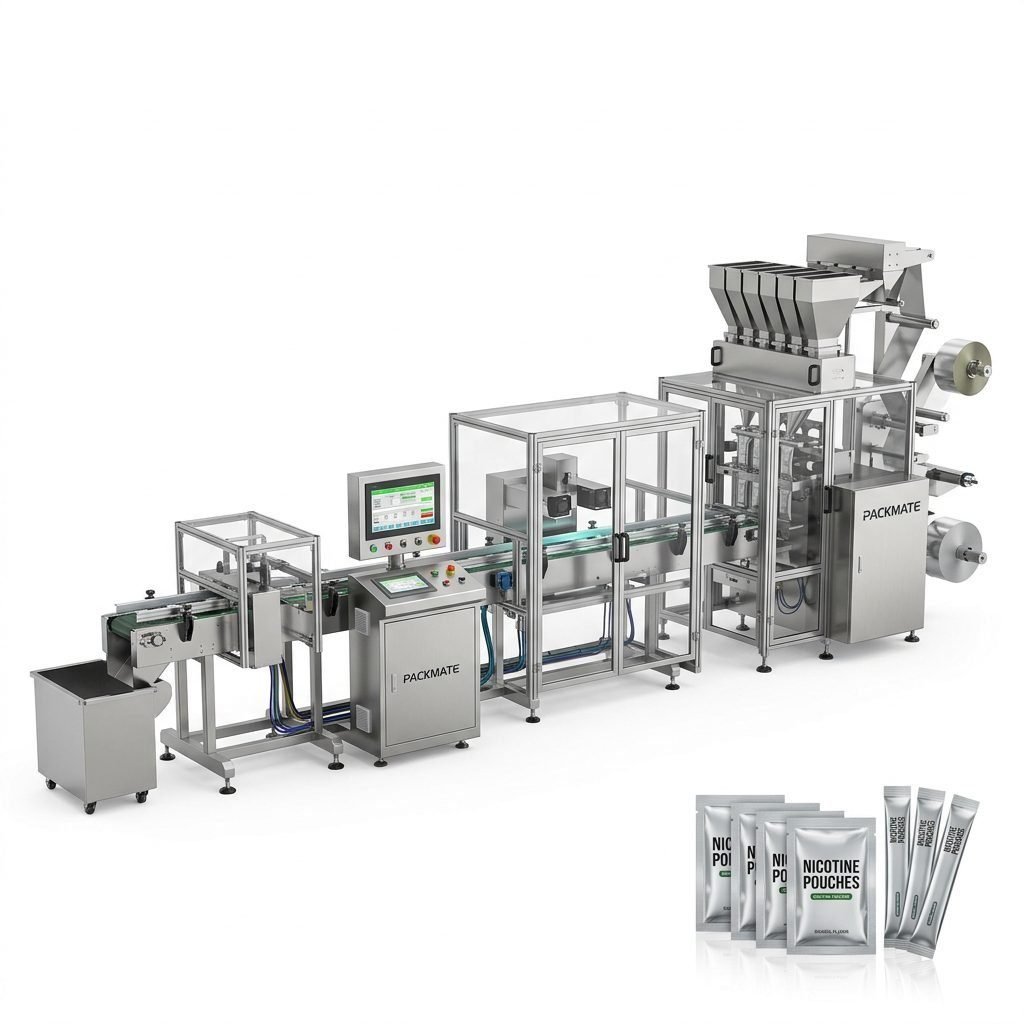
Choosing the right nicotine packaging machine manufacturer in Japan requires more than a quick price comparison. It involves understanding local market expectations, regulatory constraints, production volumes, machine flexibility, and long-term support. This guide walks production managers, procurement teams, and entrepreneurs through practical steps to identify a supplier that fits Japanese manufacturing habits—precision, cleanliness, and on-time delivery—while ensuring you get reliable snus and nicotine pouch packaging solutions.
Understand the Japanese Market and Cultural Expectations 🇯🇵
Japan places high value on quality, consistency, and compact designs. Packaging aesthetics and minimal waste are essential: many Japanese consumers prefer sleek, space-saving packs and precise portion control. Local factories also expect low-noise, easy-to-clean machines due to tight urban production spaces and strict hygiene protocols. When evaluating suppliers, ask how their designs address noise reduction, sanitary surfaces, and small-footprint installations.
Key cultural and operational points to consider
🔍 Attention to detail — Japanese buyers expect high precision and low defect rates.
⏱️ Punctual delivery — reliable lead times and clear logistics are critical.
🧽 Hygiene & maintenance — easy-clean designs align with local food and health standards.
🎛️ Compact footprints — machines that fit smaller floor areas are preferred.
Match Machine Types to Your Product and Throughput
Start by defining the exact product form (nicotine pouches, snus, powder, granules, liquid), dose size, packaging type (stick pack, sachet, pouch), and the target output per minute or per shift. Different machine families serve different needs:
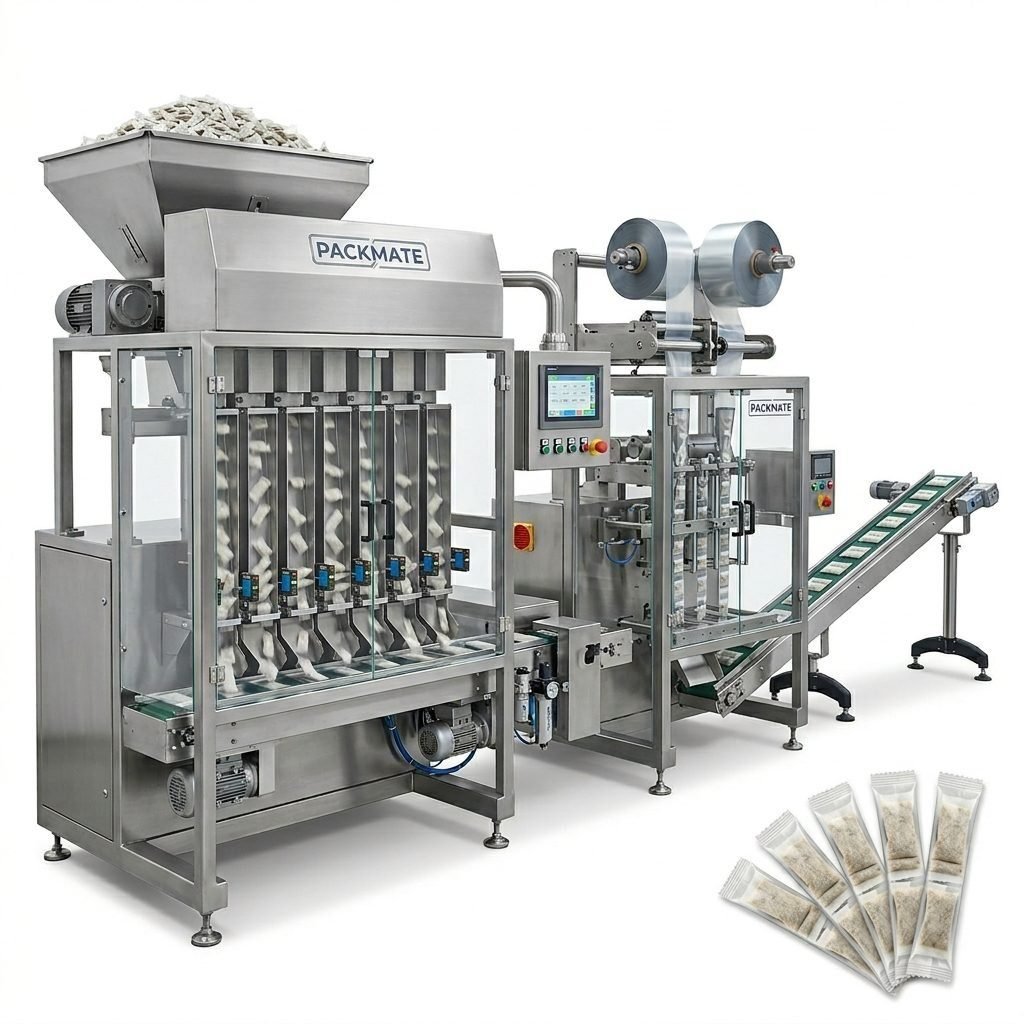
✅ Stick pack machines — good for single-dose sachets and smaller pouch styles.
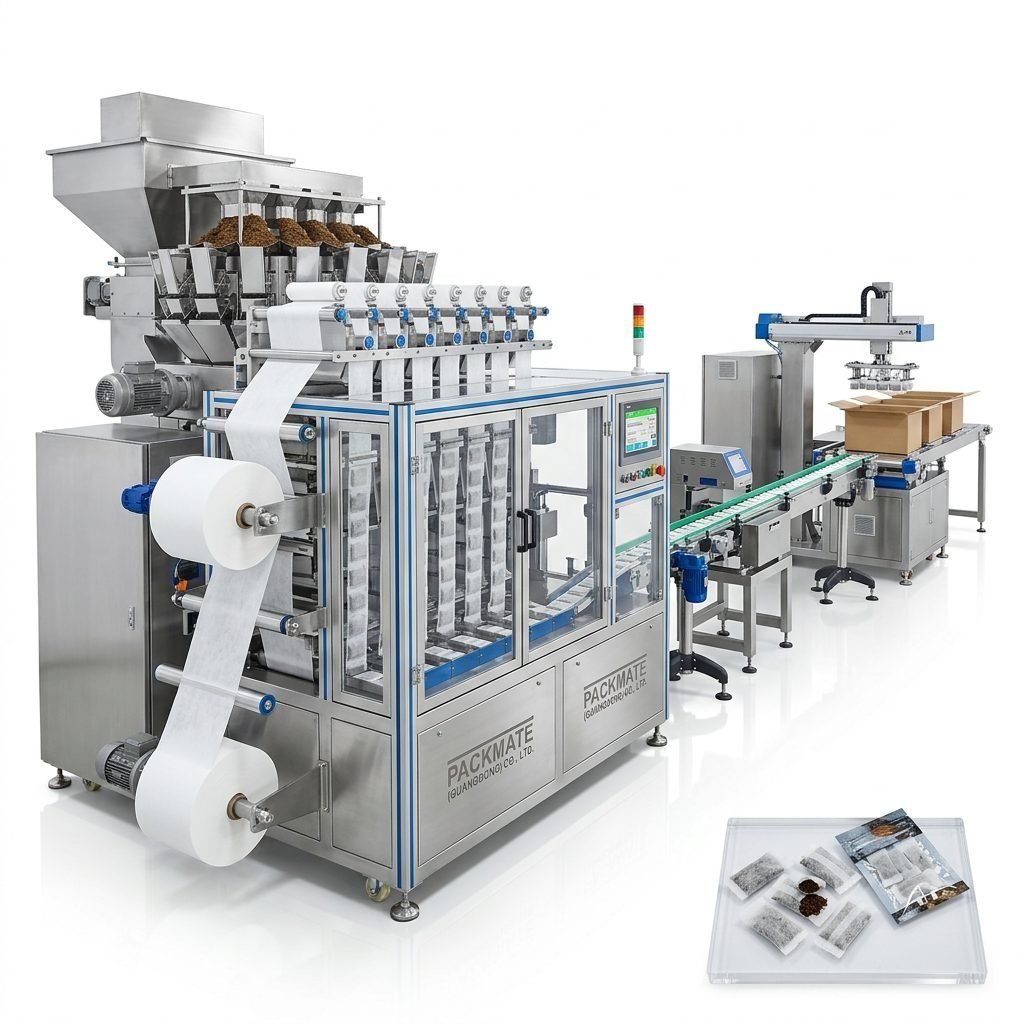
✅ Sachet & stick pack multi-lane systems — ideal for scaling up small-dose nicotine pouches without sacrificing footprint.
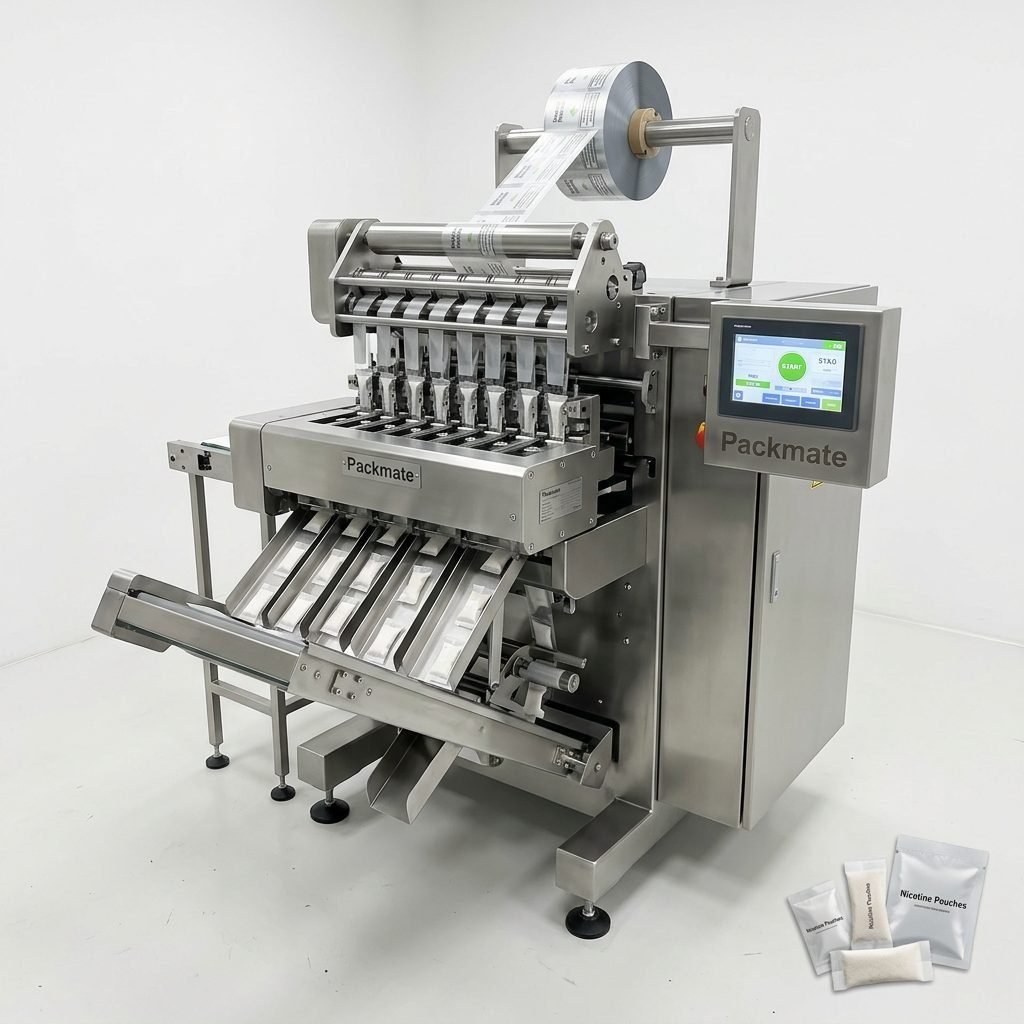
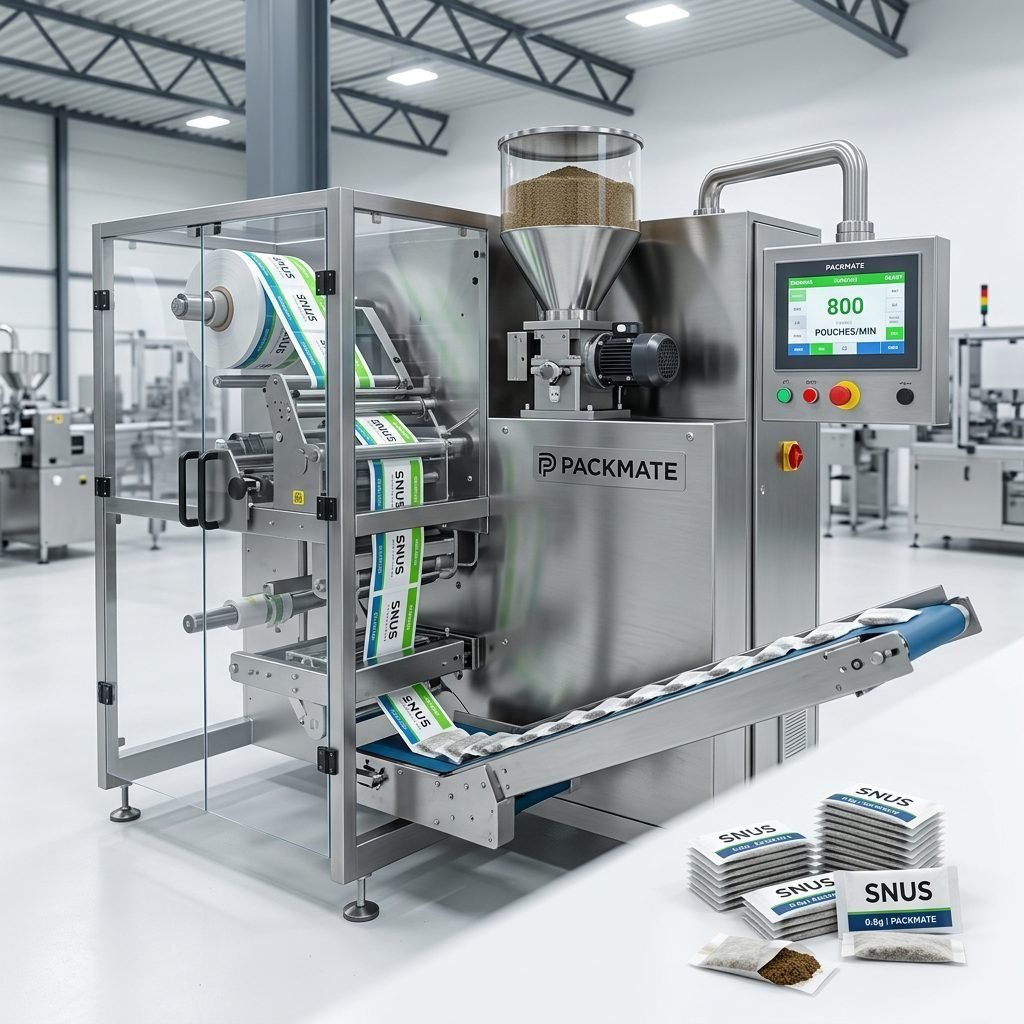
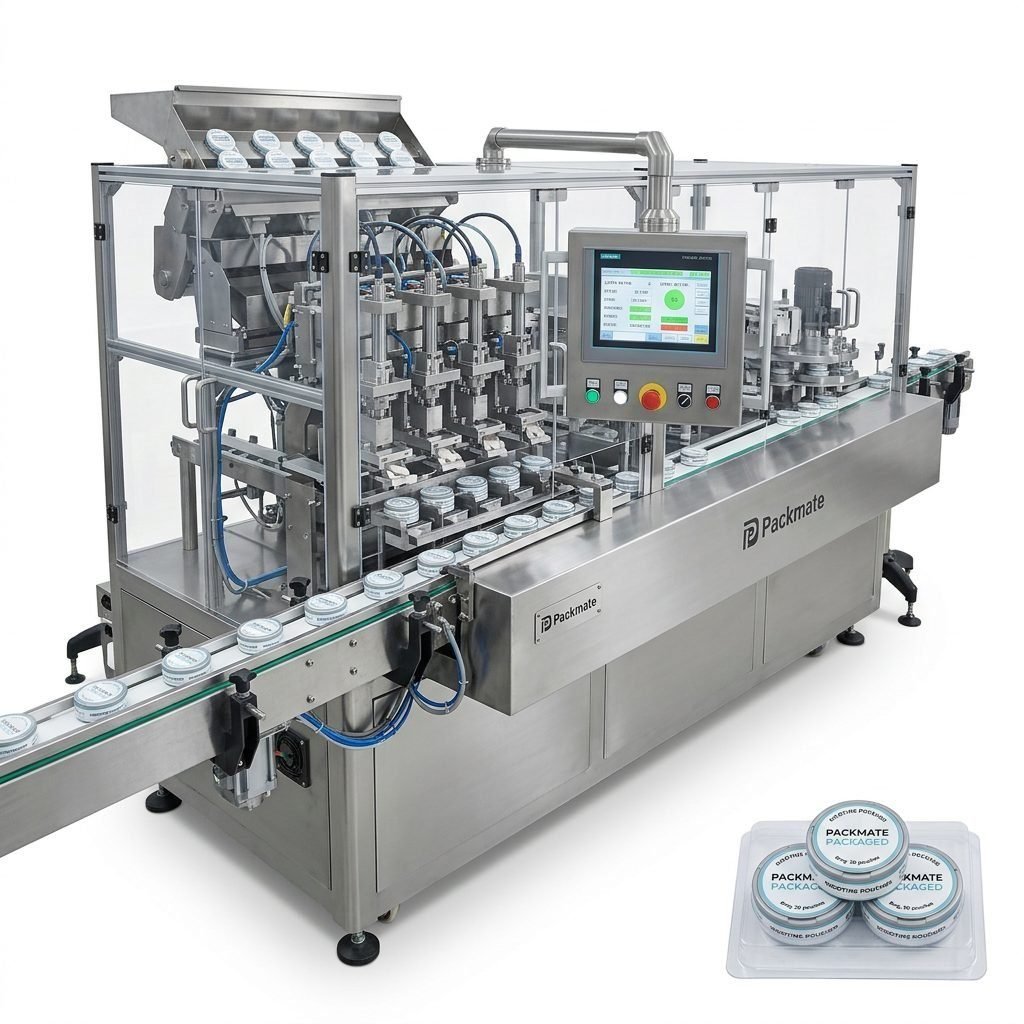
✅ Snus / Nicotine pouch packaging machines — specialized for delicate nicotine pouches, dosing accuracy, and low oxygen sealing.
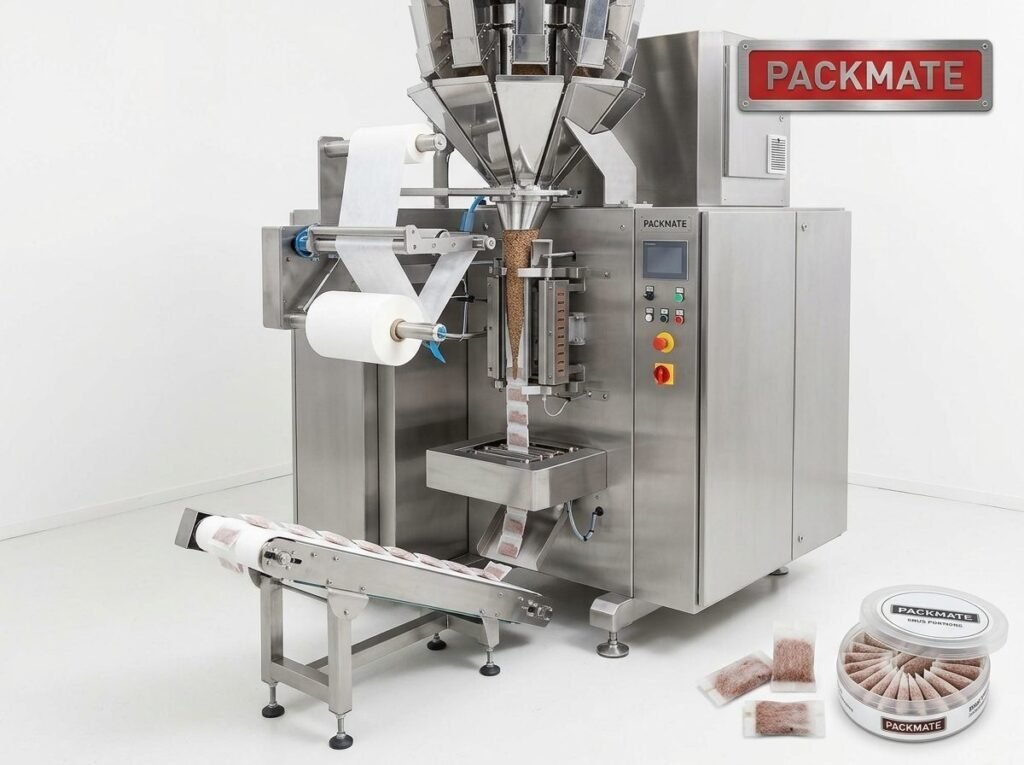
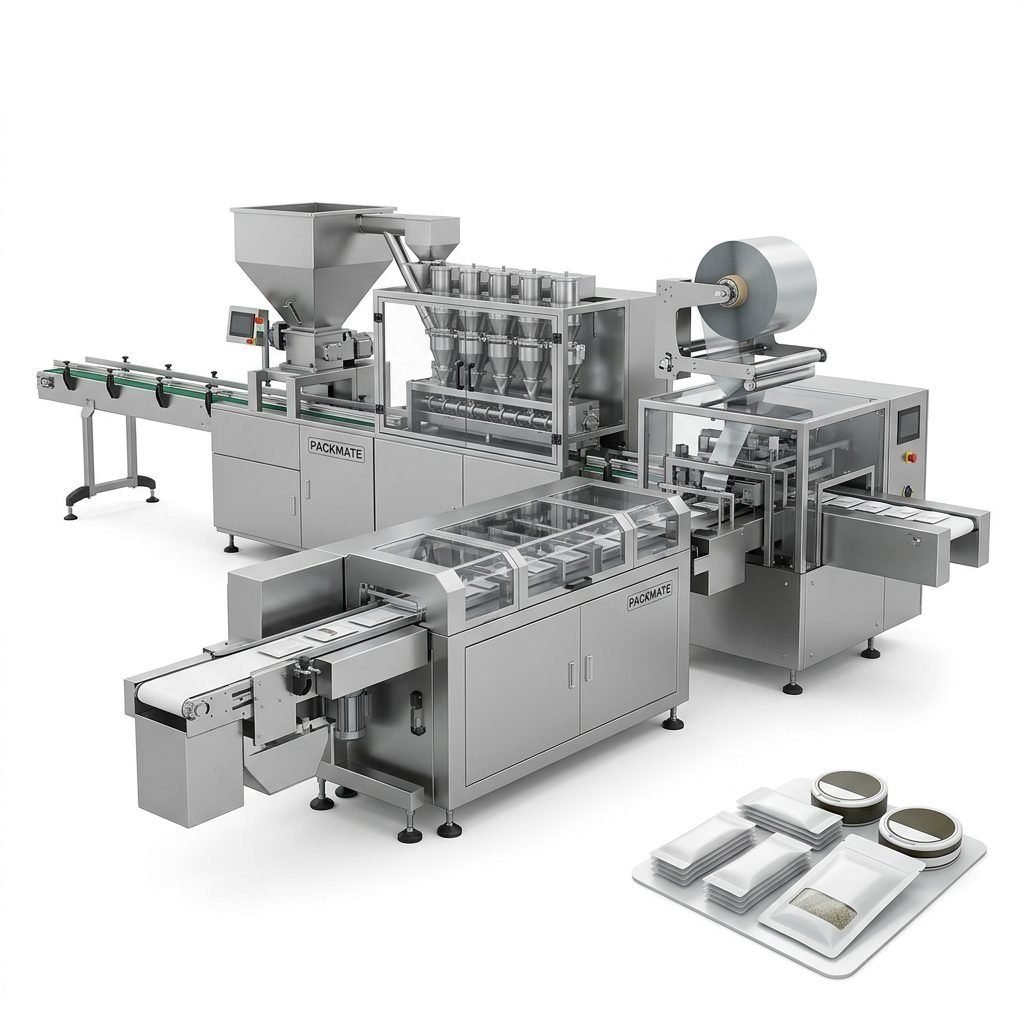
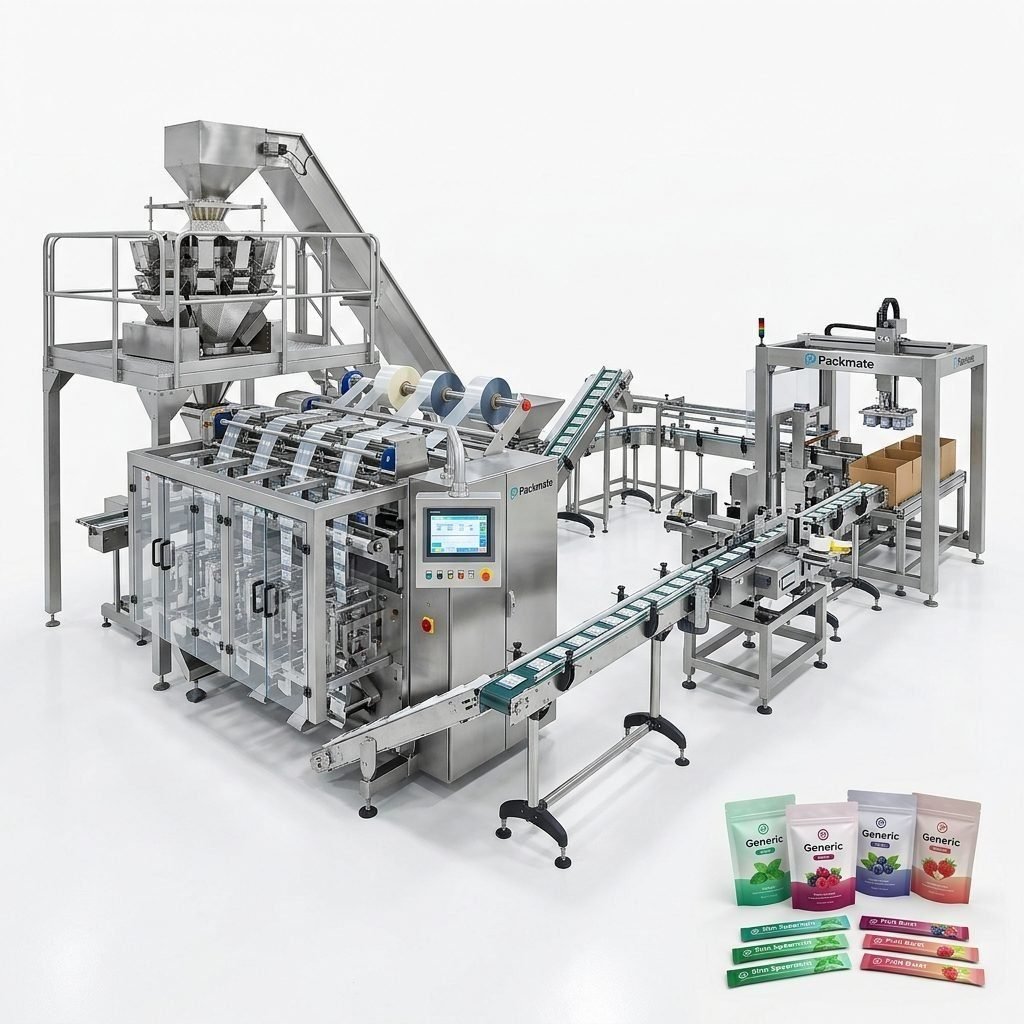
✅ Filling & packaging lines — integrated systems including weighing and filling for powders and granules.
Practical selection tips
If your business emphasizes flexibility, look for modular multi-lane systems that can switch between formats quickly. For highest throughput with small-dose nicotine pouches, multi-lane snus machines offer the best ROI per floor area. For full system inquiries, consider exploring Packmate’s product ranges such as Snus & Nicotine Packaging Machines and Sachet & Stick Pack Machines.
Evaluate Manufacturer Capabilities and Factory Strength
Look beyond brochures. Key indicators of a capable manufacturer include years of focused experience, a sizeable manufacturing facility with CNC capability, and a broad model range. Manufacturers like Packmate highlight 30+ years of engineering experience, a 20,000㎡ facility, and 50+ machine models—factors that suggest capacity for customization and reliable delivery.
🔧 Factory capabilities to verify:
• Advanced CNC machining and precision assembly lines.
• In-house testing and quality control processes.
• Proven global turnkey solutions and export experience.
Quality, Certifications and Regulatory Compliance
For nicotine-related products, compliance and safety are top priorities. Verify that machines meet international standards (CE, ISO). Always request documentation such as CE certificates, machine inspection reports, and materials safety details. Manufacturers with clear certification pages and exhibition histories provide higher transparency—see examples like Certificate and exhibition records.
Ask for these documents
⚠️ CE / ISO certificates
⚠️ Factory acceptance test (FAT) reports and videos
⚠️ Material & contact surface compliance (food-grade stainless steel, hygienic seals)
⚠️ Emissions, electrical safety, and noise specifications
Assess After-Sales Support and Spare-Part Availability
In Japan’s fast-paced manufacturing environment, downtime is costly. Prioritize manufacturers who provide prompt spare-part supply, remote diagnostics, and local service partners or fast international shipping. Confirm warranty terms, annual maintenance plans, and training offerings. Packmate emphasizes global turnkey solutions and long-term technical support—verify their service terms via Service.
Checklist for support
• Remote troubleshooting and video guidance
• Spare parts kit and lead times
• Training at factory and on-site installation assistance
• Local language manuals and operational SOPs
Total Cost of Ownership (TCO) and Return on Investment
Purchase price is only one part of the equation. Consider operational costs (energy use, maintenance, consumables), expected uptime, changeover time between SKUs, and scrap rates. A slightly higher upfront investment may pay off if the machine delivers higher throughput, less waste, and fewer stoppages. Request case studies or ROI calculations from the manufacturer—Packmate’s global project cases may illustrate real-world performance: Case.
Factory Acceptance Testing (FAT) and On-Site Installation
Insist on a FAT before shipment. A comprehensive FAT should include performance tests at your target speeds, sample production with your materials, and detailed documentation of parameters. For Japanese operations, schedule the FAT to mirror local production conditions (shift patterns, ambient temperature/humidity) and confirm transport and customs logistics in advance.
🧾 FAT must-haves:
• Full speed run (hours) with your product
• Sample seals, pouch integrity, and dosing accuracy reports
• Video documentation and operator training session
Customization, Flexibility and Future-Proofing
Your product line will evolve. Choose a manufacturer offering modular upgrades such as additional lanes, feeding solutions, printers, and serialization modules. Ask how easily the machine can be upgraded to new pouch sizes or different materials. Vendors with a wide product range, like Packmate, often provide scalable solutions across snus, stick pack, sachet, and full filling lines—see their product lists for inspiration: Filling & Packaging Lines.
Logistics, Installation and Local Regulations in Japan
Japan’s import regulations and city-level restrictions may affect machine delivery and setup. Work with manufacturers who understand export procedures, can manage crating to meet import agents’ requirements, and provide clear documentation for customs clearance. Prepare your plant for machine arrival: confirm floor load ratings, power supply specs, compressed air capacity, and local waste disposal rules.
How to Shortlist and Make the Final Decision
Follow a structured procurement process:
1. Define requirements (product specs, throughput, floor area).
2. Shortlist 3–5 manufacturers based on experience and certifications.
3. Request detailed quotes including customs-ready shipping and spare parts lists.
4. Validate references and visit a live installation or request videos.
5. Conduct FAT and finalize service & warranty terms.
When Packmate might be a fit
Packmate Snus Machine positions itself as a specialist in snus and nicotine pouch machines with decades of R&D, a large manufacturing footprint, and turnkey solutions. If you need multi-lane systems, in-depth engineering support, or integrated filling and weighing lines, exploring their portfolio and getting a tailored proposal could be productive. Learn more About Packmate or contact them via Contact Us.
Final practical tips for Japanese production teams
• Include your maintenance team in supplier meetings to vet accessibility of parts and tools.
• Test with your actual materials early—paper tests are insufficient for nicotine pouches.
• Clarify language support for manuals and software interfaces.
• Negotiate clear SLAs for spare parts delivery in Japan.
Quick decision matrix (icon guide)
🔧 High customization + multi-lane = choose an experienced OEM with a large R&D team.
💰 Tight budget + steady SKU = consider standard single-lane machines with solid warranty.
⚡ Fast scale-up = prioritize modular systems and local spare support.
Conclusion
Selecting a nicotine packaging machine manufacturer for the Japanese market is a multifaceted decision—technical capability, cultural alignment, regulatory compliance, and after-sales service all matter. Use a structured procurement approach, insist on FAT with your materials, and prioritize manufacturers who demonstrate transparent documentation, strong factory capabilities, and reliable global support.
Frequently Asked Questions
Q1: How important are CE and ISO certificates for machines used in Japan?
A1: Very important. While CE/ISO are international markers, Japanese buyers also check local compliance and hygienic design. Request certificates and test reports.
Q2: Should I prioritize a local Japanese supplier or an experienced overseas OEM?
A2: It depends. Local suppliers can offer faster support, but experienced overseas OEMs with proven exports and clear service plans often provide better customization and cost-efficiency. Verify spare parts logistics and service SLAs.
Q3: What is the minimum information I should request in a quote?
A3: Request machine model, layout dimensions, power/air specs, throughput at target product, spare parts list, warranty terms, FAT plan, and shipping/incoterms.
Q4: How long does custom development typically take for a new nicotine pouch format?
A4: Timelines vary: minor format changes can be weeks, while new multi-lane customizations may take several months. Confirm development milestones and prototype trials.
Q5: Where can I find real-world examples and references?
A5: Ask the manufacturer for case studies, client references, and exhibition demos. Packmate publishes project cases and participates in exhibitions—see their Our Exhibition and Case pages for examples.