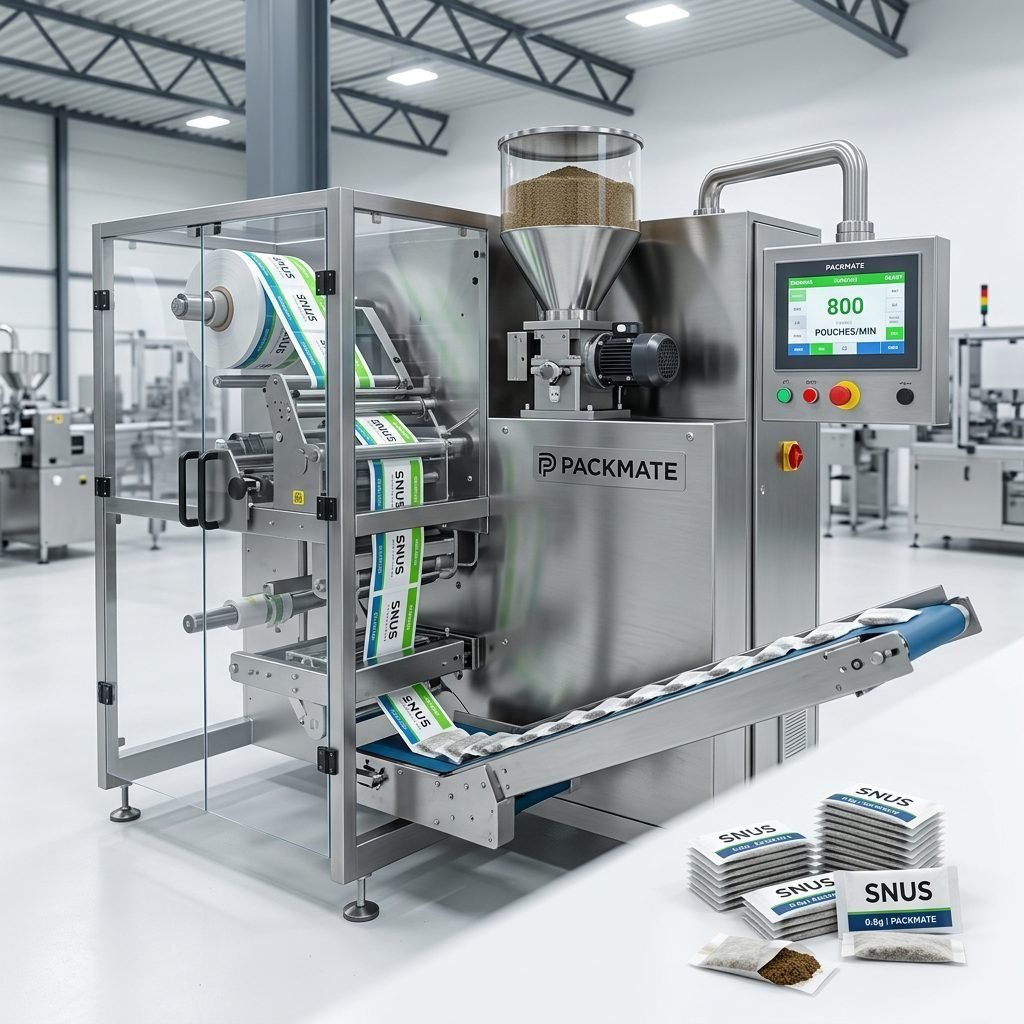
Choosing the right nicotine packaging machinery supplier in Bosnia and Herzegovina requires a careful balance of technical knowledge, local market understanding, and long-term service planning. Whether you operate a small boutique snus brand or a growing nicotine pouch manufacturer, this guide will walk you through the most important factors to consider so you can make an informed purchase that supports production growth, regulatory compliance, and reliable after-sales support.
Understand the Local Context: Bosnia and Herzegovina Market & Culture
Bosnia and Herzegovina has a diverse consumer base shaped by a mix of urban centers and rural communities. Local purchasing behavior often values durability, clear value-for-money, and suppliers that can provide responsive support in local languages or through nearby partners. Import routes from EU neighbors are commonly used, and customs procedures can be time-sensitive. It’s important to select a supplier who understands regional logistics, can advise on documentation, and helps plan lead times to avoid production interruptions.
Regulatory and social considerations
Nicotine products face regulatory scrutiny across Europe. In Bosnia and Herzegovina, compliance with labeling, packaging materials, and product safety is essential. Suppliers experienced with European certifications (such as CE and ISO) can help ensure machinery is compatible with hygienic design standards and can be validated for traceability. Consider the social norms—discreet and hygienic packaging is preferred—so machines optimized for tamper-proof and consumer-friendly formats will have better market acceptance.
Key Criteria When Evaluating Nicotine Packaging Machinery Suppliers
Not all suppliers are created equal. Focus on capability, reliability, and the supplier’s ability to support you locally. Below are the core evaluation areas:
🔍 Capability — Does the supplier provide machines specifically designed for nicotine pouches, snus, or stick/sachet formats? Look for specialized lines rather than general-purpose equipment.
✅ Reliability — What is the MTBF (Mean Time Between Failures)? Are spare parts stocked regionally or shipped quickly?
⚠ Service & Training — Can the supplier provide onsite commissioning, operator training, and preventive maintenance schedules?
Product Range & Specialization
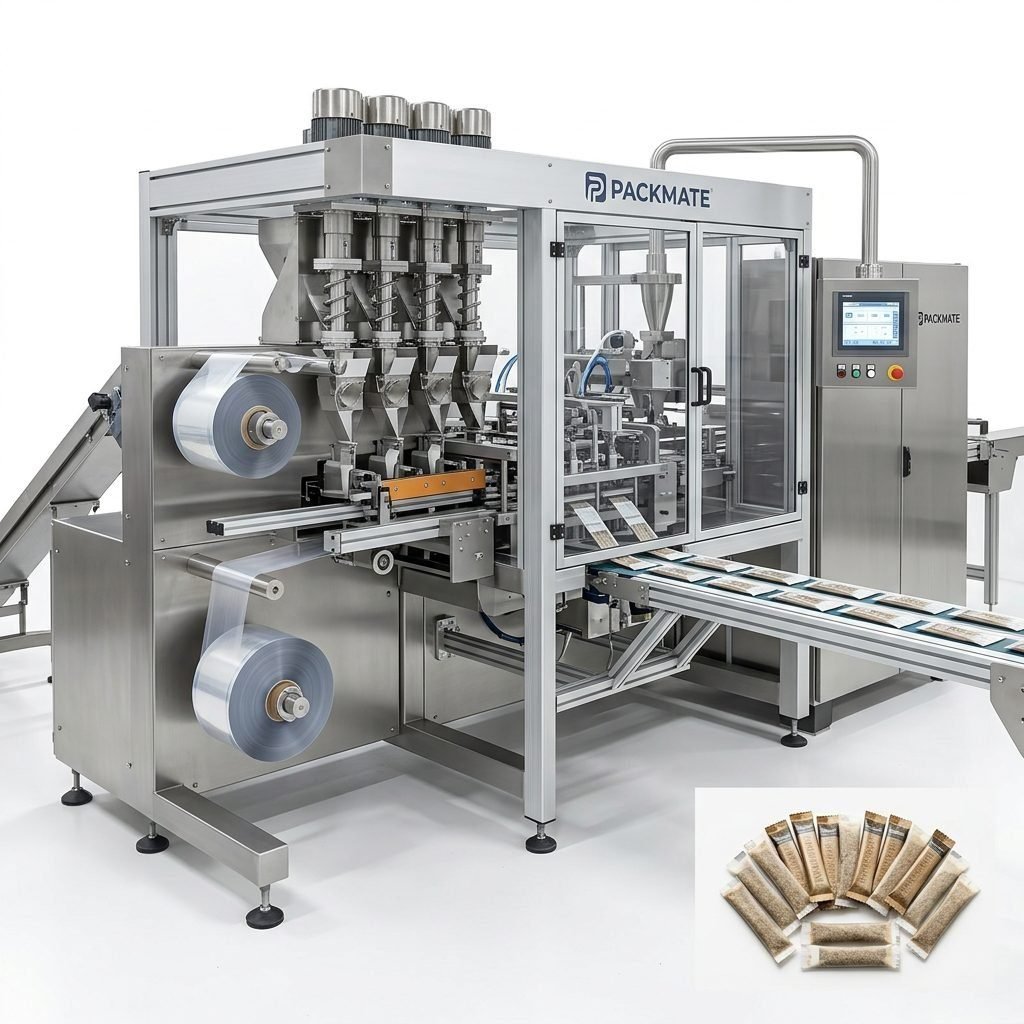
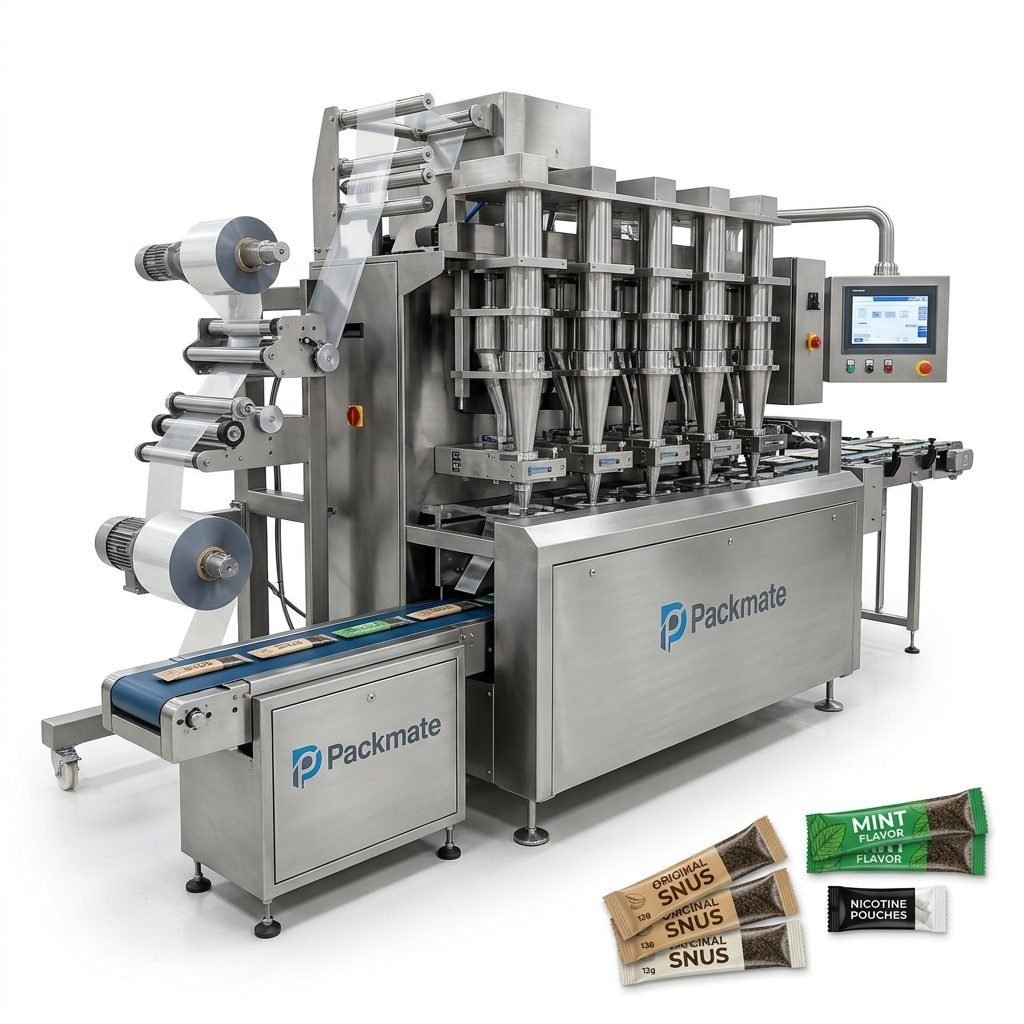
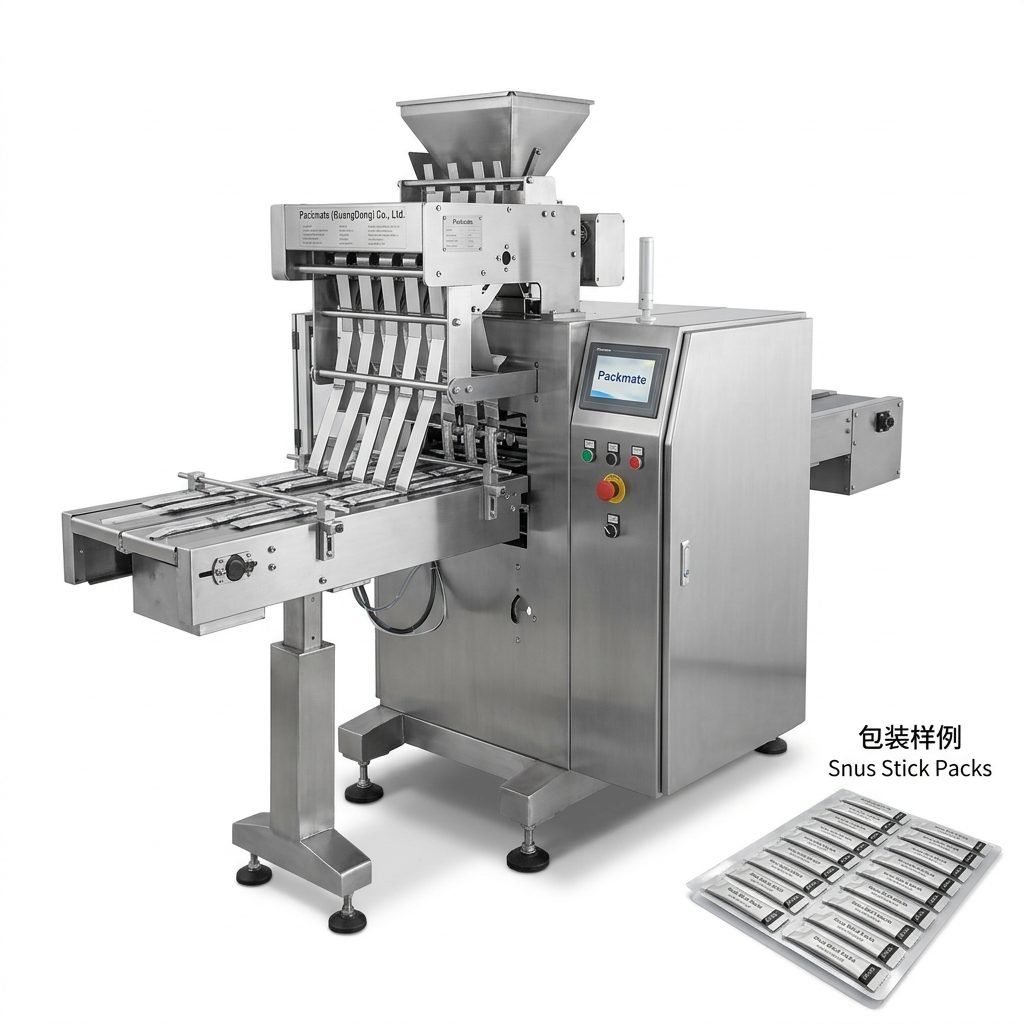
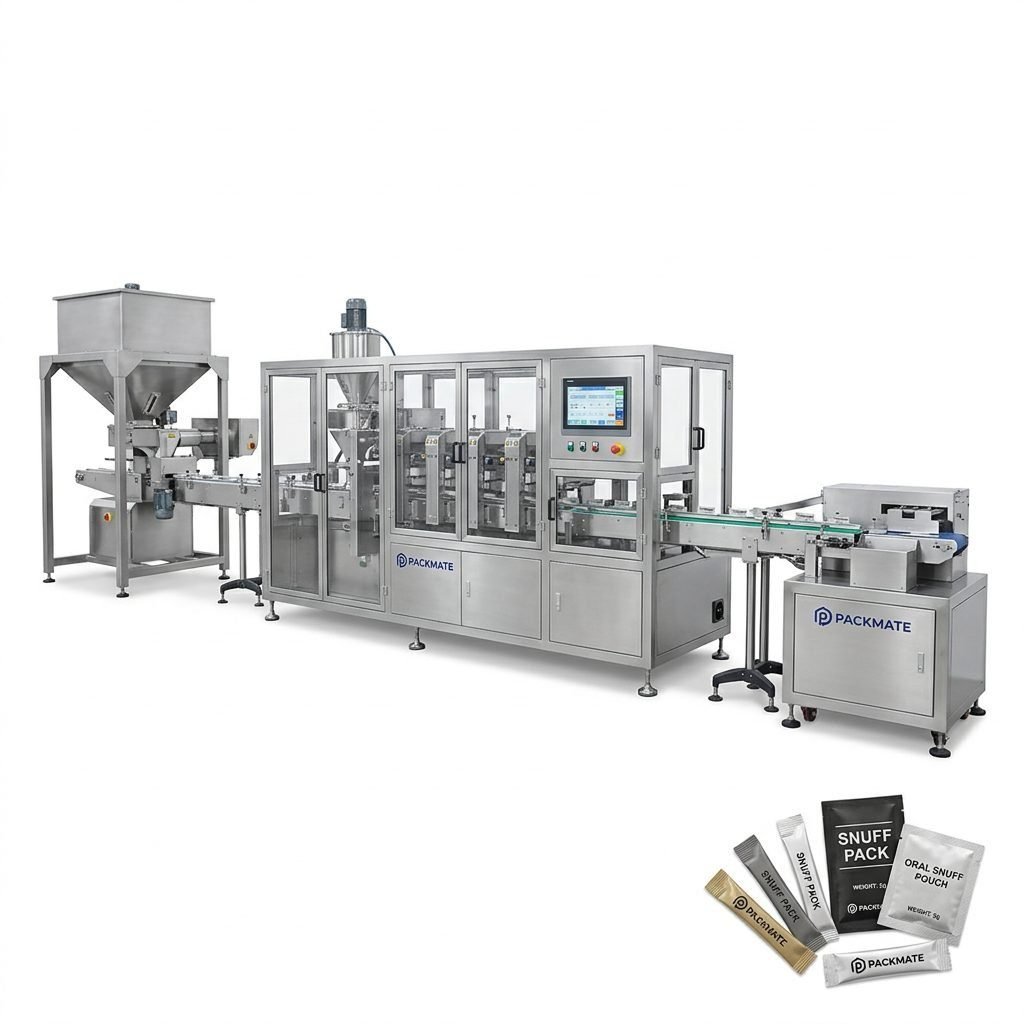
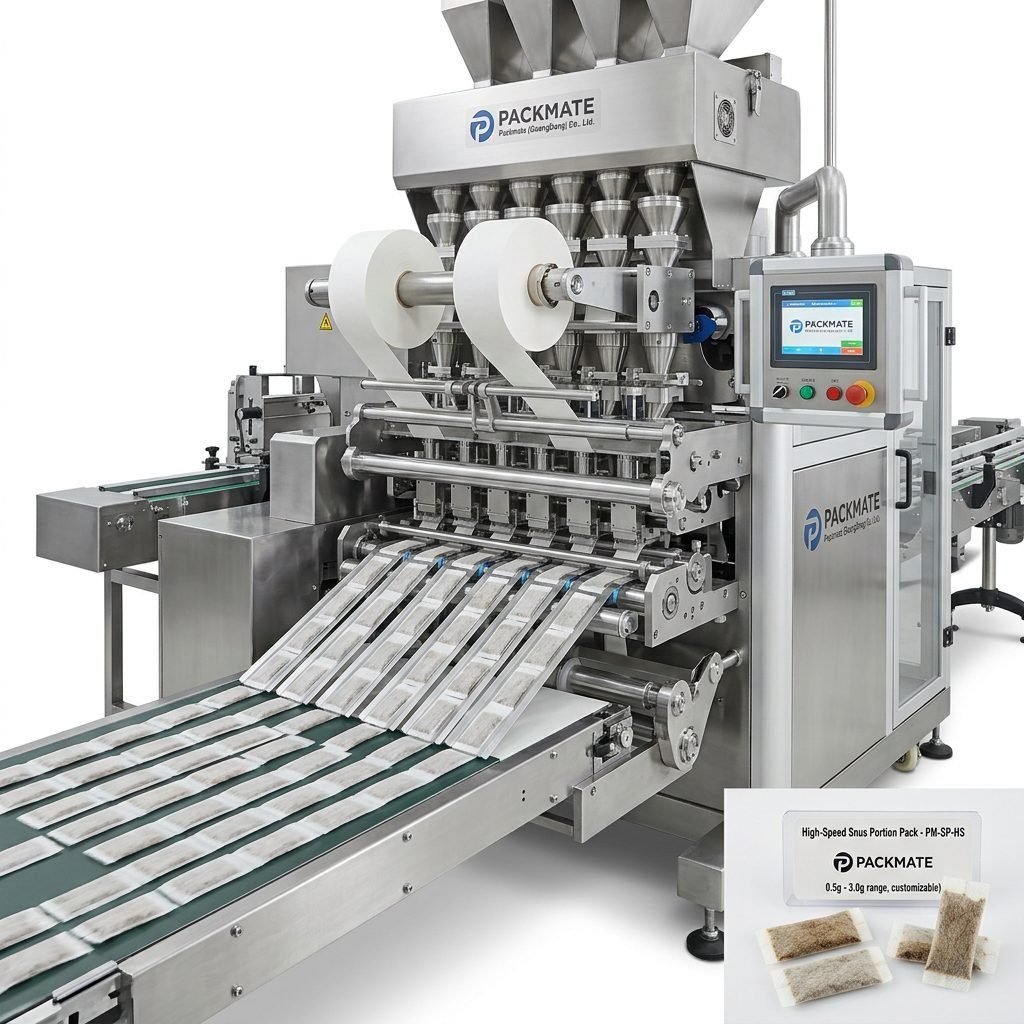
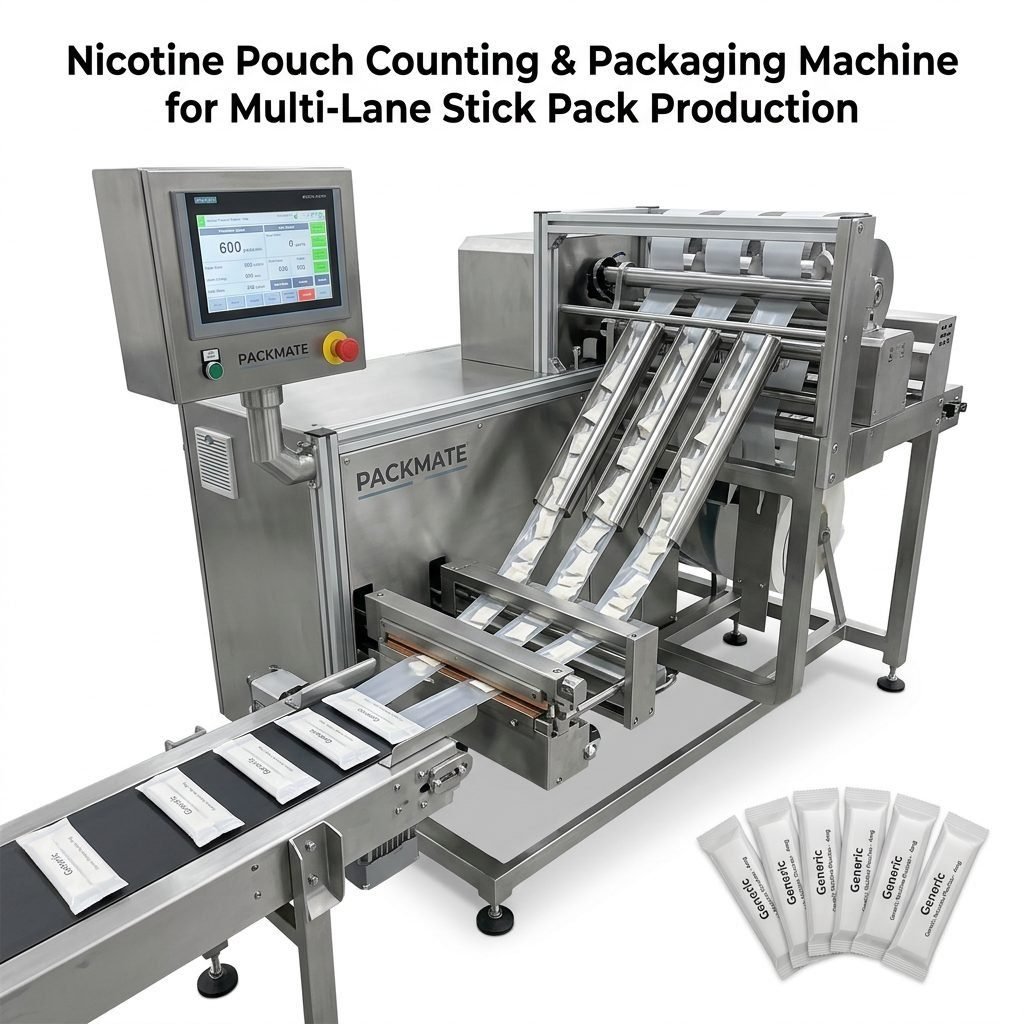
Look for a supplier with a comprehensive portfolio: multi-lane snus machines, stick pack and sachet machines, powder and granule filling systems, and supporting auxiliary equipment. A broad product suite enables seamless integration across a full production line and reduces compatibility risks. For example, suppliers such as Snus & Nicotine Packaging Machines offer focused solutions for nicotine pouch production.
Technical Specifications to Compare
When comparing quotes and datasheets, pay attention to:
- Production speed (pouches per minute and multi-lane throughput)
- Filling accuracy and dosing system (weighers, augers, or volumetric fillers)
- Film compatibility and sealing technologies (heat-seal, cold-seal options)
- Changeover time between SKUs and ease of tool-less adjustments
- Controls: PLC, HMI language options, and remote diagnostics
Factory Strength, Certifications & Quality Assurance
Manufacturing pedigree matters. Suppliers with sizable, modern facilities and clear quality systems are more likely to deliver consistent machines. Evaluate:
Factory scale & tooling — CNC centers, precision assembly lines, and testing rigs reduce variability and improve machine longevity.
Certifications — CE and ISO compliance are signals of good practice. Ask for copies of certificates and recent inspection reports.
Why documentation and factory visits matter
Request factory photos, video demonstrations, and references. If feasible, visit the manufacturer or a local partner to observe a running line. Real-world demonstrations reveal build quality, ease of maintenance, and the operator ergonomics that datasheets cannot fully communicate. For Packmate’s story and capabilities, see About Packmate.
Service, Spare Parts & After-sales Support
After-sales service is often the deciding factor between suppliers with similar machines. Consider these aspects carefully:
- Local agent or service partner availability in the Balkans or nearby EU countries.
- Spare parts lead times—ask for a recommended spare parts kit and stock levels.
- Remote support capabilities for PLC/HMI troubleshooting and software updates.
- Training programs for operators and maintenance teams, ideally onsite.
Tip: Confirm warranty coverage and response SLAs for different fault levels—urgent issues should have guaranteed remote response and a plan for onsite intervention.
Customization & Turnkey Solutions
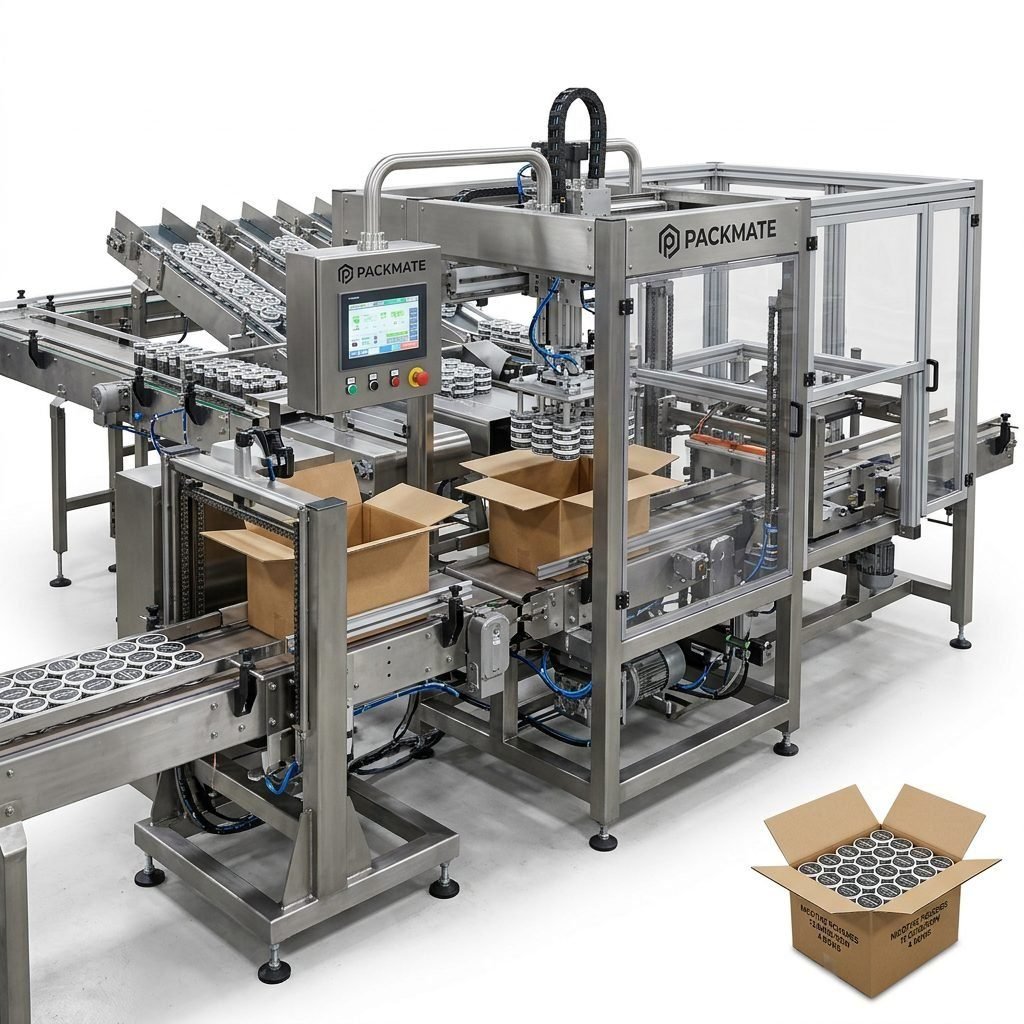
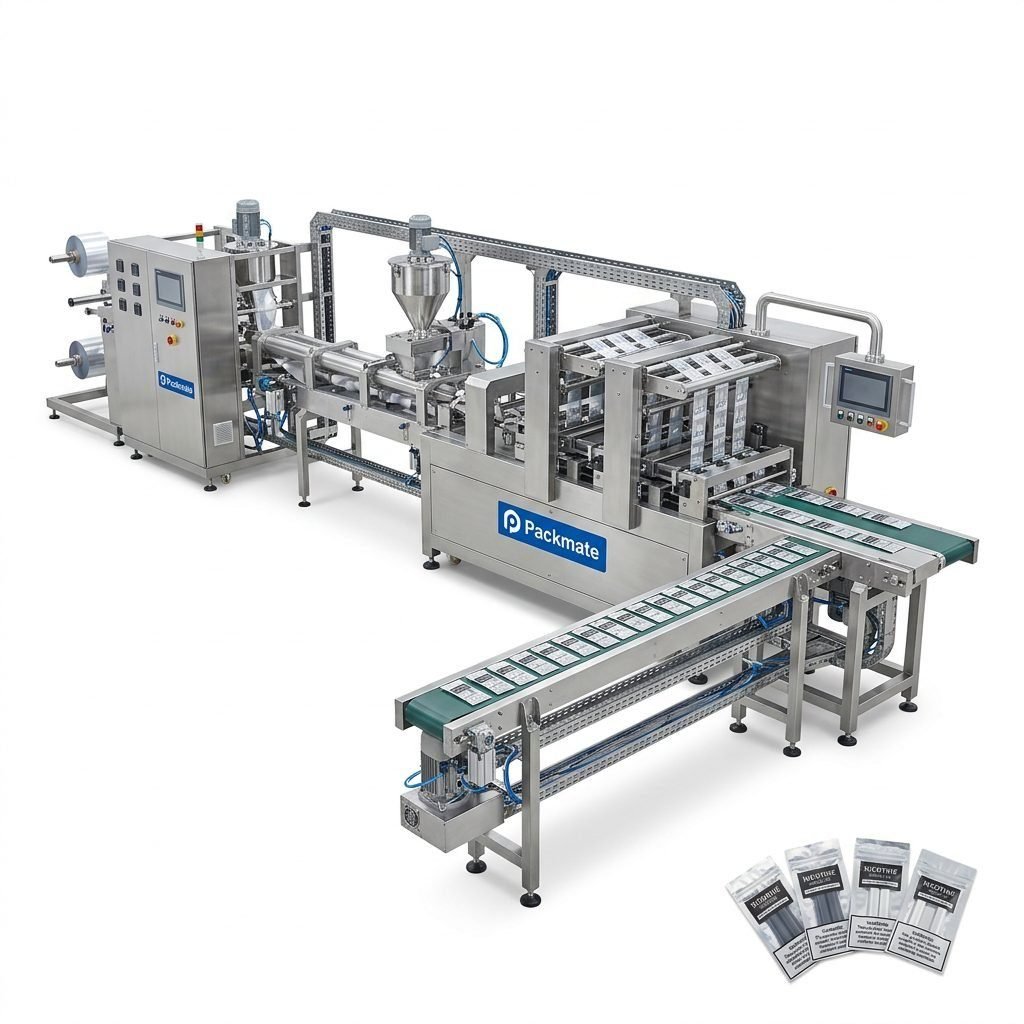
Some manufacturers offer complete turnkey production lines including dosing, sealing, feeding, inspection, and packaging. If you plan to scale or offer multiple formats, selecting a supplier that can integrate weighing systems, filling lines, and auxiliary equipment saves time and reduces integration risk. See real-world implementation examples in the supplier’s Case library.
Customization examples valued in Bosnia and Herzegovina
Local customers often value robust guards for dusty environments, language options for HMIs, and modular layouts that can fit older factory footprints. Ensure the supplier can adapt mechanical layouts to your production floor and provide localized electrical specifications and documentation.
Price, Financing & Total Cost of Ownership (TCO)
Price is important, but a low initial price can hide higher operating and maintenance costs. Evaluate machines using TCO: include spare parts, energy consumption, expected uptime, required staffing, and training costs.
- Compare energy efficiency and air consumption specs.
- Calculate expected downtime costs and spare part replacement intervals.
- Ask about leasing or financing options—some suppliers provide flexible payment terms.
Logistics, Import & Installation Considerations
Bosnia and Herzegovina’s proximity to EU ports is advantageous, but clear communication about crating, export documentation, and customs classification ensures smooth import. Request a detailed packing list and assistance with customs paperwork. Discuss installation scope: will the supplier deliver, install, and commission, or will local contractors be required?
Packaging, transport, and local fit
High-quality suppliers design export packaging to protect precision components. Confirm whether mechanical skids are included for safe handling, and whether the supplier coordinates with your freight forwarder to align delivery windows and site readiness.
How to Evaluate Supplier Quotes: A Practical Checklist
Use a scoring matrix to rank suppliers objectively. Key criteria to include:
- Technical fit to your product formats and target speeds
- Quality of components and manufacturing certifications
- After-sales support, spare parts availability, and training
- Total cost of ownership and warranty terms
- References, factory inspection opportunities, and demonstration videos
Quick scoring suggestion: Weight technical fit (30%), reliability & certifications (25%), service & spares (20%), TCO (15%), and references & demos (10%).
Selecting a Local Partner or Representative
A local representative can bridge language gaps, accelerate spare part delivery, and provide faster onsite support. If the supplier doesn’t have a direct presence in Bosnia and Herzegovina, check for certified partners in neighboring Croatia, Serbia, or Slovenia who can act as service nodes.
Making the Final Decision: Practical Steps
Follow a structured approach:
- Shortlist suppliers based on technical fit and references.
- Request in-depth proposals including scope, lead times, and spare parts lists.
- Arrange factory visits or live demos, either in-person or via livestream.
- Negotiate warranty, spare parts kits, and commissioning terms.
- Plan installation dates in coordination with freight and local customs timelines.
Useful supplier resources
Explore product lines and supporting materials from established manufacturers to better compare features. For further information about full packaging solutions and product catalogs, you can review the supplier’s Sachet & Stick Pack Machines and their Catalog.
Why Packmate-style Suppliers Often Stand Out
Suppliers with decades of R&D, a broad model range, and global turnkey experience frequently provide the most reliable outcomes. Facilities with advanced CNC machining, precision assembly, and extensive quality testing help ensure machines meet expected uptime and product quality. If you want to contact the manufacturer directly for inquiries, you can use their Contact Us page to schedule discussions or request quotes.
Common red flags to avoid
Be cautious if a supplier:
- Cannot provide references or running line videos
- Has no clear spare parts policy or long lead times
- Offers only vague technical specifications without test data
- Refuses factory audits or hides certification documents
Final Checklist Before Purchase
Before issuing a purchase order, confirm:
- Detailed machine specifications and acceptance criteria
- Delivery, installation, and commissioning schedule
- Warranty, spare parts list, and local service arrangements
- Training plan for operators and maintenance teams
- Full documentation in an agreed language (manuals, electrical diagrams, spare parts BOM)
Conclusion
Finding the right nicotine packaging machinery supplier in Bosnia and Herzegovina means prioritizing technical fit, proven manufacturing quality, and a clear after-sales plan. By using a structured evaluation process—reviewing certifications, inspecting demos, planning logistics, and securing service commitments—you can minimize risk and select a partner that supports long-term production goals. Suppliers that provide turnkey solutions and strong documentation will reduce integration complexity and help you achieve consistent product quality and regulatory compliance.
Frequently Asked Questions
Q1: How important are CE and ISO certifications when buying packaging machinery?
Certifications are important indicators of manufacturing standards, safety, and reliability. CE shows compliance with European safety directives, while ISO demonstrates a robust quality management system. They do not replace due diligence—always request copies and cross-check factory capabilities.
Q2: What is the typical lead time for snus/nicotine pouch machinery?
Lead times vary by customization and order volume. Standard models may ship in a few months, while custom turnkey lines can take longer. Plan for additional time for testing, export packing, and customs clearance. Discuss detailed timelines with the supplier early in negotiations.
Q3: Do suppliers provide onsite installation and operator training in Bosnia and Herzegovina?
Many reputable suppliers offer onsite commissioning and training as part of the package, or through regional partners. Confirm whether travel, accommodation, and translation services are included, and request a training syllabus to ensure operator competence.
Q4: How can I ensure spare parts are available quickly after purchase?
Negotiate a spare parts kit at purchase, get expected lead times in writing, and ask if the supplier holds stock in nearby warehouses or with authorized distributors. Suppliers with global service networks and local partners typically provide the fastest response times.
Q5: Where can I see real examples of installed packaging lines?
Request case studies, video demos, and customer references. Many manufacturers publish project overviews—reviewing the supplier’s case portfolio is a practical way to verify their experience and solution maturity.