Choosing the right snus packaging machine in Europe requires balancing regulatory awareness, local consumer preferences, production capacity, and long-term service support. This practical buyer’s guide walks you through the most important factors — from machine type and technical specifications to after-sales service and sustainable packaging trends that matter in different European markets, especially the Nordic countries where snus culture is strongest.
1. Understand the European market and local habits 🔍
Europe is not a single market for snus and nicotine pouches. Sweden and Norway have deep-rooted snus traditions, with consumers expecting portioned pouches, discreet formats, and high-quality seals. In other EU countries, regulations and consumer awareness differ: snus sales are restricted in many EU states (Sweden holds a historical exemption), while nicotine pouches (tobacco-free) are growing rapidly across Western Europe. When selecting equipment, you must match the machine capabilities to the target market’s legal and packaging preferences.
Key regional considerations
✅ Scandinavia: High portion packaging standards, preference for classic can/tin or discrete sachets. Machines must deliver consistent portion weight and gentle handling.
✅ Central & Western Europe: Rapid adoption of nicotine pouches — flexible packaging solutions and compliance documentation are essential.
✅ Southern Europe: Market growth is slower but interested in novelty formats and premium packaging.
2. Choose the right machine type for your product
Snus and nicotine pouches can be produced and packaged using several machine families. Picking the right one affects output, product integrity, and cost-per-unit.
Common machine types
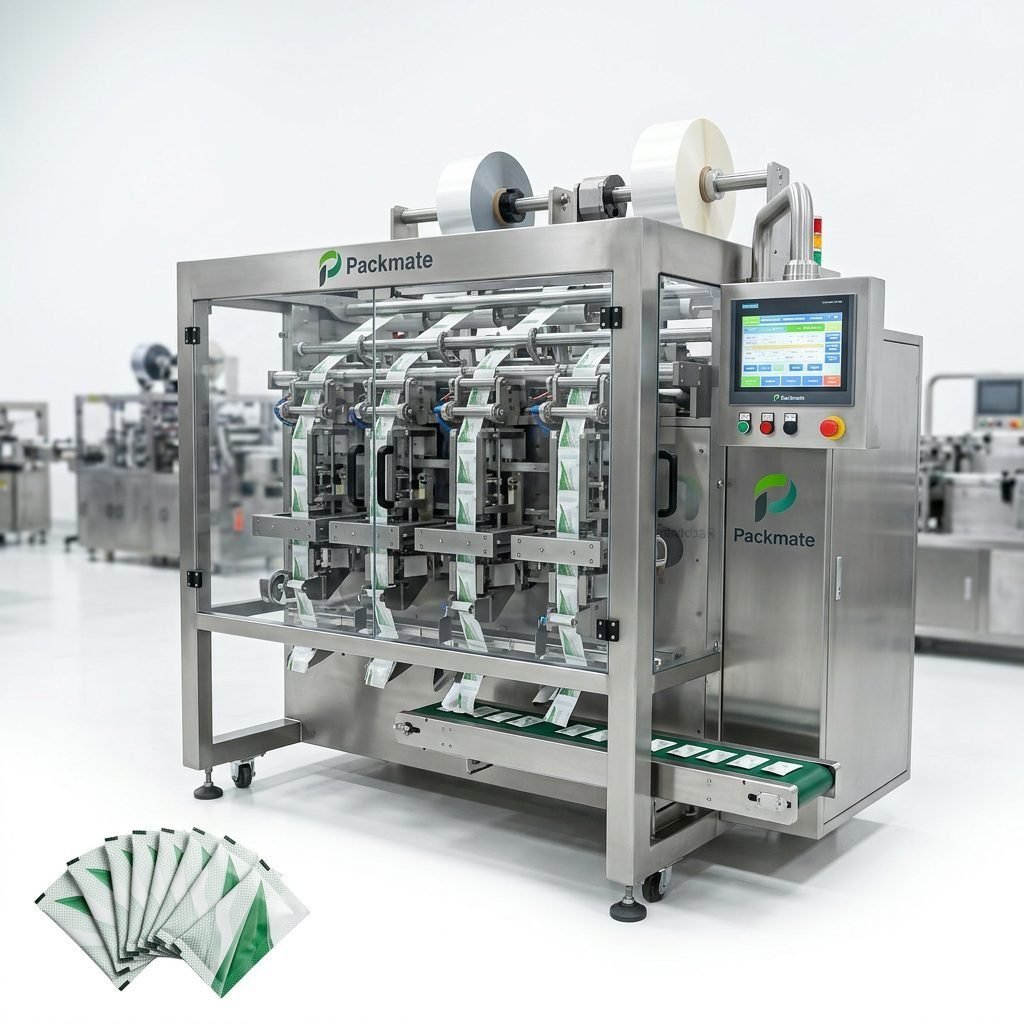
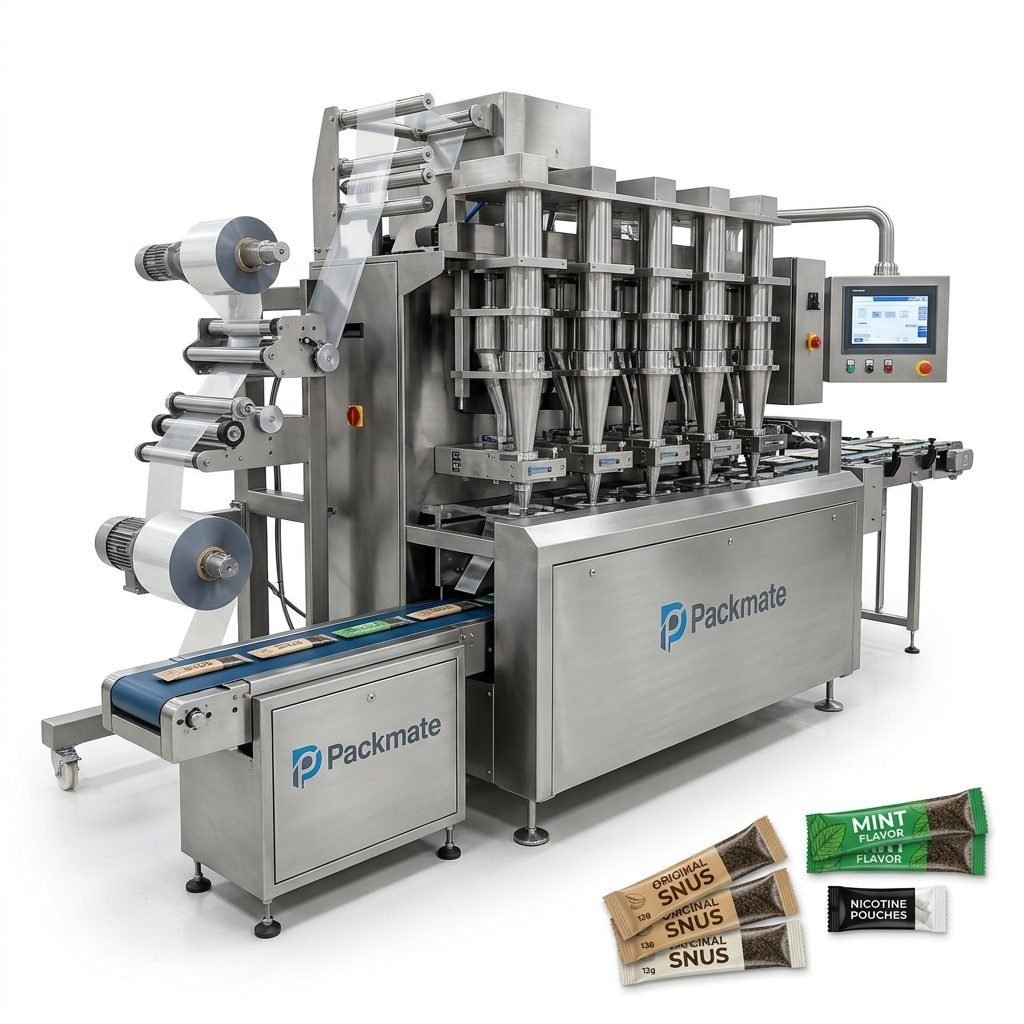
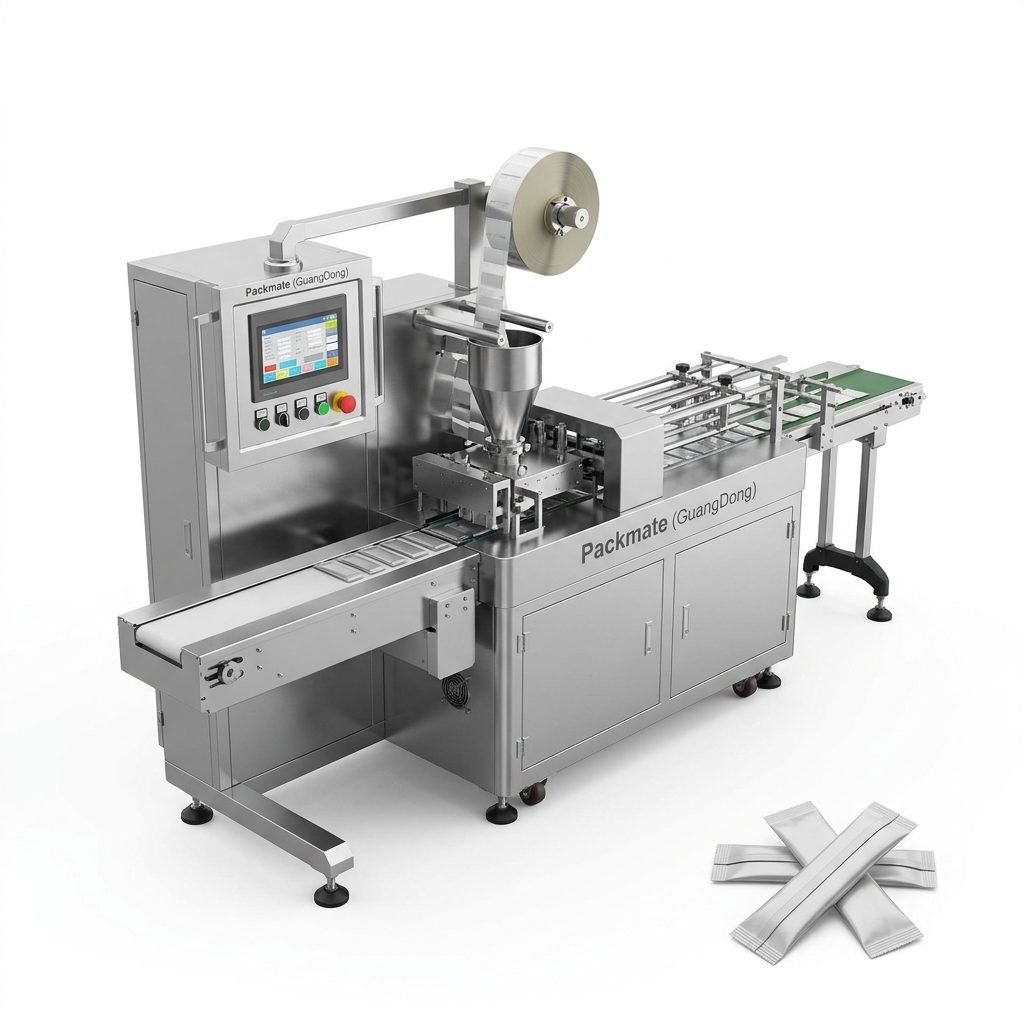
- Stick pack machines — ideal for single-dose sachets and stick formats used for sample packs or single-use promotions.
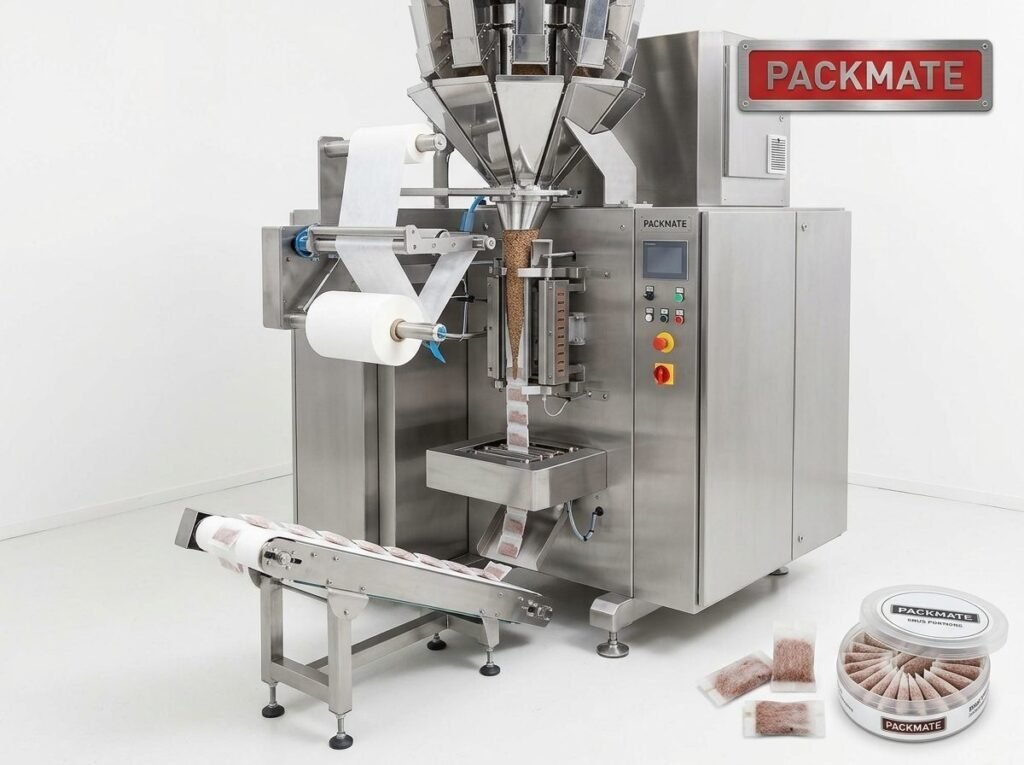
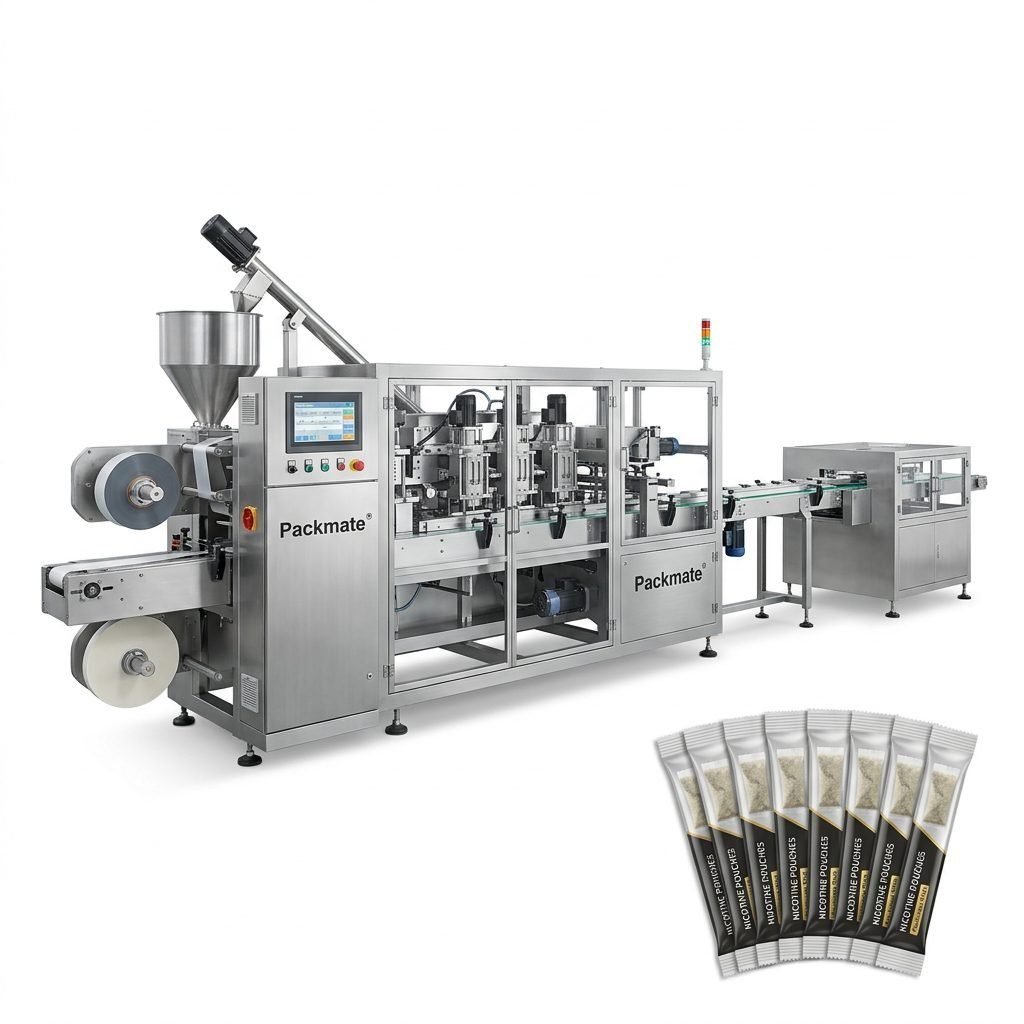
- Sachet & pouch machines — flexible for producing both tear-open sachets and small pouches for nicotine products.
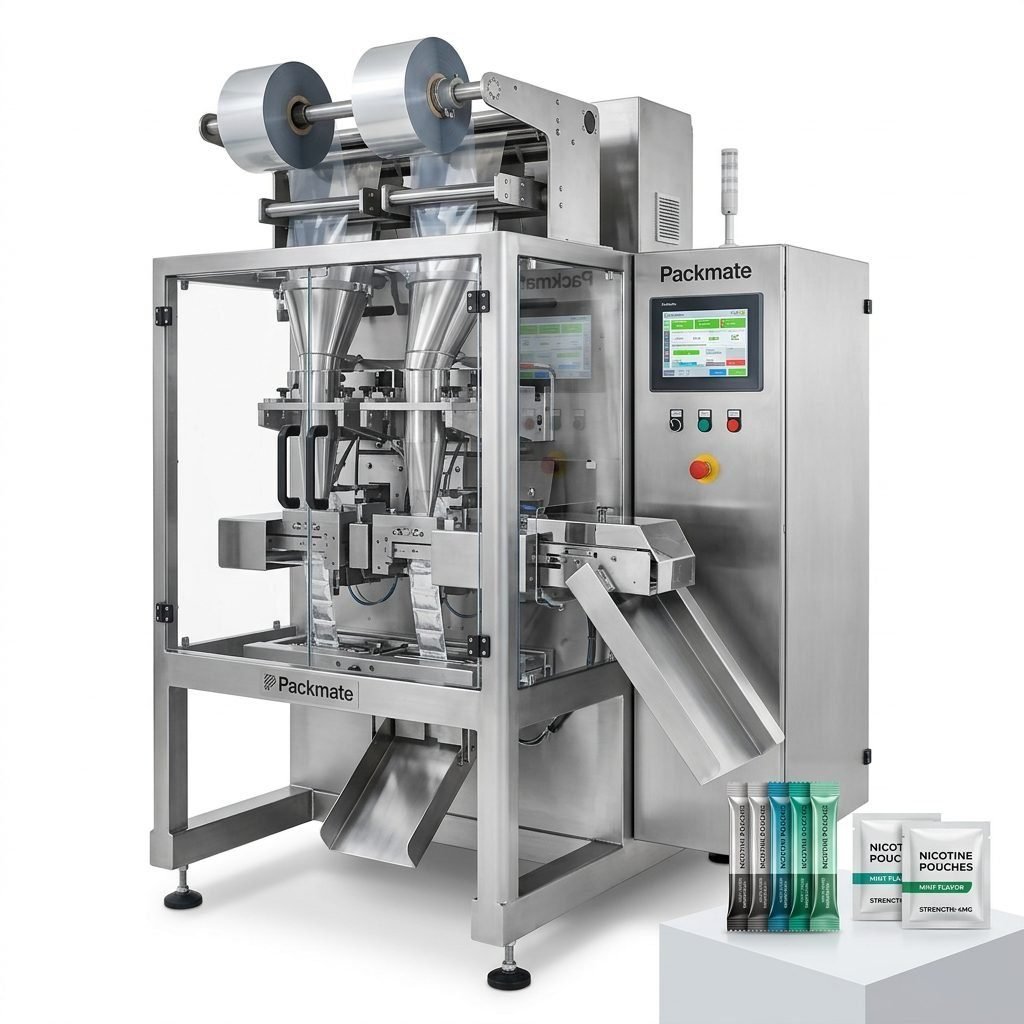
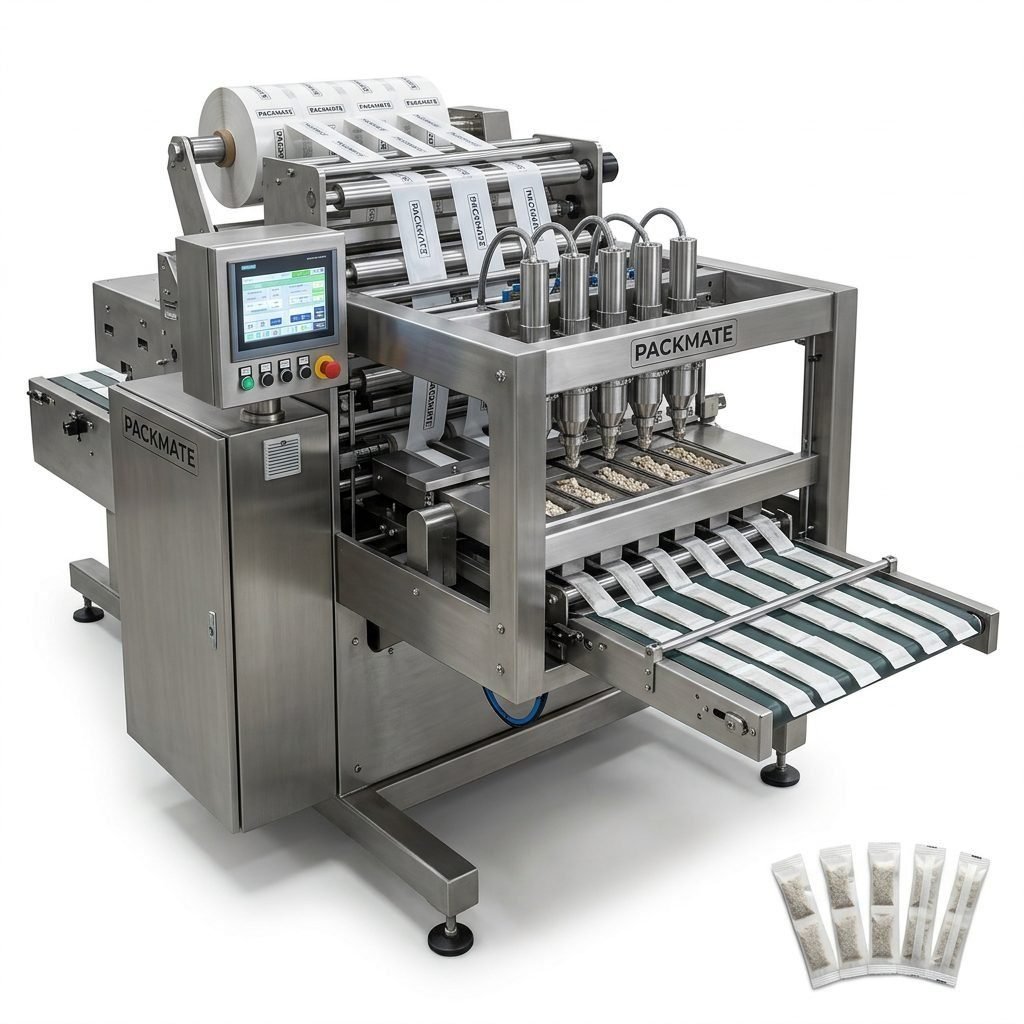
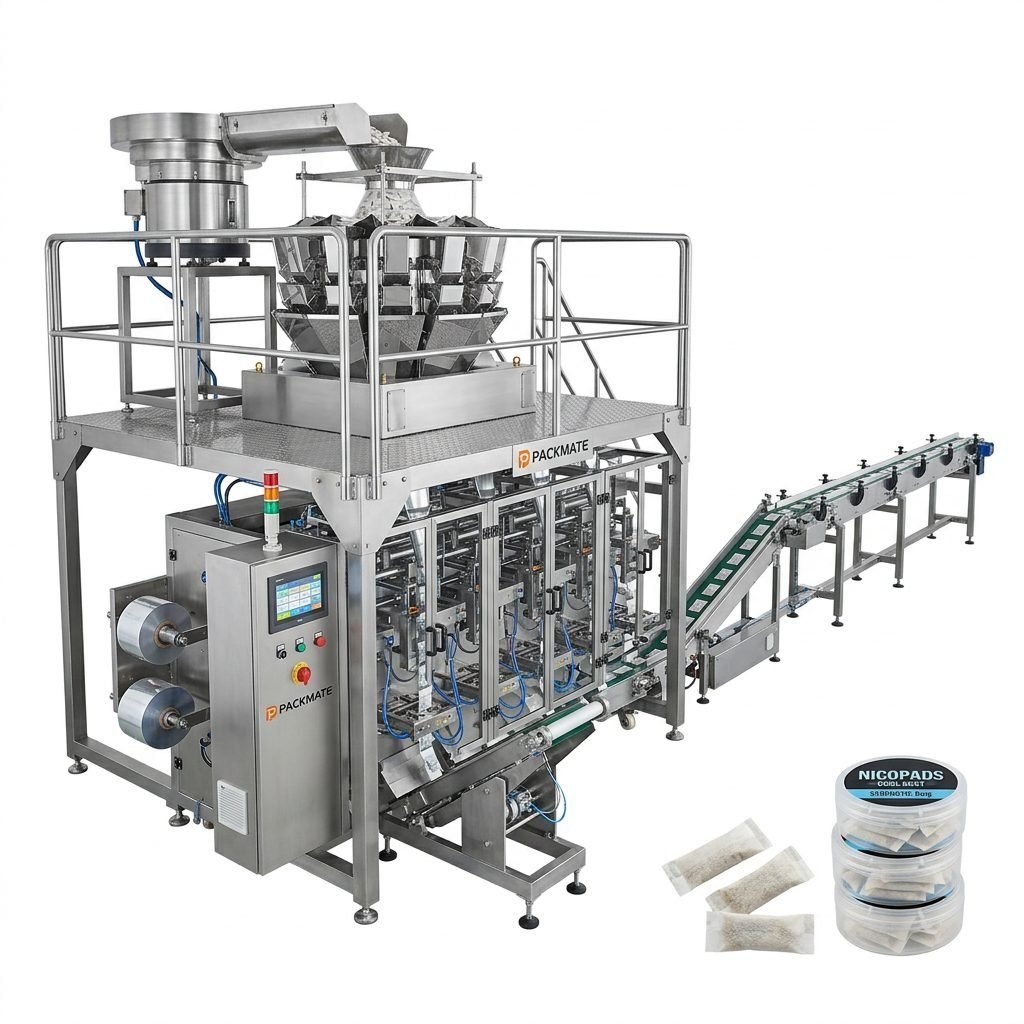
- Multi-lane systems — high-output lines for small-dose pouches (multi-lane filling reduces cost and increases throughput).
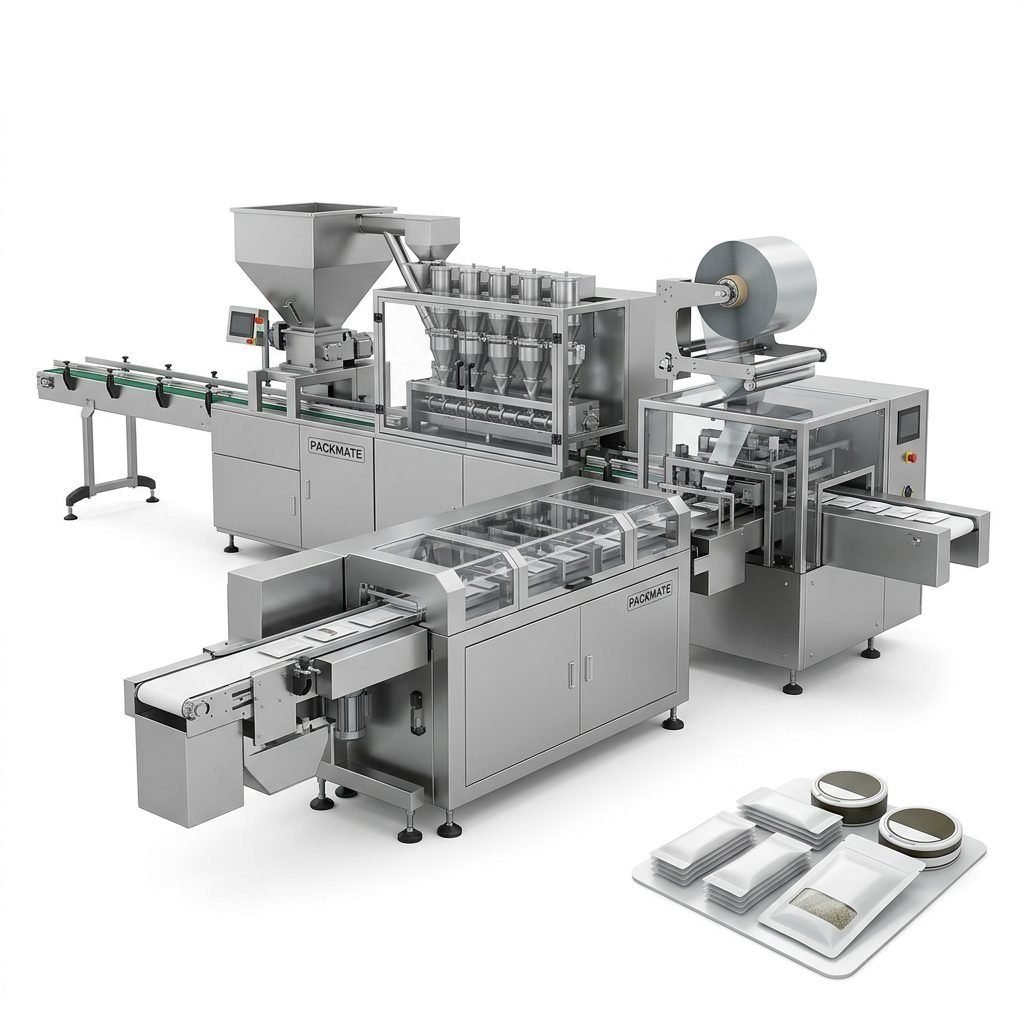
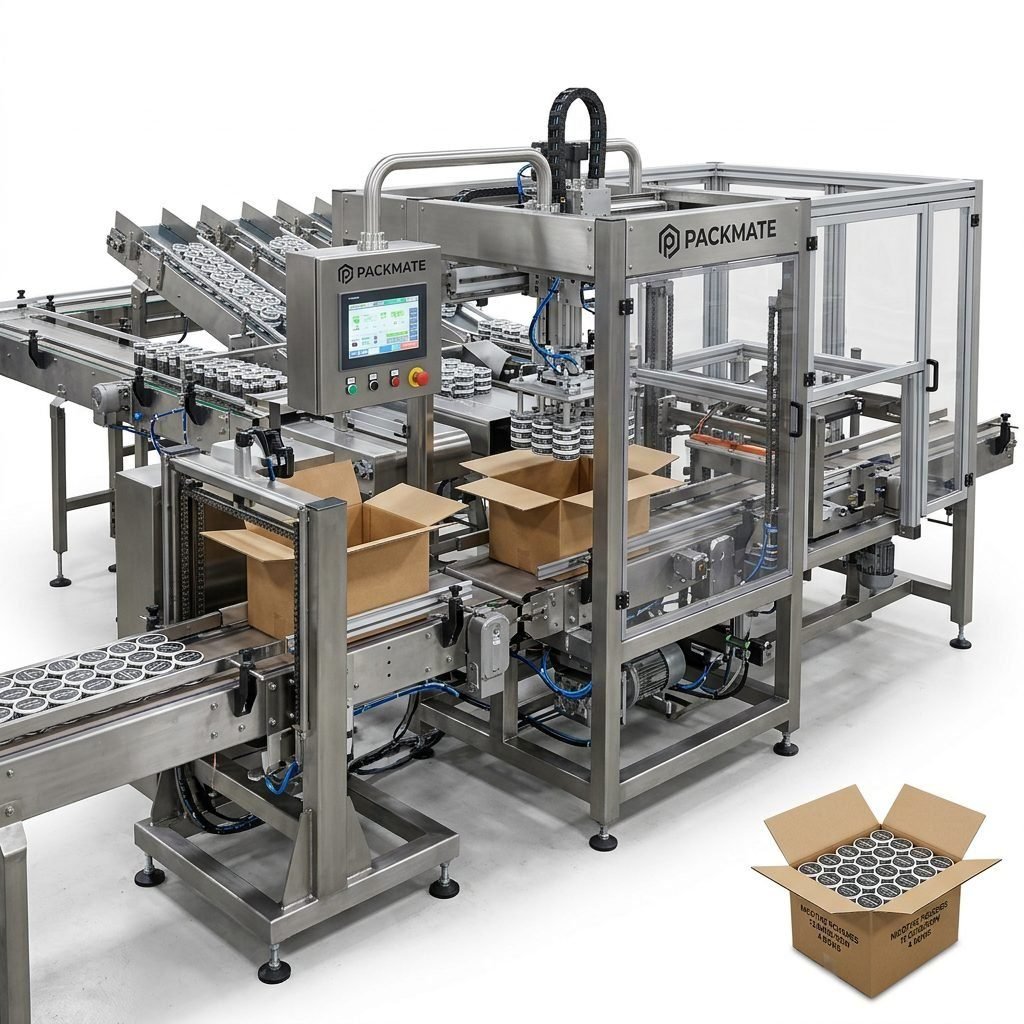
- Cartoners & secondary packaging — for placing tins, pouches, or sachets into retail-ready cartons and trays.
Manufacturers like Packmate specialize in snus-focused multi-lane systems that combine precision filling, gentle pouch handling, and consistent sealing — ideal for European customers demanding both quality and efficiency. For technical examples, see Snus & Nicotine Packaging Machines.
3. Performance metrics to evaluate
When comparing models, focus not only on speed but on metrics that reflect real production needs.
Must-check metrics: output (units/min per lane), dosing accuracy (± mg), downtime and MTTR (mean time to repair), changeover time between SKUs, and material compatibility (moisture-sensitive pouches need controlled environments).
- Output: Multi-lane machines multiply throughput without compromising precision.
- Accuracy: Small-dose pouches demand filling accuracy to reduce waste and meet dose labeling rules.
- Hygiene & cleanability: Choose machines designed for easy cleaning and hygiene compliance.
4. Materials, seals and shelf life
Material choice and sealing methods directly influence product shelf life and consumer perception. European retailers often prefer recyclable or mono-material laminates. Ensure your machine supports the film types you plan to use and provides reliable seal integrity testing.
Sealing and film considerations
- Heat sealing vs ultrasonic sealing — ultrasonic sealing is gentler on some laminated films and can reduce micro-leaks.
- Barrier films — required when oxygen or moisture sensitivity affects nicotine pouch stability.
- Recyclable options — machines that handle thicker mono-layer PE films or allow easy reconfiguration will future-proof packaging lines.
5. Automation, controls and data reporting
Modern lines must offer intuitive HMI interfaces, recipe management for fast changeovers, and OEE data monitoring. Look for PLC controls from reputable brands, remote diagnostics capability, and optional industry 4.0 modules.
🔧 Tip: Choose machines that can store production recipes for different pouch sizes and additives — this reduces setup time and human error when switching SKUs.
6. Compliance, certificates and documentation
European buyers must ensure machines meet CE and applicable ISO standards. Documentation should include wiring diagrams, spare parts lists, safety assessments, and IQ/OQ (installation/operation qualification) support if you operate under regulated frameworks.
Packmate’s facility and machines comply with international standards — see their credentials on the Certificate page and learn more about the company on About Packmate.
7. After-sales service and spare parts in Europe
Fast, local service is essential to minimize downtime. Ask vendors about European service partners, response times, remote troubleshooting capabilities, and stocked spare parts. A machine supplier with exhibition presence and global case studies demonstrates maturity and support reach.
Check real-world references and installed systems in Europe via supplier case pages — for examples, view Case studies.
8. Total cost of ownership (TCO) and ROI
Don’t choose based only on headline price. Calculate TCO including energy consumption, spare parts, preventive maintenance, and expected product yield (waste rates). A robust multi-lane snus line may have higher upfront cost but significantly better cost-per-pouch and return on investment.
Financial checklist
- Machine price vs expected production volume
- Energy efficiency and air/compressed-air use
- Warranty terms and service contract options
- Spare parts lead time from European warehouses
9. Sustainability and consumer expectations
European consumers and regulators increasingly favor sustainable packaging. Discuss with your supplier the ability to run recyclable films, lightweighting options, and reduced material waste. Suppliers experienced with snus and nicotine pouch markets often support eco-conscious conversions and can advise on certification and labeling.
♻️ Sustainability note: Machines that minimize overfill and scrap, and that are compatible with mono-material films, will be better positioned for retailer acceptance in Europe.
10. How to test & evaluate machines before purchase
Insist on a Factory Acceptance Test (FAT) and if possible, a Site Acceptance Test (SAT). FAT should demonstrate running your exact formula, pouch size, and film type. Suppliers should provide trial reports, dosing accuracy graphs, and video of continuous operation at target speeds.
For a full spectrum of line options — from weighing systems to auxiliary equipment — review the supplier’s product portfolio: Weighing & Packaging Systems, Auxiliary Packaging Equipment, and Filling & Packaging Lines.
11. Selecting a trustworthy supplier
Choose vendors with: long-term engineering experience, visible manufacturing capability, global references and certifications, and predictable after-sales service. Packmate (GuangDong) Co., Ltd., for instance, highlights decades of R&D and an expansive factory footprint — factors that give buyers confidence when investing in high-throughput snus lines.
Contact prospective suppliers to ask for detailed proposals, equipment timelines, and commissioning support — you can reach out or request demos through their Contact Us page.
Quick procurement checklist
- Define target SKUs, films, and output per shift.
- Request FAT with your materials and formulas.
- Confirm CE/ISO and safety documentation.
- Agree on spare parts kit and training plan.
- Verify lead times for critical components and in-region support.
Conclusion
Selecting the best snus packaging machine for the European market demands careful attention to local habits, regulatory constraints, material compatibility, and long-term support. Prioritize vendors with proven multi-lane snus experience, robust after-sales presence, and the flexibility to adapt to sustainable packaging trends. By testing with your exact materials and reviewing FAT reports, you reduce risk and ensure the machine delivers quality, uptime, and a strong return on investment.
Frequently Asked Questions
Q1: Can I use the same machine for tobacco and tobacco-free nicotine pouches?
A: Many modern filling and sealing machines are material-agnostic and can run both product types, but you must validate cleaning procedures, dosing accuracy, and regulatory labeling for each product type.
Q2: Is snus allowed everywhere in Europe?
A: No. Traditional snus sales are restricted in most EU countries except Sweden (historical exemption). Nicotine pouches (tobacco-free) have more flexible market access, but local rules vary — consult legal counsel before launching new SKUs.
Q3: How important is multi-lane technology for small-dose pouches?
A: Very important. Multi-lane machines multiply throughput while maintaining dosing precision, lowering per-unit costs and improving line efficiency for high-volume production.
Q4: Where can I see real examples of installed lines and meet suppliers?
A: Visit supplier case pages for installed-line examples and check exhibition schedules to see live demos — for instance, review Packmate’s Our Exhibition page and Case studies.