Choosing the right supplier for nicotine packaging machinery in Grenada requires more than just comparing prices. Manufacturers, importers, and local producers must weigh technical performance, after-sales support, regulatory compliance, and the island’s specific operating conditions. This guide walks you through practical criteria and a step-by-step approach so you can select a partner who supports reliable production, long-term uptime, and compliance with Grenada’s market realities.
Understand Grenada’s market and regulatory context
Grenada is a small island economy with a heavy reliance on imports, tourism, and a close-knit business community. Because of this:
- Local demand and volumes tend to be modest compared with continental markets — many projects are small to medium scale.
- Customs, duties, and shipping lead times can be significant, so choose suppliers who handle export documentation and logistics efficiently.
- Climate matters: high humidity and salt air mean corrosion-resistant parts, reliable seals, and humidity-tolerant control systems are essential.
- Regulatory expectations for nicotine products may align with CARICOM and international labeling/packaging standards — ensure machines support variable labeling, tamper-evident seals, and traceability.
Why climate & logistics affect machine choice
Operating equipment in a tropical island environment brings specific risks: electrical instability, saline air corrosion, and humidity-driven product stickiness. A supplier who offers stainless-steel contact parts, IP-rated electrical cabinets, and preventive maintenance packages can save you downtime and costly part failures.
🔧 Key local-operating tips: Ask about humidity control options, corrosion protection for exposed components, and whether the supplier provides voltage stabilizers or onboard power protection for Grenada’s grid conditions.
Prioritize the right machine type for your nicotine products
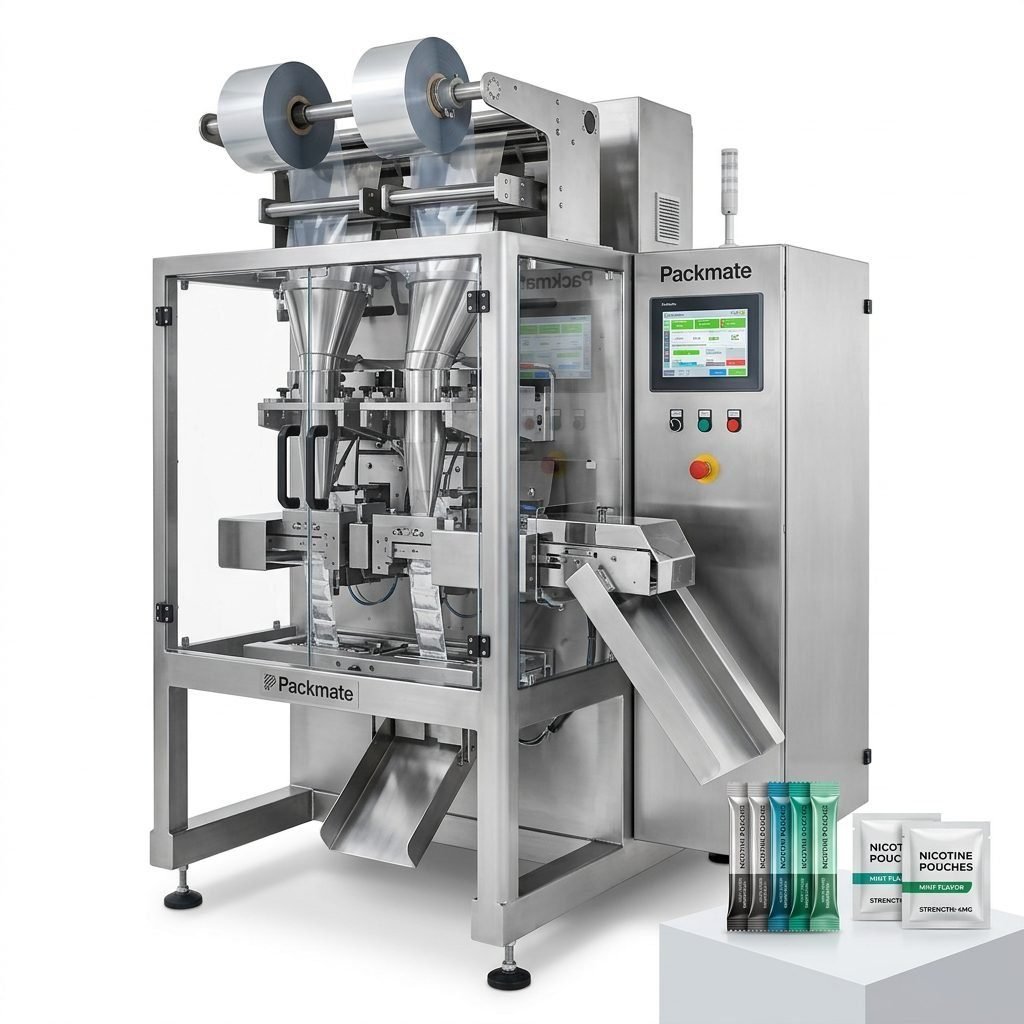
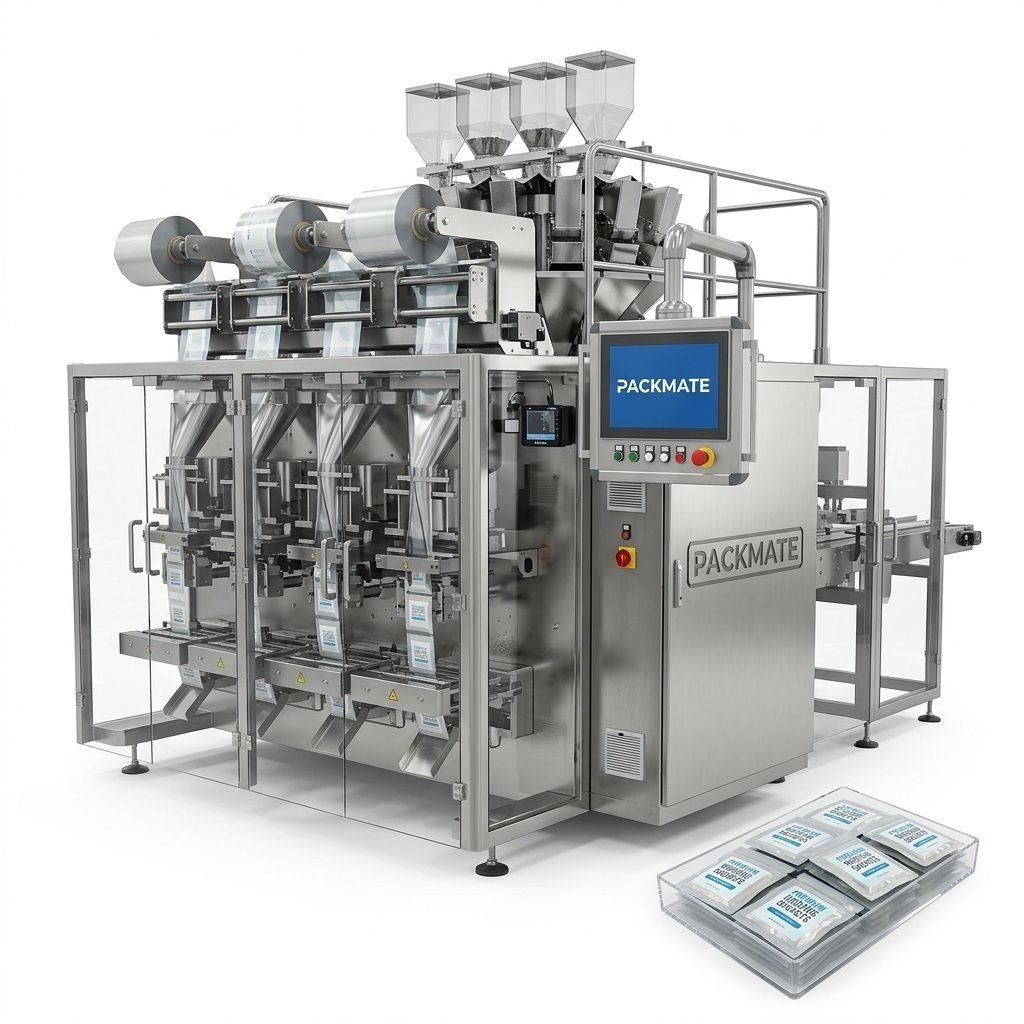
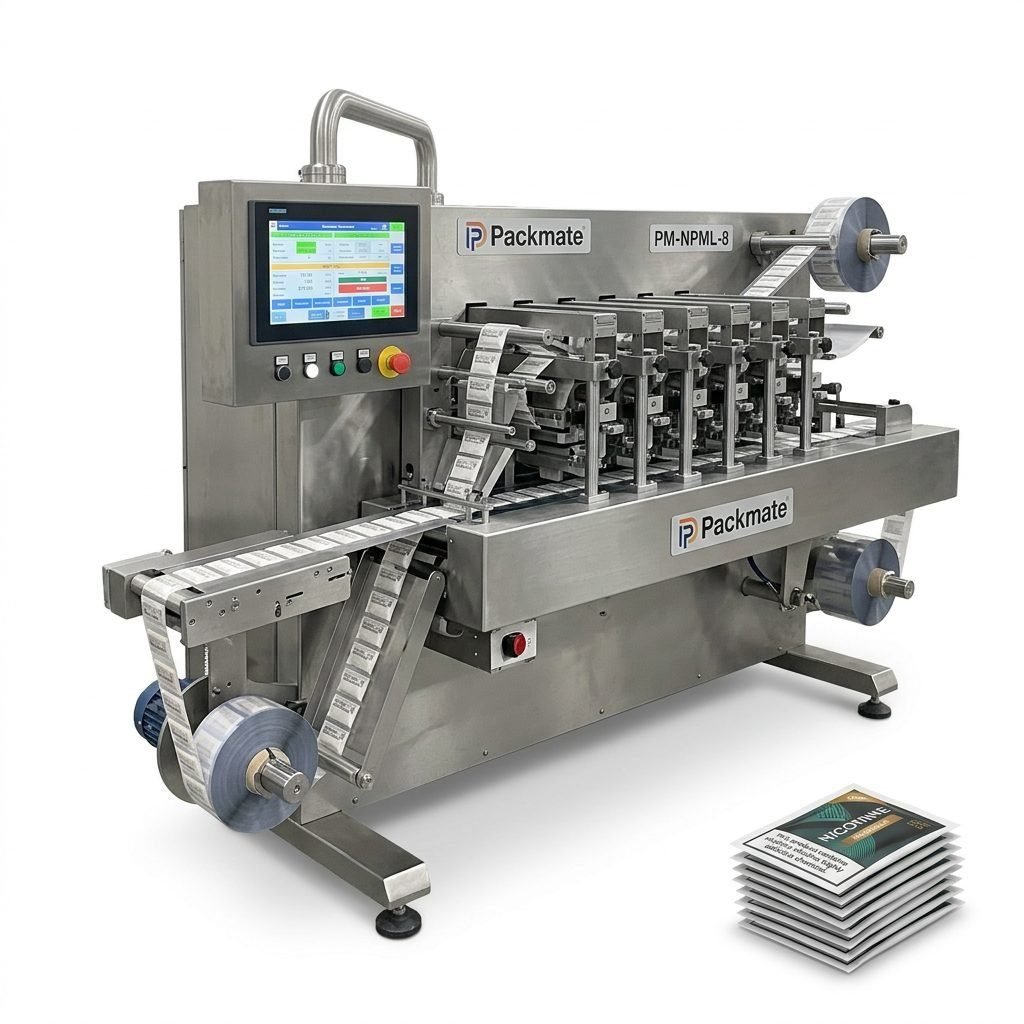
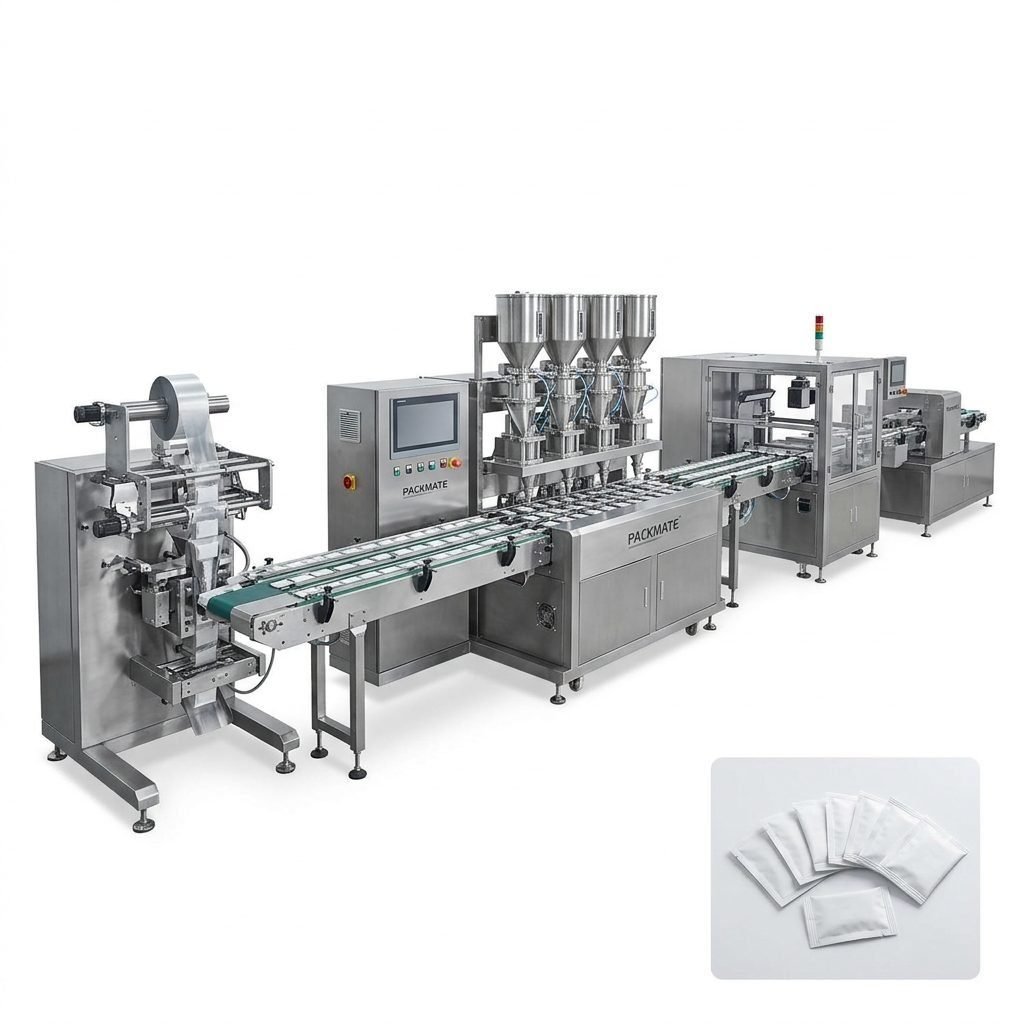
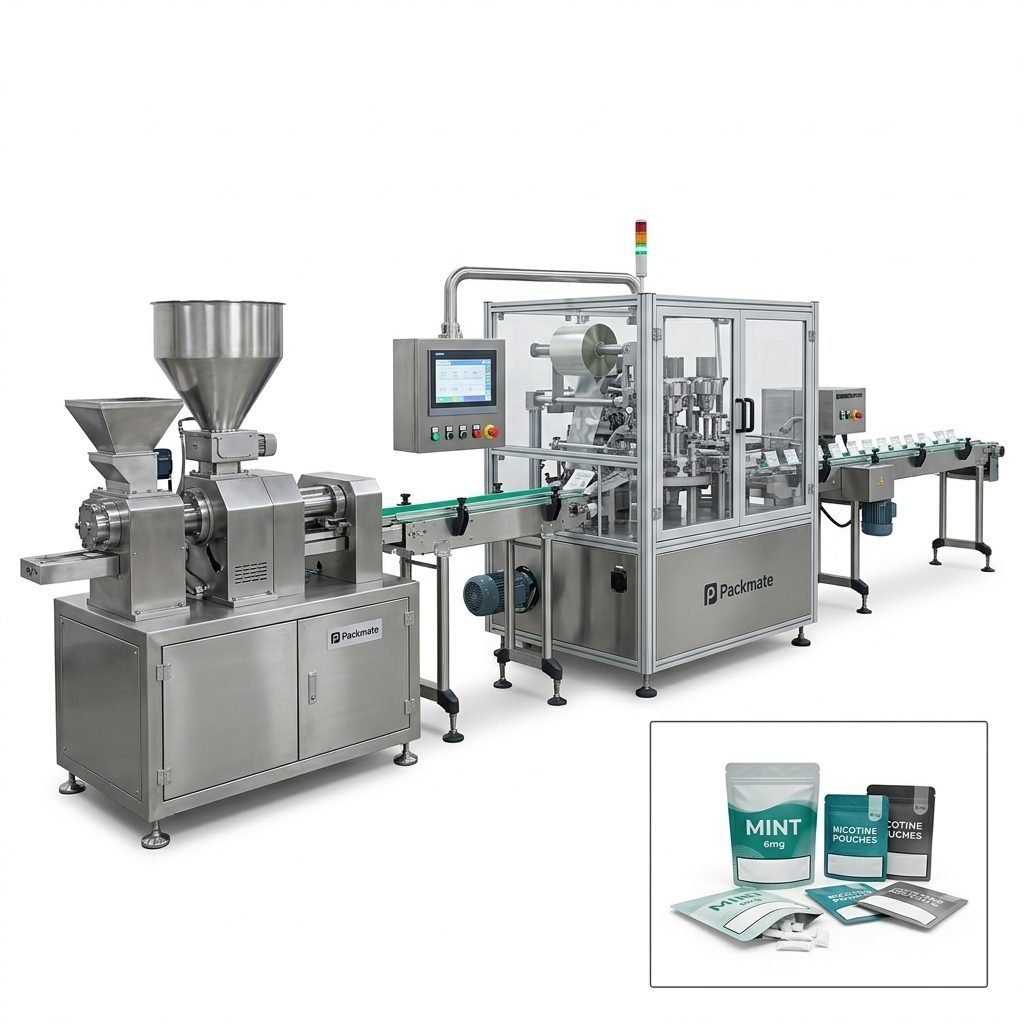
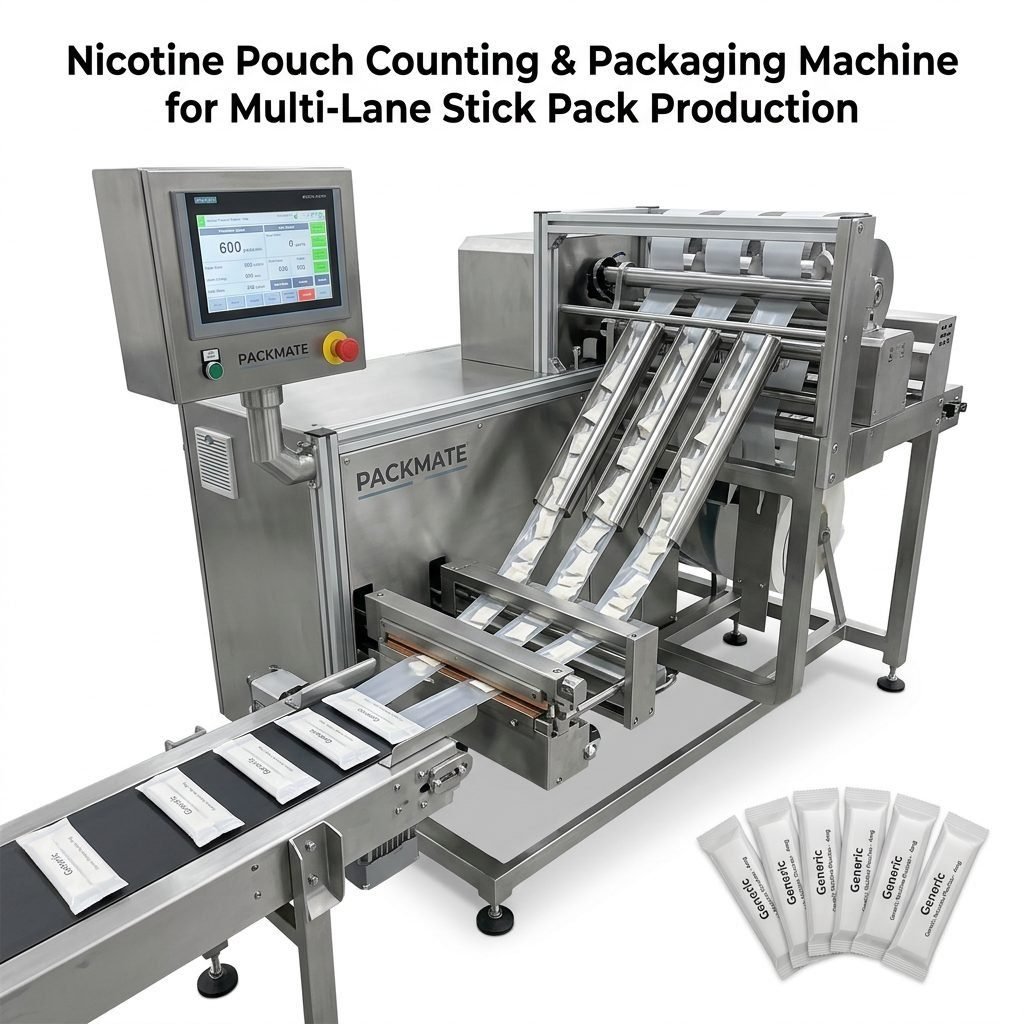
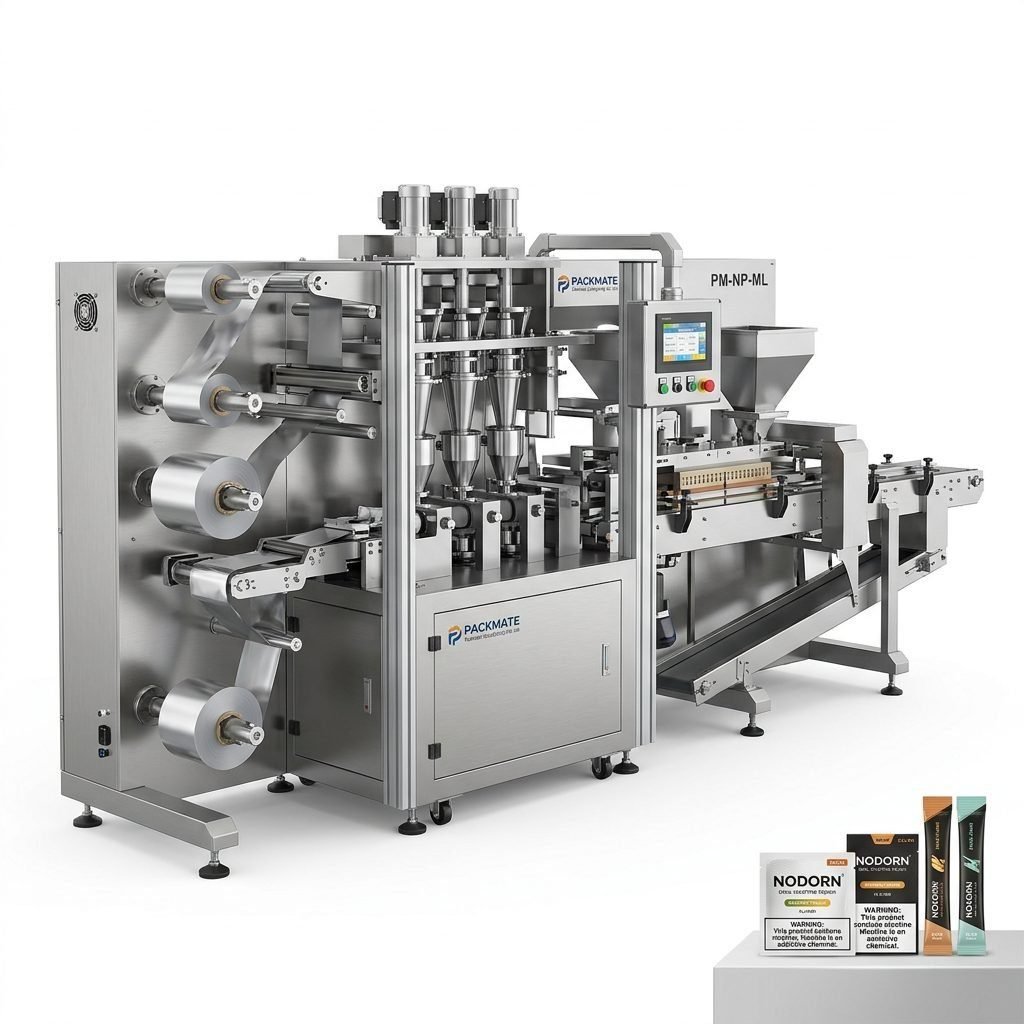
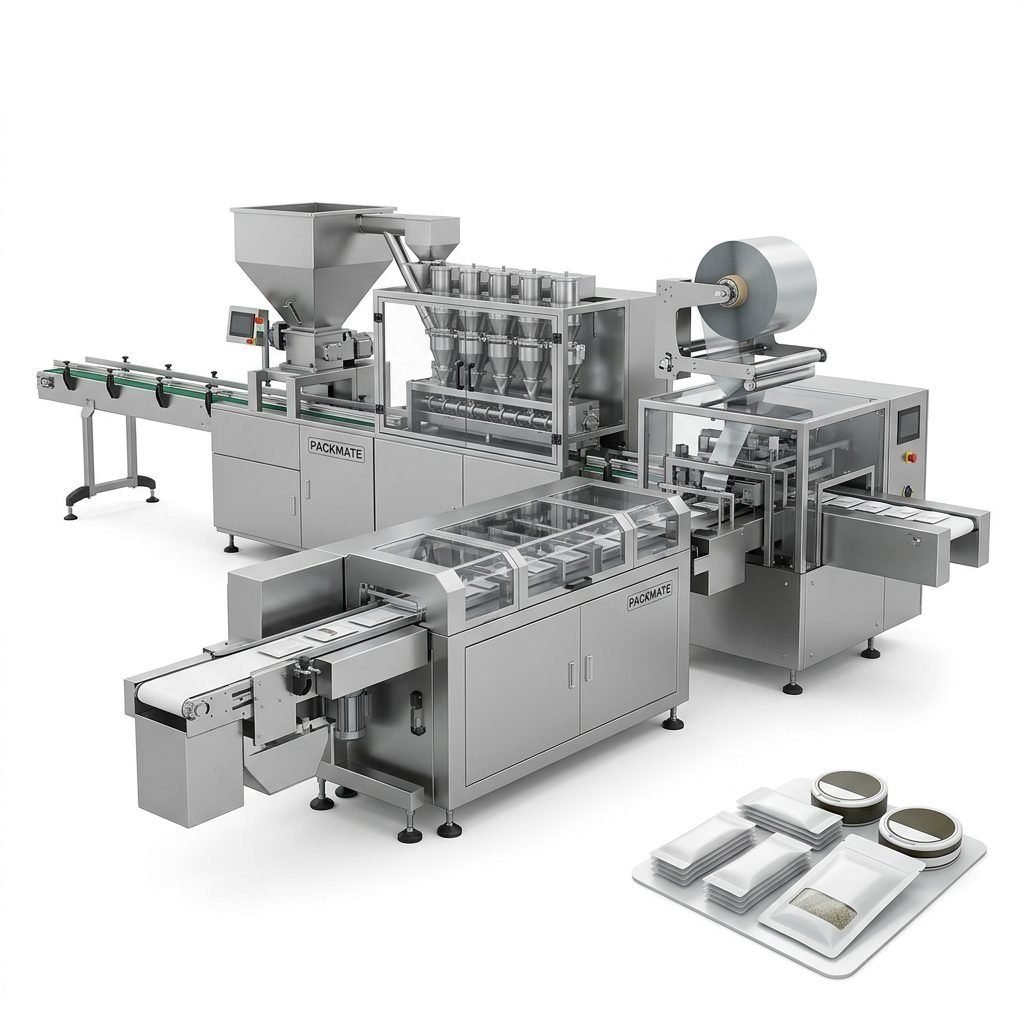
Packaging nicotine pouches or snus can involve multiple formats: single pouches, multi-lane sachets, stick packs, or tray packaging. Your chosen supplier should be able to match machine type to:
- Desired output rate (pouches per minute or per hour).
- Product format and dosing: powder, granule, or small-dose pouches.
- Future growth: ability to scale up with multi-lane or modular systems.
- Compliance needs like child-resistant features or specific labeling requirements.
Example machine categories to consider
For a compact Grenadian production run, multi-lane pouch machines or high-precision single-lane sachet machines often provide a balance between throughput and capital cost. If you are planning exports or larger volumes, consider modular multi-lane systems that can be expanded.
Assess supplier experience and manufacturing capability
Look for suppliers with a proven track record in nicotine/snuspouch packaging. Important signs of credibility include long industry history, factory scale, and a wide product range. A supplier who manufactures in-house critical components and runs precision assembly lines tends to offer better lead-time control and spare parts availability.
For example, manufacturers that offer over two decades of engineering experience and a large dedicated factory space demonstrate capability to produce stable machines and manage complex turnkey lines. You can explore specialized product ranges such as Snus & Nicotine Packaging Machines and related packaging systems on supplier websites to verify scope.
What to verify about factory and quality control
✅ Factory indicators: CNC machining centers, precision assembly lines, quality test stations, and accredited certifications (CE, ISO). Ask for pictures of the assembly area, QC reports, and test-run videos of the exact model you plan to buy.
Certifications, compliance, and documentation
Regulatory compliance is fundamental. Machines used for nicotine packaging should have reliable electrical safety and CE/ISO compliance where applicable. Suppliers should provide full documentation including:
- Operation manuals and electrical diagrams;
- Spare parts lists and recommended maintenance schedules;
- Certificates such as CE, ISO, and export documentation for Grenada customs clearance;
- Test reports and factory acceptance test (FAT) videos showing machine performance at the rated speeds.
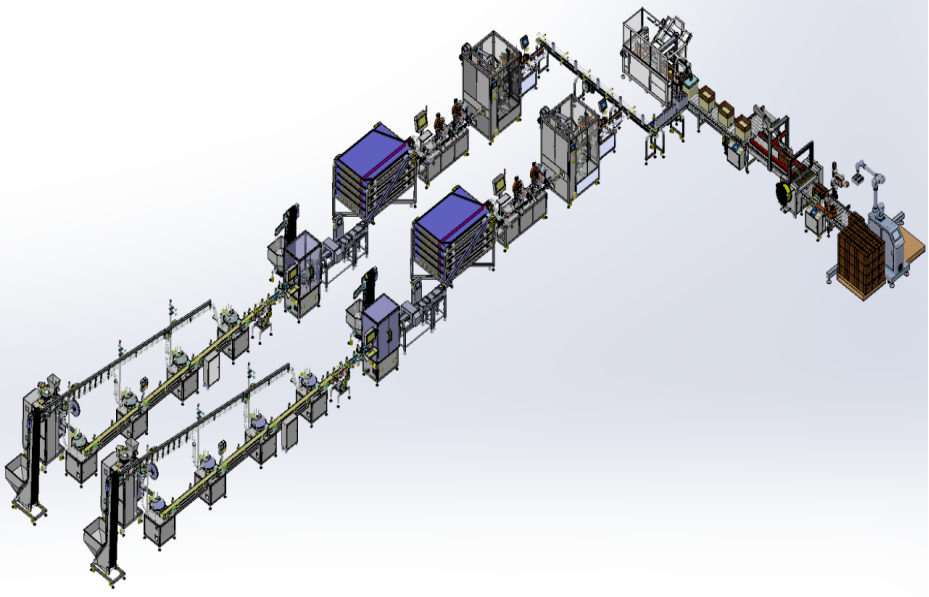
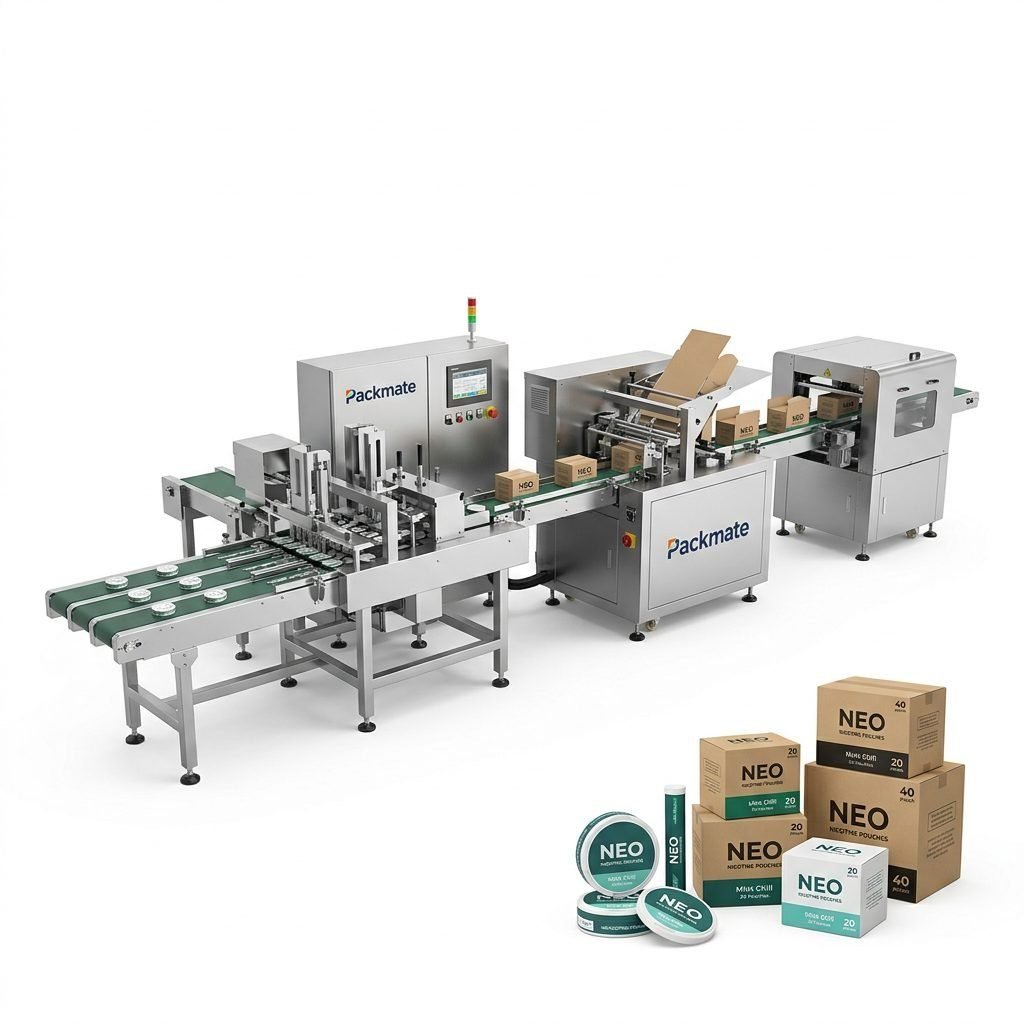
If you need a turnkey solution combining filling, weighing, and packaging, confirm the supplier’s capability to deliver integrated lines. Check lines like Filling & Packaging Lines and Weighing & Packaging Systems as validation of systems integration experience.
Service, spare parts, and after-sales support in the Caribbean context
Rapid support and ready parts inventory matter more on islands due to long shipping times. Prioritize suppliers who offer:
- Local or regional service partners, or remote diagnostic support;
- Fast shipment of critical spare parts and documentation for customs clearance;
- Training for local operators (onsite or remote) and clear maintenance checklists;
- Longer warranty terms and options for extended maintenance contracts.
📌 Practical ask: Get a sample spare parts list and estimated lead times for the items most likely to fail — belts, sensors, and electrical modules — so you can plan local stock or expedited shipments.
Technical capabilities to demand in your supplier
A reliable packaging partner will provide machines with features that reduce waste and improve uptime:
- Precision dosing and multi-lane options for consistent pouch weights and higher throughput;
- Easy-to-use HMI with language options and remote access for troubleshooting;
- Quick-change tooling for format switching and reduced downtime;
- Robust sealing systems that handle humid environments to prevent leaks or stickiness;
- Energy-efficient motors and modular design for future expansion.
Evaluating performance: FAT and SAT expectations
Insist on a Factory Acceptance Test (FAT) and a Site Acceptance Test (SAT). FAT videos or live demonstrations should show the machine running at the speeds you need with your product or a close analogue. SAT should confirm the machine works under Grenada’s site conditions and with your operator team.
Commercial terms and total cost of ownership
Beyond the purchase price, calculate total cost of ownership: installation, freight, duties, spare parts, recommended maintenance, and potential downtime losses. A supplier who provides clear lifecycle cost estimates is more trustworthy than one focused only on the lowest quote.
If a supplier offers modular upgrades and long lifecycle support, that can reduce the need for early replacement. Also check available financing or leasing options if capital budgets are constrained.
How to validate supplier claims: references, case studies, and exhibitions
Request references, recent case studies, and ask whether they display machines at global exhibitions. References in similar climates or island markets are especially valuable. You can also review published case studies and exhibition schedules to confirm public demonstrations — many reputable manufacturers publish documented cases online. See examples of supplier information pages such as Case and Our Exhibition.
A practical supplier selection checklist
🔍 Must-have items to confirm:
- Factory credentials, certifications, and FAT video of the model you intend to buy.
- Clear spare parts lead times and a recommended local parts list.
- Onsite installation and training plan for Grenada, plus remote support capability.
- Local compliance guidance for labeling/packaging and export/import documentation support.
- Warranty terms and availability of optional service contracts.
Why working with an experienced turnkey provider matters
If you need more than a single machine, partnering with a supplier who builds integrated lines — from weighing to filling to pouch sealing — simplifies commissioning and reduces technical risk. A turnkey vendor can provide optimal match between upstream dosing systems and downstream packaging, improving yield and consistency. Explore integrated offerings like Bag & Pouch Packaging Machines and their auxiliary equipment to evaluate end-to-end capability.
Working relationship and cultural fit
A successful partnership in Grenada means clear communication, timely documentation, and respect for local business practices. Suppliers who demonstrate patience with inspection requests, provide transparent timelines, and invest in operator training are easier to work with over the long term.
Next steps to make a confident purchase
1) Define production targets and acceptable formats. 2) Shortlist suppliers with proven nicotine/snuspouch experience. 3) Request FAT videos, spare parts lists, and references. 4) Negotiate clear commercial terms including shipping, customs documentation, and training. If you want a starting point, review the supplier overview and company background pages like About Packmate to confirm factory scale and experience.
Final practical tips
– Keep a small inventory of critical parts locally (belts, fuses, sensors).
– Plan FAT acceptance criteria in writing before purchase.
– Confirm language capabilities for manuals and training; English is commonly supported but verify technical support hours and channels.
– Factor in regional logistics and customs time when planning installations and production start dates.
Frequently Asked Questions
Q1: How important is it that the supplier has experience with nicotine pouch machines specifically?
A1: Very important. Nicotine pouch packaging has specific requirements for dosing accuracy, seal integrity, and labeling. Suppliers experienced with snus/nicotine packaging are better positioned to recommend the correct sealing systems, humidity control measures, and dosing solutions.
Q2: Can I buy a single machine now and expand to a full line later?
A2: Yes. Many suppliers offer modular machines that can be integrated into a full production line. Confirm compatibility and upgrade paths up front, including controls, mechanical interfaces, and communication protocols.
Q3: What should I expect for spare parts lead times to Grenada?
A3: Lead times vary by supplier and shipping method. For critical items, expect multiple weeks for standard airfreight and potentially longer for sea freight. Choosing suppliers who can pre-stock or ship by express can reduce downtime.
Q4: Where can I get reliable examples of supplier performance and installations?
A4: Ask for case studies and FAT videos, and review references from similar climates or island markets. You can also browse certified pages and product galleries such as the supplier’s product and service pages, or contact them directly via their Contact Us page for project references.