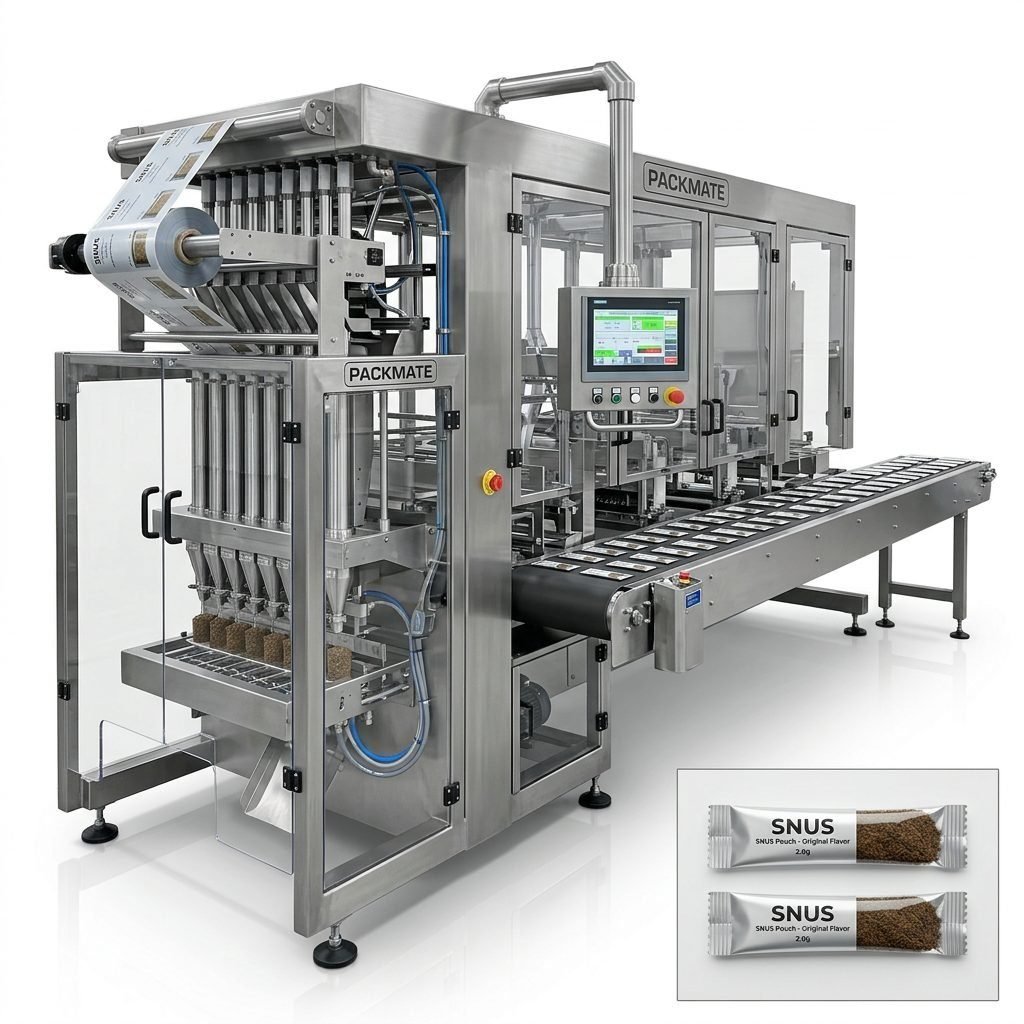
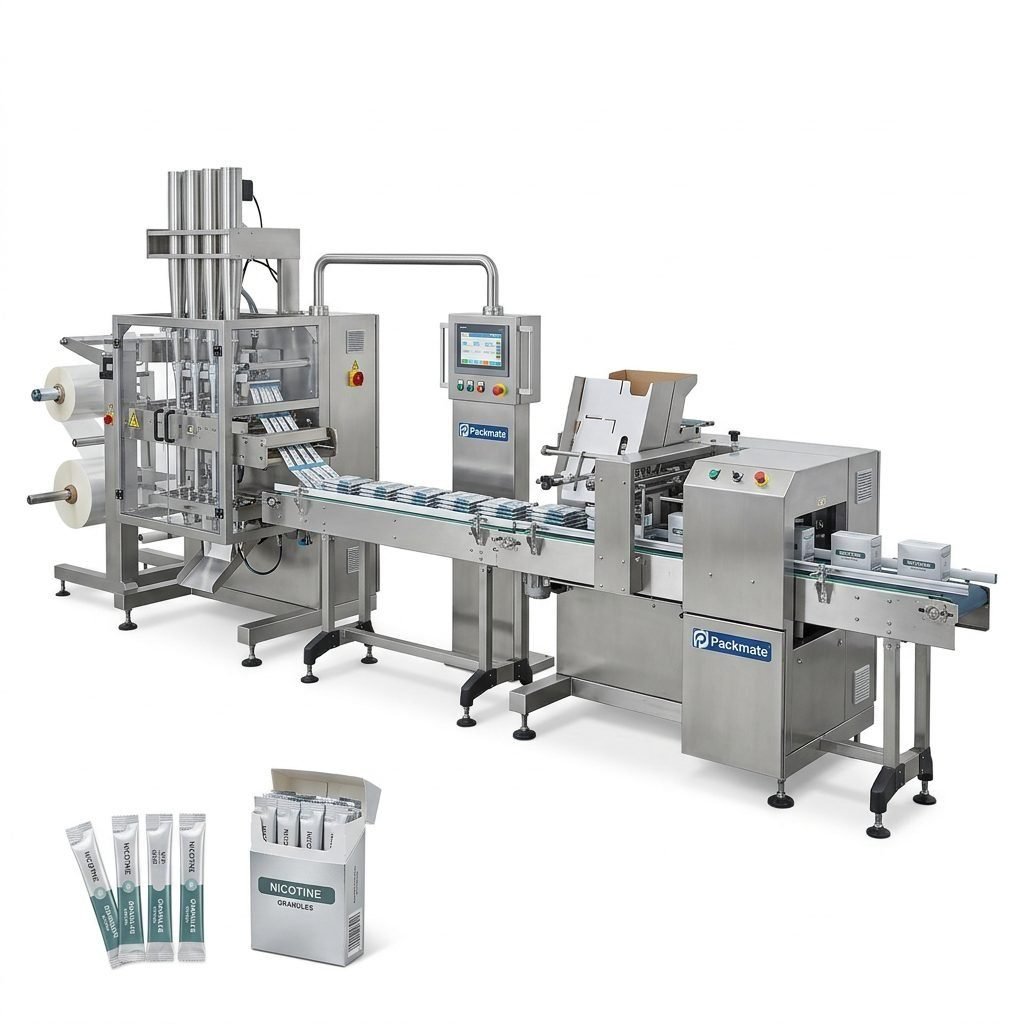
Choosing the right nicotine packaging machinery for a production line in Spain is a strategic decision that affects product quality, regulatory compliance, production throughput, and long-term cost of ownership. Whether you are producing nicotine pouches, snus, or other pouch-based nicotine products, the right equipment helps you scale reliably, meet Europe-specific regulations, and maintain consistent product presentation. This guide walks production managers, engineers, and procurement teams through a clear decision-making process, highlighting machine types, capacity planning, automation integration, supplier selection, and after-sales considerations.
Understanding the Spanish Market and Regulatory Context
Spain follows EU regulations for nicotine-containing products and packaging. Local enforcement can vary by autonomous community and retailer requirements, so you must ensure your packaging line can handle compliant labeling, child-resistant features (if required), and traceability elements like batch codes and serialization. Selecting machinery with flexible marking, coding, and verification modules minimizes future retrofit costs. Compliance-ready machines often have integrated options for barcode printing, inkjet or thermal transfer coders, and camera inspection systems.
Key Machine Types for Nicotine Pouch Production
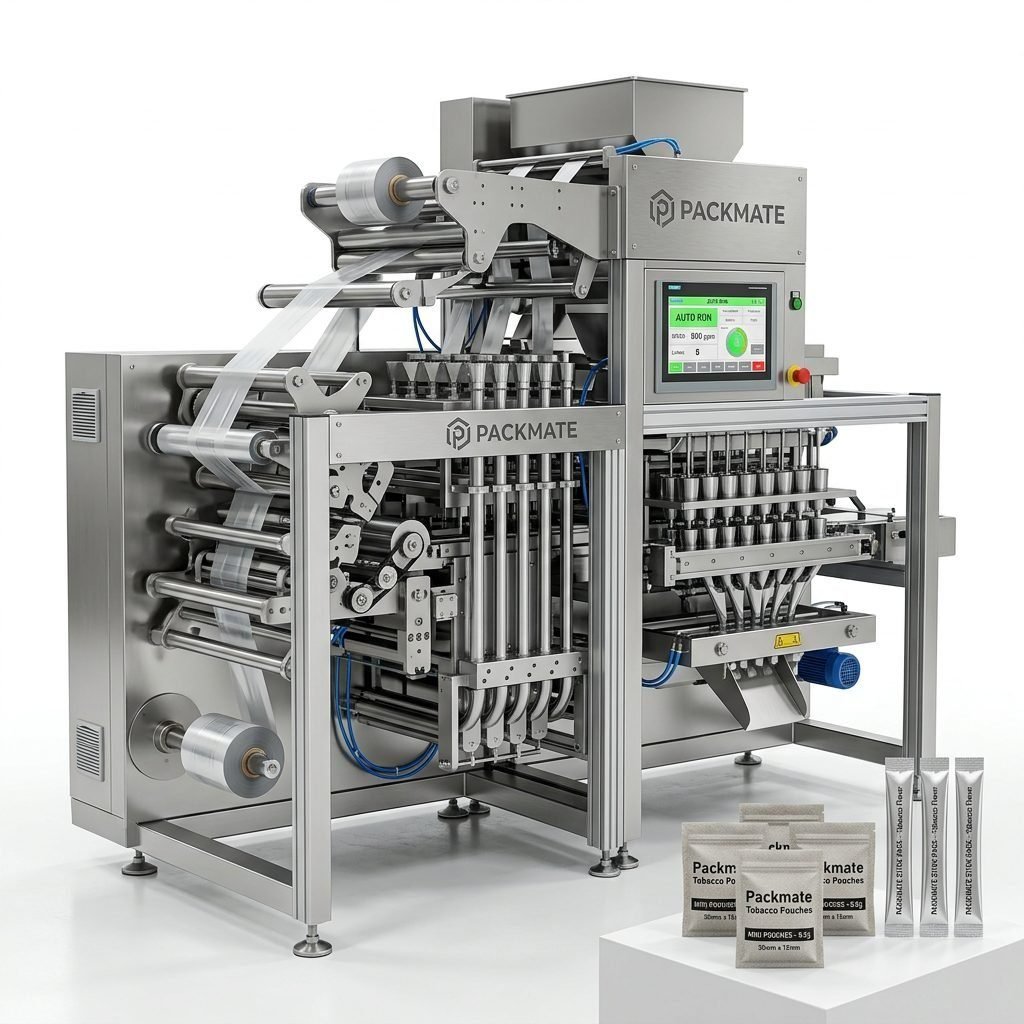
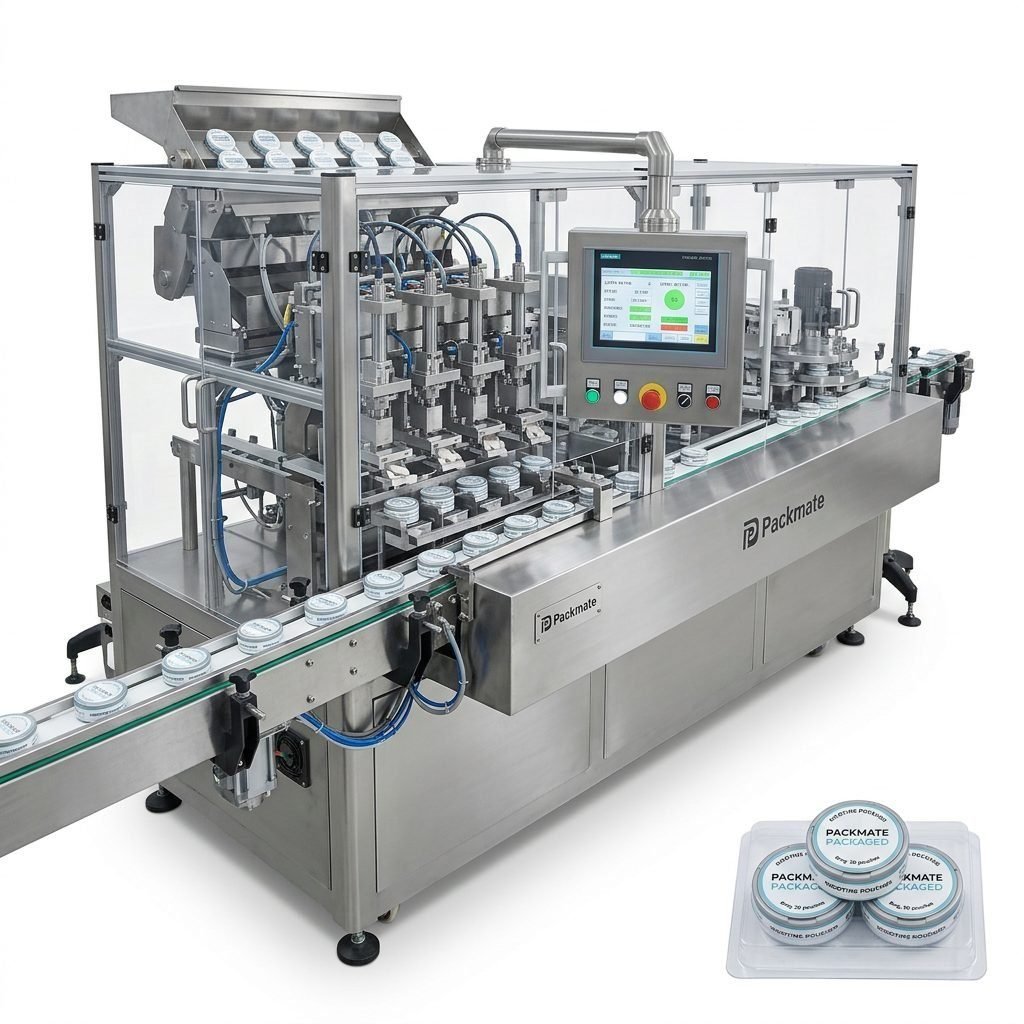
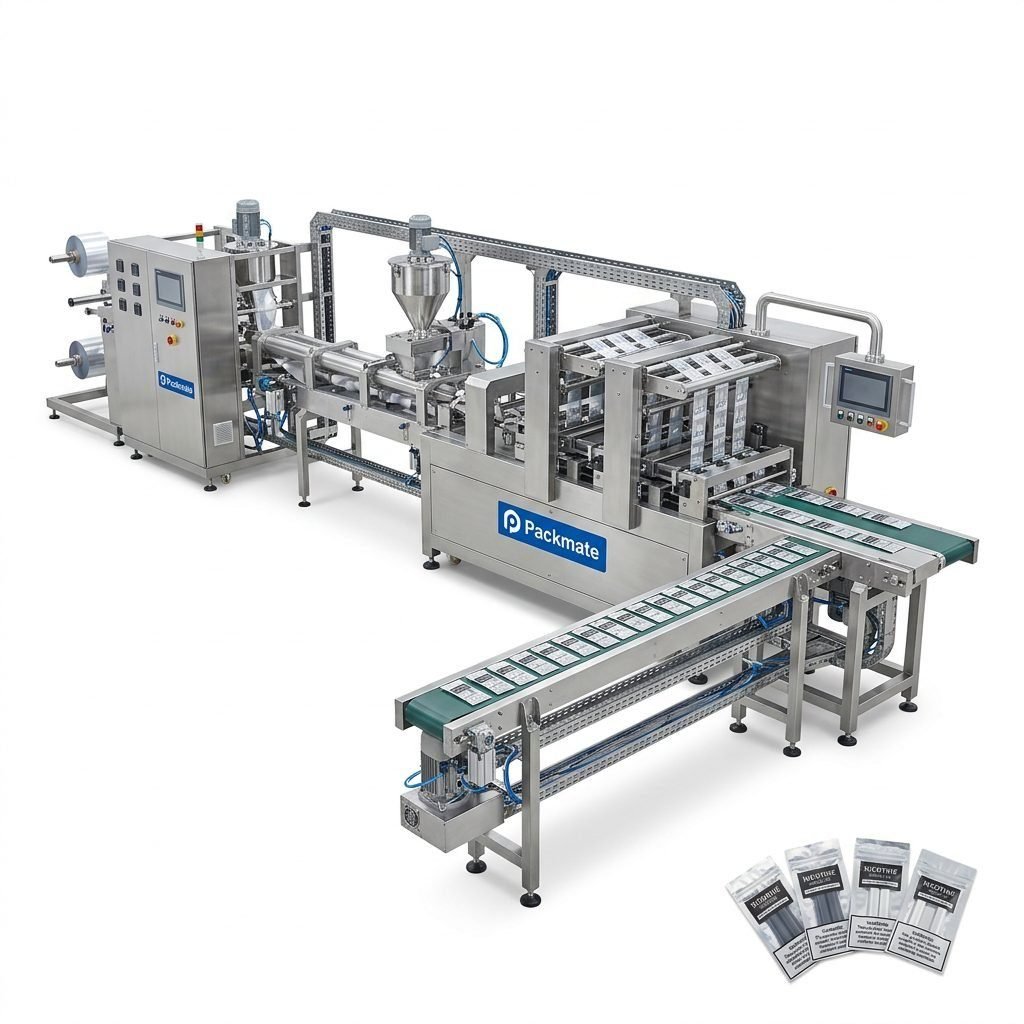
The choice of machine depends on product format, dosing method, and desired throughput. Main categories include stick pack machines, sachet machines, snus-specific pouch machines, and multi-lane high-speed systems. For manufacturers focused on snus and nicotine pouches, dedicated solutions tailored for small-dose, multi-lane production are often best.
Sachet & Stick Pack Machines
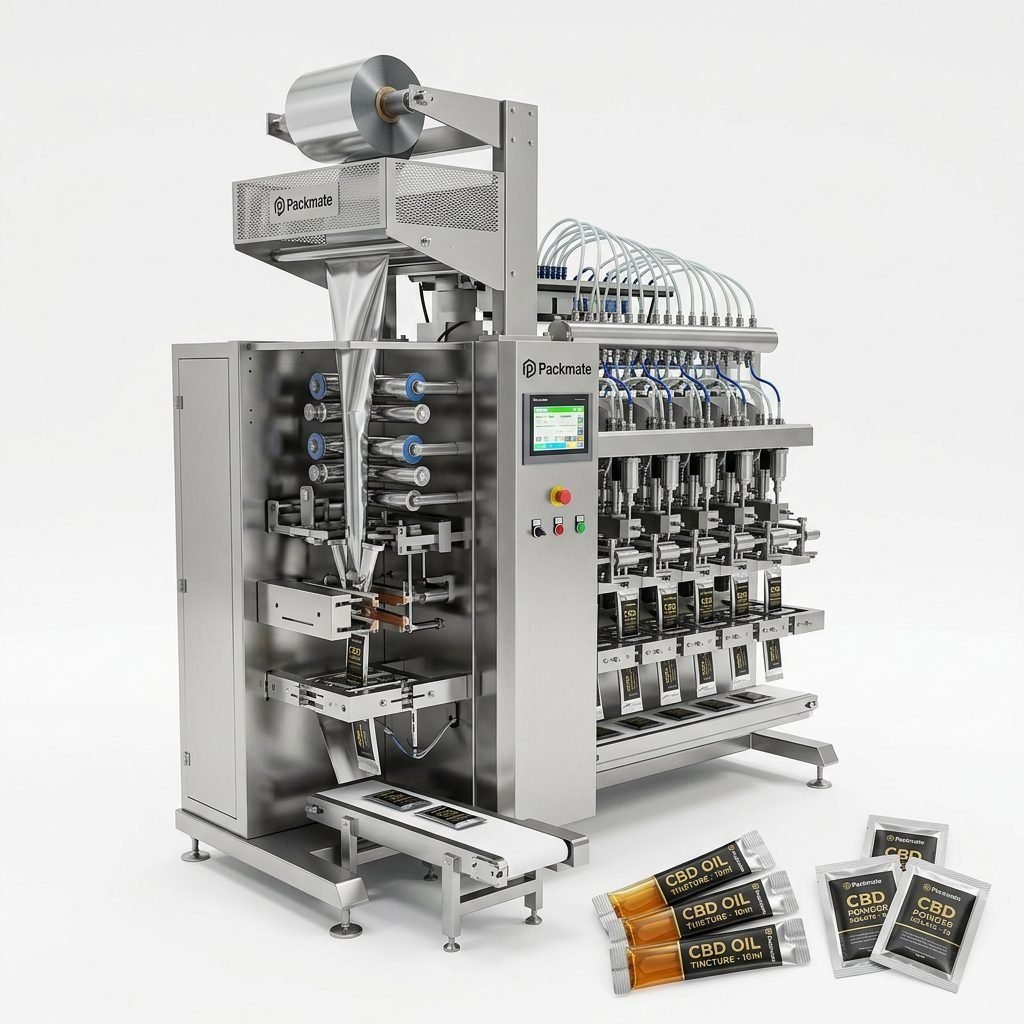
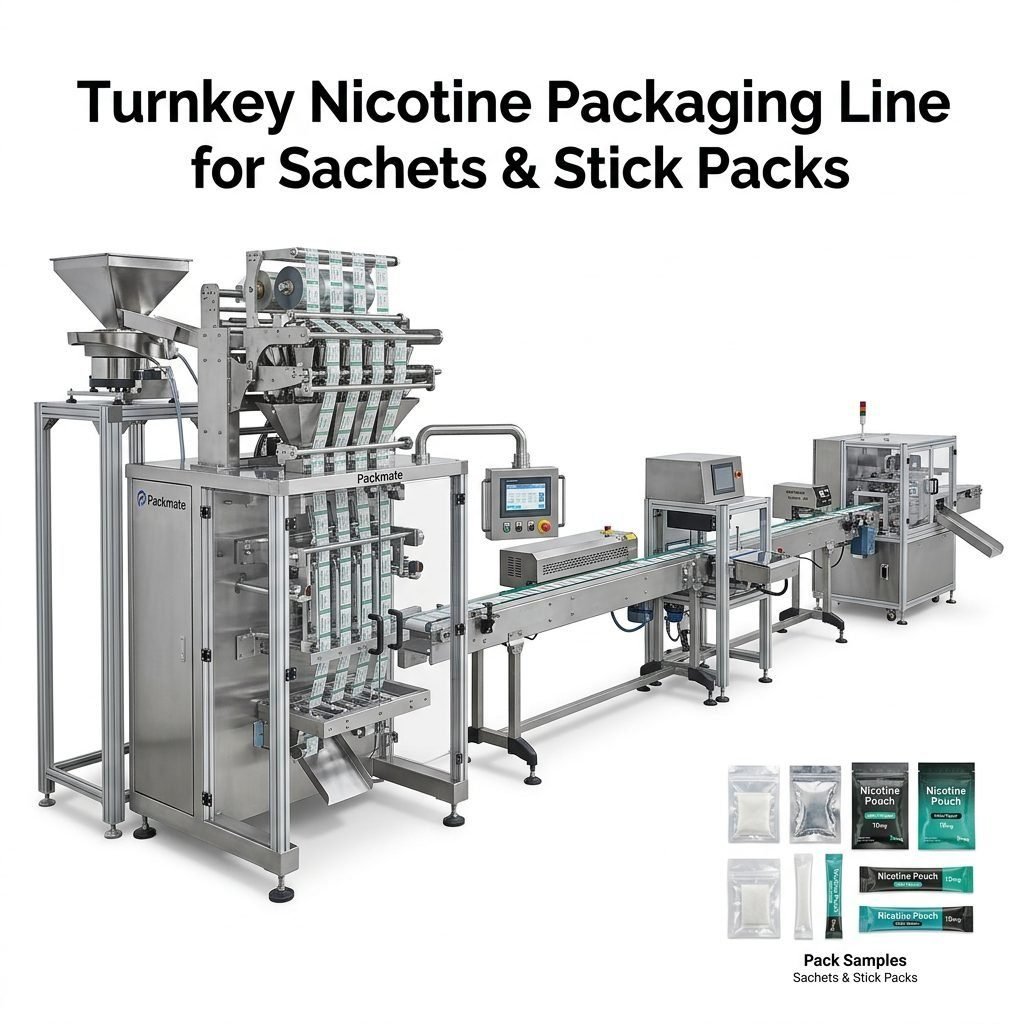
Sachet and stick pack machines are versatile for single-serve or slim-format products. They can be ideal for flavored nicotine sachets or single-dose disposable packs. Consider machines that support different film types, pouch shapes, and integrated filling systems for powder, granules, or liquid carriers. For technical specifications and model options, review dedicated product categories like
Sachet & Stick Pack Machines.
Snus / Nicotine Pouch Packaging Machines
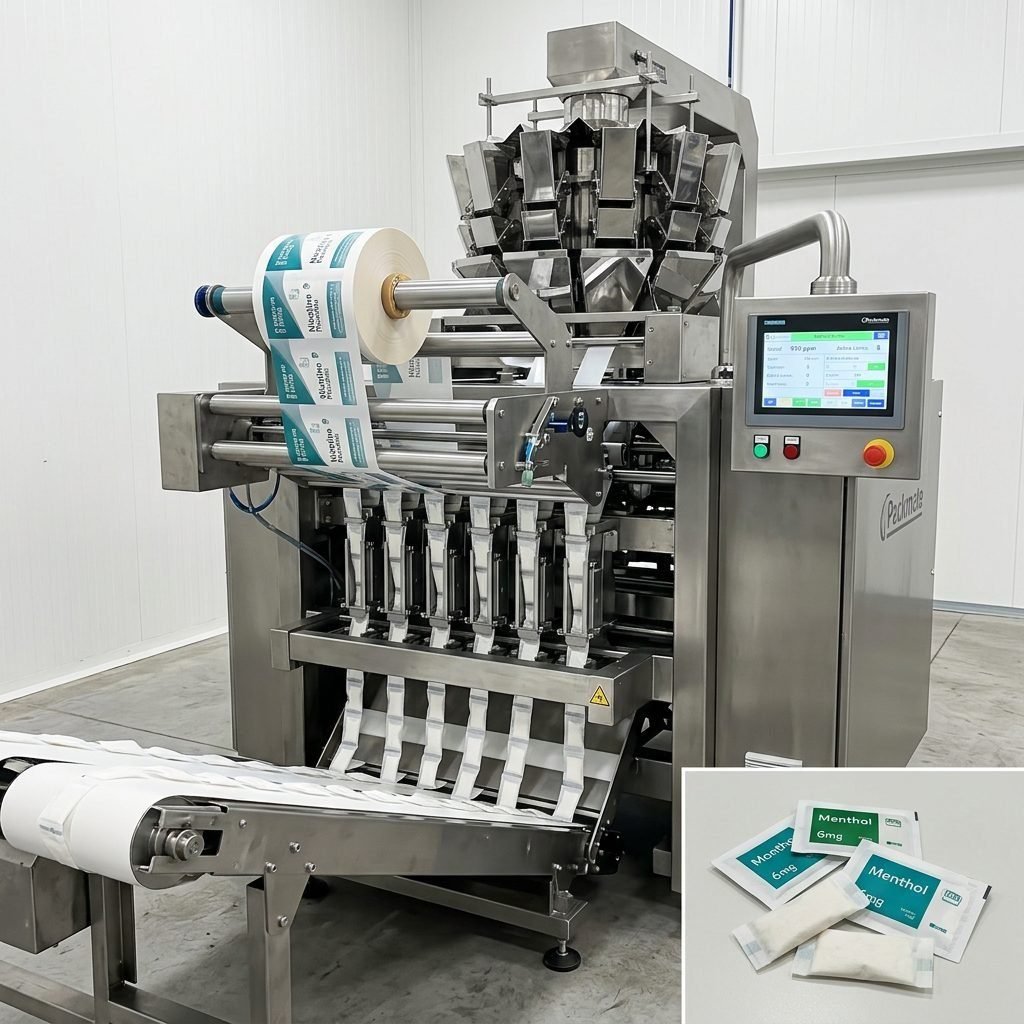
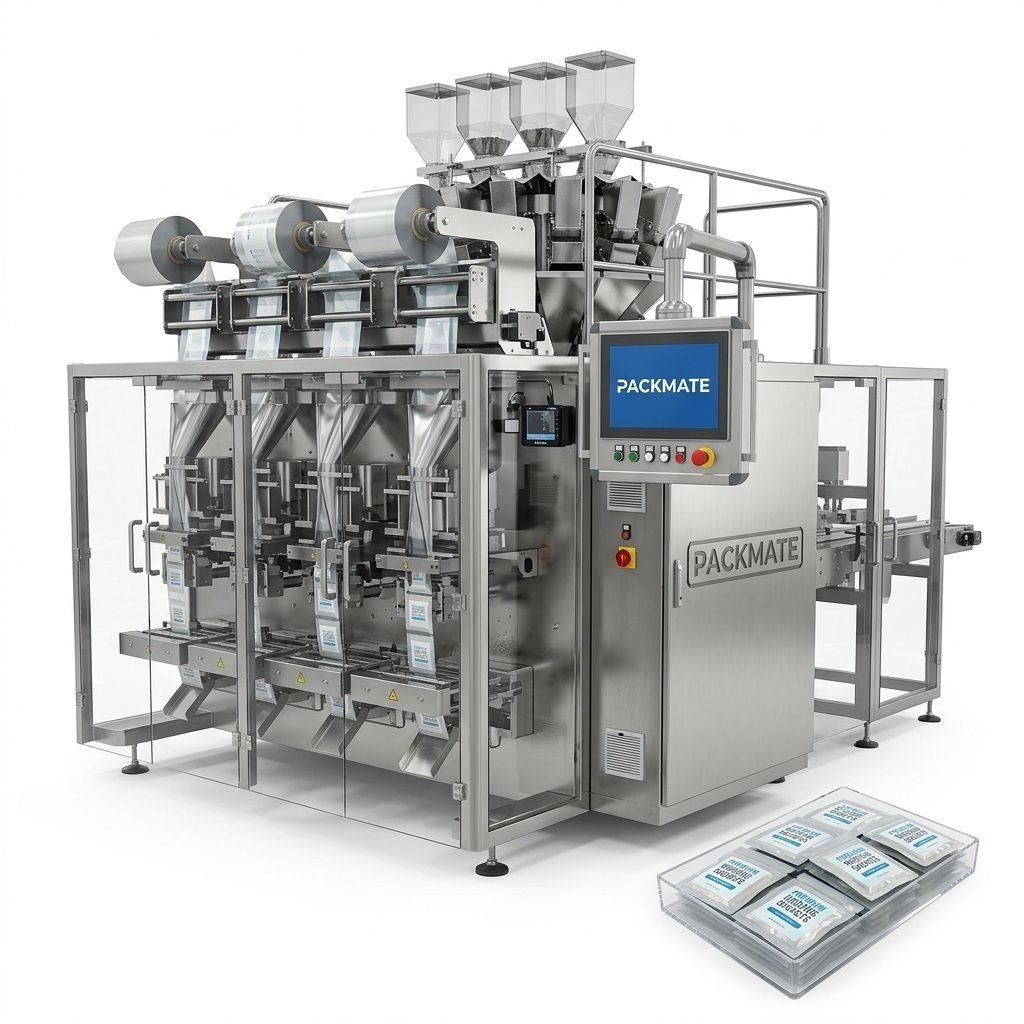
Machines specifically designed for snus and nicotine pouches prioritize gentle handling, precise dosing for small sachets, and multi-lane capabilities to increase output without enlarging the machine footprint. These systems are purpose-built for pouches and often include vibratory feeders, precision auger or volumetric dosing, and pouch sealing modules. Explore specialized systems at
Snus & Nicotine Packaging Machines.
Production Capacity and Throughput Planning
Define current and future daily output targets, including peak demand scenarios. Throughput is influenced by product format, number of lanes, dosing speed, and auxiliary handling (pick-and-place, cartoning). A practical approach is to map expected SKUs and calculate theoretical hourly output for each machine option, then apply a realistic uptime factor (usually 75–90% depending on staffing and maintenance regime).
Multi-Lane vs Single-Lane Trade-offs
Multi-lane systems raise output without proportionally increasing floor space, but they add complexity in synchronization, changeover, and maintenance. Single-lane machines can be simpler to operate and easier for frequent SKU changes. If you anticipate rapid growth or long production runs of one SKU, multi-lane machines are a strong investment. For flexible SKUs and frequent changeovers, prioritize quick-change tooling.
Integration into Your Production Line
Nicotine pouch machines rarely operate in isolation. They must integrate with feeders, weighers, metal detectors, cartoners, case packers, and palletizers. Select equipment with standard communication protocols (Ethernet/IP, Profinet, or RS485) and synchronization options. A modular supplier that can deliver upstream and downstream equipment simplifies line layout and commissioning; see options for
Filling & Packaging Lines.
Quality Control and Vision Systems
Inline inspection is critical for nicotine products where consumer safety and labeling accuracy are essential. Look for machines with optional camera inspection modules for seal integrity, fill-level checks, and label verification. Integration-ready vision systems reduce rejects and support traceability. Consider systems that allow automated rejection and reporting for efficient QC workflows.
Material Compatibility and Packaging Formats
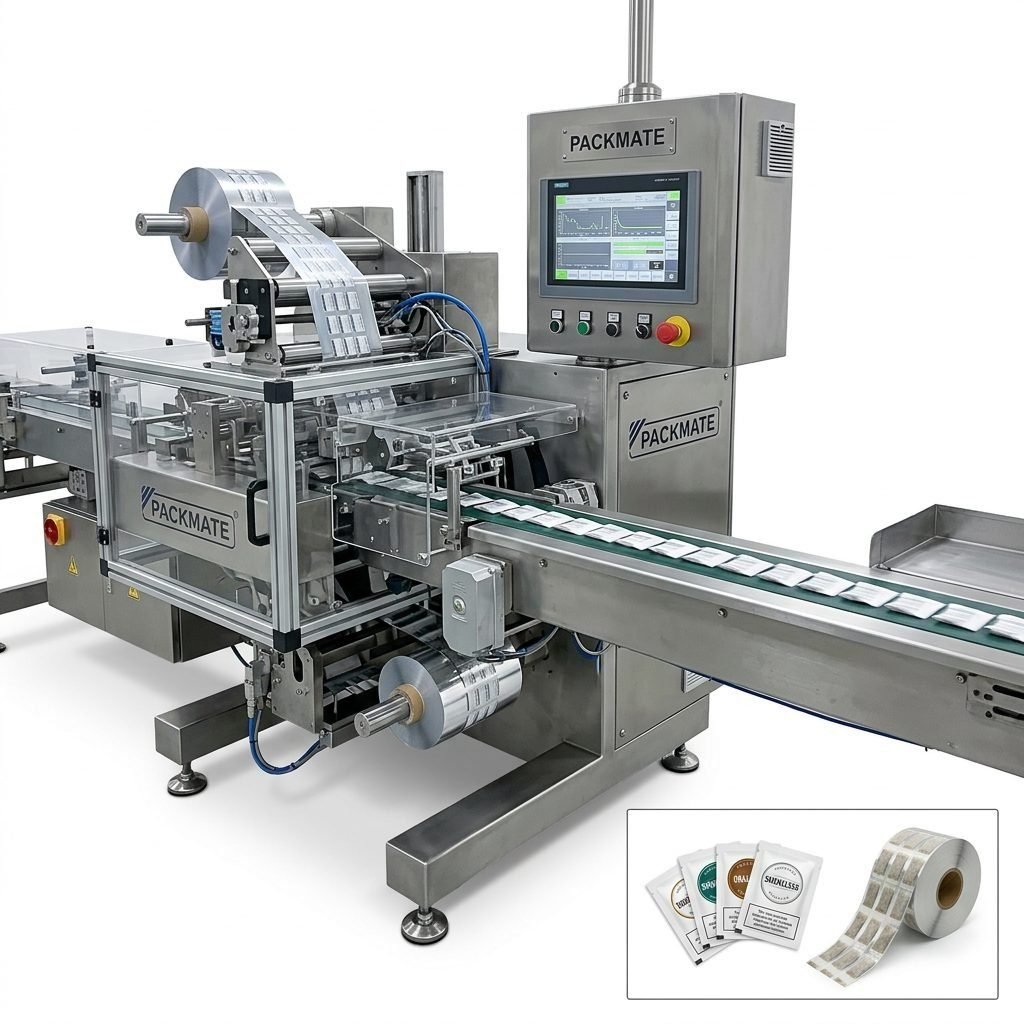
Verify that the machine supports the films and pouches you intend to use: laminated barrier films, heat-sealable PE, or paper-based materials. Heat-seal temperature control, adjustable seal profiles, and adaptable forming tools are important. Machines should also support the thickness ranges and reel diameters common in your supply chain to avoid frequent stops for film changes.
Supplier Selection: What to Prioritize
When evaluating suppliers, weigh these factors:
✔️ Engineering Experience: Look for vendors with extensive experience in nicotine pouch lines and multi-lane systems. A manufacturer with proven designs reduces commissioning time and technical risk.
✔️ Factory & Manufacturing Strength: Facilities with advanced CNC machining centers and precision assembly indicate better build quality and spare parts availability.
✔️ Certification & Compliance: Ensure CE, ISO, and other relevant certificates are provided. Certified equipment eases customs and regulatory approval in Spain and throughout the EU.
For a supplier with global turnkey solutions, product lines, and long-term support, you may review company backgrounds such as
About Packmate.
Customization and Turnkey Solutions
Off-the-shelf machines may satisfy basic needs, but nicotine pouch production often benefits from customization: tailored dosing systems, specific pouch sizes, multi-flavor stations, or unique cartoning arrangements. Suppliers offering turnkey solutions — combining packaging machines, weighers, conveying, and control systems — can deliver a faster path to full production and provide a single point of responsibility for compatibility and support.
Installation, Commissioning, and Training
A successful installation includes on-site commissioning, operator training, and production ramp-up support. Confirm that your supplier offers a clear commissioning timeline, remote support options, and on-site training packages. Good suppliers provide operation manuals, spare parts lists, and troubleshooting guides tailored to the installed configuration.
Service, Spare Parts, and Lifecycle Costs
Initial purchase price is only one part of the total cost of ownership. Consider availability of spare parts, ease of maintenance, and service contracts. Suppliers with global parts networks and local partners reduce downtime. Ask about preventive maintenance schedules, mean time between failures (MTBF), and recommended spare parts kits for critical wear components.
Proven Cases and Demonstrations
Request case studies and machine demonstrations. Real-world examples from similar markets are the best proof of concept. Many manufacturers host live demonstrations at exhibitions or their factory — a valuable opportunity to observe machine stability, changeover speed, and finished-pack quality. See demonstration references and customer cases such as those highlighted in
Case.
Financing, Lead Time and Logistics for Spain
Lead times for specialized multi-lane machines can range from several weeks to months depending on customization. Plan for transport logistics, customs, and installation windows. Some suppliers offer financing or lease-to-own options to spread capital expenditure. Align expected delivery with production ramp plans to avoid idle capacity or rushed installs.
Checklist: Final Selection Criteria
Use this checklist when comparing proposals:
✔️ Machine throughput vs required output
✔️ Regulatory and labeling capabilities
✔️ Integration with vision systems and upstream/downstream equipment
✔️ Service network, certifications, and spare parts availability
Why Work with an Experienced Manufacturer
Experienced manufacturers bring refined mechanical design, verified production logic, and mature after-sales processes. They often offer a range of product models, from compact single-lane packaging machines to high-performance multi-lane snus systems, and can deliver turnkey lines that include weighing systems and auxiliary equipment for a smooth start-up. For an overview of complete offerings including weighing and auxiliary systems, review
Weighing & Packaging Systems and
Auxiliary Packaging Equipment.
Decision Matrix: Practical Example
Example scoring factors for three proposals: throughput, compliance features, integration ease, lifecycle cost, and supplier support. Weight each factor by priority. This quantifiable approach helps align the purchase with strategic production goals and budget constraints.
Next Steps: What to Request from Suppliers
When requesting quotations, ask suppliers for:
• Detailed machine specifications and guaranteed throughput under specified product conditions.
• A list of included accessories, optional upgrades, and recommended spare parts.
• References and case studies from European installations and regulatory compliance documentation.
• Lead time, installation plan, and training scope.
Conclusion
Selecting the right nicotine packaging machinery in Spain requires balancing throughput needs, regulatory readiness, integration capability, and supplier reliability. Prioritize suppliers with proven snus and nicotine pouch experience, robust manufacturing facilities, and strong after-sales support. A well-chosen packaging line not only ensures compliance and product quality but also positions your operation for efficient scale-up and predictable lifecycle costs.
Frequently Asked Questions (FAQs)
Q1: How do I choose between a multi-lane snus machine and several single-lane units?
A1: If you expect long runs of the same SKU and need high throughput within limited floor space, multi-lane systems are ideal. For frequent SKU changes or smaller volumes, multiple single-lane units provide flexibility and simpler maintenance.
Q2: What certifications should I expect for machines sold into Spain/EU?
A2: CE marking and ISO management system certifications are standard. Additionally, request electrical and safety conformity documentation, and ensure material contact parts meet hygienic design standards as applicable.
Q3: Can a supplier provide full-line solutions including weighing and cartoning?
A3: Yes. Many manufacturers offer turnkey lines that include filling, weighing, packaging, and auxiliary equipment. Confirm integration options and single-point accountability for commissioning.
Q4: How long does it typically take from order to production-ready installation?
A4: Lead times vary but expect several weeks to a few months depending on customization. Plan additional time for shipping, customs clearance, site preparation, and on-site commissioning.
Q5: Where can I see machine demonstrations or contact suppliers for more details?
A5: Visit supplier exhibition pages and contact manufacturer locations for live demos. For example, you can review exhibition schedules and contact options at
Our Exhibition and reach out via the supplier’s
Contact Us page to arrange factory visits or on-site trials.