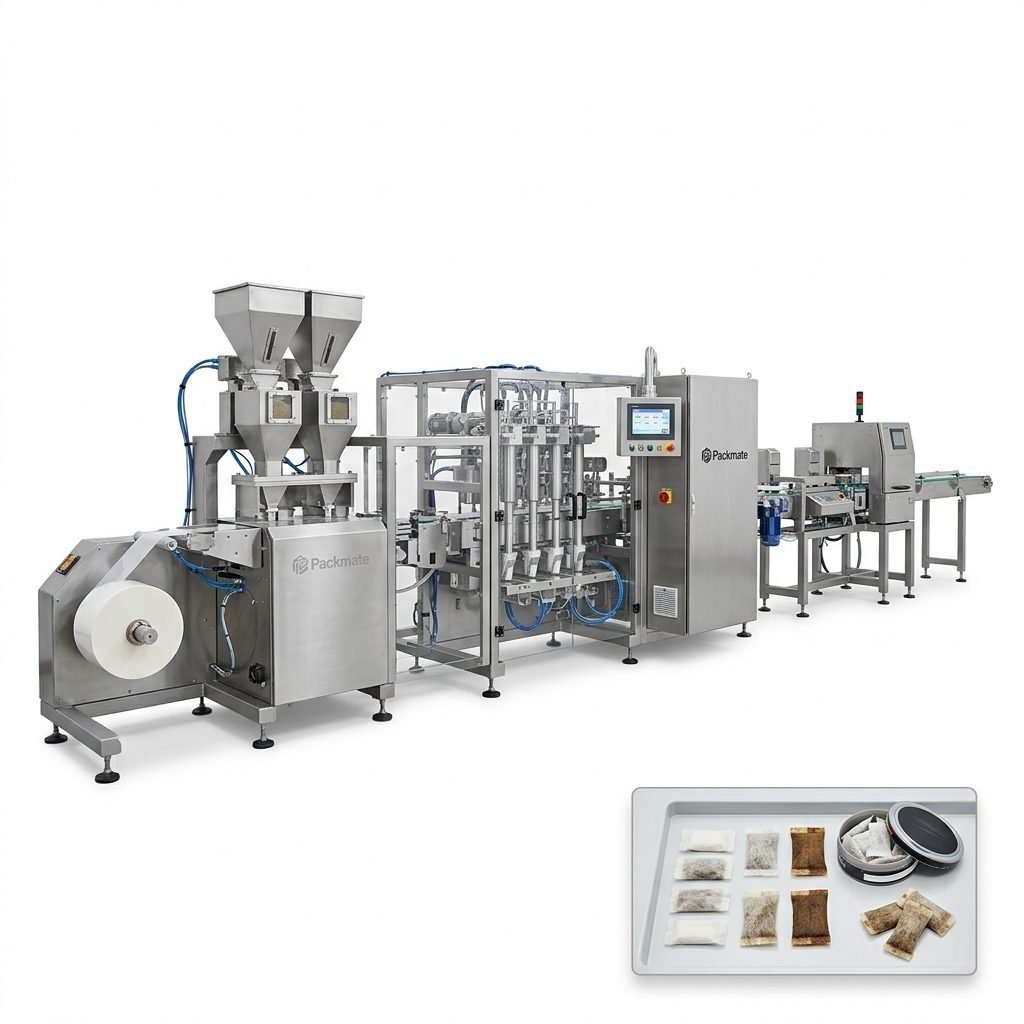
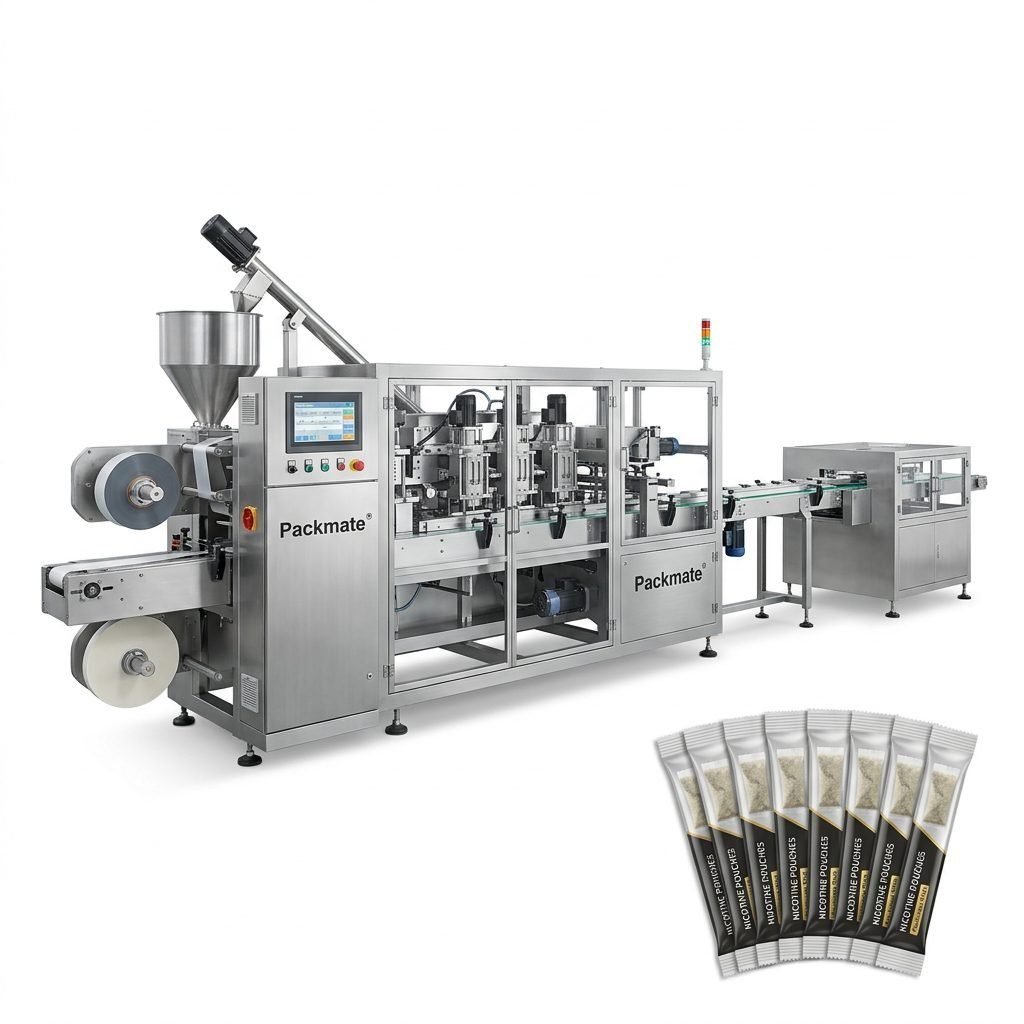
Choosing the right nicotine packaging machinery in Micronesia requires balancing production demands, local logistics, and compliance with regional preferences. This guide walks you step-by-step through practical considerations—from machine types and capacity planning to environmental challenges unique to Micronesian islands and the support you should expect from a reliable supplier.
🔧 Understand the Local Context in Micronesia
Micronesia (Federated States of Micronesia, 🇫🇲) is a collection of small islands with strong community ties and unique distribution realities. When planning production, remember that many islands rely on sea freight, face variable power reliability, and experience high humidity and salty air. These factors influence machine selection, maintenance cycles, and packaging material choices.
Local tip: choose machines with corrosion-resistant components and simple maintenance routines — this reduces downtime when spare parts take time to arrive by sea.
📦 Core Questions to Ask Before Selecting a Machine
Start with these strategic questions to narrow down options quickly:
What product formats will you run? (single-dose nicotine pouches, snus cans, sachets, stick packs) — each format needs different filling and sealing technologies.
What is your target output per hour/day and do you foresee scaling in the next 12–36 months?
What regulatory constraints affect nicotine products in Micronesia or your export markets (labeling, child-proofing, CE/ISO compliance)? Machines with traceability and compliance features save headaches later.
🧩 Machine Types and When to Choose Them
Understanding machinery categories helps match production needs to investment level.
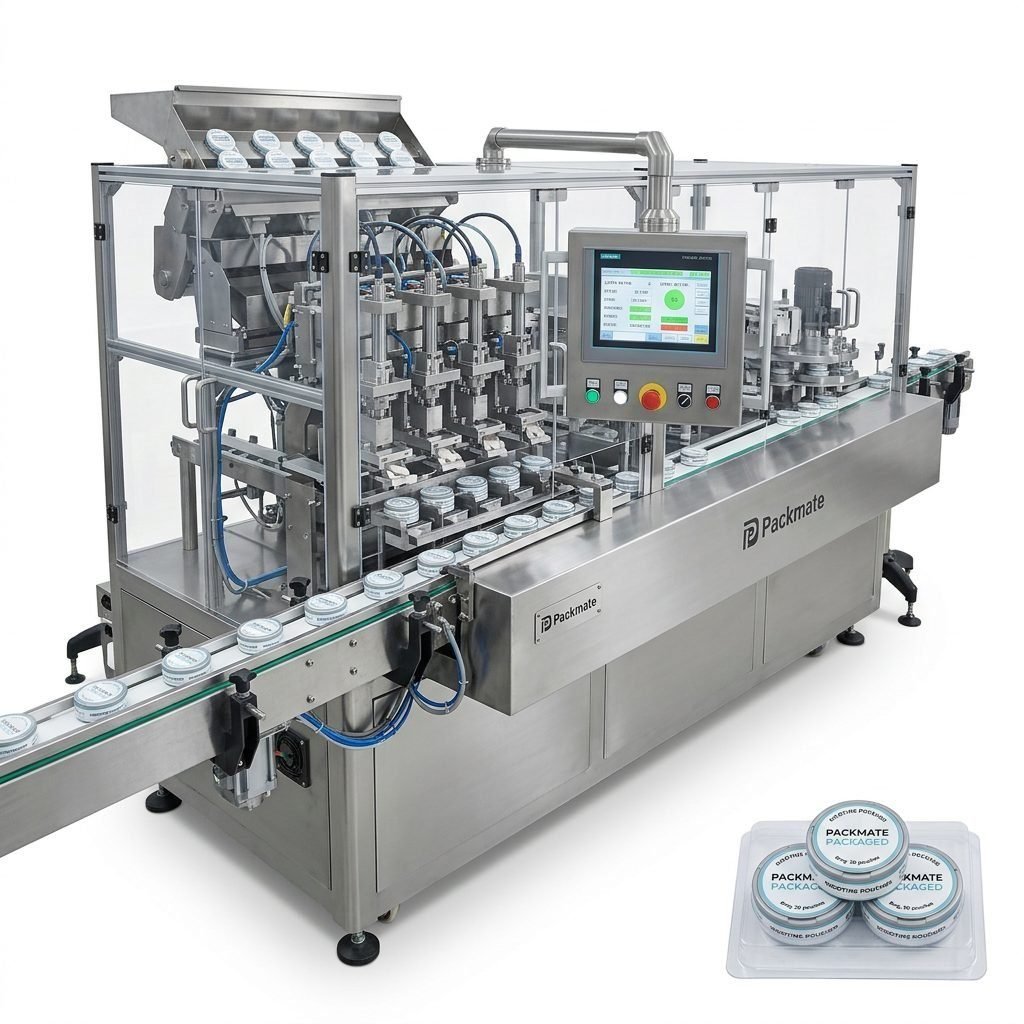
Snus & Nicotine Pouch Packaging Machines
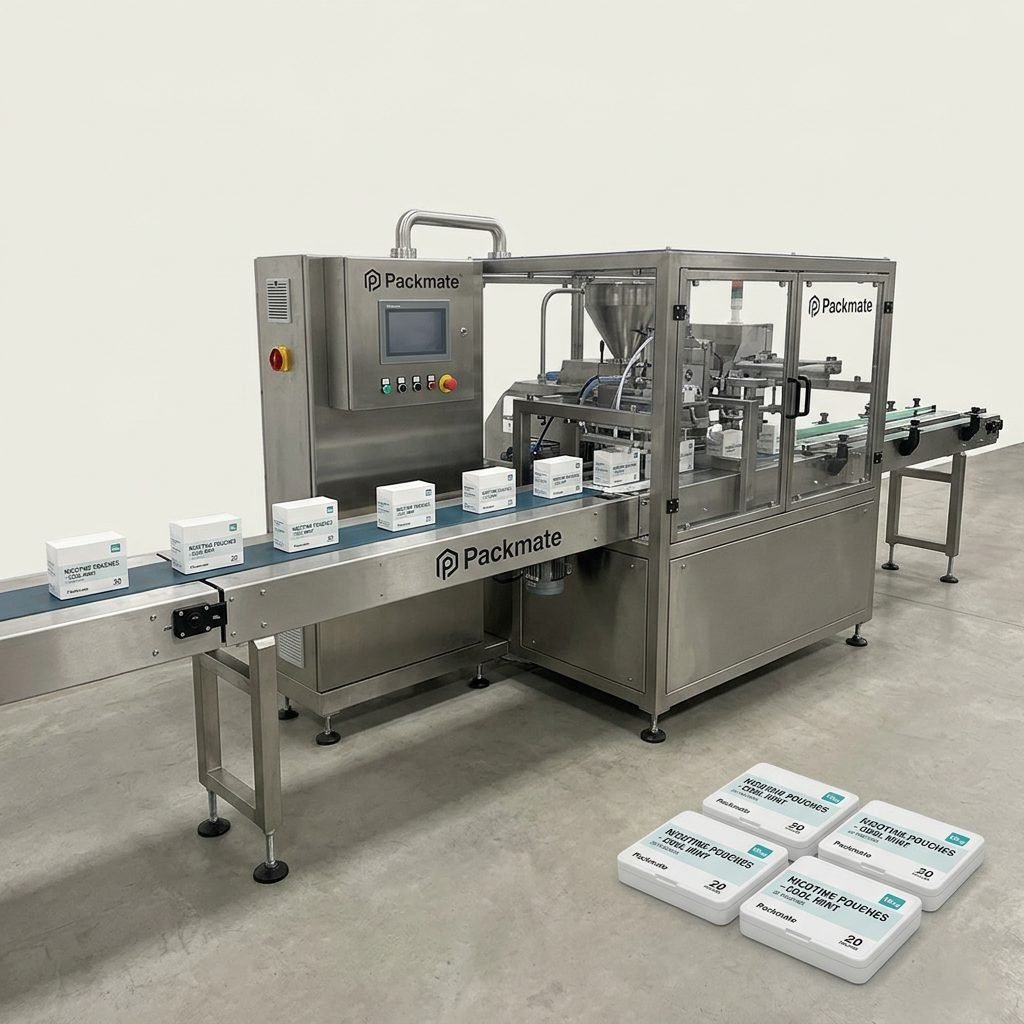
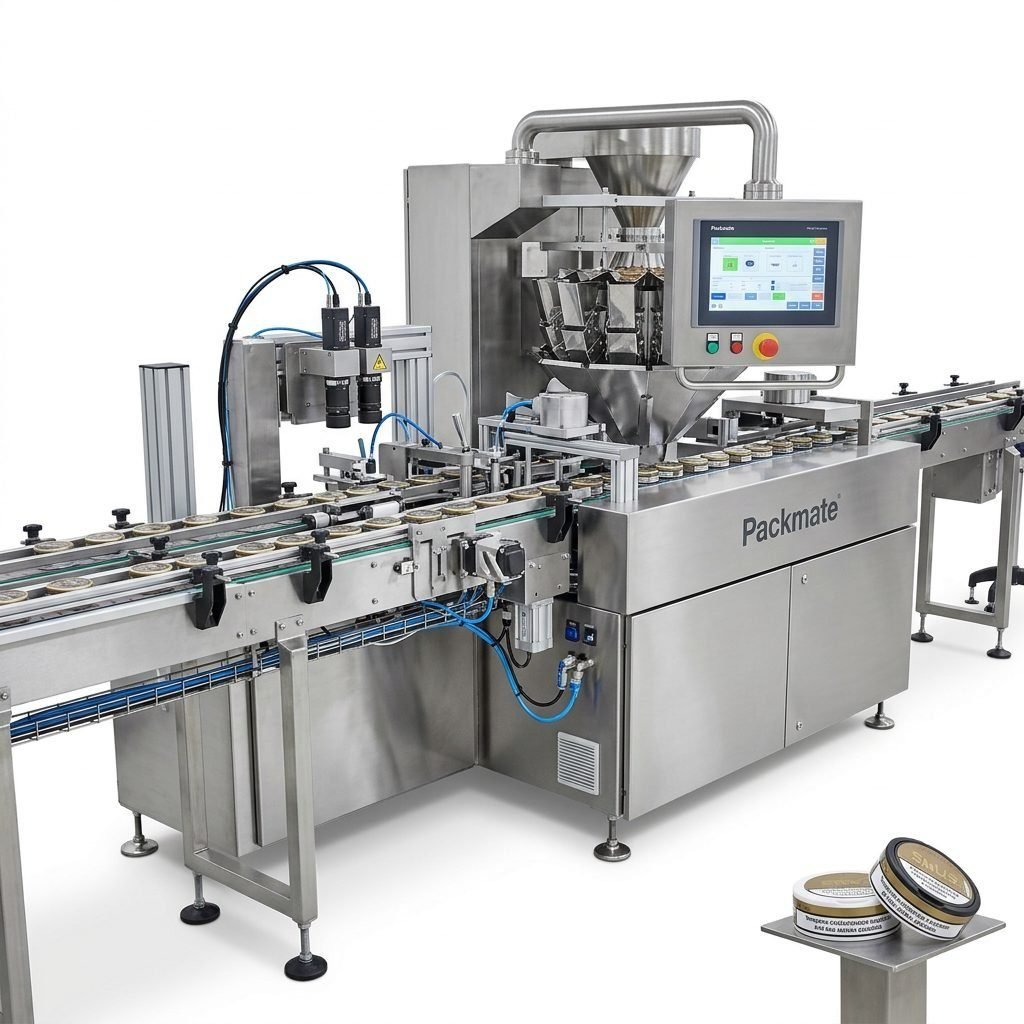
These machines are engineered for small-dose pouches with high precision and gentle handling to preserve powder or pouch integrity. For companies focused on nicotine pouches or snus, a specialized pouch machine provides accurate dosing and consistent sealing. Refer to detailed solutions at
Snus & Nicotine Packaging Machines.
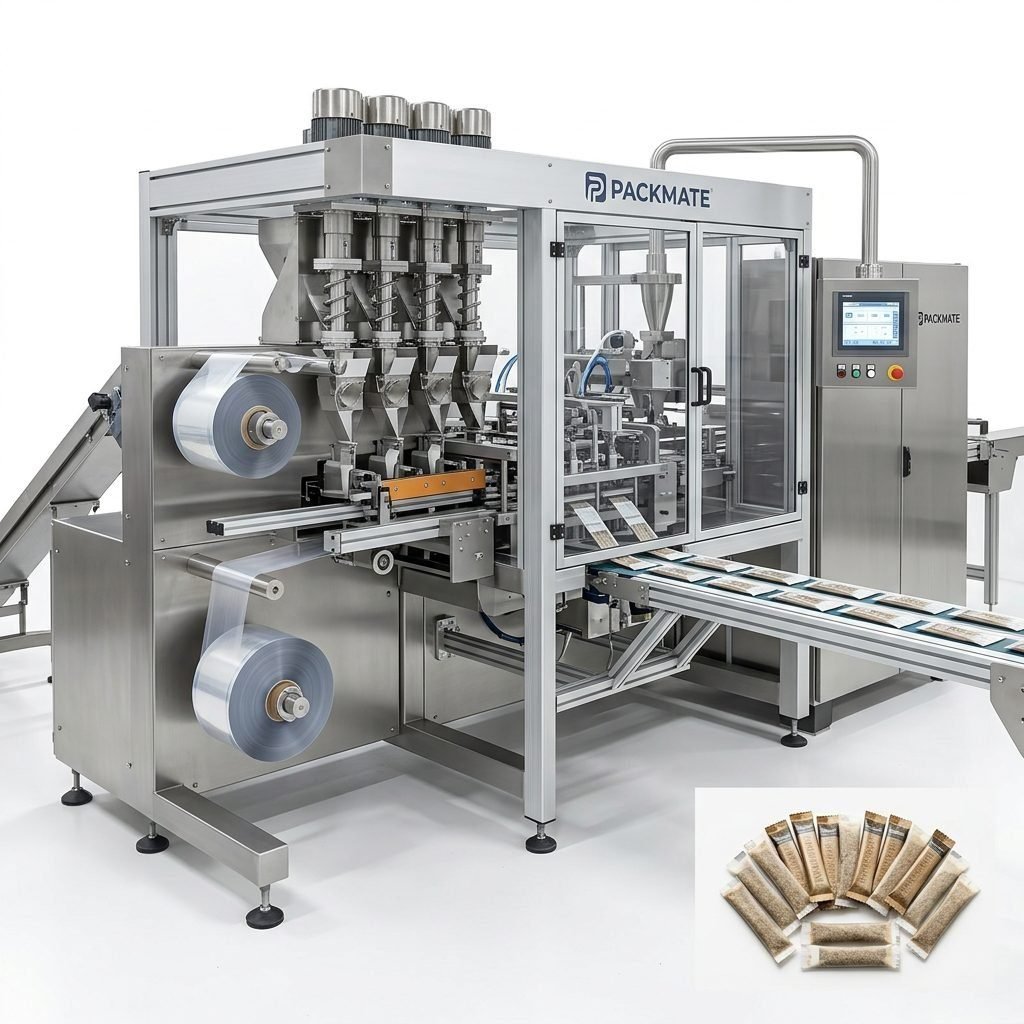
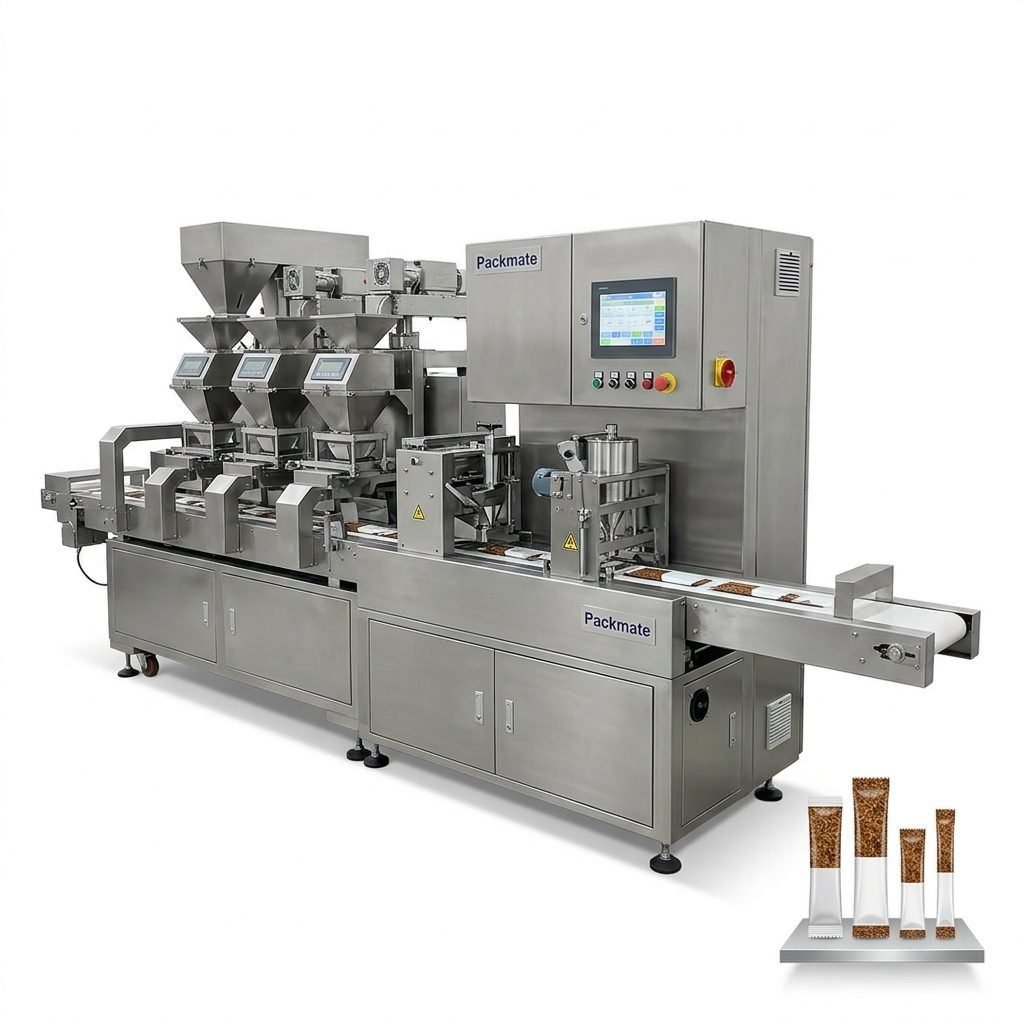
Sachet & Stick Pack Machines
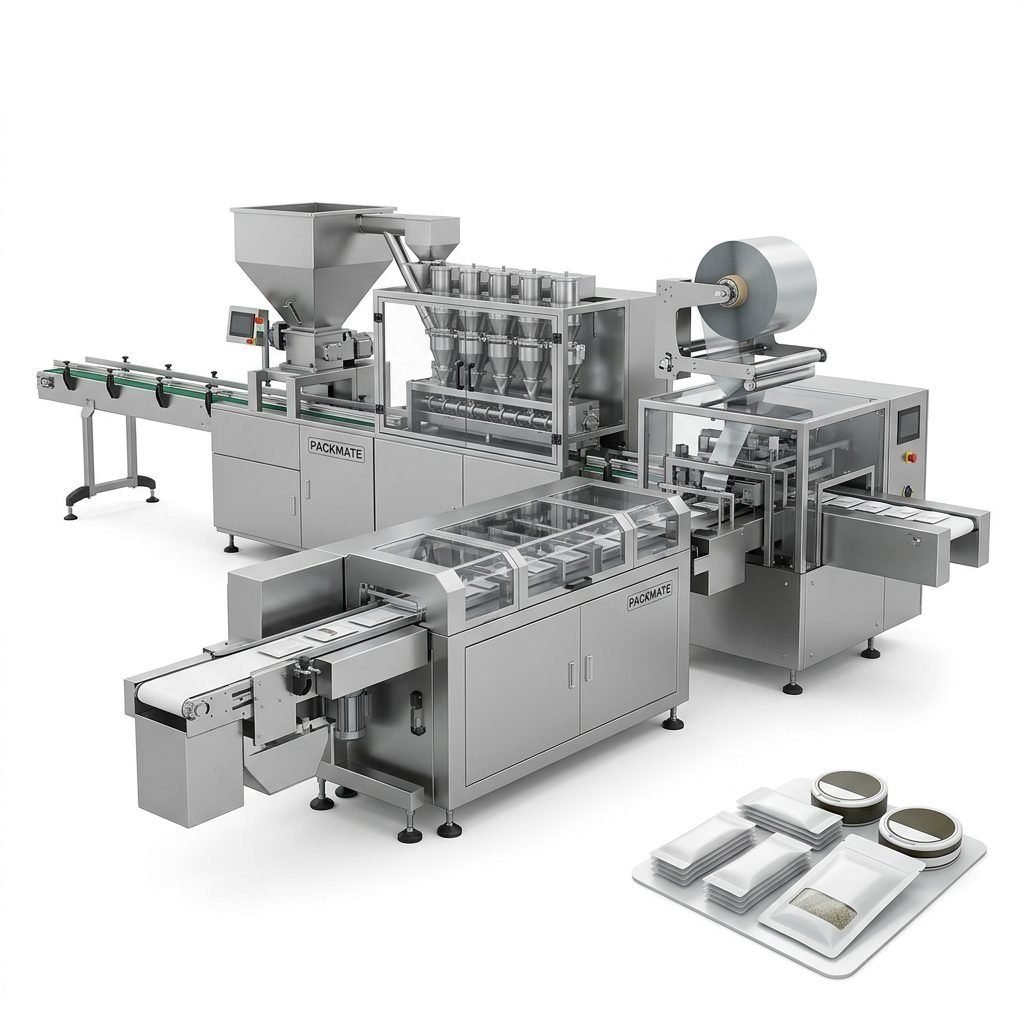
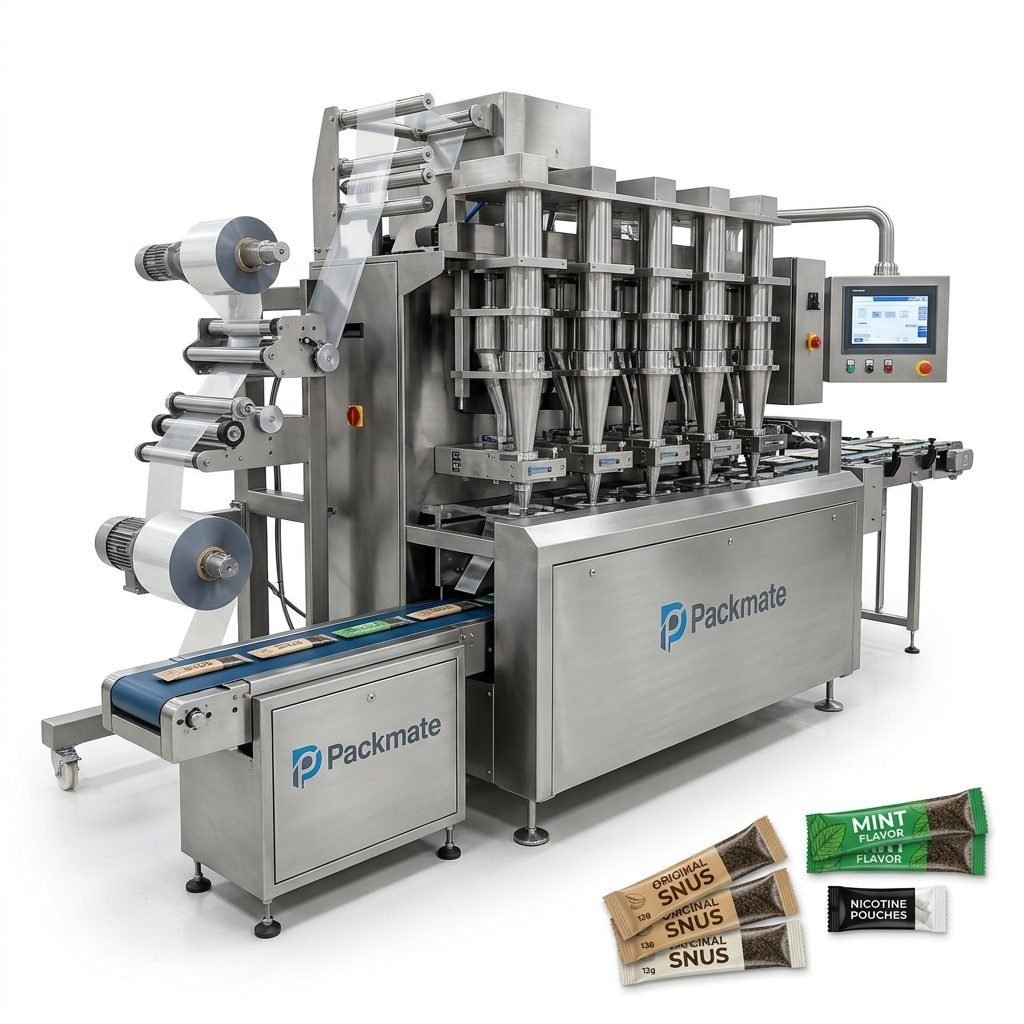
Stick packs and sachets are excellent for single-serve marketing. Stick pack machines and sachet fillers offer fast line speeds and compact footprints — useful in island facilities with limited floor space. Explore models and configurations at
Sachet & Stick Pack Machines.
Multi-lane & High-Speed Lines
If you expect rapid growth or export volumes, multi-lane systems deliver the throughput needed to reach higher capacity targets. They are more complex, require better maintenance capabilities, and benefit from local technical training.
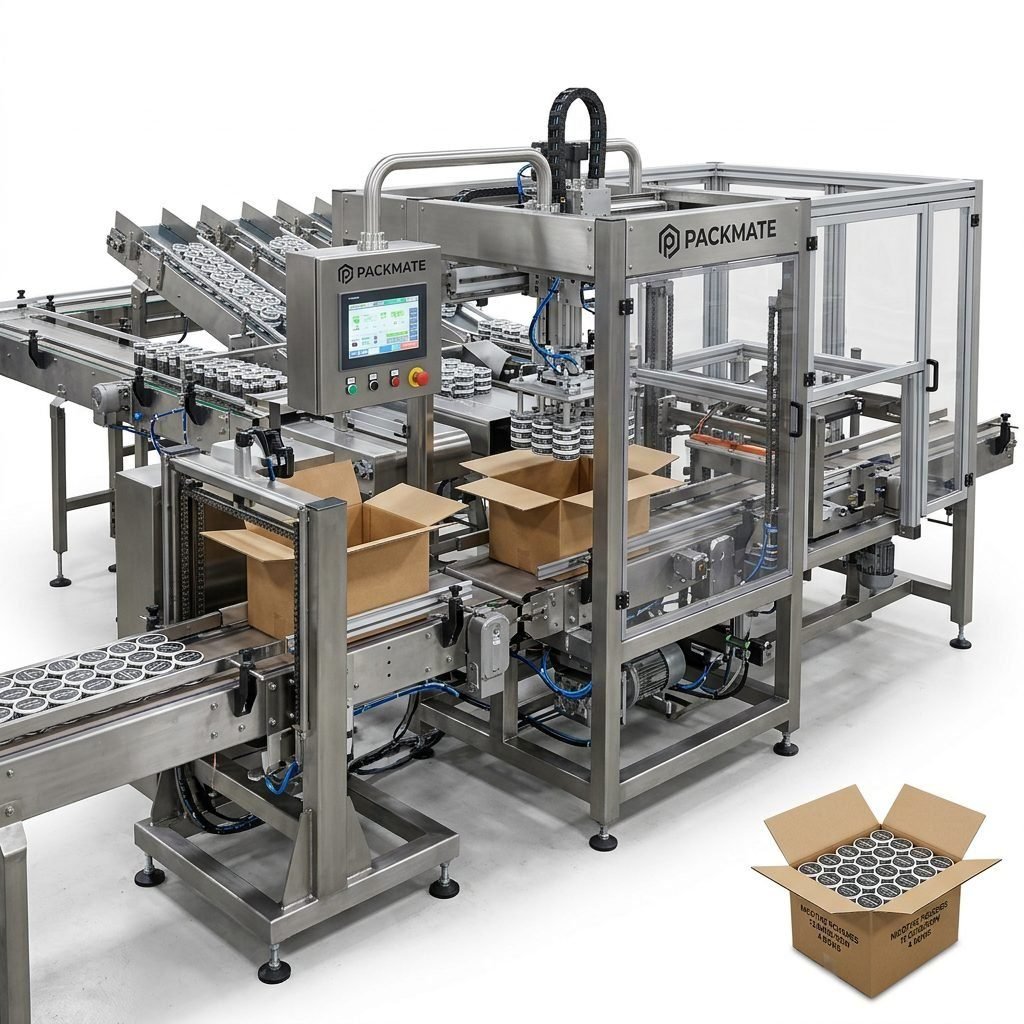
Auxiliary Equipment & Weighing Systems
Accurate dosing, conveying, labeling and quality inspection all matter. Invest in compatible auxiliary systems — plugs for your main line and spare modules make on-island repairs simpler. Check options at
Auxiliary Packaging Equipment and
Weighing & Packaging Systems.
Note: for Micronesia, prioritize compact, modular lines that can be shipped in smaller containers and reassembled locally.
⚖️ Capacity Planning and ROI Considerations
Estimate realistic output targets and calculate total cost of ownership. Include machine cost, installation, freight to Micronesia, customs, local taxes, and spare parts logistics. Machines with better energy efficiency and fewer consumables typically yield faster ROI on islands where supply runs are expensive.
Practical checklist for ROI:
– Forecast volumes for 12, 24, and 36 months.
– Include downtime estimates and spare part lead times.
– Compare local labor costs versus automation level — sometimes semi-automatic machines are preferable if skilled technicians are scarce.
🔍 Regulatory Compliance and Certifications
Ensure machines and production lines comply with international standards such as CE and ISO — this helps with export approvals and buyer confidence. A reputable manufacturer will provide testing documentation and support for product traceability and labeling features. Packmate highlights compliance and certifications on their site:
Certificate.
🛠️ Service, Training, and Spare Parts — Critical for Islands
On remote islands, service response times are a major concern. Choose a supplier who offers:
– Remote support and clear troubleshooting guides.
– Local training for your operators and maintenance staff.
– Availability of critical spare parts and modular components that can be shipped quickly. Consider suppliers that maintain international warehouses or fast shipping channels.
Pro tip: negotiate a spare-parts kit with your order and request a remote commissioning plan to reduce on-site installation time.
🧪 Packaging Materials, Shelf Life and Climate
High humidity and heat accelerate product degradation. Select barrier films and pouches that protect nicotine pouches from moisture and oxidation. Your packaging machinery must be compatible with chosen materials — some films require higher sealing temperatures or longer dwell times.
Work with suppliers that can test seal integrity and provide material recommendations for tropical climates. Packmate’s packaging solutions work across powders, granules and liquids, and they can advise on material compatibility:
Bag & Pouch Packaging Machines.
🔁 Quality, Traceability and Production Control
Implement quality control systems that track batch codes, sealing temperatures, weight checks, and rejection logs. Inline metal detectors, vision systems and weight-checkers reduce the risk of non-compliant products reaching customers. Integrate simple SCADA or MES features if you plan for export markets demanding traceability.
🧭 Steps to Select & Procure the Right Line
Follow a clear procurement path to minimize surprises:
1. Document product formats, target output, and environmental constraints. Include sample materials and expected production schedule.
2. Ask suppliers for performance data, references, and videos of similar machines in operation. Live demonstrations at exhibitions can be helpful — check upcoming events at
Our Exhibition.
3. Request a detailed quote with FOB/FCA shipping options to Micronesia, spare parts list, warranty, and remote support terms.
4. Evaluate installation and commissioning plans. Insist on FAT (Factory Acceptance Test) videos or visits, and a clear SAT (Site Acceptance Test) plan for on-island commissioning.
🤝 Choosing a Supplier: What to Expect
A dependable partner provides:
– Clear documentation (manuals, electrical drawings, spare-parts lists).
– On-time delivery and logistics support, including crating and customs paperwork.
– Training programs for operators and maintenance crews.
– After-sales service with remote diagnostics and expedited spare shipments.
Supplier highlight: Packmate (GuangDong) Co., Ltd. has 30+ years of experience and global turnkey solutions; learn more about the company and its capabilities at
About Packmate and review customer cases at
Case.
📝 Installation, Training & Local Regulations
Plan installation around local utilities. Micronesian facilities should verify available voltage, physical foundation for heavy equipment, and layout for ventilation—particularly if your process involves powders or active nicotine handling. Plan operator training to include hygiene, safe handling procedures, and routine maintenance checklists.
✅ Final Checklist Before You Buy
Buy only when you can answer YES to:
• Is the machine compatible with our pouch or film material?
• Has the supplier demonstrated similar machines on video or at an exhibition?
• Are spare parts and training included or available?
• Does the total landed cost (machine + shipping + customs + installation) fit our ROI model?
• Is there remote support and documented FAT/SAT processes?
📣 Where to Get More Help
For detailed machine options, technical specifications and turnkey packaging lines, visit the manufacturer’s product pages:
– Snus & Nicotine Packaging Machines
– Sachet & Stick Pack Machines
– Auxiliary Packaging Equipment
– For direct inquiries and quotes, contact the sales team at
Contact Us.
🏁 Conclusion
Selecting the right nicotine packaging machinery for Micronesia means aligning product format, throughput goals, climate resilience, and after-sales support. Prioritize corrosion-resistant designs, modular lines for easier shipping and installation, and suppliers who offer remote commissioning, training, and fast spare-part channels. With careful planning you can establish a reliable, efficient production line that meets local needs while remaining export-ready.
Frequently Asked Questions
Q1: What machine type is best for small island facilities with low volumes?
A1: Semi-automatic or single-lane pouch machines are often best — they require less floor space, lower initial investment, and are easier to maintain locally.
Q2: How important is climate resistance in machine selection for Micronesia?
A2: Very important — prioritize stainless components, protective coatings, and regular maintenance plans due to salty air and high humidity.
Q3: Should I buy multi-lane machines if I plan to grow quickly?
A3: If you have reliable maintenance resources and predictable export demand, multi-lane systems deliver better per-unit costs. Otherwise, start modular and upgrade as demand grows.
Q4: What documentation should the supplier provide before shipment?
A4: FAT reports or videos, electrical and pneumatic drawings, spare parts list, operator manuals, and a commissioning plan for SAT.
Q5: Where can I see real examples of lines and get vendor support?
A5: Visit product pages and case studies for live demos and contact suppliers for quotes; Packmate’s product and case pages are good starting points—see
Filling & Packaging Lines and
Case.