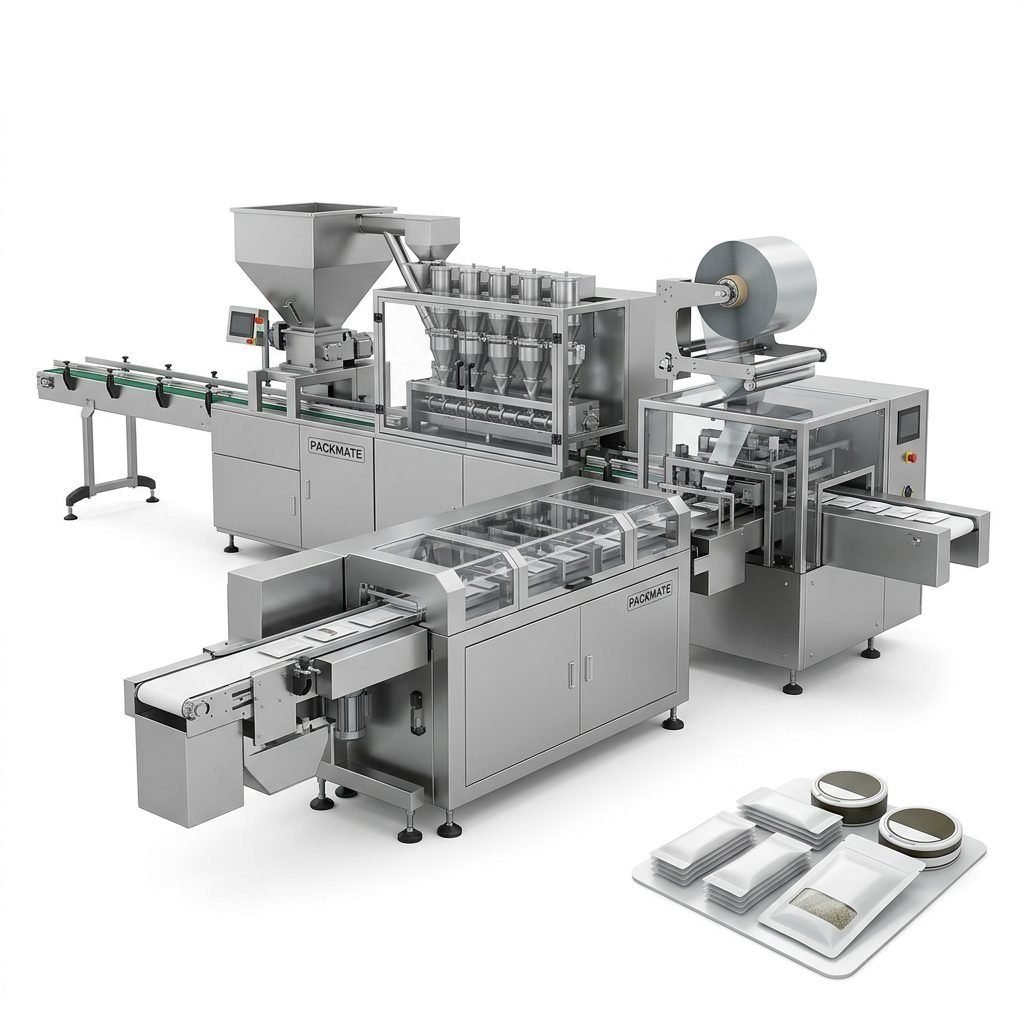
Choosing the right snus packaging machine supplier in Germany requires more than comparing prices. It involves assessing machine performance, regulatory compliance, after-sales service, and the supplier’s experience in nicotine pouch packaging. This buyer’s guide offers practical tips to help German buyers — from startups to established tobacco and nicotine product manufacturers — select a supplier who delivers reliable, compliant, and high-efficiency snus packing solutions.
Understand the German & EU market context
Germany and the wider EU market impose specific regulatory and consumer expectations. While snus is traditionally associated with Scandinavia, nicotine pouches and related products are gaining attention across Europe. German buyers should pay attention to:
✔️ Regulatory compliance: Ensure the machine and supplier understand EU tobacco and nicotine product regulations, CE marking, and documentation for cross-border shipments.
✔️ Hygiene & materials: Stainless steel contact parts, food-grade gaskets, and cleanable designs meet strict hygiene expectations in Germany’s regulated manufacturing environments.
✔️ Precision & efficiency: German buyers value robust engineering and reproducible output — pay attention to machine stability, accuracy, and uptime.
Cultural buying tips for Germany
Business practices in Germany emphasize punctuality, clear documentation, and technical detail. When evaluating suppliers:
- Request detailed technical specifications and maintenance manuals in English and German where possible.
- Schedule virtual or on-site demonstrations — Germans expect to verify claims through testing and data.
- Confirm delivery schedules and clear timelines; reliability matters as much as price.
Key technical factors to evaluate
When comparing snus packaging machines, examine these technical elements carefully to match capacity, format, and product characteristics:
1. Packaging formats & flexibility
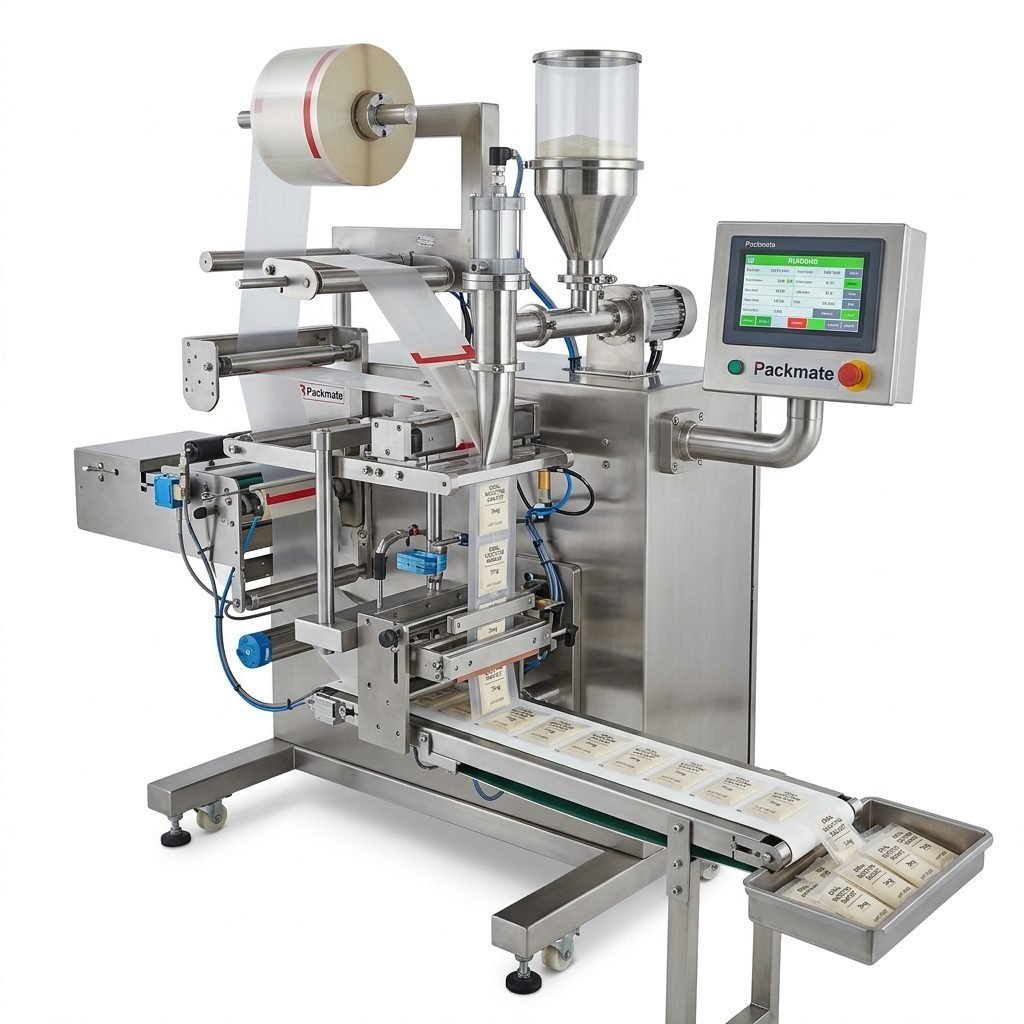
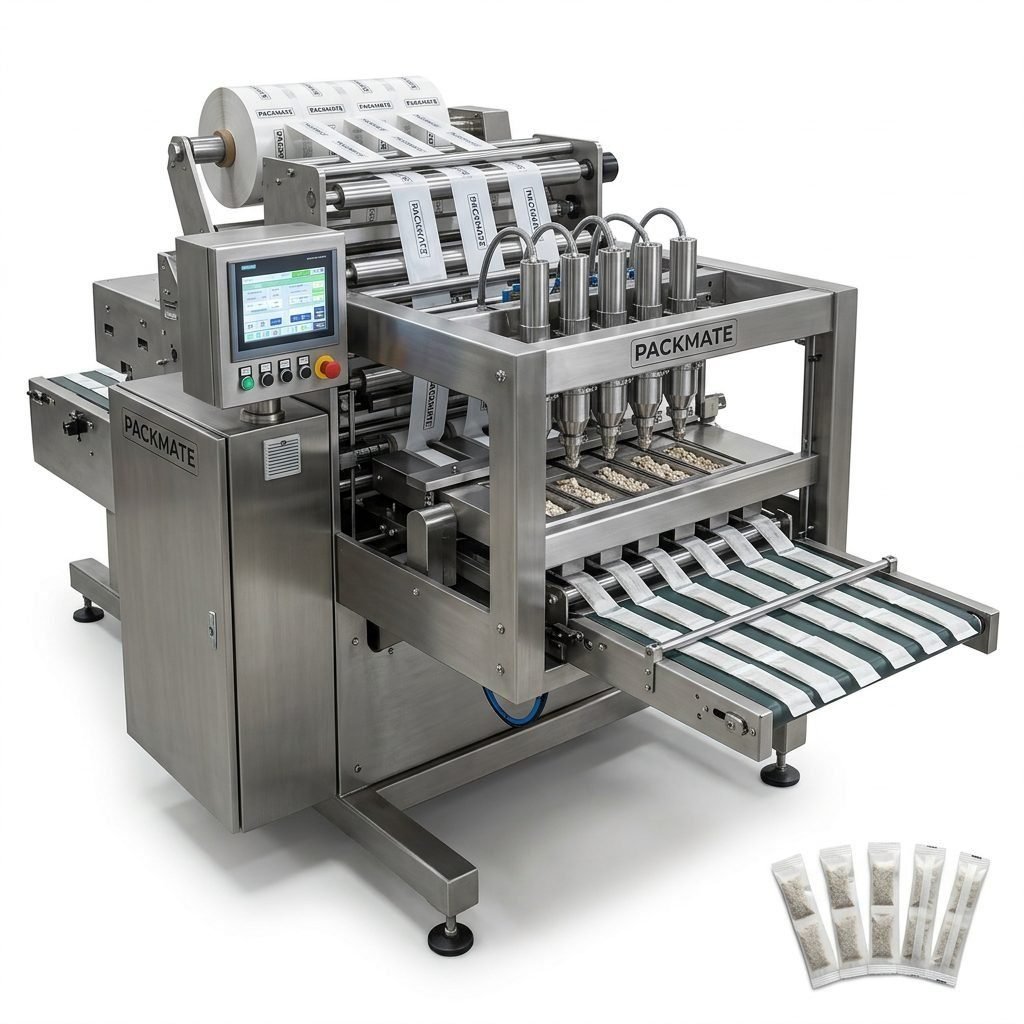
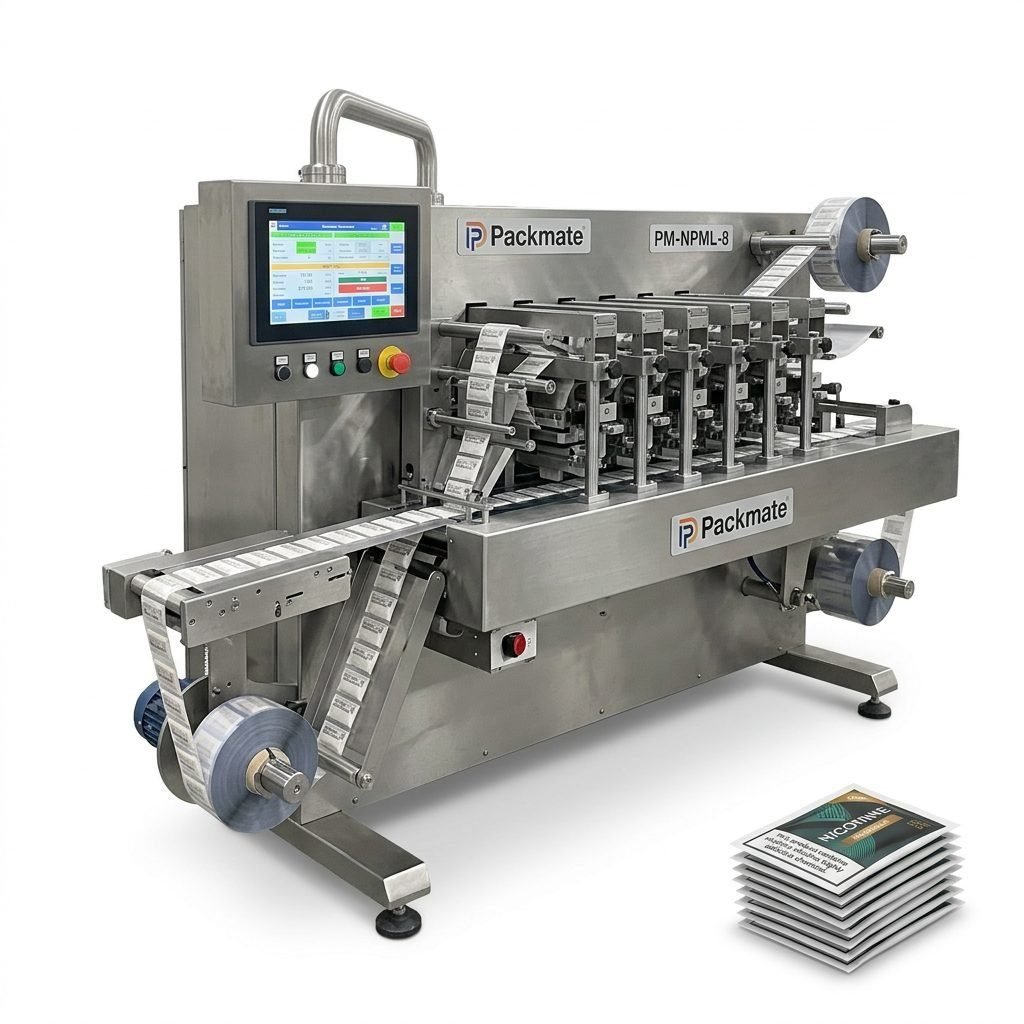
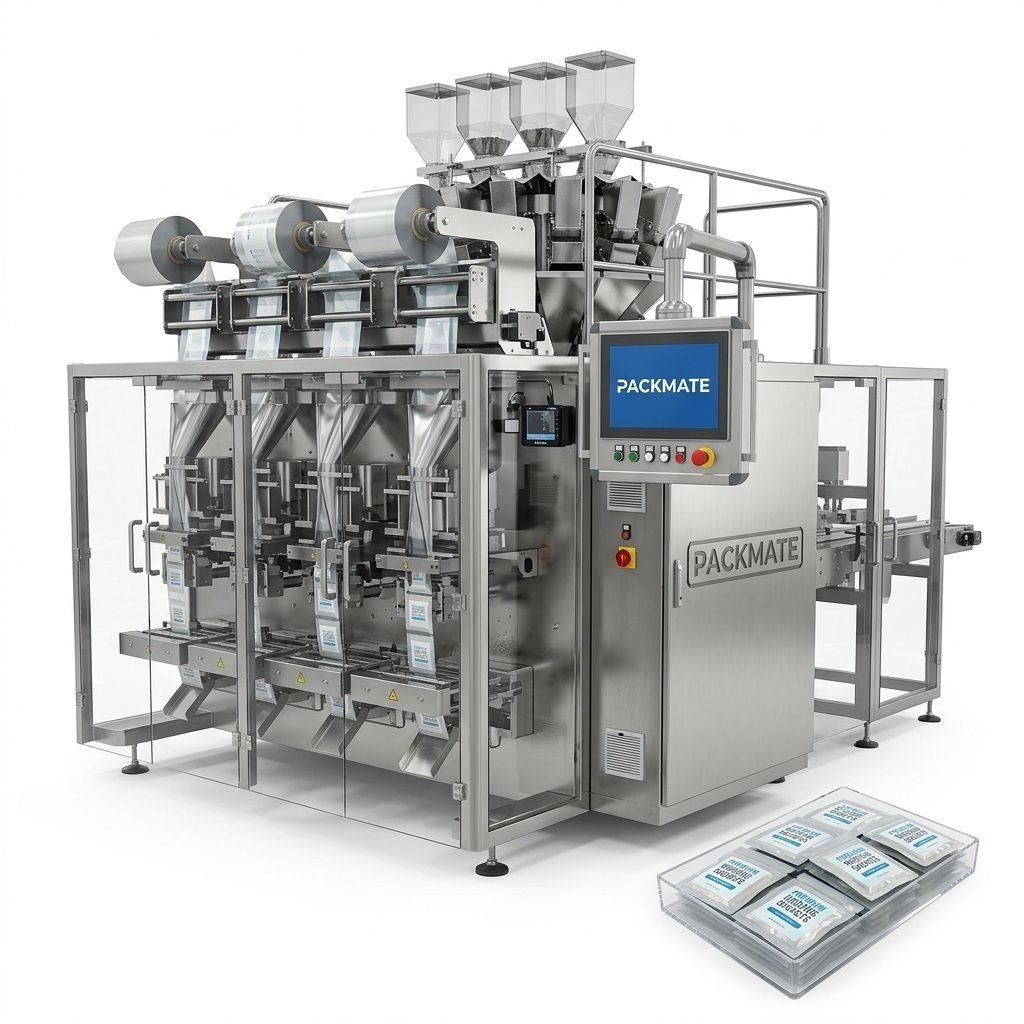
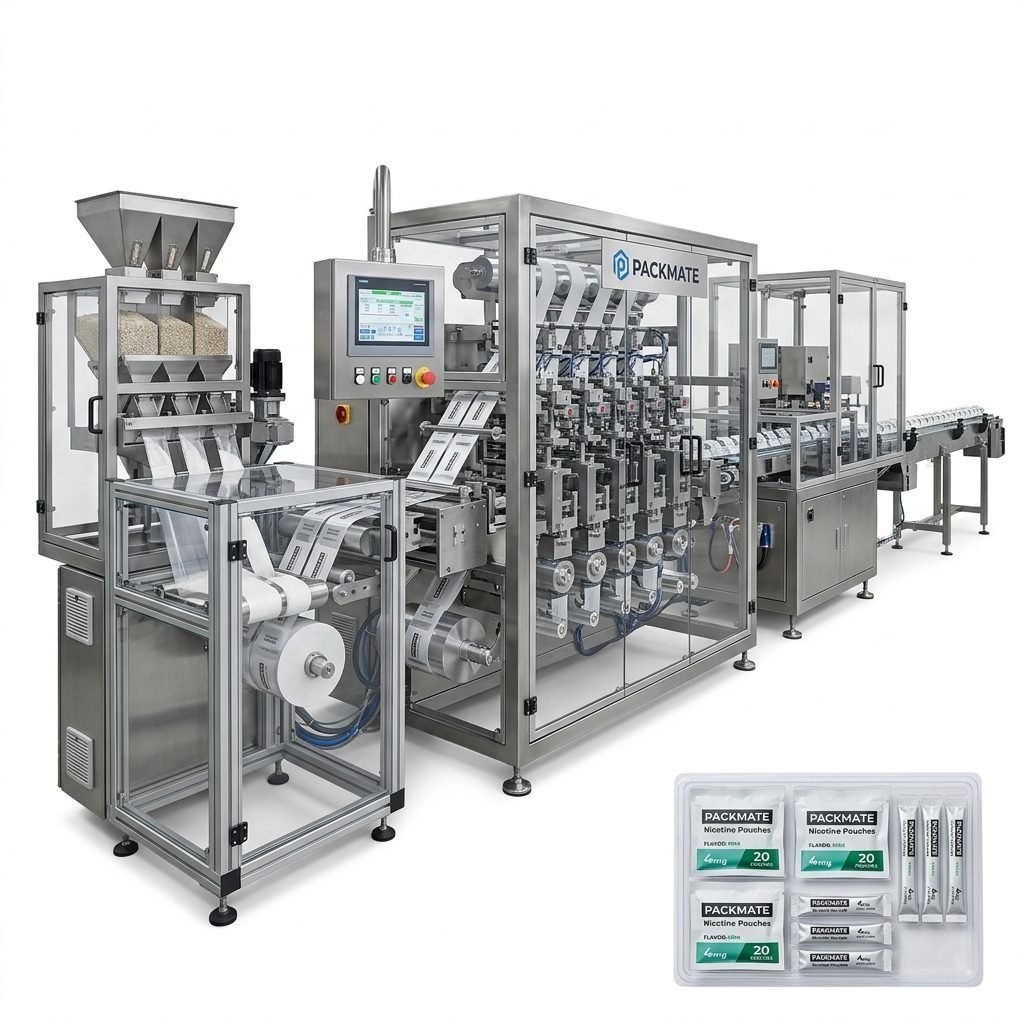
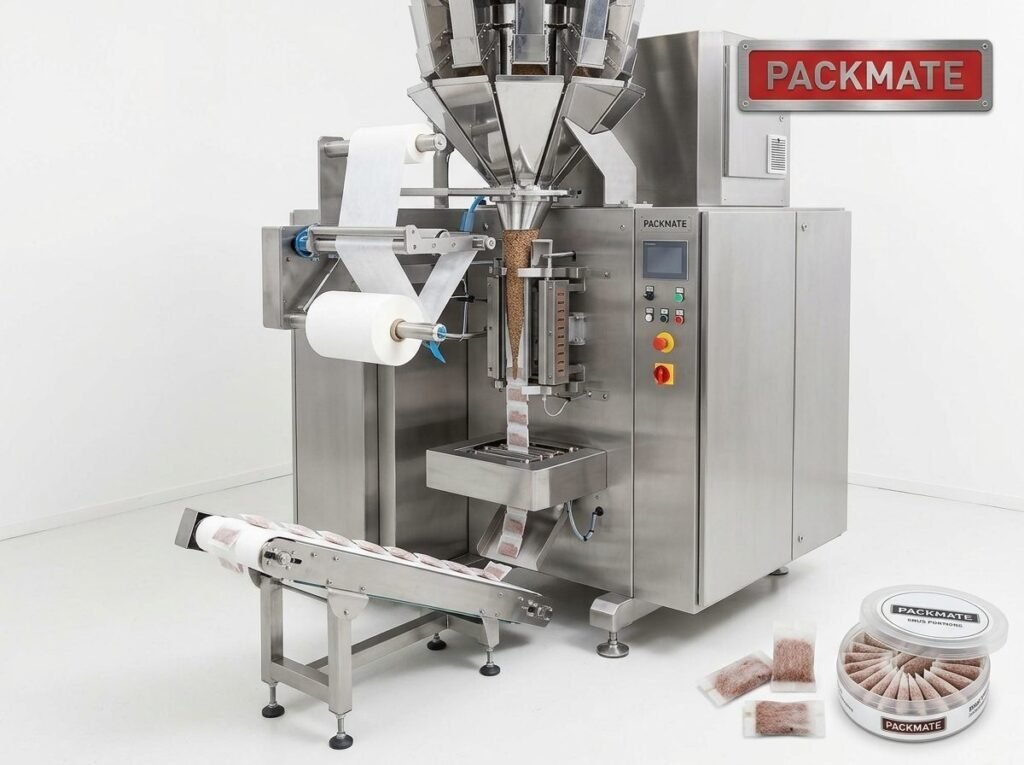
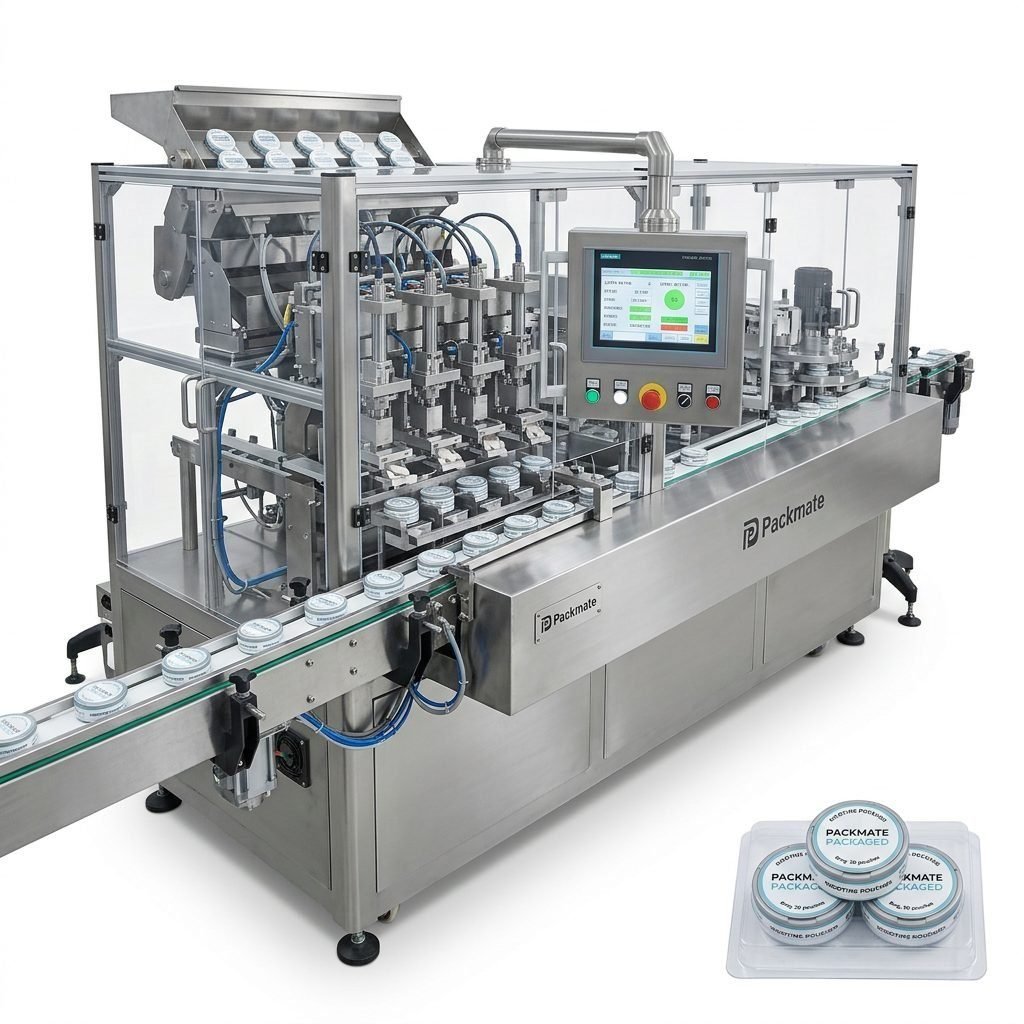
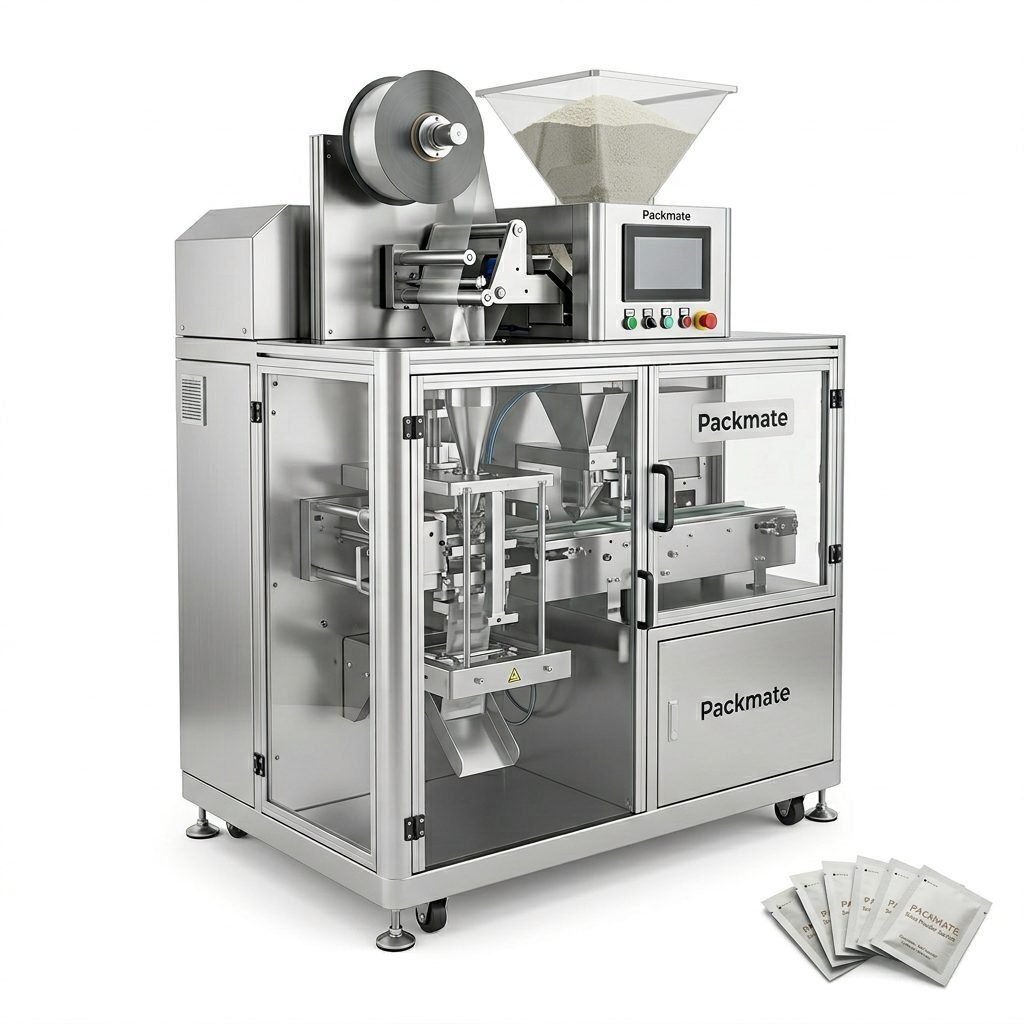
Determine whether you need stick packs, sachets, multi-lane pouches, or specialty nicotine pouch heads. A flexible machine that supports multiple formats reduces the need for multiple machines as product lines expand. If you plan to produce small-dose multi-lane snus pouches, look for precision multi-lane systems and accurate dosing mechanisms.
2. Throughput & scale
Match machine throughput to your production targets. Suppliers usually specify rates in packs per minute or pouches per minute. Remember that real-life throughput depends on product formulation, pouch size, and changeover frequency. Prioritize machines with stable speeds under load rather than peak lab figures.
3. Dosing accuracy & product handling
Nicotine pouches demand consistent dosing. Evaluate the filling technology (volumetric, gravimetric, or custom weighers) and ask for tolerance data. For powders or moist snus, gentle handling and anti-clogging features are essential to maintain yield and hygiene.
4. Changeover & format parts
Fast, intuitive changeovers reduce downtime when switching pouch sizes or flavors. Ask if format parts are standardized, how many spare parts are required, and whether changeover tools and instructions are provided.
Quality, certifications and factory capability
Quality assurance goes beyond machine build — it includes factory processes, certifications, and traceability.
⚙️ Certifications to request: CE, ISO quality management certificates, and any factory test reports proving compliance with EU safety and electrical standards.
🏭 Factory capabilities: Look for CNC machining centers, documented assembly procedures, and a clean assembly area. A 20,000㎡ facility with precision assembly and testing lines is a strong indicator of production capacity.
After-sales support & spare parts
After-sales service is critical for continuous operation. German manufacturers and OEMs typically insist on:
- Clear warranty terms and service-level agreements.
- Availability of spare parts in Europe or fast shipping options.
- Remote diagnostics, training, and on-site commissioning support.
Practical procurement checklist
Use this checklist during supplier evaluation and negotiation:
• Request machine performance data: uptime, average throughput with similar products, and accuracy reports.
• Factory audit: Verify production capacity, CNC equipment, quality control, and assembly lines.
• References and case studies: Ask for EU references and performance cases that match your product profile.
• Spare parts & logistics: Lead times for critical spare parts and recommended stock levels.
• Service & training: On-site commissioning, operator training, and remote support availability.
Costs, ROI and financing considerations
Compare total cost of ownership (TCO) rather than just the purchase price. TCO includes energy use, spare parts consumption, labor needs for operation and maintenance, and expected uptime. Higher initial investment in a robust machine often translates into better long-term ROI through lower downtime and maintenance costs.
TCO tips
Negotiate warranties and consider service contracts. Ask your supplier for energy consumption numbers, recommended preventive maintenance intervals, and expected mean time between failures (MTBF).
Why Packmate and what to verify
Suppliers such as Packmate Snus Machine bring decades of R&D and a wide model range to the table. When evaluating Packmate or similar manufacturers, confirm:
- Factory scale and machine variety — 50+ machine models and custom turnkey lines indicate versatility.
- Certifications like CE and ISO, plus third-party testing results.
- Documented case studies and exhibition presence in Europe (exhibitions show commitment to international markets).
Explore product lines and solutions directly:
Snus & Nicotine Packaging Machines ·
Case Studies ·
About Packmate
Site acceptance testing & commissioning
Insist on a formal FAT (Factory Acceptance Test) and SAT (Site Acceptance Test). FAT verifies machine performance at the manufacturer; SAT verifies installation, interfaces, and integration with your upstream/downstream equipment. Document acceptance criteria and pass/fail metrics before signing off.
Logistics, customs and warranty for Germany
Plan for EU customs clearance and local installation services. Confirm who handles customs, shipping insurance, and whether the supplier provides CE documentation and compliance paperwork required by German authorities.
🚚 Shipping & customs: Clarify Incoterms, transit times, and who is responsible for import VAT and customs brokerage in Germany.
🛠️ Warranty coverage: Get clear definitions of what is covered, response times for on-site repairs, and how spare parts are shipped into the EU.
Making the final decision
Balance technical suitability, TCO, and supplier trust. Favor suppliers that offer:
- Transparent documentation and test data.
- Strong after-sales network and spare part availability.
- Customizable turnkey solutions for scaling up production efficiently.
Additional resources
For deeper research, review product catalogs and technical pages:
Sachet & Stick Pack Machines ·
Service & Support ·
Our Exhibition Appearances
Conclusion
Selecting the best snus packaging machine supplier in Germany means combining technical scrutiny with cultural and regulatory awareness. Prioritize suppliers who demonstrate proven machine performance, CE-compliant production, robust after-sales service, and clear communication. A well-chosen partner will help you scale production, meet regulatory requirements, and maintain consistent product quality.
Common Questions
Q1: How important is CE certification for snus packaging machines purchased for a German factory?
A: Very important — CE demonstrates compliance with EU safety and electrical standards and eases customs clearance.
Q2: Should I prioritize a local European supplier or an experienced overseas manufacturer?
A: Prioritize technical fit, certifications, and reliable after-sales. Experienced overseas manufacturers with local EU support can offer competitive options — verify references and service plans.
Q3: What is the recommended spare parts strategy for snus packaging lines?
A: Maintain a small stock of critical wear parts (seals, belts, dosing components) and ensure fast shipment channels for larger components.
Q4: How long should I expect delivery and commissioning to take?
A: Typical lead times vary by customization and factory backlog; plan for factory acceptance testing, shipping, and local commissioning, often several weeks to months.
Q5: Where can I see real-world examples of snus packaging lines?
A: Review supplier case studies and exhibition demos for live machine demonstrations and performance records.