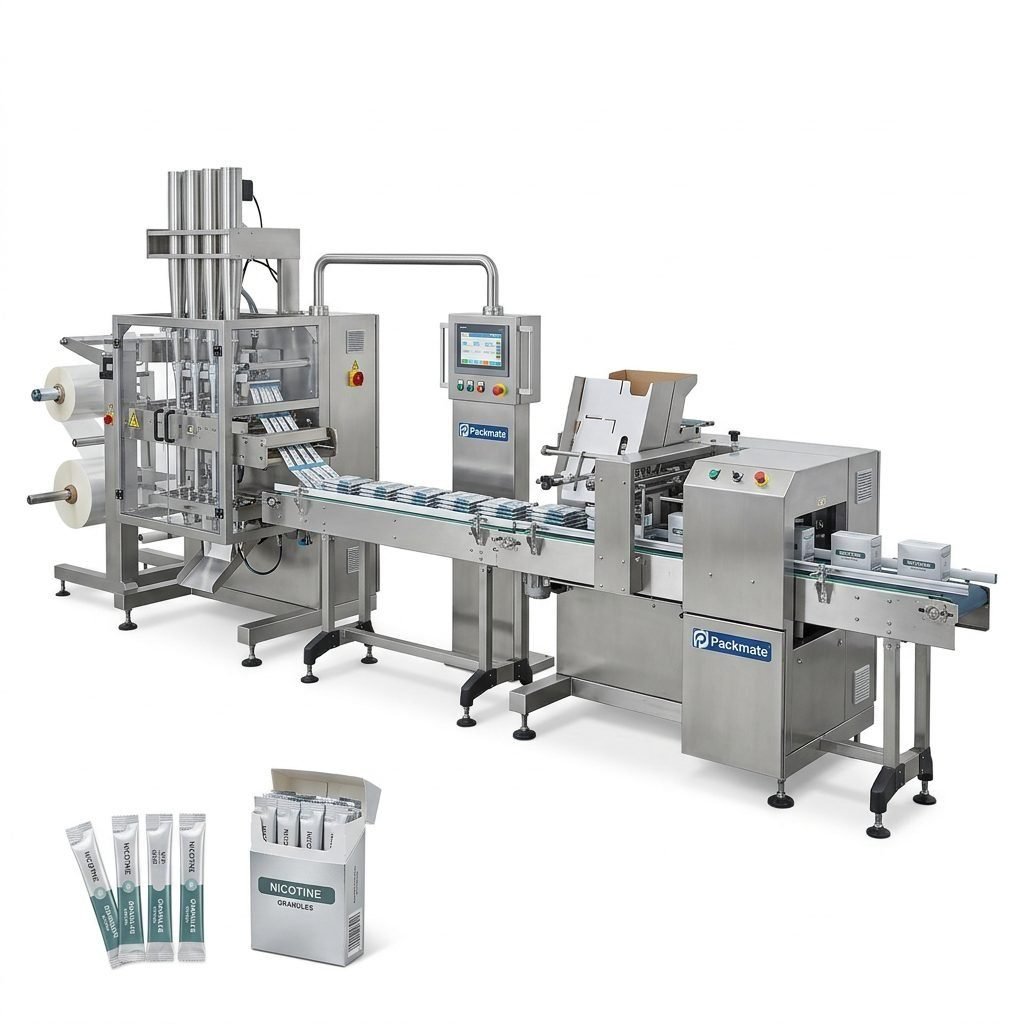
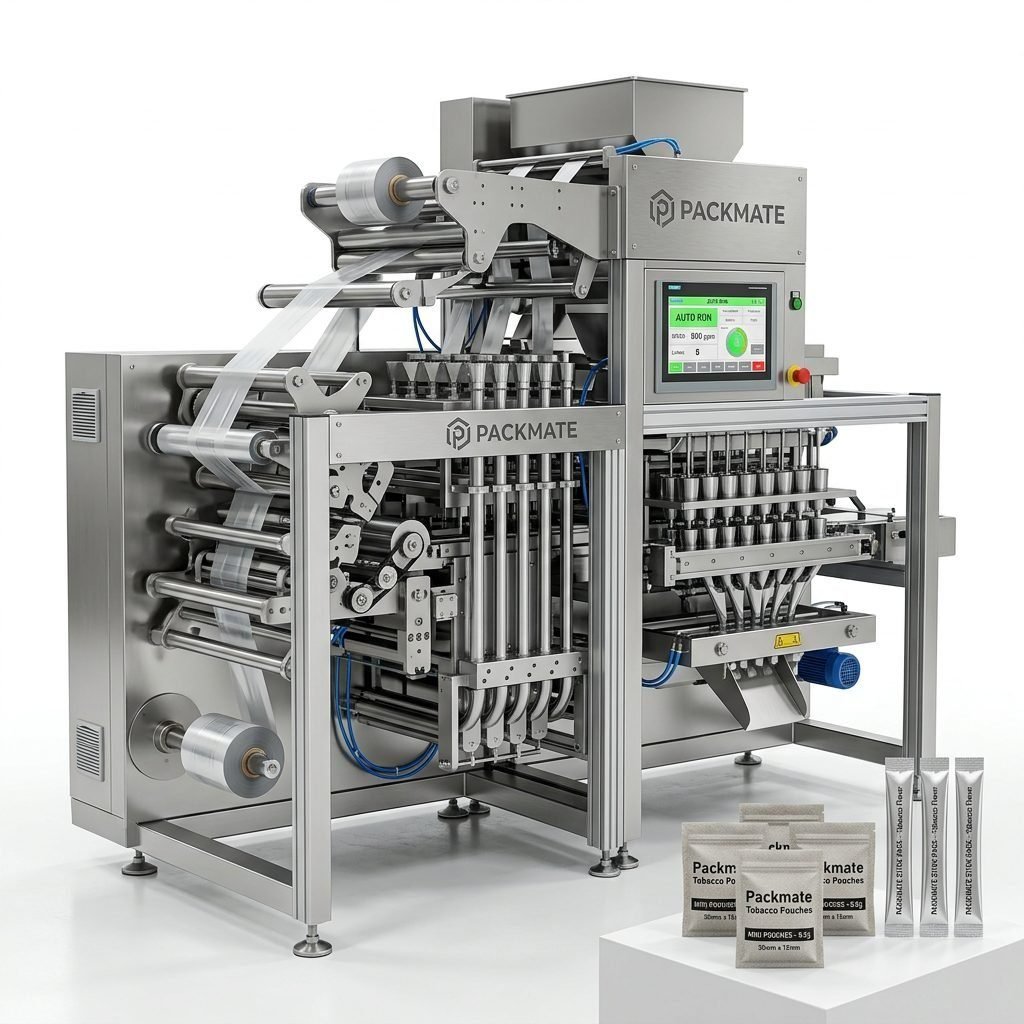
Choosing the right nicotine packaging machinery in Equatorial Guinea requires a practical mix of technical knowledge, local market awareness, and service planning. Whether you’re launching a nicotine pouch brand for Malabo urban consumers or supplying regional distributors around Bata, this guide walks you through every step from regulations and climate considerations to supplier evaluation and installation. Read on for an actionable, localised buyer’s playbook.
1. Know the Equatorial Guinea market and local customs 🔎
Equatorial Guinea is culturally diverse with Spanish as an official language and strong West African trade links. Nicotine pouches and modern snus products are not as widespread as in Europe, but urbanization and younger adult consumer segments are driving interest in discreet, smoke-free nicotine alternatives. Respect for local norms — privacy and conservative public behaviour — means packaging that is compact, discreet and compliant with local labelling laws performs better in retail and informal markets.
Key regulatory and cultural points to research
⚖️ Check import rules — customs procedures in Malabo/Bata can be stringent; ensure documentation for nicotine products is complete.
🏷️ Label language & health warnings — Spanish & French labels are often necessary; design labels to meet national health regulations.
🌡️ Consumer privacy — many users prefer compact, odorless pouches with discreet branding.
2. Select the right machine type for your product & volume ⚙️
Packaging machinery varies by pouch style (round snus pouch, stick pack, sachet), production speed, and automation level. Common options:
Machine categories
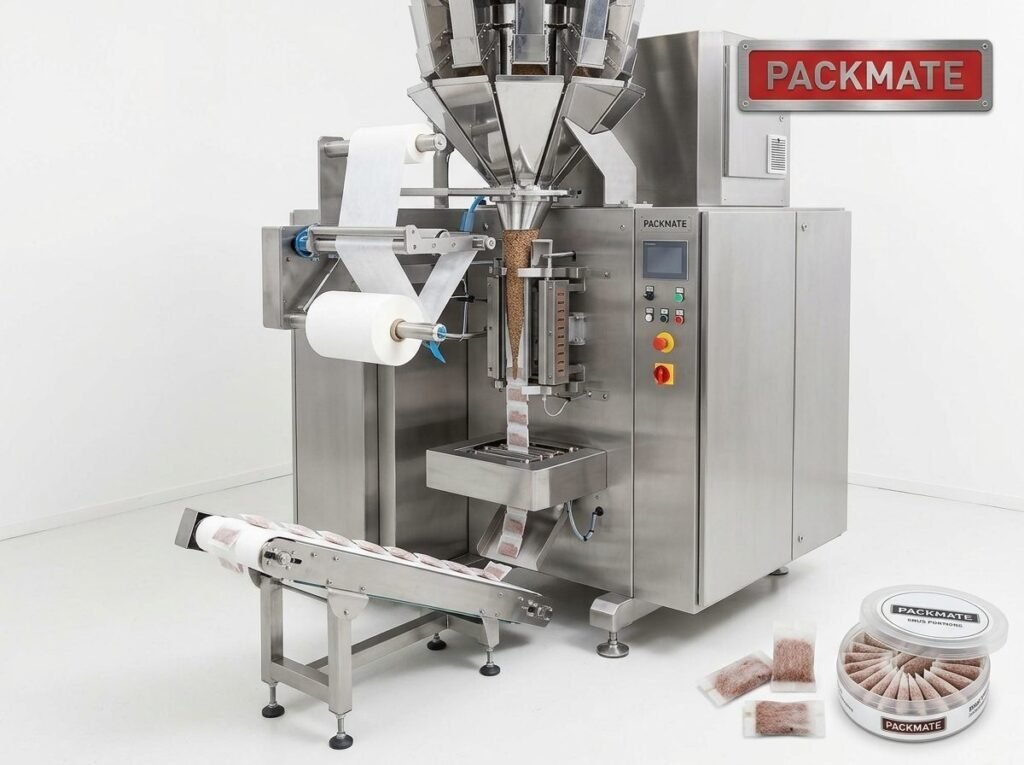
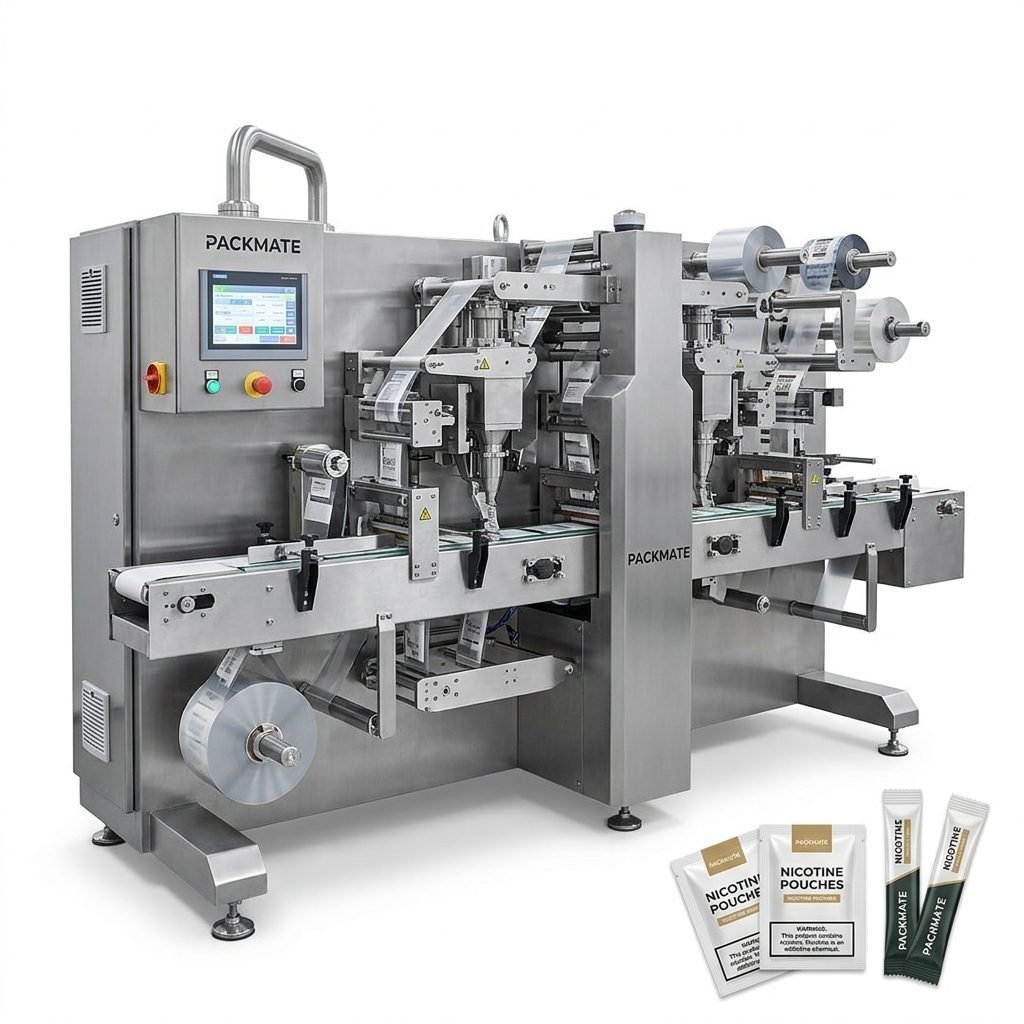
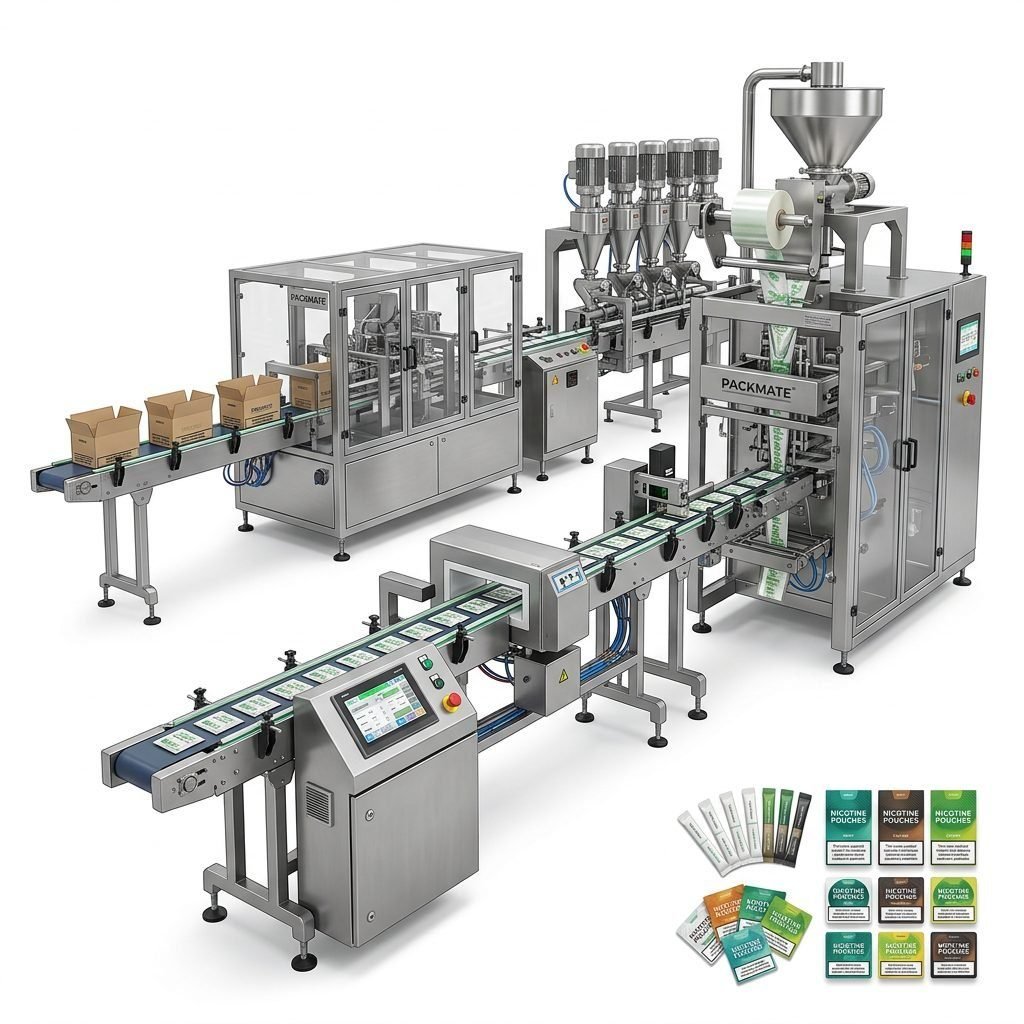
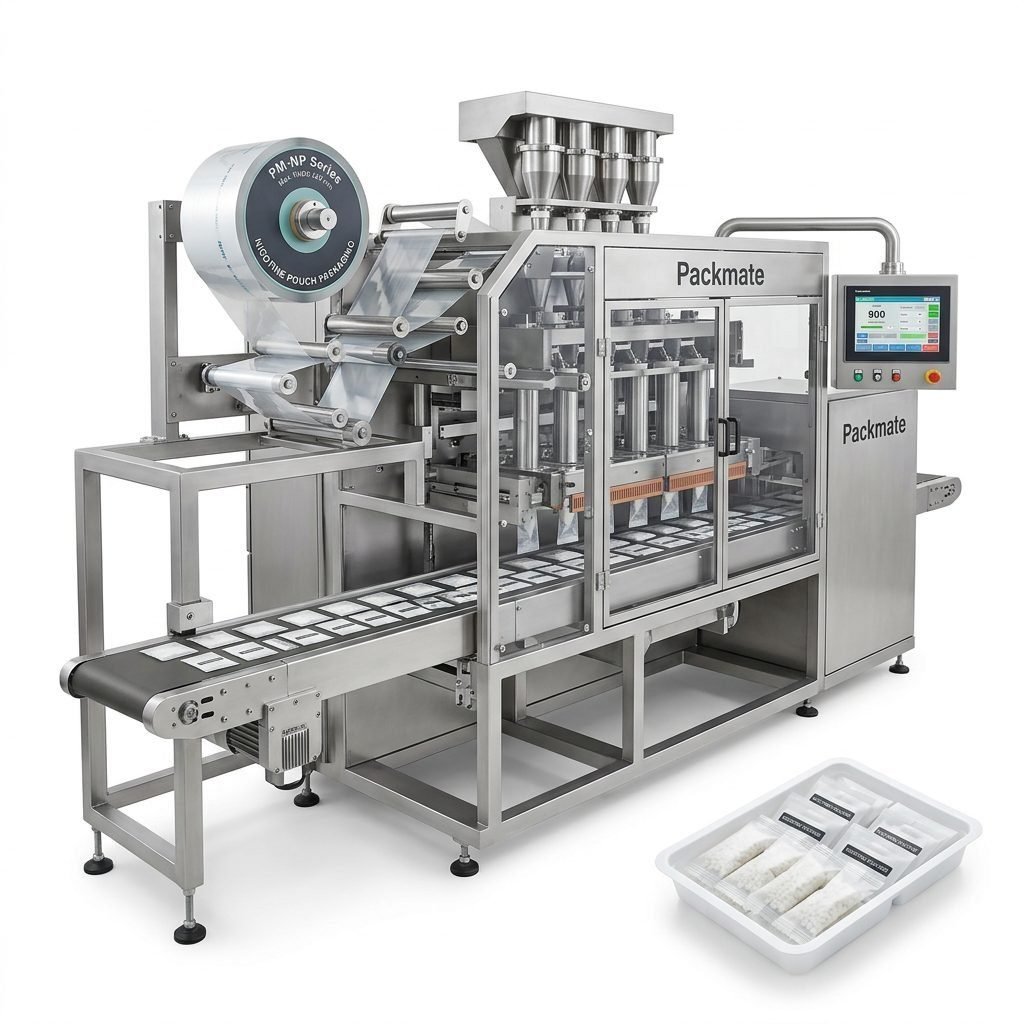
- Snus & Nicotine Packaging Machines — made for multi-lane, precise small-dose pouches (ideal for competitive, export-ready production). See product examples: Snus & Nicotine Packaging Machines.
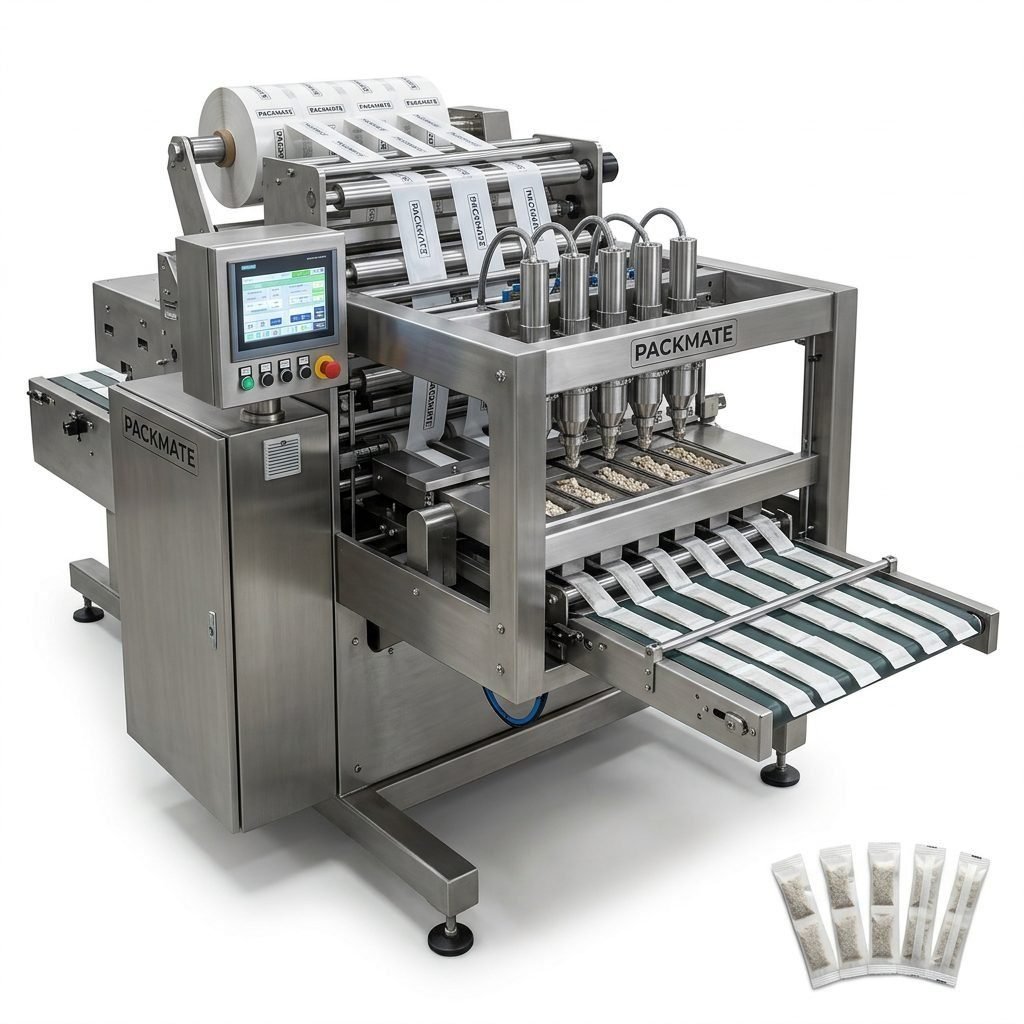
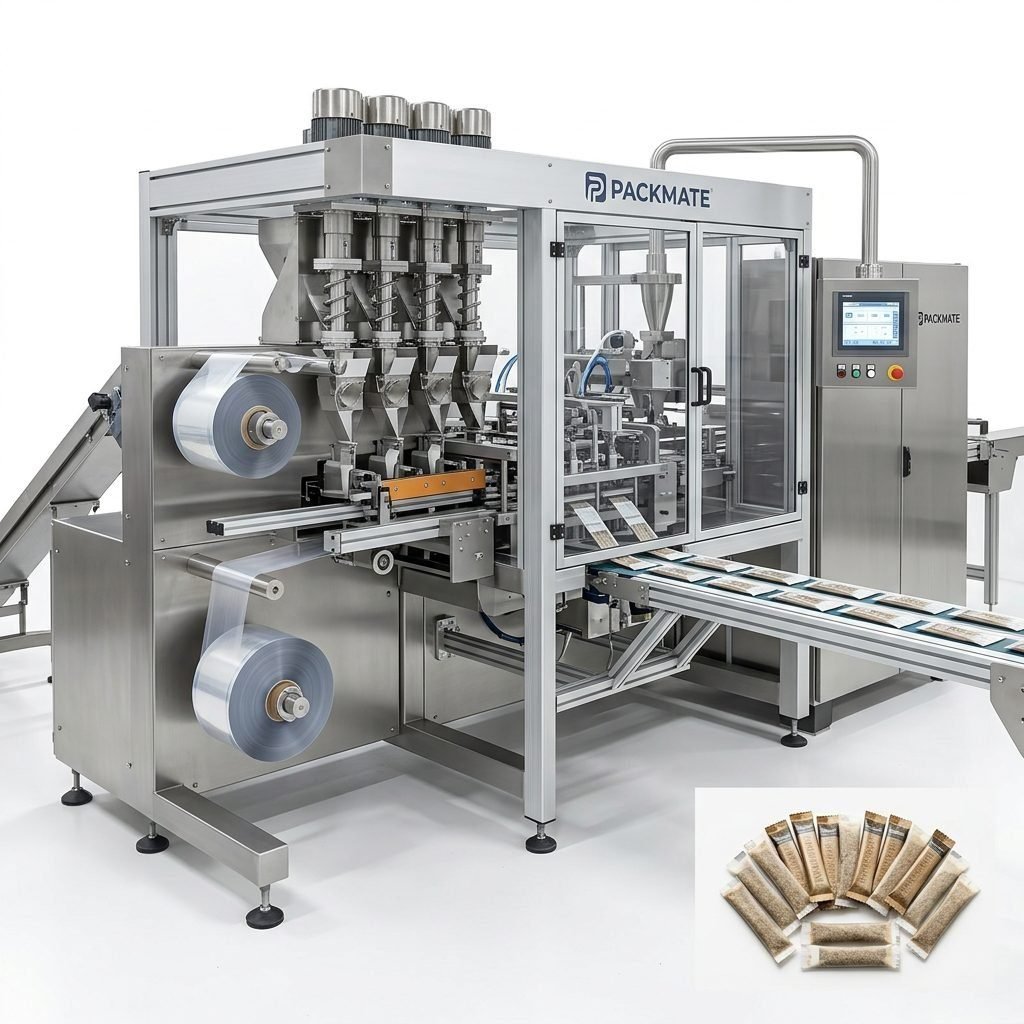
- Sachet & Stick Pack Machines — good for single-dose sticks or sachets with flexible dosing. Check options: Sachet & Stick Pack Machines.
- Bag & Pouch Packaging Machines — for finished retail pouches and multi-pack configurations: Bag & Pouch Packaging Machines.
3. Technical criteria that matter most 🔧
Production capacity: Calculate peak daily output in pouches per minute and match to machine lane count.
Filling accuracy: For nicotine pouches small-dose precision is essential — choose systems with reliable dosing (weighing or volumetric systems).
Hygiene & materials: Stainless steel (SS304/SS316) contact parts resist coastal humidity and are easier to clean.
Modularity: Pick machines that can add lanes or change pack formats as your product range expands.
Climate & local infrastructure considerations
Equatorial Guinea is hot and humid, with coastal salt air that can accelerate corrosion. Specify higher IP-rated electronics, anti-corrosion coatings and humidity controls in your production area. Also confirm local power stability — voltage variations are common; invest in voltage stabilizers or UPS systems to protect sensitive PLCs.
4. Compliance, certifications & quality assurance ✅
Look for machines that hold international certifications (CE, ISO) to simplify export and reassure distributors. Packmate Snus Machine provides CE and ISO compliant equipment — learn more about company background and certifications at Certificate and About Packmate.
5. Service, spare parts and local support 🤝
After-sales support is critical in Equatorial Guinea where on-site technical teams can be scarce. Confirm lead times for spare parts, remote troubleshooting options, and whether the supplier offers installation and operator training. A partner offering turnkey solutions and long-term parts supply reduces downtime risk.
📦 Ask about spare-part kits for belts, sensors and seals.
🌍 Regional support — check if the manufacturer has African partners or courier agreements for fast shipments.
📞 Remote diagnostics & training reduce travel costs and speed recovery.
6. Supplier assessment checklist — pick a reliable manufacturer
When evaluating suppliers, verify factory capacity, experience in snus/nicotine lines, and case studies. Packmate Snus Machine has 30+ years engineering experience, a 20,000㎡ facility and global case studies — explore real projects here: Case.
- Factory visit or virtual tour: confirm machining & assembly capabilities.
- References: ask for customers in similar climates or markets.
- Certifications & testing: request FAT (Factory Acceptance Test) videos and test reports.
- Customization & engineering support: can the supplier adapt machines for Spanish/French labelling or tamper-evident seals?
7. Installation, site prep and workforce planning 🔌
Prepare your site carefully — a well-prepared floor and utilities shorten commissioning times and protect equipment:
✔️ Solid, level concrete floor with proper load-bearing capacity.
✔️ Stable power supply with appropriate voltage and grounding; consider UPS and surge protection.
✔️ Compressed air quality (dry, oil-free) and adequate flow for pneumatic components.
✔️ Controlled storage for hygroscopic materials — nicotine pouches require dry environments.
✔️ Staff training plan & operator manuals in Spanish or French for local teams.
8. Costing, ROI and financing considerations 💰
Balance upfront investment with long-term operating cost. Higher automation reduces labour expenses but increases initial cost. Include shipping, customs duties, installation, training and spare parts in your total cost of ownership calculation. Ask suppliers about financing, leasing or staged deliveries to ease cashflow.
9. Practical tips for working with international manufacturers 🌐
When sourcing machines from overseas:
- Negotiate clear delivery terms (Incoterms), shipping timelines and warranty coverage.
- Request pack & shipping lists for customs clearance in Malabo/Bata ports.
- Arrange testing samples and FAT videos before shipment to confirm machine performance.
- Confirm spare part catalogs and typical lead times for consumables.
10. Recommended machine types for different business goals
Choose the machine that matches your target market and budget:
Startup & low-volume brands
Small multi-purpose sachet or stick pack machines give flexibility with low capital expenditure and easy format changes.
Growing brands & exporters
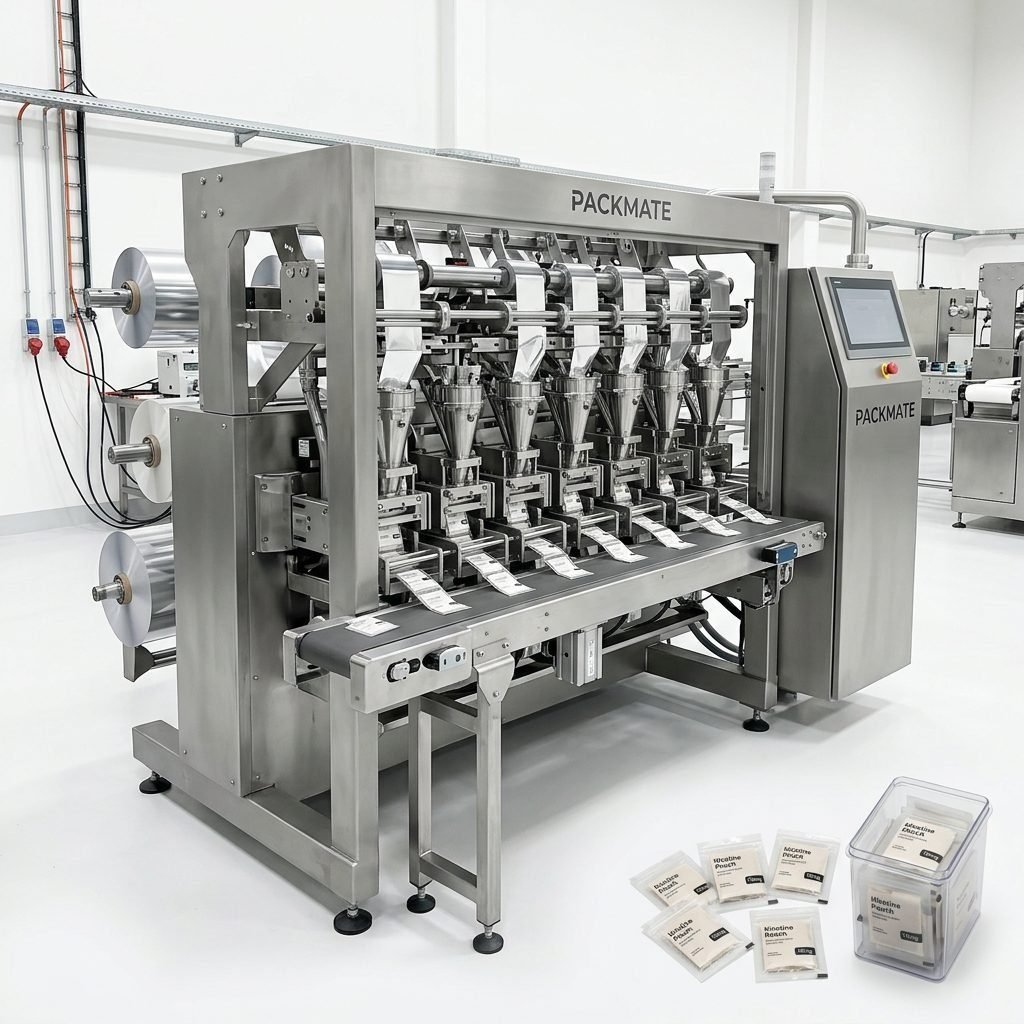
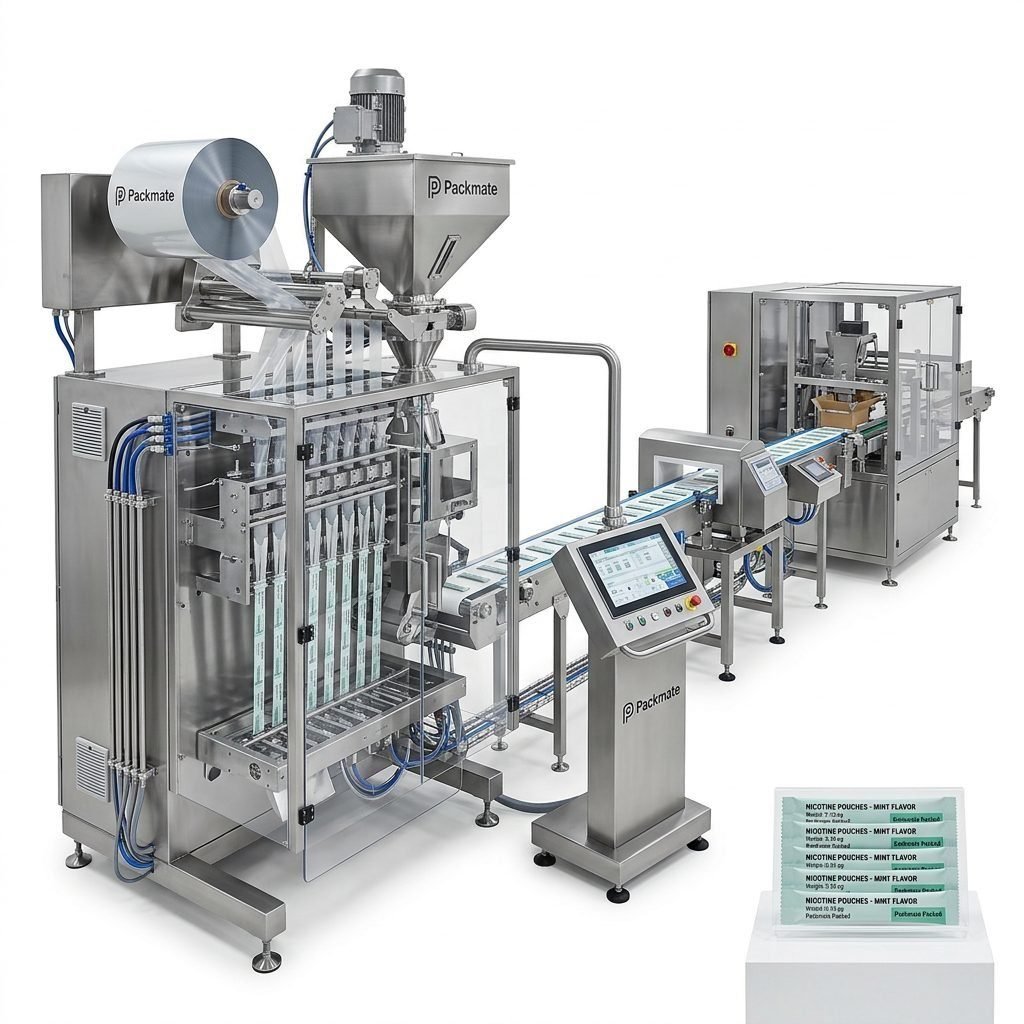
Multi-lane snus & nicotine packaging machines designed for consistent small-dose pouches improve throughput and product consistency — see professional lines at Filling & Packaging Lines.
Large-scale manufacturers
Fully automated turnkey lines with inline weighing and secondary packaging deliver the lowest unit costs when running at high volumes. Explore auxiliary equipment and weighing systems: Weighing & Packaging Systems and Auxiliary Packaging Equipment.
11. How to test and accept your machine before final payment
🔬 Request FAT (Factory Acceptance Test) showing full production speed, dosing accuracy and format changeover.
📹 Ask for video of the full run and sample pouches for quality checks.
📝 Prepare an agreed acceptance checklist: speed, weight accuracy, seal quality, labelling and electrical safety.
12. Where to learn more & request quotations
Start with product pages and contact the manufacturer for custom quotes, factory tours, and sample runs. Useful resources:
- Snus & Nicotine Packaging Machines
- About Packmate
- Contact Us — request a consultation and quote.
Final checklist before buying
🔲 Confirm product format & expected daily volume.
🔲 Validate compliance and label language for Equatorial Guinea.
🔲 Verify corrosion-resistant construction for humidity and coastal conditions.
🔲 Ensure spare parts plan and local training are included.
🔲 Agree on FAT acceptance criteria and warranty terms.
If you need turnkey packaging solutions that are proven in humid, export-oriented environments, evaluating experienced manufacturers with clear documentation and spare-part support will save time and reduce risk. Packmate’s global experience and range of snus and nicotine packaging machines can be a useful partner as you scale in Equatorial Guinea.
Frequently Asked Questions
Q: Can the same nicotine packaging machine handle different pouch sizes and languages on labels?
A: Yes. Most modern machines offer modular format parts and programmable label stations to change labeling content and language (Spanish/French) quickly, but confirm format-change time with the supplier.
Q: How important are certifications like CE or ISO for installations in Equatorial Guinea?
A: Very important. International certifications simplify customs clearance, reassure local distributors and often indicate better-specified electrical and safety components.
Q: What maintenance is needed for machines in humid, coastal conditions?
A: Regular cleaning, anti-corrosion inspection, and replacement of rubber seals are essential. Use dehumidifiers in storage and consider stainless steel or protected electronics to reduce salt-air damage.
Q: How long is the typical lead time for new snus/nicotine packaging lines?
A: Lead times vary by customization and production queue, but typically range from several weeks to a few months. Request FAT dates and shipping schedules when quoting.
Q: Where can I get support and spare parts quickly in Africa?
A: Work with manufacturers who offer international courier agreements, regional partners, or maintain spare-part kits for fast shipment. Ask suppliers for typical spare-part lead times and recommended local vendors for consumables.