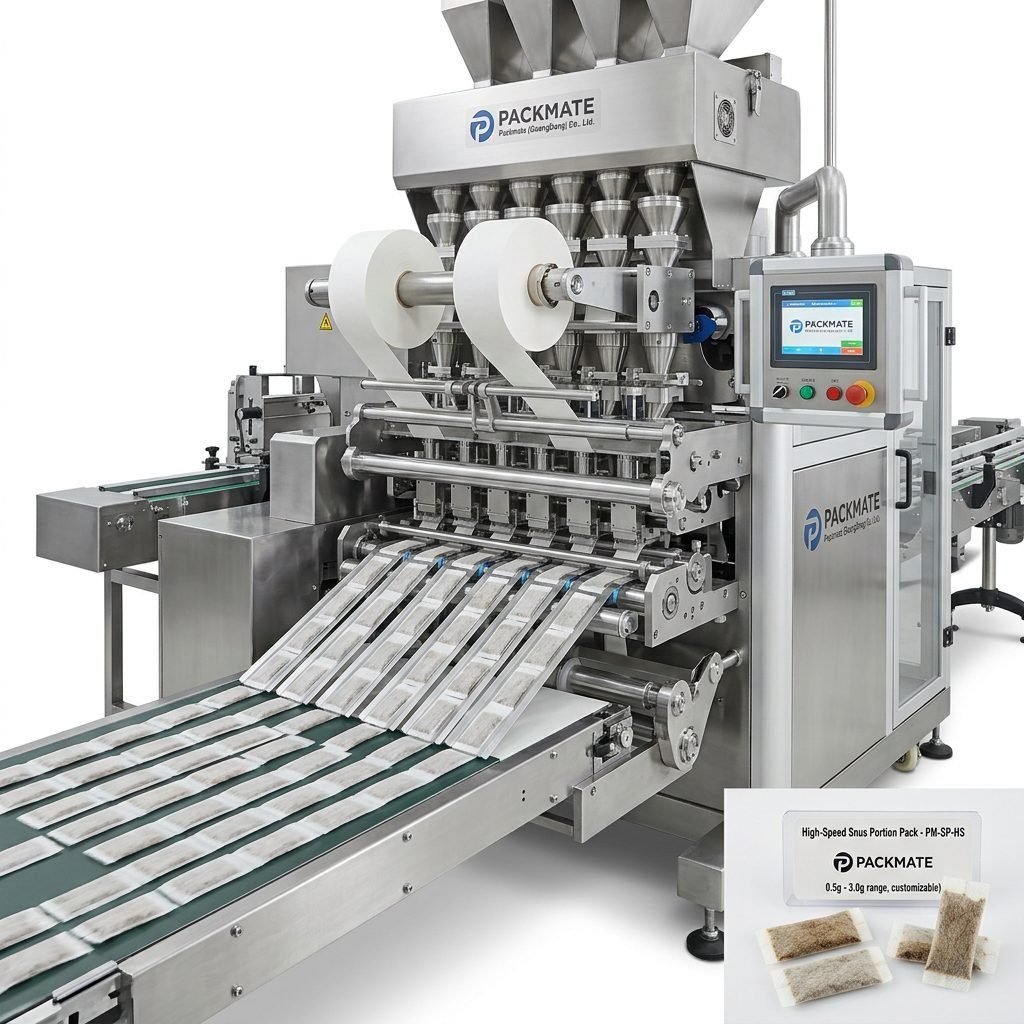
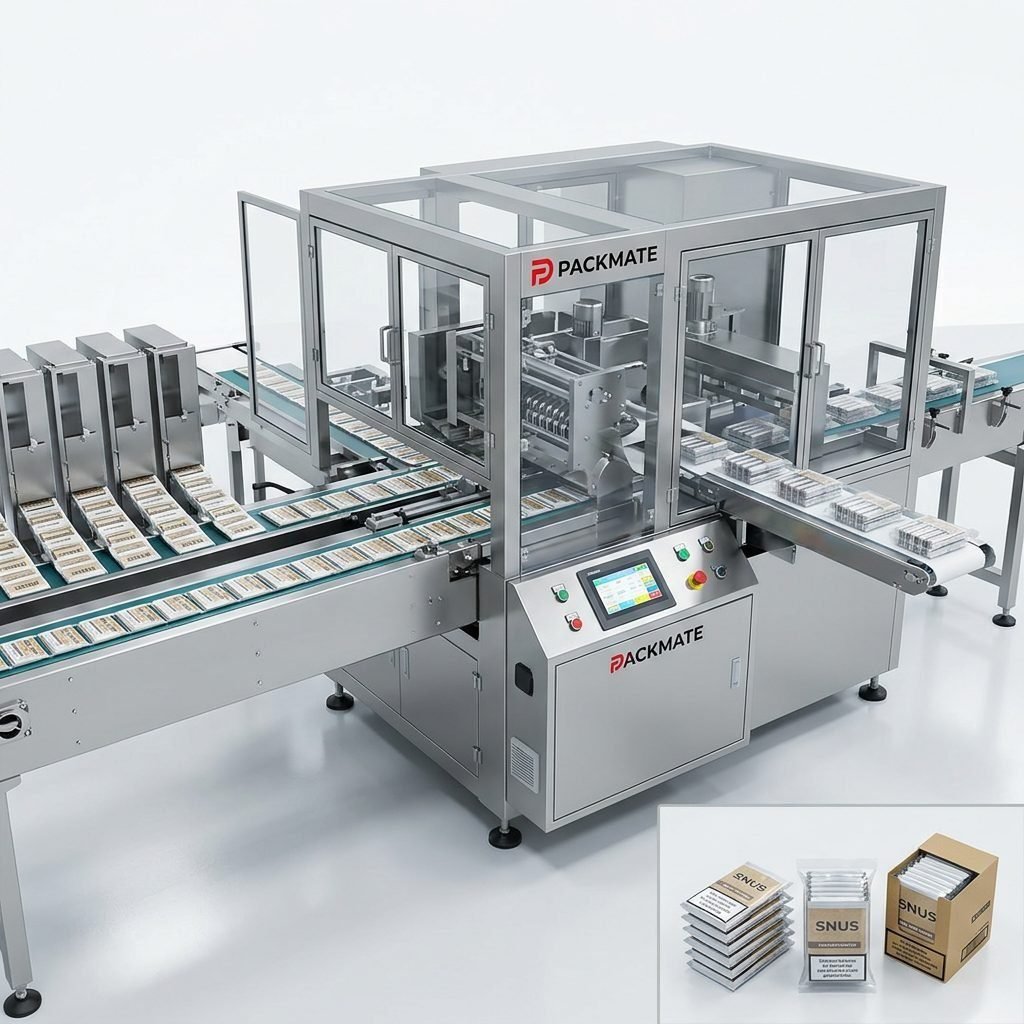
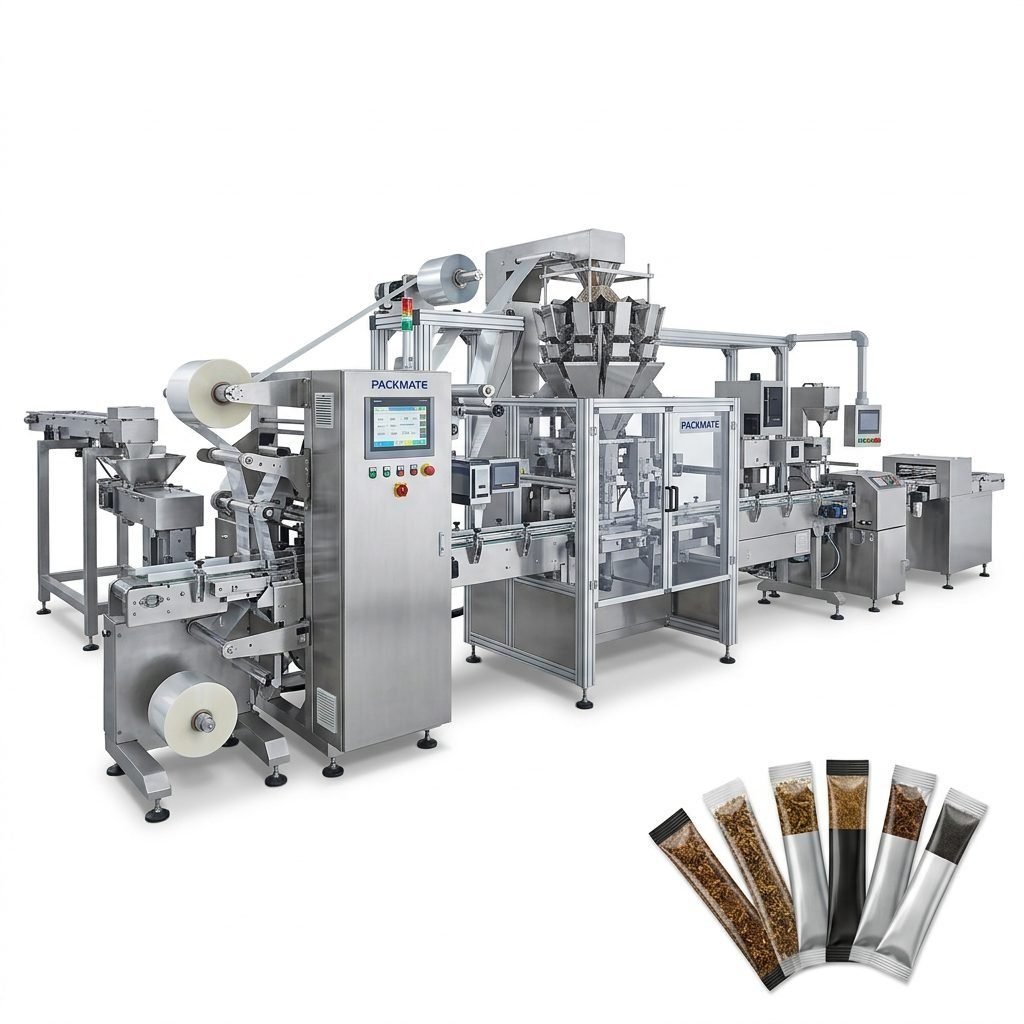
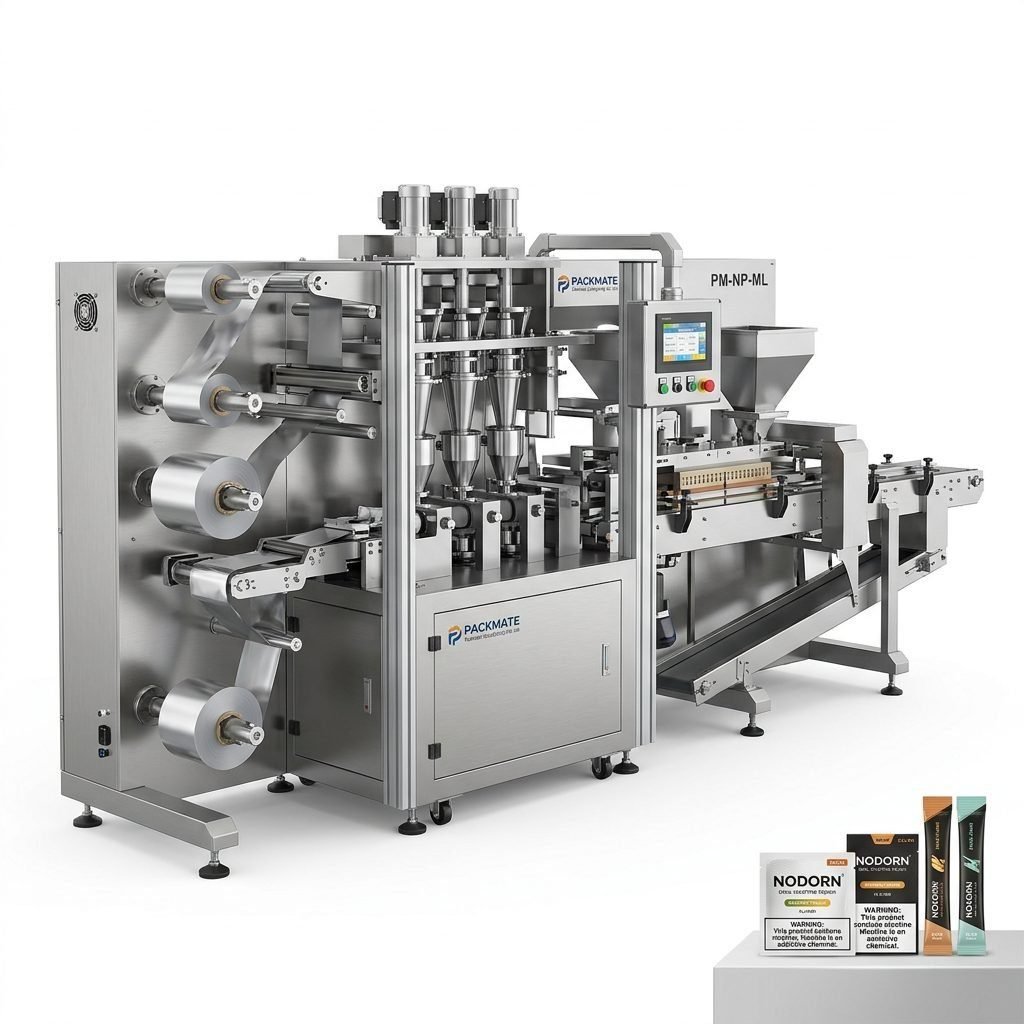
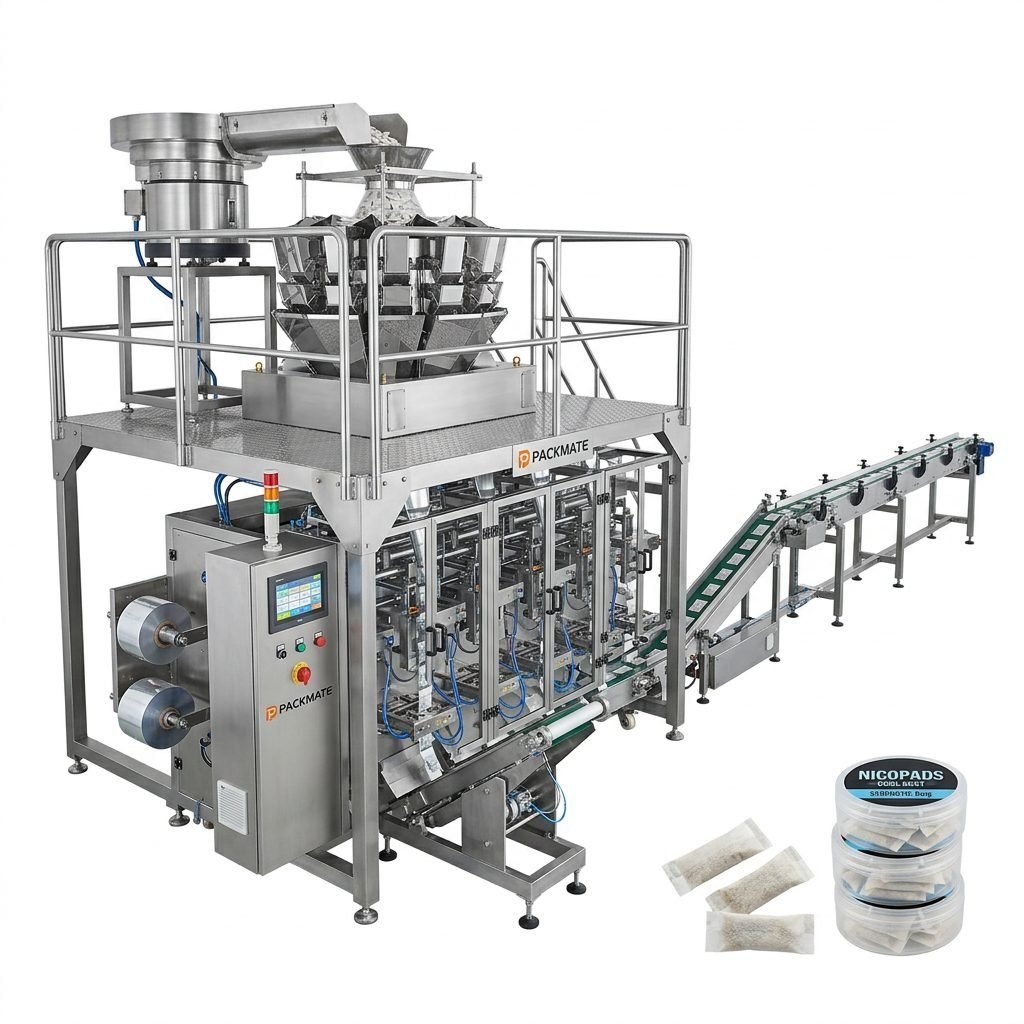
The rise of nicotine pouches as a modern, smoke-free alternative has driven rapid investment in specialized packaging and production equipment. For manufacturers and entrepreneurs entering or scaling in this market, selecting the right machines and designing complete production lines are critical to meet quality, throughput, and regulatory expectations. This article outlines practical, production-focused guidance on nicotine pouch manufacturing equipment, turnkey line solutions, cost management, and supplier selection — all presented with clear visual emphasis for easy reading.
Market Landscape and Production Drivers
Nicotine pouch demand is expanding across Europe, North America, and parts of Asia due to shifting consumer preferences and regulatory landscapes that favor smoke-free formats. Key drivers include product variety (flavors, strengths), compact single-dose formats, and high-quality presentation. Manufacturers must therefore balance flexibility for multiple SKUs with high-speed, consistent packaging performance.
Core decision point: invest in multi-lane, modular machines that scale from R&D batches to full production runs while minimizing changeover time and waste.
Understanding the Complete Production Line
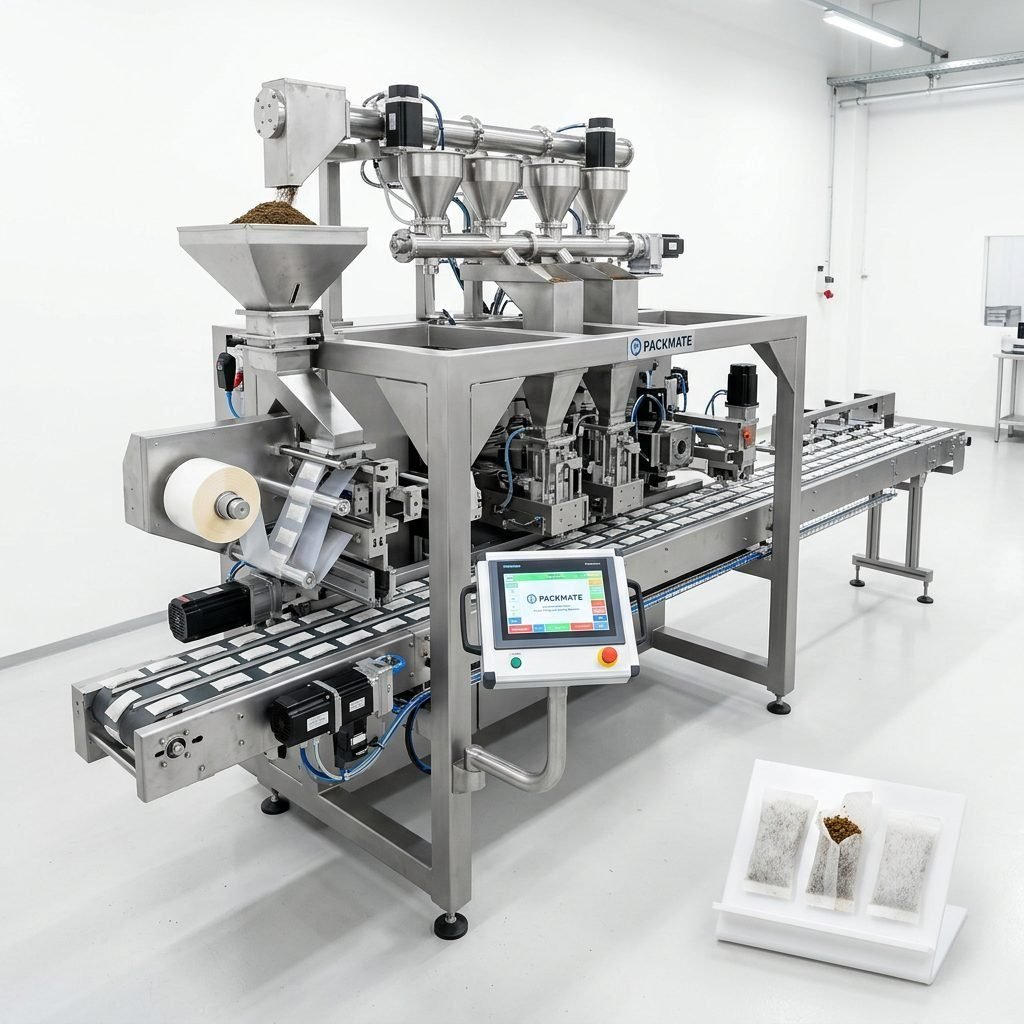
A complete nicotine pouch production line typically comprises raw material handling, precise dosing and filling, pouch/tube forming or pre-made pouch feeding, sealing, secondary packaging (boxes or cartons), and labeling. Integration with quality inspection systems and end-of-line case packing completes the turnkey flow.
Essential equipment modules
– Dosing and metering units (vibratory, auger, or multi-head weighing depending on formulation)
– Pouch forming and sealing machine or high-speed pre-made pouch feeding units
– High-precision filling heads for consistent dosing
– Integrated nitrogen flushing or modified atmosphere options for shelf-life sensitive mixes
– Vision inspection and metal detection systems for safety and compliance
– Secondary packaging such as stick pack, sachet, or carton inserters and case packers
Tip: choose modular systems that support later addition of lanes, fillers, or inspection modules — this reduces capital re-investment as demand grows.
Key Machine Types and When to Use Them
Each production strategy uses different machine families. Selecting the right type depends on product format, throughput goals, and budget.
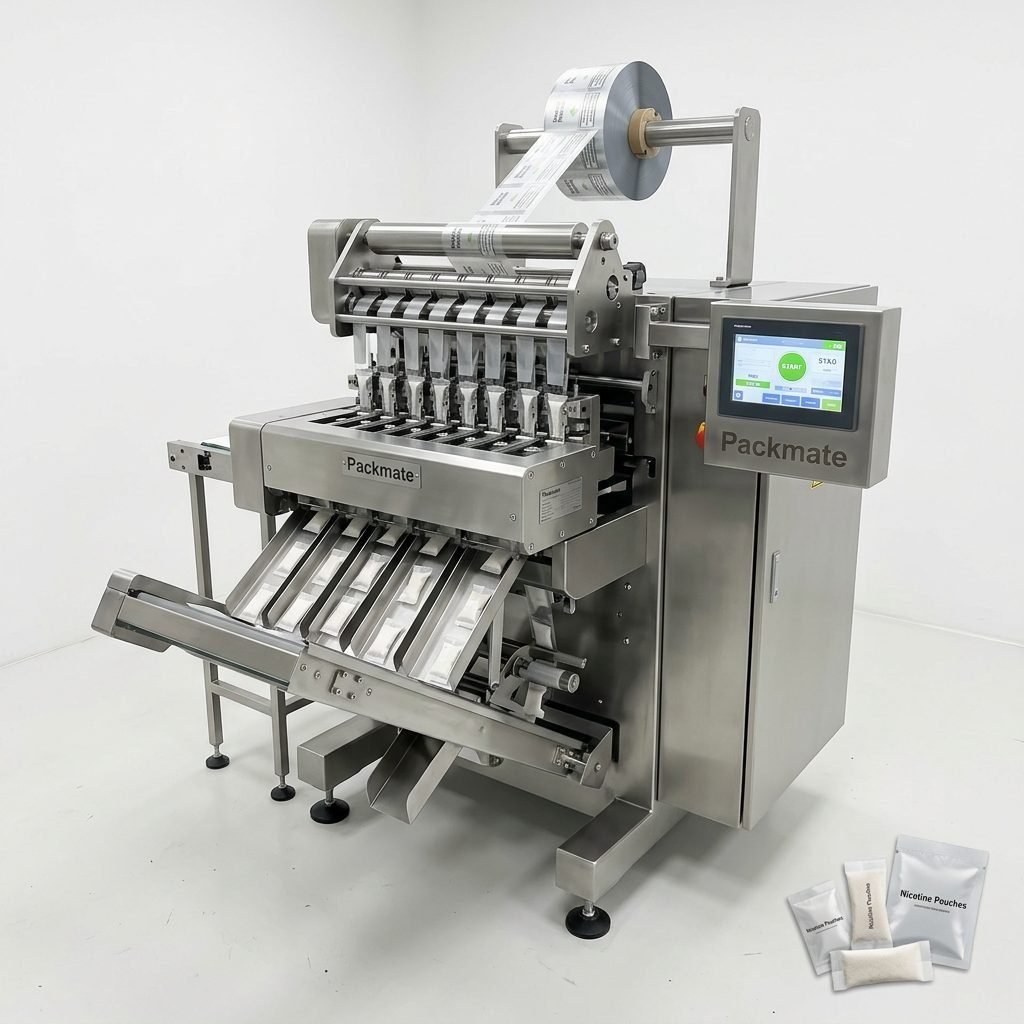
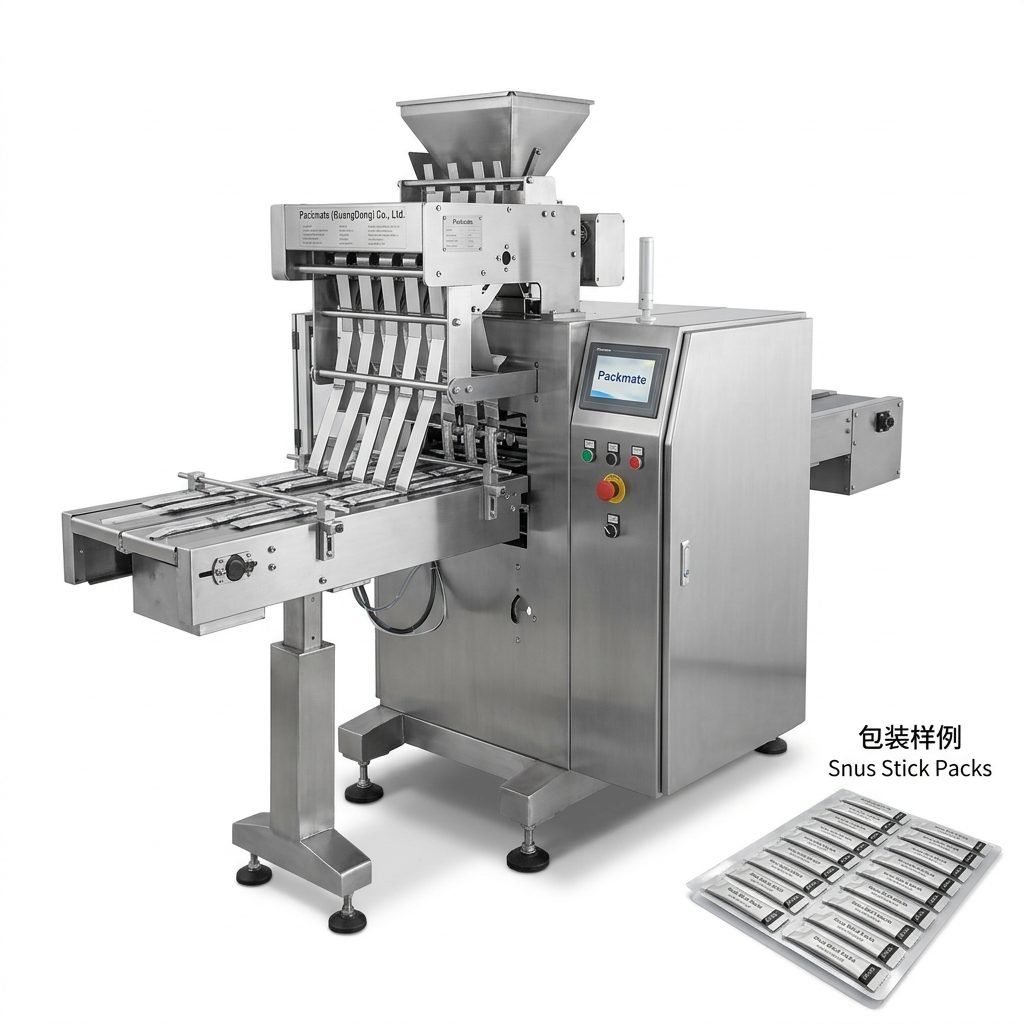
Snus & Nicotine Packaging Machines
If your product range focuses on nicotine pouches or snus, specialized machines deliver precise pouch dimensions, consistent sealing, and high-speed multi-lane options. For more details and machine models, explore the manufacturer’s dedicated catalogue: Snus & Nicotine Packaging Machines.
Bag & Pouch Packaging Machines
For flexible formats (pre-made pouches, zipper bags, or pillow packs), bag and pouch machines provide versatility and are ideal for startups with varied SKUs. More configurations are available at: Bag & Pouch Packaging Machines.
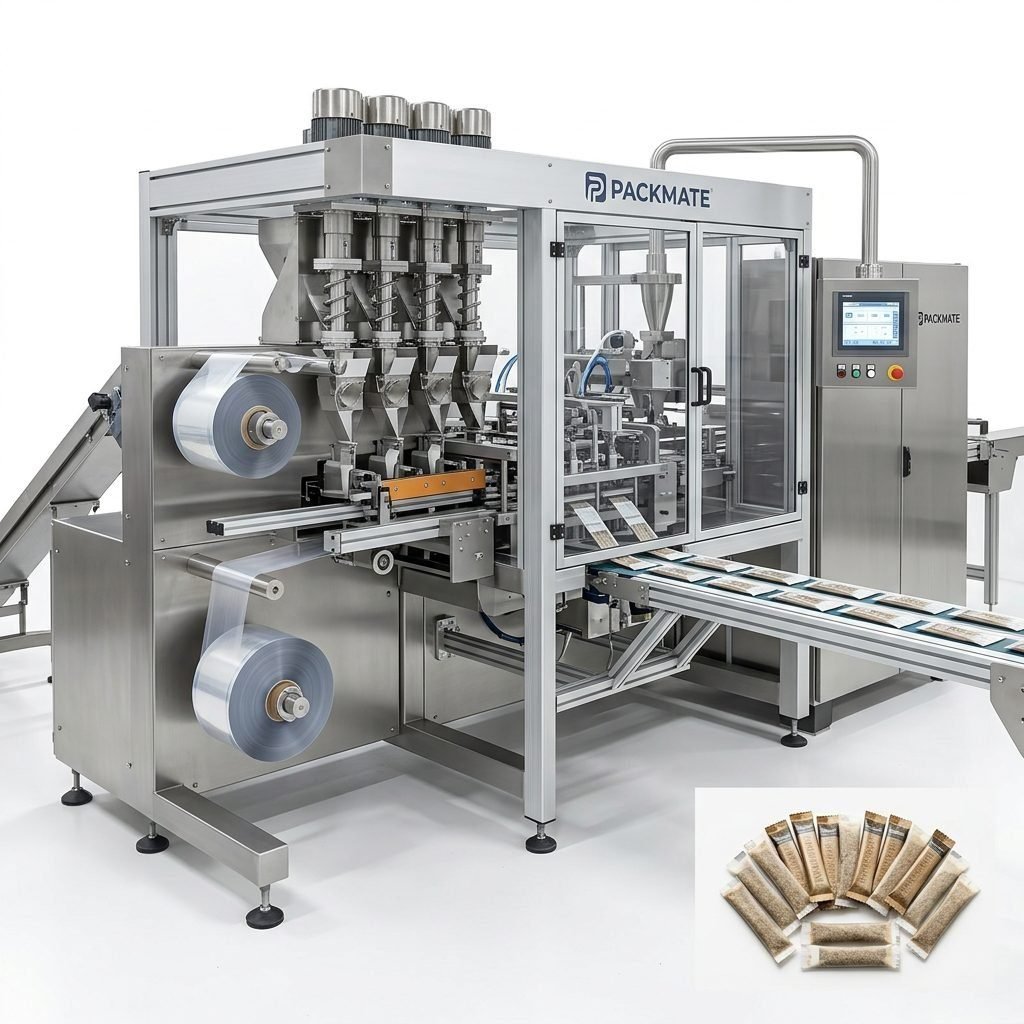
Filling & Packaging Lines
Fully integrated filling and packaging lines combine accurate dosing, pouch forming/feeding, sealing and secondary packaging. These lines reduce manual handling and improve hygiene and throughput. See typical turnkey lines: Filling & Packaging Lines.
Performance metric to watch: target a CoV (coefficient of variation) under 3% for dosing accuracy across production runs to maintain consistent product weight and regulatory compliance.
Designing for Cost-Effective Production
Cost-efficiency in nicotine pouch manufacture is achieved through smart equipment selection, optimized layouts, energy-efficient components, and reduced labor dependency. Here are practical strategies:
– Prioritize machines that minimize waste through accurate filling and automated rejection of defective units.
– Select multi-lane machines to multiply throughput per floor footprint.
– Choose servo-driven systems for precise, repeatable motion that reduce maintenance and save energy.
– Plan utility usage (compressed air, power) and include energy recovery or efficient motors where possible.
Budgeting guidance: calculate TCO (total cost of ownership) not only CAPEX. Factor in spare parts, labor, downtime, and expected throughput to compare ROI across suppliers.
Regulatory Compliance & Certifications
Compliance with international standards is essential for export and market confidence. Machines certified to CE and ISO standards demonstrate adherence to safety and quality control. Packmate’s equipment often comes with these certifications to help accelerate market entry and audits. Learn more about credentials: Certificate.
Safety highlight: hygienic design with food-grade materials, easy-to-clean surfaces, and CIP-compatible components simplifies GMP compliance and shortens cleaning cycles.
Customization, Turnkey Solutions and After-Sales Support
Many manufacturers prefer turnkey solutions — a single supplier who can deliver engineering, machine supply, integration, and commissioning. Packmate’s experience with multi-lane snus lines and a 20,000㎡ facility enables bespoke line design, tailored to product formulations, local regulations, and floor space constraints. For an overview of company capabilities, visit: About Packmate.
Service matters: choose suppliers that offer commissioning, operator training, on-site diagnostics, and spare parts inventory. Rapid technical support reduces downtime and protects margins.
Installation, Training and Line Validation
Proper installation and operator training are non-negotiable. Validation protocols should include IQ/OQ/PQ (Installation, Operational, Performance Qualification) tailored to nicotine pouch characteristics. Ensure that SOPs for maintenance and cleaning are documented during commissioning.
Real-World Case Examples and Global Reach
Packmate has delivered solutions across Europe, Asia, and the Americas. Typical projects range from high-speed multi-lane snus pouch lines to small-batch systems for R&D and premium SKUs. These case studies demonstrate adaptability across regulatory regimes and local consumer preferences, from discreet single-dose pouches in Scandinavia to flavored product ranges in other regions.
Global exhibition and collaboration: meet manufacturers at trade shows to witness live demos and discuss custom layouts — details and upcoming events are posted here: Our Exhibition.
Selecting the Right Supplier
Supplier selection should be based on engineering capability, track record, spare parts availability, and willingness to provide full lifecycle support. Look for:
– Proven installations for nicotine pouch products
– Clear documentation and training packages
– Local or remote support channels and spare parts logistics
– Transparent warranty and service agreements
Contact point: for pre-sales engineering consultations and tailored proposals, use the manufacturer’s contact portal: Contact Us.
Practical Checklist Before Investment
– Define SKU mix and expected monthly volumes
– Specify dosing accuracy and acceptable waste levels
– Allocate floor space and utilities, including clean-room or controlled areas if required
– Request factory acceptance tests (FAT) and performance guarantees
– Plan for future expansion: lanes, automation, or serialization for traceability
FAT reminder: insist on detailed FAT protocols and sample runs to validate dosing, sealing integrity, and downstream packaging before final payment.
Sustainability and Waste Reduction Opportunities
Reducing material waste and optimizing energy usage are long-term cost savers. Consider:
– Reflowable pouch material optimization to reduce trim loss
– Servo systems to reduce peak power consumption
– Smart rejects handling to segregate salvageable material for rework
– Packaging material that balances barrier properties with recyclability
Conclusion
Building a competitive nicotine pouch production line is a multidisciplinary challenge — blending precision dosing, robust sealing, hygienic design, and scalable automation. By selecting modular, certified equipment and partnering with an experienced supplier offering turnkey services, manufacturers can accelerate market entry, control costs, and deliver consistent product quality.
Next step: request a customized line quote and FAT plan from an experienced manufacturer to compare throughput scenarios and ROI projections.
Frequently Asked Questions
Q1: What is the typical lead time for a turnkey nicotine pouch line?
Lead times vary by complexity and customization. Standard multi-lane lines often have lead times of 12–20 weeks, while highly customized turnkey projects can take longer. Early engagement for layout, utilities, and FAT scheduling shortens commissioning phases.
Q2: How do I ensure dosing accuracy across different nicotine formulations?
Use calibrated multi-head weighing or precision auger/volumetric fillers matched to particle size and flow characteristics. Validate with PV (process validation) runs and set up recipe-controlled parameters in the PLC.
Q3: Are nicotine pouch machines adaptable to other product types?
Yes — many machines are engineered to handle powder, granules, and some pastes. Modular designs and quick-change parts enable format shifts, but check sealing and dosing compatibility before switching product families.
Q4: What certifications should I expect from a reputable equipment supplier?
Expect CE and ISO certifications as baseline. Additional documentation for material traceability, FAT reports, and compliance with local regulatory requirements are also critical.
Q5: How can I evaluate total cost of ownership (TCO)?
TCO must include CAPEX, spare parts inventory, expected energy and utility consumption, operator labor, maintenance contracts, and projected downtime. Ask suppliers for historical uptime metrics and typical spare parts lists to model TCO accurately.