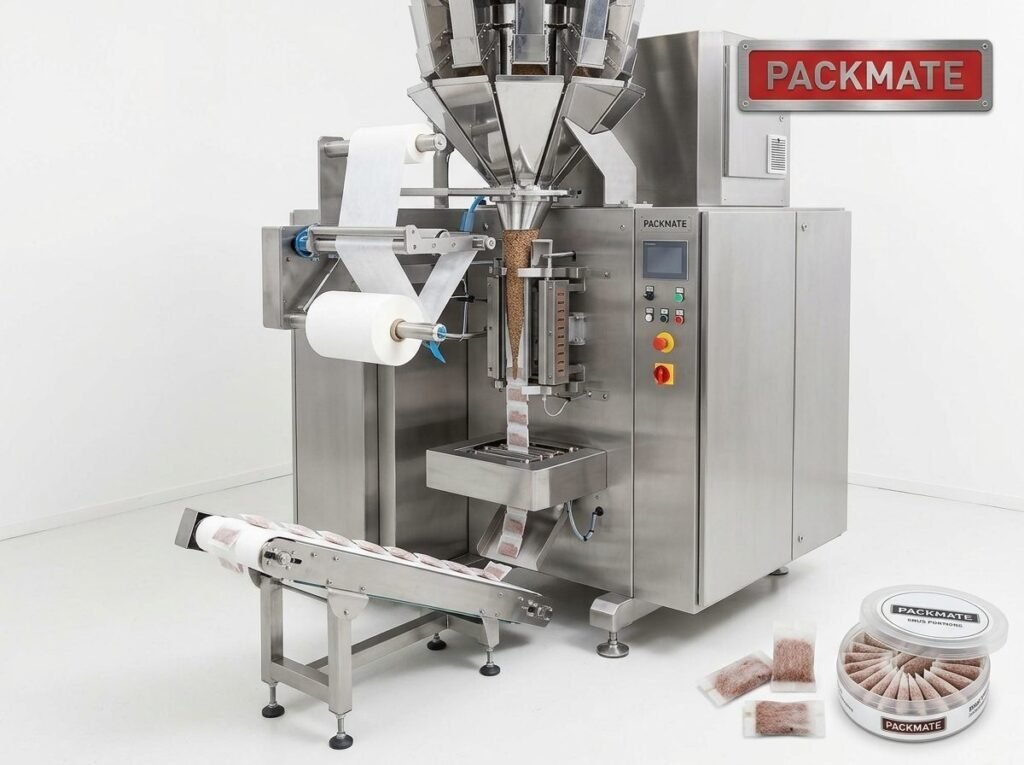
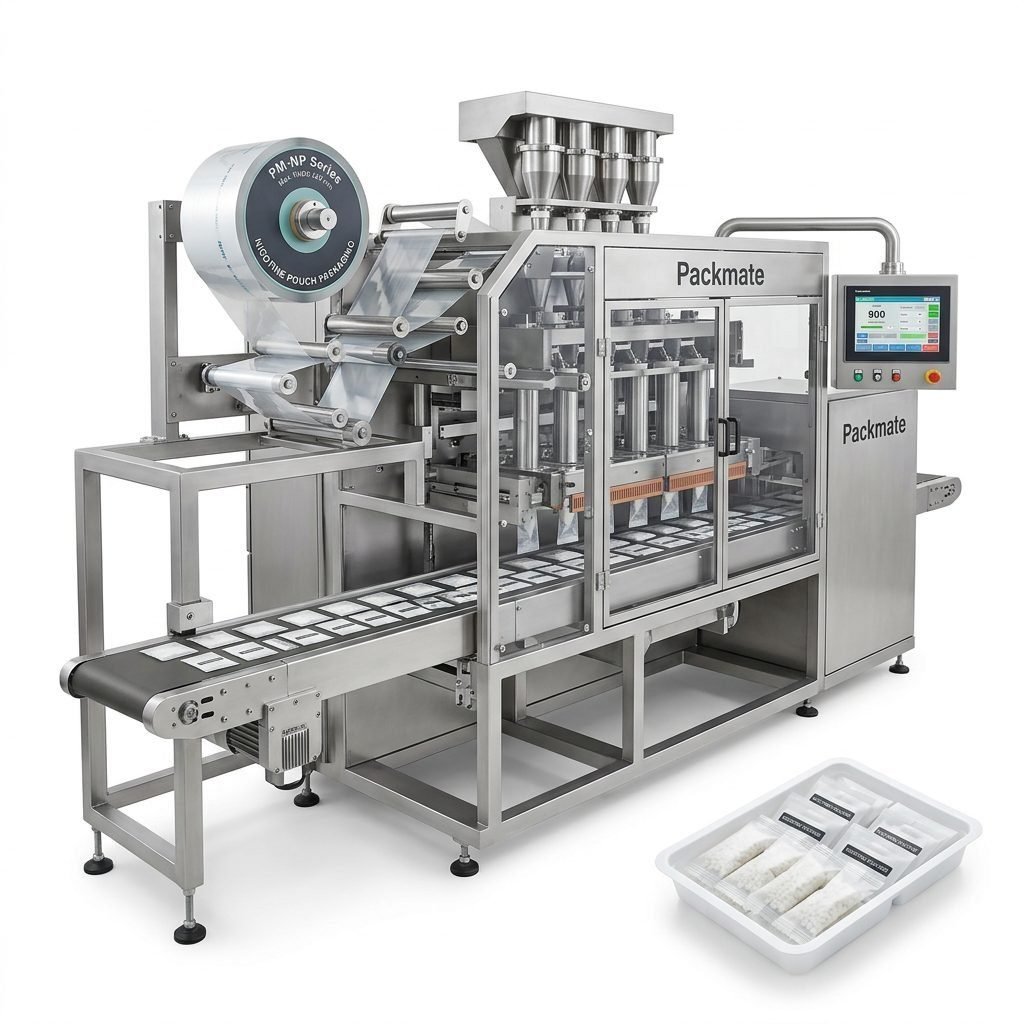
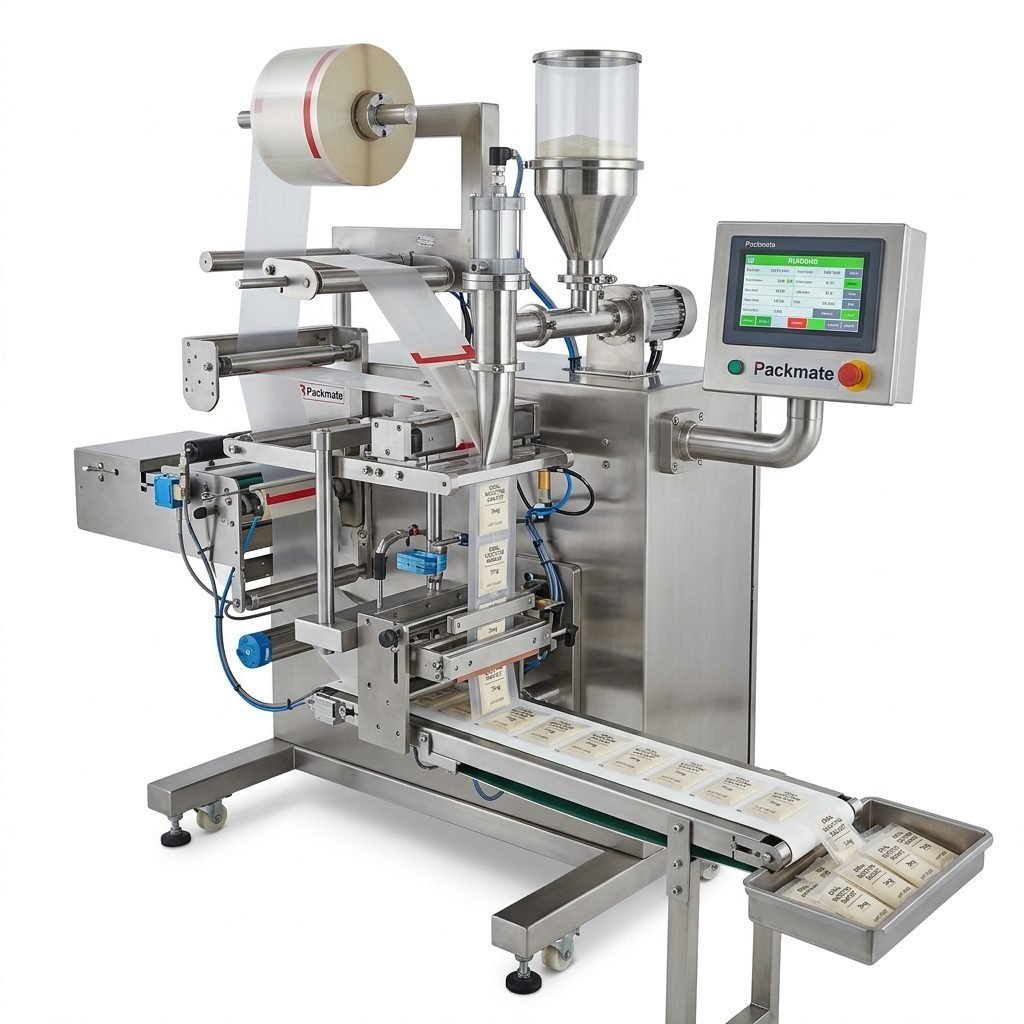
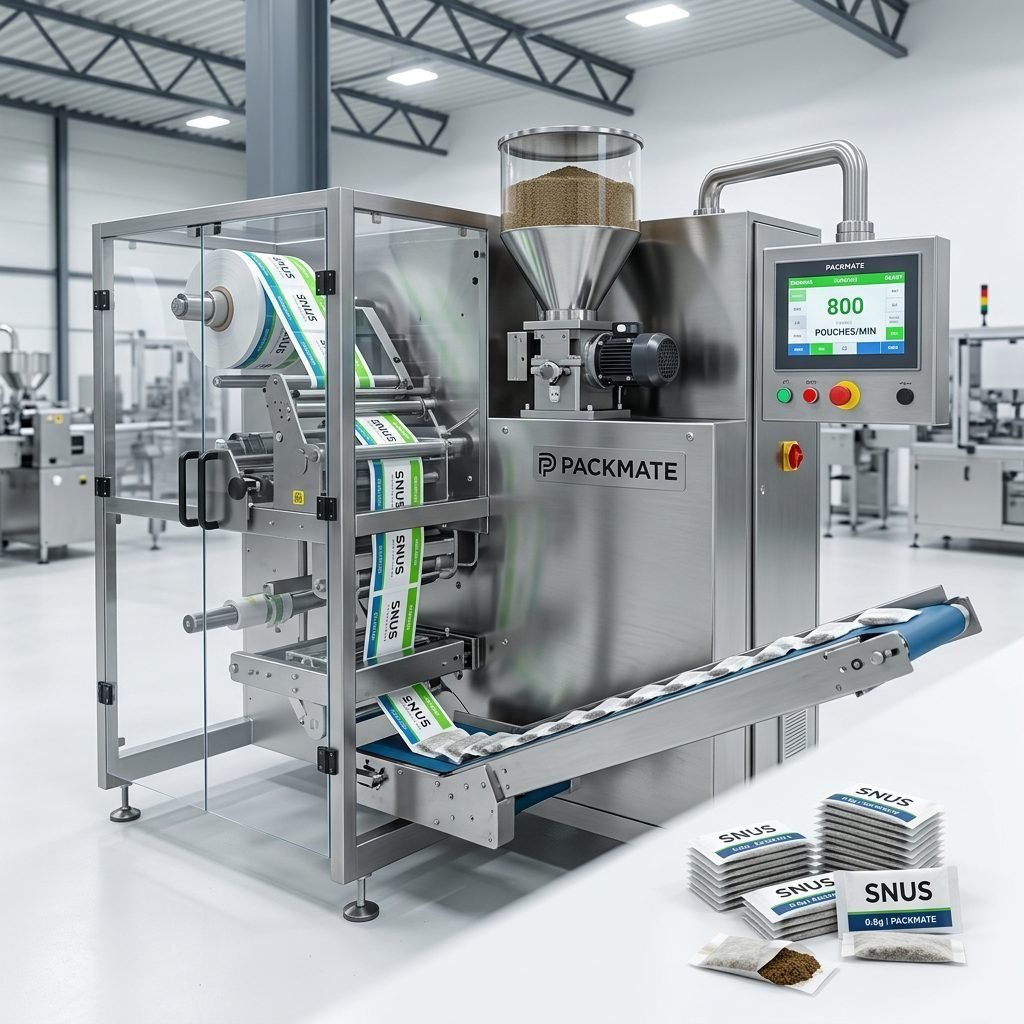
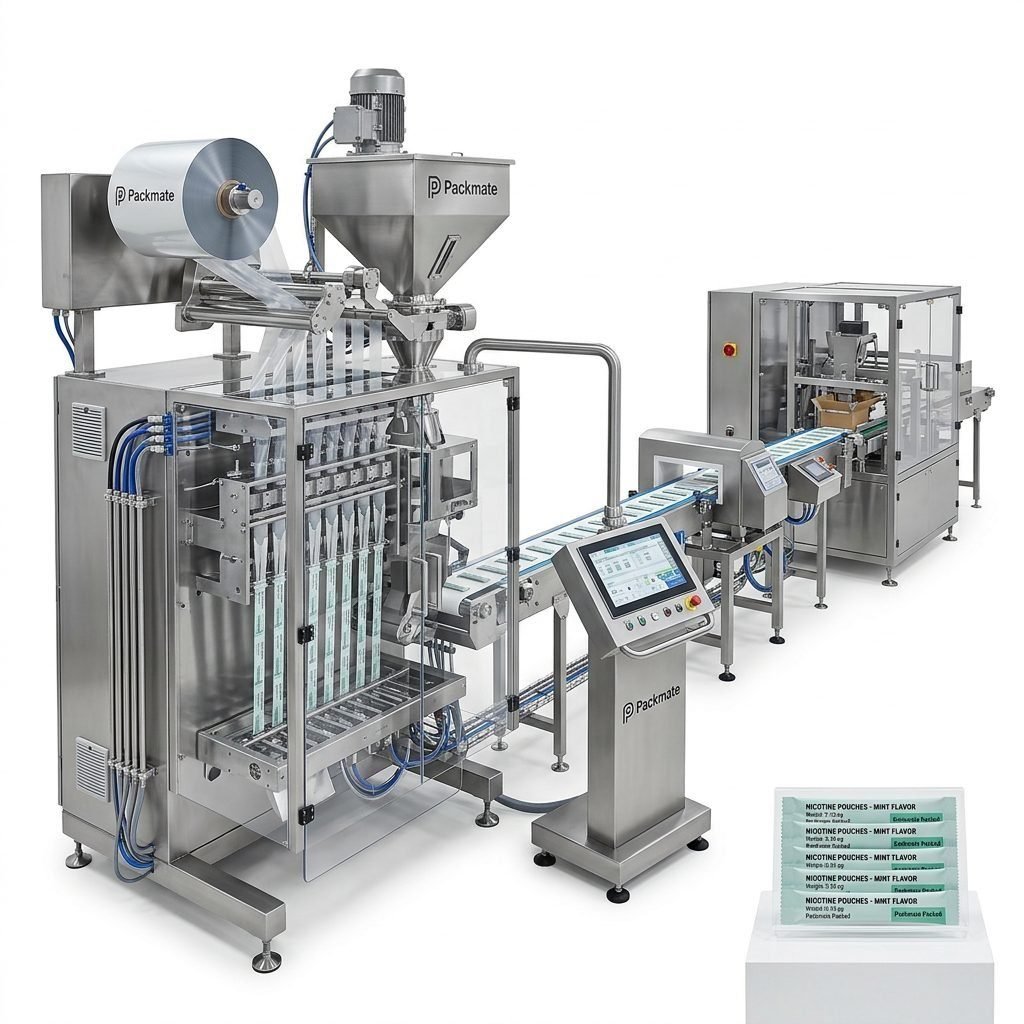
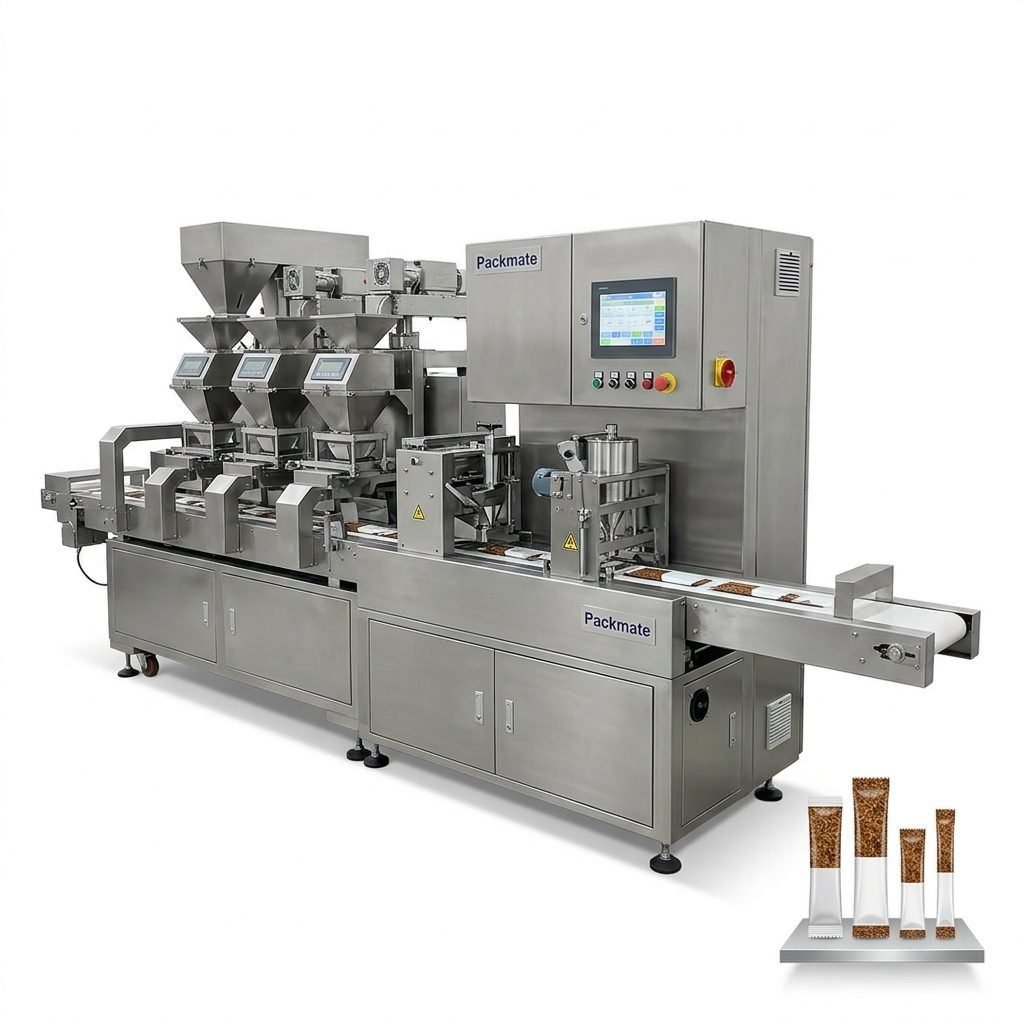
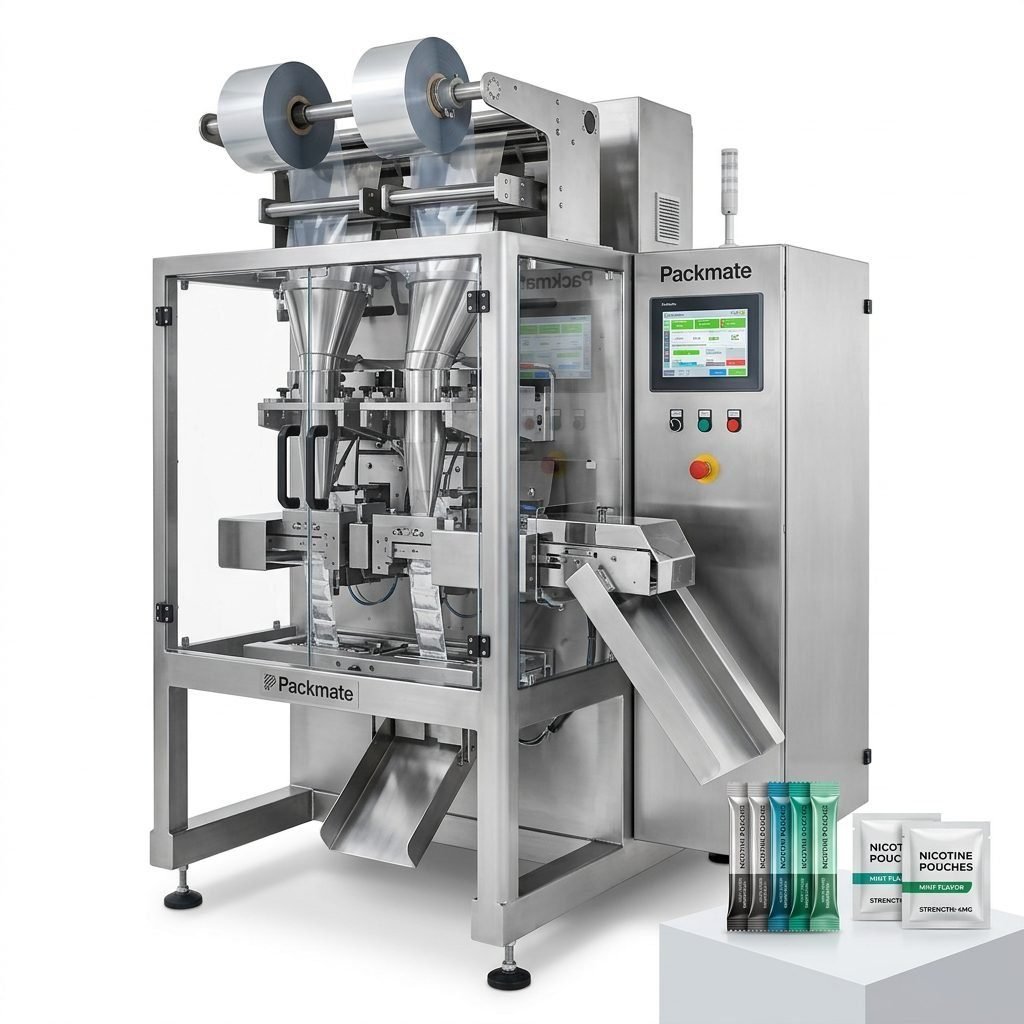
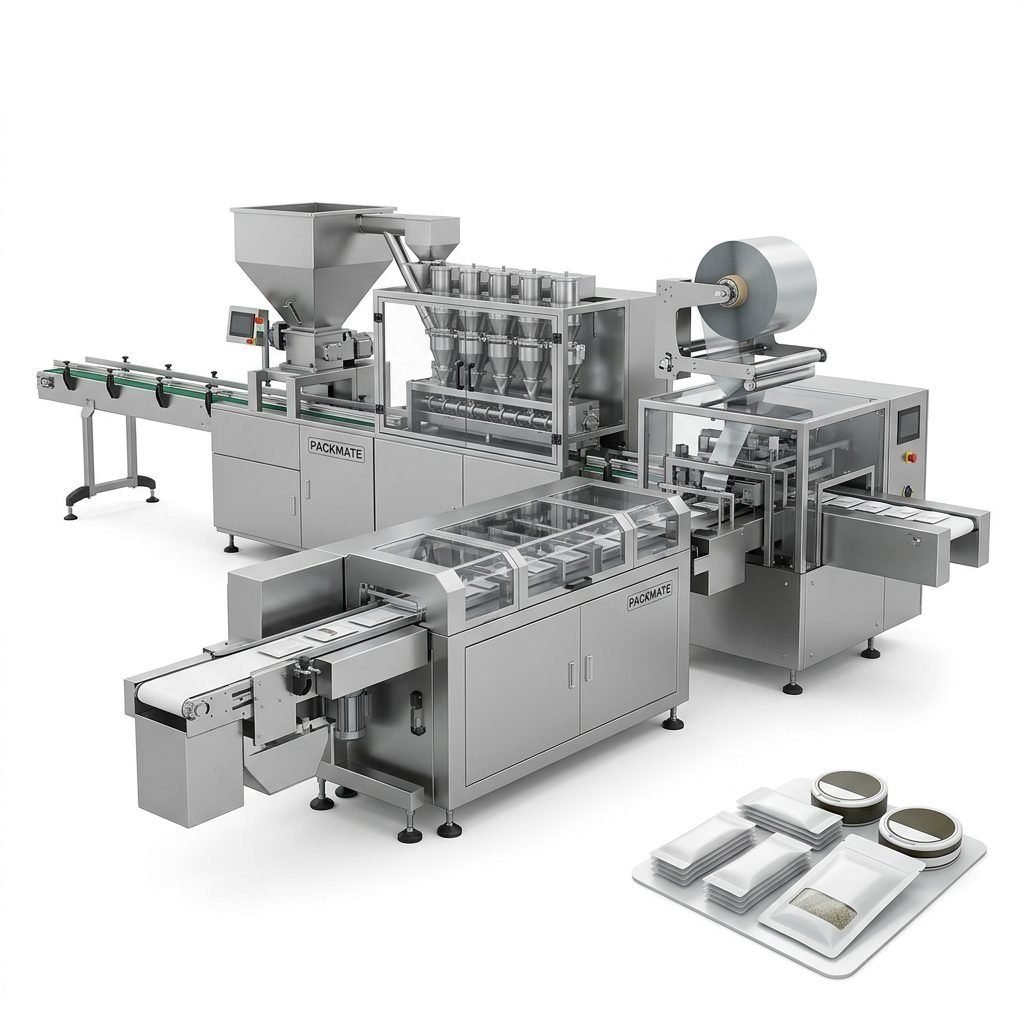
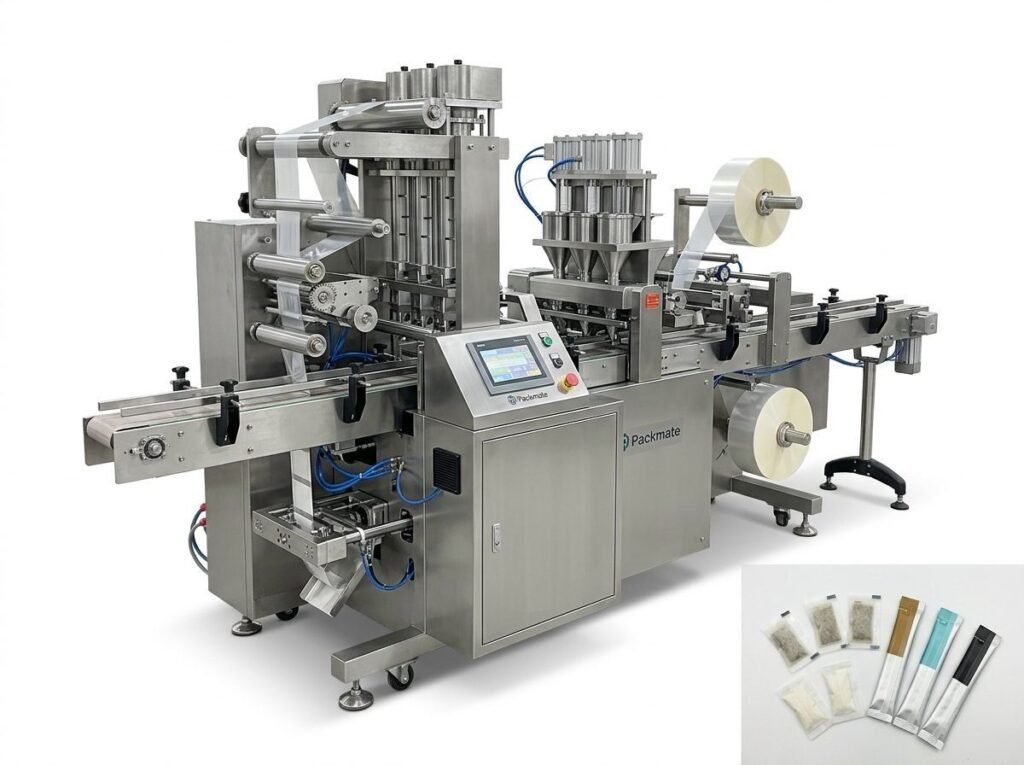
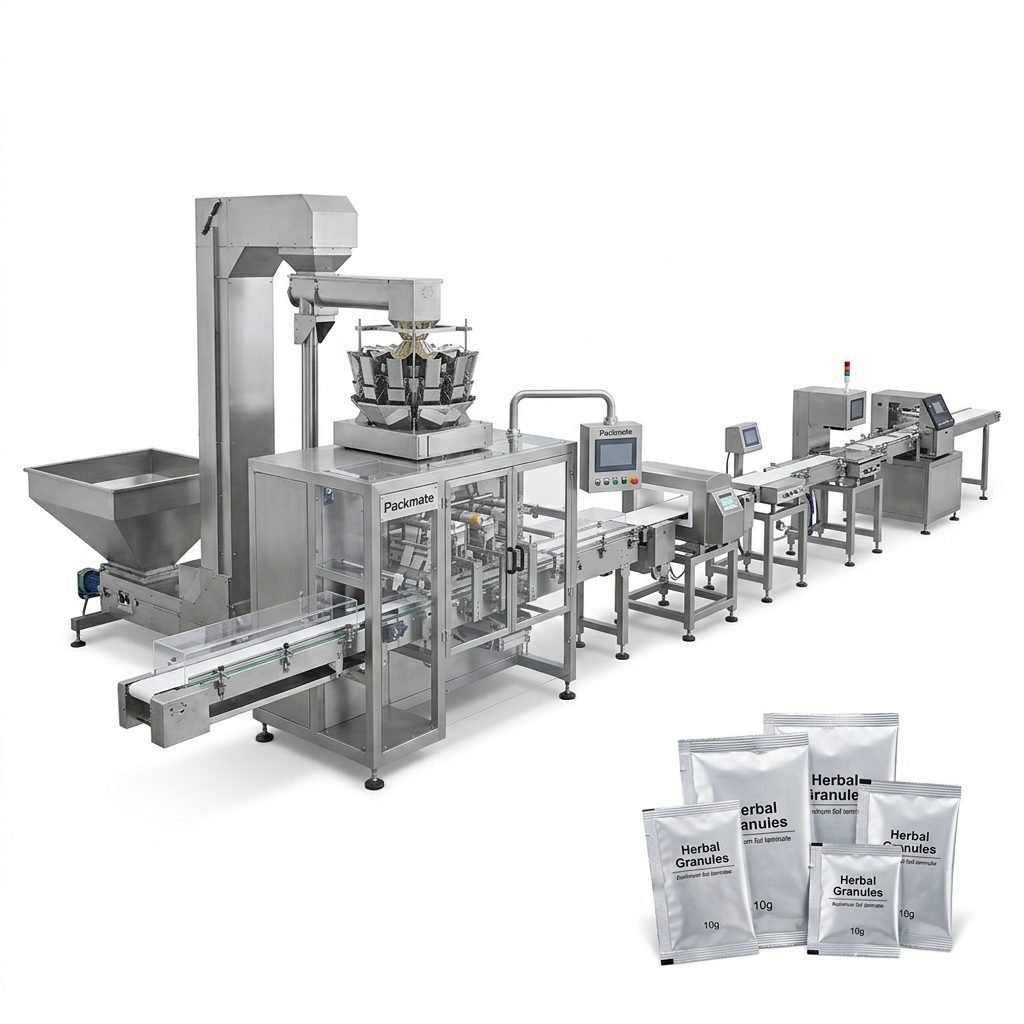
Choosing the right nicotine packaging machine supplier in China is a strategic decision that affects your product quality, production efficiency, and regulatory compliance. China offers a wide range of manufacturers—from small workshops to large-scale factories—so making an informed choice will save time, money, and headaches. This guide walks you through practical steps to evaluate suppliers, compare technologies, and ensure a secure long-term partnership tailored to nicotine pouch, snus and related packaging lines.
Understand Your Packaging Needs
Start by defining the specifics of your product and process. Are you producing nicotine pouches, snus, or other small-dose formulations? Will you use stick packs, sachets, or multi-lane pouch formats? Identify target throughput (pieces per minute), pouch sizes, filling accuracy and the required hygienic standards. Suppliers in China often specialize—select one with a proven track record for your exact product type.
Quick checklist: product type, pouch format, dosing tolerance, desired output, packaging material (film, foil, laminated), and downstream needs such as cartoning or case packing.
Production Capacity and Scalability
Many nicotine pouch producers scale rapidly once market demand grows. Evaluate whether the supplier offers multi-lane systems or modular solutions that can scale up without replacing the entire line. A supplier experienced with multi-lane snus or nicotine packaging can often increase capacity by adding lanes or upgrading drives and control systems.
Suppliers with a broad model range and customization options will make future upgrades easier—look for manufacturers who advertise 50+ machine models or configurable production lines.
Machine Performance, Reliability and Precision
Performance metrics matter: consistent sealing, accurate dosing, minimal downtime, and stable film handling are essential. Ask for data on uptime percentages, mean time between failures (MTBF), and dosing accuracy. Suppliers using advanced machining centers, precision assembly, and rigorous testing typically deliver higher reliability.
✅ Tip: Request references for machines running similar products. If possible, ask to witness a live run (FAT) or a video demo showing consistent speed and tight tolerance control.
Factory Strength & Manufacturing Capability
A strong factory footprint—large workshop area, CNC machining centers, and precision assembly lines—indicates a supplier’s ability to produce robust equipment and maintain quality consistency. Facilities with ISO and CE compliance show commitment to international standards. Consider suppliers with documented production capacity and a clear quality control process.
Example manufacturers in China highlight factory area (e.g., 20,000㎡), advanced CNC, and 30+ years of engineering experience as proof points—these capabilities reduce lead times and support complex customization.
Technical Support & After-Sales Service
After-sales service is critical for continuous production. Check the supplier’s policies on spare parts availability, warranty, on-site service, remote diagnostics, and training. A supplier that sends engineers for installation, commissioning and offers operator training will dramatically shorten the ramp-up period.
Look for documented service channels and response times—suppliers with global exhibition presence and case studies are more likely to support international customers effectively.
Compliance, Testing and Certificates
Nicotine products face regulatory scrutiny in many markets. Ensure machines comply with relevant safety and quality standards (CE, ISO) and can be validated for hygiene and cleaning procedures if required. Ask for certificates, testing reports and traceability of critical components.
Customization & Turnkey Solutions
For nicotine pouch lines, turnkey solutions that integrate weighing, dosing, pouch forming, sealing and downstream packing reduce integration risks. Prefer suppliers offering complete lines and tailored automation—this minimizes compatibility issues between machines and optimizes overall line efficiency.
If you need specific product handling—such as ultra-fine powder dosing or multi-lane pouch alignment—ask for R&D or customization experience. Suppliers that provide full-line solutions can often optimize layout, utilities and control interfaces.
Learn about specialized solutions: Snus & Nicotine Packaging Machines and integrated systems such as Filling & Packaging Lines provide examples of how a single supplier can handle multiple stages of production.
Price vs. Value: Calculating Total Cost of Ownership
Low purchase price can be tempting, but total cost of ownership (TCO) includes spare parts, downtime risks, training, and energy consumption. Ask suppliers to provide lifecycle cost estimates, typical spare parts lists, and real-case ROI calculations.
Evaluate energy efficiency, consumable usage, maintenance intervals, and parts replacement frequency. A slightly higher initial investment in a well-engineered line often pays off through higher uptime and lower operating expenses.
Lead Times, Shipping and Export Experience
International buyers should verify export documentation capabilities, packaging for transit, and logistics experience handling heavy machinery. Suppliers with established export processes and international exhibition presence are more likely to manage customs, shipping and on-site installation smoothly.
Regulatory peculiarities and customs in your market can affect delivery times—discuss incoterms, shipping partners and local support options up front. Case studies of shipments to your region are a strong positive sign.
Review recent projects and success stories to confirm the supplier can deliver to your market: Case pages often reveal real-world timelines and installation experiences.
Communication, Site Visits and Factory Acceptance Tests (FAT)
Clear communication is essential. Ask for a dedicated project manager, a timeline with milestones, and the ability to perform Factory Acceptance Tests (FAT). FAT demonstrates the machine’s performance before shipment and reduces surprises during installation.
When possible, visit the factory to see assembly lines and quality checks. If travel is impractical, request live video demonstrations and detailed FAT documentation.
🔍 Documentation to request: FAT report, electrical and pneumatic diagrams, spare parts list, operation manuals, CE/ISO certificates, and service response SLA.
Spare Parts, Consumables and Local Support
Check the supplier’s stock policy for critical wear parts and the availability of consumables. Fast access to spare parts reduces downtime. For international clients, choose a supplier that can ship parts quickly or maintain a local distributor network.
Evaluating Supplier Credibility
Validate claims by checking references, factory certifications, and global partnerships. Look for long-standing companies with a track record in snus and nicotine packaging and a history of continuous improvement and product line expansion.
A manufacturer with a clear company story—decades of R&D, growth milestones, and a stable facility—offers more reliability for long-term collaborations.
Practical Evaluation Checklist
⚠️ Before signing any contract, confirm the following:
✅ Machine model and specifications match your product requirements (format, speed, dosing accuracy).
✅ Factory capability: CNC centers, assembly lines, testing facilities, and documented quality control.
✅ Certifications: CE, ISO and any relevant safety or sanitary approvals.
✅ Transparent pricing: machine cost, tooling, spare parts, shipping, installation, and training.
✅ Service commitment: warranty terms, spare parts lead times, remote and on-site support options.
Working with a Specialized Supplier: Benefits
Specialized suppliers in the snus and nicotine pouch space bring focused expertise in small-dose pouch formation, powder handling, and multi-lane synchronization—critical elements for consistent product quality. Their industry experience often includes tailored tooling, hygienic design and quicker troubleshooting for unique nicotine products.
Explore product lines and capabilities for inspiration: Bag & Pouch Packaging Machines and About Packmate pages can illustrate the depth of product portfolios and manufacturing stories.
📌 Key takeaway: Prioritize suppliers who combine proven machine design, strong factory capabilities, and responsive after-sales service over those competing on price alone.
Final Steps Before Purchase
1) Request a detailed proposal with lead times, warranty, and acceptance criteria. 2) Negotiate a FAT schedule and acceptance tests to validate performance. 3) Confirm spare parts shipment terms and a clear escalation path for service requests. 4) Verify payment terms and insurance for transit.
Suppliers who actively participate in global exhibitions and share real customer cases typically provide better transparency and support—review their exhibition records and case studies to ensure commercial credibility.
Where to Go Next
Compile a shortlist of 3–5 suppliers and ask for quotations, FAT invitations, and reference contacts. Visiting a factory or attending a live demo at a trade show helps you feel confident about the supplier’s capabilities. If you need turnkey solutions that include weighing, filling and packaging, look for integrated service providers who can deliver end-to-end lines.
For more detailed product information and line options, check product pages and service portfolios to compare models and solutions.
Resources and Further Reading
Explore concrete product families and solutions to align technical specs with your needs: Sachet & Stick Pack Machines, Weighing & Packaging Systems, and service pages to understand support options.
Common Questions
Q1: How long does it take to get a custom nicotine pouch packaging line?
Lead times depend on customization complexity, factory workload and component sourcing. Typical delivery from contract to shipment ranges from 3 to 6 months for standard configurations; fully customized multi-lane lines can take longer. Always request a written production schedule and FAT dates.
Q2: What certifications should I expect from a Chinese packaging machine supplier?
Essential certifications include CE for machinery safety and ISO for quality management. Depending on your market, additional documentation or hygienic design validation may be required. Ask the supplier for copies of certificates and relevant testing reports.
Q3: How is spare parts support typically handled?
Reputable suppliers maintain lists of recommended spare parts and provide estimated lead times. Negotiate standard spare part kits with your purchase and clarify delivery options—air freight for urgent parts and sea freight for larger shipments.
Q4: Can suppliers support installation and training internationally?
Yes—many experienced Chinese suppliers offer international installation teams, on-site commissioning, operator training and remote support. Clarify travel, visa and local requirements ahead of time and include service visits in the contract.
Q5: How can I verify a supplier’s real-world performance?
Ask for references, case studies, and live FAT sessions. Visiting production sites or viewing recorded runs gives insight into reliability. Companies that publish cases and exhibit globally are usually transparent about capabilities.