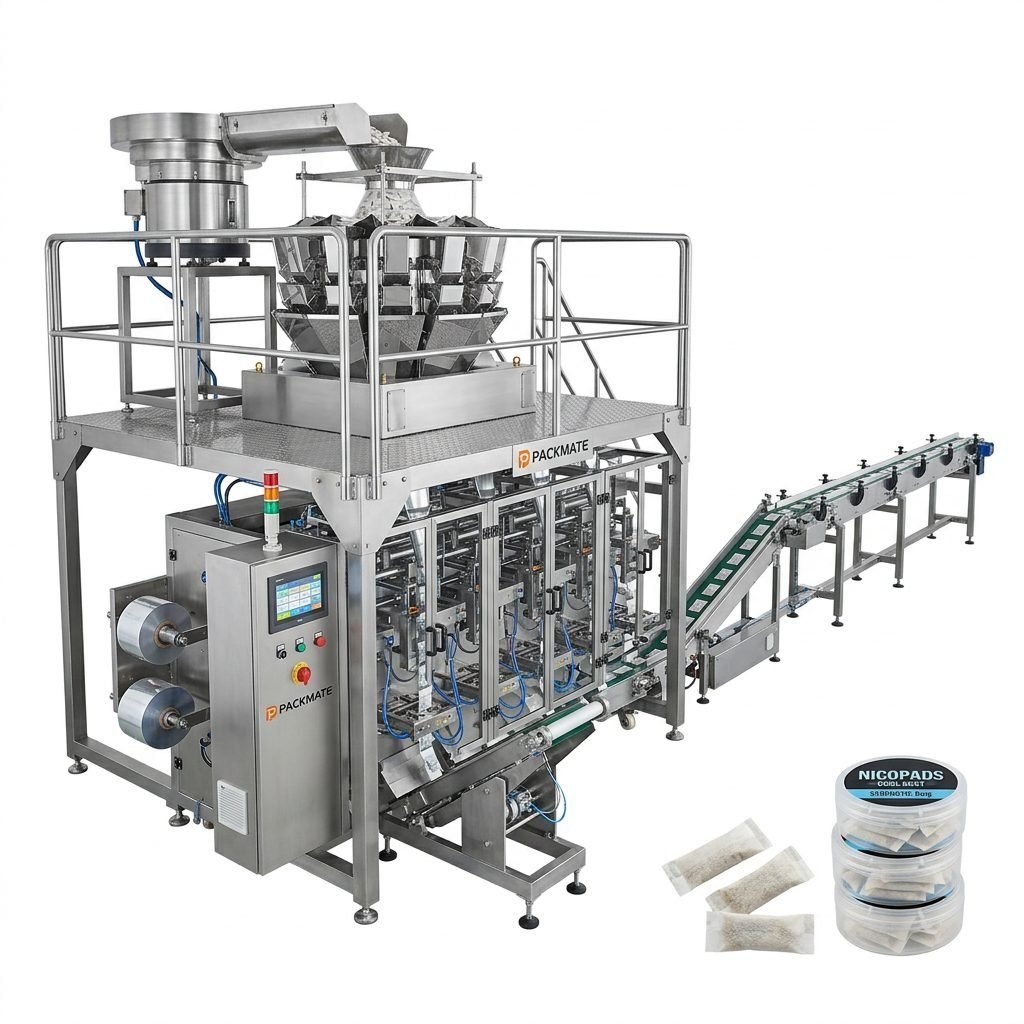
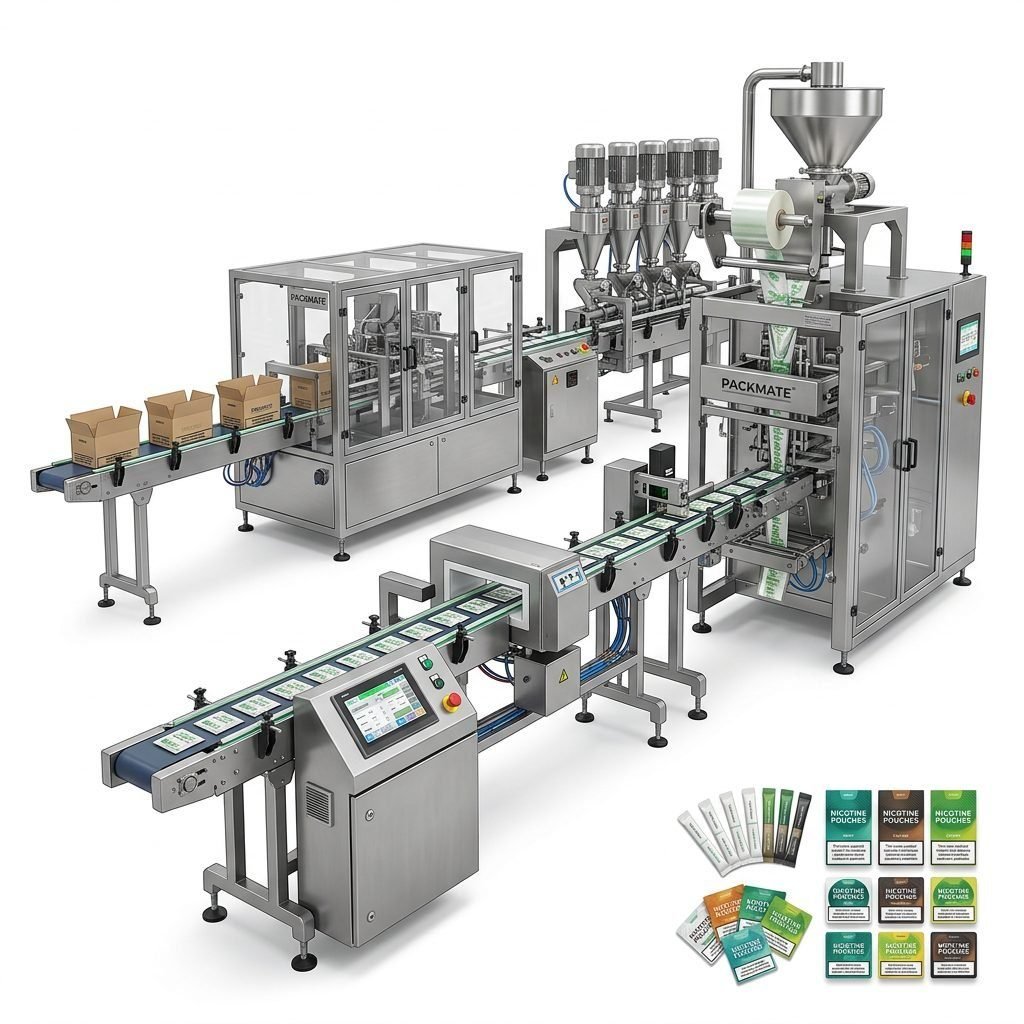
Choosing the right snus packaging machinery for your production operations in Sao Tome and Principe requires a practical blend of technical know-how, market awareness, and supplier confidence. This guide walks you through the most important decision points—from machine types and capacity planning to local considerations like climate, utilities, and regulatory compliance—so you can invest in equipment that maximizes uptime, product quality, and long-term return on investment.
Understand Your Product and Packaging Format
Before evaluating machines, define the exact snus or nicotine pouch format you will produce. Are you producing single-dose pouches, multi-lane sachets, stick packs, or a mix? Each format has its preferred machines:
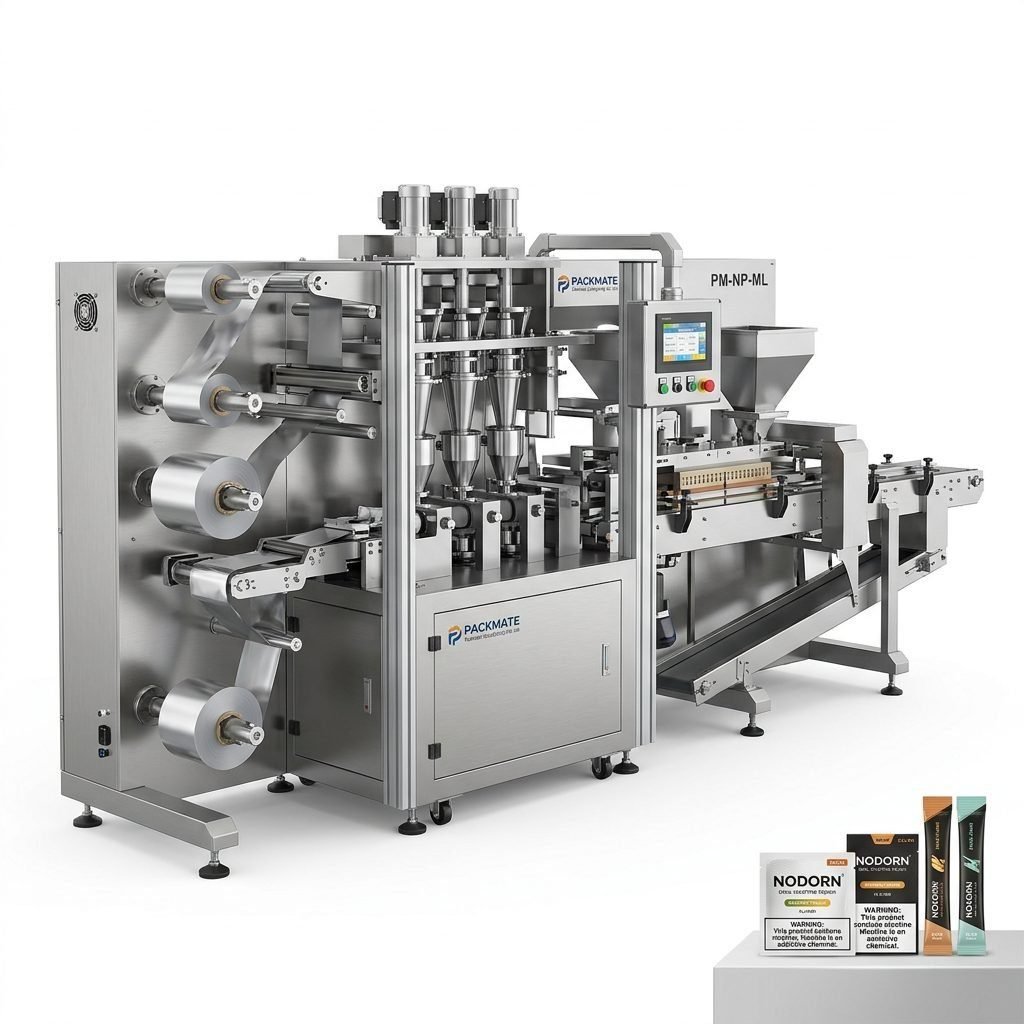
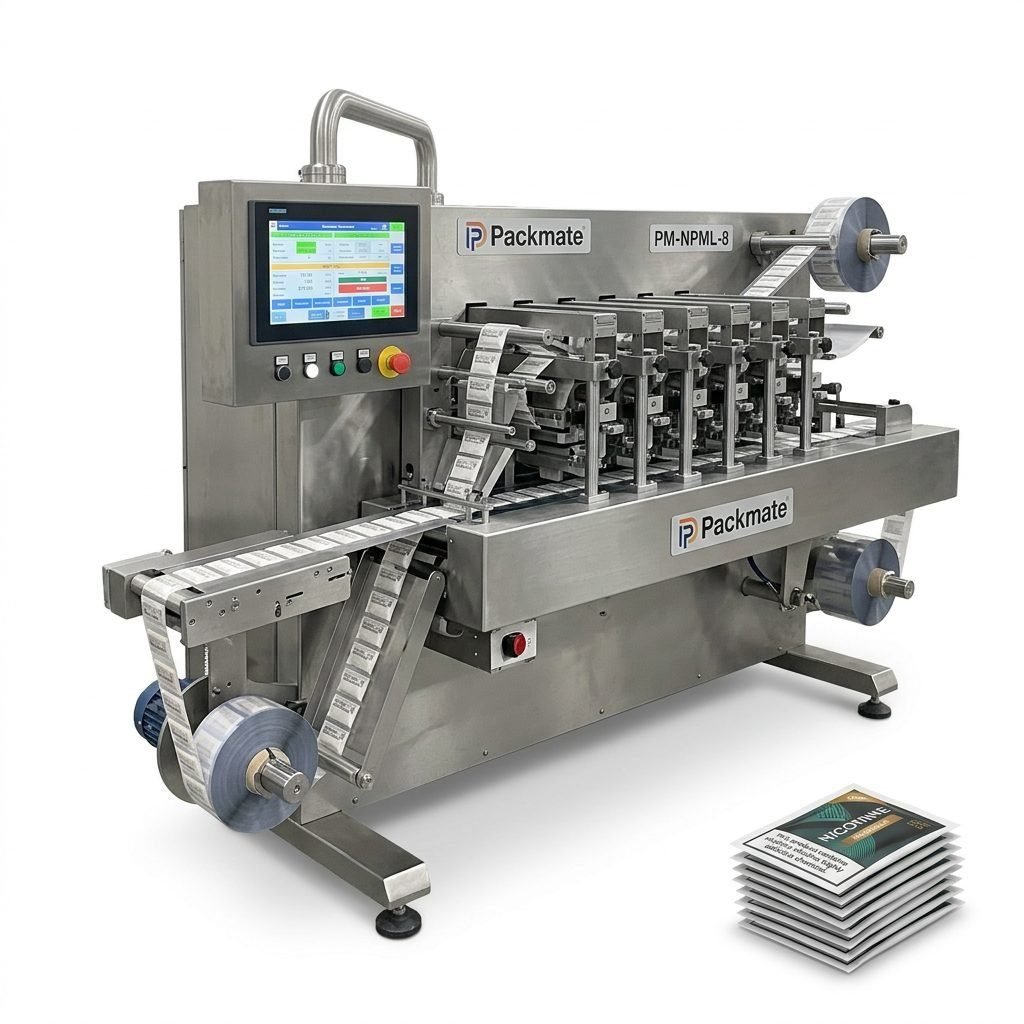
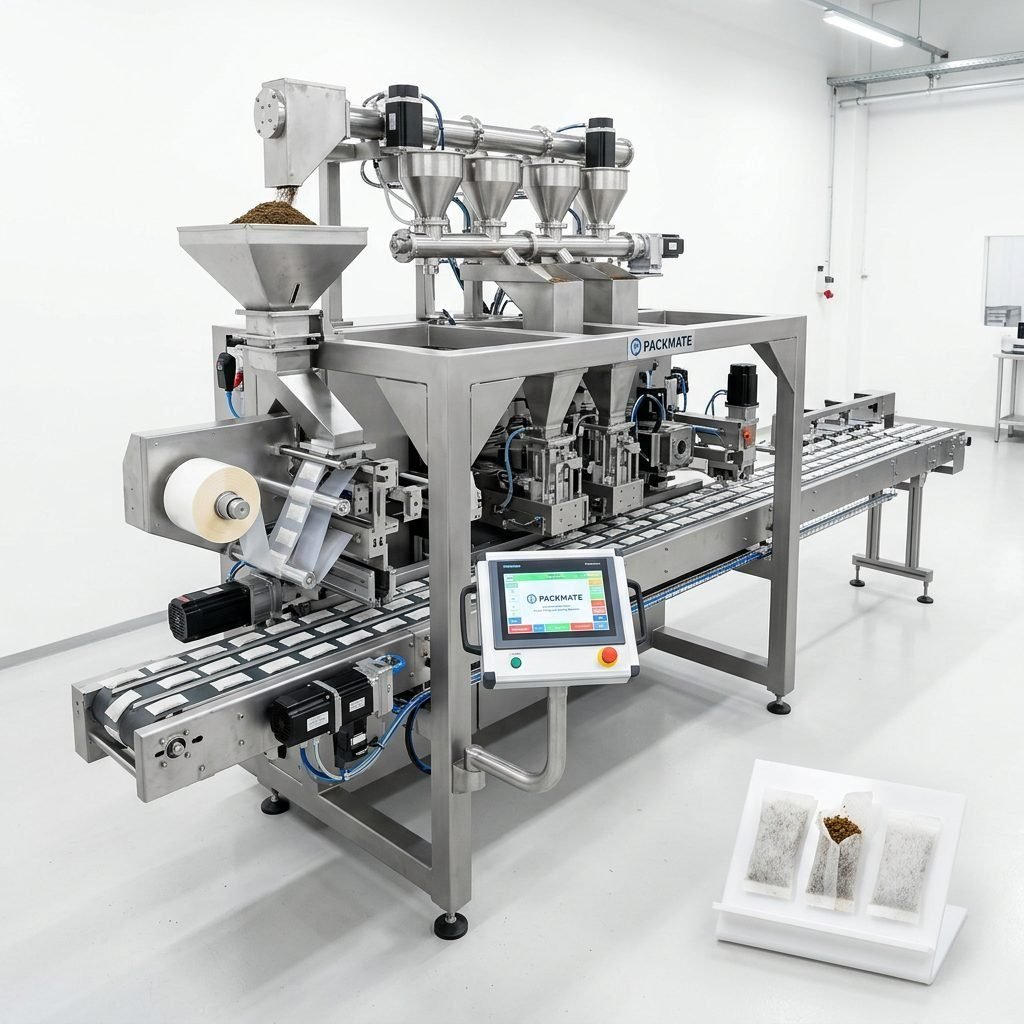
- For single-dose pouches and nicotine pouches: high-precision pouch forming and sealing machines that handle low-dose filling accurately.
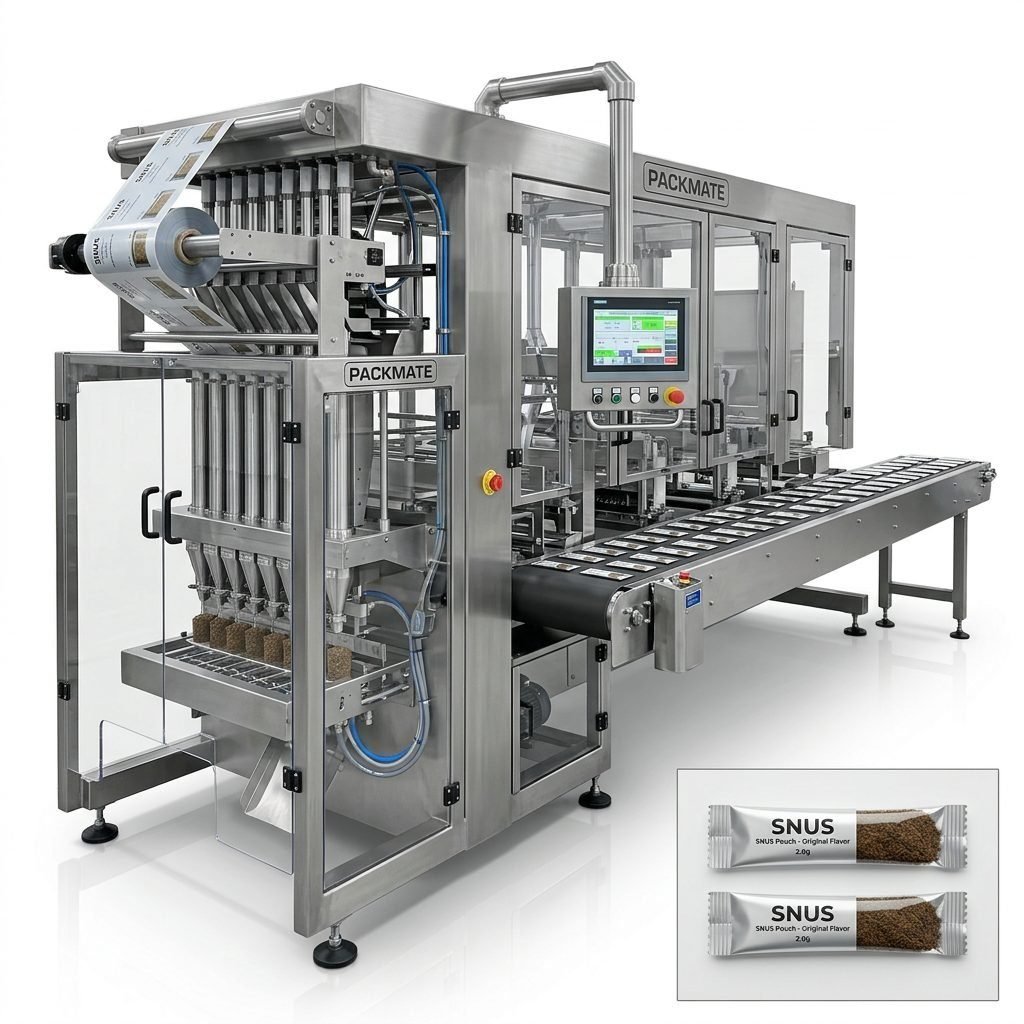
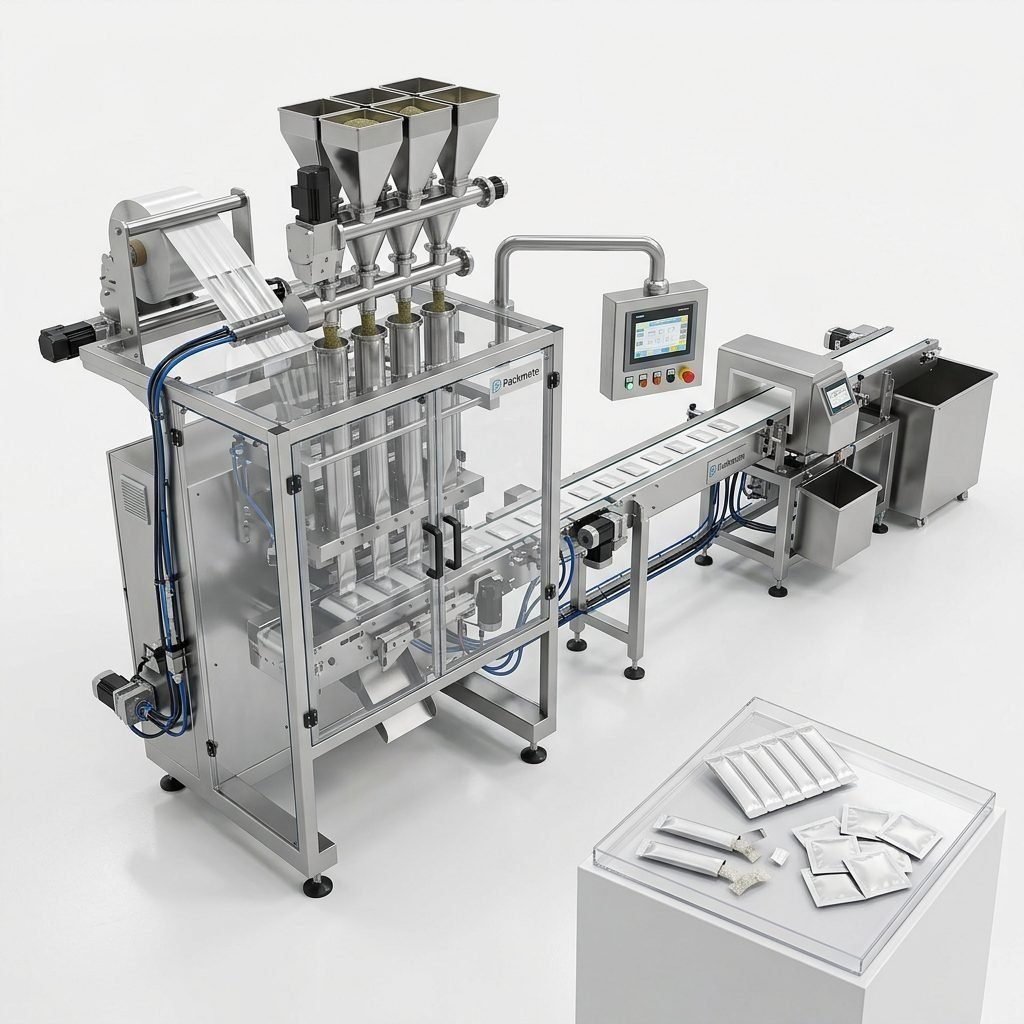
- For stick packs and sachets: continuous form-fill-seal (FFS) systems optimized for speed and consistency.
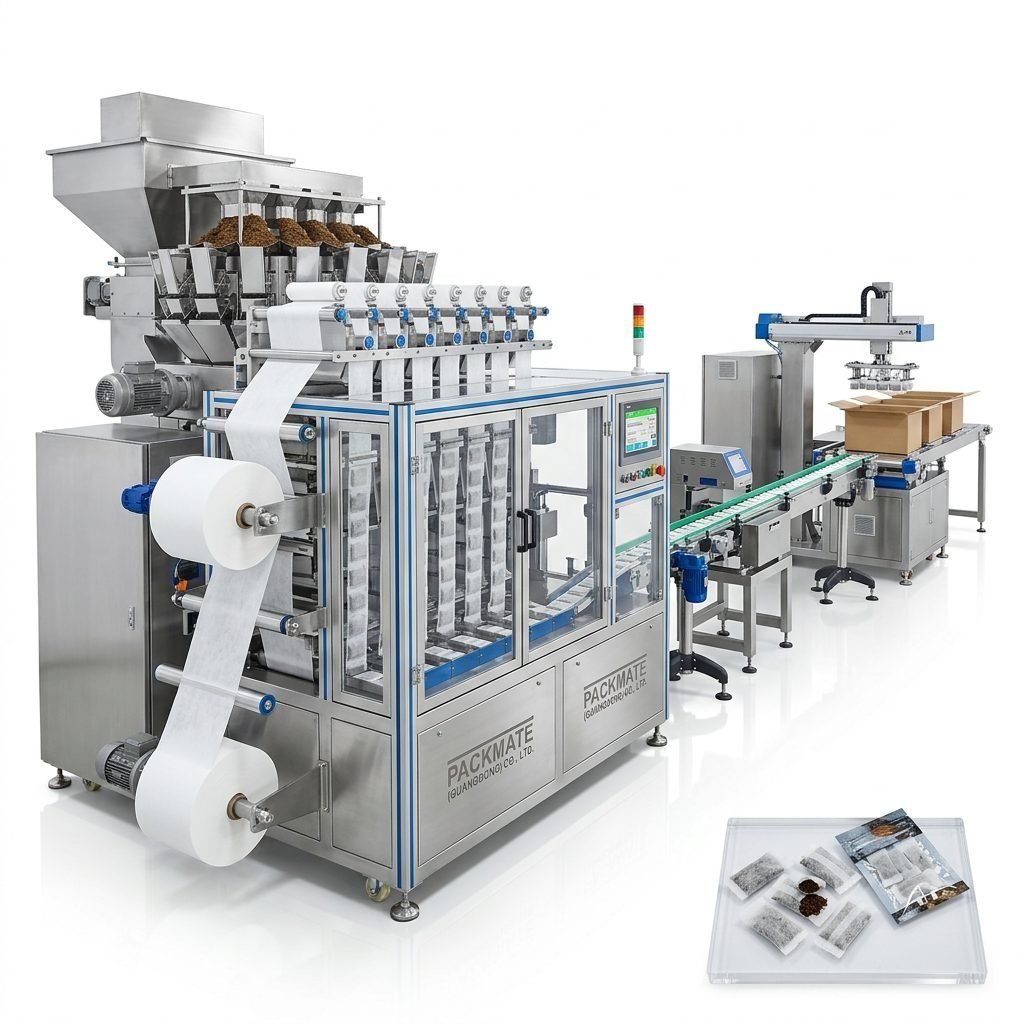
- For multi-lane production: specially engineered multi-lane systems that maximize throughput per footprint.
Why specification matters
Choosing a machine designed for your specific pouch size and fill weight minimizes changeover time and reduces waste. A machine selected without a clear product spec often leads to suboptimal performance, more rejects, and higher operating costs.
Quick tip: If you are exploring machine options, review models on the Snus & Nicotine Packaging Machines page to match equipment capabilities with your pouch design and dosing accuracy needs: Snus & Nicotine Packaging Machines
Assess Production Capacity & Scalability
Estimate your initial daily and monthly production volumes, and plan for growth. Machines come in single-lane, multi-lane, and modular configurations. Key metrics to evaluate:
- Target output per minute/hour/day
- Changeover speed between SKUs
- Ability to add lanes or modules as demand grows
For small markets like Sao Tome and Principe, a modular approach often gives the best balance: start with a compact multi-lane line and scale by adding lanes or parallel machines when needed.
Machine Types & Core Technologies
Familiarize yourself with the basic machine families and technology features:
- Form-Fill-Seal (FFS) for sachets and stick packs—fast, continuous operation.
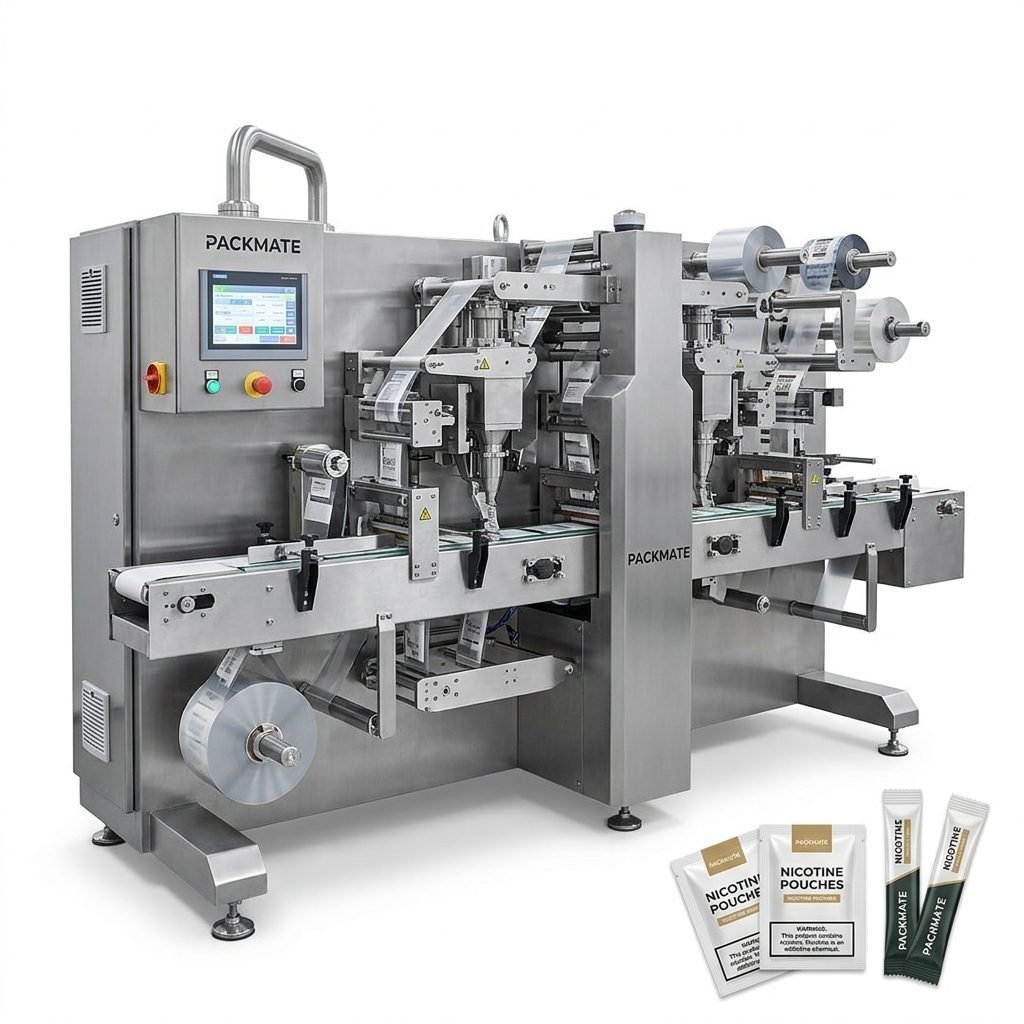
- Vertical pouch machines for pillow and gusseted pouches—good for varied pouch sizes.
- Multi-lane pouch lines—maximize output with synchronized lanes for small-dose products.
- Servo-driven dosing systems and precision weighing systems for consistent fill weights.
Automation & Control
Modern machines use PLCs, HMI touchscreens, and recipe management to minimize human errors. Look for features such as remote diagnostics, recipe storage, and fast-change toolings—these reduce downtime and facilitate quality control.
Important: Machines with built-in remote support and real-time diagnostics will dramatically reduce troubleshooting time—especially valuable when local technical resources are limited.
Material Compatibility & Packaging Films
The film and pouch material determine sealing temperatures, barrier needs, and shelf life. Verify that the machine can handle the film thickness and laminates you plan to use. Consider:
- Barrier requirements for moisture and oxygen sensitivity
- Heat-seal profiles for laminates and mono-material films
- Compatibility with reclose features (if needed)
Sustainability considerations
If recyclable or mono-material films are part of your strategy, ensure the selected equipment can form and seal those substrates reliably. Machines capable of gentle film handling reduce defects with delicate, thinner films.
Local Conditions in Sao Tome and Principe
Small island markets present unique challenges and opportunities. Address these local realities up front:
- Humidity and temperature: high humidity may require dehumidification or climate control in production areas to maintain pouch integrity.
- Power stability: machines with voltage tolerance or built-in UPS for sensitive controls reduce downtime from outages.
- Spare parts lead times: plan spare parts inventory or select suppliers offering rapid international delivery and robust remote support.
- Local skill levels: choose machines with intuitive HMIs and strong training programs to reduce ramp-up time.
Local partner strategy: Consider partnering with an experienced global manufacturer that provides complete packaging lines and local installation support—review their Service and Contact pages for availability: Service | Contact Us
Quality, Certifications & Compliance
Ensure your chosen equipment adheres to international standards—CE and ISO certifications are key indicators. For nicotine products and tobacco alternatives, regulatory control on packaging and child-resistance features can be strict; select machines capable of producing compliant pack formats and printing variable data for traceability.
Evaluating Suppliers & After-Sales Support
Supplier selection is as important as machine selection. Prioritize vendors with:
- Proven track record in snus and nicotine pouch machinery
- Comprehensive spare parts and service network
- Training offerings and on-site commissioning
- References and documented case studies
Review supplier case histories to confirm real-world performance. For example, Packmate has a variety of case studies demonstrating multi-lane and turnkey solutions across global markets: Case.
Service agreements and warranty
Secure a clear service agreement covering response times, spare parts availability, and remote support. A generous warranty and transparent maintenance schedule protect your investment and ease operational risk.
Total Cost of Ownership (TCO) and ROI
Purchase price is only part of the story. Consider TCO elements:
- Energy consumption and utility costs
- Operator labor and downtime costs
- Maintenance intervals and spare parts pricing
- Training and installation expenses
Conduct a realistic ROI projection based on expected run rates and waste levels. Investing in higher-quality, more reliable machines often lowers TCO by reducing unplanned downtime and scrap.
Installation, Validation & Operator Training
Plan for a structured installation and commissioning phase that includes operational validation, product trials, and thorough operator training. Effective training improves uptime and ensures correct maintenance practices.
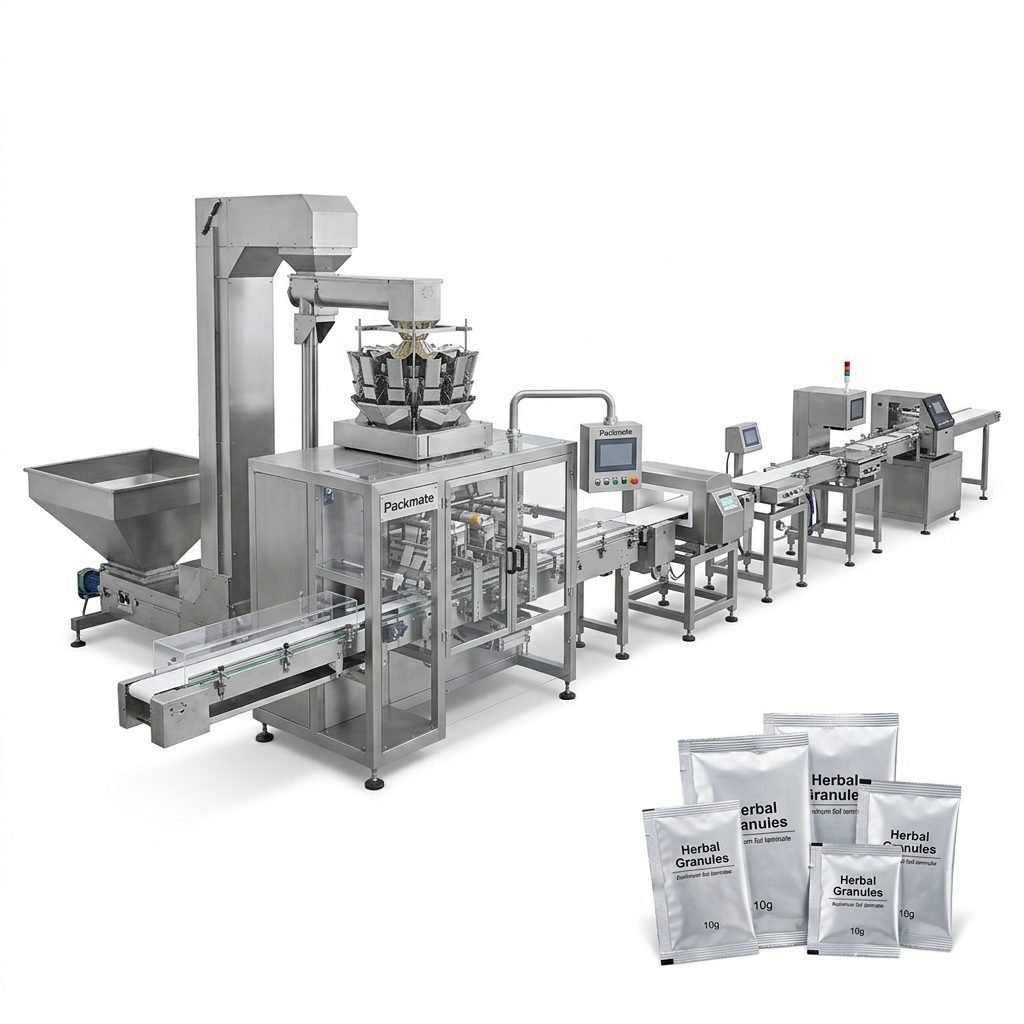
If you need complete production lines (weighing, filling, and packaging), explore integrated solutions that reduce engineering complexity: Filling & Packaging Lines.
Testing, Samples & Pre-Shipment Trials
Always request pre-shipment trials with your actual product and film. Accept machine FAT (Factory Acceptance Test) results and, if possible, visit the factory for demonstrations or request recorded trials. Verified performance data reduces risk and ensures the delivered machine meets expectations.
Checklist before purchase: production volumes, product specs, film compatibility, spare parts policy, training and warranty terms, and local installation capability.
Common Operational Challenges and How to Mitigate Them
Expect challenges during ramp-up; here are typical issues and practical mitigations:
- Sealing defects: adjust heat profiles and use consistent film suppliers.
- Dosing inconsistencies: calibrate dosing or weighing systems and implement in-line checkweighers.
- Frequent film jams: choose machines with robust film tracking and tension control.
- Skill gaps: invest in intensive on-site training and clear SOPs.
Why Choose an Experienced Supplier
An experienced supplier brings engineering depth, tested solutions for nicotine pouch production, and the ability to deliver turnkey lines when needed. Look for manufacturers with a long history in packaging equipment and relevant certifications—these credentials indicate reliability, regulatory awareness, and manufacturing quality. Learn more about an established partner like Packmate on their About page: About Packmate.
Final Steps: Procurement to Production
When you are ready to procure:
- Collect detailed quotations including delivery, installation, training, and warranty.
- Validate machine functionality with product trials and FAT documentation.
- Plan logistics and customs clearance for Sao Tome and Principe, accounting for part delivery lead times.
- Schedule commissioning, operator training, and a warranty support plan.
Pro tip: If you require integrated auxiliary equipment—such as weighing, feed systems, or secondary packaging—review the full product suite including Bag & Pouch Packaging Machines and Weighing & Packaging Systems to ensure seamless line integration: Bag & Pouch Packaging Machines | Weighing & Packaging Systems.
Quick decision summary
Select a machine that matches your pouch format and fill accuracy; choose a modular, service-ready supplier; verify performance through trials; and plan for local environmental and logistical conditions. Prioritizing quality and support will minimize TCO and speed up time-to-market for your snus products in Sao Tome and Principe.
Common Questions
Q1: What machine type is best for small-batch nicotine pouches in Sao Tome and Principe?
A1: A compact multi-lane pouch machine or a single-lane vertical pouch machine with precision dosing is ideal for small-batch flexibility and lower footprint.
Q2: How critical is local humidity control for snus packaging?
A2: Very important—humidity affects pouch sealing and product shelf life. Implement climate control or desiccant systems in production and storage areas.
Q3: What support should I expect from a packaging machine manufacturer?
A3: Expect installation, commissioning, operator training, spare parts supply, remote diagnostics, and warranty coverage. Verify response times and service network beforehand.
Q4: Can I get a turnkey solution that includes filling, weighing, and packaging?
A4: Yes—many suppliers offer integrated lines combining weighing, filling, and packaging modules. Review integrated offerings like Filling & Packaging Lines to simplify procurement and installation.
Q5: Where can I find reliable machine models and case studies?
A5: Visit manufacturer product lists and case pages to compare models and real-world deployments: Sachet & Stick Pack Machines | Case.