Choosing the right nicotine packaging machine for your production facility in Finland requires a careful balance of regulatory understanding, technical specifications, and long-term serviceability. This guide walks you through the key factors to evaluate—machine types, production capacity, pouch formats, automation level, compliance and certifications, and total cost of ownership—so you can make an informed investment that fits both your product strategy and local market requirements.
1. Understand Finnish and EU Regulations
Finland follows strict EU rules on nicotine products and packaging. Before selecting a machine, ensure the supplier can help with regulatory compliance, traceability and labeling systems. Machines that support flexible printing and variable data encoding (batch numbers, production dates, QR codes) will save time and avoid recalls.
Key point: pick equipment that can integrate marking or printing modules easily for compliance and traceability.
2. Match Machine Type to Your Product Format
Nicotine pouches and snus are packaged in several formats. Your chosen machine must be compatible with the pouch format you plan to produce:
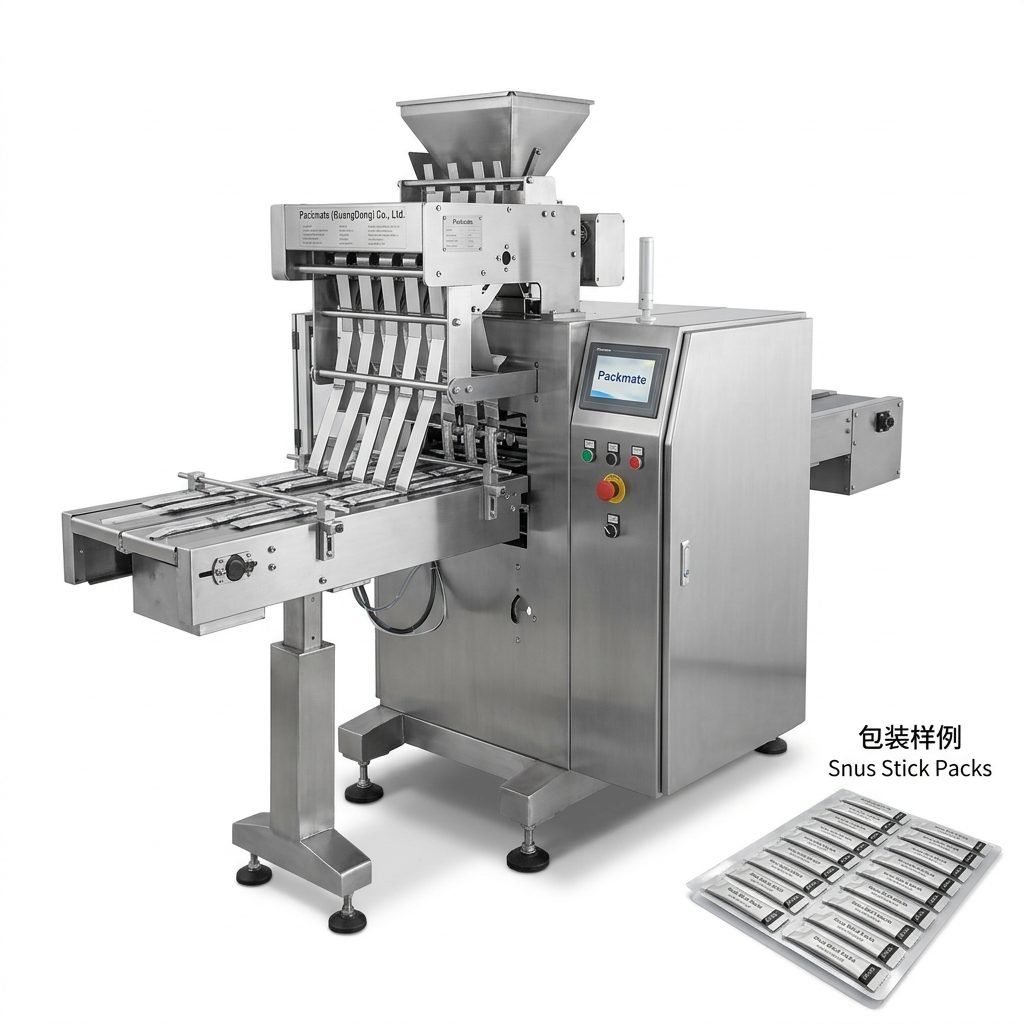
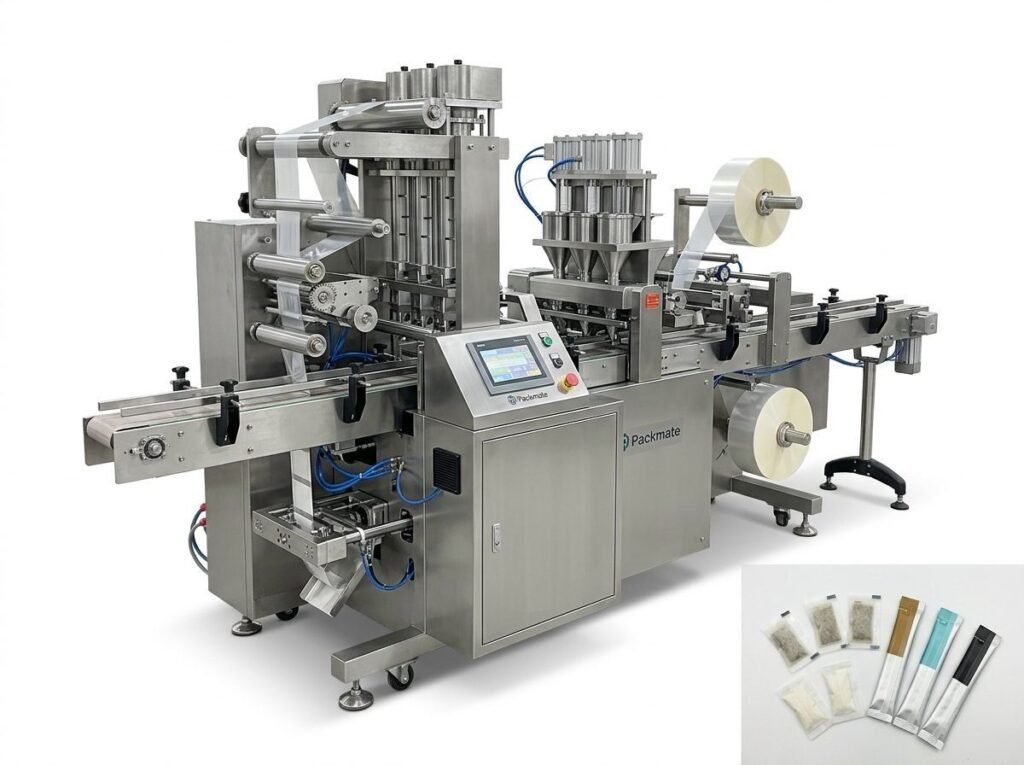
📌 Stick packs and sachets: ideal for single-dose portions; look at sachet & stick pack machines with precise dosing controls.
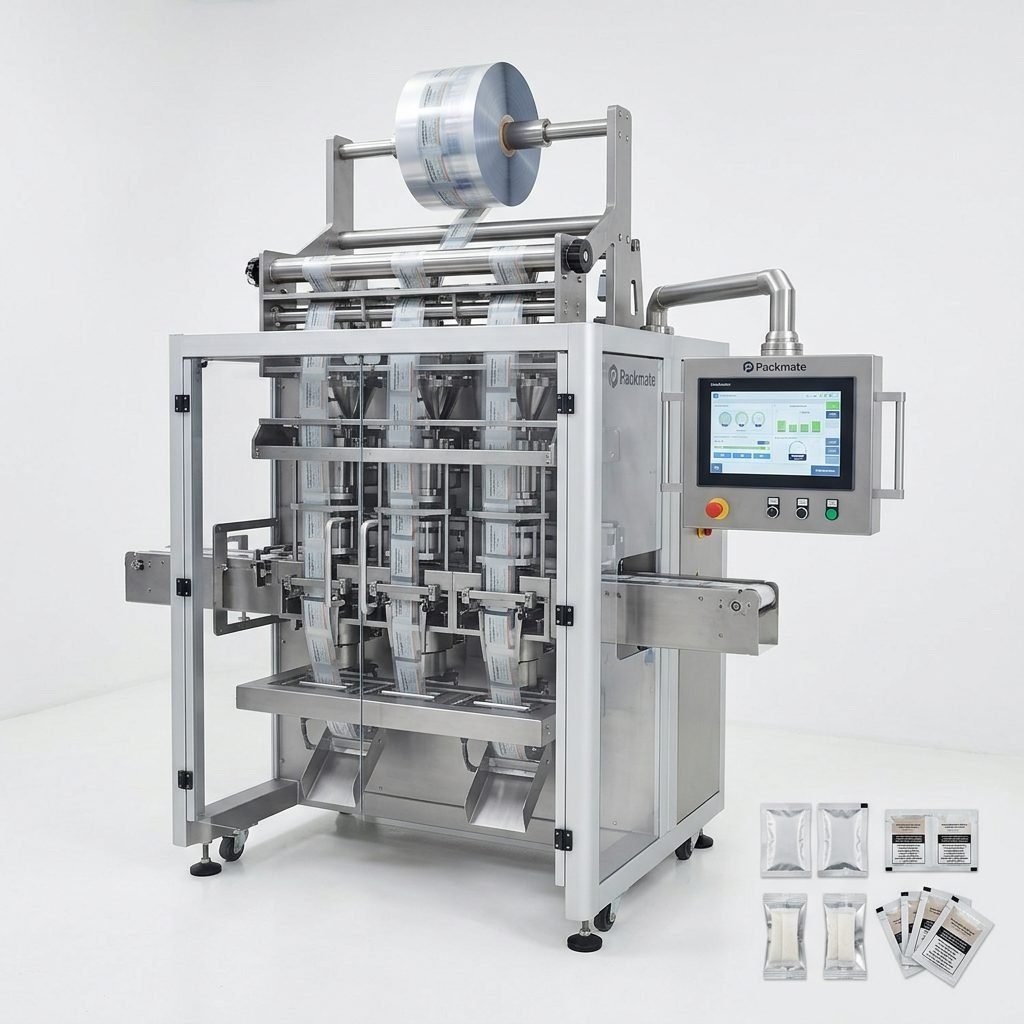
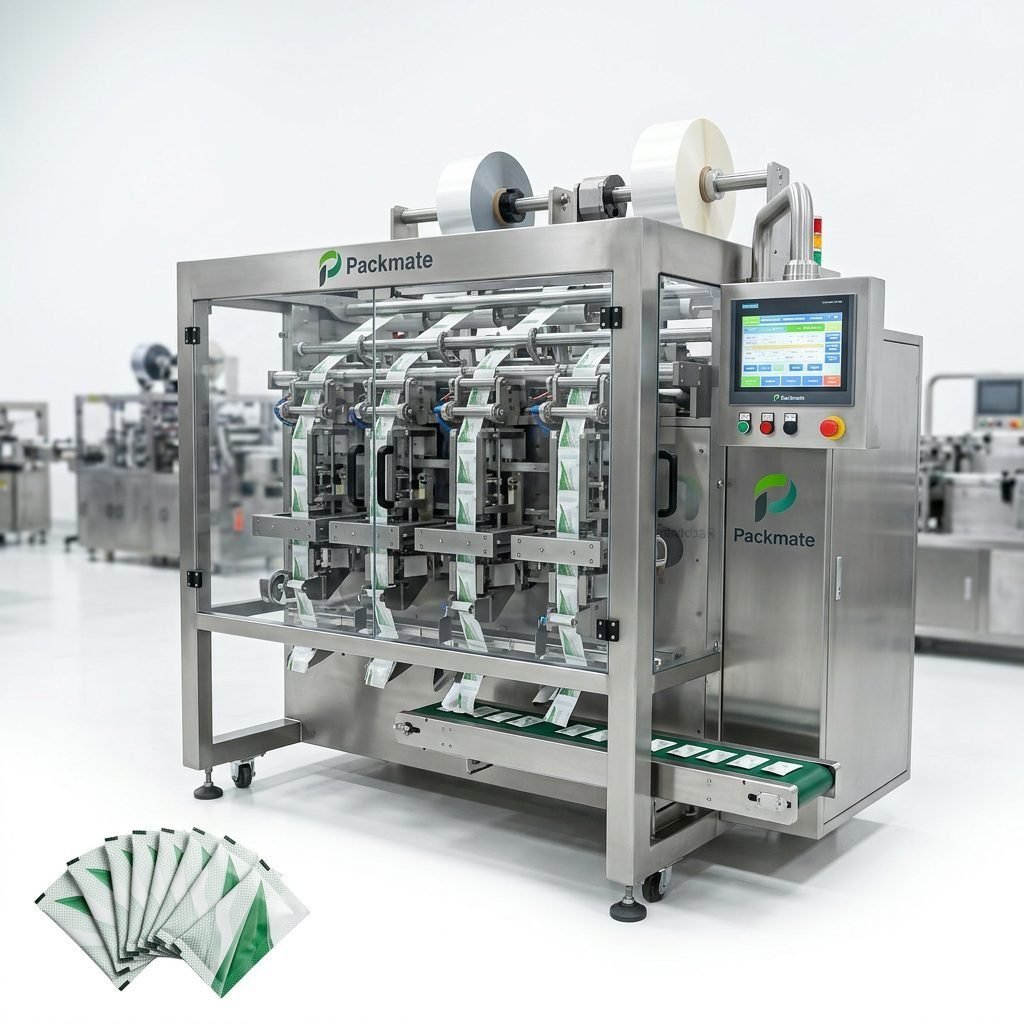
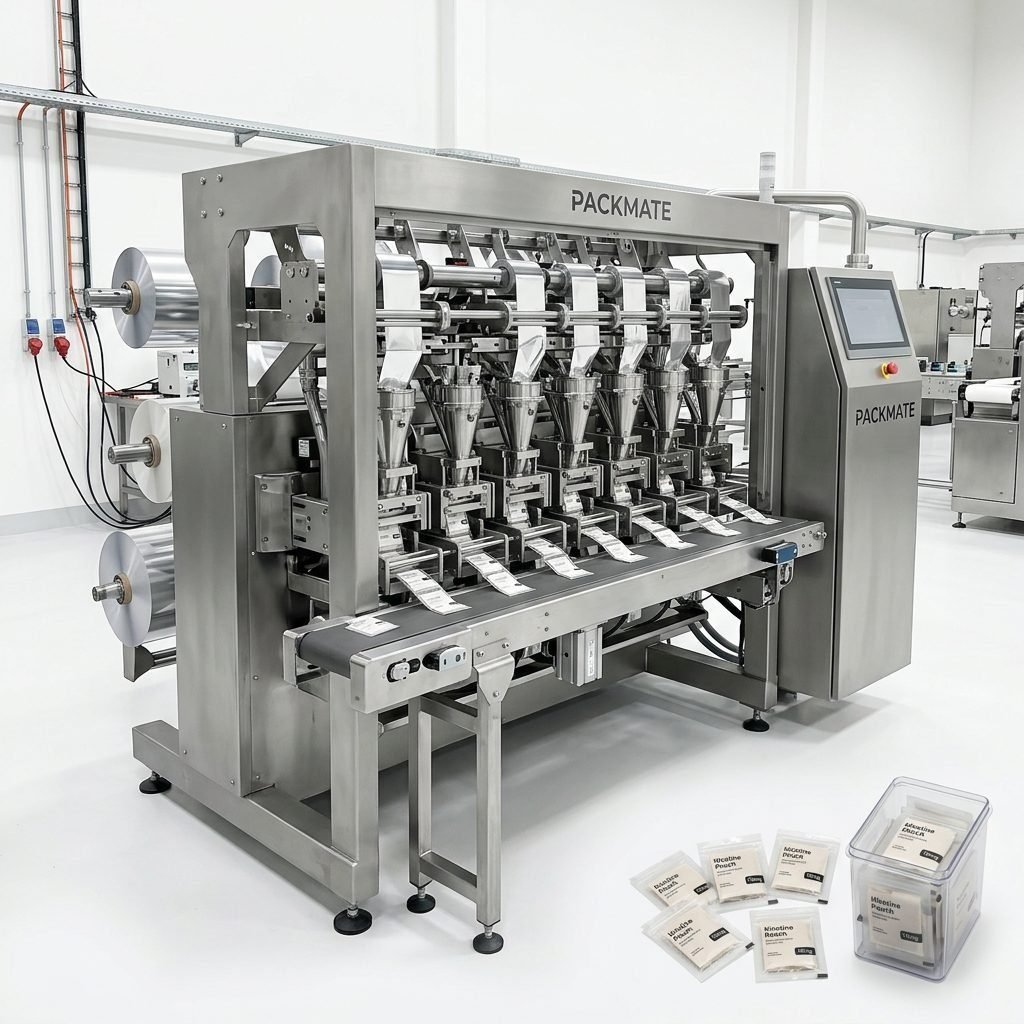
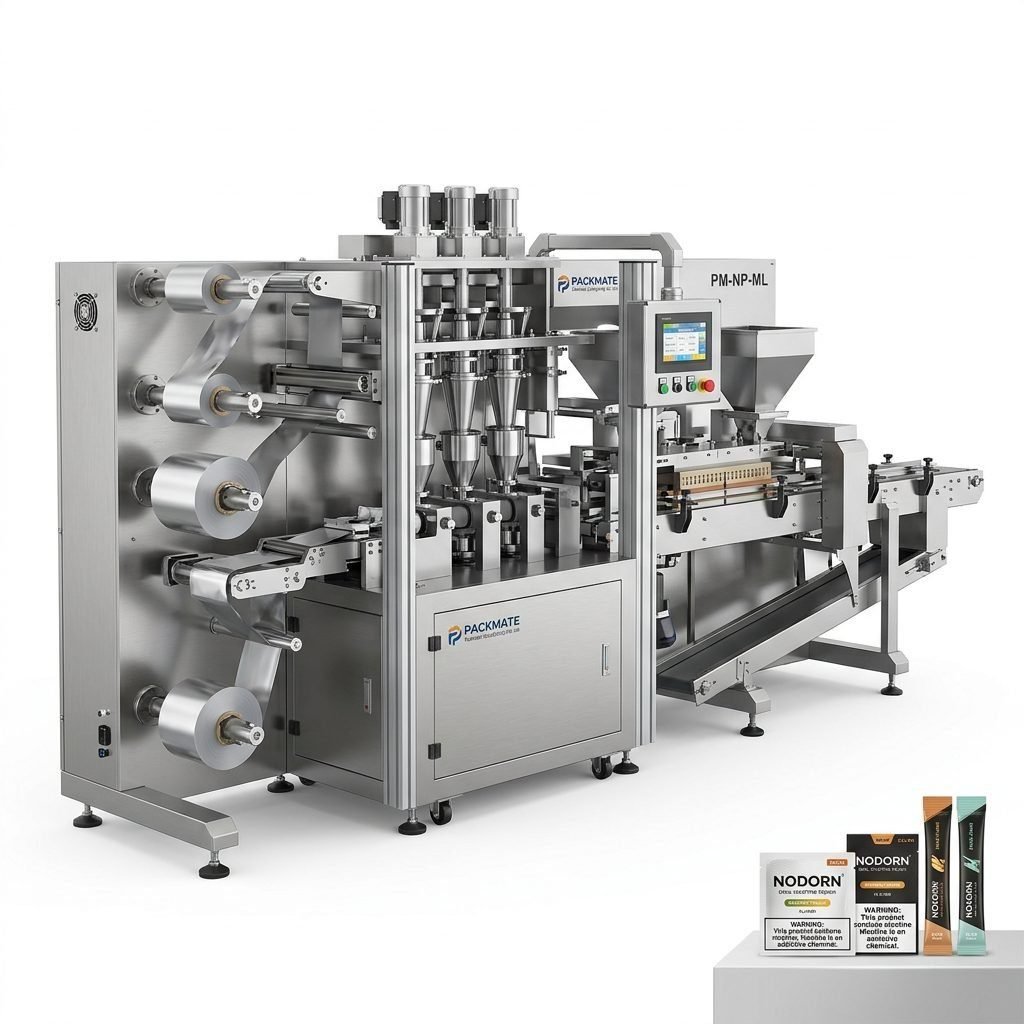
📌 Pouch-based multi-lane systems: best for higher throughput and small-dose nicotine pouches; check snus & nicotine packaging machines that support multi-lane filling and sealing.
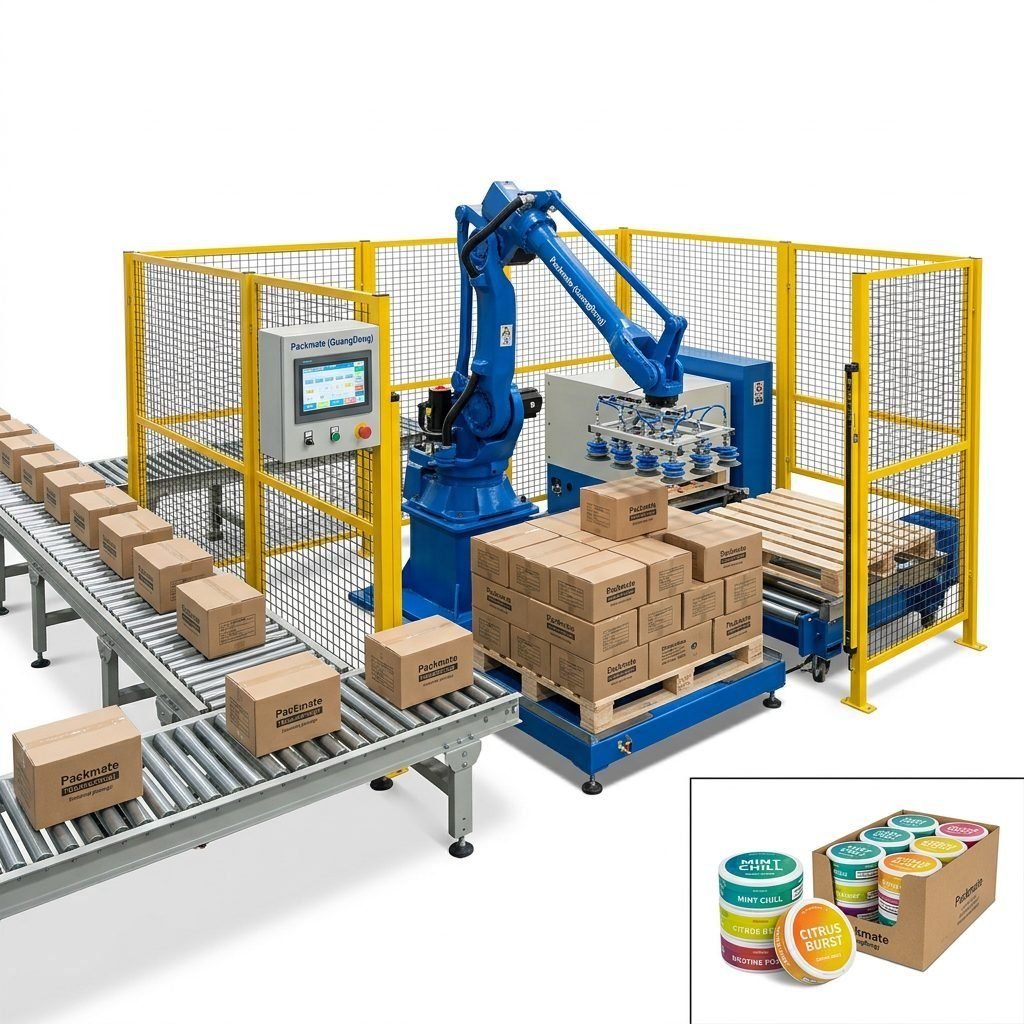
📌 Sachets with outer cartons or flow-wrapped packs: choose integrated lines that combine filling with cartoning for efficient secondary packaging.
Quick compatibility checklist
– Product form (powder, granule, paste) — choose appropriate dosing system.
– Pouch or sachet material (paper, PET, aluminium) — sealing technology must match.
– Fill weight range and tolerance — precision feeders and weighing modules are essential.
⚠️ Tip: If you plan to switch pouch sizes or recipes, prioritize machines with quick changeover systems and modular tooling.
3. Determine Required Throughput and Scalability
Production speed is a decisive factor. Define your target output per shift and annual volume, then select a machine with headroom for growth. Many suppliers offer:
✔️ Single-lane machines for low to medium volume startups.
✔️ Multi-lane systems (4, 8, 12 lanes or more) for high-volume manufacturers.
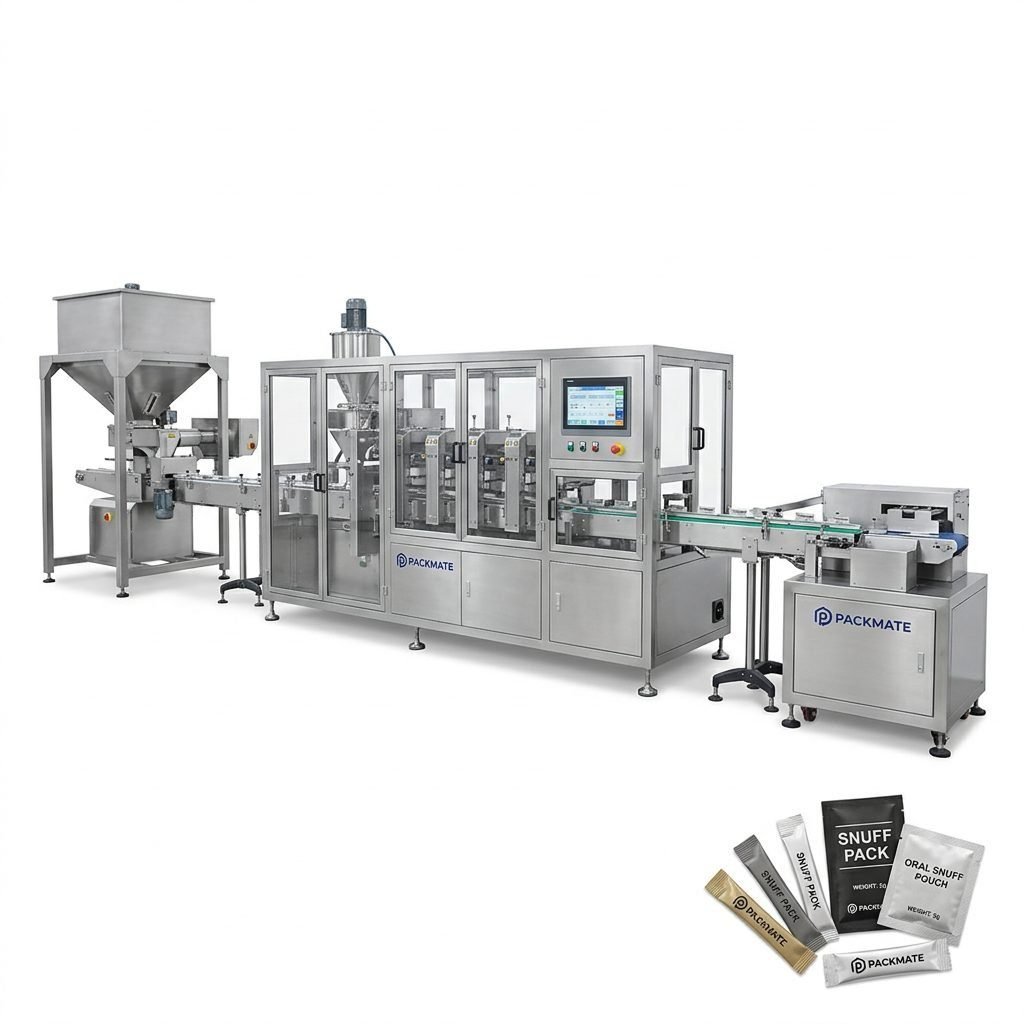
Consider the entire line speed (filler, sealer, labeling, cartoning), not just the primary packaging machine. Integrated filling & packaging lines reduce bottlenecks and improve overall efficiency.
4. Evaluate Filling Technology and Accuracy
Nicotine pouch dosing requires high precision to maintain regulatory limits and product consistency. Look for machines offering:
– Gravimetric or volumetric filling systems with low tolerance.
– High-precision feeders for powders and small granules.
– Automatic correction and in-line scales to reduce rejects.
📌 Performance metric: aim for filling accuracy that keeps product giveaway below 1–2% for cost control and compliance.
5. Materials, Seals, and Packaging Integrity
Packaging material influences machine choice. Aluminum-infused laminates or barrier films require robust heat-sealing or ultrasonic sealing systems. Ensure the machine can:
– Handle your selected film widths and thicknesses.
– Provide uniform sealing energy across the web.
– Support modified atmosphere packaging (MAP) if needed.
6. Automation, Controls and Industry 4.0
Modern packaging machines include PLC controls, touchscreen HMI, and remote diagnostics. For Finnish operations, prioritize:
– Recipe management for rapid product changeovers.
– Remote monitoring and IoT capability for predictive maintenance.
– Intuitive HMI supporting multiple user levels and languages.
Investing in connectivity reduces downtime and enables faster troubleshooting from suppliers. Packmate’s multi-lane systems, for example, support advanced control options that align with global automation standards.
7. Hygiene, Material Contact Surfaces and Maintenance
Nicotine products require equipment that is easy to clean and maintain. Key considerations include:
– Stainless steel contact parts and food-grade finishes.
– Quick-release components for fast cleaning.
– Clear access for inspection and servicing.
Maintenance and spare parts
Choose suppliers with strong spare parts availability and local service support. International vendors with nearby service centers or fast shipping reduce mean time to repair (MTTR).
8. Certifications and Quality Standards
Verify that the equipment adheres to international standards. Machines with CE and ISO certifications indicate compliance with safety and quality norms. For extended assurance, request documentation and test reports during the selection stage. See manufacturer credentials like certificates and quality statements.
9. After-Sales Service, Training and Warranties
After-sales support is vital. Confirm the vendor provides:
– On-site installation and commissioning.
– Operator and maintenance training.
– Spare parts kits and rapid technical support.
Suppliers with global exhibition presence and cases across markets often have established service networks; browse customer cases and exhibition records to assess reliability: Case studies and exhibition history.
10. Total Cost of Ownership (TCO) and ROI
Initial purchase price is only part of the picture. Evaluate TCO including:
– Energy consumption and air requirements.
– Spare parts and consumables costs.
– Downtime rates and ease of cleaning.
– Flexibility to run multiple SKUs without major upgrades.
✅ Financial insight: calculate payback by comparing expected production savings, reduced giveaway, and lower reject rates from high-accuracy equipment.
11. Site Requirements and Installation Planning
Plan for floor load, power, compressed air and environmental conditions. Discuss layout and utilities with the manufacturer early to avoid delays. If you need a turnkey solution that includes upstream/downstream equipment, review combined offerings like filling & packaging lines.
12. Selecting the Right Supplier
Choose a supplier with proven experience in snus and nicotine packaging. Evaluate:
– Track record and years in the industry.
– Factory capabilities and customization options.
– References in similar markets and machine performance records.
Packmate Snus Machine, for example, offers multi-lane systems, 30+ years of engineering experience and a large manufacturing facility that supports custom turnkey solutions. For more company details, see About Packmate.
13. Practical Buying Checklist
Use this checklist when reviewing quotes and proposals:
📍 Machine compatibility with pouch sizes and materials.
📍 Throughput, scalability and multi-lane capability.
📍 Filling accuracy and reject rates.
📍 Automation, connectivity and recipe management.
📍 Certifications (CE, ISO), warranty and service terms.
📍 Installation plan, training schedule and spare parts lead times.
📌 Vendor evaluation: ask for video demos, factory acceptance test (FAT) reports and customer references before committing.
14. Negotiation and Delivery Considerations
Discuss lead times, payment terms and after-sales service. Make sure delivery includes documentation: electrical diagrams, spare parts lists, operation manuals, and FAT certificates. Confirm who is responsible for customs and local regulatory paperwork to avoid surprises during import into Finland.
15. Final Decision Framework
Combine technical scoring (compatibility, accuracy, speed), commercial terms (price, warranty, service), and strategic fit (scalability, modularity). Prioritize machines that minimize operational risk while enabling future growth.
Conclusion
Selecting the right nicotine packaging machine in Finland means balancing regulatory needs, production targets and long-term serviceability. Evaluate machine compatibility with pouch formats, dosing accuracy, automation capabilities, and after-sales support. Work with experienced suppliers who provide documentation, training and reliable spare parts to ensure smooth startup and consistent production performance.
Frequently Asked Questions
Q1: What machine type is best for a startup producing nicotine pouches?
A low- to medium-throughput single-lane sachet or pouch machine with modular upgrade options is often best. It reduces initial capital expenditure while allowing future expansion to multi-lane systems as demand grows.
Q2: How important is filling accuracy and how is it ensured?
Extremely important—both for regulatory compliance and cost control. Choose machines with precise gravimetric or volumetric dosing, in-line check weighing and automatic correction systems to maintain accuracy and reduce giveaway.
Q3: What certifications should I look for?
Look for CE and ISO certifications as baseline safety and quality indicators. Also request machine-specific test reports and FAT documentation to verify performance claims.
Q4: How can I ensure fast service and spare parts availability in Finland?
Work with suppliers who maintain regional parts stocks or have fast international shipping. Verify lead times for critical wear parts and consider purchasing a spare parts kit with initial delivery.
Q5: Where can I find more information about turnkey solutions and specific machine models?
Explore manufacturer product pages and catalogs. For example, review bag & pouch packaging machines and contact suppliers directly via their Contact Us page for tailored proposals.