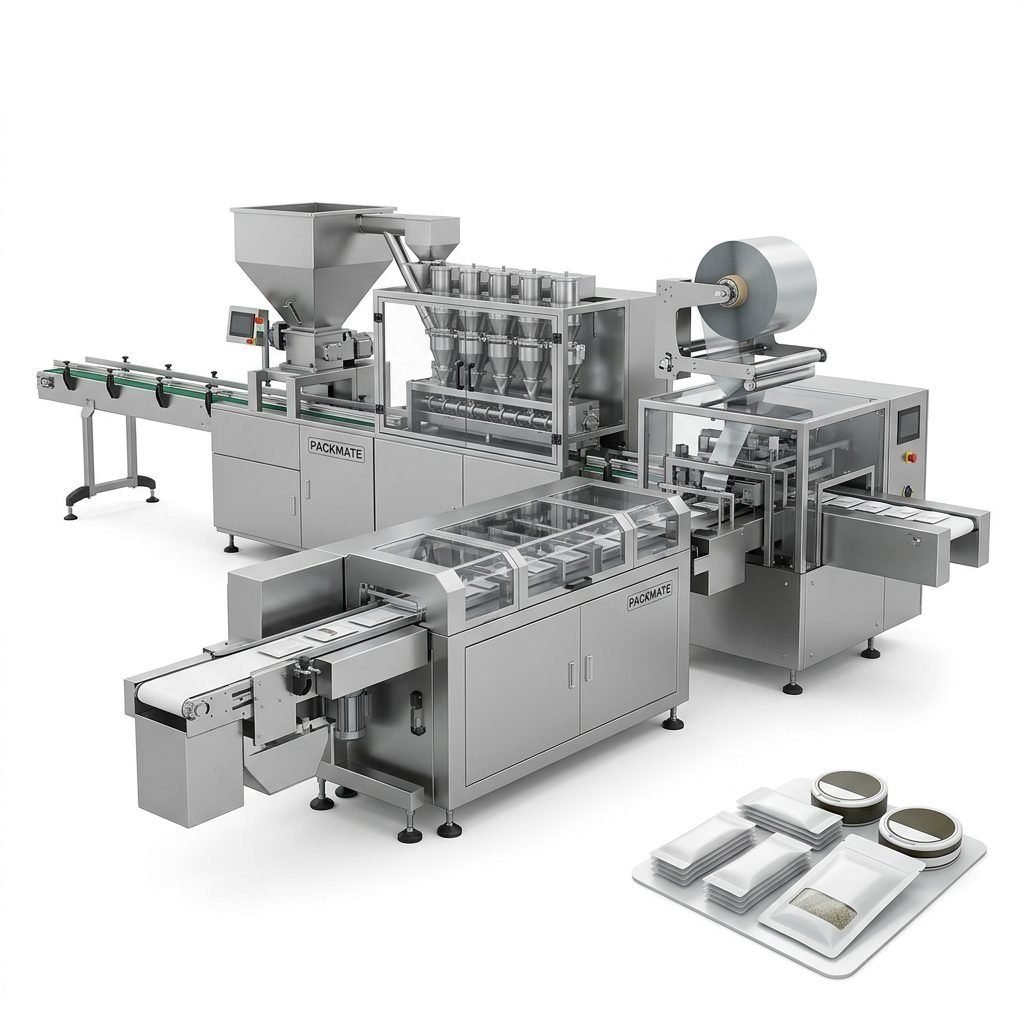
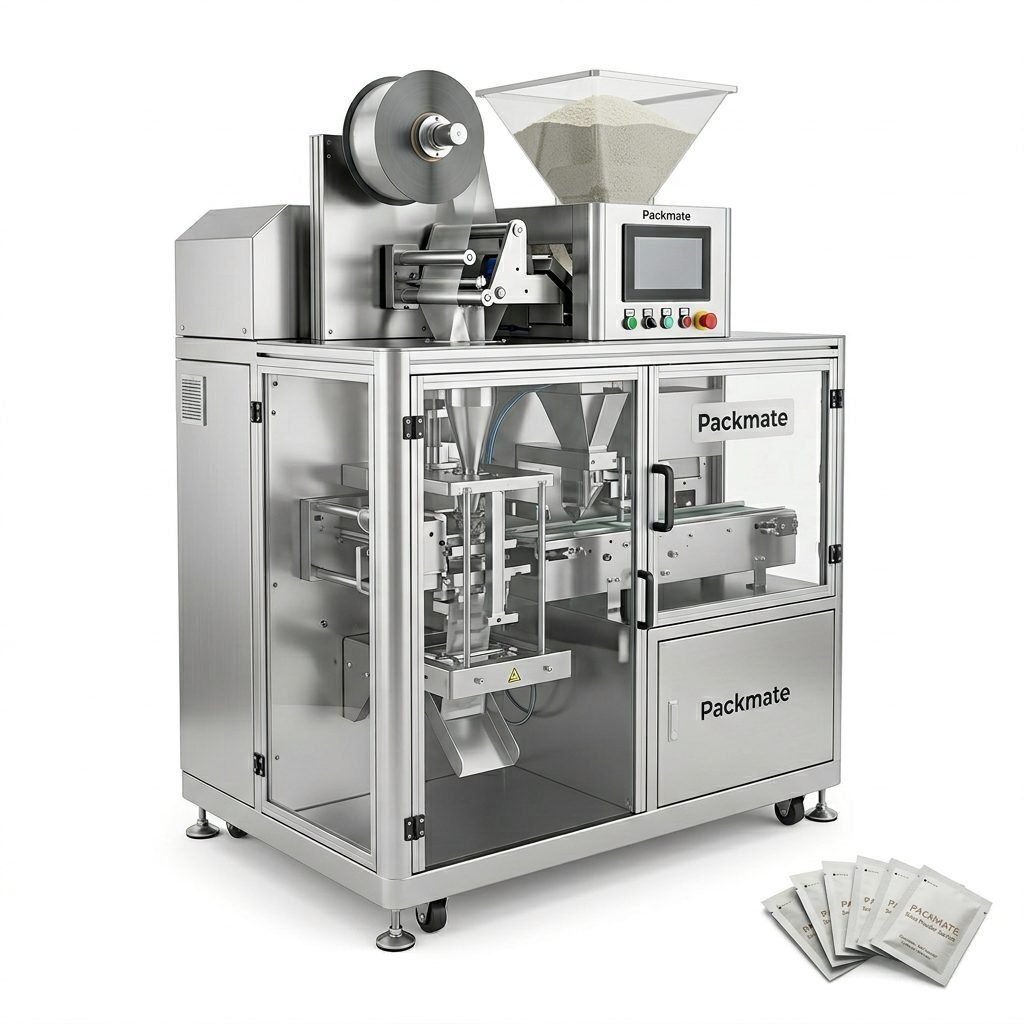
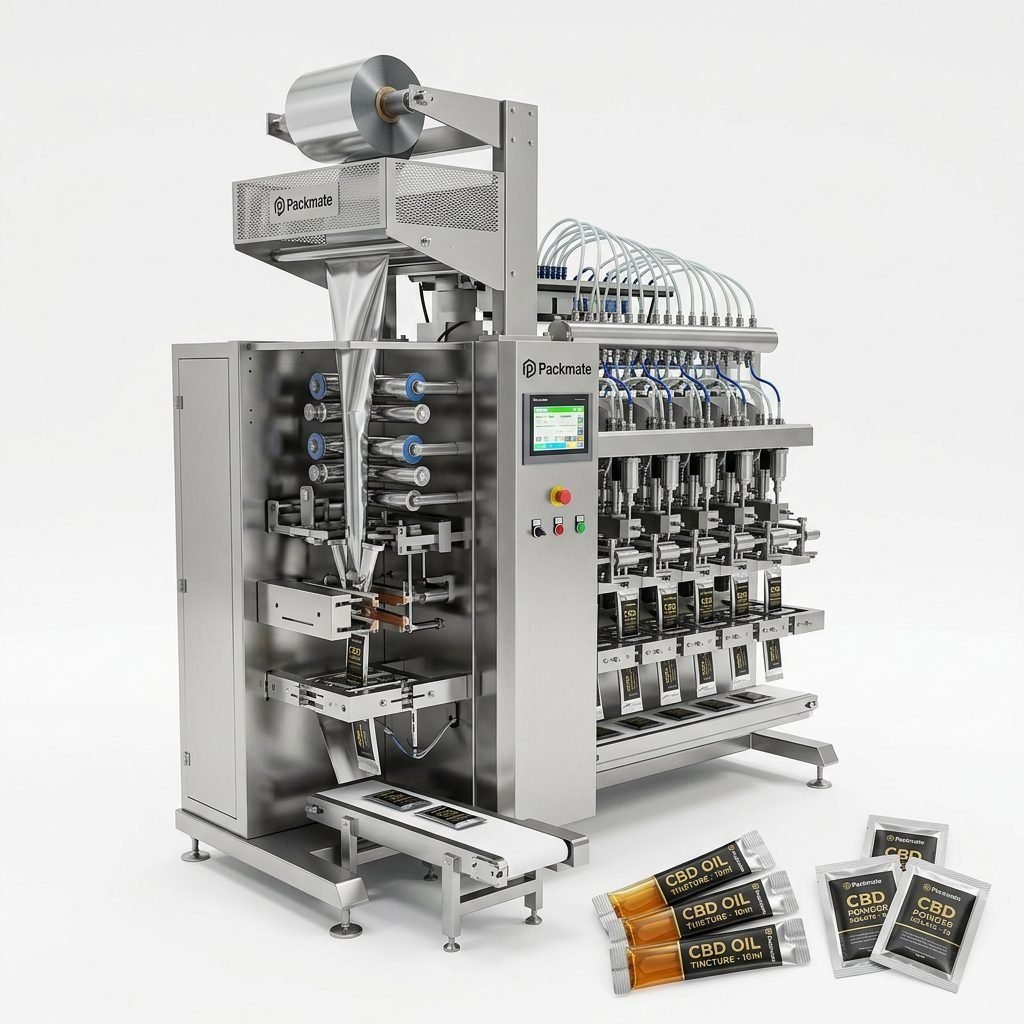
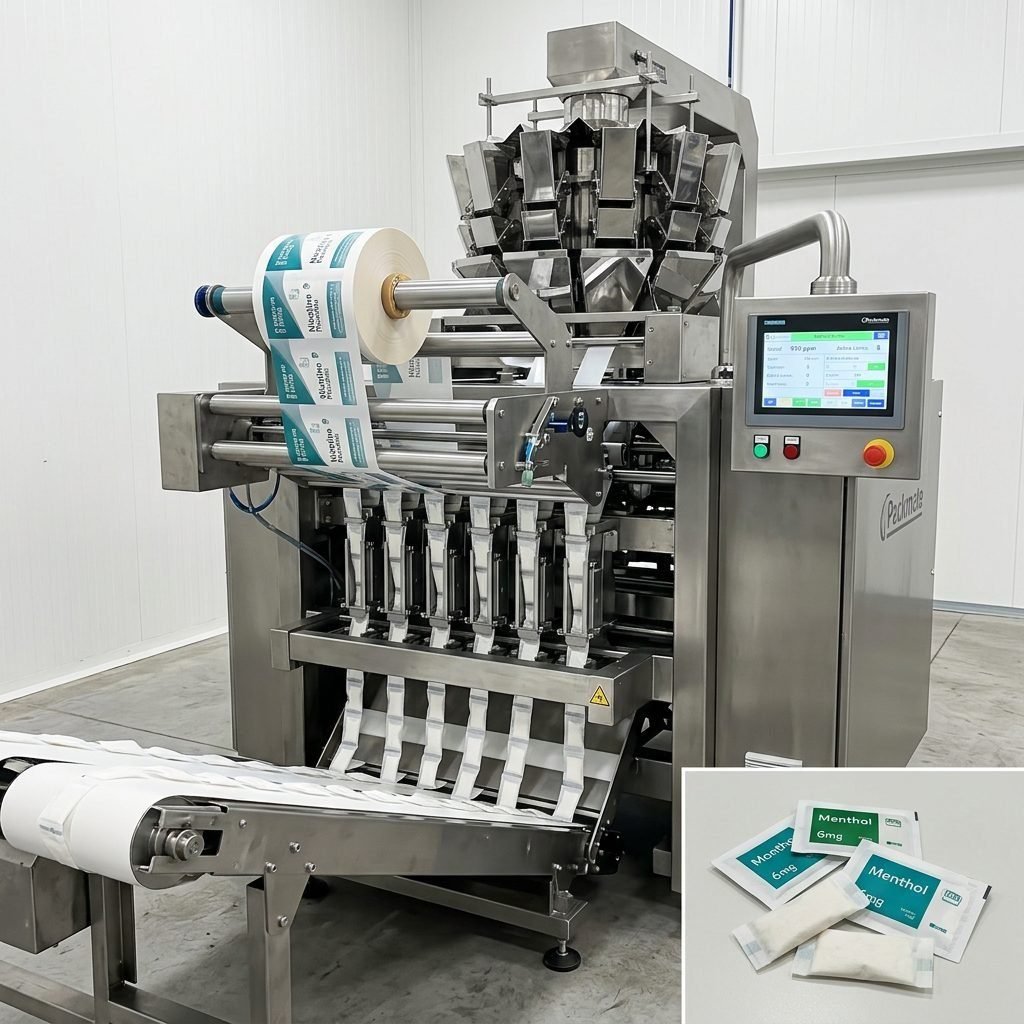
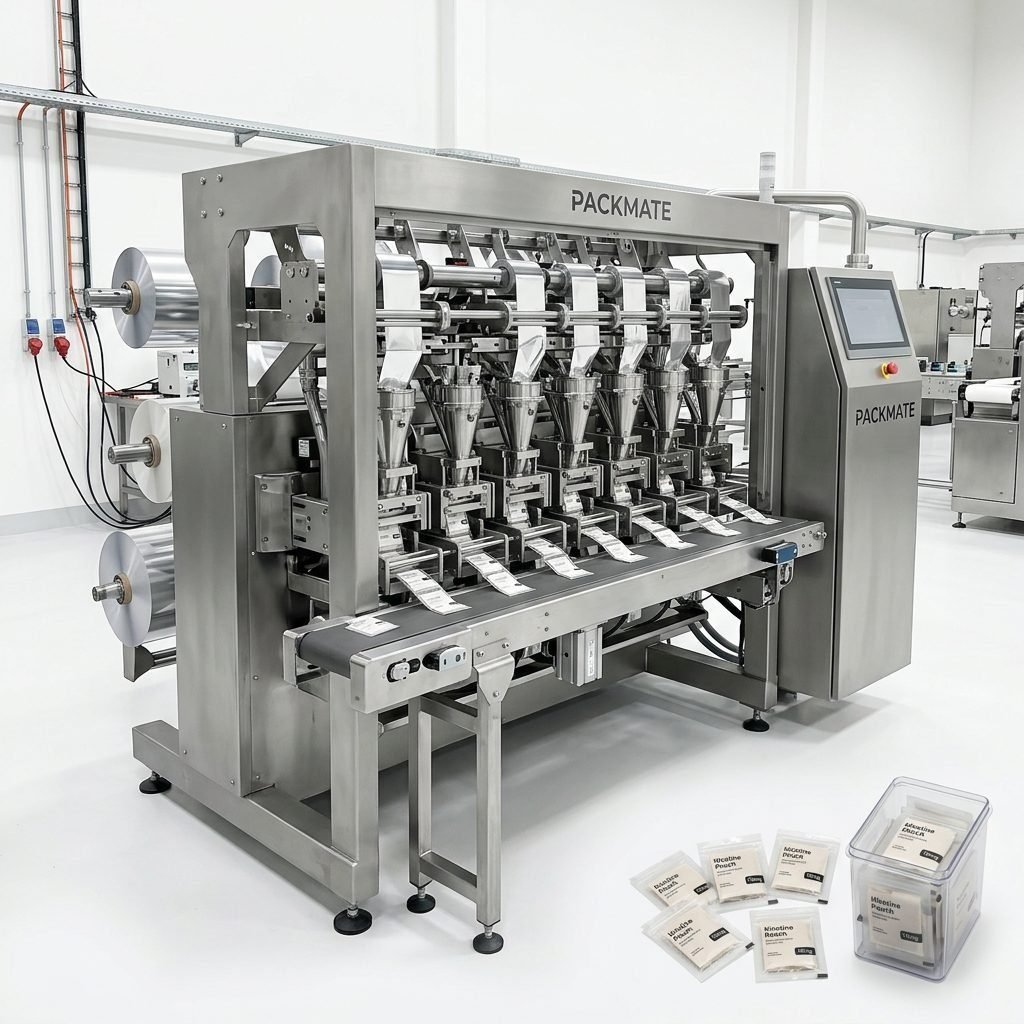
In the rapidly expanding African nicotine pouch and snus market, choosing the right snus packaging machine is a critical step that determines production quality, compliance, and long-term profitability. This guide walks you through everything you need to evaluate — from machine types and production capacity to materials compatibility, automation integration, and after-sales support — so you can make an informed choice that fits your factory scale and local market demands.
Why the African Market Needs a Tailored Snus Packaging Solution
Africa presents a wide diversity of regulatory environments, climate conditions, and supply chain dynamics. Machines must be robust against dust and higher ambient temperatures, flexible for local skews and pack formats, and easy to maintain with accessible spare parts. Choosing a machine designed with serviceability and modularity in mind will minimize downtime and operational headaches.
Key Market Considerations
✓ Regulatory compliance: Ensure your line can meet local labeling, packaging, and hygiene requirements.
✓ Climate resilience: Components should tolerate heat and dust.
✓ Local support: Prioritize suppliers offering installation and spare-part support in your region.
Choose the Right Machine Type for Your Product Format
Snus and nicotine pouches are commonly packaged in stick packs, sachets, or multi-lane pouch formats. Each format requires a different mechanical approach:
Machine Types
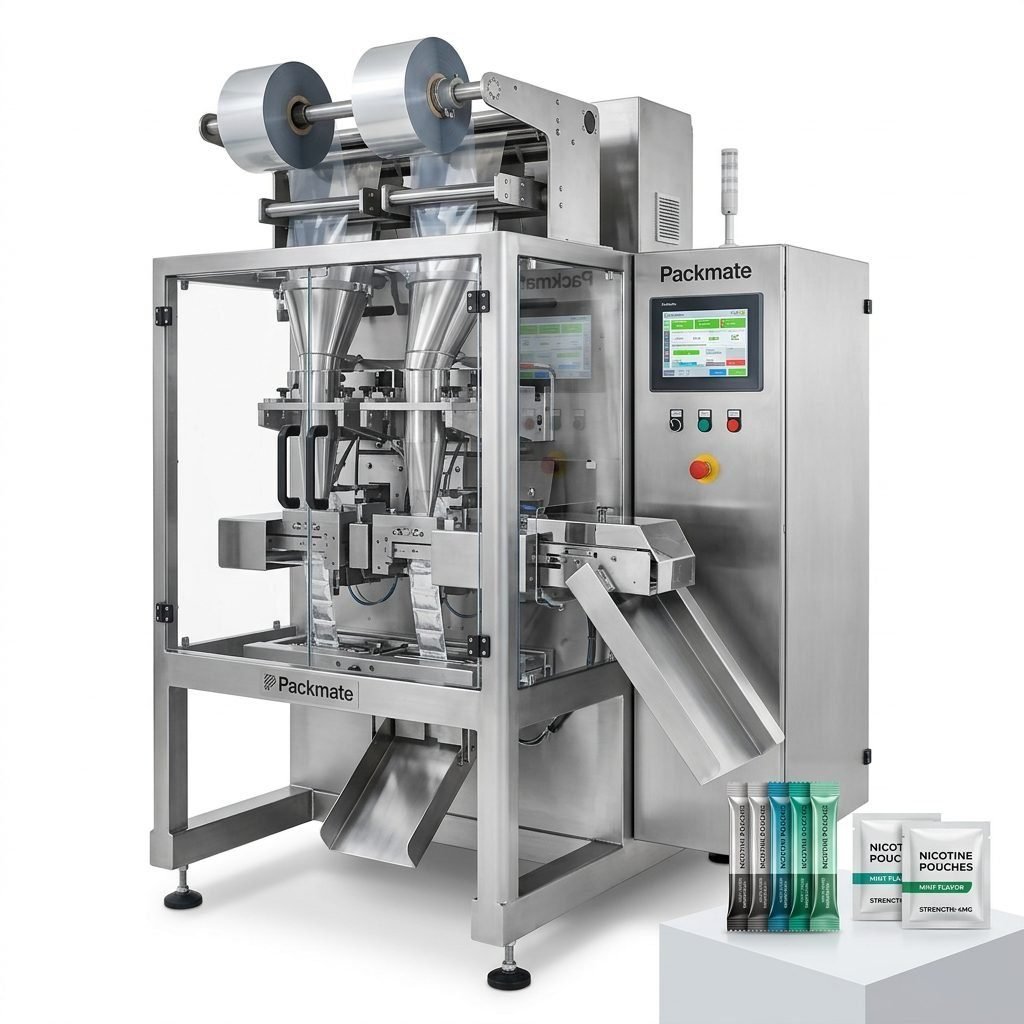
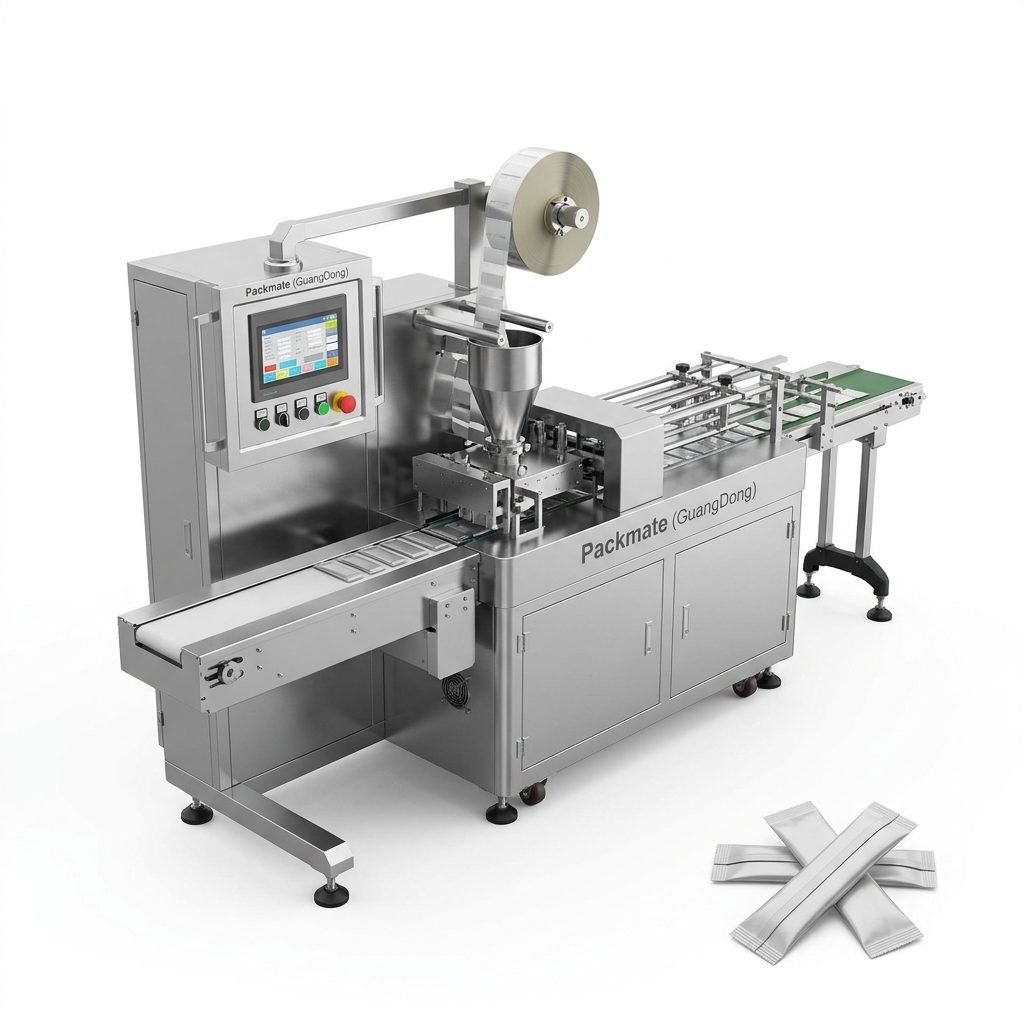
• Stick pack machines: ideal for single-dose units and linear packaging; high speed for simple fills.
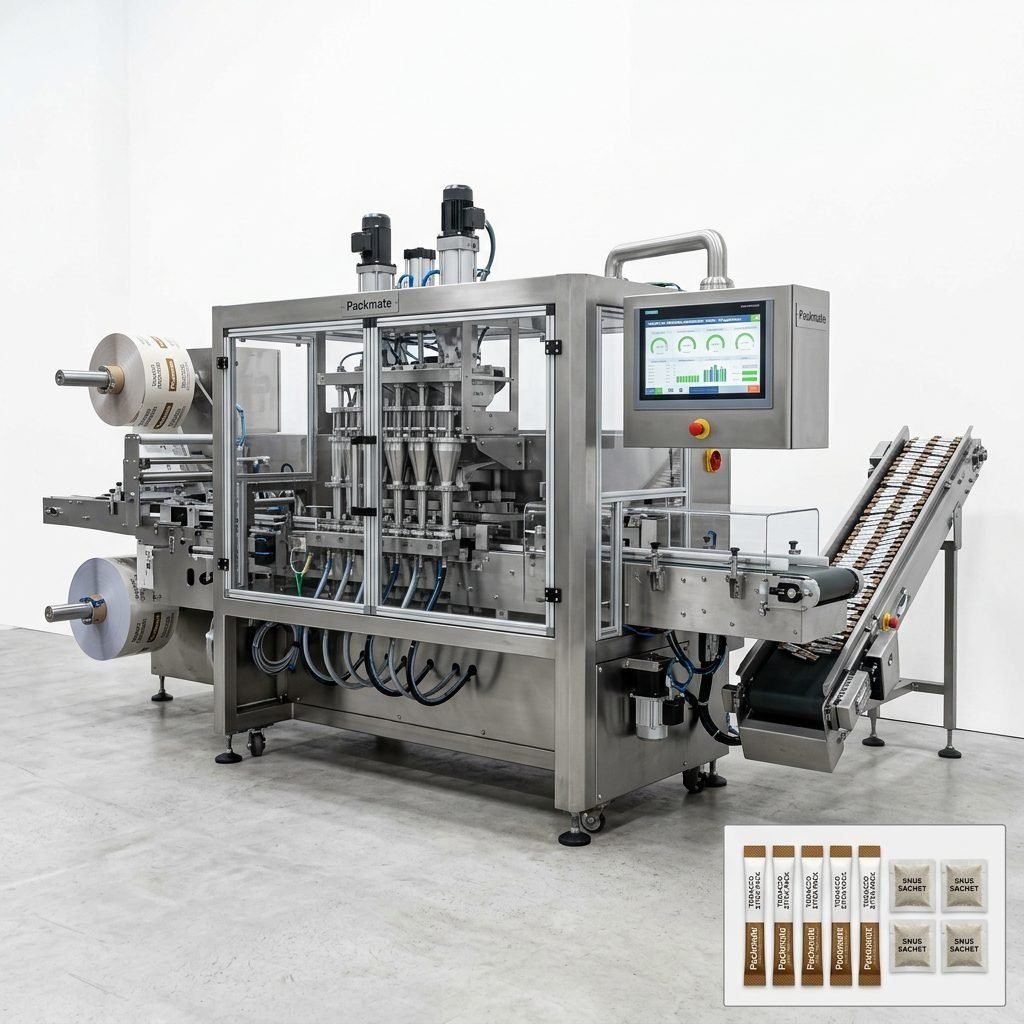
• Sachet machines: offer flexible pouch shapes and are good for premium finishes.
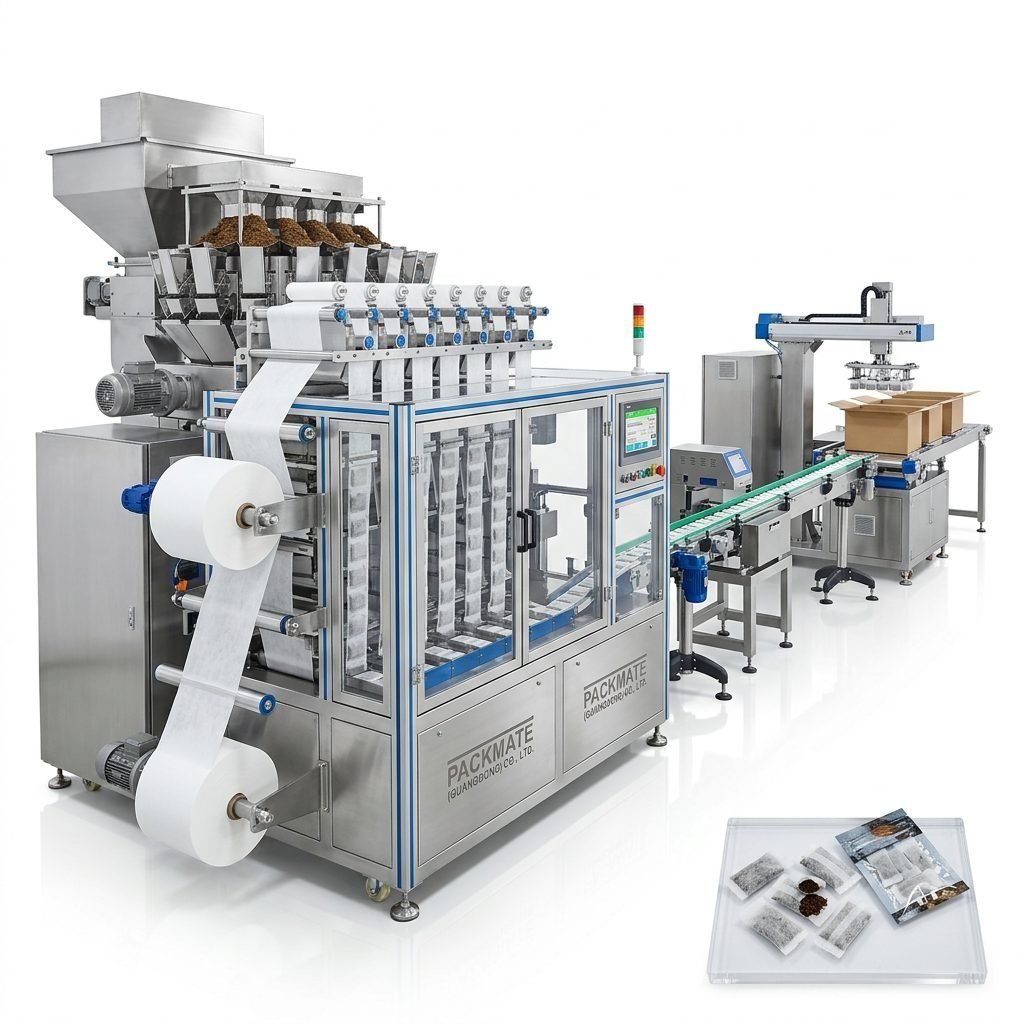
• Multi-lane snus pouch systems: optimized for small-dose, high-volume nicotine pouches with precise dosing and lane synchronization.
Production Capacity and Line Configuration
Match daily output targets with machine throughput: calculate required cycles per minute, shifts per day, and expected yield (account for rejects). For scaling, multi-lane systems often deliver the best return on investment because they multiply output per cycle while maintaining accuracy.
If you are unsure which model to start with, consider vendors offering modular upgrades so you can expand lanes or integrate inline packaging modules without a full machine replacement.
Materials, Filling Methods, and Compatibility
Snus pouches, nicotine powders, and granules have varied flow and hygroscopic properties. Ensure your chosen equipment supports:
Material & Filling Considerations
• Precise weighing systems for small-dose pouches (use integrated weighing feeders).
• Hygienic contact parts (stainless steel 304/316) for pharmaceutical-grade snus.
• Compatibility with different pouch materials: paper-laminates, non-wovens, or heat-seal films.
Automation, Control Systems & Integration
Modern machines come with PLC controls, HMI touchscreens, recipe management, and data logging. For factories planning Industry 4.0 adoption, select machines that offer networking options (Ethernet/IP, Profinet) and clear I/O for line synchronization with upstream dosing systems and downstream cartoners.
Look for user-friendly HMI interfaces and safety features that minimize operator training time and reduce accidental downtime.
Quality Standards, Certifications & Testing
Compliance with international standards reduces risk when exporting or scaling. Prioritize equipment with CE and ISO certifications. A robust quality testing regime during FAT (Factory Acceptance Test) and SAT (Site Acceptance Test) ensures the line meets performance guarantees.
What to Verify at Acceptance
• Cycle speed vs. guaranteed speed
• Filling accuracy and weight variance
• Leak and seal integrity tests
• Electrical and safety compliance documents
After-Sales Service, Spare Parts & Training
Machine uptime in Africa depends heavily on supplier support. Choose a manufacturer that provides:
Local or regional support, clear spare-parts lists with part numbers, and remote diagnostic capabilities. Look for vendors that include operator and maintenance training as part of the delivery package.
Factory Strength, Customization & Proven Cases
A supplier with strong manufacturing capabilities and a history in snus packaging is a safer partner. For example, Packmate Snus Machine brings over 30 years of engineering experience and a 20,000㎡ facility with advanced CNC and assembly systems. Their portfolio includes dedicated snus/nicotine packaging machines and turnkey lines capable of serving global markets.
Explore manufacturer product categories to match your needs: Snus & Nicotine Packaging Machines, Sachet & Stick Pack Machines, and About Packmate for company background.
Why Factory Capabilities Matter
• In-house CNC machining ensures precise parts and faster lead times.
• Dedicated assembly lines and strict QC reduce variation between units.
• A wide model range (50+ models) offers options for customization and scalability.
Cost, ROI, and Total Cost of Ownership (TCO)
Price is just the starting point. Evaluate TCO, which includes spare parts, maintenance, consumables, energy consumption, and expected lifetime. A slightly higher initial investment in a reliable multi-lane machine often pays off through higher yield, reduced waste, and lower maintenance frequency.
Pre-Purchase Checklist
📌 Define daily output targets and product formats.
📌 Request FAT performance data and video of similar lines in operation.
📌 Confirm spare-part availability and lead times.
📌 Verify compliance certificates: CE, ISO, and material safety.
📌 Ensure training, installation, and local support plans are included.
Installation, Commissioning & Training
Professional installation and commissioning are non-negotiable. Insist on on-site start-up support and operator training. Ask for an operator manual in English and consider multilingual training if your workforce requires it. Confirm remote support channels for troubleshooting after handover.
Real-World Case References and Demonstrations
Prioritize suppliers that can offer client references, demonstration videos, and case studies. Seeing a machine run with a similar product gives confidence in performance claims — request references and check the supplier’s case portfolio, such as those available in their case studies.
For examples of implemented projects and exhibition demonstrations, view their global cases and exhibitions: Case and Our Exhibition.
Negotiation Tips
• Negotiate spare-parts packages and training days as part of the contract.
• Ask for a performance warranty and defined acceptance criteria.
• Clarify shipping, installation, and customs responsibilities.
How to Reach Out and Next Steps
Start by preparing a clear specification sheet listing product SKUs, target output, desired pack formats, and available factory footprint. Share this with potential manufacturers and request tailored proposals. For direct contact and service information, visit the supplier’s contact page: Contact Us.
Final Recommendations
Selecting the right snus packaging machine in Africa revolves around balancing production needs, environmental conditions, and supplier support. Prioritize machines with:
Robust design, modular expandability, and strong after-sales presence. Verify the supplier’s factory strength, certifications, and case evidence before finalizing procurement.
Frequently Asked Questions
Q1: What machine type is best for small-batch nicotine pouches?
A1: For small-batch production, a flexible multi-format sachet or a low-speed multi-lane snus pouch system is recommended because it allows quick changeovers and precise dosing with minimal waste.
Q2: How important are certifications like CE and ISO when buying a snus packaging line?
A2: Certifications indicate compliance with international safety and quality standards and are essential if you plan to export or meet stringent local regulatory requirements.
Q3: Can I upgrade a single-lane machine to multi-lane later?
A3: Some manufacturers design machines to be modular; however, upgrades depend on the original machine architecture. Confirm upgrade paths and compatibility before purchase.
Q4: How do I ensure spare parts and support are available locally?
A4: Discuss spare-part stocking, lead times, and local distributor networks with your supplier. Vendors with global cooperation cases often have regional partners or can ship critical parts quickly.
Q5: Where can I see real machine demonstrations and get a quotation?
A5: Request live demos or videos from the manufacturer and ask for a tailored quotation based on your product specs. You can view product lines and request more information on the supplier’s product pages such as Weighing & Packaging Systems and Filling & Packaging Lines.