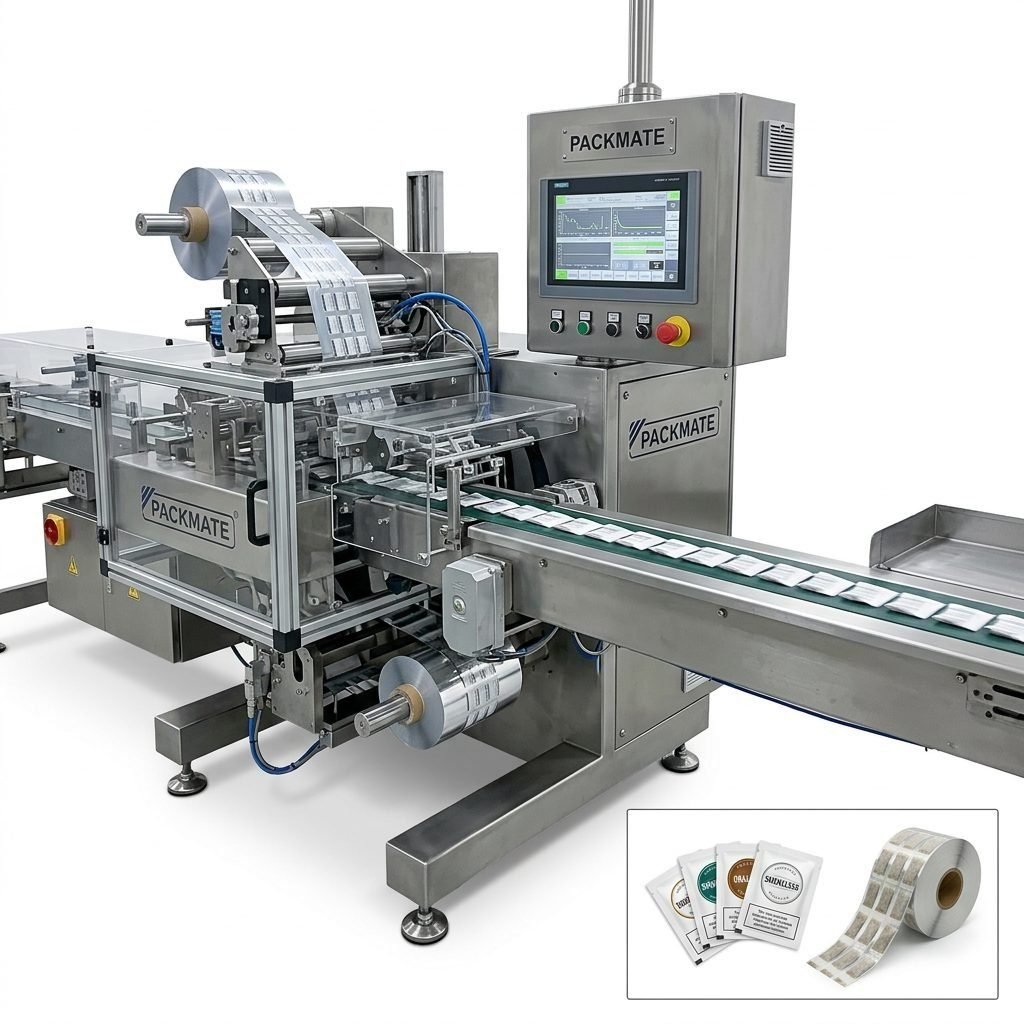
Choosing the right nicotine packaging machine in Armenia requires a clear understanding of production goals, regulatory compliance, and long-term operational costs. Whether you are launching a new nicotine pouch brand, scaling production, or replacing old equipment, this buyer’s guide lays out the critical factors to evaluate. Read on to learn practical criteria, machine types, technical specifications, supplier selection tips, and a step-by-step checklist to help you make a confident purchase decision.
Market Snapshot & Why Machine Choice Matters
Armenia’s growing nicotine pouch market demands flexible, reliable packaging solutions that meet both product integrity and regulatory requirements. A well-chosen packaging machine reduces downtime, minimizes material waste, and ensures consistent pouch quality — key for brand trust and export opportunities. Investing in the right equipment also impacts labor costs, maintenance burden, and capacity to adapt when product SKUs change.
Types of Packaging Machines to Consider
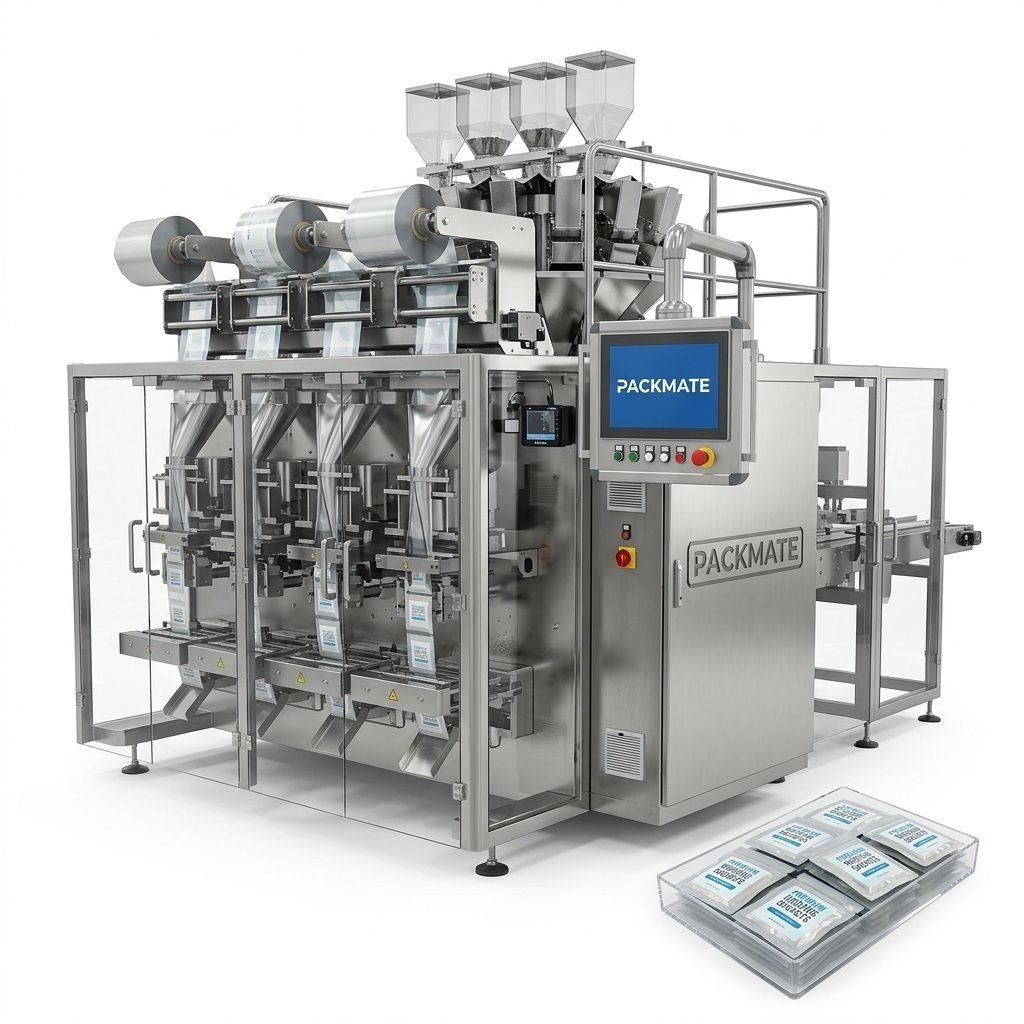
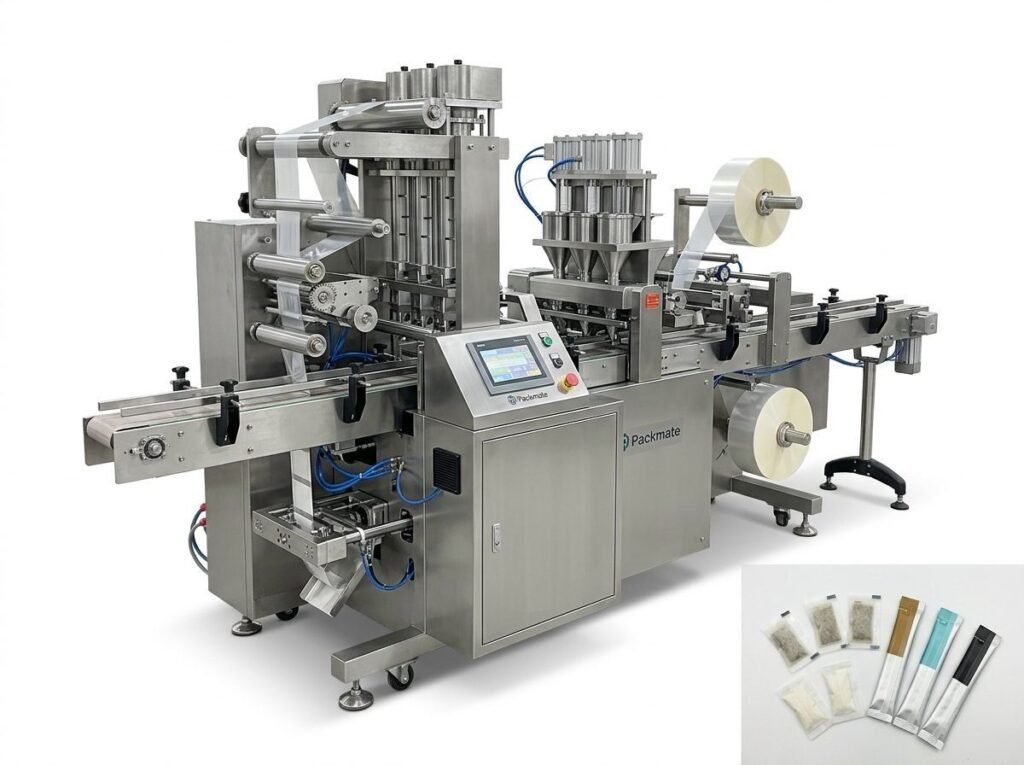
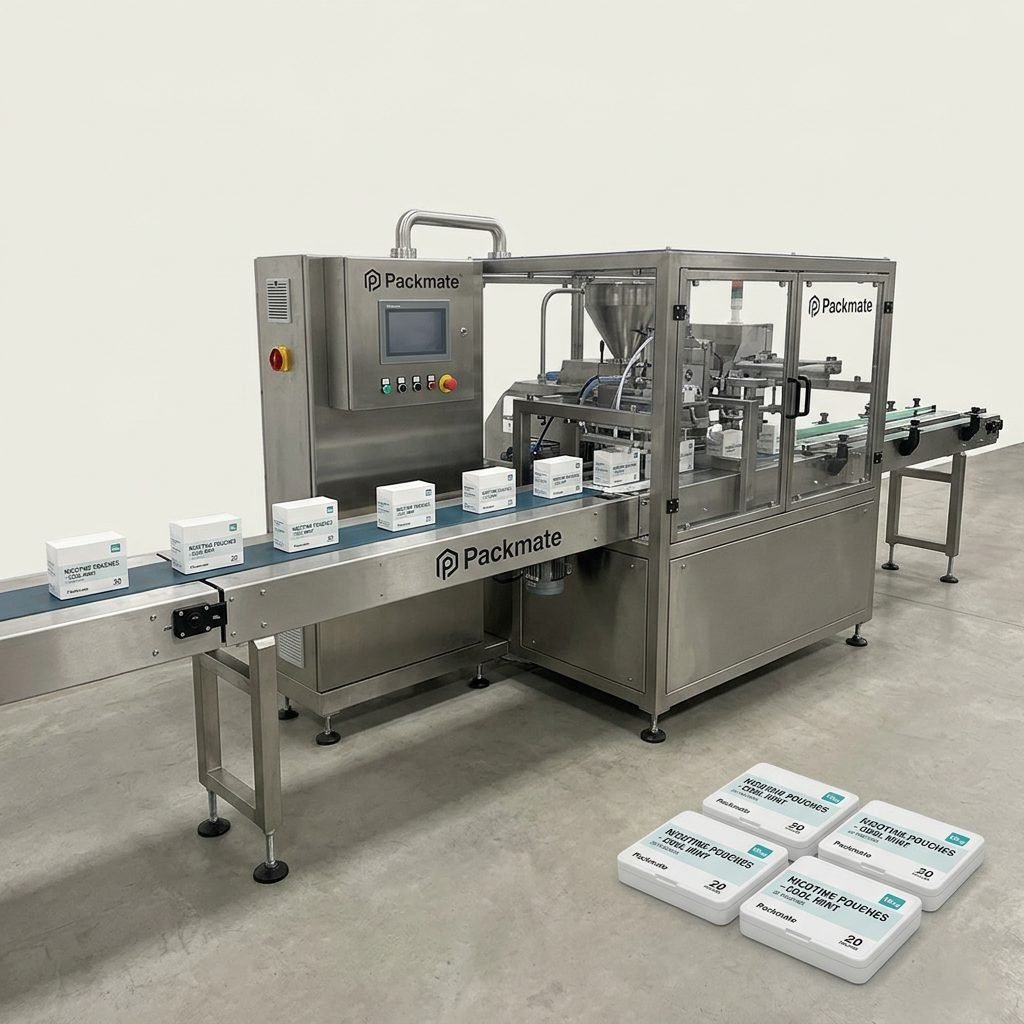
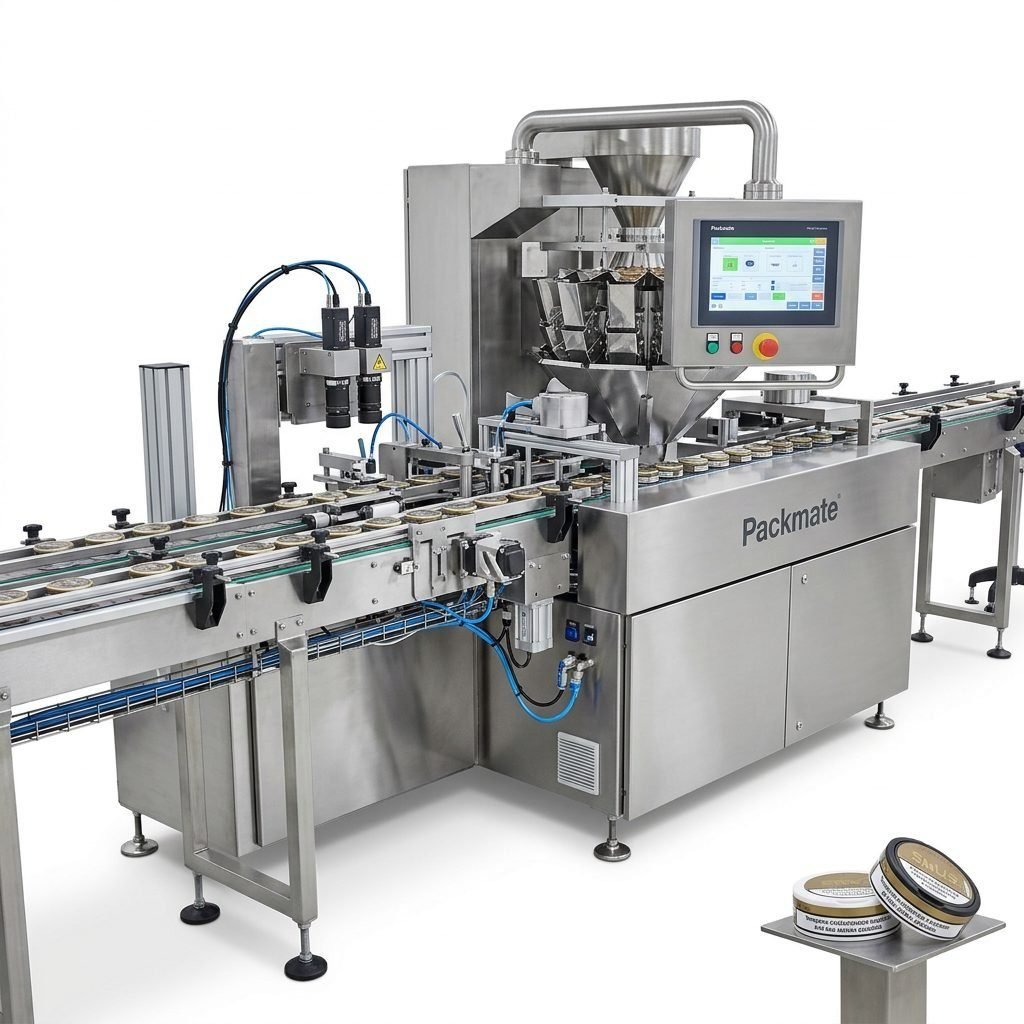
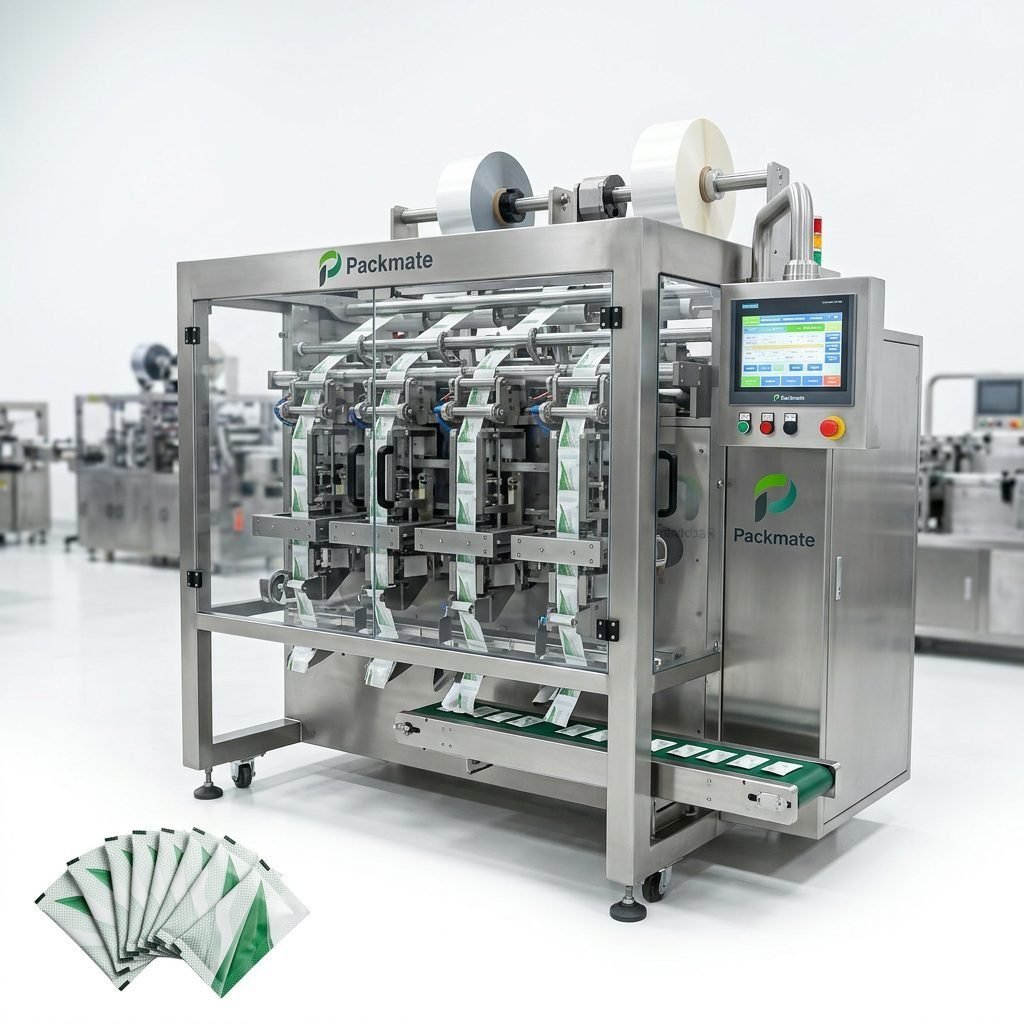
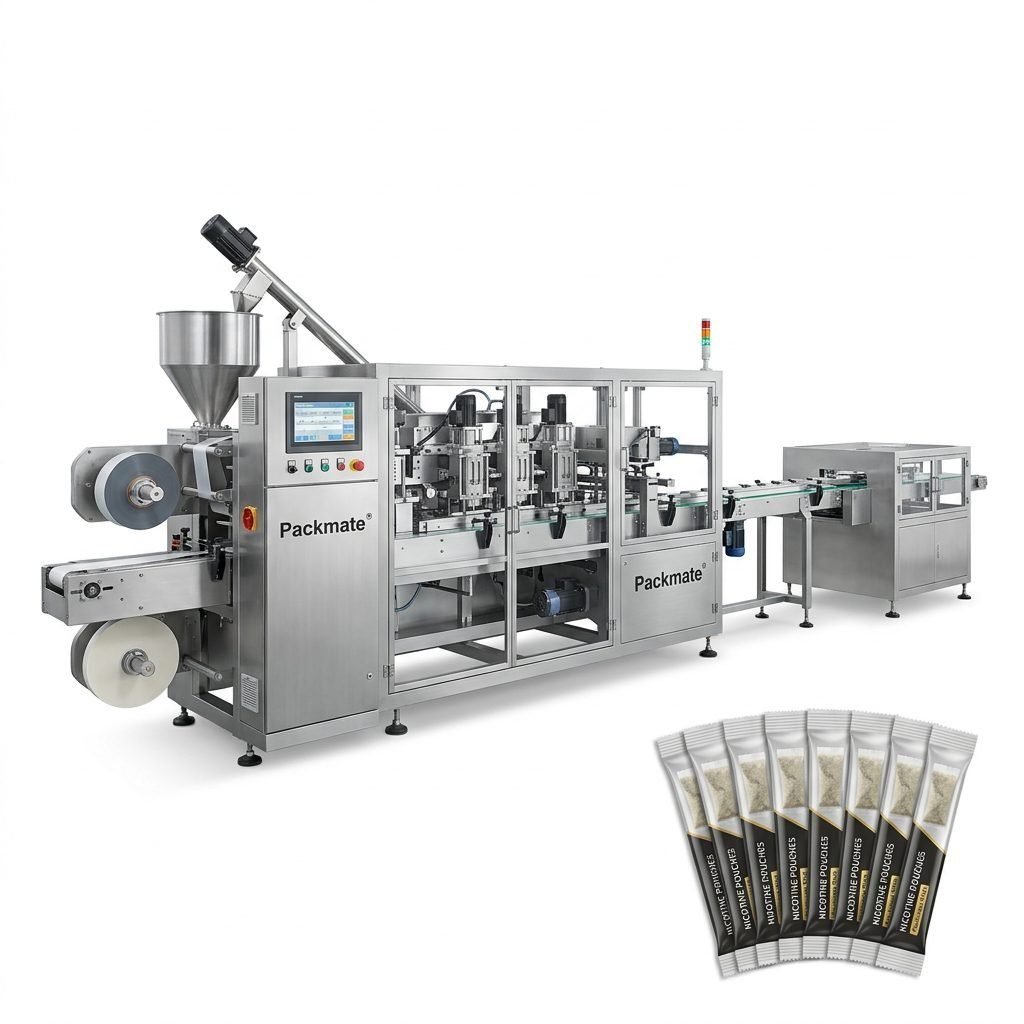
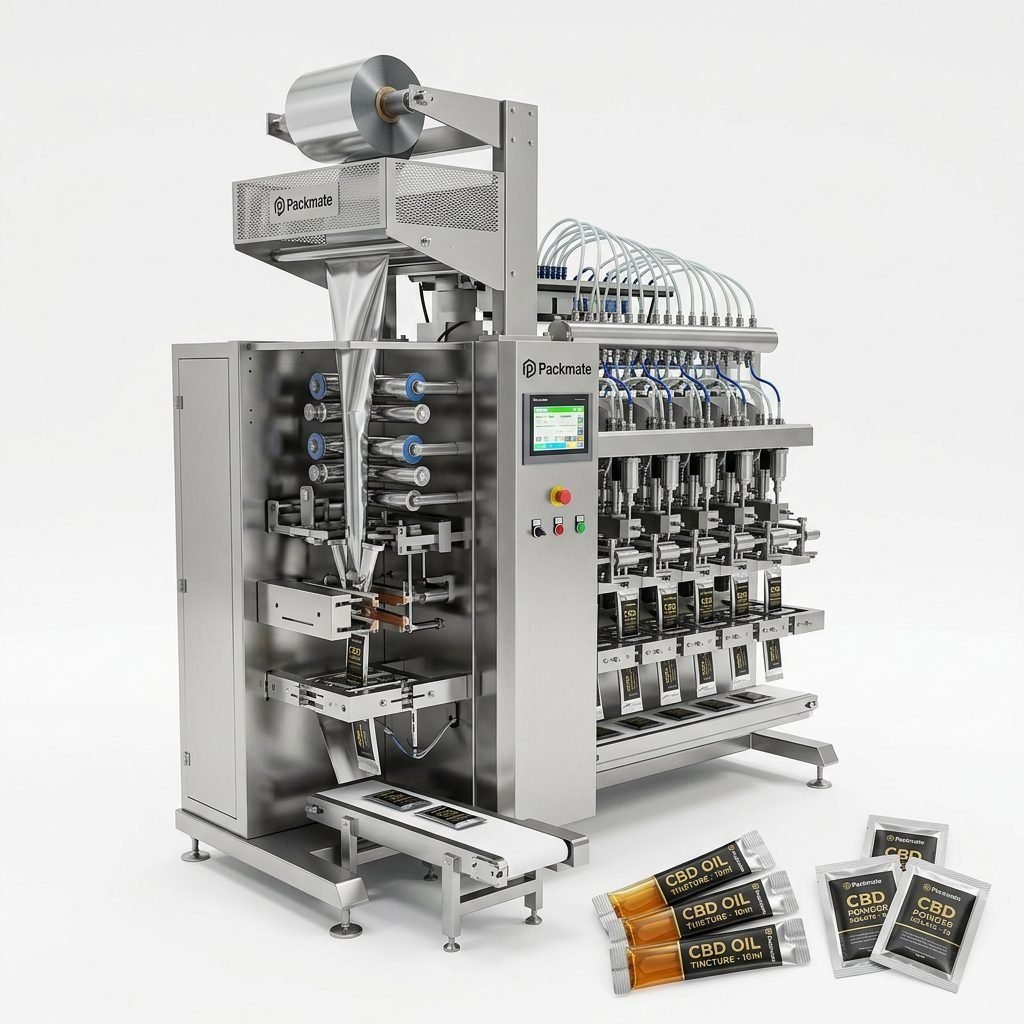
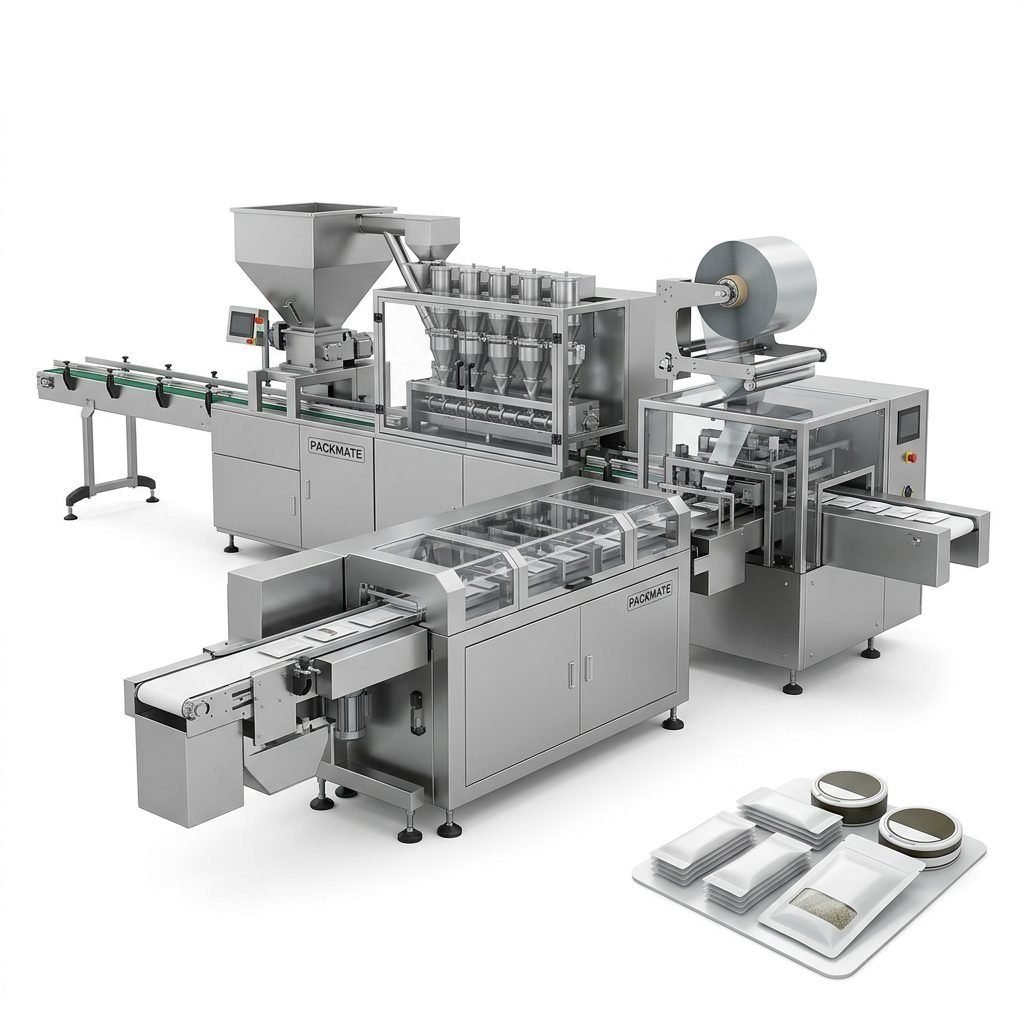
Understanding machine types is the first step. Popular options for nicotine pouches and snus include continuous stick pack machines, multi-lane sachet machines, rotary pouch machines, and automated filling & sealing lines. For a more detailed look at models and configurations suited for snus or nicotine pouches, explore the manufacturer’s product lines: Snus & Nicotine Packaging Machines and Sachet & Stick Pack Machines.
Which Type Fits Your Operation?
– Small-batch or artisanal brands: multi-purpose rotary machines or compact stick pack lines.
– Medium to large volume: multi-lane continuous systems for high throughput.
– Multiple SKUs and frequent changeovers: choose machines with quick-change tooling and HMI-based recipe storage.
Selecting a machine that aligns with your production volume and product format is essential for efficiency and ROI.
Key Technical Specifications to Evaluate
When comparing machines, focus on measurable technical parameters that directly affect performance and output quality.
Production speed & throughput: measured in pouches/min or lanes × speed. Ensure the machine meets your peak demand with some headroom. ✅
Accuracy & filling tolerance: critical for nicotine dosing—look for high-precision dosing systems with minimal variation per pouch. 🔬
Material compatibility: supports the films and pouch types you use (laminates, foil, biodegradable films). 🧾
Automation & controls: PLC & HMI systems for recipe control, fault diagnostics, and data logging. ⚙️
Why These Specs Matter
High throughput reduces unit cost, while precise dosing ensures regulatory compliance and product safety. Material compatibility prevents sealing issues and reduces scrap. Modern automation simplifies operator training and enables remote diagnostics and preventive maintenance, reducing unplanned downtime.
Production Capacity, Scalability & Layout
Estimate your annual production and expected growth. Machines are often sold by lanes and speed; choose a configuration that covers current needs and allows for expansion. Multi-lane machines are efficient for high-volume single-SKU runs while modular lines let you add lanes or auxiliary equipment as demand rises.
Factory Footprint & Utilities
Check required floor space, electrical supply, compressed air consumption, and environmental controls (dust-free or temperature-sensitive areas). Early coordination with your facility engineering team avoids costly retrofits.
Materials, Pouches & Sealing Technology
Different formulations and pouch styles demand different sealing technologies (heat-seal, ultrasonic, or induction sealing). Make sure the machine supports your chosen film structure and seal type. For multi-component pouches (inner sachet + outer pouch), confirm the machine’s ability to handle nested operations.
Automation, Controls & Data Capabilities
Modern packaging lines offer PLC control, touchscreen HMI, remote support, and production data collection for traceability. If you plan to scale, prioritize machines with robust software for recipe management, alarm logs, and optional Industry 4.0 integration.
Integration with Weighing & Filling Systems
Compatibility with high-precision weighing and dosing equipment improves accuracy for low-dose nicotine pouches. Consider pairing your packaging machine with proven weighing systems: Weighing & Packaging Systems.
Quality, Certifications & Compliance
Buyers should verify machine certifications and compliance to international standards. Machines with CE and ISO compliance are designed with operator safety and consistent quality in mind. Confirm documentation, test records, and factory calibration procedures. Learn about the manufacturer’s credentials here: Certificate.
Supplier Capabilities & After-Sales Support
A machine is only as good as the supplier’s support network. Evaluate lead times, spare parts availability, installation & commissioning services, operator training, and remote troubleshooting. Reliable suppliers provide long-term technical support, retrofit upgrades, and spare parts stocking.
Ask the supplier these questions before purchase:
🔧 What is the standard delivery & commissioning timeline?
📦 Are spare parts kits included, and which parts are recommended to stock locally?
⚙️ Do you provide on-site training and remote diagnostics after installation?
Factory Credentials & Case Studies
Choosing a manufacturer with proven experience reduces risk. Packmate Snus Machine, for example, brings factory capabilities including advanced CNC machining, a 20,000㎡ plant, and over 30 years of industry experience. Review manufacturer case studies and exhibition demonstrations to validate real-world performance: About Packmate and Case.
Budgeting, ROI & Total Cost of Ownership
Initial purchase price is only a fraction of the total cost. Consider energy use, maintenance, spare parts, operator requirements, waste, and expected lifetime. Calculate ROI by comparing machine costs vs. labor savings, waste reduction, and increased sales capacity. A more automated line often yields faster ROI despite higher upfront investment.
Financial Checklist
– Capital expenditure vs. projected production revenue.
– Spare parts & consumables annual budget.
– Training and documentation costs.
– Downtime risk mitigation and warranty coverage.
Installation, Testing & Acceptance Protocols
Agree on factory acceptance tests (FAT) before shipment and site acceptance tests (SAT) after installation. FAT should include full-speed trials with your actual materials and pouches. SAT proves performance under local conditions. Ensure handover includes operation manuals, calibration certificates, and training sessions for operators and maintenance staff.
Tips for Choosing a Supplier in Armenia or for Import
– Verify local service partnerships or the supplier’s plan to support you remotely.
– Confirm import documentation, customs clearance assistance, and spare parts shipping strategy.
– Request references from customers in similar climates or industries.
For direct supplier contact and after-sales information, check: Contact Us and Service.
Compact Pre-Purchase Checklist
✅ Required daily/weekly output (pouches/day).
✅ Supported pouch sizes and materials.
✅ Dosing accuracy and acceptable tolerance.
✅ Spare parts lead time and warranty terms.
✅ On-site support, training, and acceptance testing plan.
Common Pitfalls & How to Avoid Them
– Ignoring material trials: always test your actual film and nicotine formulation in FAT.
– Underestimating spare parts: keep critical wear parts in local stock.
– Overlooking training: operator mistakes cause most downtime; invest in thorough training.
– Skipping site checks: ensure utilities match machine requirements before delivery.
Making the Final Decision
To finalize your purchase, compare proposals on the same baseline: include FAT/SAT scopes, training, spare parts lists, warranty, lead times, and performance guarantees. Request references and, when possible, visit an installation or exhibition where the machine is running. Attending a live demo can reveal real-world advantages that spec sheets don’t show.
Supplier reputation, technical fit, and after-sales responsiveness often weigh more than marginal price differences. A reliable packaging partner ensures consistent output, timely upgrades, and fewer production interruptions — all crucial for success in Armenia’s competitive nicotine pouch market.
Additional Resources
For product catalogs, technical brochures, and exhibition schedules to see machines in operation, consult the manufacturer’s resource pages: Catalog and Our Exhibition.
Quick Decision Template
1) Production target: _______ pouches/day
2) Preferred pouch formats: stick / sachet / sachet+outer
3) Critical specs: filling tolerance, sealing type, lanes
4) Must-have services: FAT/SAT, spare parts, training
Final Thoughts
Selecting the right nicotine packaging machine in Armenia is a balance of technical suitability, supplier reliability, and long-term support. Prioritize machines that match your product format and production scale, insist on FAT with your materials, and secure clear post-sale service agreements. A well-chosen machine becomes a strategic asset that drives productivity, compliance, and growth.
Frequently Asked Questions
Q1: What is the typical lead time for a custom snus or nicotine pouch packaging line?
A1: Lead times vary by complexity and customization. Standard models may ship in a few weeks, while multi-lane, highly customized lines typically require several months. Confirm the delivery schedule, FAT timing, and installation window with the supplier.
Q2: How important is FAT (Factory Acceptance Test)?
A2: FAT is critical. It validates that the equipment performs to specifications using your actual materials and recipes before shipment. Insist on documented FAT results and video records if you cannot attend in person.
Q3: What spare parts should I stock locally for nicotine packaging machines?
A3: Priority parts include sealing jaws, cutting blades, belts, dosing components, sensors, and any bespoke wear parts. Ask the supplier for a recommended spare parts kit tailored to your production volume.
Q4: Can packaging machines handle different pouch sizes and materials?
A4: Many modern machines support a range of pouch sizes and films with quick-change tooling. Verify the specific machine’s changeover time and the limits for width, length, and film thickness.
Q5: Where can I see live demonstrations and get technical brochures?
A5: Visit the manufacturer’s exhibition pages and catalog for demonstration schedules and product brochures: Our Exhibition and Catalog.