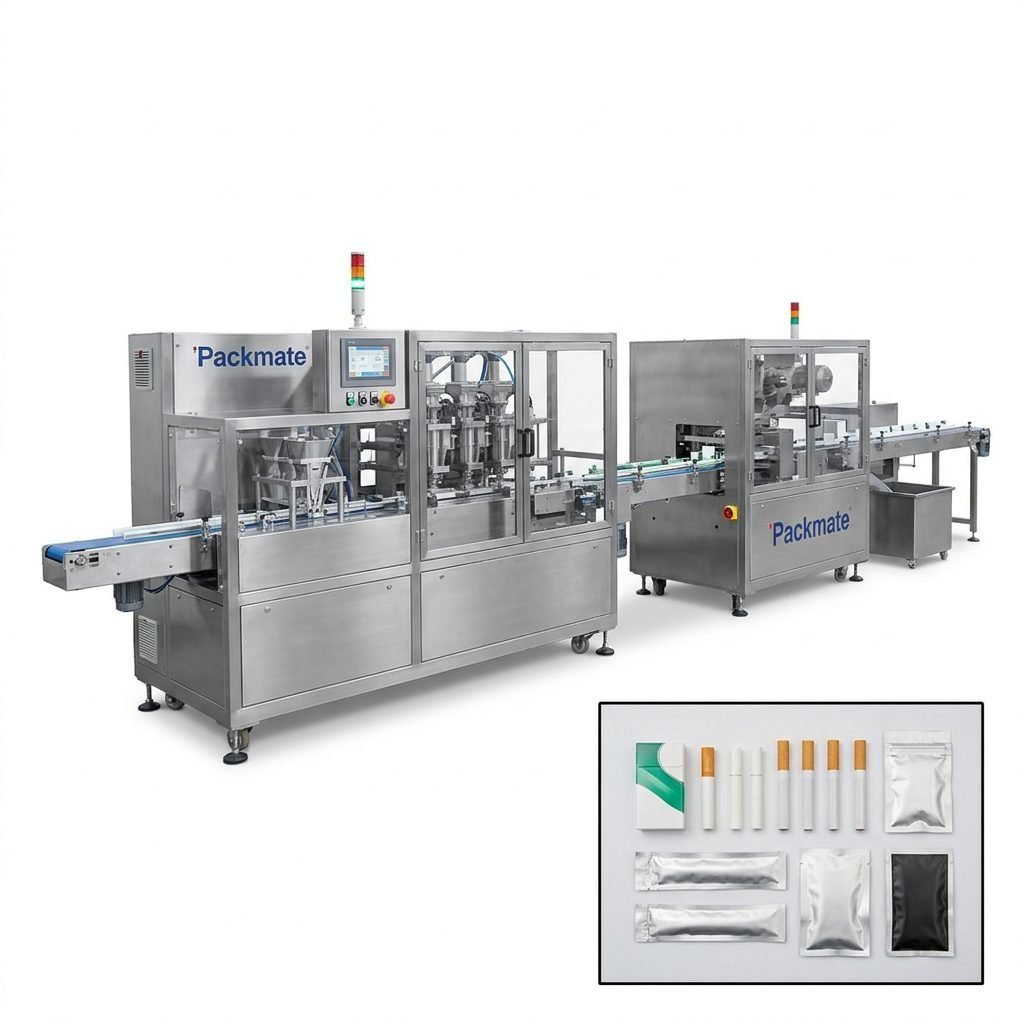
Choosing the right snus packaging machinery supplier in Sweden requires more than just comparing prices. It involves understanding local market habits, regulatory context, product variety, production volume, and long-term service expectations. This guide walks production managers, engineers, and procurement teams through a practical selection process that balances Swedish market realities with global engineering best practices to help you select a supplier who will deliver consistent uptime, regulatory compliance, and the production flexibility you need.
Know the Swedish Snus Market and Local Preferences
Sweden has a unique relationship with snus: it is culturally accepted and widely used, unlike many other European countries. Swedish consumers often favor high-quality, discreet pouches with consistent portion sizes and premium-feel packaging. Sustainability, minimal waste, and regulatory compliance are highly valued — Swedish buyers expect suppliers to support recyclable or low-material packaging formats and efficient production that minimizes rejects. When evaluating suppliers, look for machines designed for small-dose pouches, multi-lane output for high throughput, and programmable recipes that ensure every pouch meets strict portion and weight tolerances.
Key Technical Capabilities to Prioritize
🔧 Precision filling and weight control: Look for high-accuracy weighing systems and multi-head feeders suitable for powder, granule, or tobacco-like snus material to keep portion variance low.
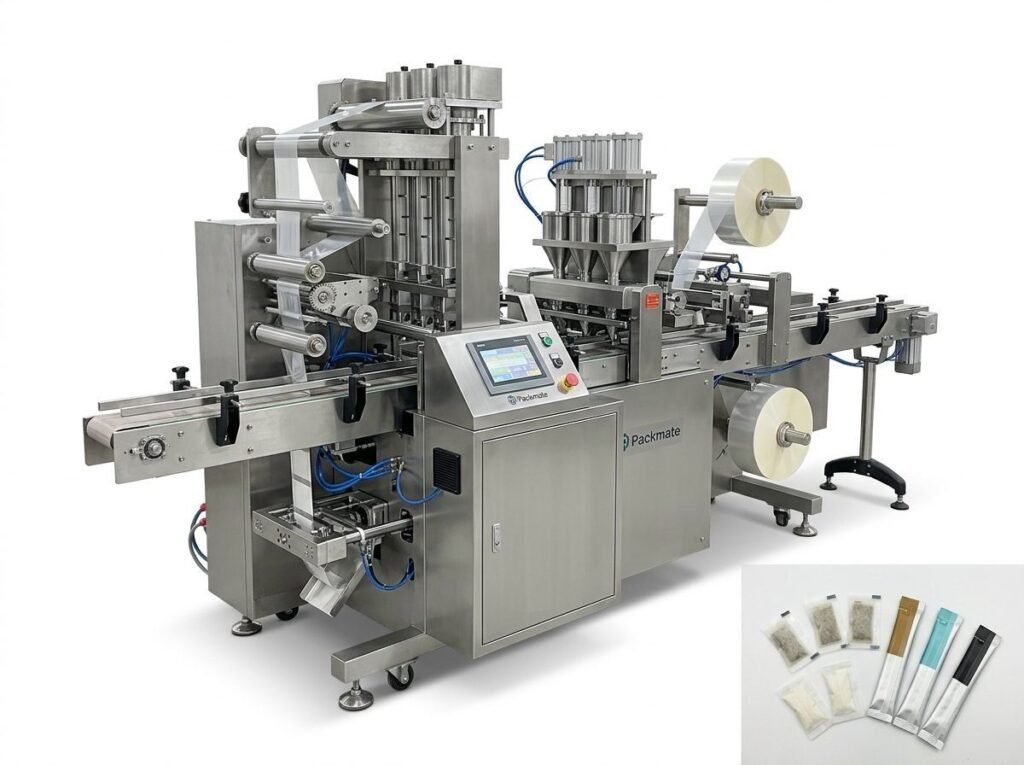
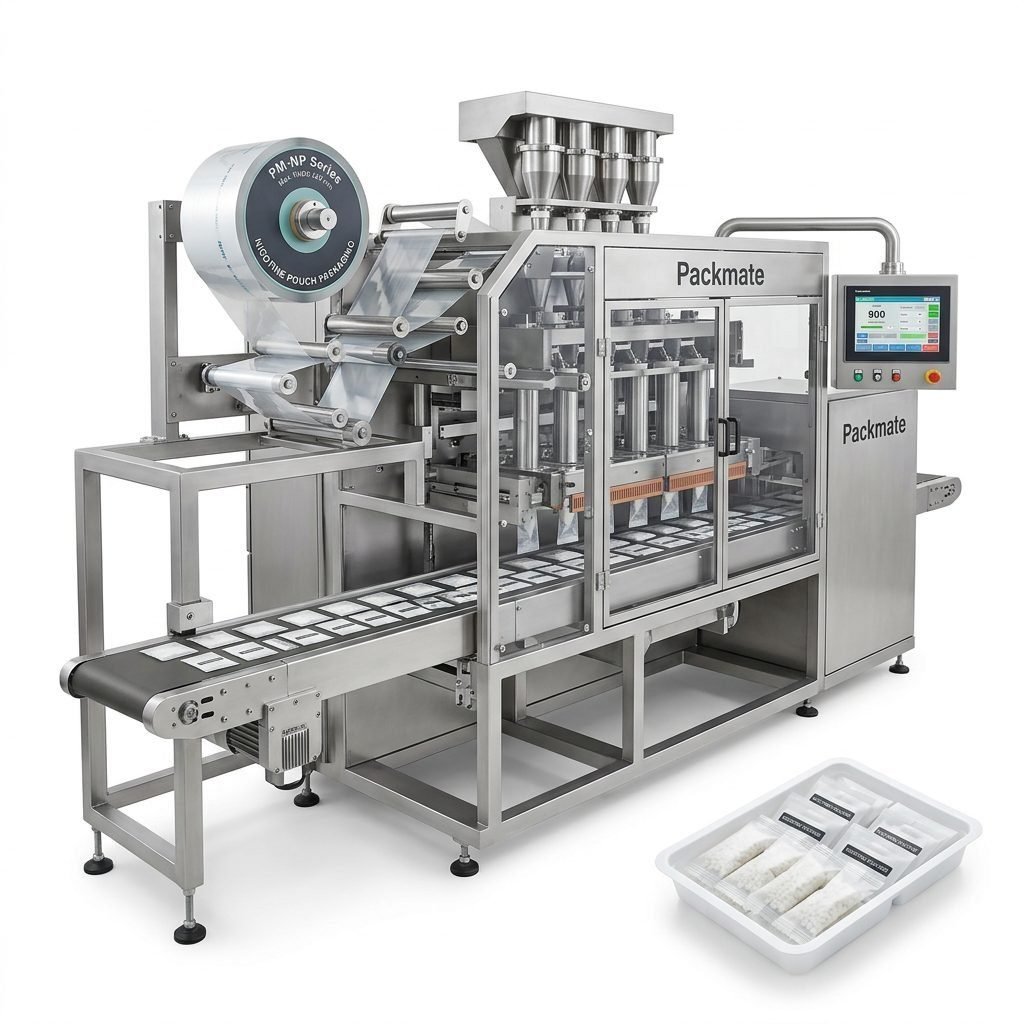
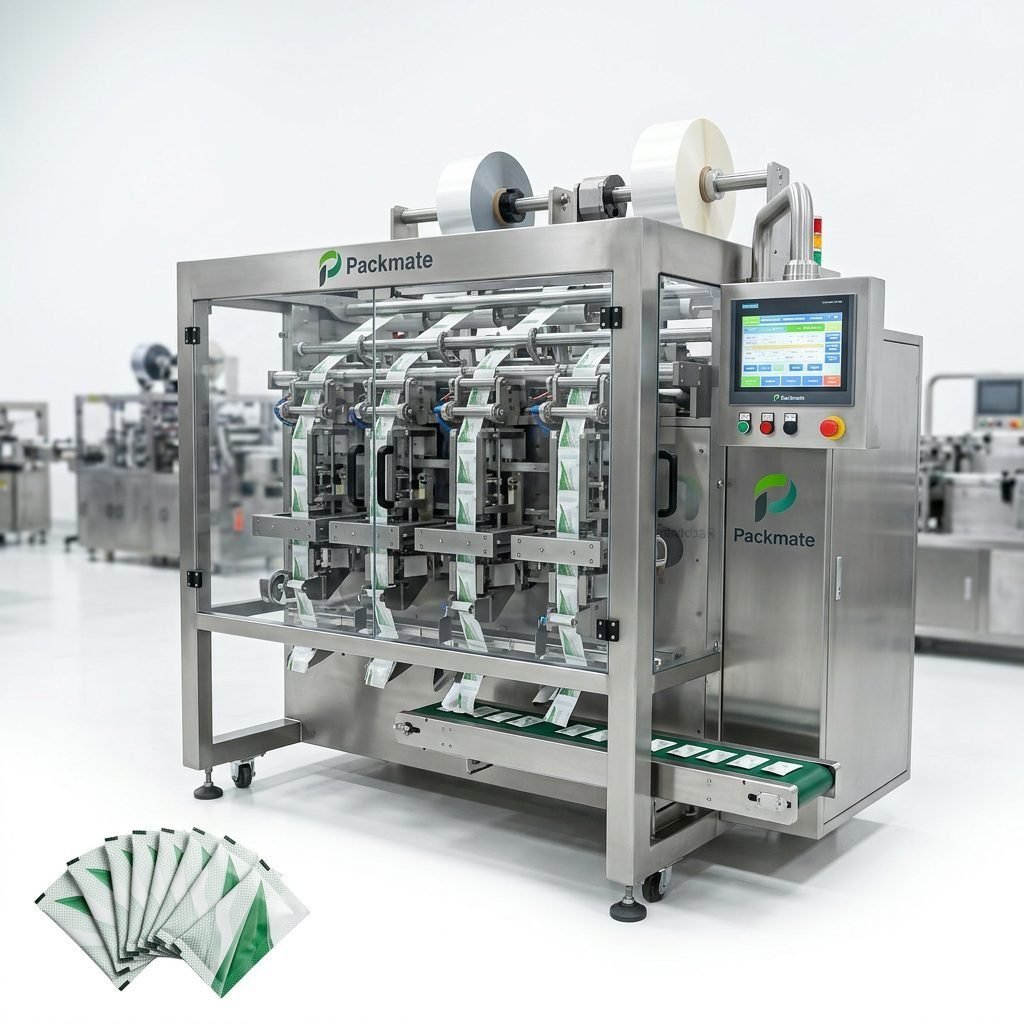
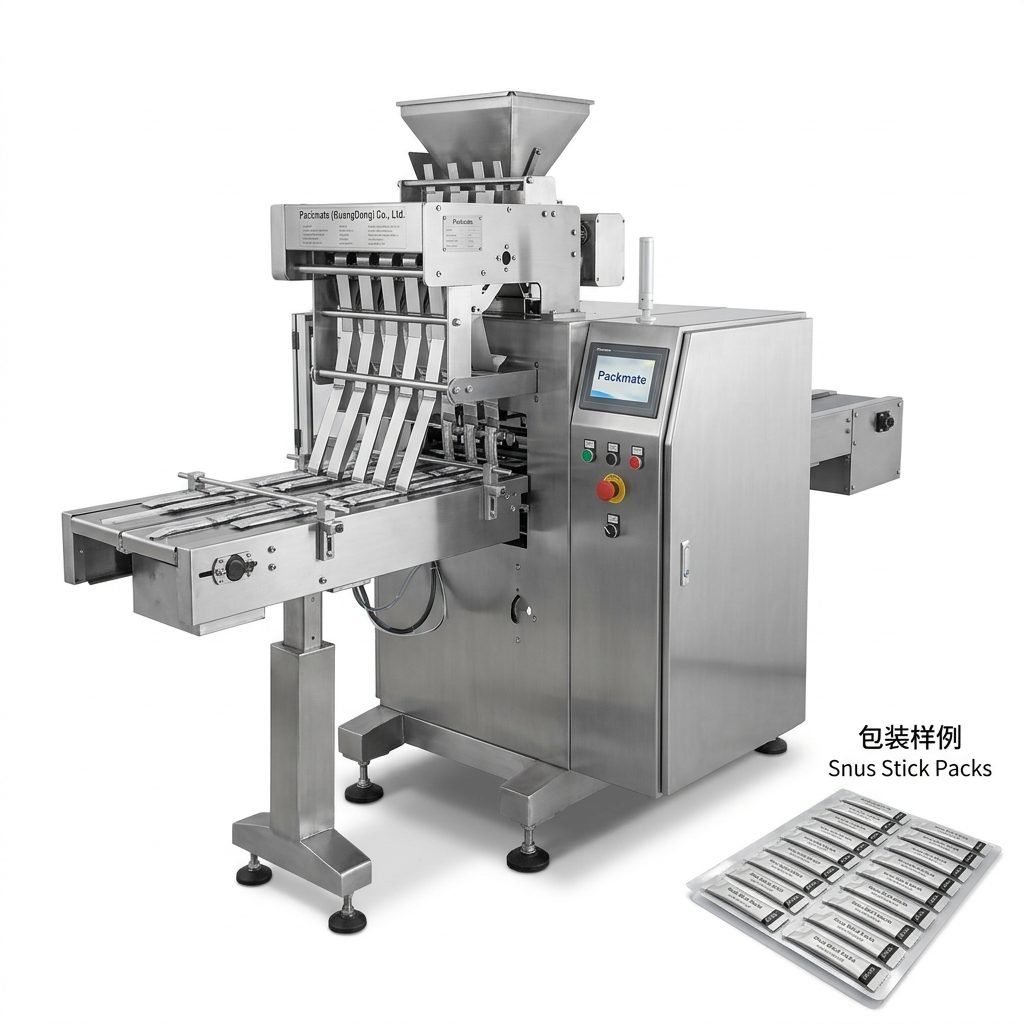
⚙️ Multi-lane capability: Multi-lane sachet and stick-pack equipment can dramatically increase output without large increases in footprint — ideal for Swedish manufacturers ramping up seasonal demand.
🔁 Quick recipe changeover and automation: Automated recipe and format changeovers reduce downtime and labor costs, aligning with Sweden’s focus on efficient, automated production lines.
Why certifications and compliance matter
Swedish manufacturers typically require CE conformity and ISO certification to ensure safety and traceability. Choose suppliers whose machines meet international standards and can provide documentation for hygiene, electrical safety, and CE marking. Suppliers who regularly exhibit at international trade fairs or provide factory acceptance tests (FAT) and site acceptance tests (SAT) demonstrate transparency and experience — both are critical when integrating new machinery into a regulated production environment.
Assessing Mechanical Reliability and After-Sales Support
A robust warranty and accessible spare parts are essential. Swedish operations often prefer long-term service agreements that include preventive maintenance, remote support, and parts kits. Evaluate a supplier’s spare parts network, average lead times, and availability of local technicians or authorized service partners. Suppliers who offer predictive maintenance tools and remote diagnostics reduce downtime risk and allow your engineering team to plan upgrades and spare stocking strategically.
Practical checklist for supplier visits
- Observe machines running similar products at the factory or trade show.
- Request demonstration videos showing multi-lane performance and changeovers.
- Verify build quality—materials, bearings, and PLC brands are indicators of longevity.
- Ask for references from other Swedish or Scandinavian customers where possible.
Evaluate Production Flexibility and Customization Options
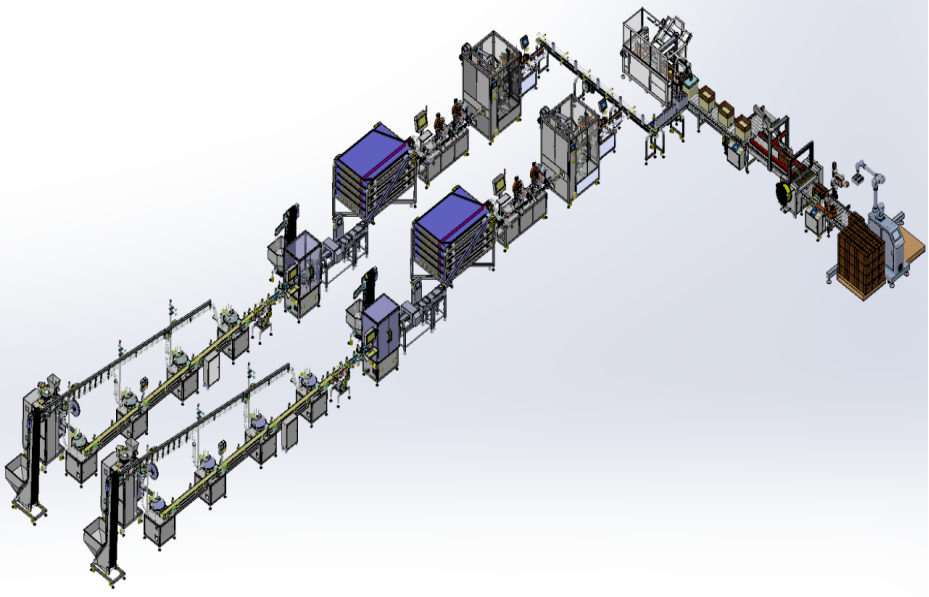
Swedish snus producers often diversify SKUs quickly to respond to consumer trends. Choose a supplier who offers modular machine design to adapt between stick packs, sachets, and pouches without needing a full new line. Flexibility includes support for a range of materials (barrier films, biodegradable laminates), variable pouch formats, and the ability to integrate labeling, counting, or cartoning equipment. Some suppliers provide turnkey solutions that combine filling, weighing, packaging, and inline quality control — explore these options if you want a single point of responsibility for the entire line.
Supplier capabilities to look for
📦 Turnkey integration: Ask if the supplier can deliver full lines — filling, packaging, and auxiliary equipment. This reduces vendor coordination and integration risk. See examples of turnkey lines such as those for filling & packaging at Filling & Packaging Lines.
🧩 Customization and format development: Suppliers who can prototype and run trials using your materials save valuable development time.
🔍 In-line quality inspection: Vision systems, metal detection, and weight checks should be integrable to meet Swedish quality expectations.
Consider Total Cost of Ownership (TCO), Not Just Purchase Price
Swedish decision makers often emphasize TCO: energy consumption, spare parts costs, maintenance intervals, and downtime impact. A slightly higher initial investment in a machine with stainless steel frames, high-quality servo systems, and reputable PLCs often pays off through lower operating costs and less unplanned downtime. Request detailed TCO models from suppliers including anticipated maintenance schedules, spare parts lists with pricing, and average energy consumption under typical loads.
Financial and delivery considerations
Sweden’s seasonal demand and long lead times for capital equipment mean you should negotiate realistic delivery timelines and penalties for missed milestones. Consider suppliers who stock standard modules or offer quick-delivery auxiliary equipment. Also discuss financing options, extended warranties, and start-up support to ensure your line is productive from day one.
Service, Training and Local Support Network
After-sales service is a critical differentiator. Swedish manufacturers value detailed operator and maintenance training, clear documentation in English (and optionally Swedish), and fast remote support channels. Ask suppliers about remote troubleshooting capabilities, spare parts kits tailored to your line, and training programs for operators and electrical/mechanical technicians. If the supplier participates in European exhibitions or has local partners, this often indicates a stronger support footprint.
Partner reputation and transparency
Verify a supplier’s reputation through case studies and client references. Many reliable manufacturers publish cases and exhibition participation that demonstrate consistent performance across regions. For example, you can review real-world implementations and cases at Case and learn more about the manufacturer’s credentials under About Packmate.
Why Packmate Snus Machine Can Be a Good Fit for Swedish Producers
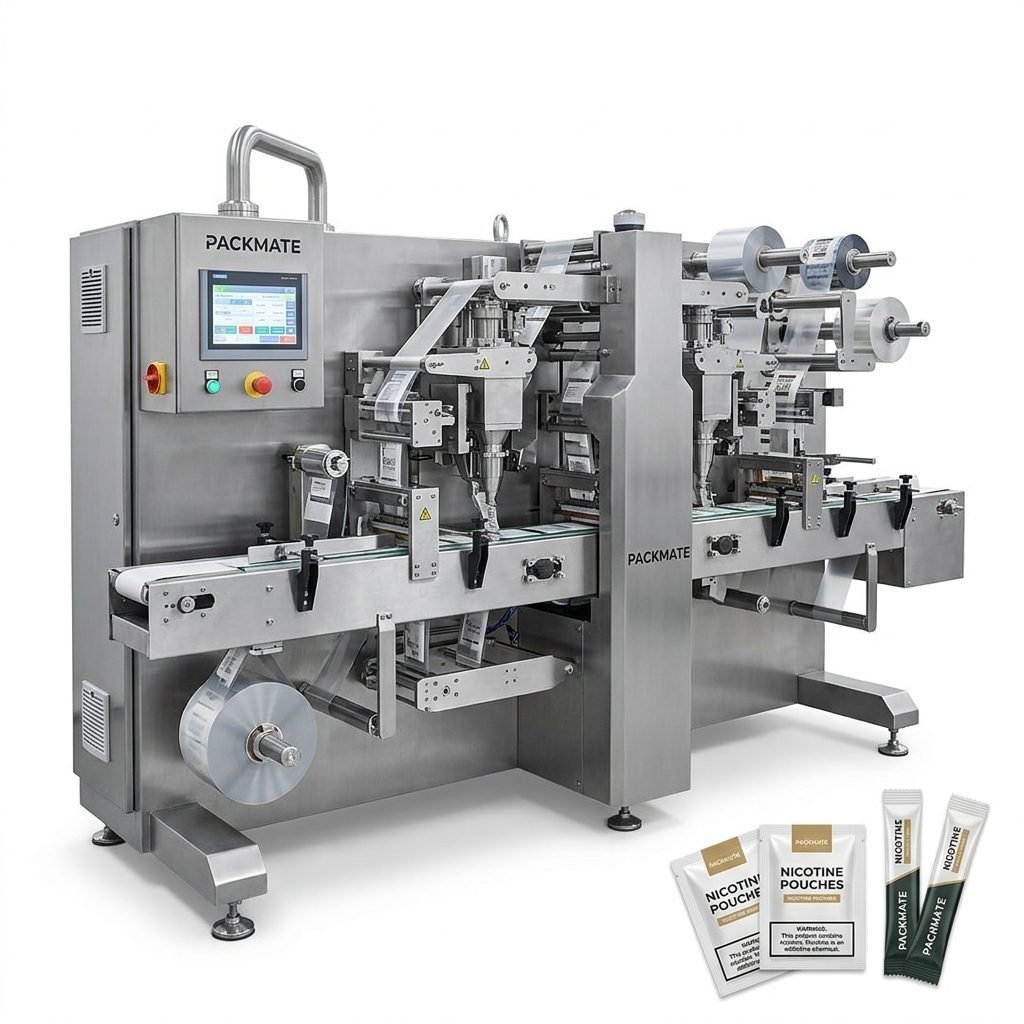
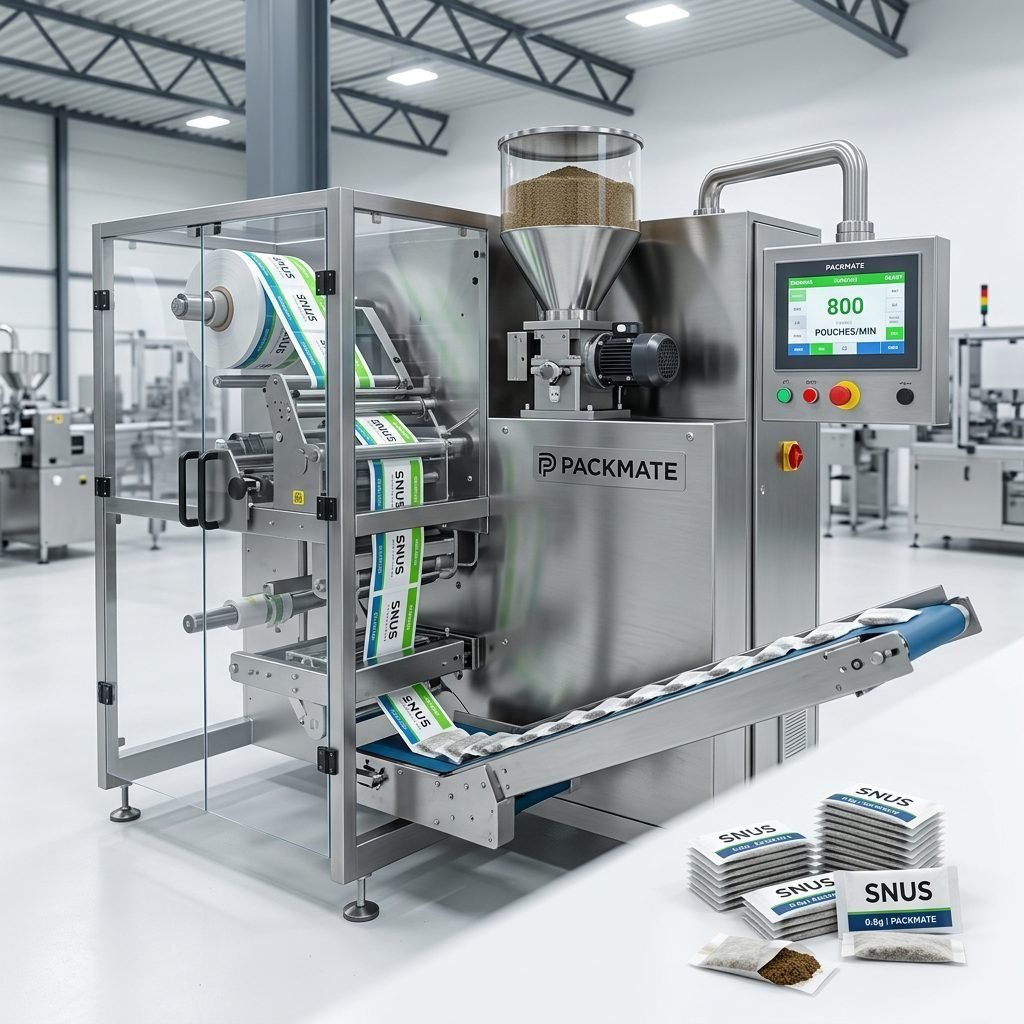
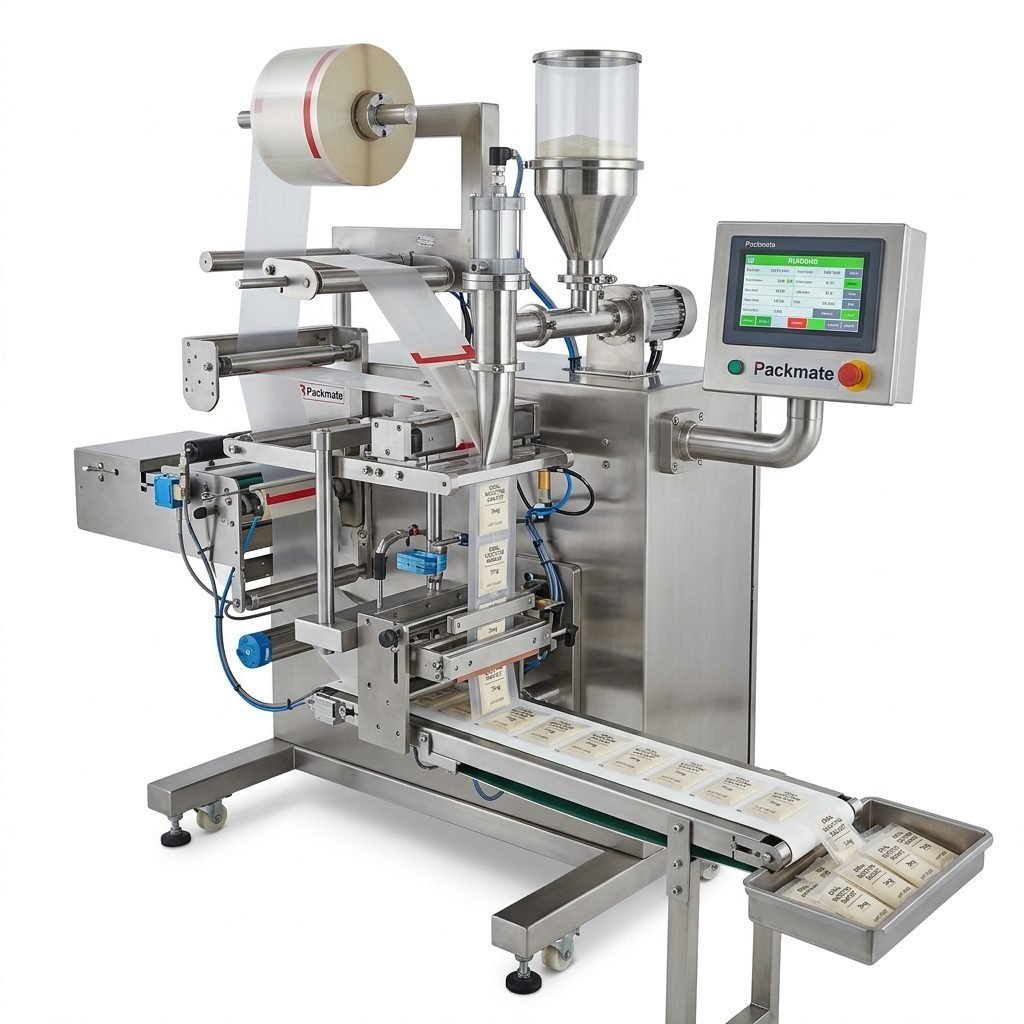
With over 30 years of experience and a focus on snus and nicotine pouch machinery, Packmate brings multi-lane systems, high-precision filling, and turnkey capabilities tailored to small-dose pouch production. Their factory certifications, advanced CNC manufacturing, and global turnkey solutions align well with Swedish expectations for quality and regulatory compliance. For specific product families, consider exploring Packmate’s Snus & Nicotine Packaging Machines and Sachet & Stick Pack Machines to match your format needs.
Practical negotiation tips
📌 Define acceptance criteria: Include FAT/SAT, output rates, and acceptable scrap levels in the contract.
📌 Spare parts and training: Negotiate initial spare kits, on-site commissioning, and operator training in your agreement.
📌 Service response times: Agree SLAs for remote and on-site support to minimize production risk.
Making the Final Decision
Combine objective scoring (price, uptime guarantees, parts availability, automation level) with soft factors like communication, cultural fit, and responsiveness. Swedish teams appreciate transparent documentation, predictable deliveries, and a clear roadmap for upgrades. Invite shortlisted suppliers to present a deployment plan specific to your plant layout, raw material characteristics, and desired SKU mix. A supplier willing to run trials with your material or provide a pilot machine demonstrates confidence and reduces implementation risk.
Next steps and resources
If you’re ready to move forward, request an on-site or virtual demonstration, ask for references from Scandinavian clients, and review the supplier’s service network and documentation. For more technical product details and to explore equipment families that suit snus and nicotine pouch production, check the manufacturer’s detailed product pages such as Bag & Pouch Packaging Machines and auxiliary solutions at Auxiliary Packaging Equipment.
Summary: Balanced Criteria for Swedish Production Needs
Selecting the best snus packaging machinery supplier in Sweden means balancing precision engineering, multi-lane throughput, strong after-sales support, and alignment with Swedish expectations for sustainability and quality. Prioritize suppliers who demonstrate proven case histories, offer turnkey integration, and can adapt to changing SKU mixes with minimal downtime. The right partner will help you scale efficiently while maintaining consistent pouch quality and compliance with regulatory expectations.
Frequently Asked Questions
Q1: How important is multi-lane machinery for snus production in Sweden?
A1: Multi-lane systems are crucial when you need high throughput without expanding floor space. They reduce production costs per pouch and are especially useful for seasonal demand spikes common in the Swedish market.
Q2: What certifications should I require from a snus packaging supplier?
A2: Require CE conformity and preferably ISO certifications. Also request documentation for electrical safety, hygienic design, and material compatibility tests relevant to snus and nicotine pouches.
Q3: How can I minimize downtime after installation?
A3: Negotiate on-site commissioning, operator and maintenance training, an initial spare parts kit, and a service-level agreement that includes fast remote diagnostics and agreed response times.
Q4: Is it better to buy a turnkey line or integrate machines from multiple vendors?
A4: Turnkey solutions reduce integration risk and single-point accountability; however, if you have established relationships with trusted vendors for specific subsystems, a best-of-breed approach can work if you manage integration carefully.
Q5: Where can I find reliable product details and contact information for suppliers?
A5: Review manufacturer product pages and contact pages for detailed specifications and to arrange demos. For more information or to reach out directly, refer to the supplier’s contact resources such as Contact Us and consult their catalog at Catalog.