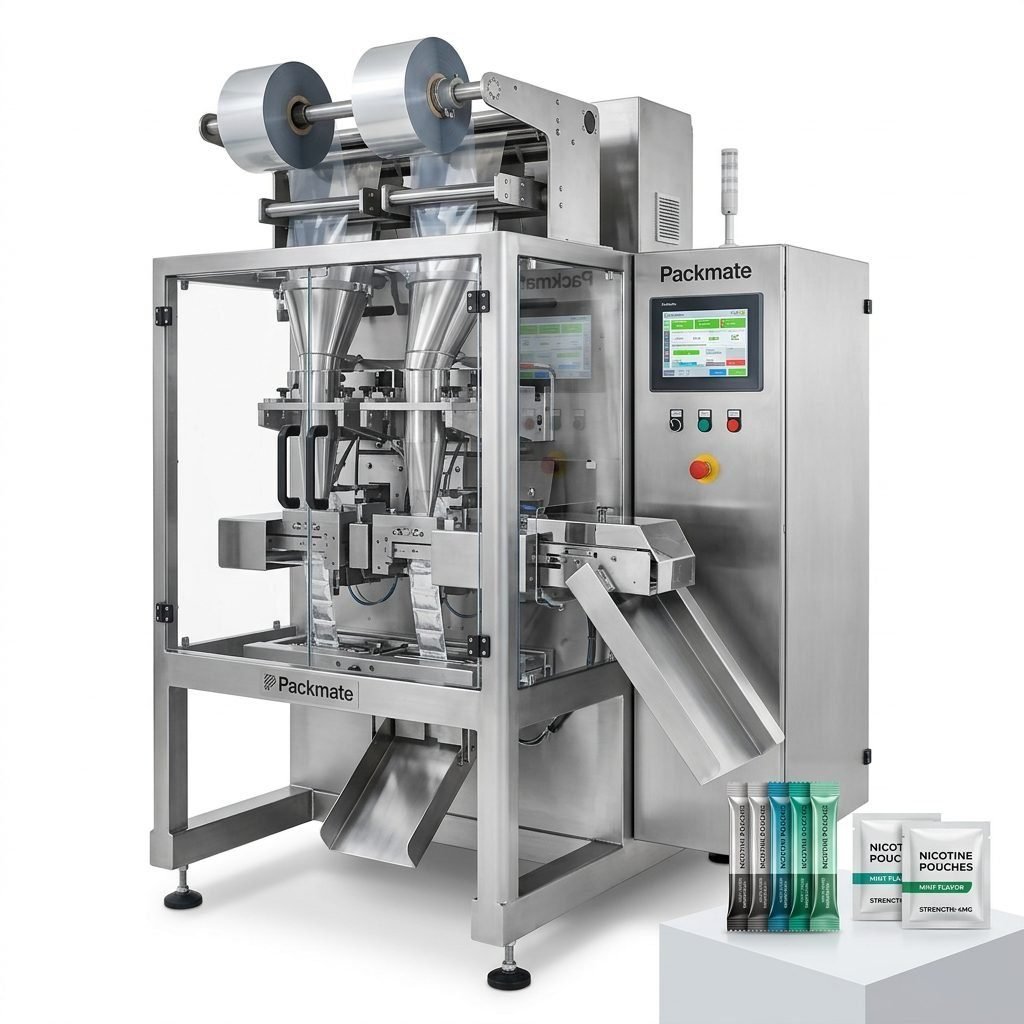
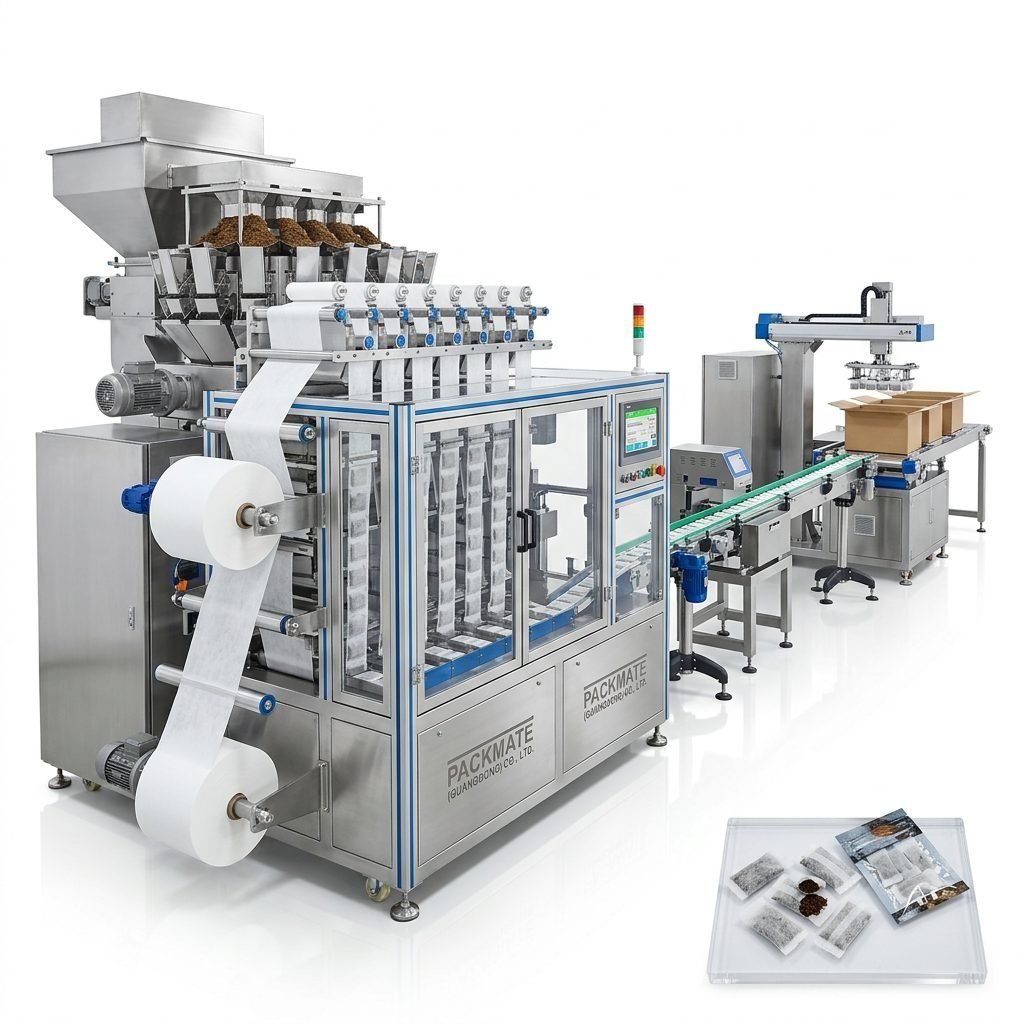
Choosing the right supplier for nicotine packaging machinery in Mauritania requires a blend of technical knowledge, cultural awareness, and practical logistics planning. This guide walks factory managers and procurement teams through the essential criteria — from machine selection to after-sales support — with specific considerations for operating in Mauritania’s climate, regulatory landscape, and business customs.
🔍 Understand the Mauritanian Market and Local Context
Mauritania is a predominantly Muslim country in West Africa with business rhythms influenced by religious observances (especially Ramadan) and a mix of Arabic and French business languages. When choosing a supplier, account for seasonal slowdowns, local labor patterns, and the need for clear documentation in French or Arabic.
Logistically, ports such as Nouakchott and Nouadhibou serve imports, but inland transport can be affected by road quality and distances between coastal hubs and production sites. Suppliers who understand West African shipping, customs clearance, and duty procedures will help reduce delays and unexpected costs.
📌 Local customs and workforce considerations
Respect business etiquette: schedule meetings outside key prayer times, be aware of Ramadan working hours, and provide clear timelines that account for local holidays. Training materials translated into French or Arabic can greatly accelerate operator onboarding and maintenance knowledge transfer.
Tip: Suppliers offering multilingual manuals, remote training sessions, and spare-part kits shipped with initial deliveries reduce downtime for Mauritanian factories where supplier visits may be delayed by travel logistics.
⚙️ Which Nicotine Packaging Machine Types Fit Your Needs?
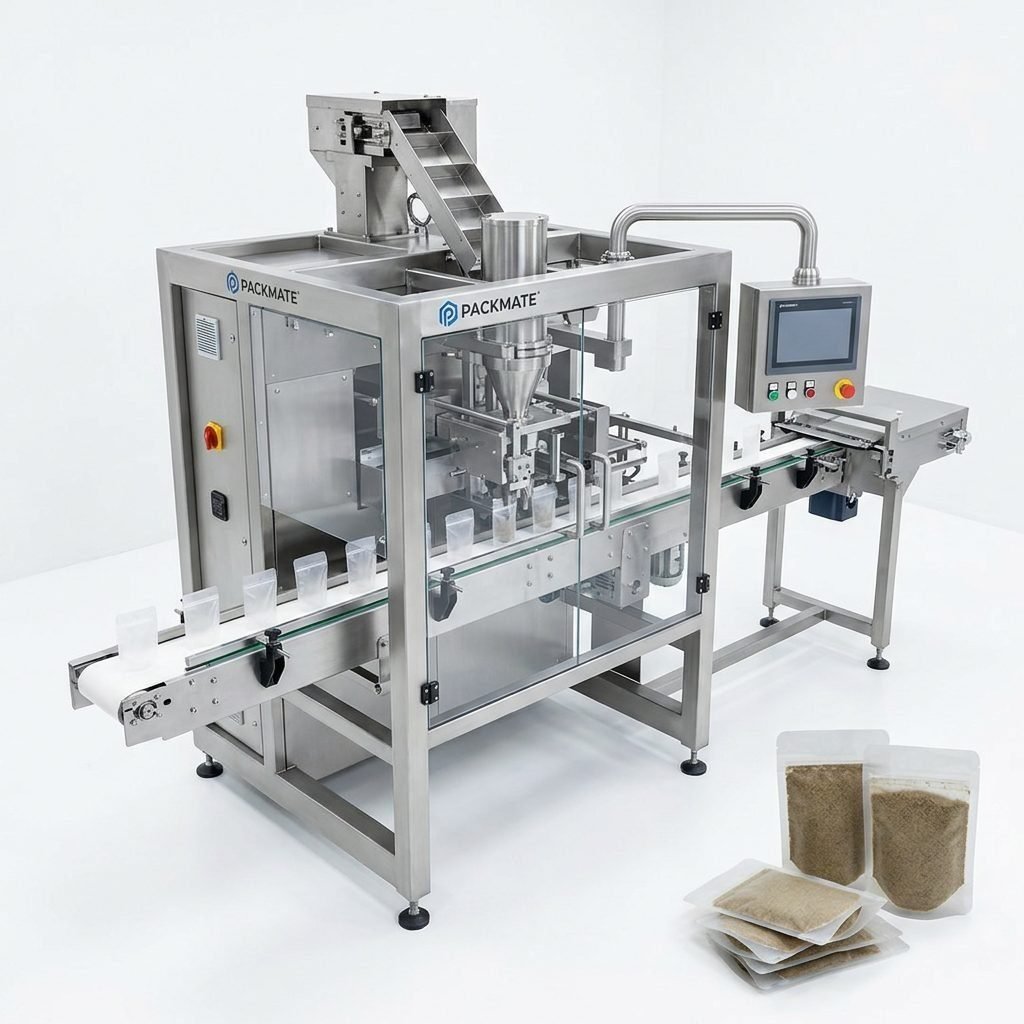
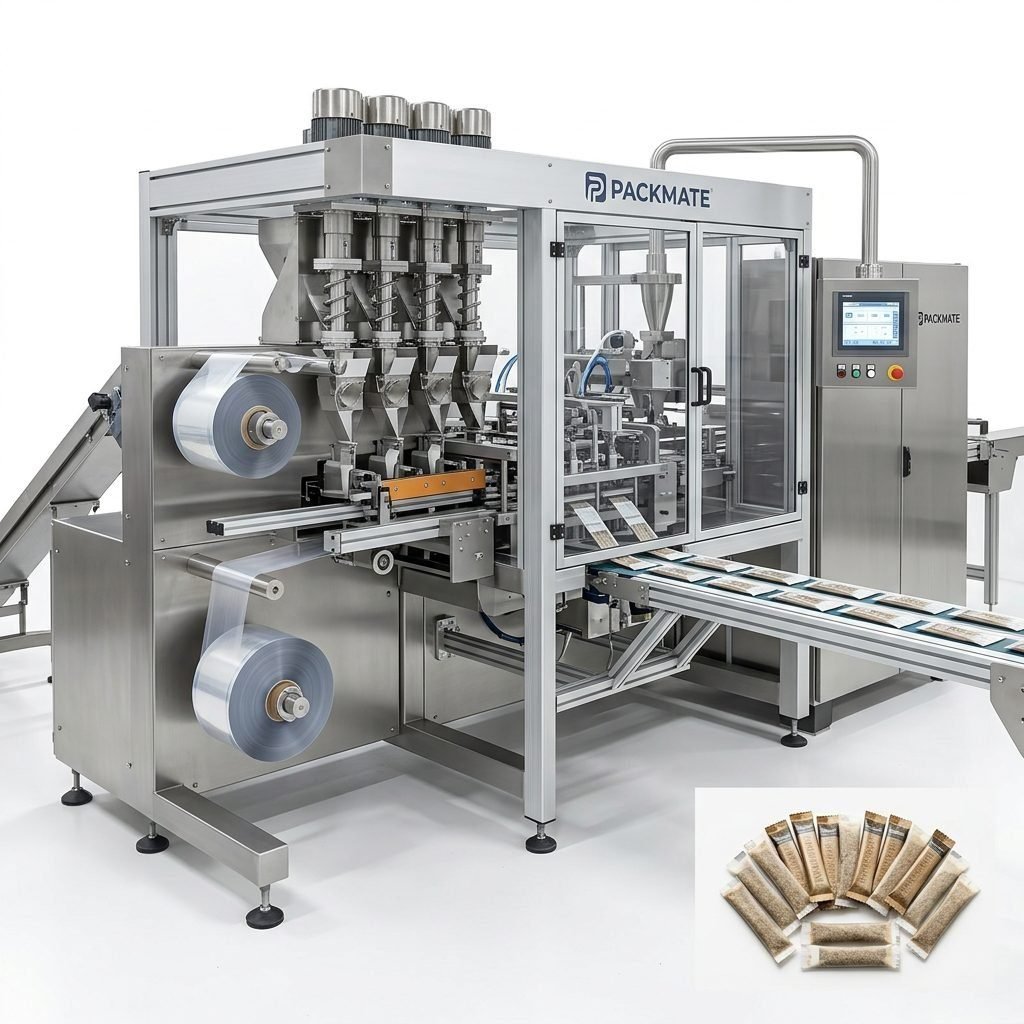
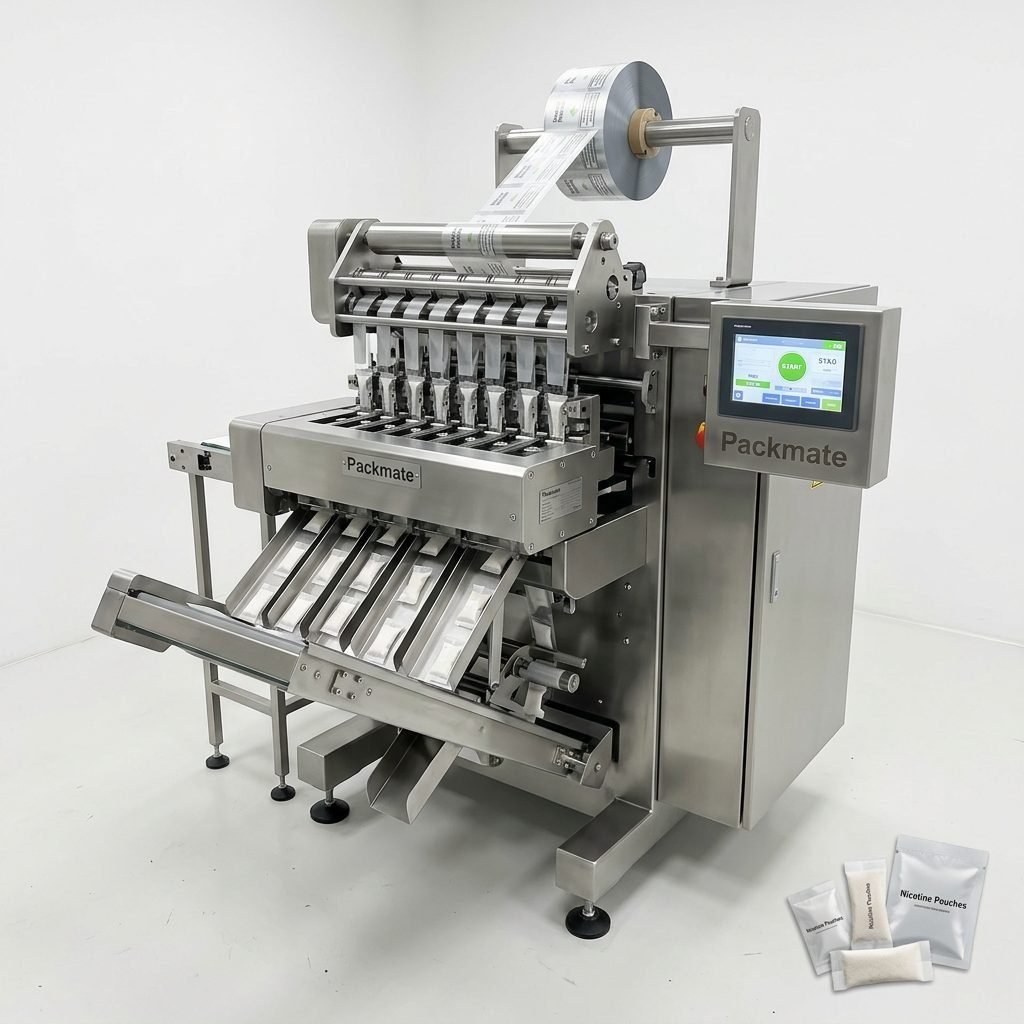
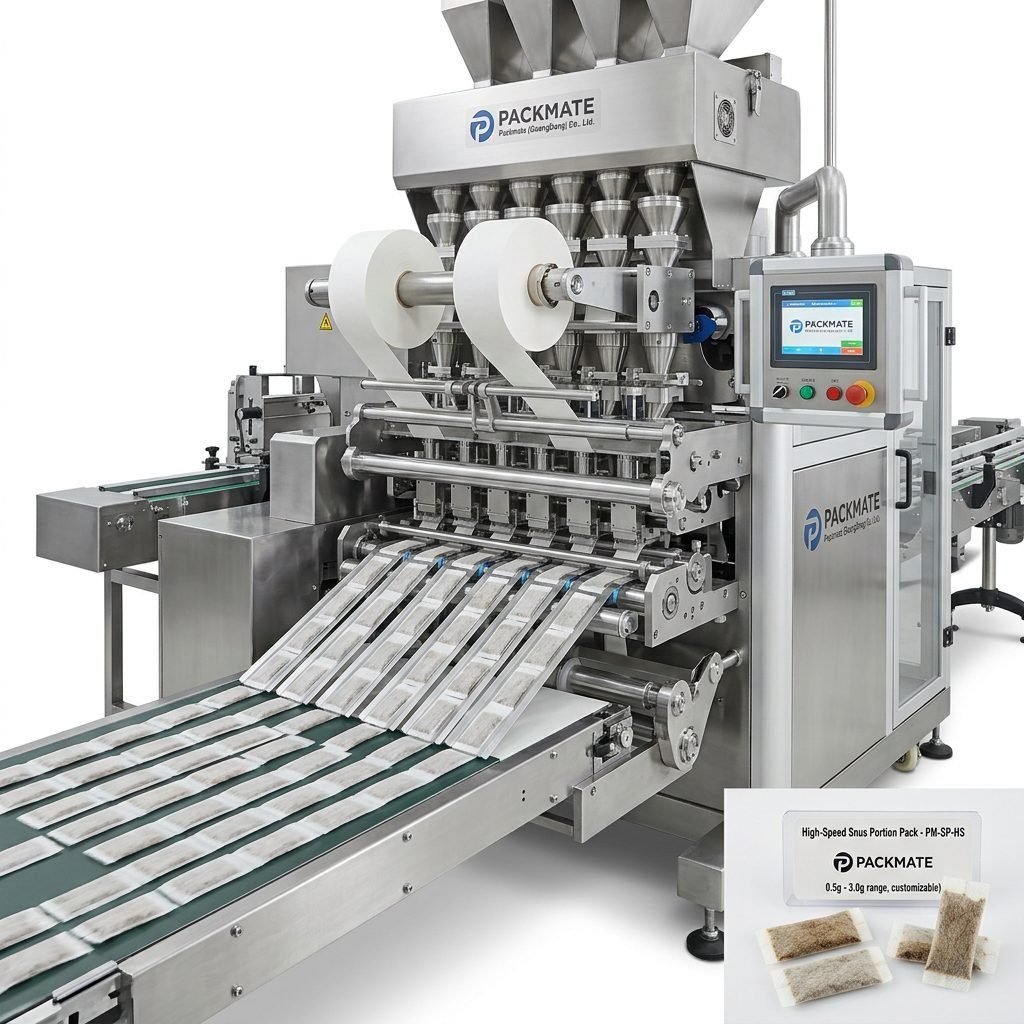
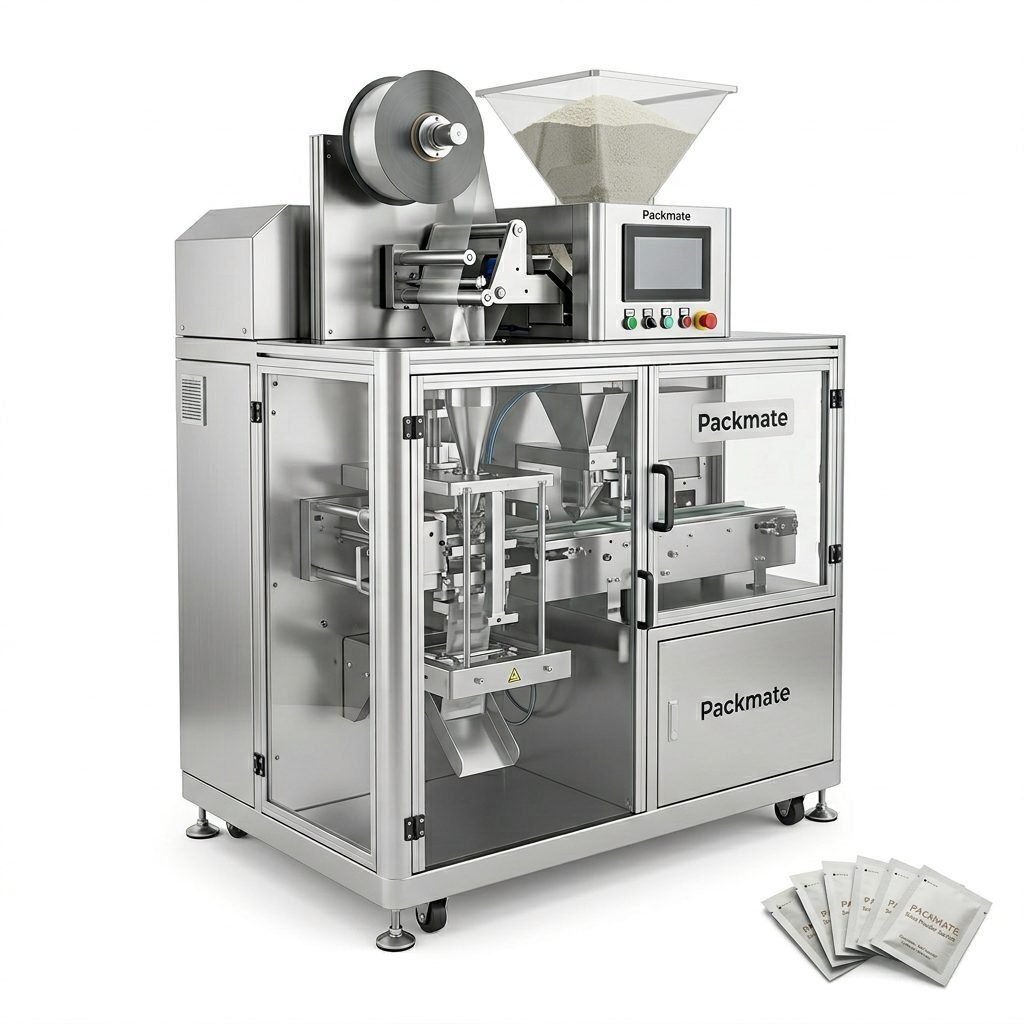
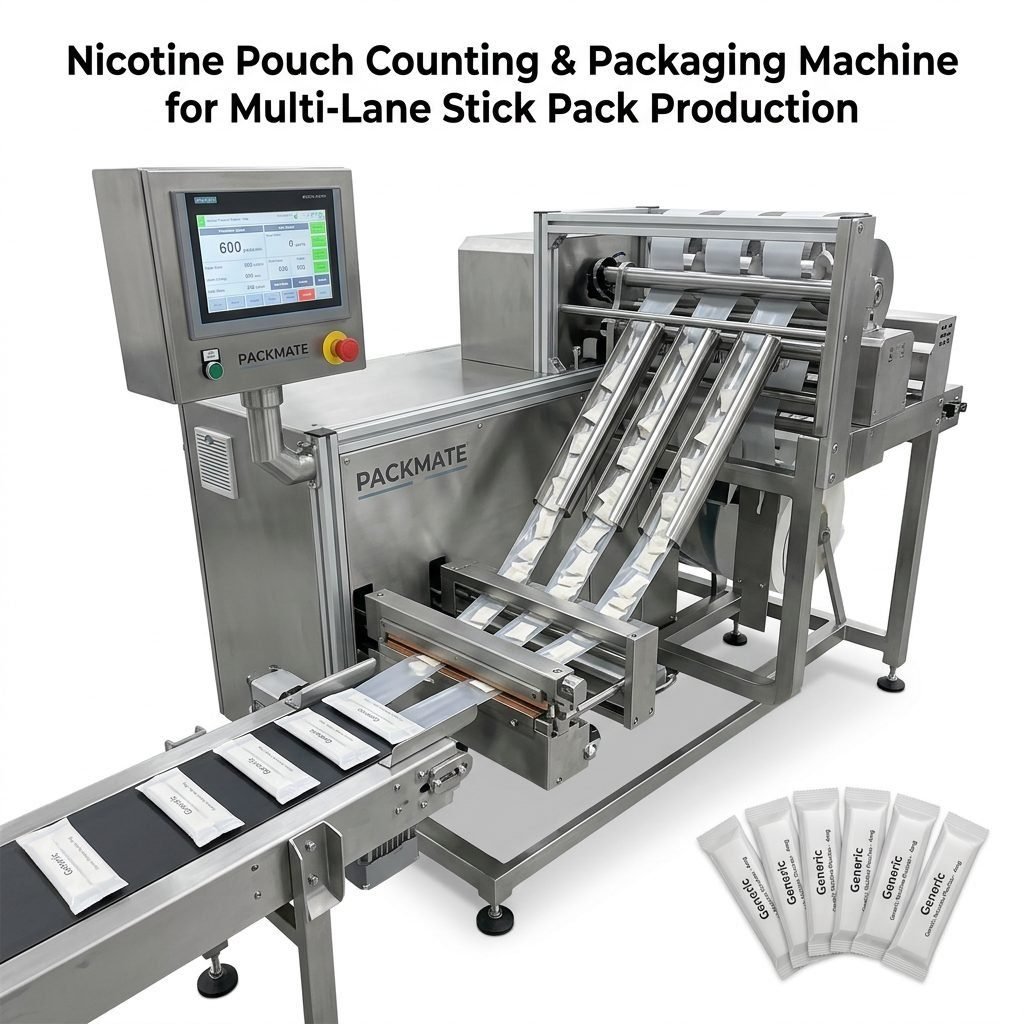
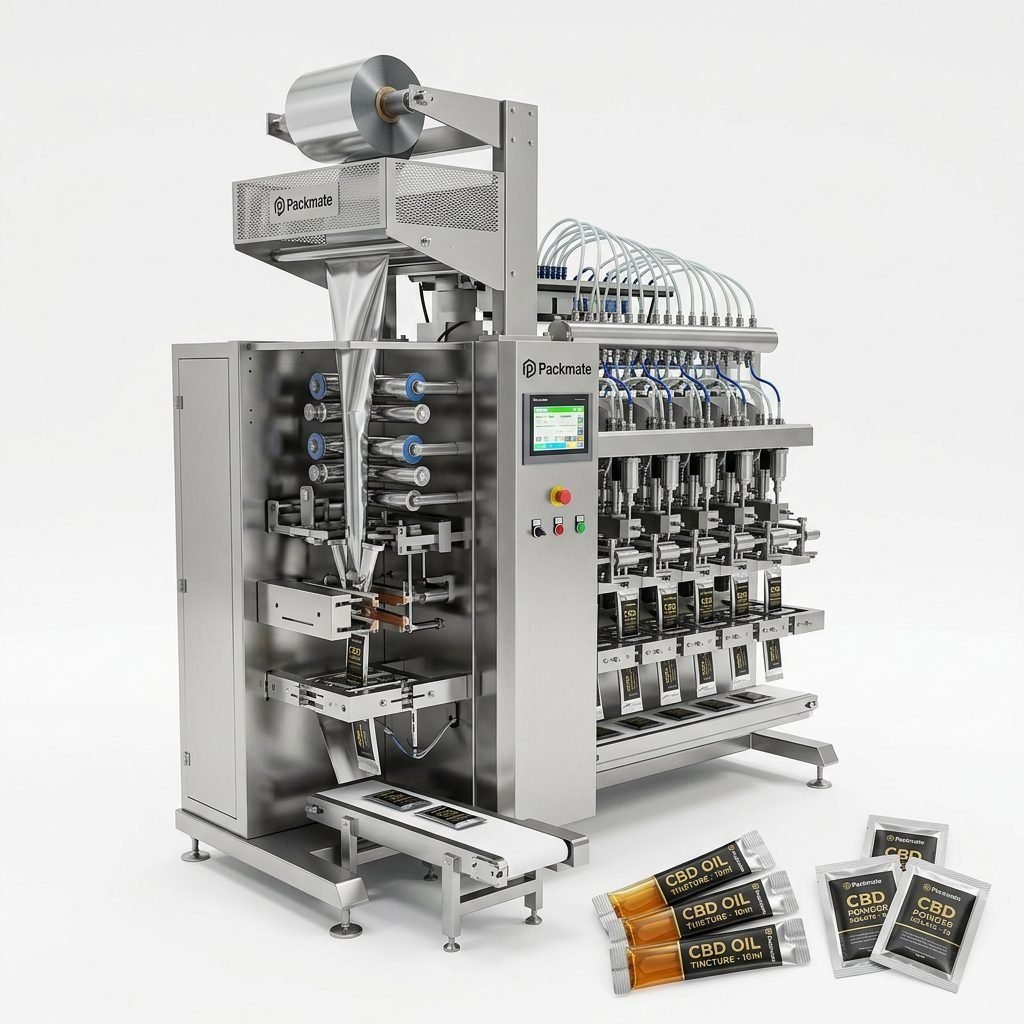
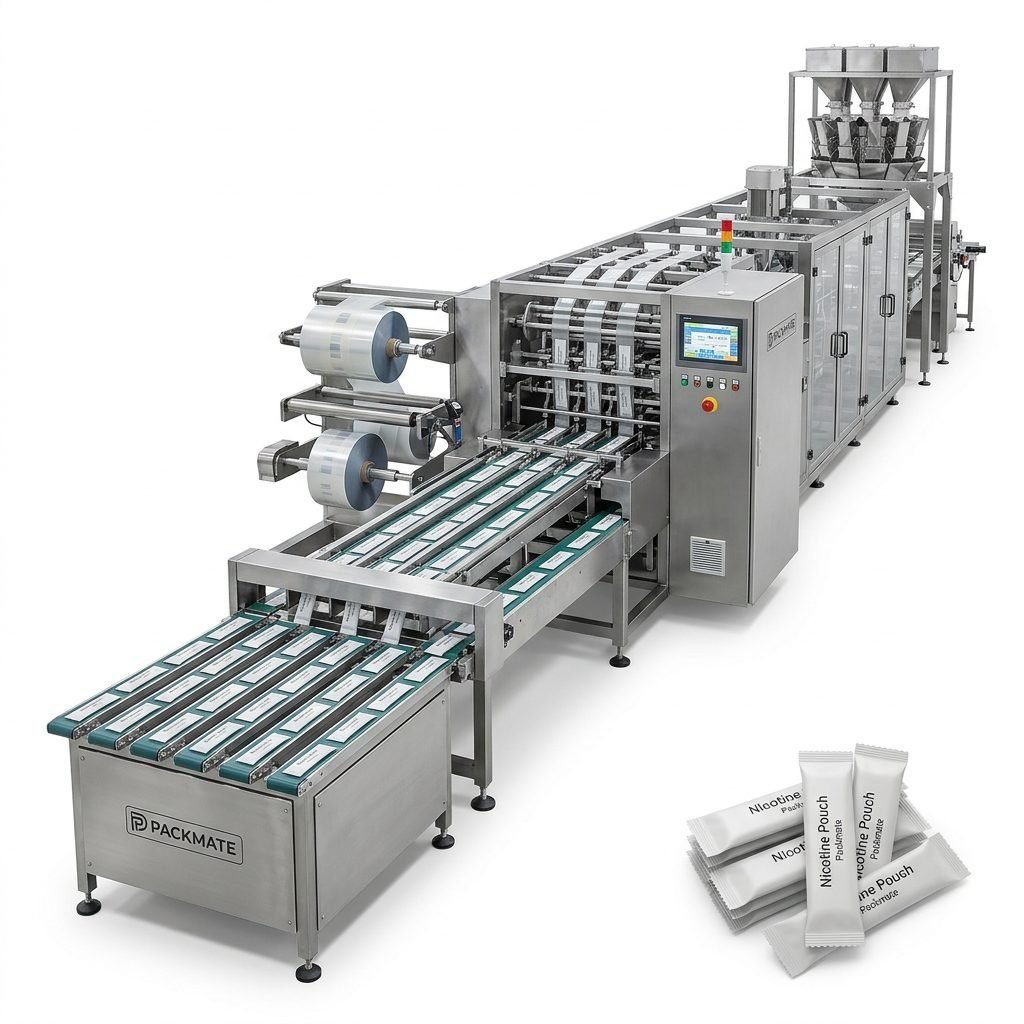
Nicotine pouch production commonly uses stick pack machines, sachet machines, and multi-lane snus/nicotine pouch systems. Your choice should align with product format, production capacity, and flexibility needs. High-precision multi-lane systems are ideal for small-dose pouches and high throughput, while sachet lines may suit simpler or lower-volume SKUs.
Key machine features to evaluate
Capacity (pouches per minute), filling accuracy, lane count, changeover time, material compatibility, and dust-resistant design are critical. For Mauritania’s dusty and hot climate, seal quality and environmental protection for electronics will extend machine life and reduce maintenance frequency.
Learn about advanced lines and options at Snus & Nicotine Packaging Machines and explore modular solutions that let you scale as demand grows.
🏭 Evaluate Supplier Factory Strength and Quality Assurance
A reliable supplier should demonstrate manufacturing capability, consistent quality control, and relevant certifications. Seek suppliers with CNC machining centers, precision assembly lines, and ISO/CE certification to ensure machines meet international safety and performance standards.
For example, Packmate Snus Machine highlights a 20,000㎡ facility, 30+ years of engineering experience, and a wide model range — factors that indicate capacity to deliver and customize complex packaging lines.
Important: Request factory images, machine test reports, and quality certificates. Visit demonstrations at exhibitions when possible — suppliers often showcase live lines at trade shows. See examples in the supplier’s portfolio at Case.
🔧 After-sales Support, Training and Spare Parts
After-sales support is where many purchases succeed or fail. Confirm the supplier provides:
✅ Remote troubleshooting and spare-parts availability; ✅ Field service or certified local partners; ✅ Operator and maintenance training; ✅ Clear warranty terms and response SLAs.
Suppliers experienced in international markets typically offer training packages and start-up assistance. Check whether the supplier will send technicians to Mauritania for installation and commissioning, and whether there are trained local partners who can provide ongoing maintenance.
📦 Spare parts & consumables logistics
Ask for a recommended spare-part list for the first 12 months, lead times for critical components, and suggestions for inventory levels to avoid production stoppages. Suppliers that export globally understand how to pre-pack spare kits for faster customs clearance.
📜 Regulatory Compliance and Certification
Nicotine products face regulatory scrutiny. Ensure your supplier can provide machinery certificates, electrical safety approvals, and documentation to support product compliance. Even if Mauritania has limited local standards, importing machinery with CE and ISO documentation simplifies customs and reassures local partners.
Consider sanitary design for equipment that contacts consumable products and confirm suitability for packaging materials (e.g., foil, laminate, paper). Ask suppliers for test packs or trial runs using your actual materials to validate seals, labeling, and fill accuracy.
🚚 Shipping, Customs and Installation Logistics
Plan total landed cost: machine price is only part of the equation. Budget for shipping, insurance, customs duties, inland transport, and installation. Suppliers with export experience to West Africa can advise on packaging for long ocean voyages and provide documentation to speed customs clearance in Mauritania.
Checklist for shipping: invoice & packing list, origin certificates, CE/ISO documents, spare-part lists, and pre-shipment test certificates. Ensure clear Incoterms in your contract to allocate responsibilities.
💰 Price vs Total Cost of Ownership (TCO)
Evaluate the machine cost alongside energy consumption, maintenance intervals, spare-part costs, and expected lifetime. A slightly higher upfront investment for a robust, energy-efficient, and low-maintenance machine can save significant operational costs in Mauritania, where service visits are more expensive and lead times longer.
Ask for detailed operational cost estimates: electricity usage, typical wear parts, recommended consumables, and average downtime rates. Providers who publish performance metrics and OEE data show transparency and confidence in their equipment.
🧭 Supplier Vetting Steps: From Inquiry to Purchase
1) Request technical specs, capacity curves, and reference lists. 2) Review factory credentials, certifications, and exhibition appearances. 3) Ask for live demo or trial packs. 4) Verify after-sales policy and spare-part logistics. 5) Negotiate payment terms and warranty clauses that protect your investment.
Use supplier references and case studies to validate claims. Check industry forums and customer feedback to assess long-term reliability. You can also contact suppliers directly through their contact pages — for Packmate see Contact Us.
✅ Red flags to watch for
– Vague technical specs or refusal to provide test results; – No clear warranty or slow spare-part response; – Lack of experience exporting to West Africa; – Poor communication or missing documentation in French/Arabic.
🤝 Negotiation, Contracts and Payment Terms
Negotiate milestones such as design approval, FAT (Factory Acceptance Test), shipping, installation, and performance acceptance tests. Aim for balanced payment terms: a deposit, progress payments, and final payment upon satisfactory commissioning. Include clear warranty durations, spare-part lists, and penalty clauses for missed delivery when feasible.
Clarify who handles import tariffs, customs brokerage, and inland transport. Using Incoterms like CIF or DDP may simplify responsibilities for Mauritanian buyers unfamiliar with international logistics.
🔧 Installation, Training and Startup in Mauritania
Plan installation with supplier involvement: pre-shipment documentation, on-site setup, calibration, operator training, and an initial production run to validate product specs. Suppliers offering remote support and video-guided troubleshooting can bridge the gap between visits.
Consider training multiple staff to avoid single-person knowledge dependencies. Keep critical spares locally and schedule periodic remote check-ins with the supplier during the first 6–12 months.
🌍 Why Partner with an Experienced Global Supplier?
A supplier with international turnkey experience brings tested engineering, packaging knowledge, and supply chain resilience. They can help integrate weighing systems, filling lines, and auxiliary equipment to create a seamless production flow. Browse modular solutions like Filling & Packaging Lines and complementary systems such as Weighing & Packaging Systems.
Quick checklist: factory capability, certifications, demonstration availability, local language support, spare-part strategy, warranty and clear shipping terms.
📞 Next practical steps
Contact suppliers for a tailored quote, request product samples or demo videos, and ask for references from other African or global clients. Visit the supplier’s profile to understand their values and service commitments: About Packmate and review certifications at Certificate.
Conclusion
Selecting the best nicotine packaging machinery supplier for your Mauritanian factory calls for technical due diligence, cultural sensitivity, and detailed logistics planning. Prioritize suppliers with proven manufacturing strength, transparent documentation, robust after-sales support, and experience exporting to West Africa. By balancing upfront cost with total cost of ownership, and ensuring multilingual support and spare-part strategies, you’ll position your operation for reliable, high-quality nicotine pouch production.
Frequently Asked Questions
Q: What certifications should I request from a packaging machine supplier?
A: Request CE, ISO quality system certificates, and electrical safety documentation. Additionally, ask for factory test reports and FAT (Factory Acceptance Test) records to ensure machine performance before shipment.
Q: How do I handle spare parts and maintenance for machines shipped to Mauritania?
A: Negotiate an initial spare-part kit with the first shipment, maintain a minimal local inventory for wear parts, and arrange remote support agreements. Choose suppliers who can supply parts quickly or have local partners for faster service.
Q: Are multi-lane snus machines suitable for small-scale operations in Mauritania?
A: Multi-lane systems are excellent for scaling small-dose pouch production. If you anticipate growth, a multi-lane line offers higher throughput and better per-unit economics, though initial investment is higher than single-lane machines.
Q: How can I ensure smooth customs clearance for packaging machinery into Mauritania?
A: Work with your supplier to obtain complete documentation (commercial invoice, packing list, origin certificates, CE/ISO docs). Consider using a customs broker familiar with Mauritanian procedures and confirm Incoterms to define responsibilities.
Q: Where can I find trusted suppliers and product lines for snus and nicotine packaging?
A: Review specialized manufacturers with global turnkey experience, product pages and service offerings such as Sachet & Stick Pack Machines, and evaluate their case studies and exhibitions at Our Exhibition.