Introduction: Why Choosing the Right Snus Packaging Machinery Supplier Matters in Norway
Norway is one of the world regions where snus and nicotine pouches have deep cultural and commercial importance. Selecting the right manufacturer or supplier for snus packaging machinery is not only a purchasing decision — it affects regulatory compliance, product consistency, line efficiency, and long-term profitability. This guide explains the key factors Norwegian buyers should consider and provides a step-by-step buying process for selecting the best snus packaging machinery supplier.
Understanding Local Context: Snus Use and Regulations in Norway
In Norway and the broader Scandinavian market, consumer expectations favor high-quality, discreet, and uniformly dosed products. Local regulations emphasize product safety and labeling, and many Norwegian companies prioritize suppliers who understand EU/EEA standards and can provide compliant equipment. When evaluating suppliers, confirm their familiarity with local compliance needs and their ability to deliver machines that support traceability, accurate dosing, and consistent packaging aesthetics.
Key Supplier Selection Factors (What Norwegian Buyers Should Prioritize)
🔍 Certifications & Compliance — Ensure the supplier’s machines comply with CE, ISO, and other applicable standards. For Norwegian operations, confirmation of documentation and support for equipment certification simplifies customs and site acceptance.
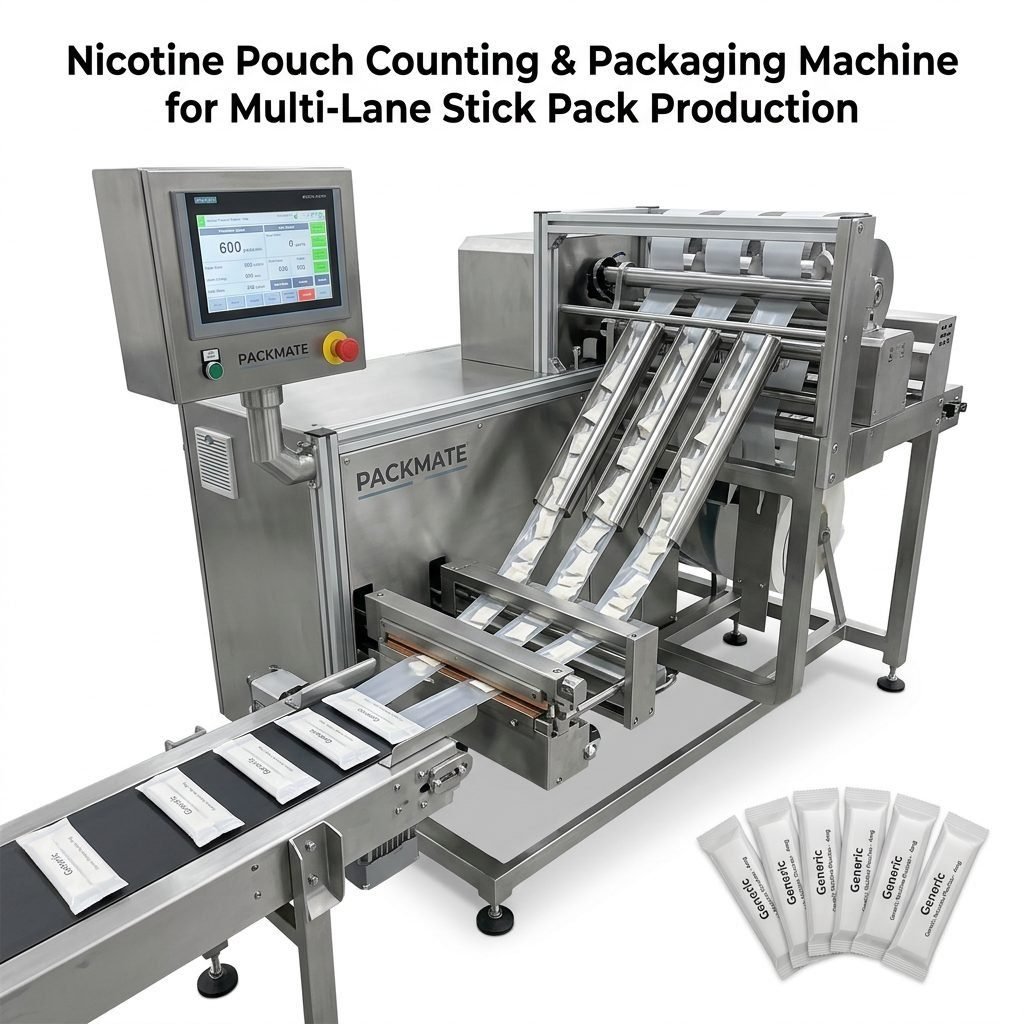
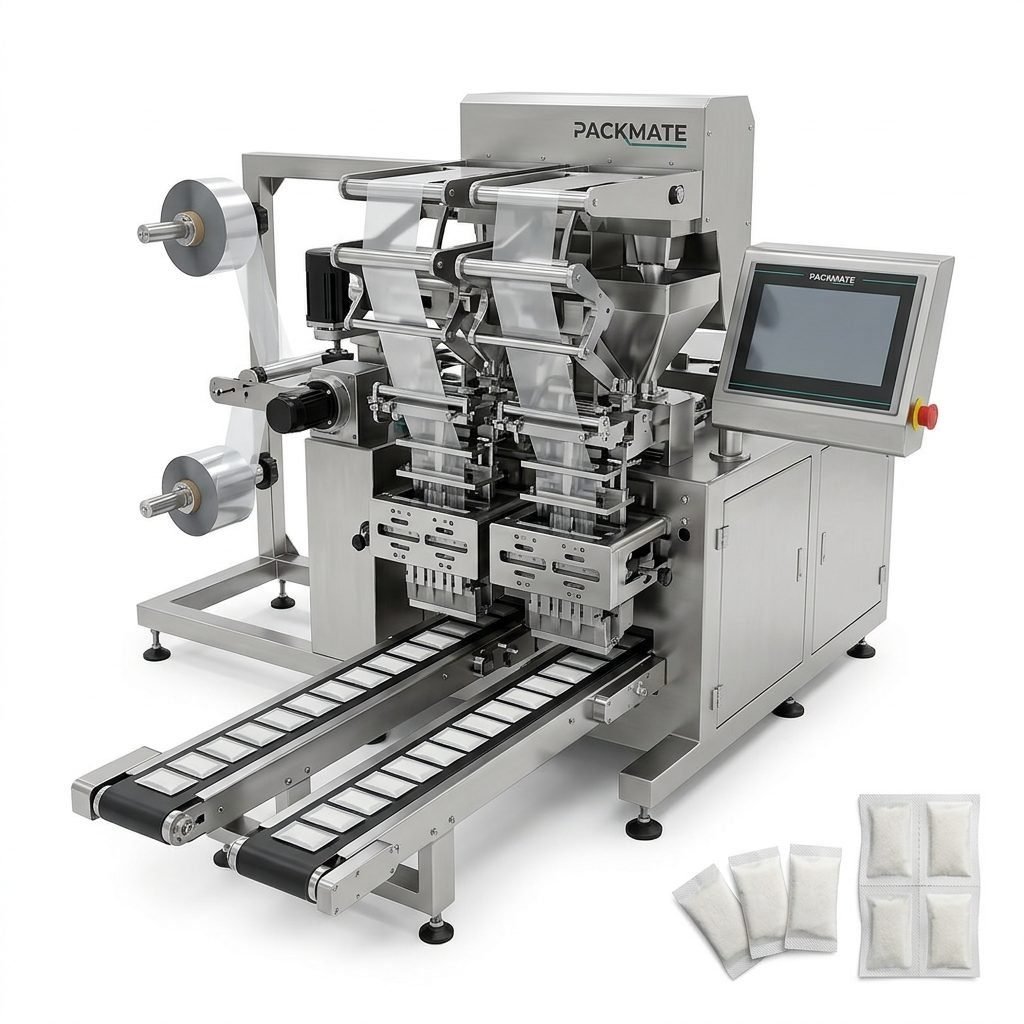
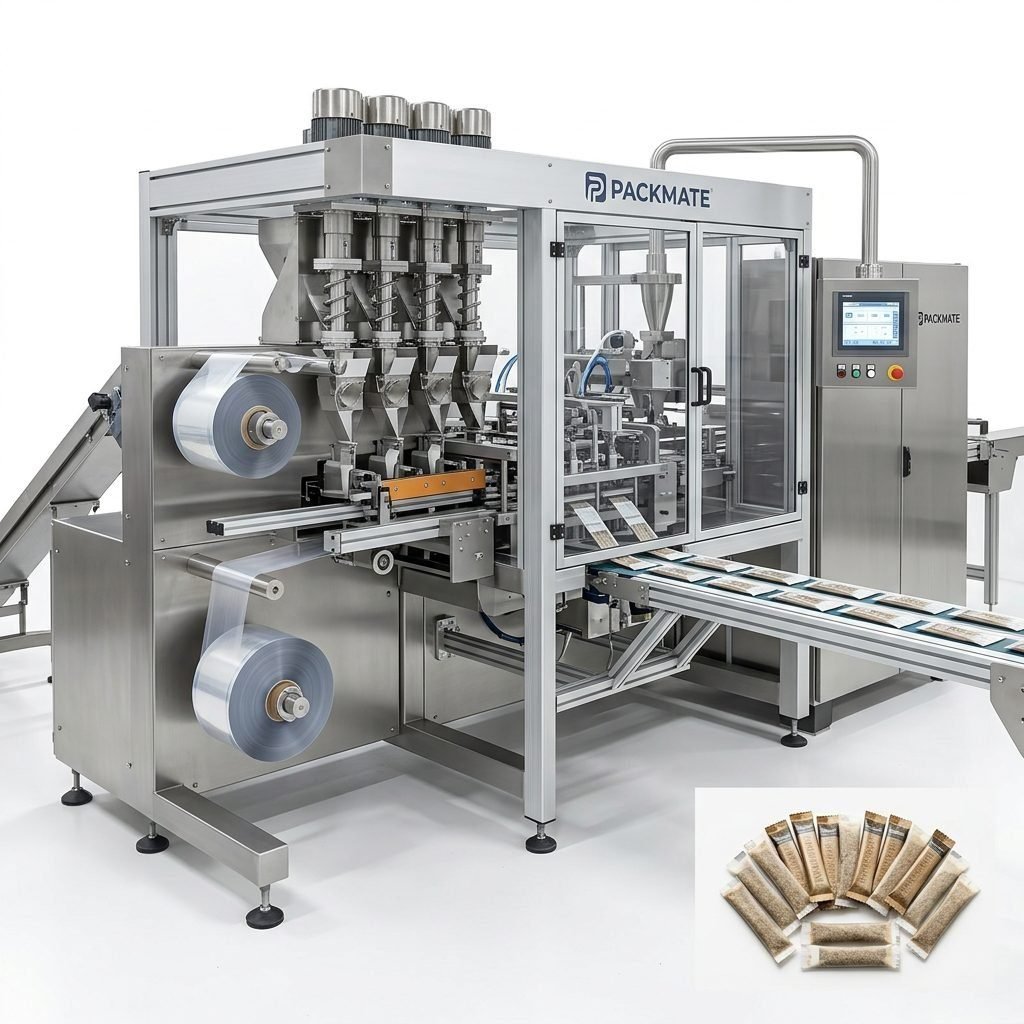
⚙️ Machine Performance & Range — Look for multi-lane systems, stick pack, sachet, and specialized snus/nicotine pouch machines that can handle your target output and pouch formats.
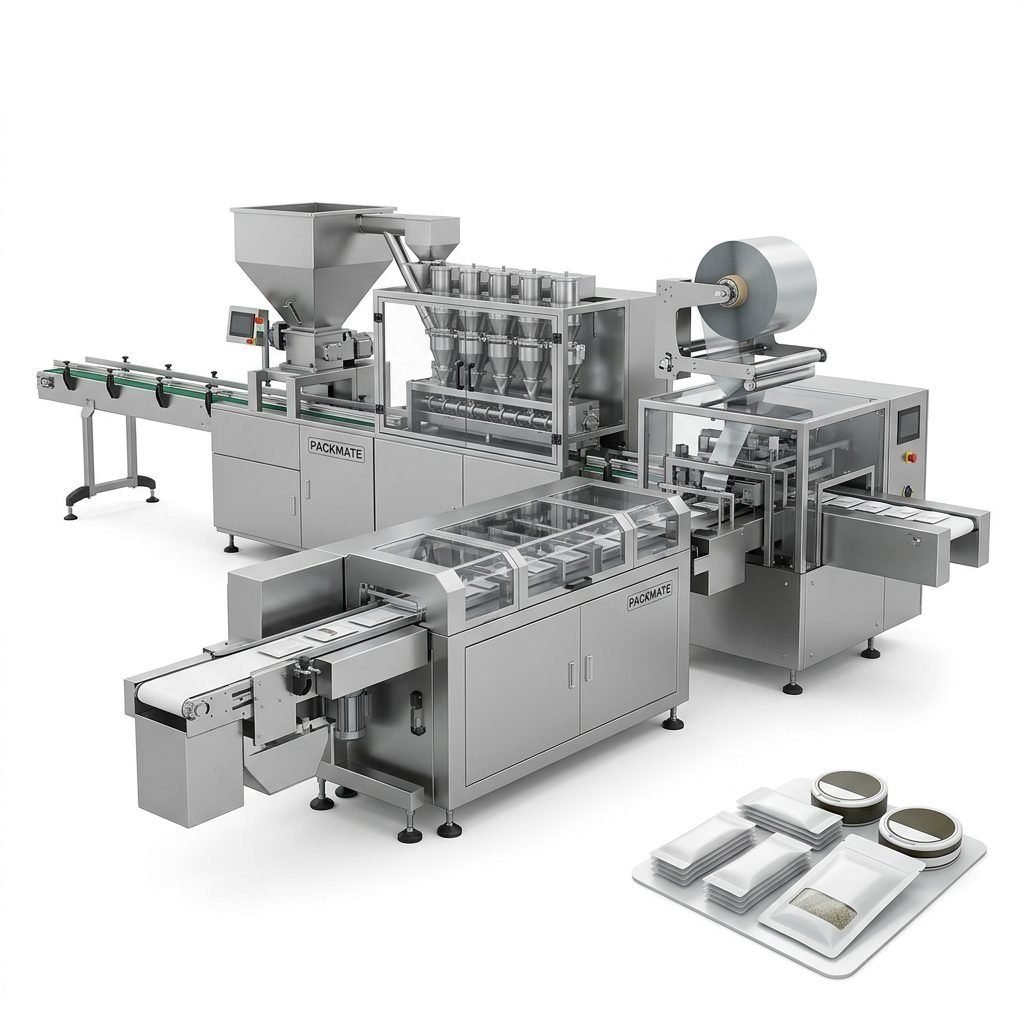
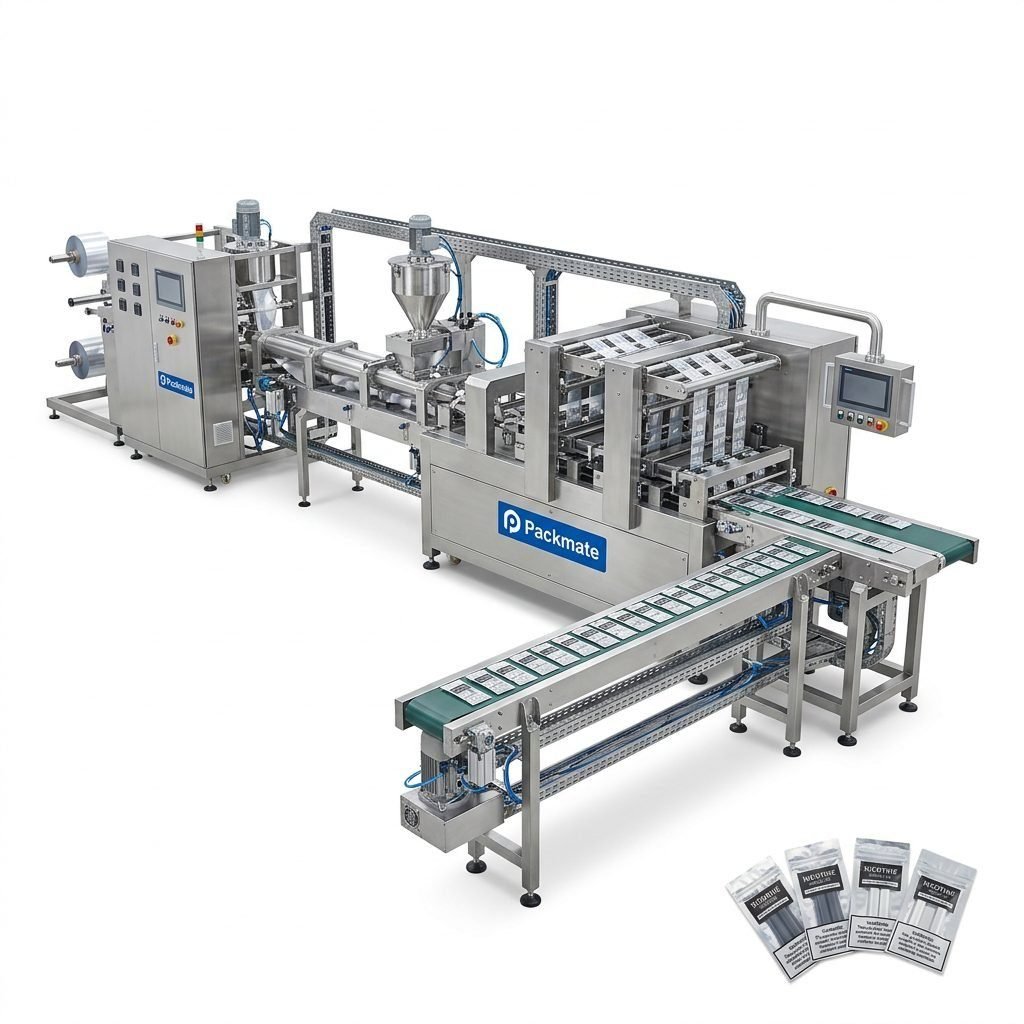
📦 Turnkey Solutions & Integration — Choose suppliers who can integrate weighing, filling, sealing, labeling, and end-of-line packaging to reduce integration risk.
Technical Features to Evaluate
When inspecting machine proposals, focus on features that matter for snus and nicotine pouches:
• Multi-lane capability for higher throughput without sacrificing dose accuracy.
• Accurate micro-dosing systems for nicotine pouches and consistent pouch weight control.
• Flexible pouch formats (stick pack, sachet, round pouch) and quick changeover features to meet seasonal or product line changes.
Supplier Capabilities: What to Verify at a Glance
In supplier conversations and factory visits, verify the following:
• Manufacturing footprint — factory size, CNC capabilities, assembly lines, and quality testing.
• R&D experience — ability to customize machines for niche snus formats and small-dose products.
• International service — spare parts logistics, remote troubleshooting, and on-site commissioning support in Europe.
Questions to Ask Potential Suppliers
📌 What are the machine’s standard and maximum production rates (pouches per minute)?
📌 Can you provide documented CE and ISO certification copies and machine test reports?
📌 What is the average lead time for production, factory acceptance test (FAT), and shipping to Norway?
📌 What warranty, spare parts package, and training are included with delivery?
Reviewing Proposals: A Practical Scoring Approach
Use a simple scoring matrix to compare suppliers objectively. Typical weighted criteria include:
• Technical fit (30%) — Does the machine meet capacity, format, and dosing accuracy requirements?
• Compliance and documentation (20%) — Are CE/ISO and other certifications provided?
• After-sales support (20%) — Spare parts availability, training, remote support, and local service partners.
• Total cost of ownership (20%) — Initial price, operating costs, spare parts, and mean time between failures (MTBF).
• References & track record (10%) — Cases and customer testimonials in similar markets.
Factory Visit Checklist (If You Can Visit Supplier)
A factory visit is the best way to validate claims. When on-site, inspect:
✔ Assembly lines and work order flow — are processes lean and documented?
✔ CNC and machining centers — look for precision equipment supporting long-term reliability.
✔ Quality testing rigs and FAT records — ask to watch a machine run with sample material.
✔ Spare parts warehouse — check parts availability and labeling systems.
Integration, Installation & Commissioning Tips for Norway-based Buyers
Plan for a smooth installation with these steps:
• Schedule FAT with samples similar to your production mix to validate performance before dispatch.
• Confirm power, compressed air, and footprint requirements in advance to avoid onsite delays.
• Arrange for translator or bilingual technician if necessary; confirm language of HMI and manuals (English is standard, check Norwegian-language needs).
• Agree on spare parts kits and an initial set of consumables to be shipped with the machine.
After-Sales Support & Spare Parts Strategy
For uninterrupted production in Norway, prioritize suppliers with fast spare parts logistics or European distribution partners. Ask about:
• Predictable lead times for critical components.
• Remote diagnostic capability for rapid troubleshooting.
• Training programs for operators and maintenance staff, with detailed manuals and video resources.
• Long-term service agreements and on-site support options in Europe.
Cost Considerations & ROI Estimation
Go beyond the purchase price — calculate total cost of ownership (TCO) including consumables, downtime risk, spare parts, and energy use. Consider:
• Production capacity vs. demand growth — avoid buying oversized or undersized equipment.
• Modular upgrades — machines that allow incremental capacity increases can lower initial capital outlay.
• Energy efficiency and maintenance intervals — machines with higher uptime yield faster payback.
• Financing, leasing or turnkey purchase options — evaluate based on your cashflow and strategic plans.
Why Consider Packmate Snus Machine as a Supplier
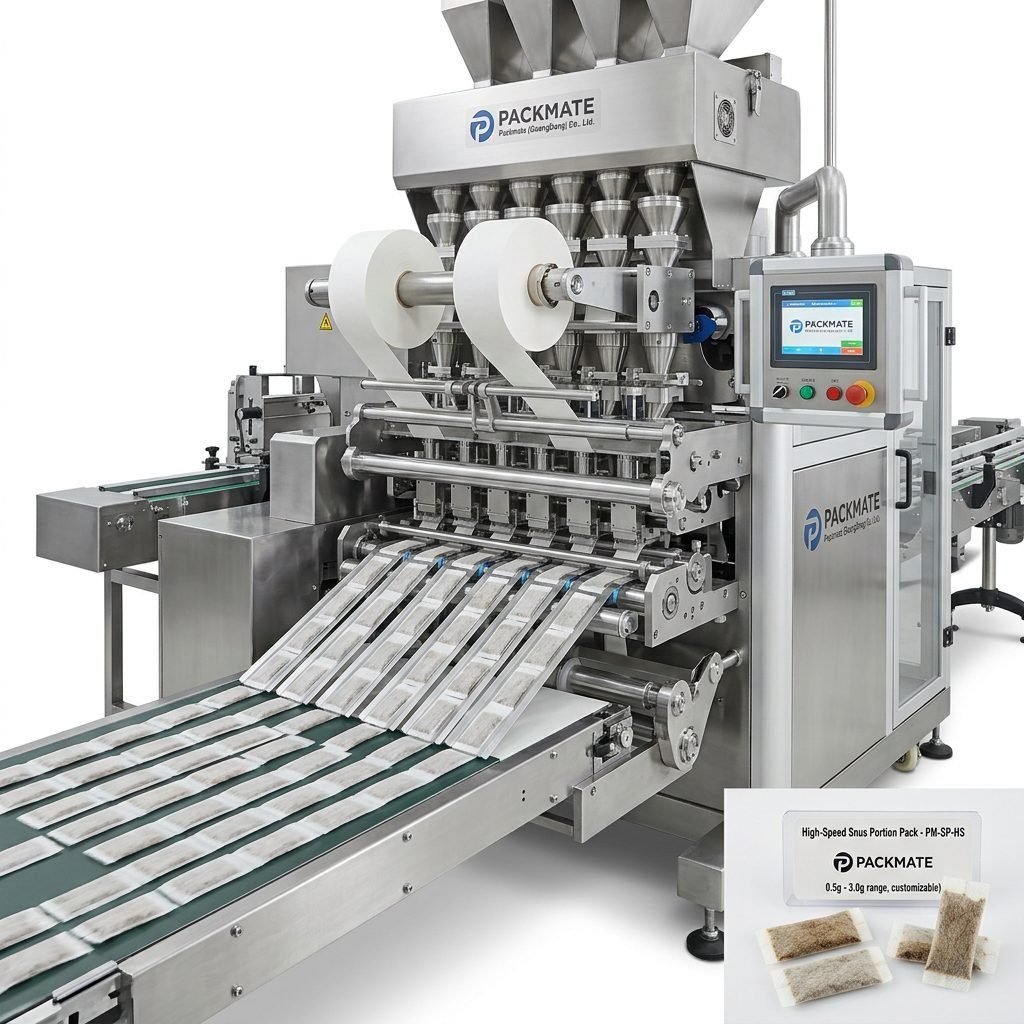
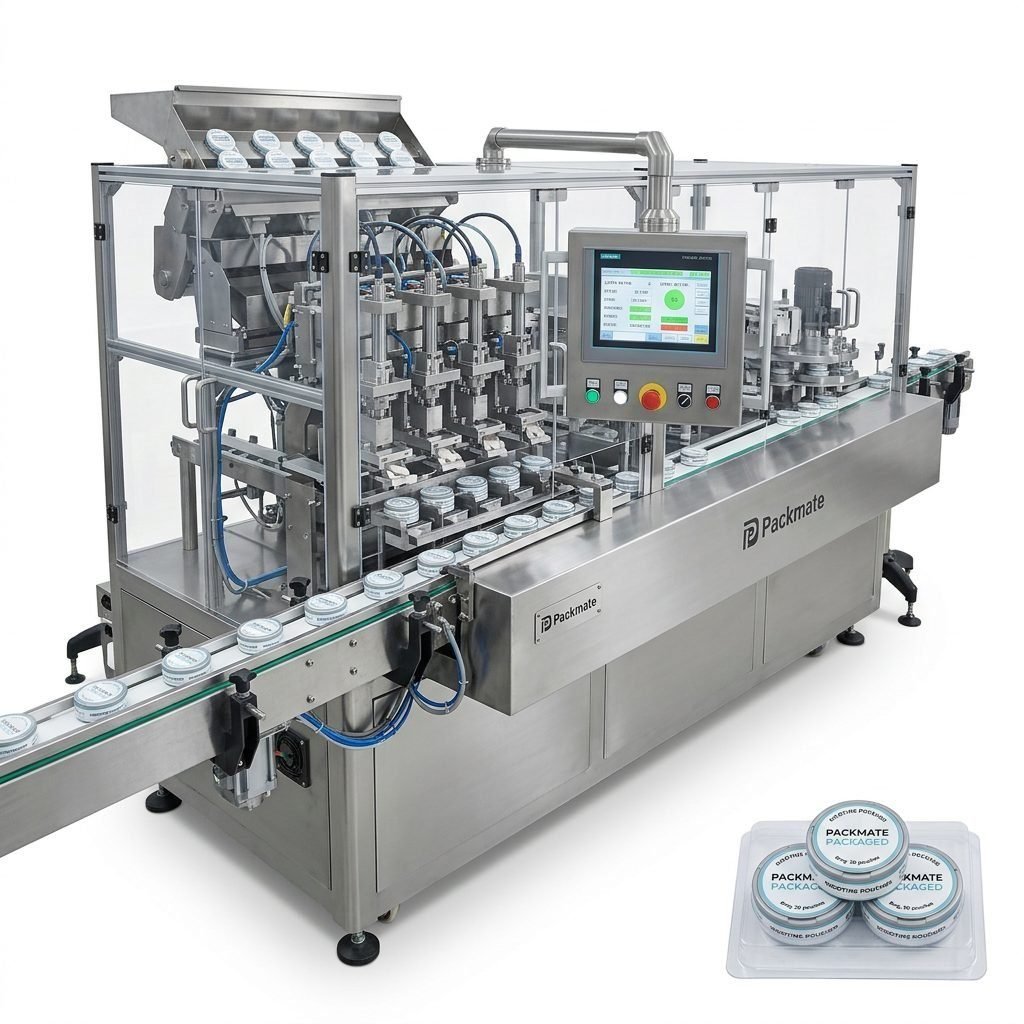
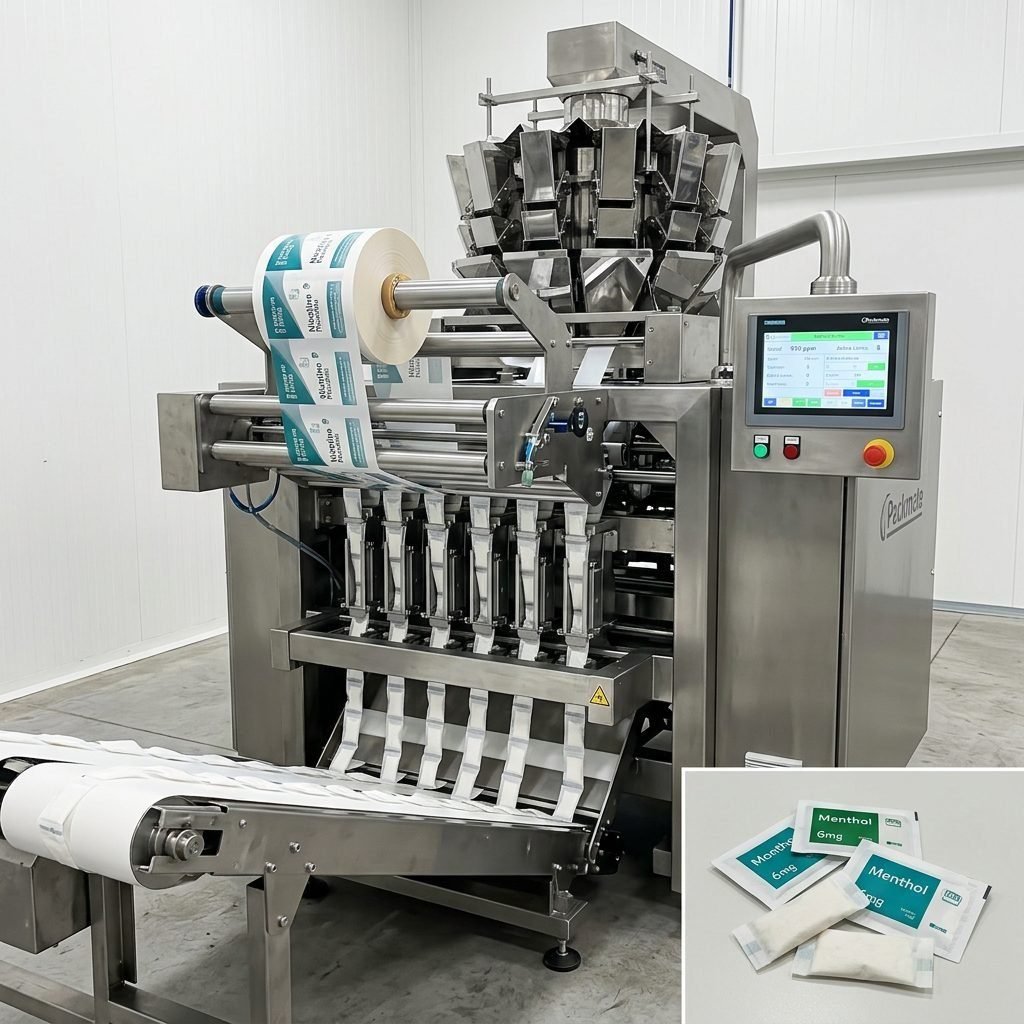
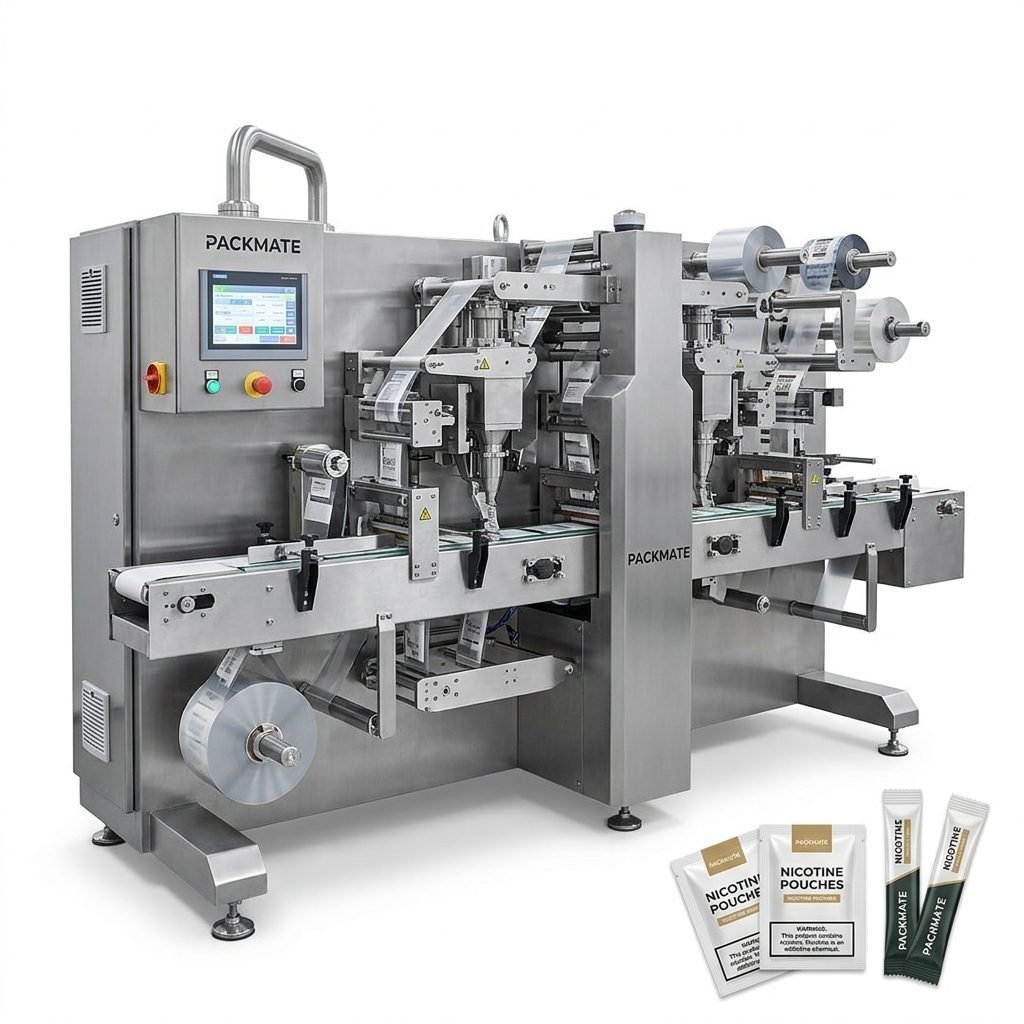
Packmate Snus Machine has over 30 years of engineering experience and a 20,000㎡ manufacturing facility offering 50+ machine models. Their portfolio emphasizes snus and nicotine pouch solutions, along with Snus & Nicotine Packaging Machines and modular turnkey lines. Key strengths include advanced CNC manufacturing, multi-lane systems for small-dose pouch production, and documented quality standards such as CE and ISO.
To learn more about the company operational background and service offer, see About Packmate and their Case studies showcasing global installations.
Sample Procurement Timeline (Typical)
A typical procurement timeline for snus packaging machinery is:
• Requirements & RFQ: 1–2 weeks
• Proposal evaluation & factory audit: 2–4 weeks
• Order confirmation, design & tooling: 4–8 weeks
• FAT and acceptance testing: 1–2 weeks
• Shipping, customs clearance & installation: 4–8 weeks (variable by port and logistics)
• Commissioning and start-up: 1–2 weeks
Practical Tips for Norwegian Buyers
• Build local technical expertise by training two operators and one maintenance technician during commissioning.
• Require an initial spare parts kit and consumables to be included in the contract.
• Request a detailed FAT video and machine run-in report before shipment.
• Negotiate clear SLAs for remote diagnostics and parts delivery to reduce downtime risk.
Useful Resources & Next Steps
For more machine options and technical specifications, review Packmate’s product pages including Sachet & Stick Pack Machines and their Weighing & Packaging Systems. When you are ready to contact suppliers, use the supplier’s service contact page such as Contact Us to arrange technical queries, FAT schedules, or factory visits.
Conclusion
Choosing the right snus packaging machinery supplier in Norway requires a blend of technical validation, regulatory diligence, and attention to long-term service and spare parts support. Prioritize certified, experienced manufacturers that offer modular, proven solutions and strong after-sales support — this will protect production continuity and improve return on investment.
Frequently Asked Questions (FAQs)
Q1: How important is CE certification for snus packaging machinery shipped to Norway?
A: CE certification is essential for machinery entering the EEA market. It demonstrates conformity with relevant EU regulations and simplifies customs clearance and installation compliance checks.
Q2: Can suppliers customize machines for specific pouch formats or nicotine doses?
A: Yes. Choose suppliers with R&D experience and modular designs to support quick changeovers and specific dosing requirements for nicotine pouches.
Q3: What spare parts should be kept on hand after installation?
A: Keep critical wear parts (seals, belts, dosing nozzles), sensors, and a small set of electronics modules. Suppliers often provide a recommended spare parts kit at delivery.
Q4: How can I validate machine quality before shipment?
A: Require a Factory Acceptance Test (FAT) with your materials and request a detailed video and test report. If possible, perform or witness the FAT in person.
Q5: Where can I find reliable references and case studies?
A: Review supplier case studies and exhibition records. Packmate publishes cases and exhibition information that illustrate global installations and machine capabilities.