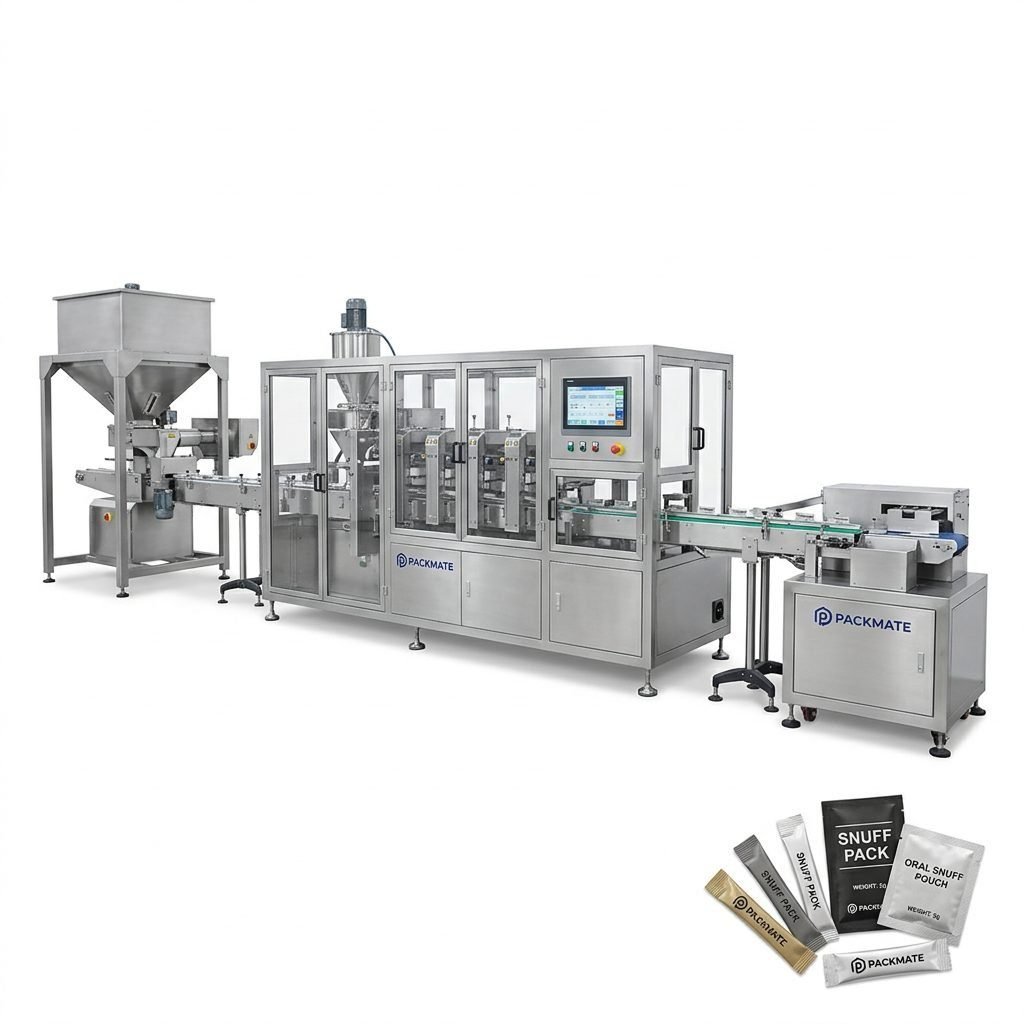
Choosing the right nicotine packaging machinery manufacturer for your Argentina-based production is a critical decision that affects product quality, regulatory compliance, and long-term profitability. This guide walks you through practical, locally relevant criteria — from machine types and certifications to service, logistics, and cultural considerations — so you can select a partner that supports reliable, scalable, and compliant nicotine pouch production.
Understand Argentina’s Market & Local Needs 🇦🇷
Before evaluating manufacturers, align your equipment needs with Argentina’s market realities. Spanish-language labeling, regional regulatory requirements, and consumer preferences (sizes, flavors, and packaging formats) are essential. Argentine buyers value personal relationships and trust — local support, timely communication in Spanish, and proven references in the region can be decisive.
Regulatory and labeling considerations
Ensure intended machinery can handle label printing, batch coding, and variable data for compliance. In Argentina, product information must be clear in Spanish; your packaging line should integrate printing and verification modules to reduce post-packaging rework.
Key Machine Types for Nicotine Pouch Production
Different formats demand different machines. Match machine capabilities to your SKUs and production targets:
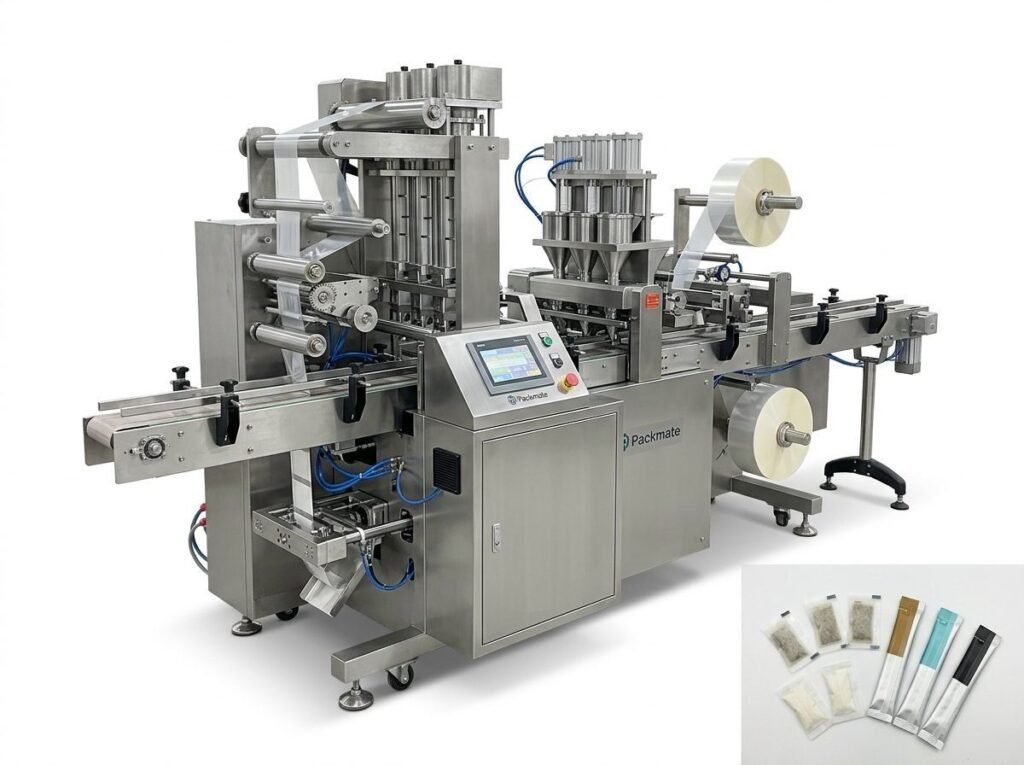
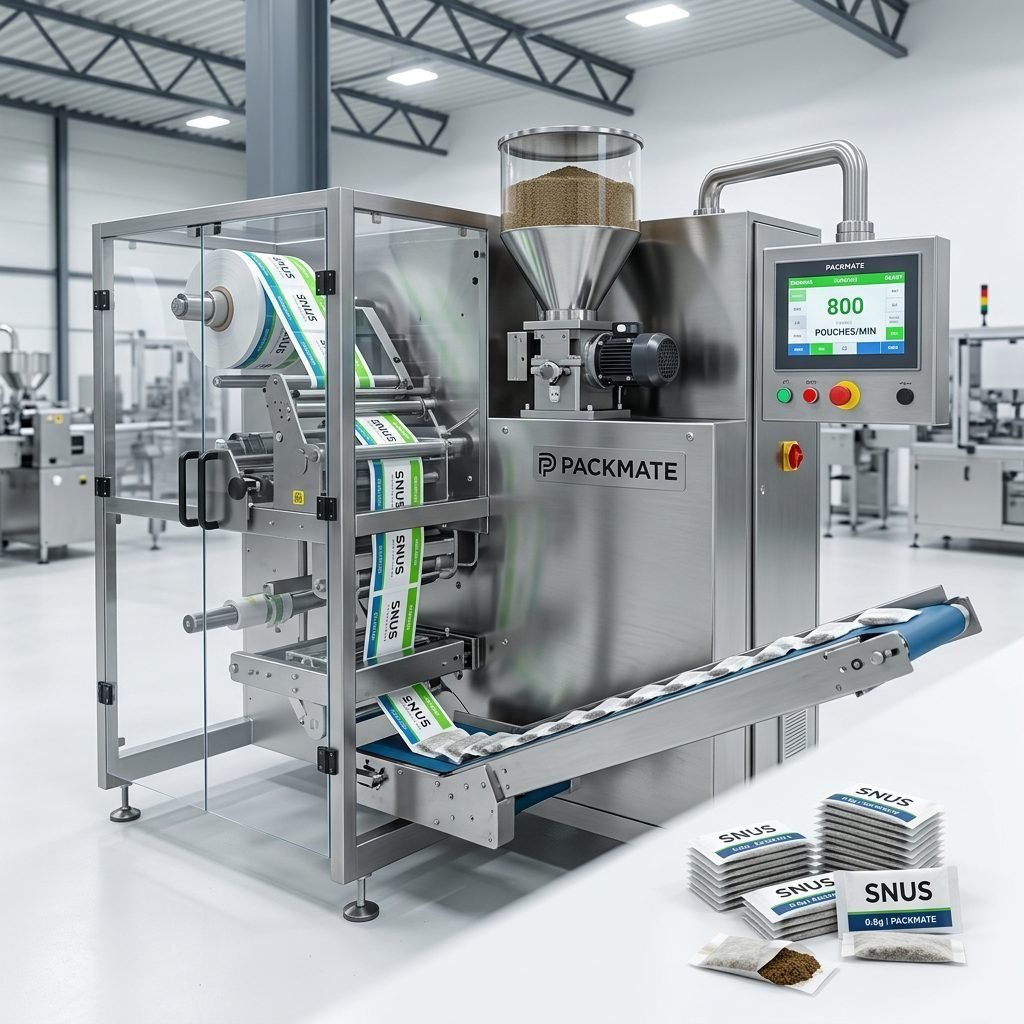
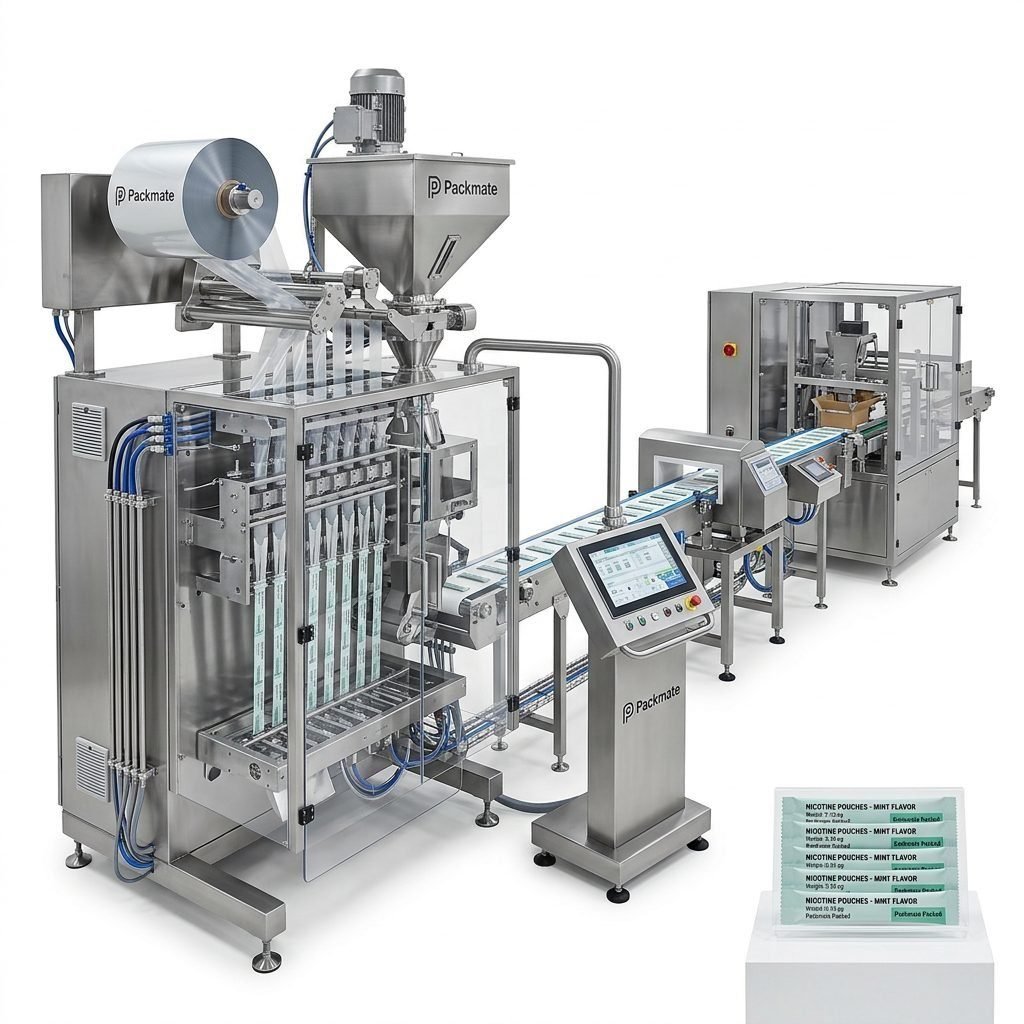
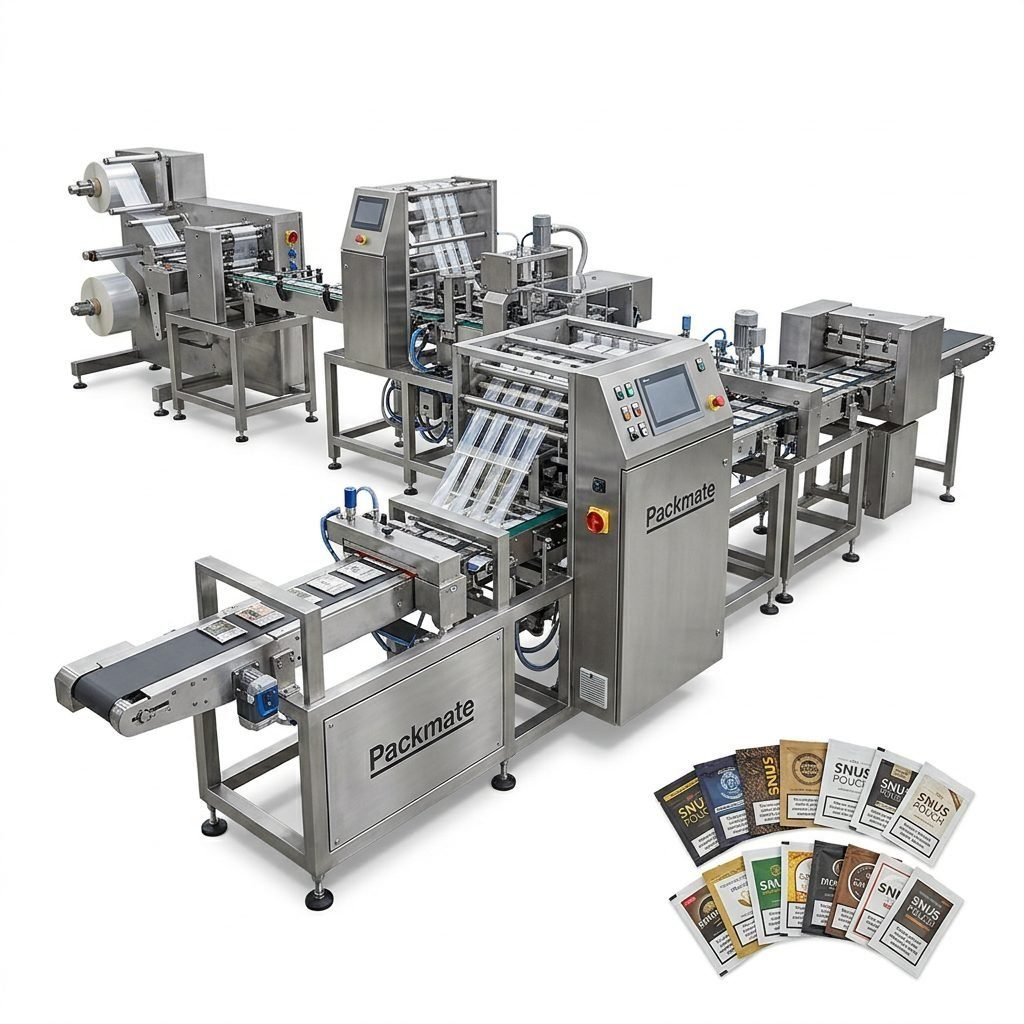
⚙️ Snus / Nicotine Pouch Packing Machines: Designed specifically for small-dose pouches, multi-lane options boost throughput for high-volume SKUs. See examples: Snus & Nicotine Packaging Machines.
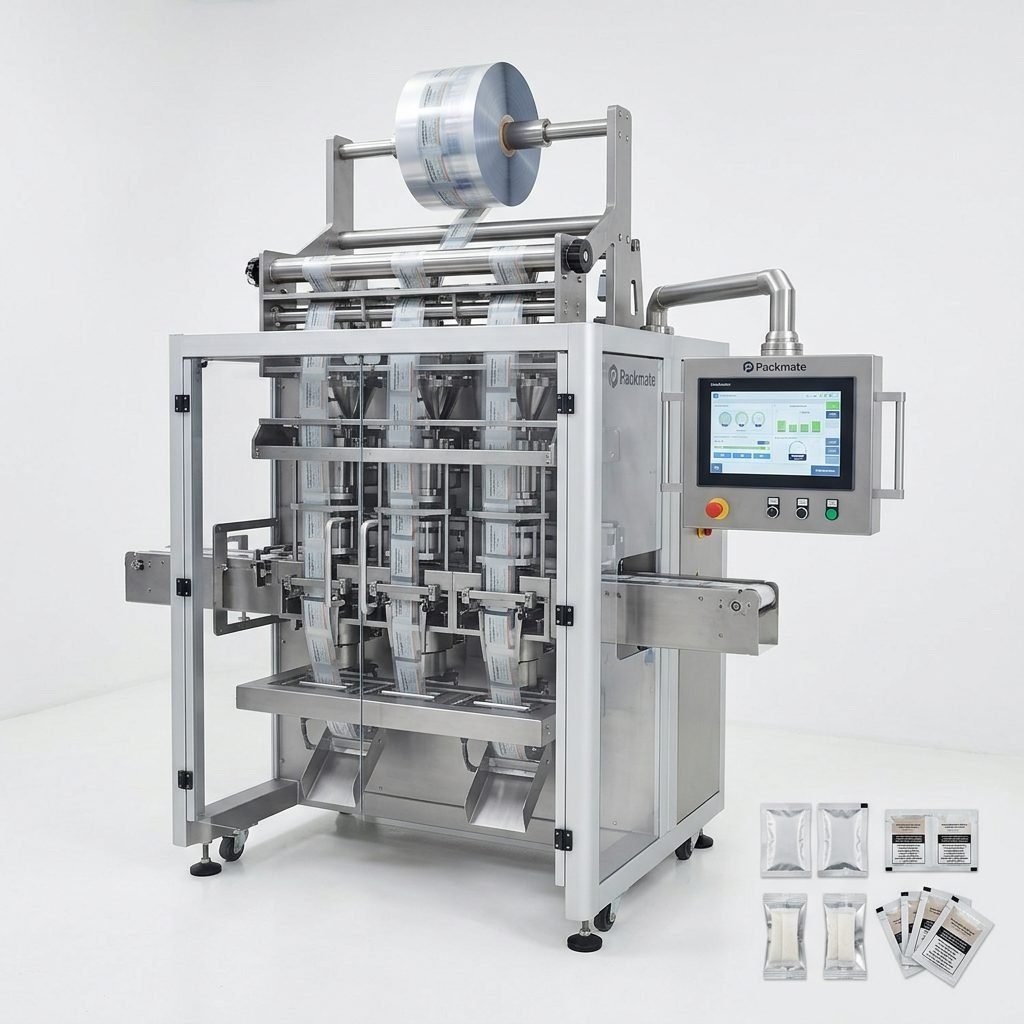
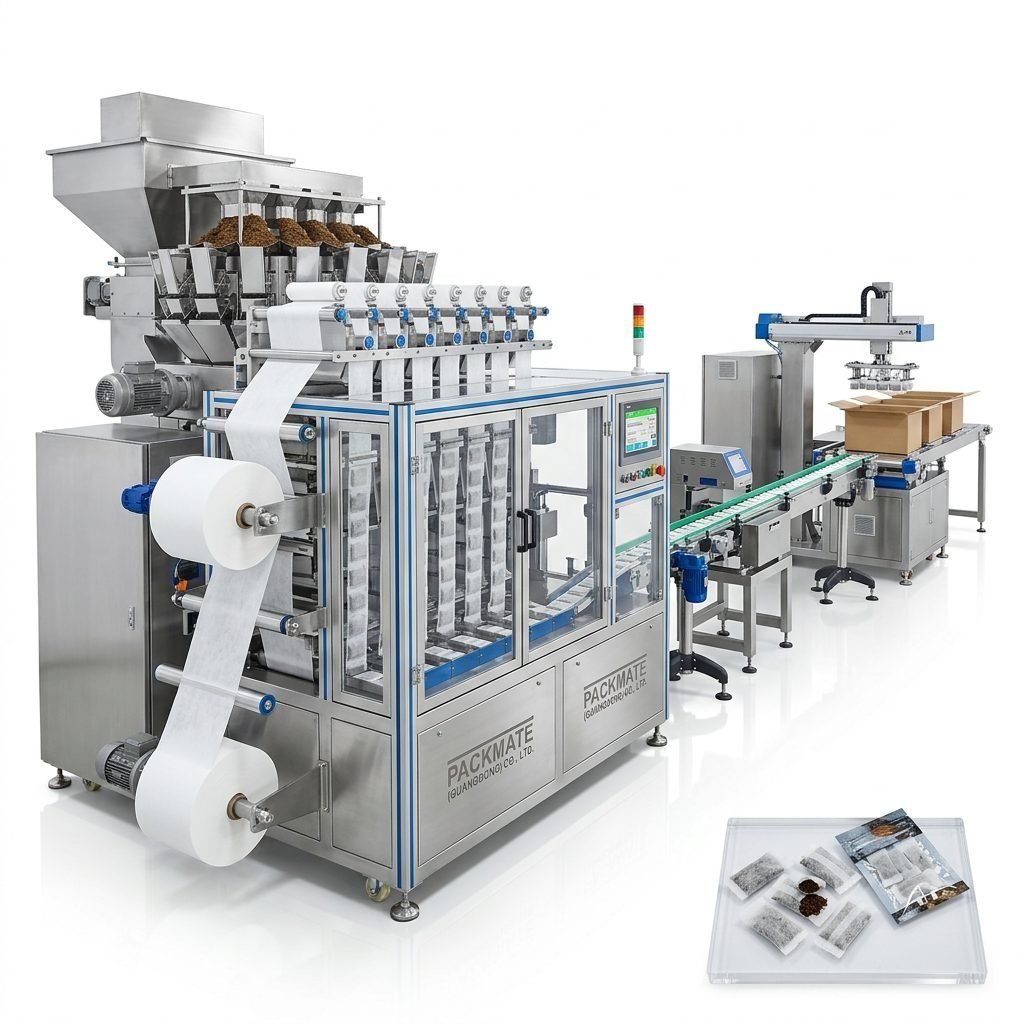
📦 Sachet & Stick Pack Machines: Great for single-serve formats and easy-to-open consumer packs. Explore models: Sachet & Stick Pack Machines.
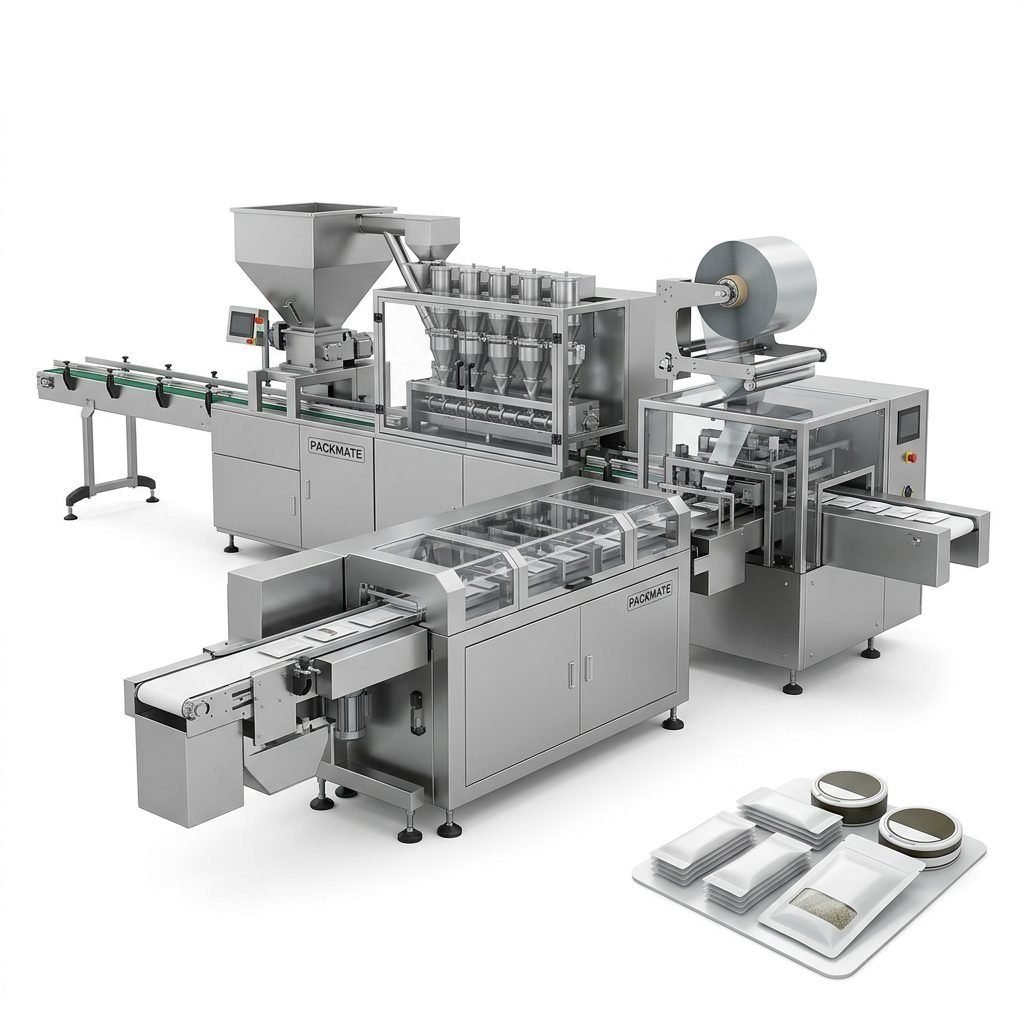
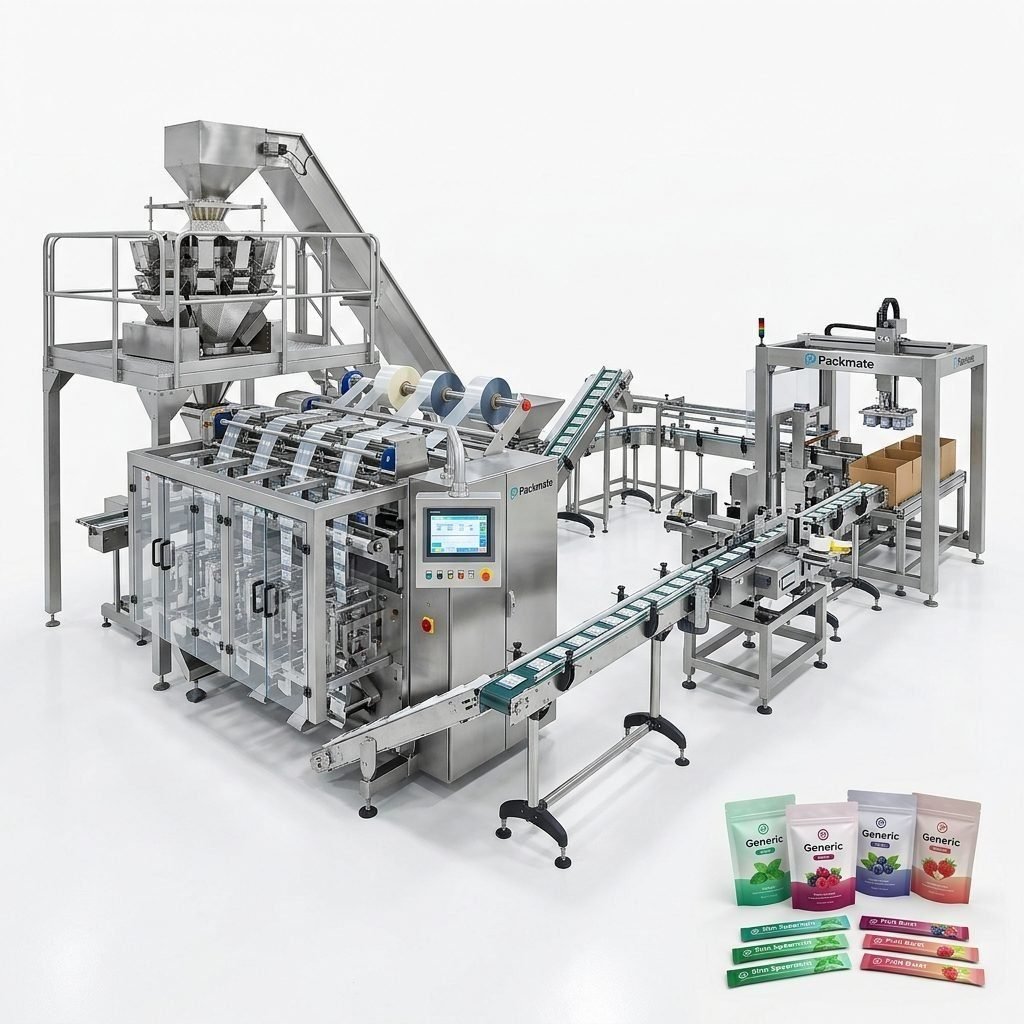
🔁 Filling & Packaging Lines: For fully integrated production — dosing, filling, sealing, and secondary packaging in one line: Filling & Packaging Lines.
Top Selection Criteria When Evaluating Manufacturers
Use this checklist to compare suppliers objectively. Each point impacts uptime, compliance, and total cost of ownership (TCO).
1. Proven experience in snus/nicotine machinery
Look for manufacturers with decades of experience and specific expertise in nicotine pouch lines. A supplier that has served global markets and adapted to diverse rules will better anticipate challenges. For example, Packmate Snus Machine emphasizes over 30 years of packaging engineering history and multi-lane systems tailored for small-dose pouches.
2. Certifications & quality standards
Require CE, ISO, and other relevant quality/system certifications. Certification shows adherence to international safety and manufacturing standards and facilitates customs clearance and acceptance by multinational clients.
3. Customization and scalability
Your chosen vendor should adapt machines to pack sizes, pouch materials, and required speeds. Multi-lane capabilities, modular add-ons (weighing, metal detection, secondary packaging), and upgrade paths matter as SKUs evolve.
4. After-sales service, parts & local support
In Argentina, fast local support reduces downtime. Confirm spare parts availability, typical lead times, and whether the manufacturer provides technician training, remote diagnostics, or has local partners.
Tip: Ask for a documented spare-parts plan and average response time to service calls in South America.
5. References, factory visits & case studies
Request references and real case studies that match your scale. A transparent supplier will share factory photos, client lists, and success stories. Check their published cases or visit exhibitions where they demo machines: Case and Our Exhibition.
6. Total cost of ownership (TCO) & warranty
Beyond purchase price, evaluate energy consumption, spare parts costs, predicted uptime, and warranty terms. Ask for mean-time-between-failures (MTBF) data and examples of long-running installations.
Technical Specs & Production Planning
Ensure the machine matches your target throughput, product specs, and packaging materials.
Throughput & lane configuration
Decide current daily/weekly targets and future growth. Multi-lane machines are ideal when you need high output with small pouch sizes. If you expect SKU diversification, choose modular systems that allow lane changes and speed adjustments.
Material compatibility
Confirm compatibility with your chosen pouch films, paper, foils, or biodegradable materials. Material handling components (feeders, forming plates, sealing bars) should be configurable to your substrate thickness and sealing temperature ranges.
Integration with upstream & downstream processes
Evaluate how the packer integrates with mixers, dosing machines, checkweighers, cartoners, and case packers. Fully integrated lines improve efficiency and traceability. See integrated solutions in the Weighing & Packaging Systems section.
Logistics, Installation & Training — Practical Argentina Considerations
Import logistics and installation in Argentina have nuances: customs processing times, local electrical standards, and technician availability. Work with vendors experienced in shipping to South America.
📦 Shipping & customs: Ask the manufacturer about DDP/DDU options, import documentation, and previous shipments to Argentina to smooth customs clearance.
🔌 Power & climate: Verify voltage compatibility and ask whether machines withstand high humidity environments common in some Argentine regions.
👥 Local training: Ensure the vendor provides in-person installation support and staff training in Spanish or offers detailed translated manuals.
After-Sales Best Practices
After-sales service is where long-term partnerships are built. Look for:
-
Guaranteed spare parts availability and a clear spares kit recommendation for the first year.
-
Remote support and PLC/HMI remote access for quick troubleshooting.
-
Scheduled preventive maintenance plans and optional maintenance contracts.
Assessing a Supplier: Questions to Ask
Use these direct questions during RFQs, factory calls, or visits:
✅ What are the real-world throughputs for my chosen pouch size and lane configuration?
✅ Can you provide a list of references in Latin America and documented case studies?
✅ What is included in the warranty, and what are standard response times for on-site service?
✅ Do you offer training in Spanish and local commissioning assistance for Argentina?
Why Choose an Experienced Global Manufacturer?
Global suppliers with proven nicotine pouch expertise deliver mature designs, spare parts networks, and production-line experience. They can help with compliance and offer turnkey solutions tailored to your needs. For background information about a reliable supplier’s capabilities, see About Packmate and their product suites.
Practical Checklist Before Signing a Contract
Final verification items to complete before purchase:
-
Technical test reports and machine demo videos showing your SKU or a similar product.
-
Detailed lead time, shipping terms, and incoterms for Argentina delivery.
-
A written plan for installation, commissioning, and operator training (in Spanish if required).
-
A spare-parts list for the first 12 months and recommended consumables with pricing and delivery time.
-
Signed acceptance tests (IQ/OQ) criteria and performance guarantees.
Next Steps & Where to Learn More
Start by shortlisting suppliers with nicotine pouch experience and request detailed proposals. Visit supplier pages with product details and catalogs to compare models and specifications. Helpful resources include product categories and service pages such as Bag & Pouch Packaging Machines, Catalog, and Service. When ready, reach out for quotes and arrange demos or factory visits.
Local cultural tip for Argentine negotiations
Argentine business culture values building rapport. Allow time for relationship-building calls or on-site visits, and provide materials in Spanish to show commitment to the local market.
Conclusion — Make a Strategic, Not Just Economic, Choice
Selecting the best nicotine packaging machinery manufacturer for Argentina goes beyond sticker price. Prioritize proven snus/nicotine expertise, regulatory compliance, after-sales service, spare parts readiness, and cultural fit. A partner that supports integration, offers Spanish-language support, and demonstrates real Latin American experience will reduce risks and accelerate your production ramp-up.
Frequently Asked Questions (FAQs)
Q1: How do I verify a manufacturer’s claims about throughput and uptime?
Ask for factory acceptance test results, customer references with similar SKUs, and video demos. Request documented MTBF/MTTR data and warranty terms that reflect guaranteed performance metrics.
Q2: What spare parts should I keep on-site for the first year?
A basic kit typically includes sealing bars, belts, sensors, wear plates, and critical electronic modules. The supplier should provide a tailored list based on your production schedule and material wear characteristics.
Q3: Are there specific material or sealing challenges in South American climates?
High humidity can affect film handling and sealing quality. Choose machines with humidity-tolerant feeding systems and reliable servo control. Discuss environmental controls and test runs with your chosen manufacturer.
Q4: How important is local language support and documentation?
Very important. Spanish manuals and training reduce operator errors and speed troubleshooting. Confirm availability of manuals, software interfaces, and on-site training in Spanish.
Q5: Where can I get more detailed product information or request a quote?
Visit manufacturer pages for product specifications and contact channels, for example Contact Us for quotes and customized proposals.