Entering the snus and nicotine pouch market in Mauritania requires more than just a good product — it demands the right packaging partner. This guide helps Mauritanian importers, distributors, and manufacturers choose the best snus packaging machinery supplier. It covers local considerations such as climate, language, religious and cultural sensitivities, logistics, and regulatory checks, and gives practical buying tips so you can invest confidently in high-performance, reliable packing equipment.
Why Packaging Matters in Mauritania
Mauritania’s hot Saharan climate, coastal humidity zones, and long supply chains mean packaging must protect product quality and shelf life. Choosing the right machinery ensures consistent pouch sealing, moisture control, and accurate dosing—critical for nicotine pouches and snus. Beyond preservation, aesthetic and labeling choices must respect local culture: Arabic and French labeling options are often required, and conservative packaging is preferred for retail acceptance in many cities.
Key Local Considerations (Quick Checklist) 🔍
Climate & Storage: Heat and humidity affect nicotine stability — look for machinery that supports high-barrier films and strong sealing performance.
Labeling & Language: Machines must support flexible film printing and pre-printed film feeding for Arabic & French labels.
Cultural Sensitivity: Opt for understated, compliant packaging formats that work with local retail channels and avoid overly promotional imagery.
Step 1 — Define Your Production Needs
Start by documenting current and forecasted volumes, product formats (loose snus, nicotine pouches, single-dose sticks, sachets), speed requirements (pouches per minute), and packing materials (laminated films, foil, compostables). In Mauritania, small-batch artisanal producers often scale to regional distribution — so prioritize modular machines that can scale from pilot to multi-lane outputs without full replacement.
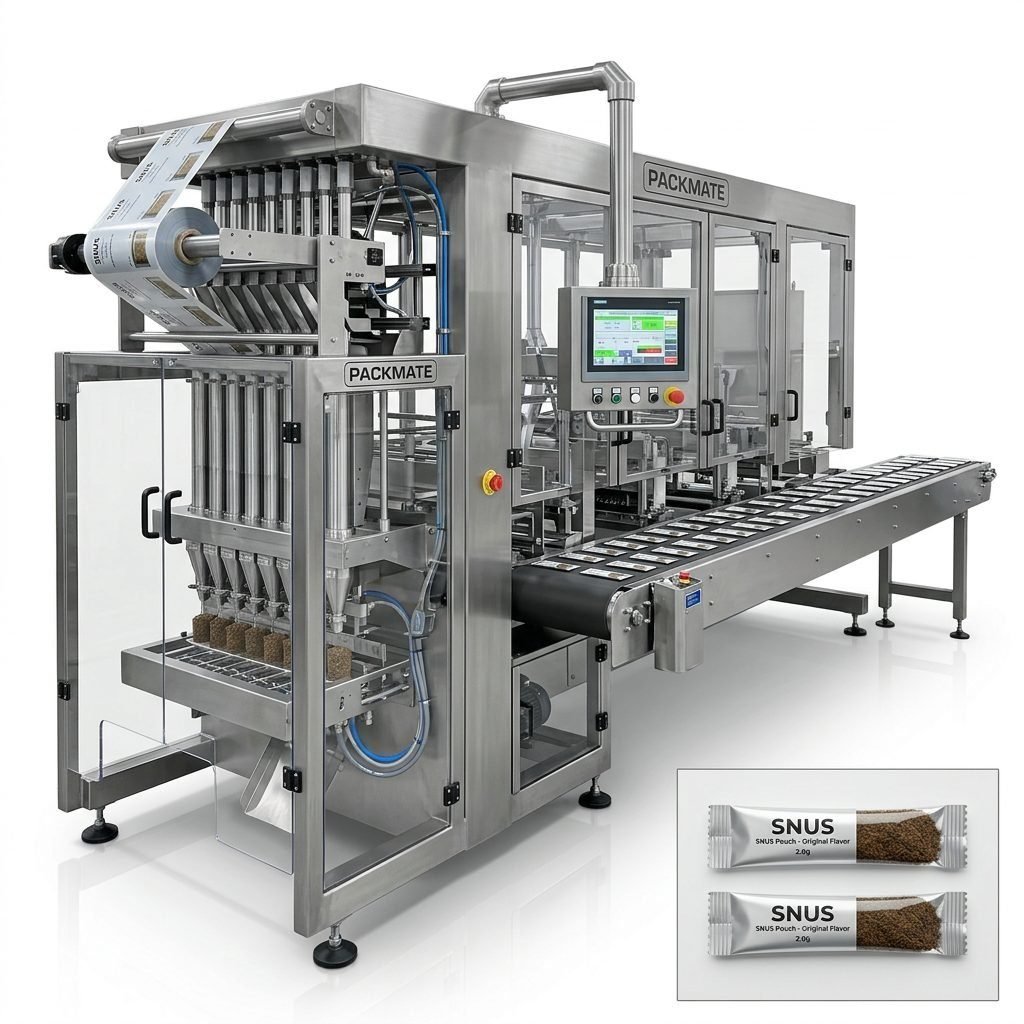
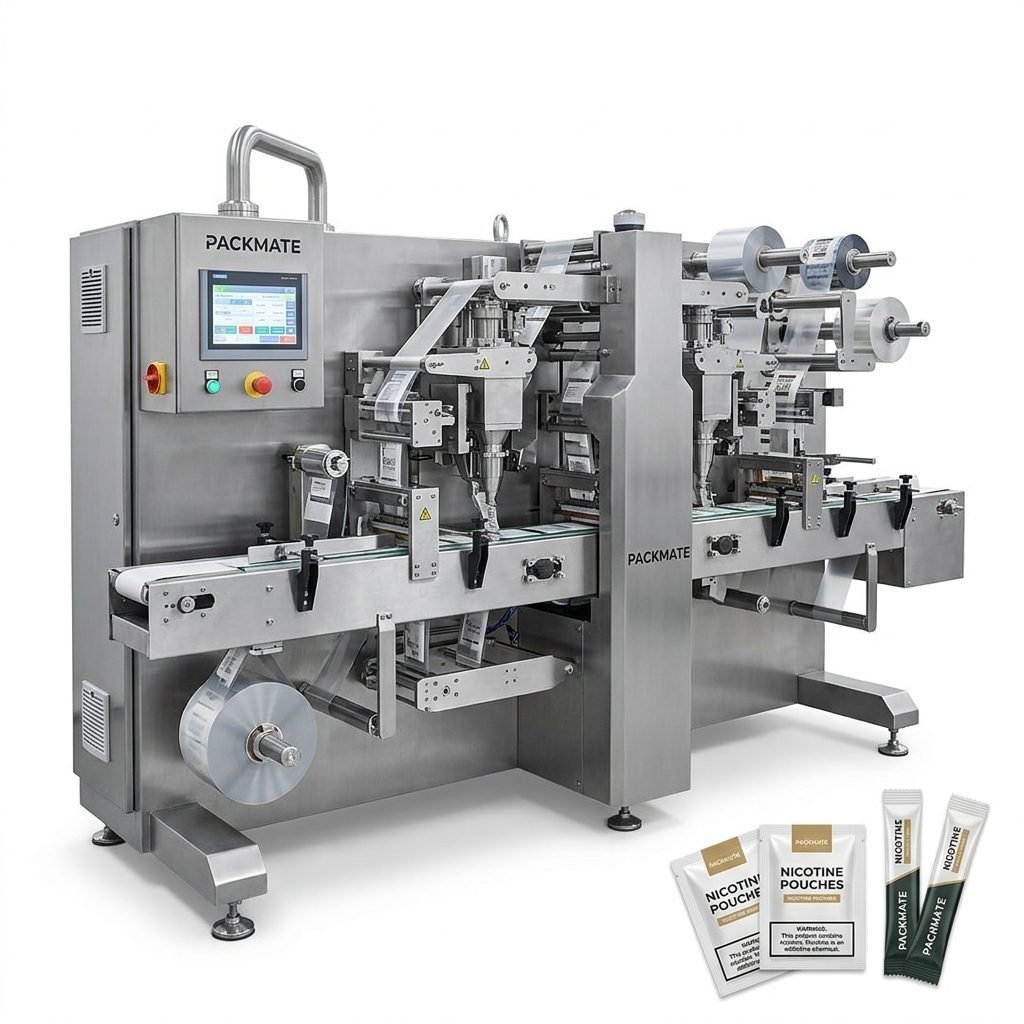
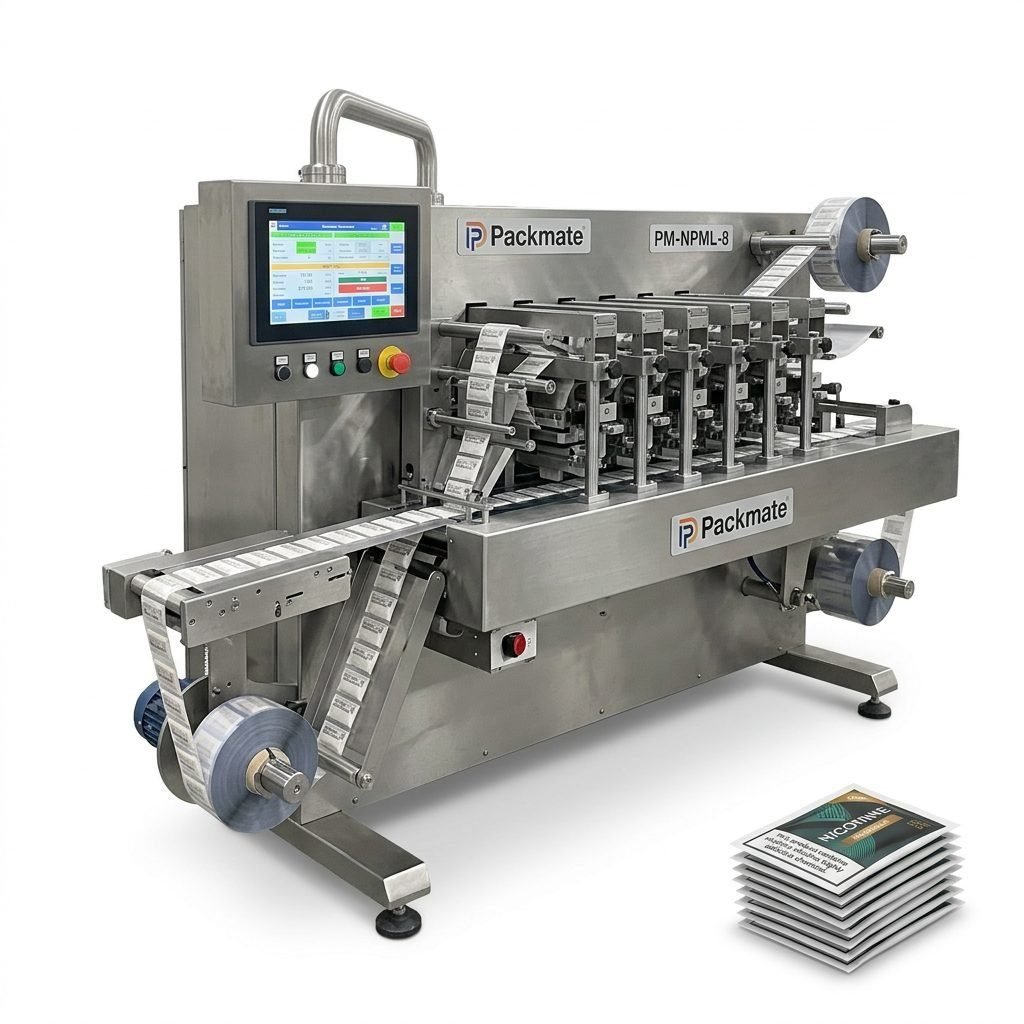
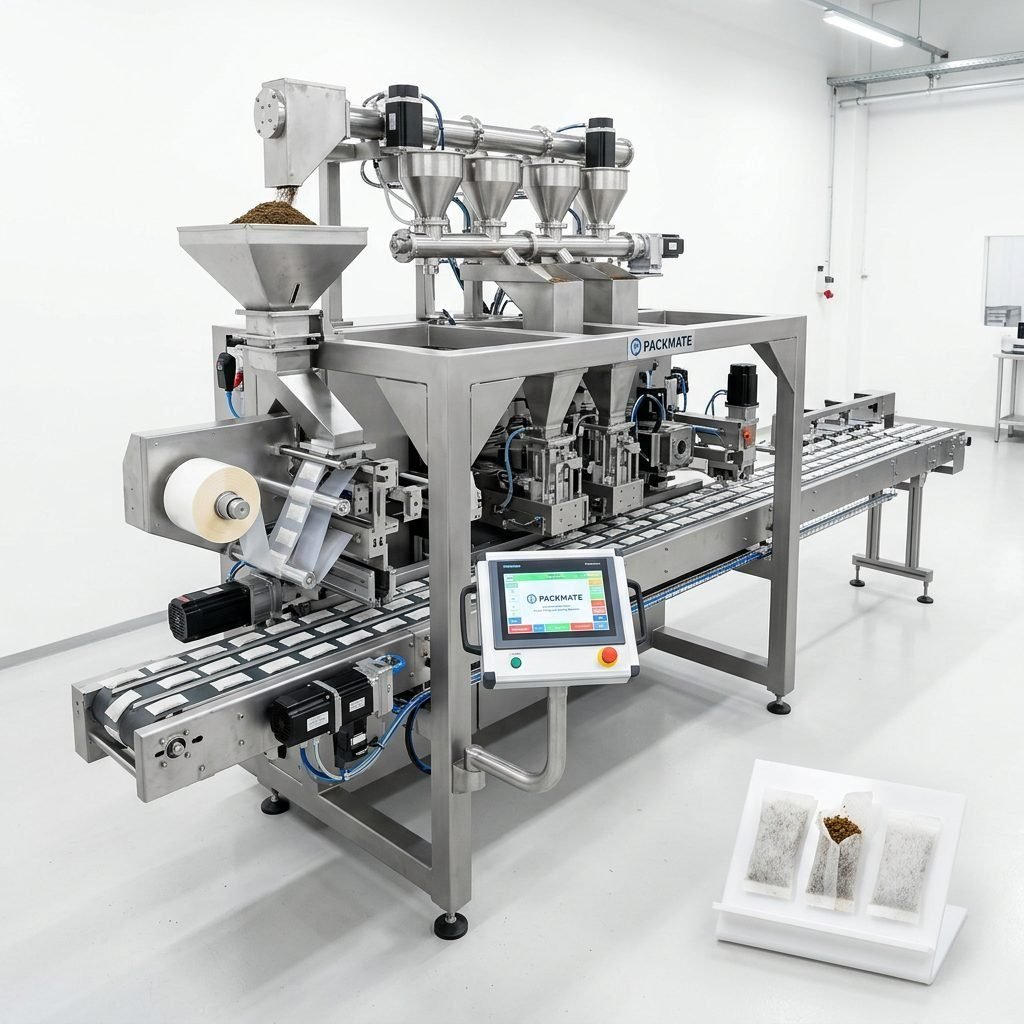
Production format examples
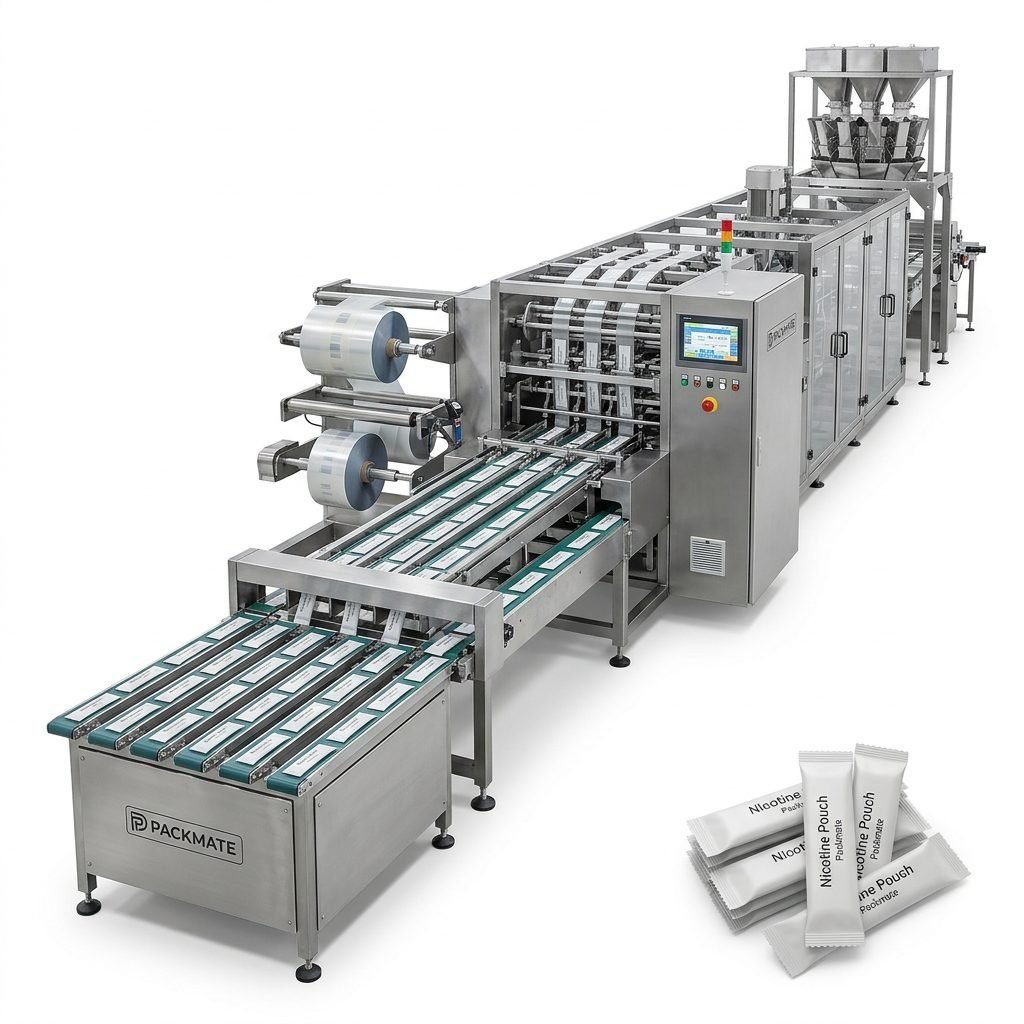
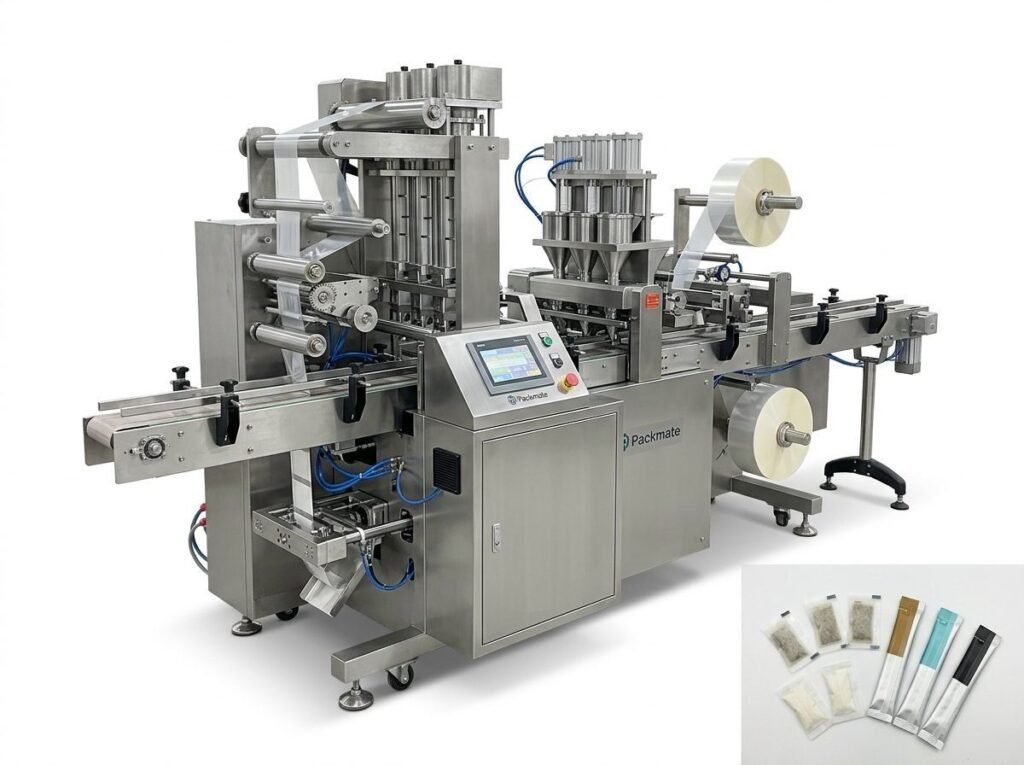
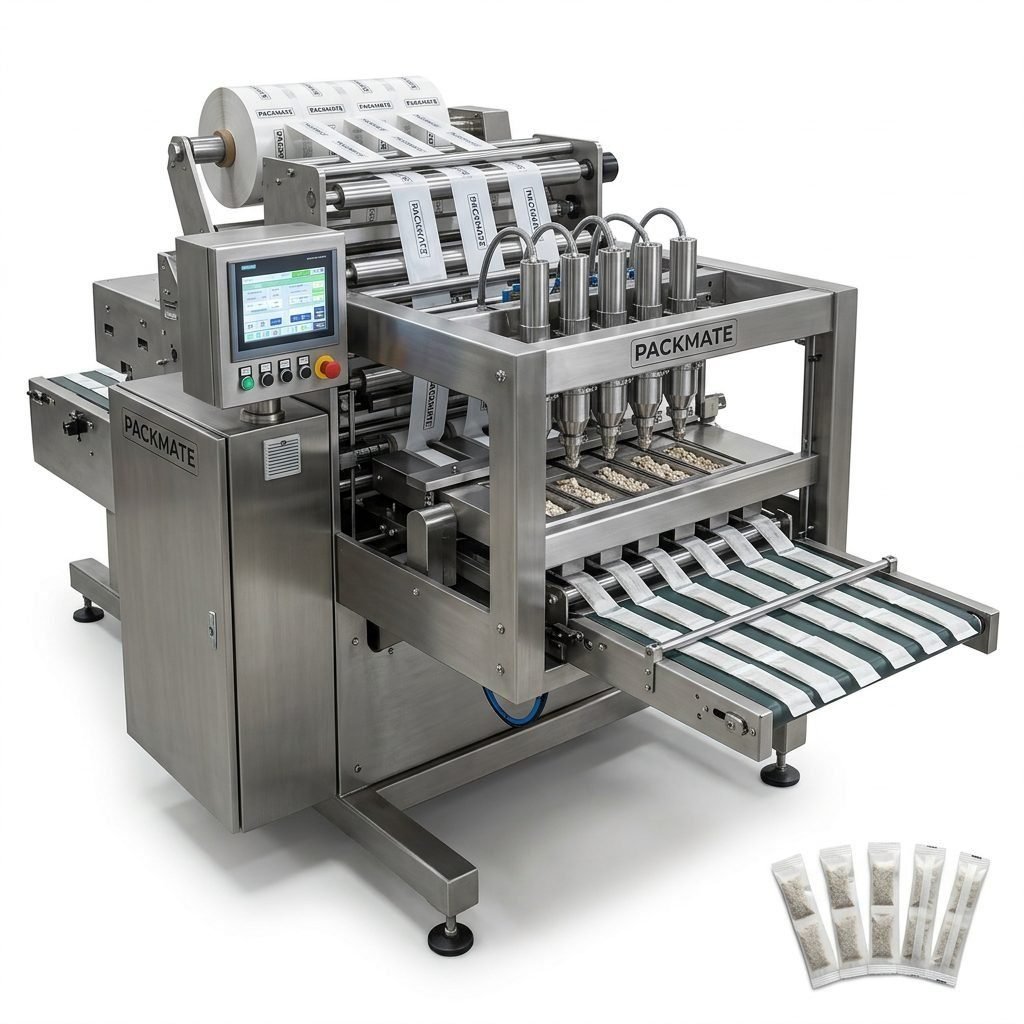
Consider machines specialized for nicotine pouches and snus: stick pack or sachet machines for single-dose items, multi-lane pouch systems for high throughput, and complete filling & sealing lines for powder or wet formulations. See detailed equipment options at the manufacturer’s product pages such as Snus & Nicotine Packaging Machines and Bag & Pouch Packaging Machines.
Step 2 — Evaluate Supplier Capability
A supplier must show engineering depth, factory scale, and quality systems. Look for companies with multi-lane expertise, advanced CNC machining, and ISO/CE certifications. Suppliers like Packmate emphasize rich experience (30+ years), many machine models, and turnkey solutions that include auxiliary equipment and weighing systems. Verify factory size, production capacity, and after-sales logistics that can support Mauritania’s remote routes.
Red flags and must-haves
⚠️ No factory visits or virtual machine demos — request videos, live demos at exhibitions, or an invitation to view machines in operation.
✅ Confirm CE/ISO certificates, spare-part availability, and local or regional service partners for fast maintenance.
Step 3 — Check Customization & Compliance
Customs and import rules vary; ensure the supplier can adapt packaging lines for local regulatory labeling (Arabic/French), batch coding, and tamper-evident seals. Customization should also include humidity control options, nitrogen flushing for extended shelf life, and film compatibility for local storage conditions. Look for turnkey partners that offer filling, weighing, and auxiliary packaging solutions in one package — check offerings such as Filling & Packaging Lines and Weighing & Packaging Systems.
Step 4 — Inspect Technical Specifications
Focus on performance specs: dosing accuracy, sealing strength, speed, changeover time, automation level, and PLC/HMI interfaces. For Mauritania’s labor markets, choose machines with intuitive controls and clear maintenance access. Ensure spare parts are easy to replace and that the machine supports local power supply conditions (voltage, frequency) or comes with compatible electrical configurations.
Key specs to request
Request performance validation: sample packs produced under realistic conditions, measurement reports for sealing strength and hermeticity, and test runs with your chosen film materials. Emphasize testing under elevated temperature and humidity to mirror Mauritania’s environments — this reduces surprises after installation.
Step 5 — After-sales Service & Training
A strong local service plan is critical. Confirm training programs for operators and technicians, remote troubleshooting capabilities, spare-part lead times, and warranty coverage. Suppliers with global exhibition presence and case histories typically offer better support networks — explore supplier case studies at Case and company introductions at About Packmate.
Negotiating Price vs Total Cost of Ownership
The lowest purchase price rarely yields the best value. Consider lifecycle costs: energy consumption in hot climates, spare parts consumption, downtime risk, and staff training. Multi-lane systems from established manufacturers will cost more initially but often pay back via higher throughput, lower waste, and easier maintenance — particularly important when Mauritania’s shipping times for parts can be long.
Logistics & Import Tips for Mauritania
Shipping heavy machinery to Mauritania requires planning: select FOB/EXW terms carefully, insure equipment in transit, and verify port handling capabilities at Nouakchott or Nouadhibou. Work with vendors who can provide export documentation, CE certificates, and installation manuals in English, French, or Arabic. Consider hiring a local customs broker who understands Mauritania’s import tax, inspection procedures, and potential seasonal delays.
Cultural & Retail Considerations
Retail packaging in Mauritania should balance discreet design with clear labeling and health compliance. Avoid aggressive visual themes; instead choose minimalism and clear dosages. If you plan to distribute in marketplaces where religious holidays affect buying patterns, schedule production around Ramadan and Eid — demand and logistic timelines can shift significantly. Engage local sales partners to test packaging acceptance before full-scale rollout.
Proven Suppliers & Evidence to Request
Ask for client references, demonstration videos, and factory audit reports. Look for suppliers who regularly attend global shows — this indicates openness and credibility; see Our Exhibition for examples of public demos.
Verify certifications at Certificate and check available documentation for CE and ISO compliance.
Final Buying Checklist (Action Items) ✅
– Confirm production format, speed, and film compatibility.
– Request live demos and sample packs tested at high heat/humidity.
– Validate certifications and spare-part lead times.
– Agree on training, installation, and warranty terms.
– Plan logistics and customs clearance with local brokers; ensure documentation in French/Arabic if needed.
Where to Get More Help
For specific machine quotes, turnkey solutions, or tailored packaging lines, contact reliable manufacturers with turnkey experience and global service support. If you want direct contact with a supplier offering multi-lane snus lines, filling systems, and auxiliary equipment, visit their service and contact pages at Service and Contact Us.
Summary — Buy Smart for Mauritania
Choosing the right snus packaging machinery supplier for Mauritania is about matching technical capability to local realities. Prioritize suppliers who can demonstrate climate-tested performance, language and labeling support, strong after-sales service, and scalable systems. With careful due diligence — sample testing, factory validation, and clear service agreements — you can build a resilient packaging line that protects product quality and grows with your business.
Common Questions
Q1: What packaging materials work best in Mauritania’s climate?
High-barrier laminated films, aluminum foil laminates, and packaging with nitrogen flushing provide the best protection against heat and humidity. Robust sealing quality is essential.
Q2: Do suppliers provide training in French or Arabic?
Reputable suppliers often provide multilingual manuals and training. Confirm language availability during contract negotiation and prioritize suppliers who offer on-site or virtual training in French or Arabic.
Q3: How long should I expect spare parts to take to arrive?
Lead times vary by supplier and part. For Mauritania, plan for 2–8 weeks for international shipments; source common spare parts locally if possible or secure a spare parts kit with your purchase.
Q4: Are turnkey solutions better for new producers?
Yes. Turnkey suppliers handle integration of filling, weighing, and packaging, reducing complexity for new producers and ensuring systems work together seamlessly—especially valuable when entering regulated or sensitive markets.