Choosing the right snus packaging machinery supplier in the Dominican Republic is more than a procurement decision — it’s a strategic step that affects product quality, compliance with local standards, operational uptime, and your ability to scale in a market with unique cultural and logistical demands. This guide walks you through the practical, technical, and commercial factors to weigh, with clear checklists and action points to help you select a supplier who can deliver reliable machines, timely support, and long-term value.
Understand Local Market and Cultural Context
The Dominican Republic has a strong tradition in tobacco products — most famously cigars — and a consumer base that values authenticity and quality. When introducing snus or nicotine pouch products locally, manufacturers and packagers should be sensitive to local customs, bilingual communications (Spanish/English), and retail formats commonly used in the region. A supplier who understands how products are displayed, transported, and sold in Caribbean and Latin American markets will help you tailor packaging formats and labeling to local expectations.
Why local knowledge matters
– Iconic retail presence and seasonal demand patterns mean packaging sizes and presentation matter. Choose a supplier who can customize pouch styles and secondary packaging for Dominican retail channels.
– Climate sensitivity: high humidity and temperature changes in the Caribbean impact materials and seal integrity. Machines must be calibrated for robust sealing and humidity-resilient film handling.
Technical Capabilities: Machines That Fit Your Product
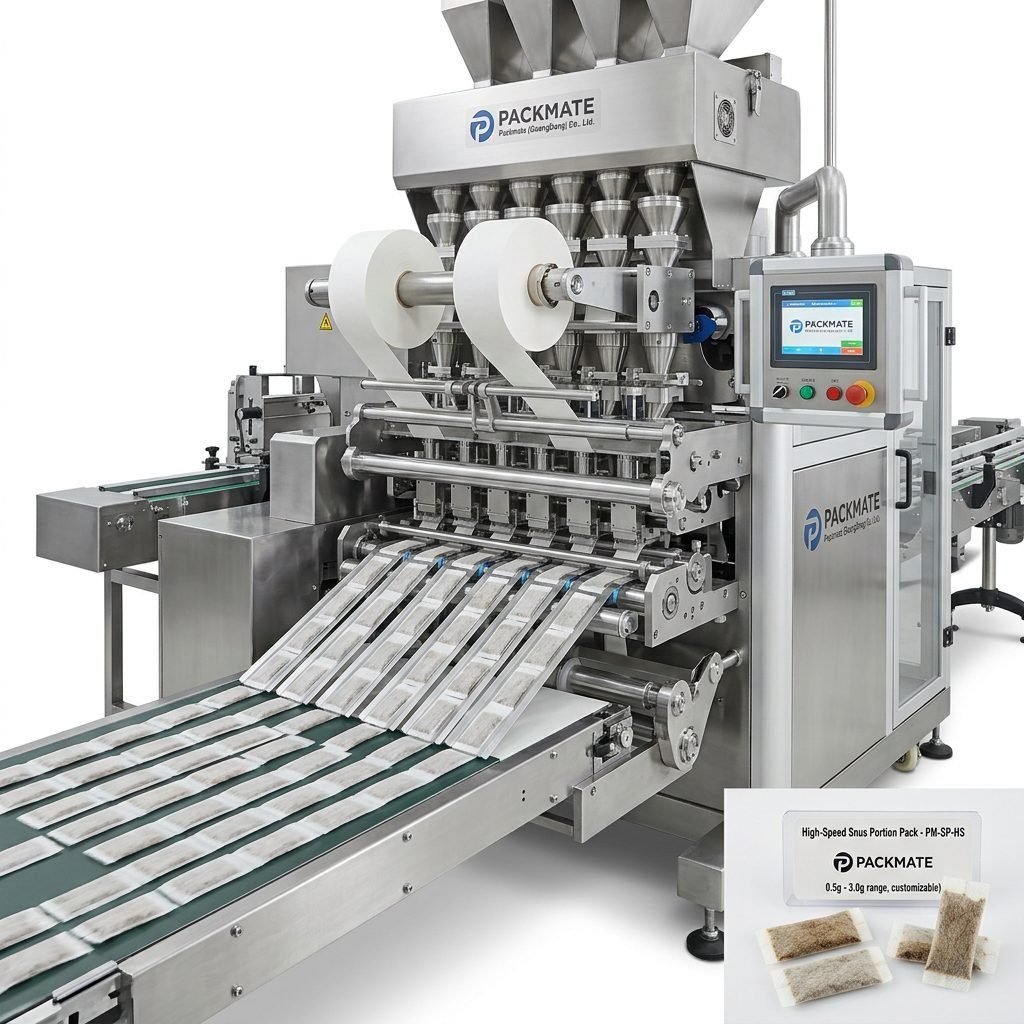
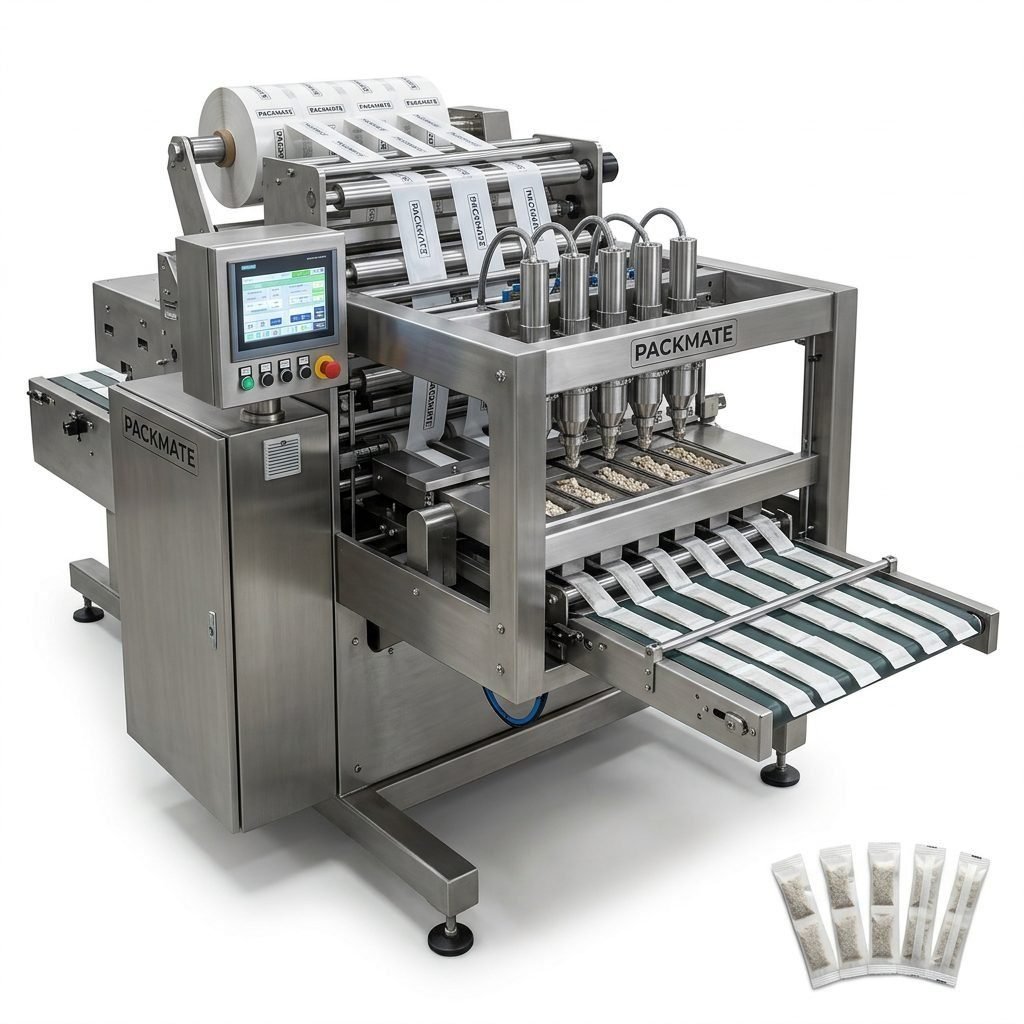
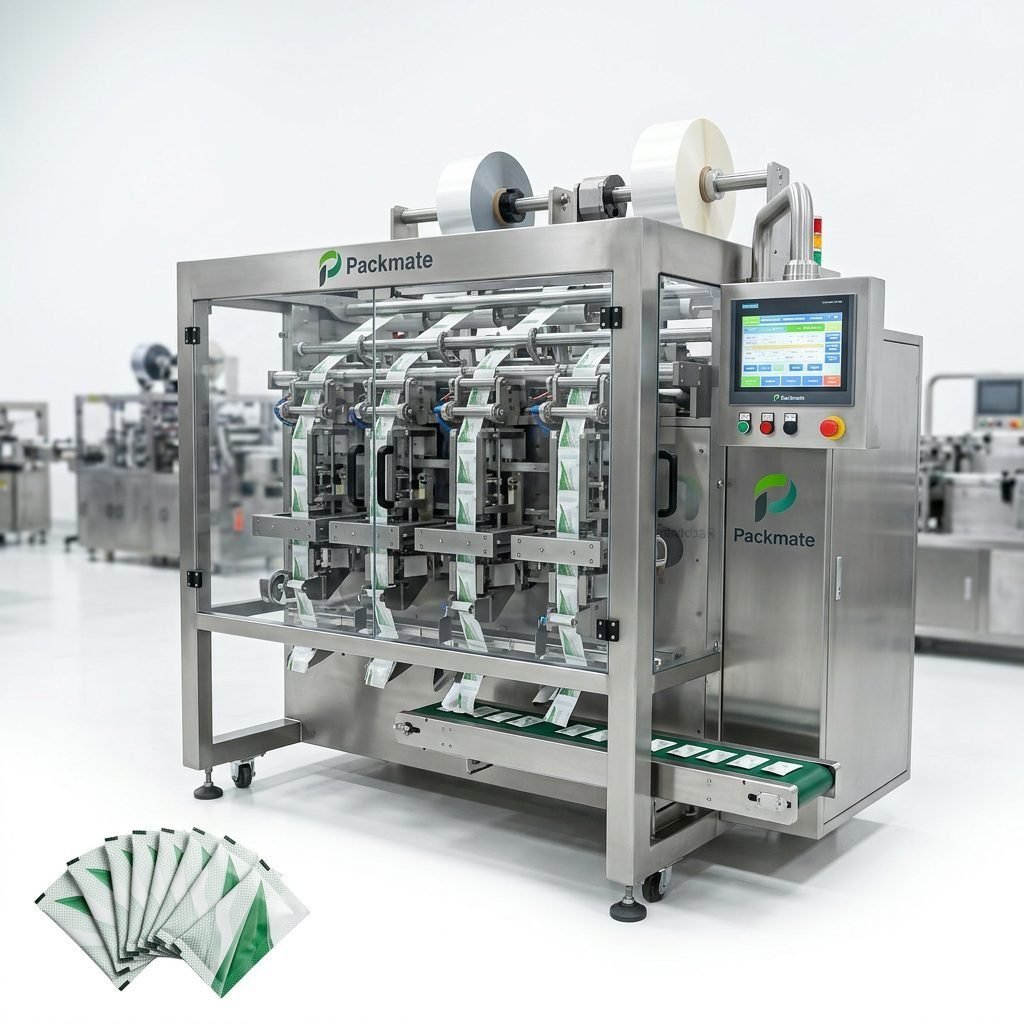
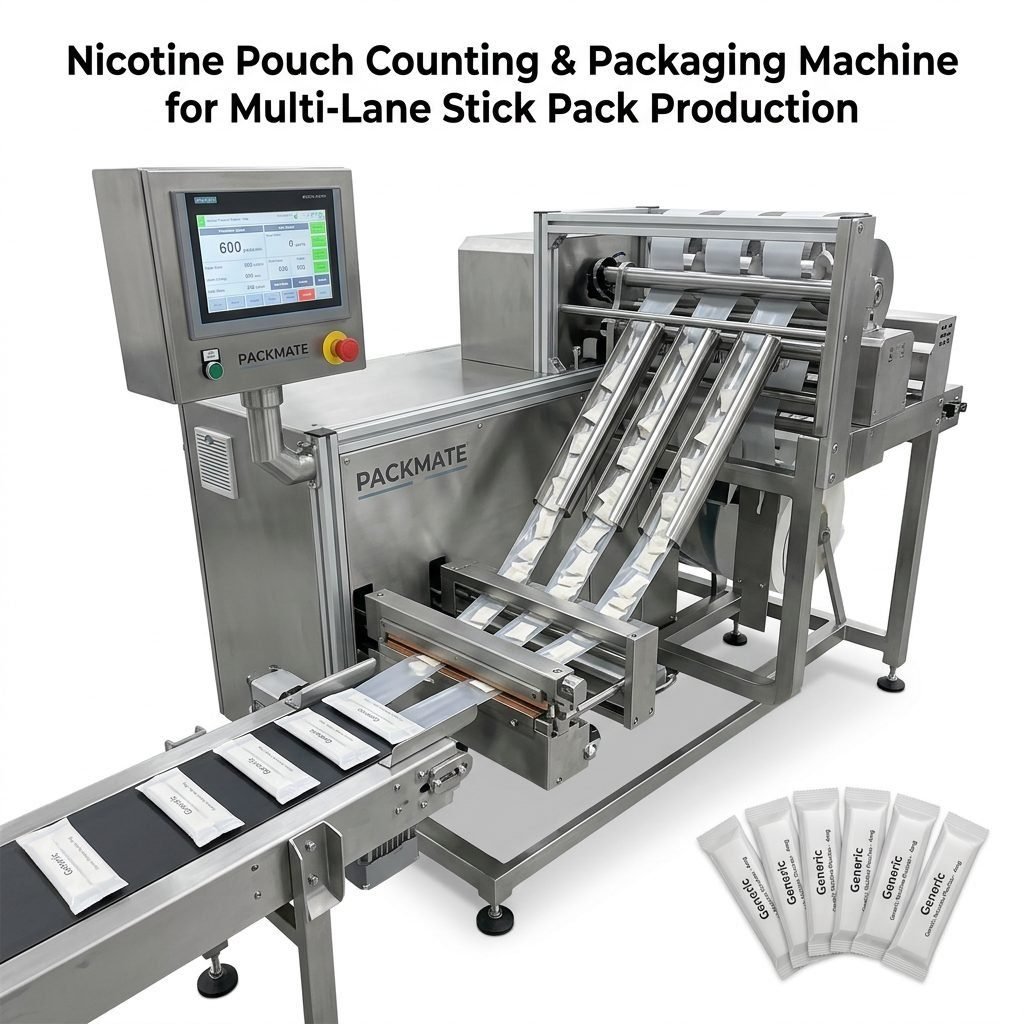
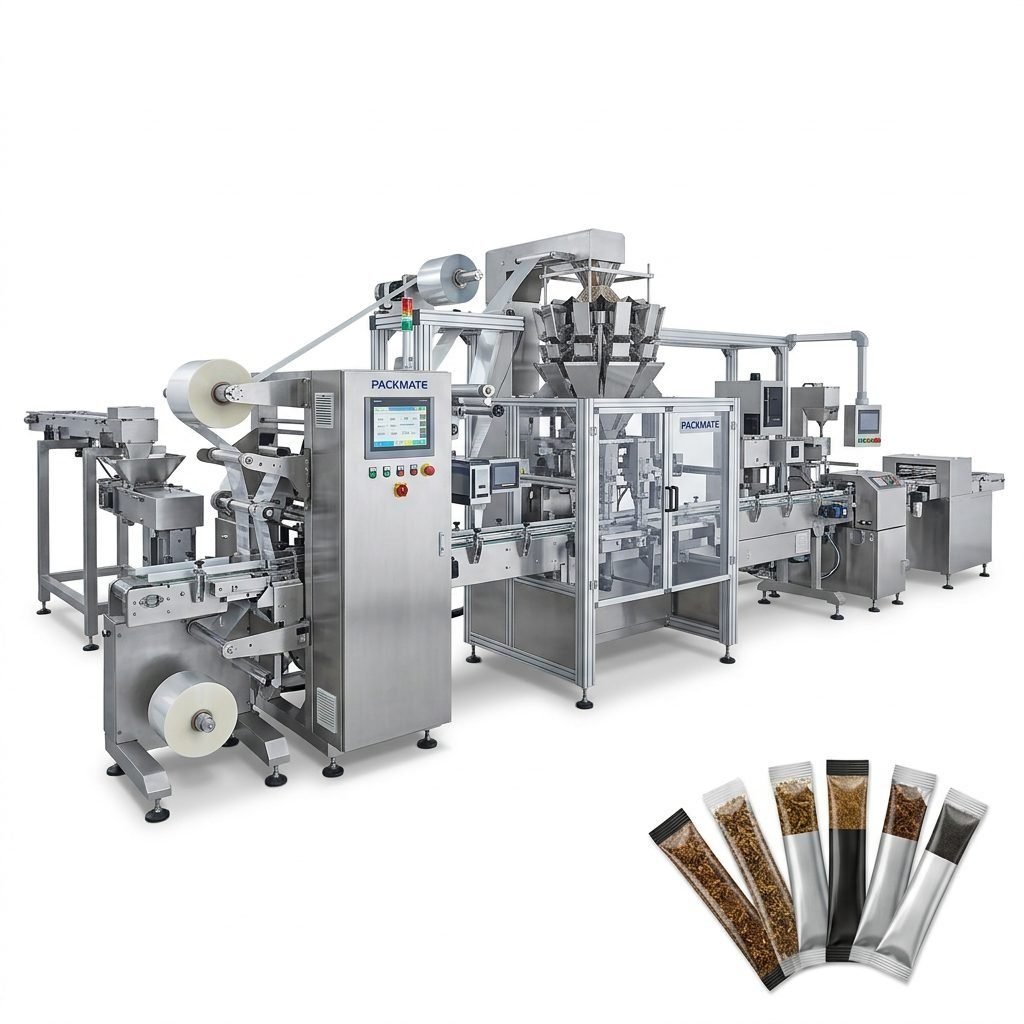
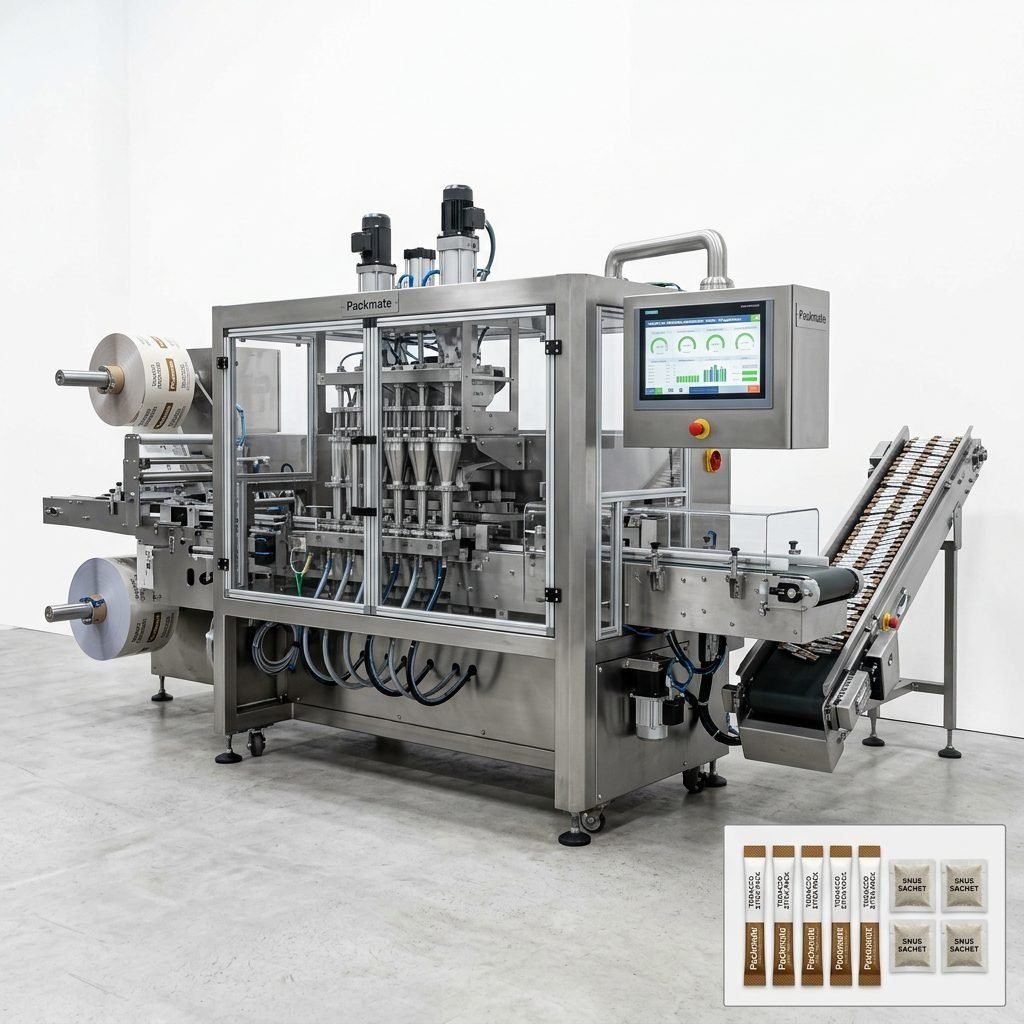
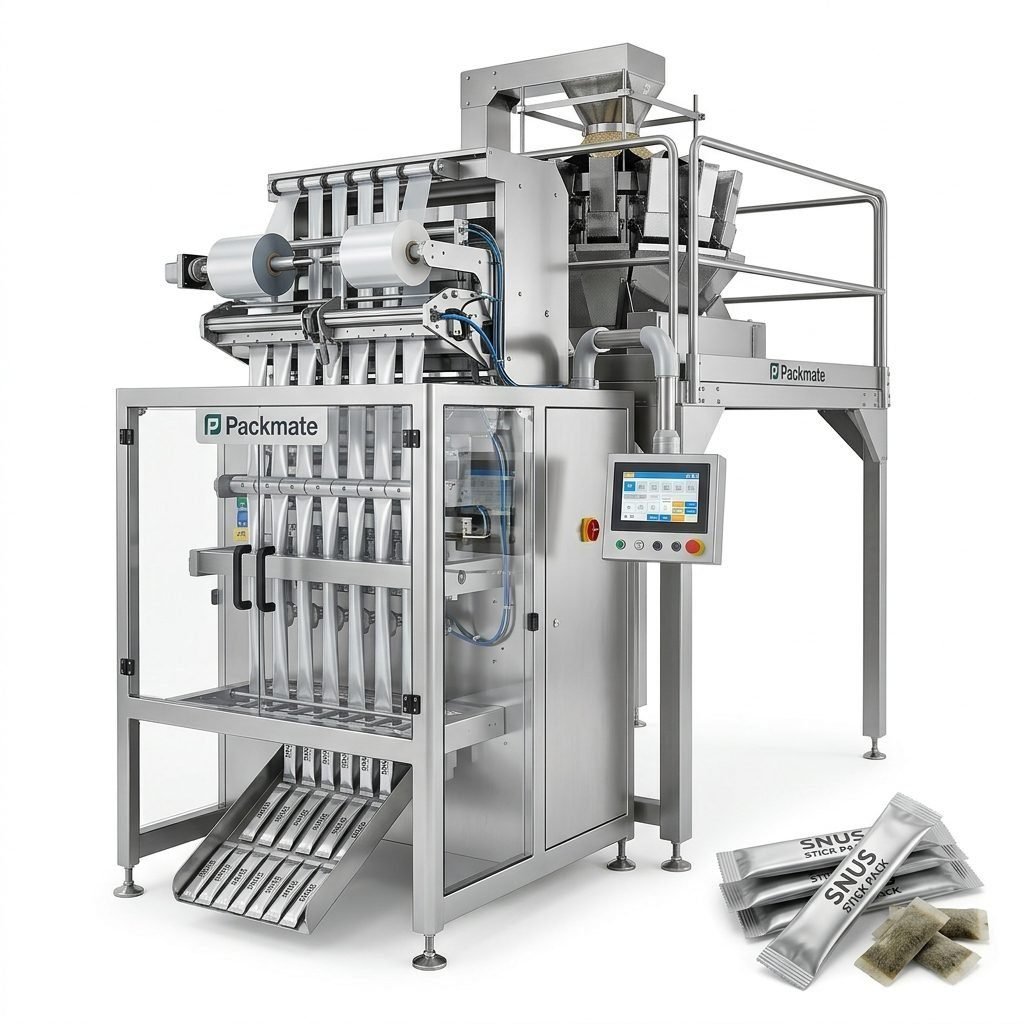
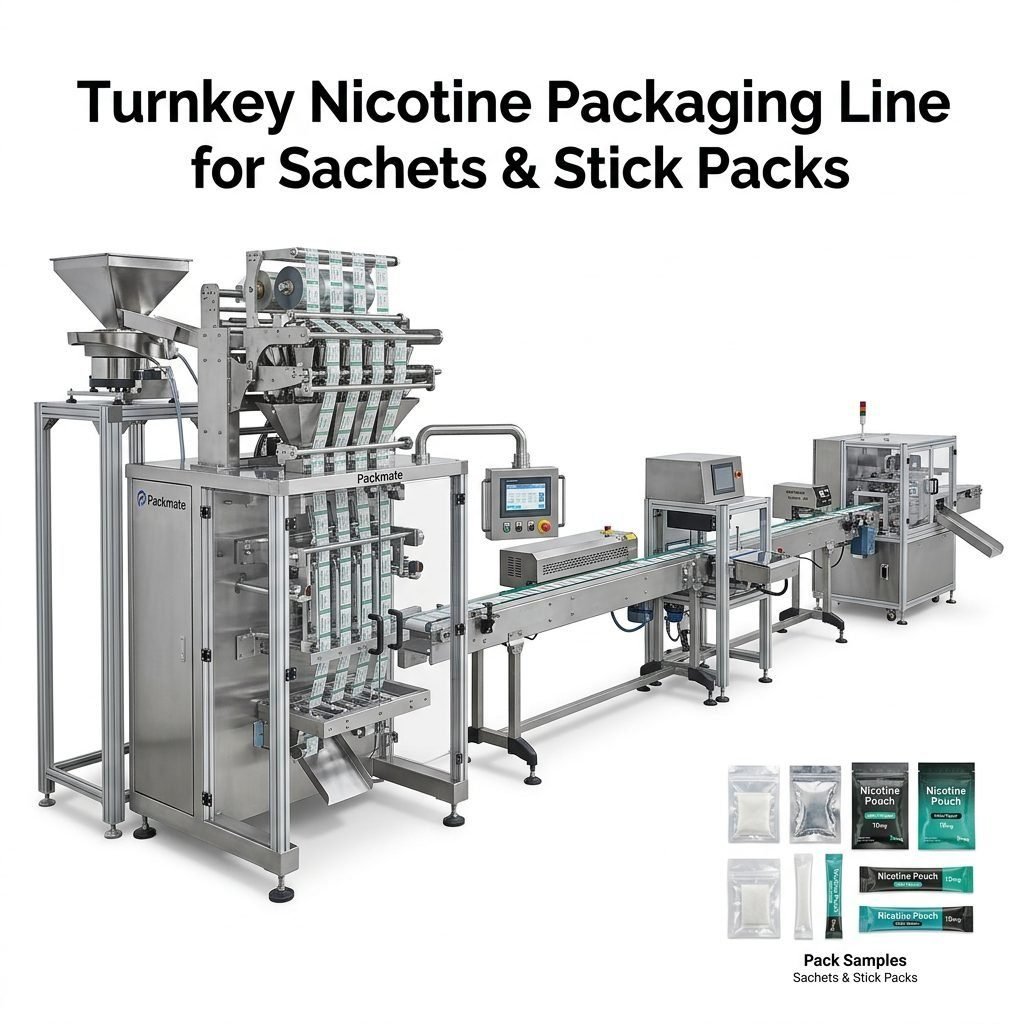
Not all snus packaging equipment is created equal. Confirm the supplier offers machines and lines designed for the specific format you need — nicotine pouches, sachets, stick packs, or multi-lane small-dose snus production. Look for proven models with flexible dosing and accurate sealing systems to handle hygroscopic materials and low-dose formulations reliably.
Technical checklist
✅ Filling accuracy for micro-dose pouches (mg-level control).
✅ Multi-lane capability for scaling production without increasing floor footprint.
✅ Sealing technology that copes with humidity and varied film laminates.
✅ Changeover speed and easy tool-free adjustments for small-batch runs common in new product tests.
Quality, Certifications, and Compliance
Ensure the supplier provides machines with recognized certifications such as CE and ISO, which reflect adherence to international safety and quality standards. Equally important is documentation for materials handling, hygiene (if applicable), and electrical compliance. For the Dominican Republic, align machine specifications with local electrical standards and customs paperwork to avoid import delays.
Key compliance considerations
– Export documentation and machine certifications simplify customs clearance.
– Machines designed to meet international safety standards reduce regulatory risk and help when applying for permits or inspections.
– Traceability features (batch coding, serialization) are increasingly important for nicotine product compliance in various markets.
After-Sales Service, Spare Parts, and Training
The best equipment purchase can be undermined by slow support or lack of parts. Prioritize suppliers who provide clear spare parts lists, guaranteed parts availability, and training programs for your Dominican operations team. On-site commissioning and remote diagnostics accelerate startup and reduce downtime.
Service & support priorities
⚙️ Spare parts stock in-country or fast freight options.
📞 24/7 remote support for troubleshooting and PLC diagnostics.
🧰 Hands-on training for operators and maintenance personnel in Spanish where possible.
🧾 Clear warranty terms and defined SLAs for service visits.
Factory Strength, Customization and Turnkey Solutions
Look for suppliers that demonstrate manufacturing scale, precision engineering capabilities, and experience delivering turnkey lines. A factory with advanced CNC, precision assembly, and a documented history of multi-lane snus systems is preferable because it indicates consistent quality and the ability to customize layouts or integrate auxiliary devices such as weighers and desiccant inserters.
As an example, a supplier with a 20,000㎡ facility and 30+ years of experience typically has the resources to adapt designs, develop custom tools, and run acceptance tests before shipping. These pre-delivery tests reduce commissioning time when machines arrive in the Dominican Republic.
Cost vs. Value: Beyond the Purchase Price
While initial cost matters, evaluate total cost of ownership (TCO): energy consumption, mean time between failures, ease of maintenance, and resale value. Cheaper machines often increase downtime and parts consumption. Prioritize suppliers offering robust components, efficient drives, and modular designs that reduce long-term costs.
Financial checklist
– Request lifetime cost estimates and typical uptime metrics.
– Ask about retrofit options and software updates.
– Negotiate spare parts packages and training as part of the purchase to lower the first-year TCO.
Logistics, Importing, and Customs in the Dominican Republic
Importing heavy packaging machinery into the Dominican Republic involves local customs procedures, duty calculations, and transportation considerations. Choose a supplier experienced with international shipping and who can provide complete export documentation, including CE/ISO certificates, packing lists, and technical manuals. Engage local freight forwarders familiar with oversized or palletized machine shipments and ensure you plan for inland transport to your factory site.
Practical logistics tips
– Verify power requirements and request transformers or converters if needed.
– Plan for crane or forklift access for installation.
– Confirm customs broker and duty rates early to avoid unexpected costs.
References, Case Studies, and Exhibition Presence
Suppliers that can show real-world case studies and consistent exhibition presence are often more reliable. Attend industry events or request virtual demos from manufacturers to see machines in action. Look for suppliers who display successful lines in markets similar to the Dominican Republic — countries in Latin America or the Caribbean are most relevant.
For example, vendors who exhibit internationally and provide case references across Europe, Asia, and the Americas demonstrate adaptability and global service capabilities. If available, request client references in neighboring markets to understand performance in comparable climates and regulatory environments.
Customization Options: Packaging Types and Materials
Different retail preferences and humidity challenges in the Dominican Republic may lead you to choose one pouch or stick format over another. Confirm your supplier can handle the films, laminates, and barrier requirements you need, plus options for desiccants, inner pouches, and branding features like matte/gloss finishes or custom pre-cut slits.
Materials & formats to consider
– High-barrier laminates for moisture protection.
– Multi-lane stick packs for high-volume SKUs.
– Sachet styles for sample packs and promotional runs.
– Integrated coding printers for batch/expiry marking.
Trial Runs, FAT, and Pre-Shipment Testing
Factory Acceptance Testing (FAT) and product trial runs are essential. Request FAT videos, sample packs produced on the actual machines, and performance data for speed, accuracy, and sealing integrity. If possible, require a pre-shipment acceptance test that includes humidity and thermal cycling to emulate Caribbean conditions.
FAT essentials
🎯 Production speed validation under real product weight.
🔬 Sample testing for fill weight accuracy and seal strength.
📦 Packaging compatibility with your chosen secondary carton and palletization method.
How to Evaluate Suppliers: A Practical Roadmap
Follow these steps to evaluate suppliers objectively:
- Request technical datasheets for prospective models and compare specifications side-by-side.
- Ask for FAT videos, client references, and a breakdown of spare parts lead times.
- Verify certifications and ask for export/documentation support for Dominican customs.
- Negotiate training, commissioning, and warranty terms in writing.
- Test with a real product or dummy formulation to confirm performance prior to shipment.
Recommended Supplier Profile
An ideal supplier for the Dominican Republic should combine:
- Proven snus/nicotine pouch packaging machines and multi-lane systems.
- Clear certifications (CE/ISO) and export experience.
- Strong manufacturing capacity and customization capability.
- Robust after-sales support with spare parts and bilingual training options.
- Transparent total cost of ownership and demonstrable case studies.
For example, you may wish to explore suppliers that publish product lines such as Snus & Nicotine Packaging Machines or Sachet & Stick Pack Machines to ensure their core expertise aligns with your needs. If you want a deeper overview of a potential partner, view their company profile at About Packmate, and reach out via their Contact Us page to arrange demos and quotation details.
Local Deployment Tips for Dominican Operations
– Set up a weather-controlled packing room with dehumidifiers to protect products and improve sealing reliability.
– Train bilingual operators and maintenance staff for clear communication with supplier engineers.
– Establish a local spare parts inventory for critical wear items like belts, cutting knives, and sensors to minimize downtime.
– Align packaging artwork and labeling with local language requirements and retail expectations.
Final Recommendations
Selecting the best snus packaging machinery supplier in the Dominican Republic requires balancing technical specs, cultural and climatic readiness, service capability, and transparent commercial terms. Prioritize suppliers who demonstrate real-world performance, publish clear product lines, and commit to after-sales service. Use FAT, references, and trial runs to validate claims before shipment. A partner who offers turnkey solutions, localizable training, and accessible spare parts will reduce risk and accelerate your path to consistent, high-quality production.
Quick Action Points
1. Request FAT samples and videos.
2. Confirm certifications and export documentation.
3. Verify spare parts lead times and training availability.
4. Plan for humidity control and bilingual training locally.
5. Negotiate SLAs and warranty details in the contract.
Frequently Asked Questions
Q1: How important is CE/ISO certification when importing machinery to the Dominican Republic?
A: Very important. These certifications simplify customs clearance, demonstrate compliance with international safety standards, and reduce regulatory risk. Always ask for certified documents before purchase.
Q2: What are typical lead times for delivery and installation?
A: Lead times vary by customization and factory schedule. Standard machines may ship in weeks, while turnkey lines usually require several months including FAT. Factor in additional time for local customs clearance and on-site commissioning.
Q3: Should I maintain local stock of spare parts?
A: Yes. Keeping critical wear parts in-country (belts, knives, PLC components) reduces downtime. Negotiate spare parts kits with the supplier as part of the purchase to lower initial risk.
Q4: How can suppliers help with product trials and regulatory testing?
A: Top suppliers run FAT and provide sample packs produced on the actual machines. They can assist with test protocols for sealing integrity and weight accuracy, and often provide documentation to support regulatory filings.