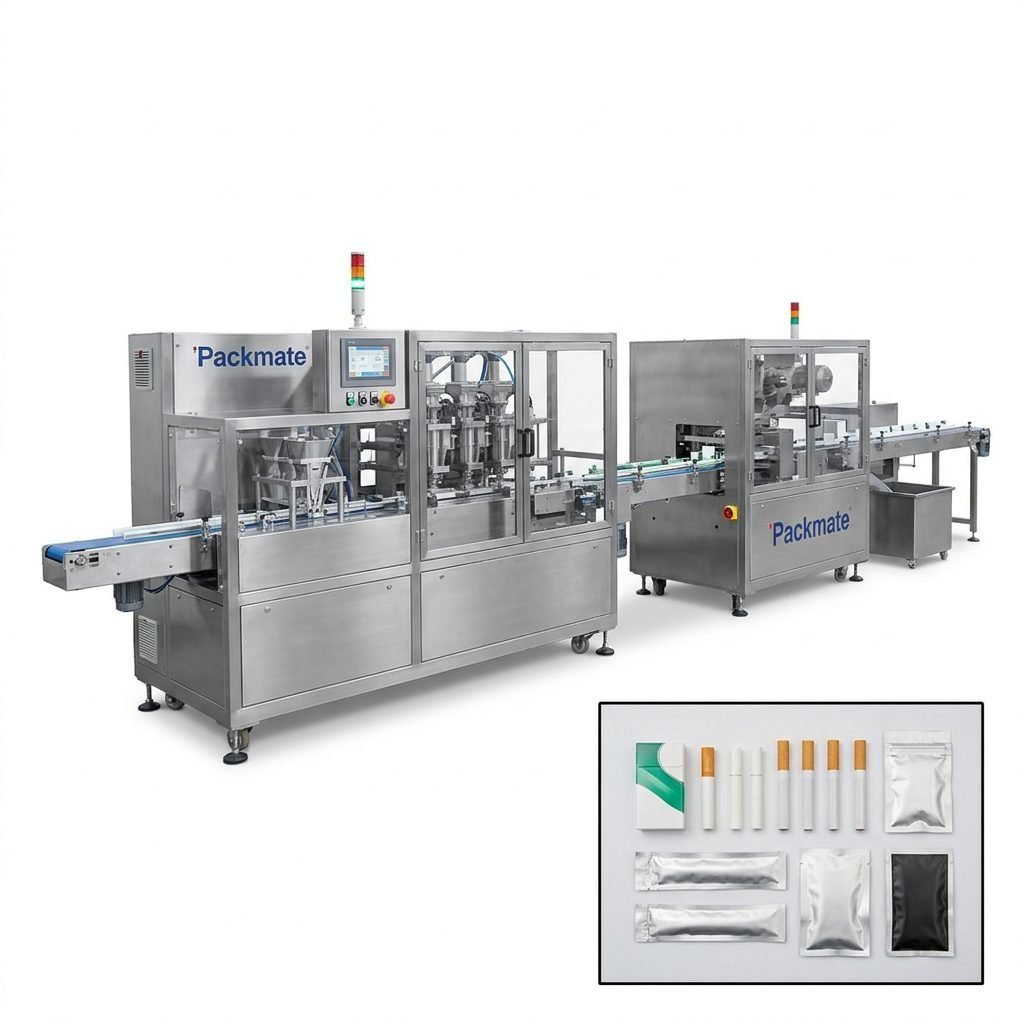
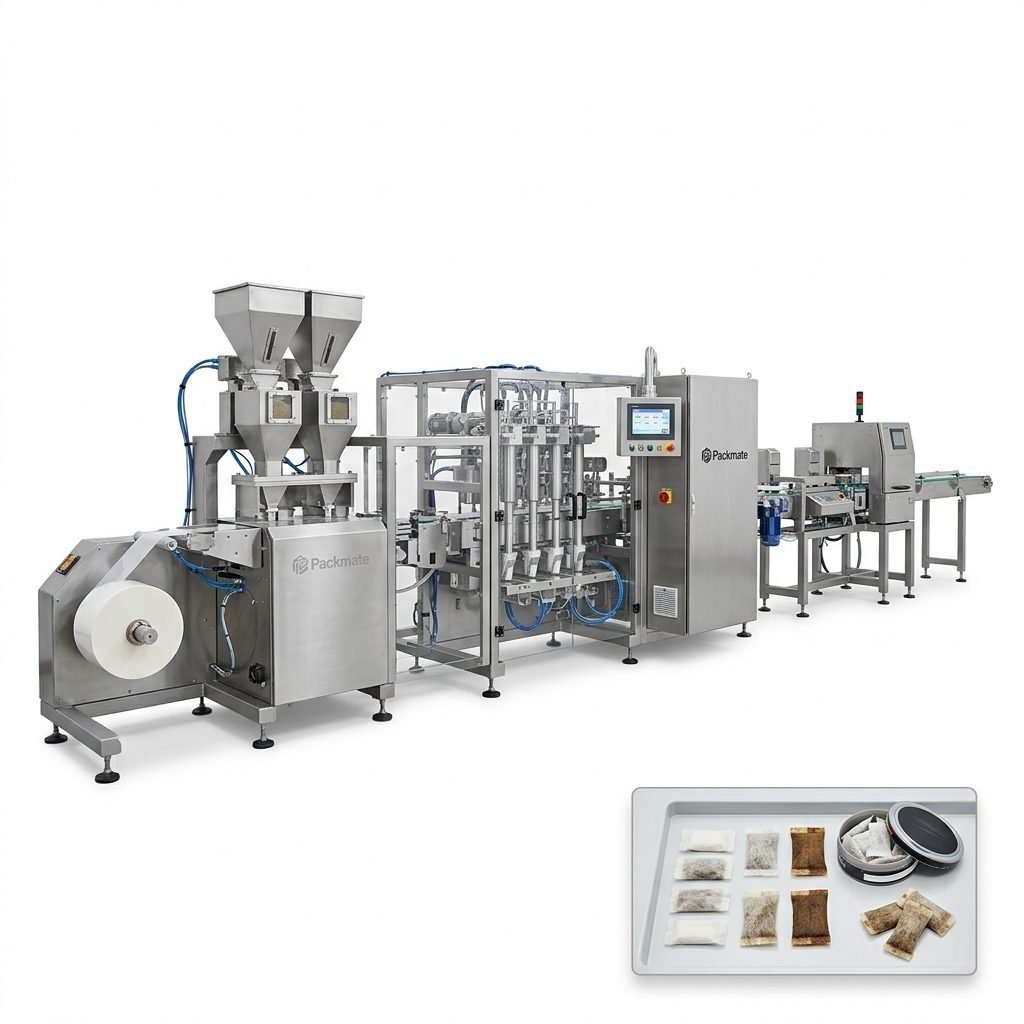
Choosing the right snus packaging machine supplier for your business in the Netherlands is a strategic decision that affects product quality, compliance, and long-term profitability. Whether you produce nicotine pouches, tobacco-free snus, or other small-dose products, selecting a partner who understands local market preferences, regulatory sensitivity, and European supply chains will speed up time-to-market and protect your brand. This guide walks you through the practical steps, technical checks, and cultural considerations to make the best choice for your Dutch operation.
Understand the Netherlands Market and Consumer Habits
The Netherlands is a market that values discreet, convenient, and well-designed nicotine products. Dutch consumers tend to prefer modern, clean packaging and clear product information in Dutch and English. Sustainability is increasingly important: recyclable pouches, compact transport cartons, and minimal waste are strong selling points. When evaluating suppliers, consider how their machines support these consumer expectations through package flexibility, material compatibility, and accurate labeling capabilities.
Regulatory and Compliance Considerations
The regulatory environment in the EU and the Netherlands is evolving. While traditional snus has legal complexities across the EU, nicotine pouches and other products may be subject to tobacco product regulations, chemical reporting, and strict labeling rules. Choose suppliers whose equipment complies with international standards (CE, ISO) and who can support documentation for regulatory audits. Equipment that facilitates traceability and batch serialization can save time during product registration and inspections.
🔶 Key compliance check: Ask the supplier for CE and ISO certificates, machine hygiene documentation, and evidence of conformity with EU machinery directives.
Technical Criteria: What Machines Should Do for Your Product
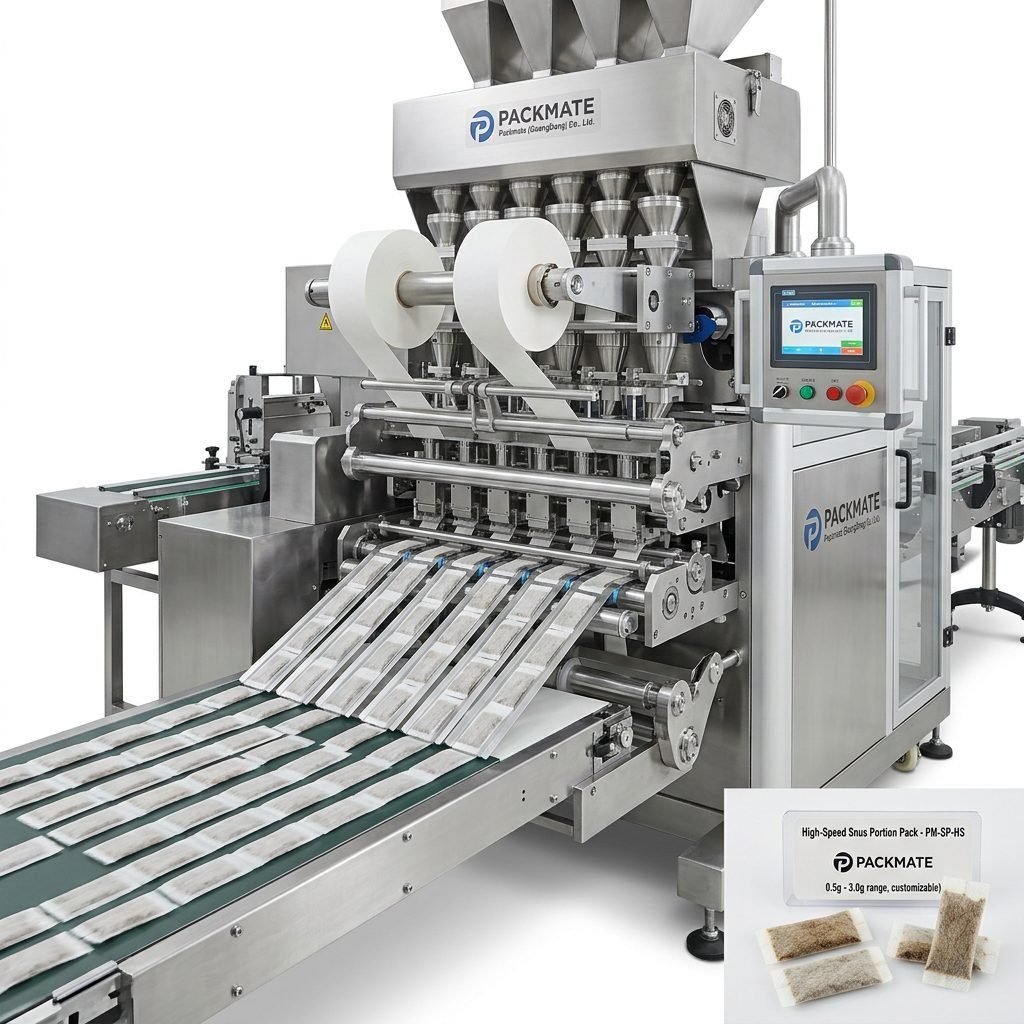
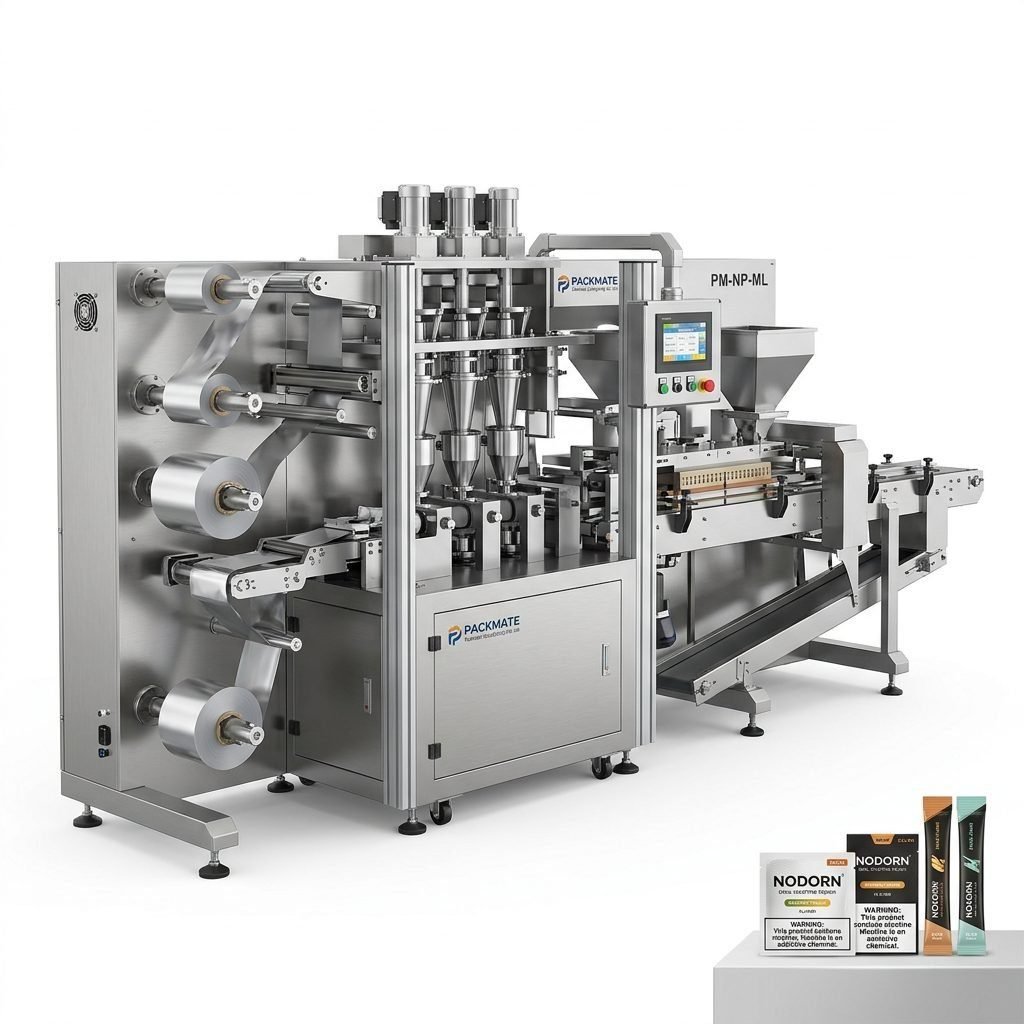
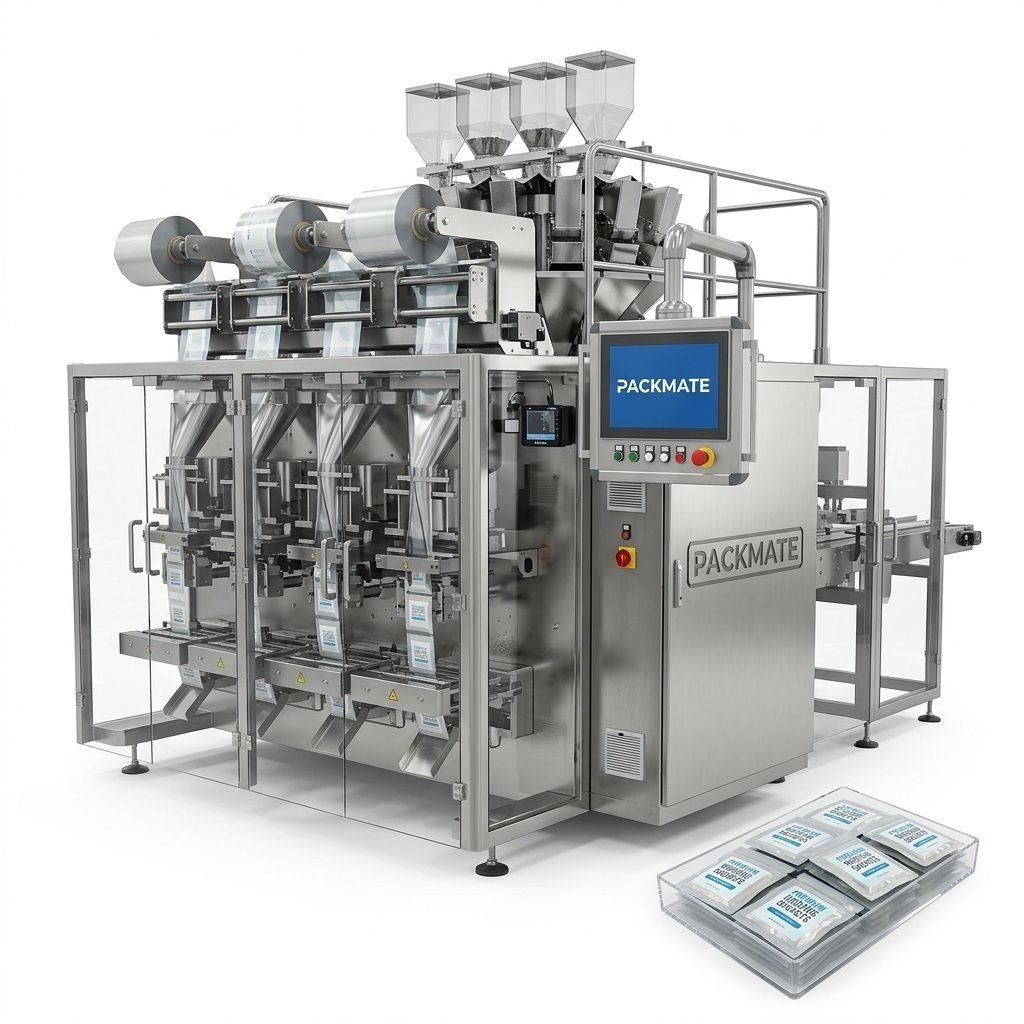
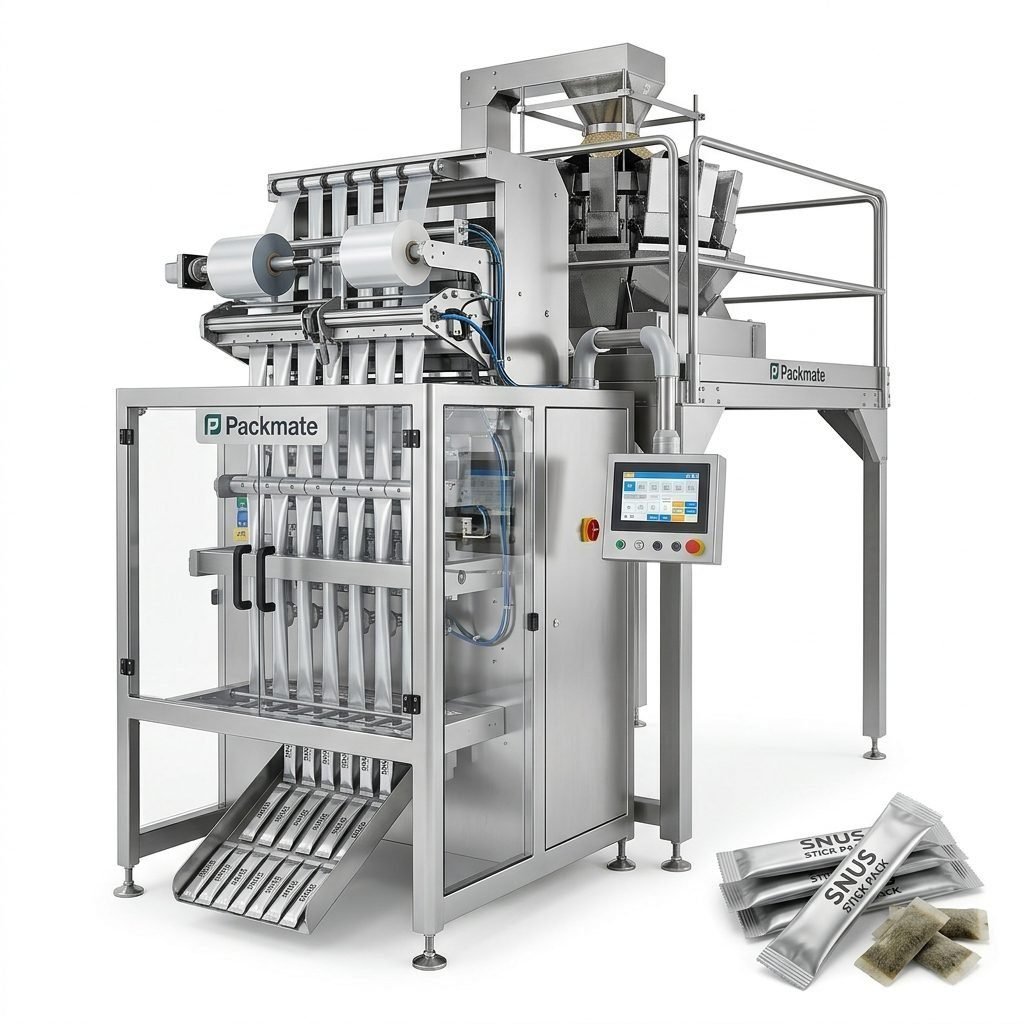
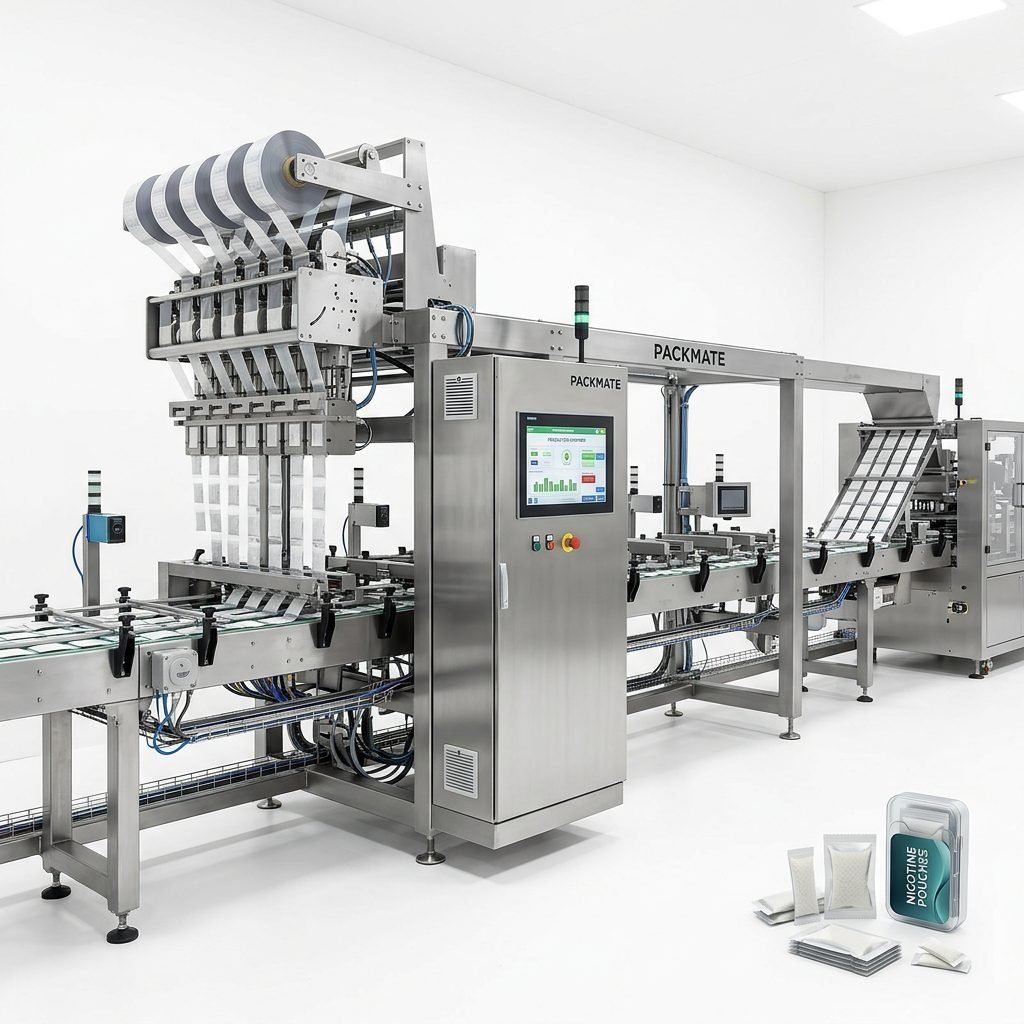
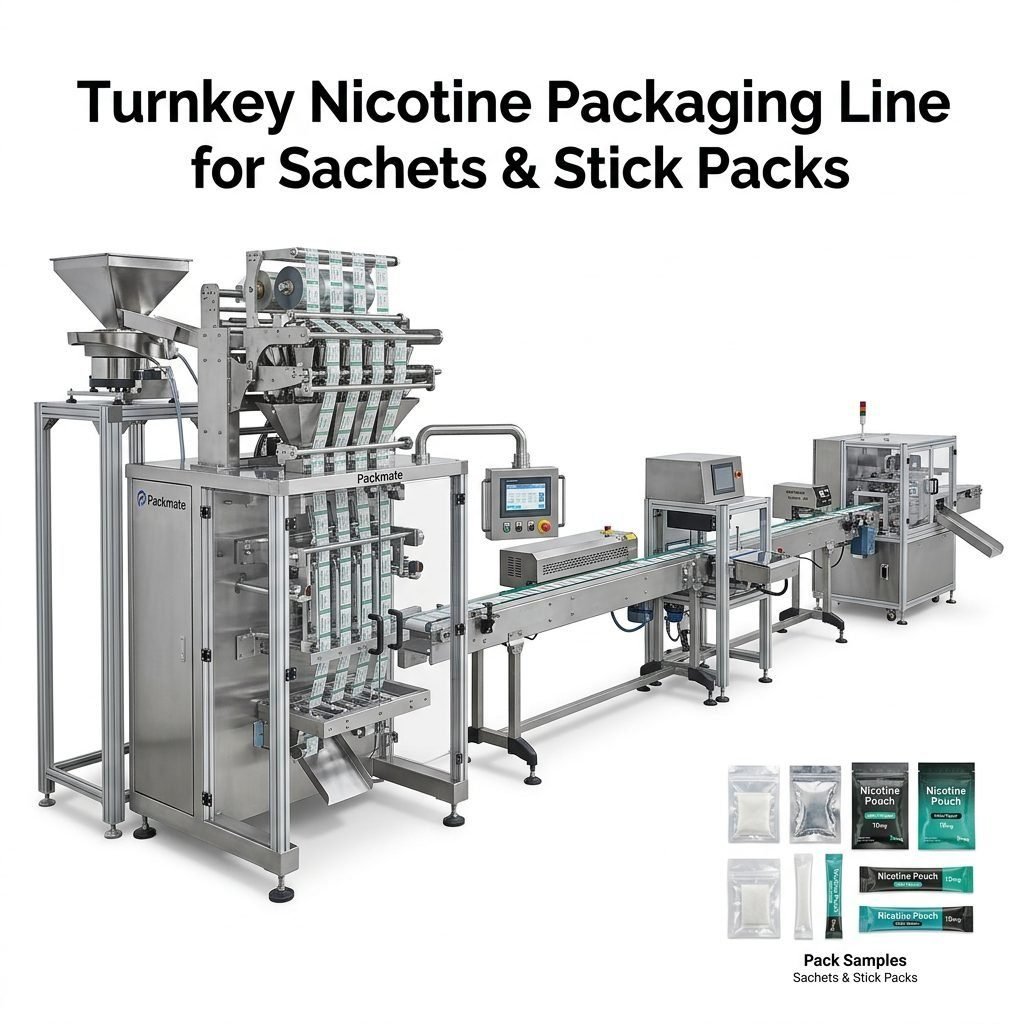
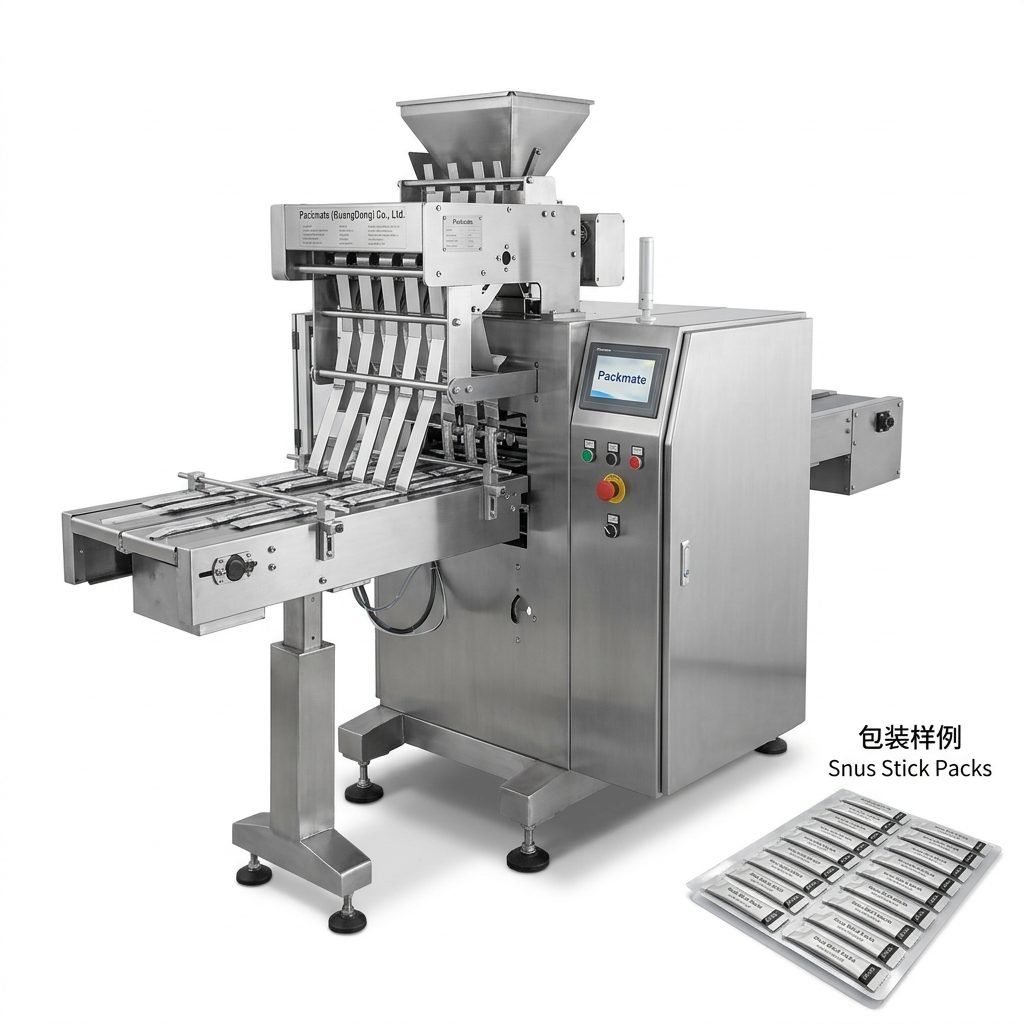
Not all packaging machines are designed the same. For snus and nicotine pouches, important technical capabilities include precise dosing for small doses, multi-lane production for high throughput, gentle handling to protect pouch integrity, and flexible format changeovers for different pouch sizes and materials. Check if the supplier provides proven solutions such as multi-lane snus packaging machines, stick-pack and sachet options, and filling lines that integrate weighing and sealing systems.
For more details on machine types, explore product categories such as
Snus & Nicotine Packaging Machines,
Sachet & Stick Pack Machines, and
Filling & Packaging Lines.
Essential Machine Features to Verify
- Accurate micro-dosing and weight control to maintain consistent pouch weight.
- Multi-lane capabilities for higher output without excessive footprint.
- Quick format changeover and tool-free adjustments to support small batch runs.
- Hygienic design, easy to clean surfaces, and materials compatible with food/pharmaceutical standards.
- Integrated control systems for traceability, labeling, and serialization.
✅ Pro tip: Request video demos or virtual live trials showing the exact pouch format you plan to run — this avoids surprises during commissioning.
Supplier Credibility: What to Check Beyond Specs
Supplier credibility is built on manufacturing capacity, experience, client references, and after-sales infrastructure. A reputable manufacturer will have a modern factory, CNC machining centers, assembly lines, and a history of supplying similar lines worldwide. They should be able to provide case studies, CE/ISO certificates, and references from European customers. Visiting a factory or meeting them at trade shows in Europe can be invaluable.
Packmate Snus Machine, for example, highlights over 30 years of engineering experience and a 20,000㎡ manufacturing facility — important indicators that they can deliver scalable, reliable solutions. Learn more about the company and its credentials at
About Packmate.
Factory Visit and Verification
If possible, arrange a factory visit or remote tour. Confirm machining precision, quality control procedures, testing documentation, and final acceptance tests. During the visit, review spare parts inventory, quality assurance (QA) protocols, and the team that will support your installation. If you cannot visit, request a recorded walkthrough and ask for client contact details for direct feedback.
After-sales Support, Spare Parts, and Local Service
After-sales support is a critical differentiator. Production interruptions are costly — ensure the supplier offers responsive technical support, spare parts availability, and remote assistance. Suppliers with global service networks or European partners can dramatically shorten downtime. Ask about warranty terms, service-level agreements (SLA), and whether they provide operator and maintenance training as part of the package.
⚙️ Service checklist: spare parts lead time, remote diagnostics capability, training packages, and local support contacts.
Turnkey Solutions and Line Integration
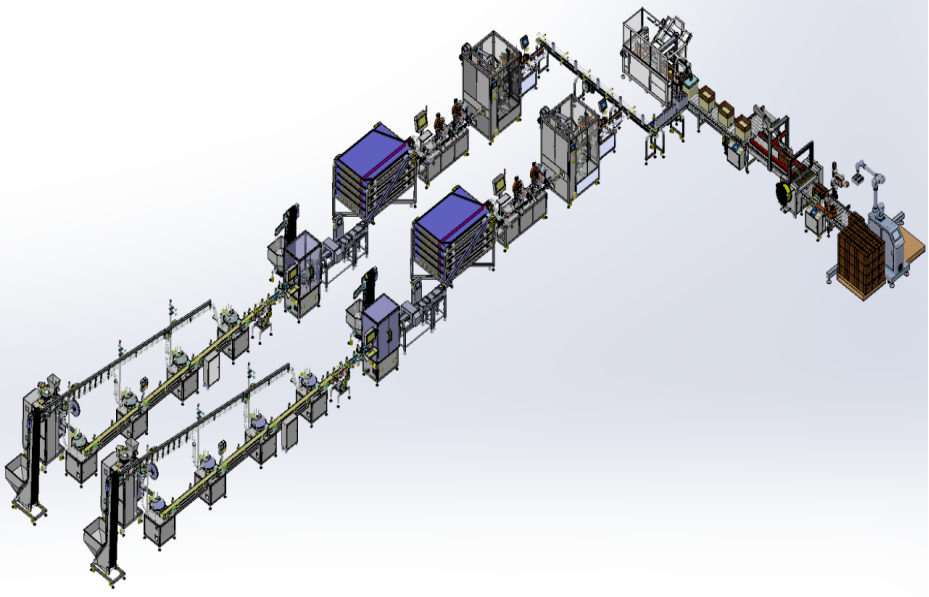
Many manufacturers offer turnkey solutions that combine dosing, filling, sealing, verification, and final packaging. This reduces integration risk and ensures smooth operation from raw materials to finished cartons. If you need complete lines, verify the supplier’s experience with integrated systems, such as weighing & packaging systems and auxiliary equipment, which streamline production and reduce manual handling.
Explore combined line options at
Weighing & Packaging Systems and
Auxiliary Packaging Equipment.
Integration Considerations for Dutch Facilities
Dutch factories often emphasize lean layouts, energy efficiency, and ergonomic design. Ensure the supplier’s layout proposals align with your plant floor, utilities (power, vacuum, nitrogen), and local safety standards. Discuss footprint optimization, noise levels, and energy consumption during the proposal stage. European-certified electrical and control systems simplify local commissioning and compliance.
Logistics, Delivery, and Customs for the Netherlands
Shipping large machinery to the Netherlands requires careful planning: crating, transport insurance, customs clearance, and last-mile routing. Choose suppliers experienced with exports to Europe. They should provide clear Incoterms, packing lists, and assistance with VD/CE documentation for customs. If the supplier handles shipping, ask about typical lead times and port options (e.g., Rotterdam, Amsterdam) to optimize freight costs and delivery speed.
🚚 Logistics tip: use major Dutch ports for cost-effective customs clearance and consider local riggers for unpacking and positioning machines.
Cost, ROI, and Financing Options
Machine price is only one component of total cost of ownership (TCO). Evaluate energy consumption, spare parts, expected uptime, and labor savings. Multi-lane systems often offer faster ROI by increasing throughput without proportional increases in labour or floor space. Ask suppliers for ROI scenarios based on your product mix and production targets, and inquire about financing, leasing, or phased deliveries if capital allocation is a concern.
Negotiation and Contract Essentials
Negotiate clear acceptance criteria, FAT (Factory Acceptance Test) procedures, installation timelines, and penalties for missed delivery. Include training, spare part kits, and documentation in the contract. Clarify warranty period and exclusions. A well-crafted contract avoids ambiguity and ensures the supplier is accountable for a functioning production line at handover.
Practical Procurement Steps for Dutch Buyers
- Define product formats, throughput targets, and regulatory requirements.
- Request technical proposals and references from multiple suppliers.
- Review factory videos, run virtual demos, and ask for sample packaging results.
- Negotiate terms, schedule FAT, and confirm spare parts and training packages.
- Plan shipping, customs, installation, and operator training at your Dutch site.
For proven case studies and real projects, see the supplier’s global work in the Case section:
Case.
Making the Final Decision
When you compare final offers, weigh technical fit, supplier reliability, after-sales support, and total lifecycle cost. Speak with existing clients, prioritize suppliers who provide transparent testing and documentation, and ensure they understand Dutch market preferences for labeling, sustainability, and product design. A good supplier is not just a machine vendor — they become a strategic partner for product development and market growth.
🔎 Final checklist before you sign: CE/ISO certificates, FAT results for your format, spare parts kit, training plan, warranty terms, and a clear delivery schedule.
Additional Resources & Contact
If you need detailed catalogs, machine specifications, or to arrange a consultation, consult the supplier’s product lines such as
Bag & Pouch Packaging Machines or reach out directly via the
Contact Us page for personalized support.
Summary: Steps to Choose the Best Supplier in the Netherlands
Follow a structured approach: match machine capabilities to your product, verify compliance and factory credentials, validate after-sales support, plan logistics for the Netherlands, and secure clear contractual protections. Emphasize sustainability and local consumer preferences during product development and machine selection to build competitive appeal in Dutch retail and online channels.
FAQs
1. What certifications should I require from a snus packaging machine supplier?
Request CE and ISO certifications, machine hygiene documentation, and compliance records for EU machinery directives. Also ask for test reports that demonstrate the machine’s performance with your specific pouch materials and formats.
2. How important is local service in the Netherlands?
Very important. Local or regional service partners reduce downtime and shipping delays for spare parts. If a supplier has no local presence, ensure they offer rapid remote diagnostics, a stocked spare parts kit, and training that enables your team to handle routine maintenance.
3. Can machines be customized for sustainable packaging demands?
Yes. Good suppliers offer material compatibility, reduced material waste options, and designs that support recyclable films and minimal fill volumes. Discuss sustainability goals early so the machine configuration supports recyclable or compostable pouch formats.
4. What is a realistic lead time for delivery to the Netherlands?
Lead times vary by customization and production schedules. Standard machines may take several weeks, while customized turnkey lines can take months. Confirm production and shipping schedules in the contract and include milestones such as FAT and shipment dates.
5. How do I get technical support and spare parts quickly?
Negotiate spare parts kits at purchase, obtain detailed spare parts lists with part numbers, and confirm supplier logistics for express shipments. Consider stocking critical wear parts locally or through a European distributor to minimize downtime.