Introduction
Choosing the right snus packaging machinery manufacturer is a critical step for any business looking to enter or expand in the nicotine pouch and snus market. In Uzbekistan and the broader Central Asian region, manufacturers must balance cost, reliability, regulatory compliance, and cultural considerations to ensure long-term success. This guide walks you through the essential factors to evaluate when selecting a manufacturer, with practical tips tailored to Uzbekistan’s market characteristics and distribution realities.
Why Uzbekistan is a Unique Market for Snus Packaging
Uzbekistan sits at a strategic crossroads between Europe and Asia and has seen growing interest in modern consumer goods, including alternatives to traditional tobacco products. The country’s demographics—young population, increasing urbanization, and improving purchasing power—make it an emerging region for nicotine pouch consumption. However, cultural and legal contexts matter: Uzbekistan is a predominantly Muslim country where public attitudes toward tobacco alternatives can be conservative, and regulatory frameworks may differ from Western Europe.
Local business culture and buying preferences
In Uzbekistan, business relationships are built on trust, face-to-face meetings, and reliable after-sales support. Buyers often value long-term service agreements, prompt spare part supply, and on-site training. Language considerations (Uzbek and Russian) and clear documentation are practical must-haves. When evaluating manufacturers, prioritize partners who can provide comprehensive training and local-friendly support packages.
🔧 Key takeaway: Choose suppliers who understand Central Asian logistics and offer reliable after-sales service. This reduces downtime and builds trust with local distributors and regulators.
Top Criteria for Selecting a Snus Packaging Machinery Manufacturer
Selecting equipment for nicotine pouches requires careful evaluation across technical, commercial, and service dimensions. Below are the most important criteria with targeted questions to ask potential suppliers.
1. Technical capability and machine variety
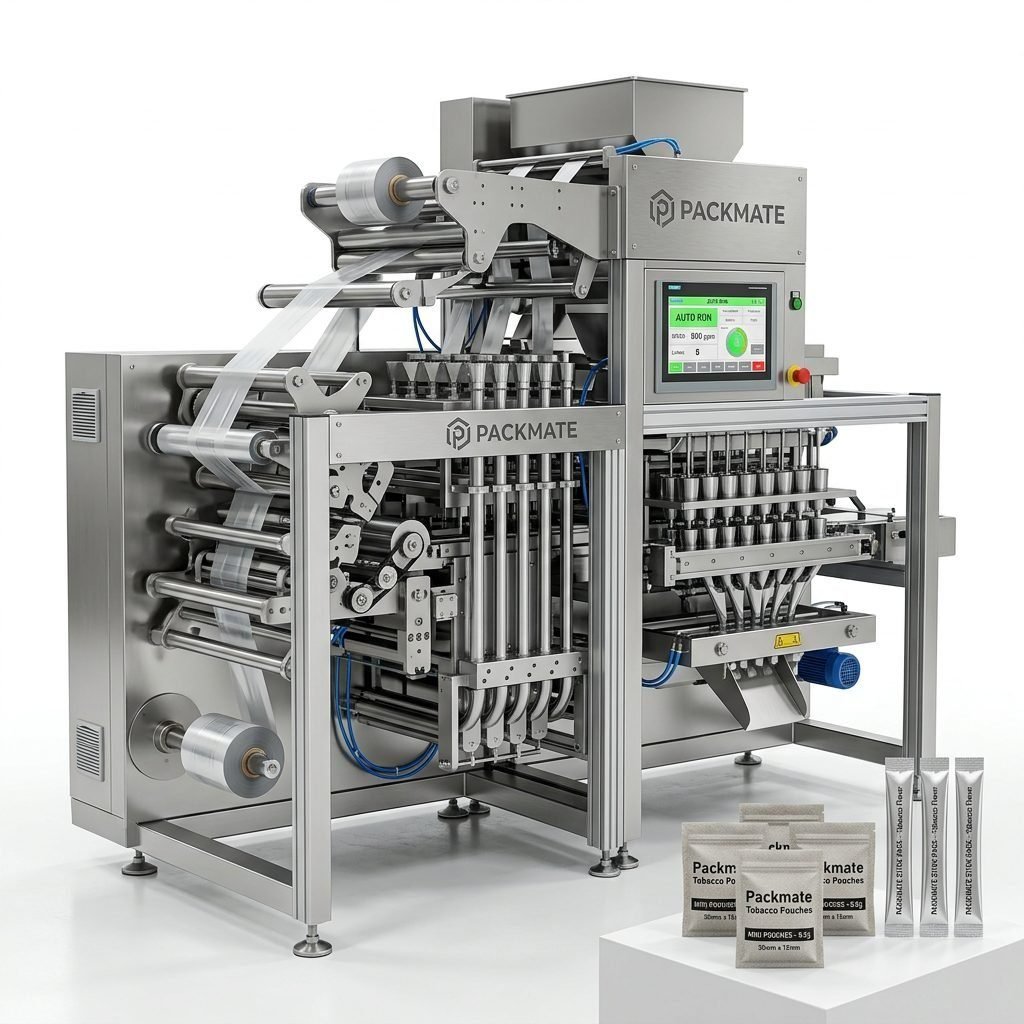
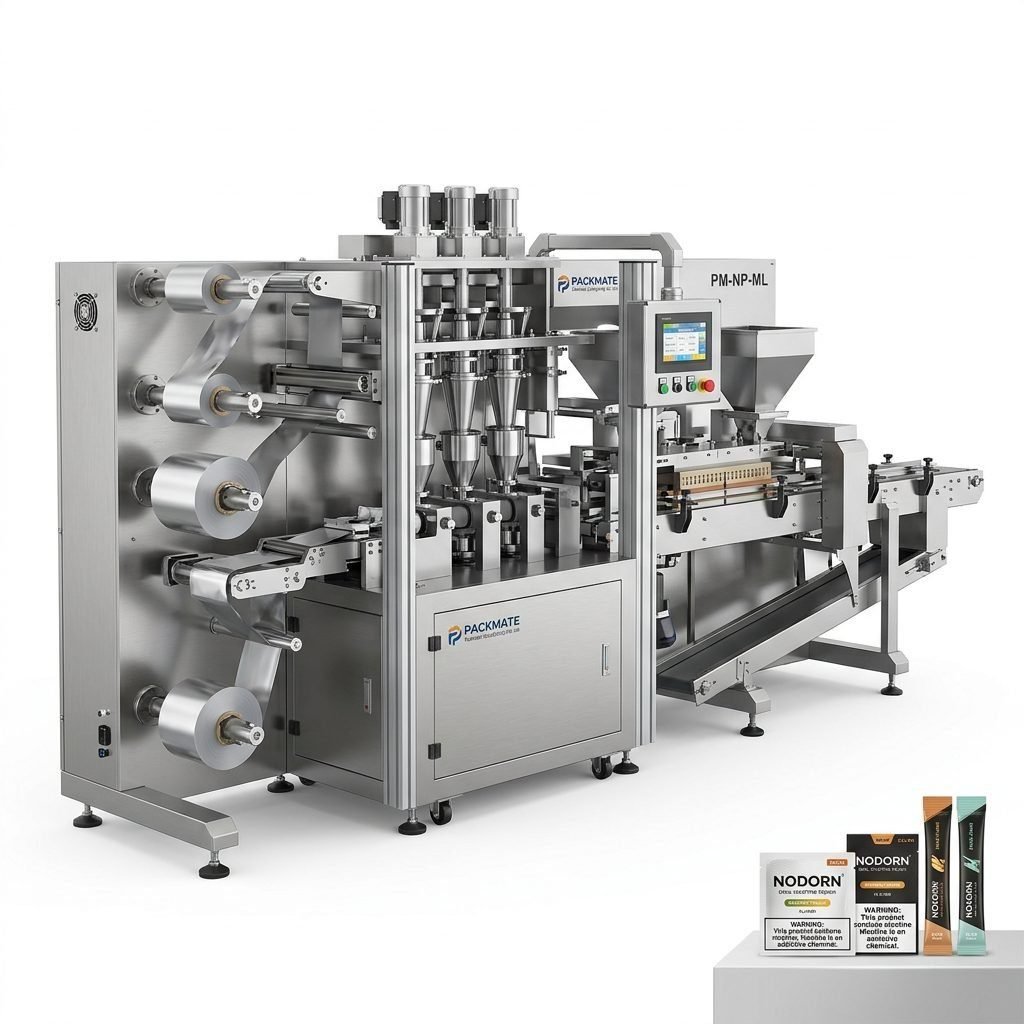
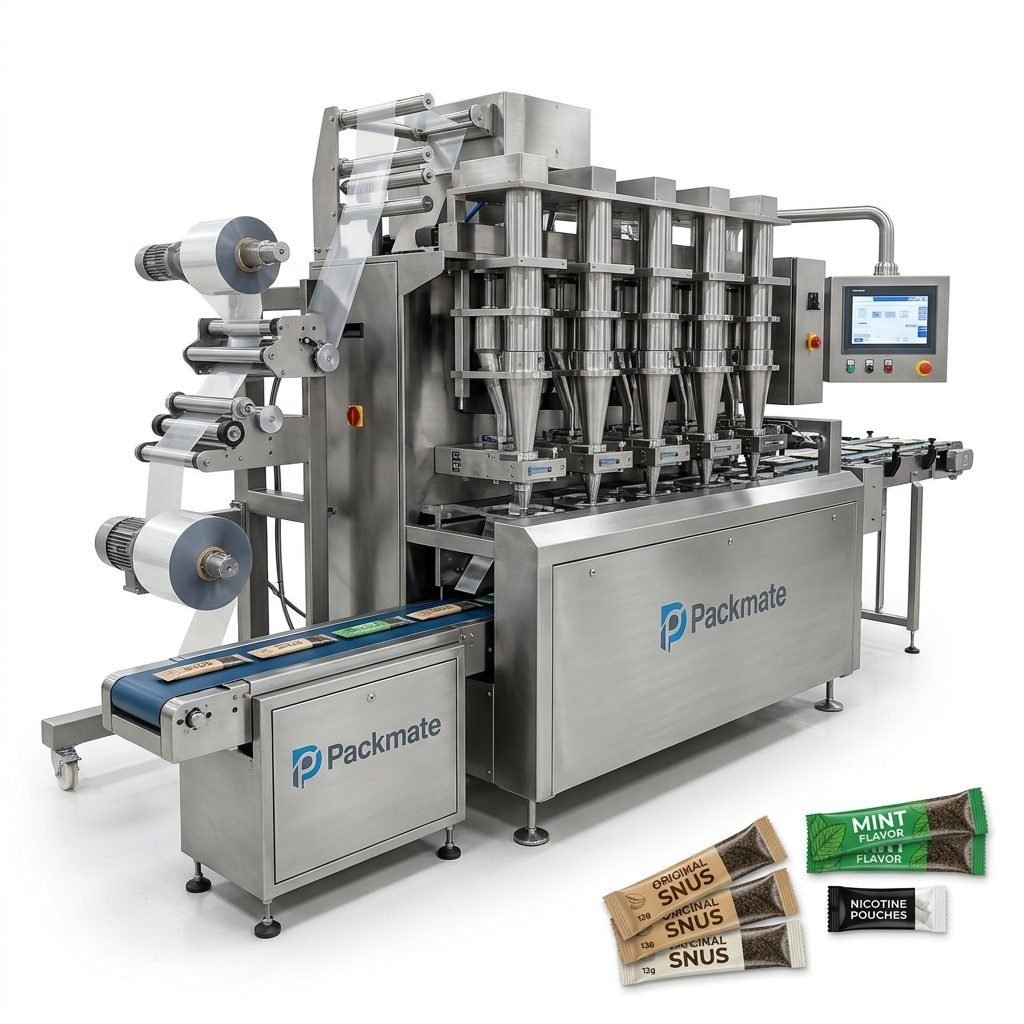
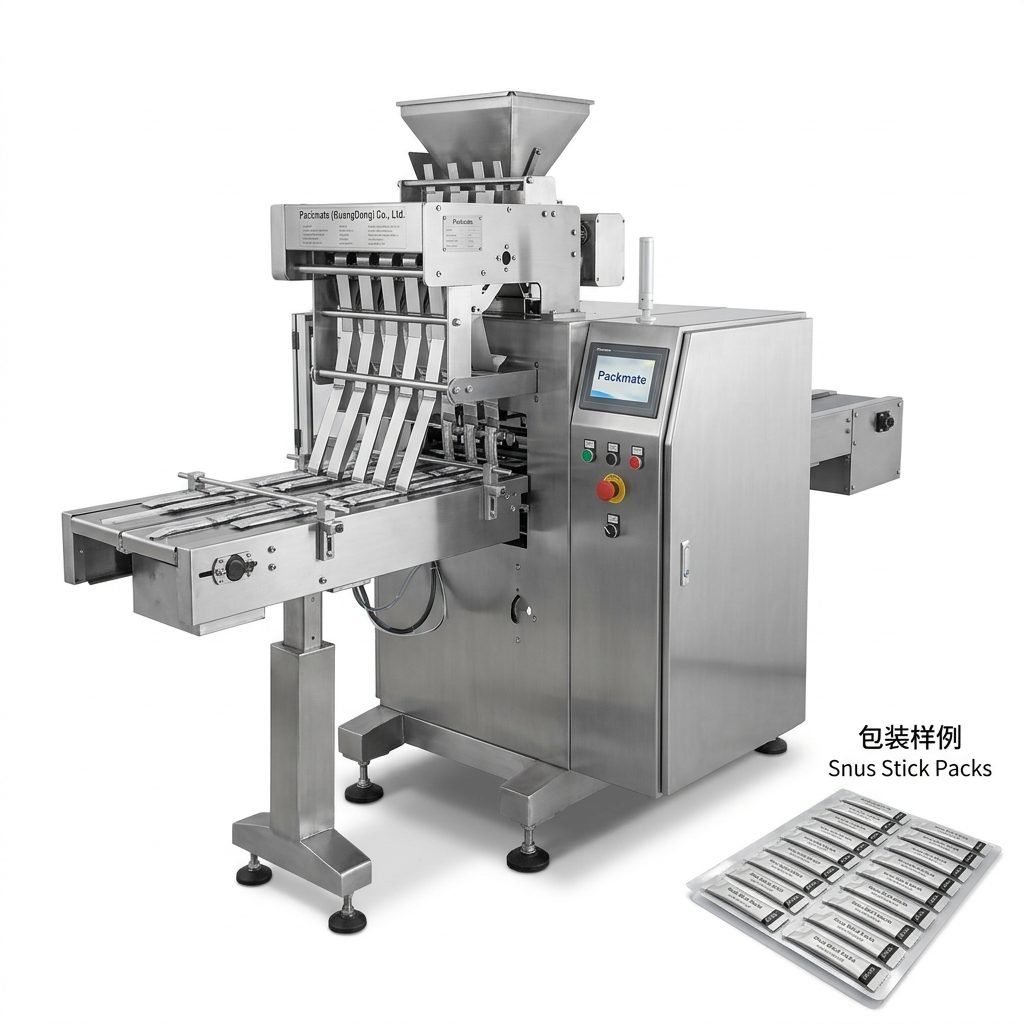
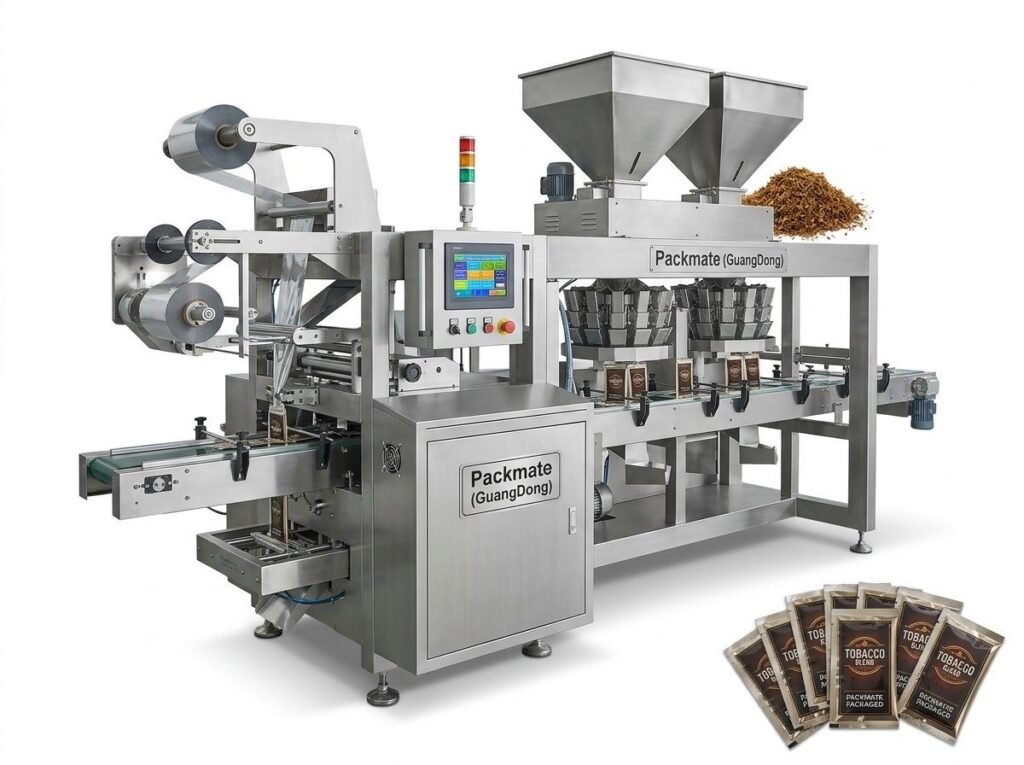
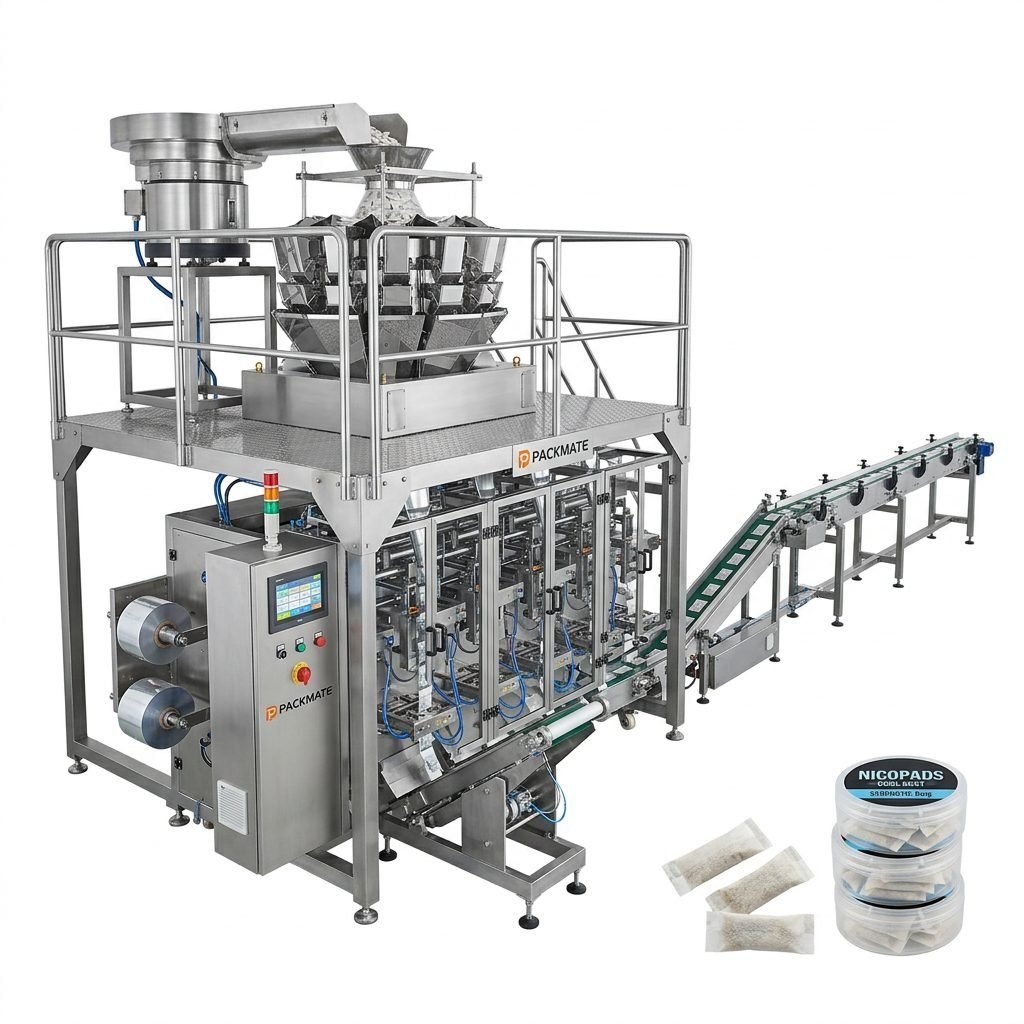
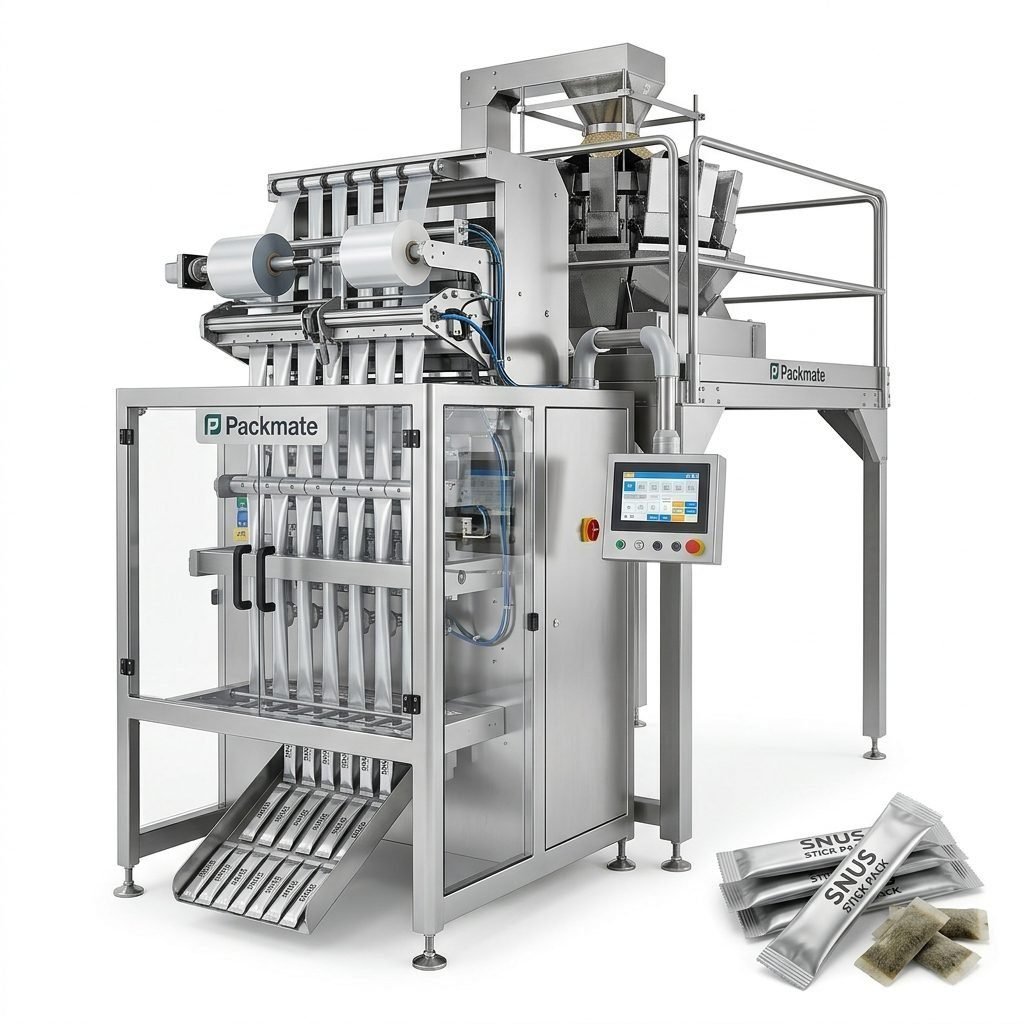
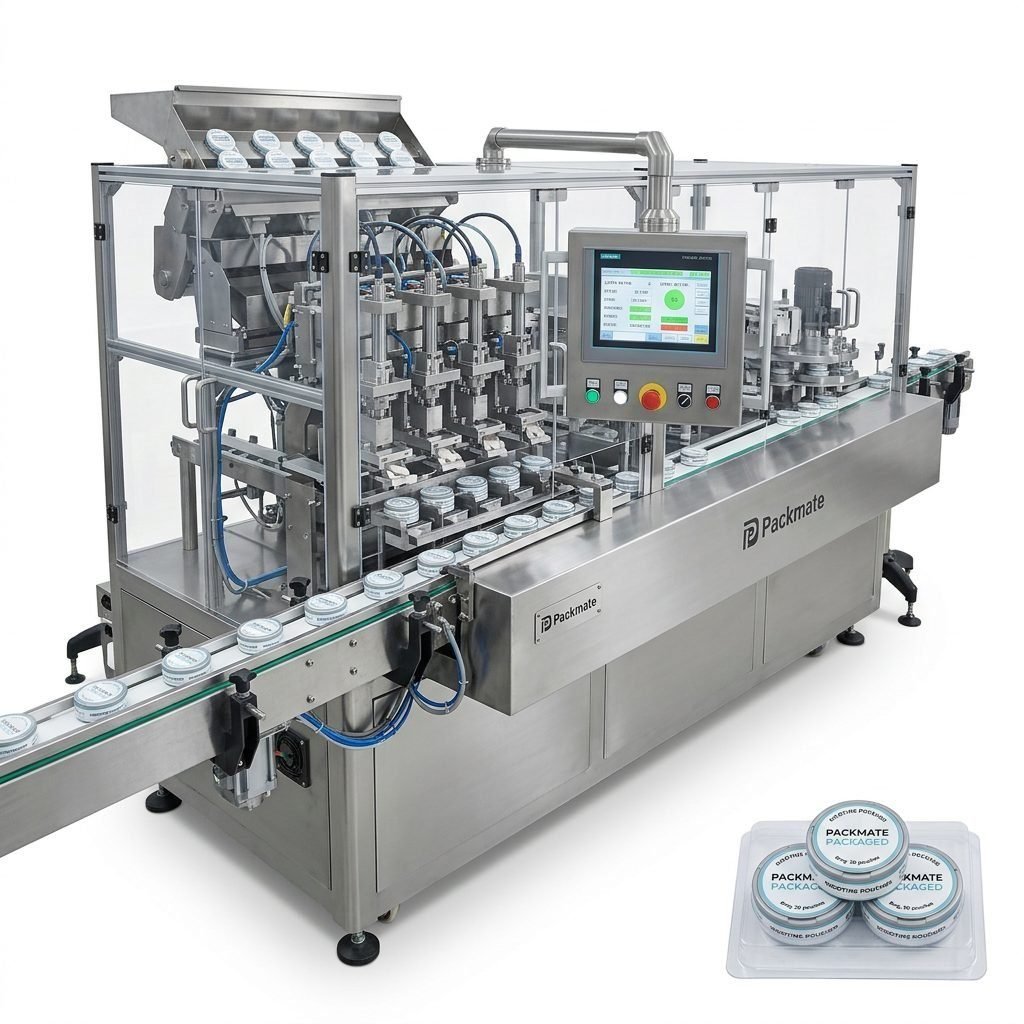
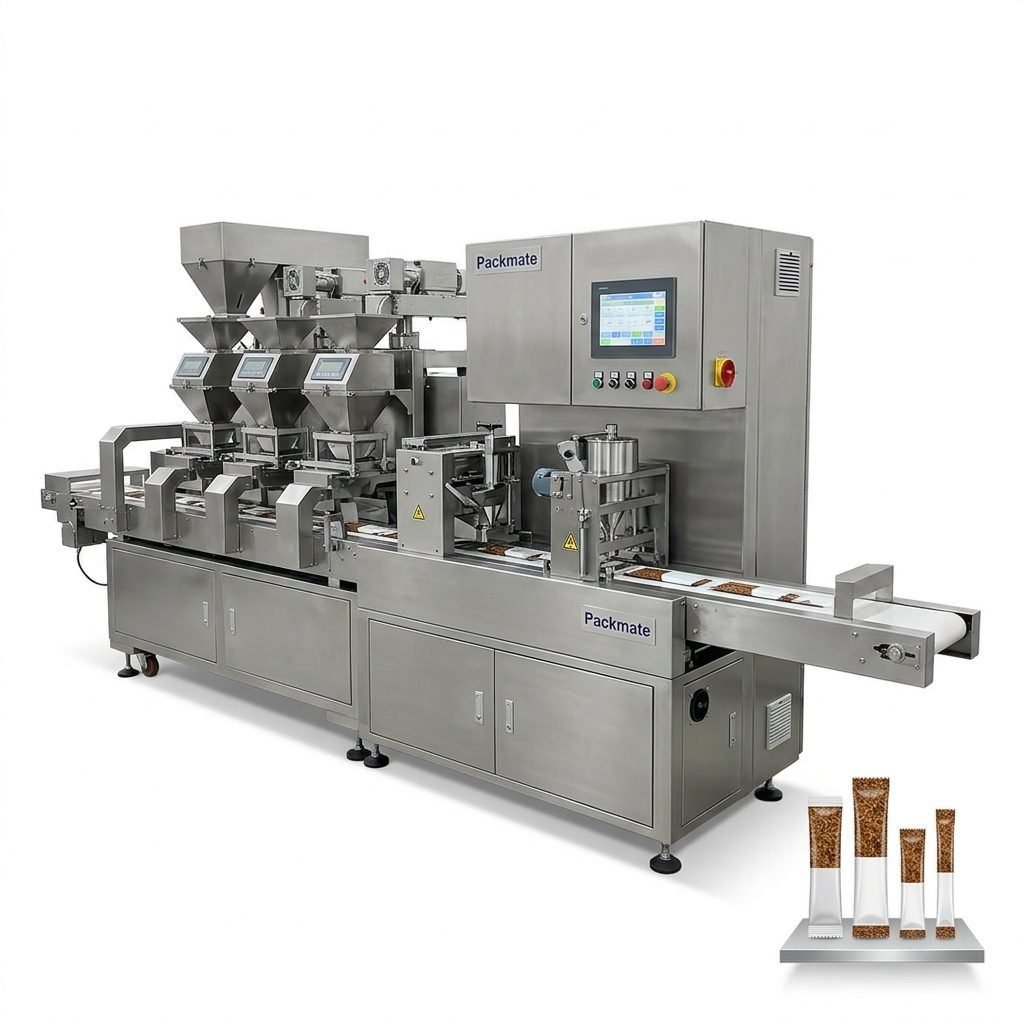
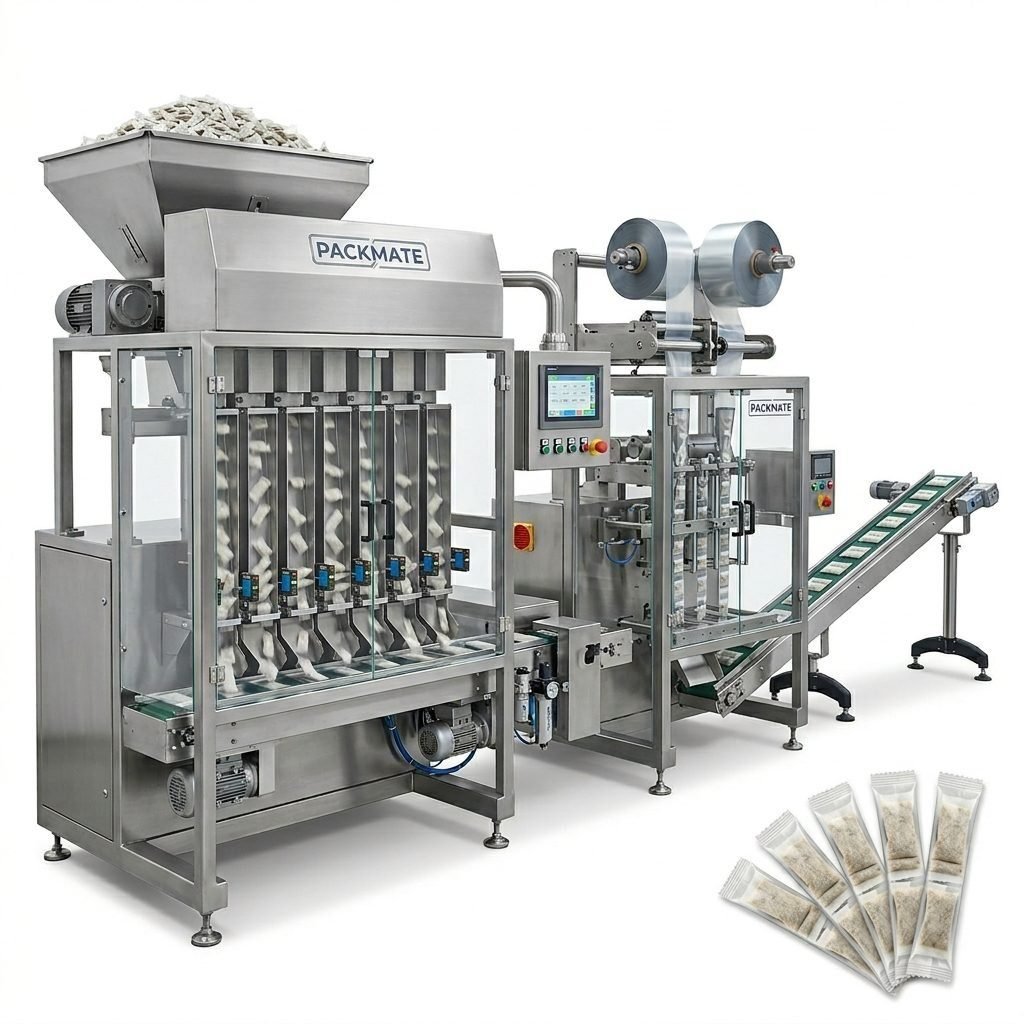
Does the manufacturer offer a broad range of machines—stick pack, sachet, multi-lane systems and integrated filling lines? A manufacturer with diverse options can help you scale from niche runs to high-volume production. Check whether the supplier provides specialized snus lines and multi-lane solutions optimized for small-dose pouches.
✅ Example: a supplier with 50+ machine models and turnkey solutions can adapt to different product formats and future growth.
2. Proven industry experience and manufacturing strength
Long-standing engineering experience (e.g., companies with 20–30+ years) often translates into mature machine designs, robust control systems, and a history of continuous improvement. Manufacturing capacity—CNC machining centers, precision assembly lines, and large factory floors—indicates the ability to produce consistent quality and deliver on time.
📌 Practical check: Ask for a factory tour (virtual or in-person), photos of CNC centers, and assembly lines to verify claims such as a 20,000㎡ facility.
3. Quality certifications and regulatory compliance
Make sure the manufacturer adheres to international standards such as CE and ISO for safety and quality. This is essential for exporting or meeting local regulatory expectations in Uzbekistan. Also confirm compliance with hygiene and material-contact standards relevant to food- and pharma-grade nicotine pouches.
4. Customization and R&D support
Your packaging needs might require tailored solutions—different pouch sizes, materials, or lane counts. Prioritize manufacturers with an active R&D program and the ability to customize machines or deliver fully automated turnkey lines.
Tip: Request examples of custom projects or case studies showing adaptation to specific product formats.
5. After-sales service, spare parts, and training
In Uzbekistan, local technical support and fast access to spare parts are crucial. Confirm whether the manufacturer offers:
🔧 On-site installation and commissioning
📘 Operator and maintenance training in a language your team understands
🚚 Spare parts kits, fast shipping options, and remote troubleshooting via video calls
✅ Service expectation: A reliable supplier will include clear SLAs (response time), spare parts lead times, and training schedules as part of the contract.
Commercial considerations: cost, financing, and total cost of ownership
Upfront machine price is only one part of the equation. When assessing suppliers, model the Total Cost of Ownership (TCO) including:
• Energy consumption and utilities for automated lines.
• Spare parts consumption and expected lifetime of wear components.
• Installation, validation, and staff training.
• Downtime risk and potential penalties for late deliveries to partners or retailers.
Consider asking suppliers about financing options, leasing solutions, or staged payments tied to performance milestones—particularly useful for new market entrants in Uzbekistan.
Technical features to prioritize for snus and nicotine pouch lines
The following technical features help ensure consistent pouch quality, high yield, and safe operation:
✅ Precise dosing and weighing systems for small-dose pouches to minimize product variation.
✅ Multi-lane capabilities to increase throughput while keeping footprint compact.
✅ Hygienic design: easy-clean surfaces, food-grade materials for any contact parts.
✅ Reliable film handling and sealing technologies to prevent leakage and ensure shelf life.
✅ PLC and HMI systems with remote connectivity for diagnostics and updates.
⚠️ Important: For nicotine products, dosing precision and sealing integrity directly affect regulatory compliance and consumer safety. Do not compromise on these subsystems.
Evaluating vendor credibility: documentation and references
Ask potential manufacturers to provide:
• Machine specifications and detailed datasheets.
• Certification copies (CE, ISO) and quality control procedures.
• References or case studies showing installations in similar markets—this helps gauge performance under comparable conditions.
You can review manufacturer project examples and product lines to validate claims. For instance, a supplier who provides a public portfolio or case studies demonstrates transparency and confidence.
Why Packmate-style manufacturers are often favored
Manufacturers with a track record of over 20–30 years, equipped factories, and a wide product range often deliver: predictable lead times, engineering maturity, and tailored turnkey solutions. Their documented certifications and global cooperation cases indicate robust quality systems and export experience—important for Uzbek businesses that may import machines and require customs documentation.
For more detailed product categories, you can explore resources like Snus & Nicotine Packaging Machines, Sachet & Stick Pack Machines, or their Case examples for real installations.
Practical steps to finalize your supplier choice
1) Narrow candidates to 2–3 based on technical fit and references. 2) Request a formal quotation with clear scope, lead times, and warranty terms. 3) Ask for a Factory Acceptance Test (FAT) or demonstration video of the exact model. 4) Agree on installation, training, and spare part packages. 5) Define acceptance criteria and payment milestones.
📌 Negotiation tip: Convert verbal promises into contract clauses—lead times, spare part delivery windows, training scope, and acceptance tests should be documented.
Local considerations: compliance, labeling, and distribution in Uzbekistan
Check Uzbekistan’s local regulations regarding nicotine products, packaging materials, and labeling requirements. Collaborate with local legal consultants to ensure your finished product complies with import rules and retail standards. Additionally, build partnerships with regional distributors who understand retail acceptance and consumer preferences in cities like Tashkent and Samarkand.
Working with a supplier experienced in global markets—who can provide compliant documentation and export-ready certifications—reduces customs delays and eases market entry.
Final checklist before signing
• Confirm machine functionality via FAT or demonstration videos.
• Validate certifications and hygiene standards for product contact parts.
• Agree on spare parts list, initial consumables, and lead times.
• Ensure training, commissioning, and local language documentation are included.
• Lock in warranty, SLA, and payment milestones in the contract.
Where to find more information and reliable suppliers
For additional product lines and technical details, check dedicated pages like Bag & Pouch Packaging Machines and Weighing & Packaging Systems. For company background, certifications, and exhibitions, review the About Packmate and Our Exhibition sections to confirm presence at trade events and real-world demonstrations.
Conclusion
Selecting the best snus packaging machinery manufacturer for your business in Uzbekistan requires a balanced focus on technical capabilities, manufacturing strength, regulatory compliance, and strong after-sales service. Prioritize suppliers with proven experience, transparent documentation, and a demonstrated ability to support local businesses with training, spare parts, and timely service. This approach minimizes operational risk and speeds up market entry while meeting the cultural and regulatory needs of Uzbekistan.
Frequently Asked Questions
Q1: How important is certification (CE/ISO) when importing machines to Uzbekistan?
A1: Certifications such as CE and ISO are very important for customs clearance, safety compliance, and buyer confidence. They also help ensure machines meet international safety and quality standards.
Q2: What after-sales services should I insist on from a snus machine supplier?
A2: Insist on installation support, operator and maintenance training, reasonable warranty terms, a clear spare parts policy, and remote troubleshooting capability.
Q3: Can manufacturers customize machines for specific local pouch sizes and formulations?
A3: Many experienced manufacturers offer customization and R&D support to adapt machines for regional pouch sizes, materials, and dosing requirements. Request case studies or past examples to verify capability.
Q4: How can I reduce machine downtime in a market like Uzbekistan?
A4: Maintain a strategic inventory of critical spare parts, secure a local service agreement, and prioritize remote diagnostics and regular preventive maintenance programs.
Q5: Where can I see real-world examples or contact suppliers for more details?
A5: Visit supplier product pages and case study sections such as Case or contact manufacturer service pages like Service to request demos, datasheets, and references.