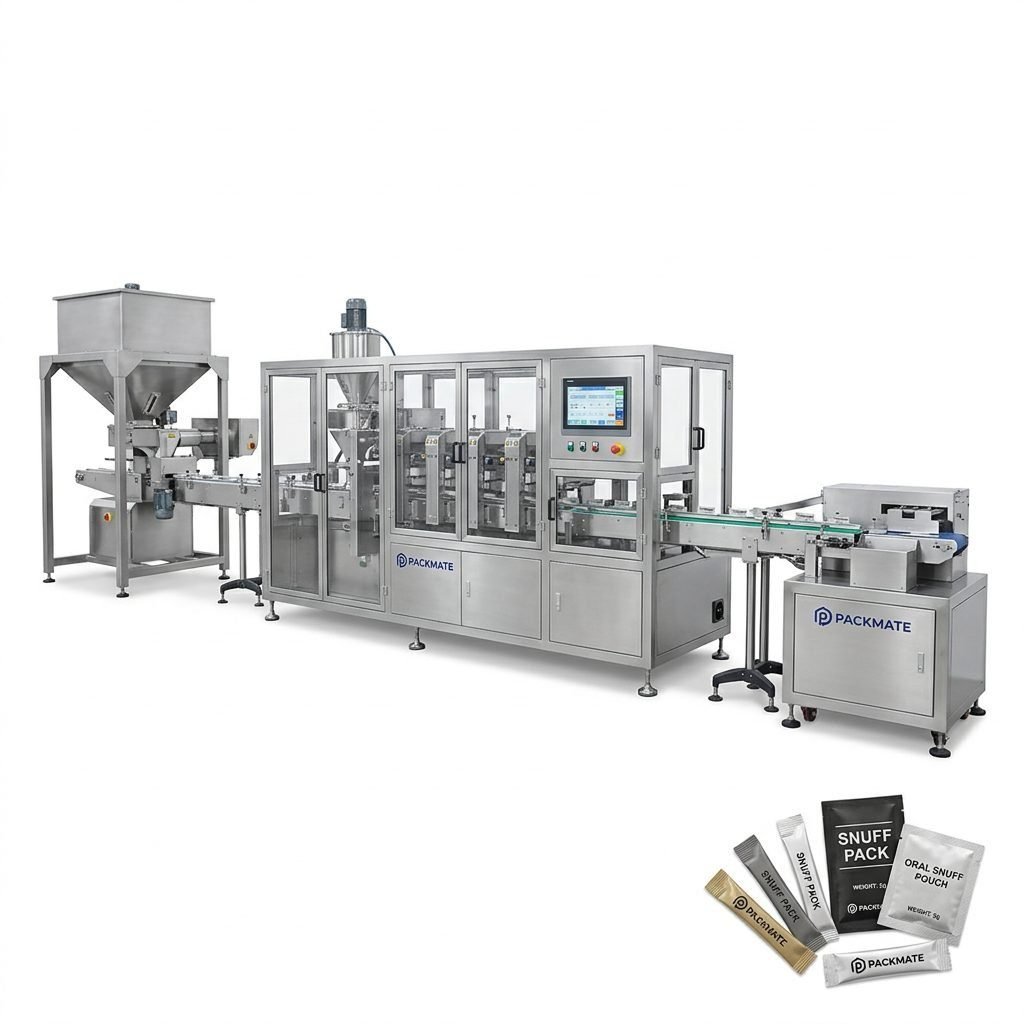
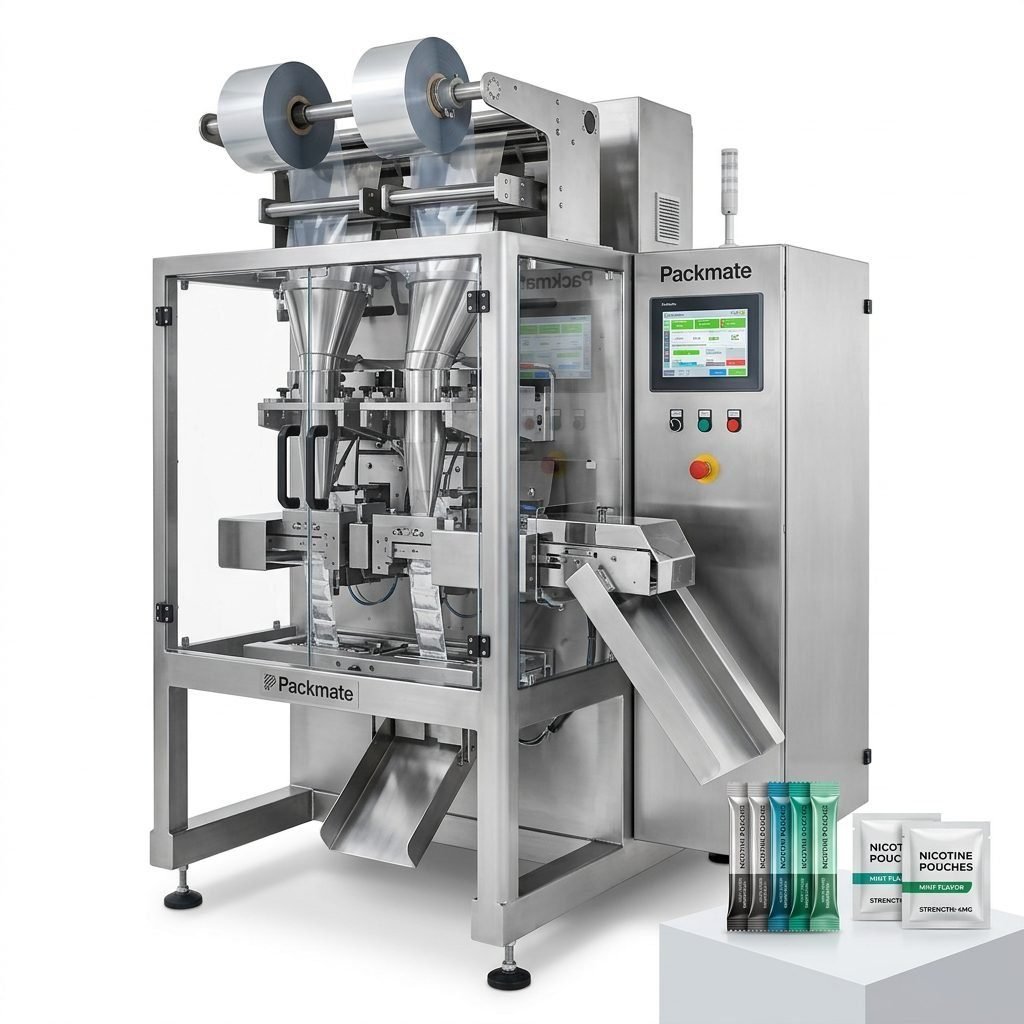
Choosing a reliable nicotine packaging machinery supplier in the Netherlands is a strategic decision that affects product quality, regulatory compliance, operational uptime, and long-term costs. This guide walks packaging engineers, operations managers, and procurement teams through the practical criteria and local considerations you should use when evaluating suppliers — from technical specifications and certifications to after-sales service, logistics and sustainability expectations typical for the Dutch market.
Understand the Dutch context: regulation, quality culture and logistics
The Netherlands is a market where transparency, high manufacturing standards, and environmental responsibility matter. Buyers often expect machines that meet strict European safety and hygiene regulations, deliver predictable uptime, and minimize environmental impact. Logistics also plays a role: proximity to major ports such as Rotterdam and Amsterdam makes fast import and onward distribution feasible, but import paperwork, VAT rules, and end-customer labeling requirements still demand clear supplier coordination.
Why local expectations matter
Dutch manufacturers and packers value:
clear technical documentation,
CE and ISO compliance, and
rapid after-sales response. They also appreciate sustainable design choices that reduce energy use and packaging waste. When you evaluate suppliers, factor in not only machine specs but also their responsiveness and cultural fit for working with Dutch and broader EU clients.
Core technical criteria: what the machine must deliver
Focus assessment on measured performance, repeatability, and flexibility:
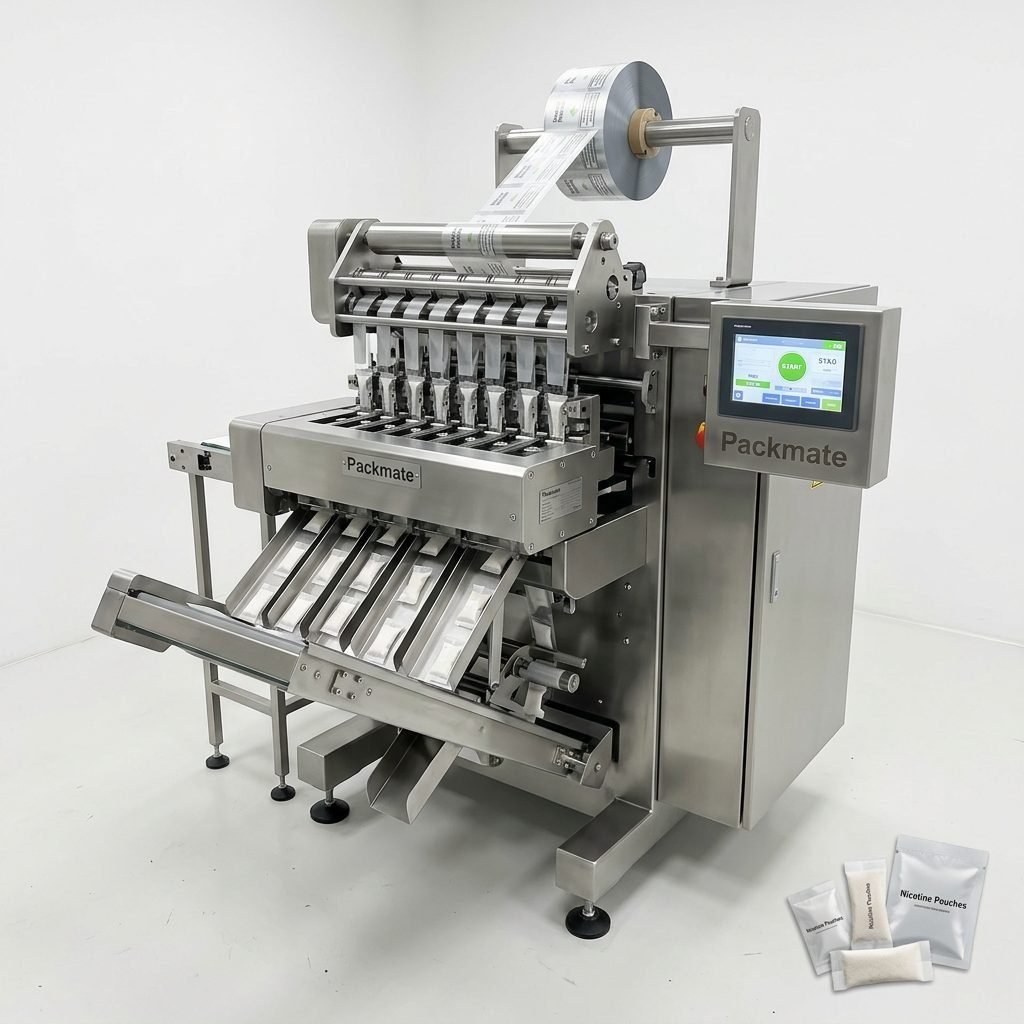
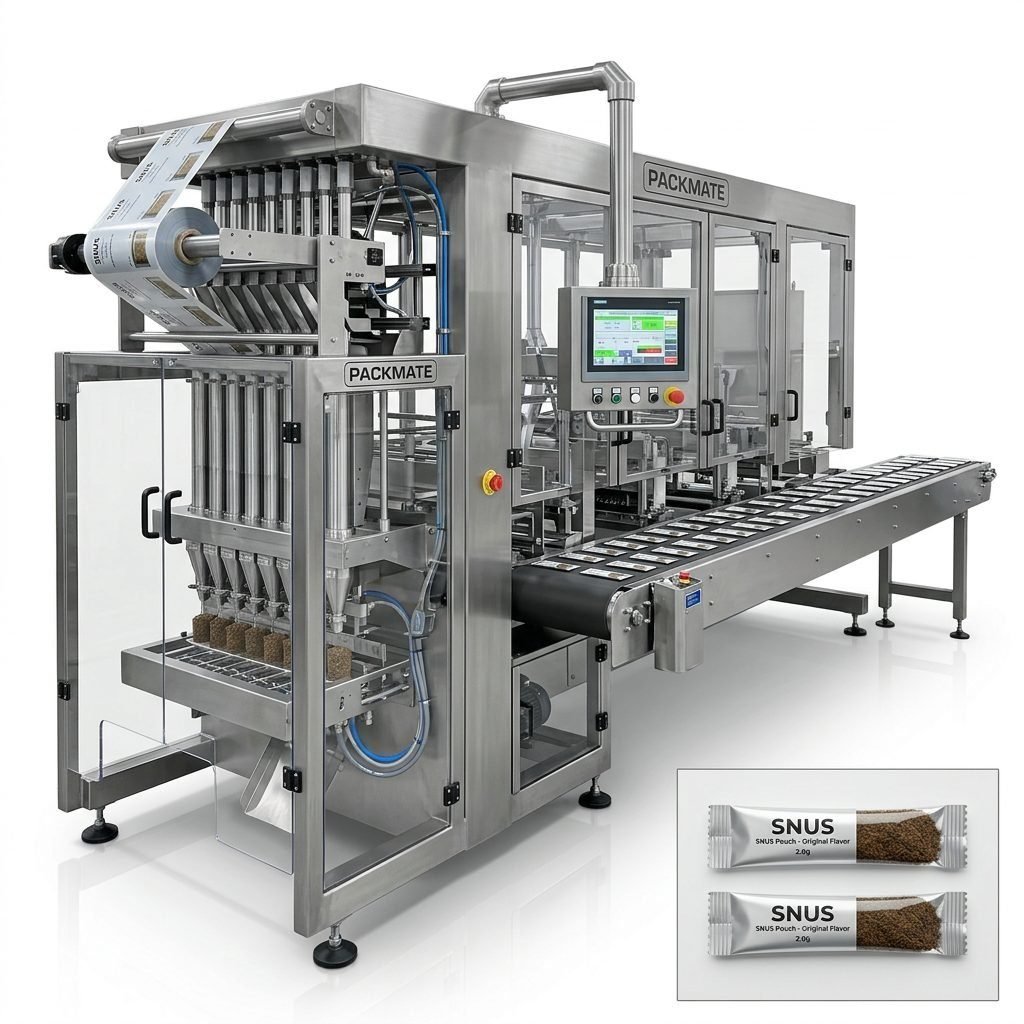
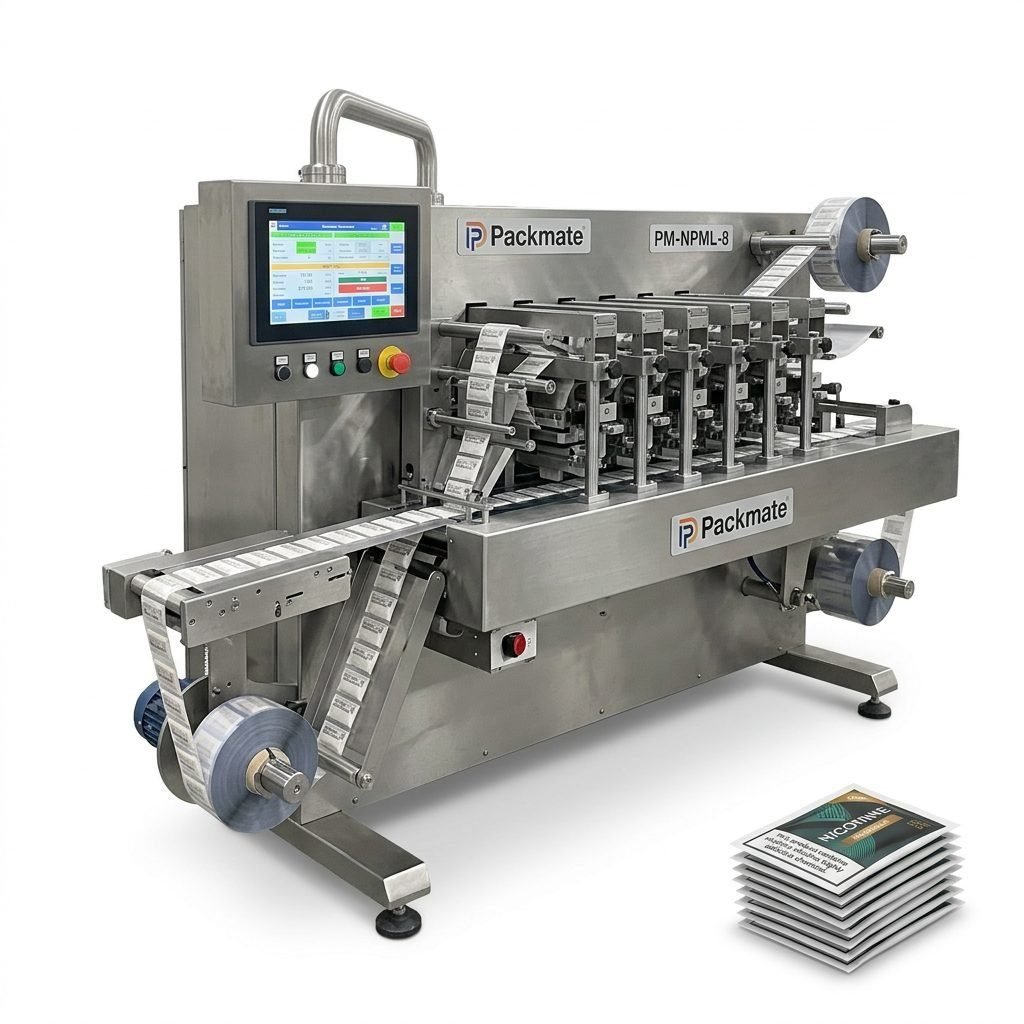
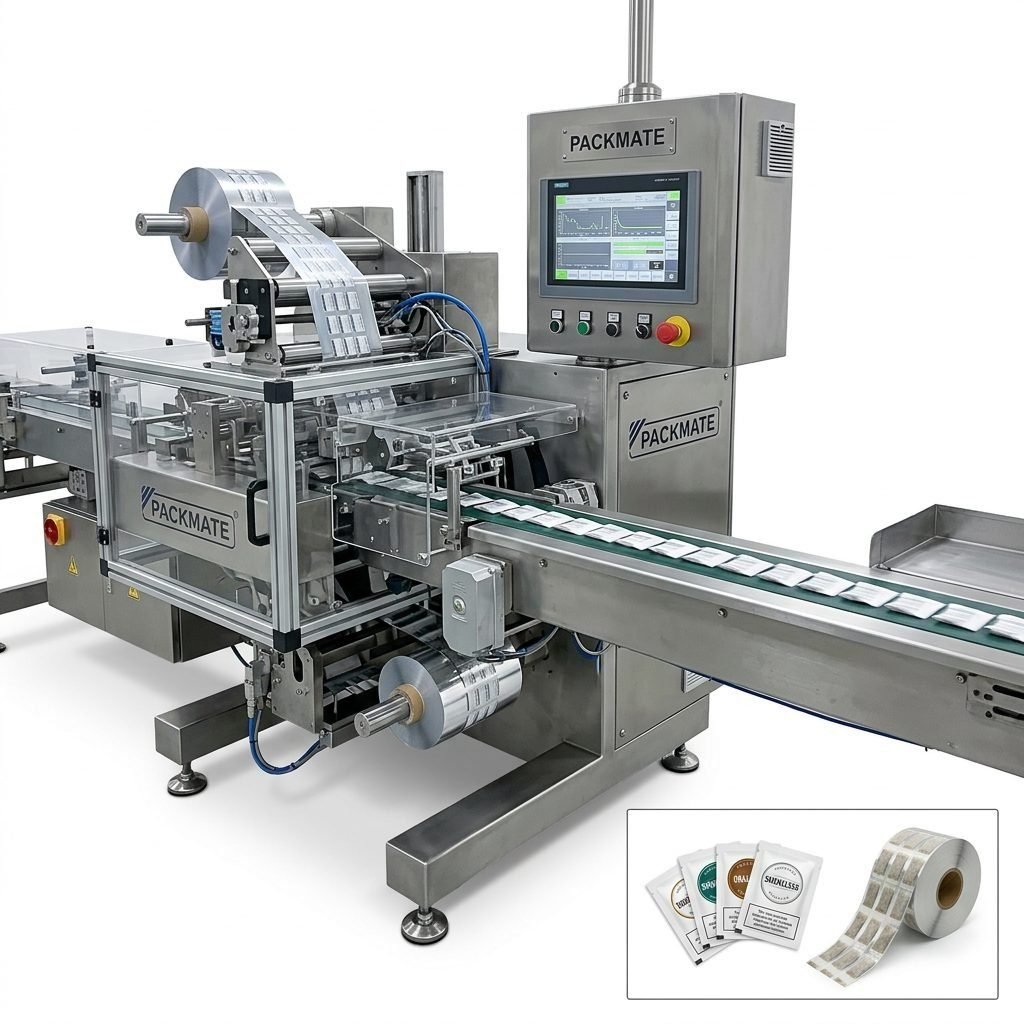
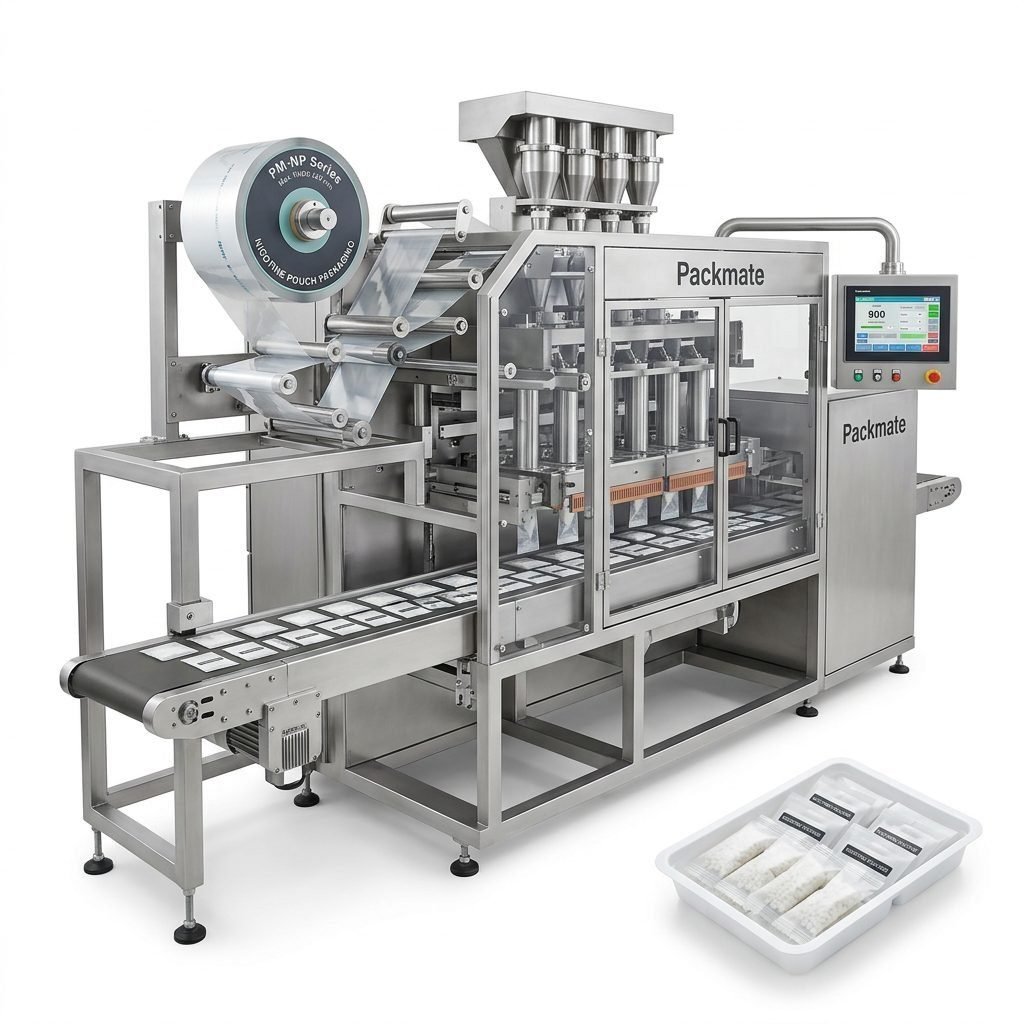
🔍 Throughput and lane configuration — can the machine run multi-lane nicotine pouches or snus formats at the speed you need? Modern providers offer multi-lane systems that increase output without proportional footprint growth.
🔍 Dose accuracy and weight control — nicotine pouches require consistent dosing to meet product claims and regulatory tolerance.
🔍 Changeover time and format flexibility — quick adjustments between pouch sizes and types are essential for short runs and product variety.
🔍 Cleanability and hygienic design — evaluate material contact surfaces and ease of sanitation, especially if the machine will be used in multi-product environments.
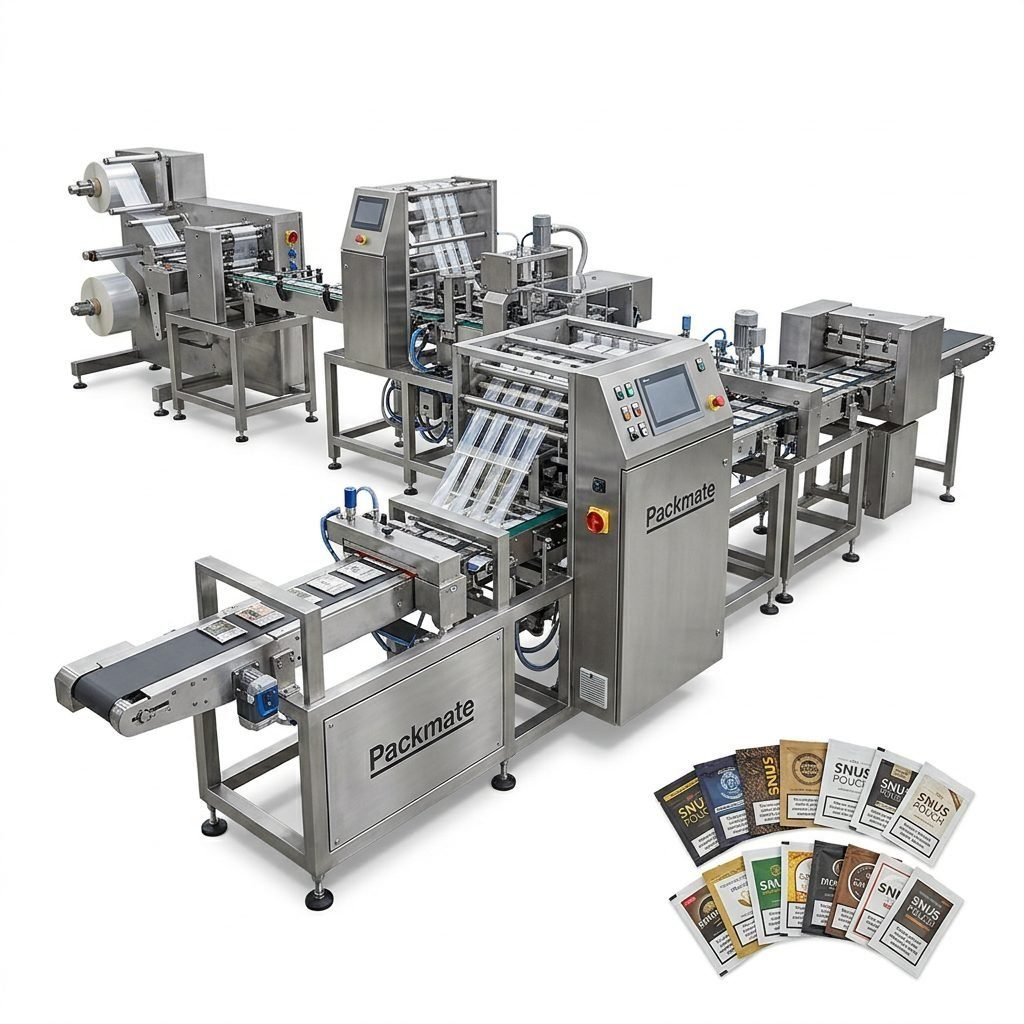
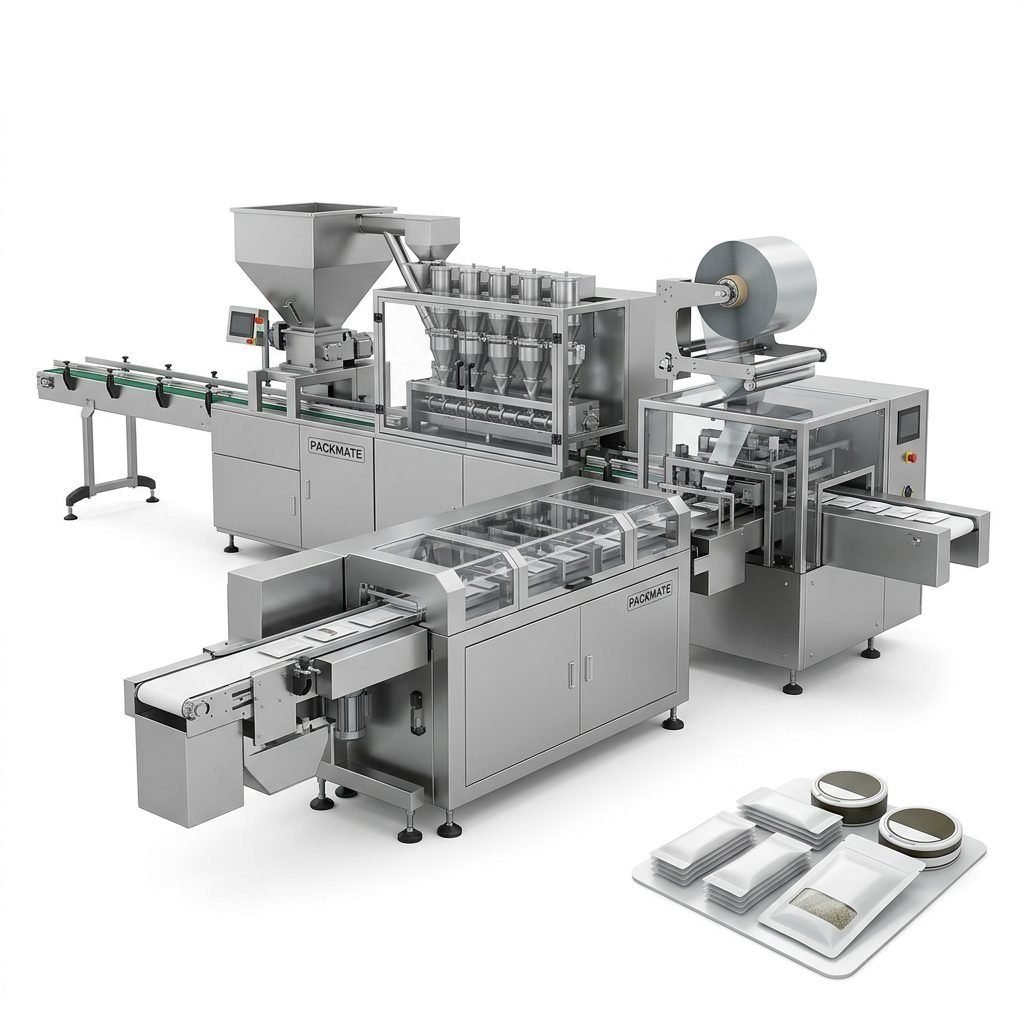
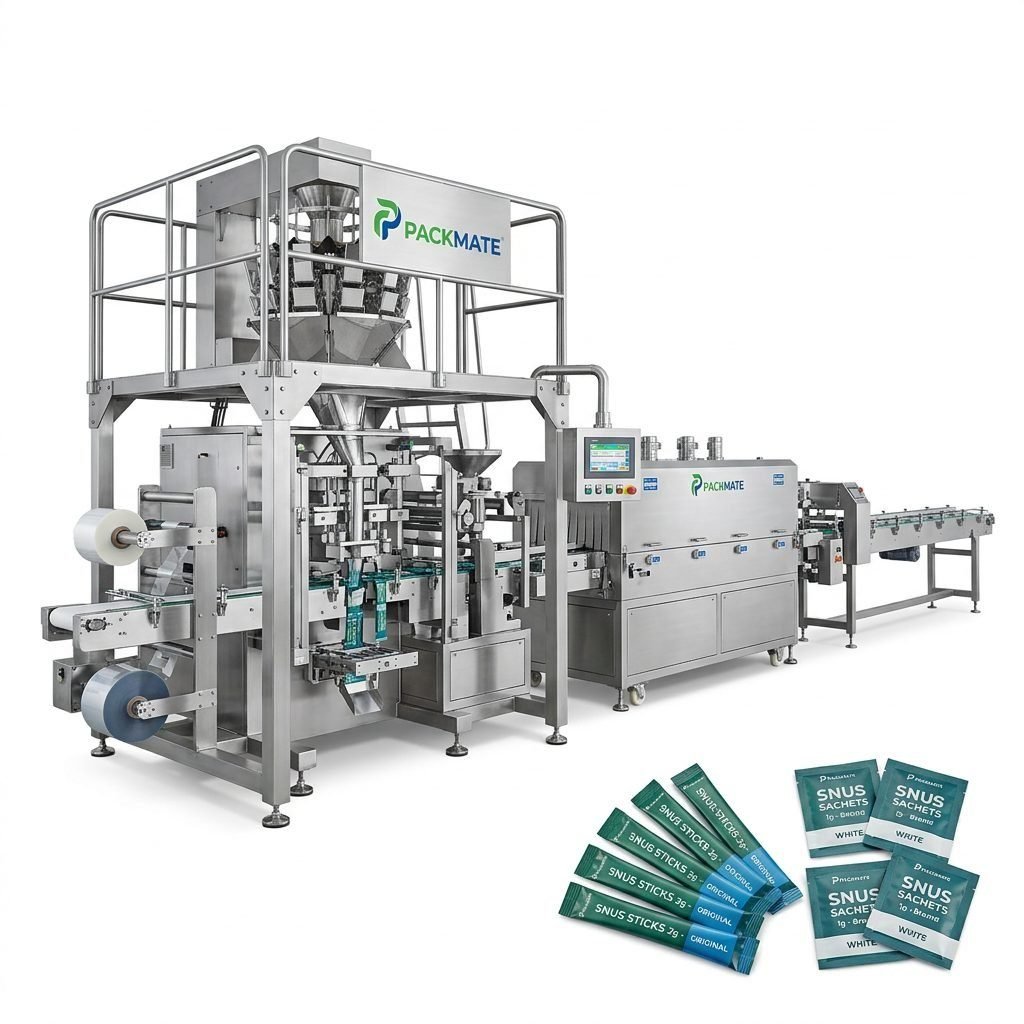
If you need to review models focused on snus and nicotine pouch production, see reputable model ranges such as those listed under Snus & Nicotine Packaging Machines.
Certifications and quality assurance — non-negotiable in Europe
European customers routinely require CE conformity and documented quality systems such as ISO 9001. Ask your supplier for certificates, test sheets, and independent verification for critical subsystems. For nicotine-related products, confirm the supplier understands relevant EU requirements, labeling standards, and potential restrictions that differ between member states.
Packmate highlights include decades of engineering experience and formal certifications — if you need to verify a supplier’s credentials, review their certificates and factory details via their Certificate and About Packmate pages.
Factory capability and delivery timelines
Evaluate the supplier’s production capacity and lead times. A manufacturer with a modern facility, advanced CNC machining and dedicated assembly lines is more likely to deliver consistent builds and meet schedule commitments. Ask for:
✅ Factory pictures and layout (assembly lines, test areas).
✅ Evidence of production throughput and spare-parts inventory.
✅ Typical lead times for customizations and turnkey lines.
Packmate’s 20,000㎡ factory footprint and 50+ machine models are typical examples of the kind of scale that supports both standard models and custom turnkey packaging lines.
Practical factory-check checklist
⚠️ Request factory inspection or third-party audit reports. Confirm testing procedures such as FAT (Factory Acceptance Test) and sample production runs that match your recipes.
⚠️ Verify CNC machining capabilities and spare-parts warehousing to avoid long downtime in the Netherlands.
After-sales support, spare parts and service networks
Dutch customers often expect fast, transparent service. Consider:
🔧 Local or regional service partners for fast dispatch.
🔧 Remote diagnostic capability (VPN or cloud-based telemetry) for quicker troubleshooting.
🔧 Clear availability of critical spare parts and realistic lead times.
Check the supplier’s service offerings and whether they commit to spare-parts stock levels. Explore their service page for maintenance programs and commissioning support, for example Service.
Logistics, installation and Netherlands-specific steps
Coordinate early with the supplier on packing, shipping, customs documentation and installation. The Netherlands’ excellent port and road infrastructure makes distribution efficient, but you should still confirm:
📦 Crate sizes and weight for port handling.
📦 Customs paperwork and CE declarations for import clearance.
📦 On-site installation plan, local electrical and pneumatic interfaces, and operator training schedule.
A trusted supplier will provide a clear installation and commissioning plan and offer on-site training or remote sessions in English or Dutch where needed.
Sustainability and packaging materials — important to Dutch buyers
Sustainability trends influence both the choice of primary packaging materials and machine design. Buyers in the Netherlands often ask for:
♻️ Reduced material waste through precise dosing and optimized film usage.
♻️ Energy-efficient drives and servo systems.
♻️ Compatibility with recyclable or mono-material films to support recycling streams.
Discuss lifecycle energy consumption and options for recyclable packaging with potential suppliers—these considerations often translate into long-term cost savings and better market positioning in Dutch retail channels.
Assessing supplier reliability — verification steps
Use a combination of documented proof and real-world references:
– Ask for customer case studies and references specifically in Europe. Reviewing actual production references shows how machines perform under local conditions — see Case examples where available.
– Request machine performance data from factory acceptance tests and sample product runs.
– Verify company history, size, and technical team qualifications. Packmate’s development timeline and long-term focus on snus and nicotine machines is an example of relevant supplier background — see About Packmate.
Commercial terms, warranties and acceptance testing
Negotiate clear terms for warranty, spare parts, acceptance testing and penalties for missed delivery or performance shortfalls. Key points:
✅ Define FAT & SAT criteria and acceptable tolerances for fill weight, pouch seal integrity and throughput.
✅ Agree warranty period, what it covers (electronics, servos, mechanical wear), and response times for parts.
✅ Confirm training scope, documentation language, and post-installation support.
Quick negotiation checklist
🚢 Include delivery terms, incoterms, and installation responsibilities.
🔧 Require minimum spare-parts stock or a parts lead-time guarantee.
📄 Insist on clear FAT documentation and acceptance criteria before final payment.
Choosing between OEMs and full turnkey providers
Decide if you need a single-source turnkey partner or an OEM that supplies specific machines. Turnkey providers manage integration, auxiliary equipment and line-level testing, reducing your management overhead. If you prefer modular procurement, ensure tight coordination between vendors for conveyors, checkweighers and secondary packaging machines. For multi-machine integration and full packaging lines, review offerings like Filling & Packaging Lines and associated auxiliary equipment.
How Packmate-style suppliers can address Netherlands needs
Suppliers with long-term snus and nicotine packaging experience bring specialized know-how: multi-lane pouch systems, precise dosing mechanisms, and CE/ISO compliance. Look for manufacturers who emphasize engineering, factory testing, and international support — these strengths reduce integration risk and accelerate time to market.
If you need to make contact to clarify technical details or arrange factory visits, use direct channels such as the supplier’s Contact Us page.
Final selection steps — a recommended roadmap
1. Shortlist 3–5 suppliers based on technical fit and references.
2. Request detailed proposals including FAT plans, spare-parts lists and local service options.
3. Conduct remote or on-site factory audits and review machine test videos and sample outputs.
4. Negotiate warranty, delivery, acceptance criteria and training.
5. Schedule FAT, shipping, installation and commissioning with clear milestones.
Key takeaways
Selecting a reliable nicotine packaging equipment supplier for the Netherlands means combining technical capability with regulatory awareness, strong after-sales support, and a commitment to sustainability. Verify certifications, confirm spare-parts readiness, test machines under real conditions, and formalize performance expectations through FAT/SAT and contractual terms.
Frequently Asked Questions
Q: What certifications should I insist on for nicotine pouch packaging machines?
A: At minimum, insist on CE marking and documented quality management (e.g., ISO 9001). For food-contact or hygiene-sensitive lines, ask for material compliance and documentation of sanitary design practices.
Q: How can I ensure fast spare parts delivery to the Netherlands?
A: Require the supplier to commit to stock levels for critical spares or work with local distributors who hold parts. Establish lead times in the contract and consider dual-sourcing key items.
Q: Should I perform a factory acceptance test (FAT) in China before shipping?
A: Yes. FAT reduces risk by validating performance and producing sample outputs under agreed parameters. Document FAT results and include acceptance criteria in your purchase agreement.
Q: What local considerations are unique to the Netherlands?
A: Dutch buyers prioritize sustainability, high technical documentation standards, and fast service. The Netherlands’ port infrastructure simplifies logistics, but you should plan for compliance with EU labeling rules and local environmental expectations.
Q: Where can I find more supplier information and product ranges?
A: Review detailed product categories such as Snus & Nicotine Packaging Machines, auxiliary equipment and full line solutions, and always confirm credentials via the supplier’s official pages before committing.