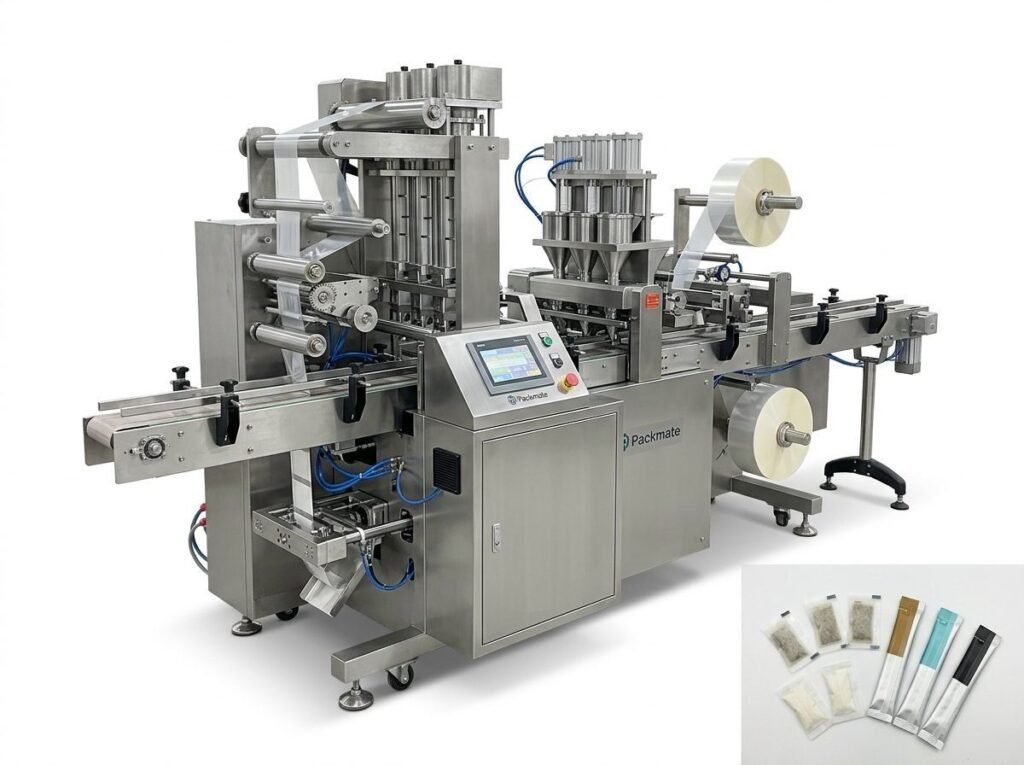
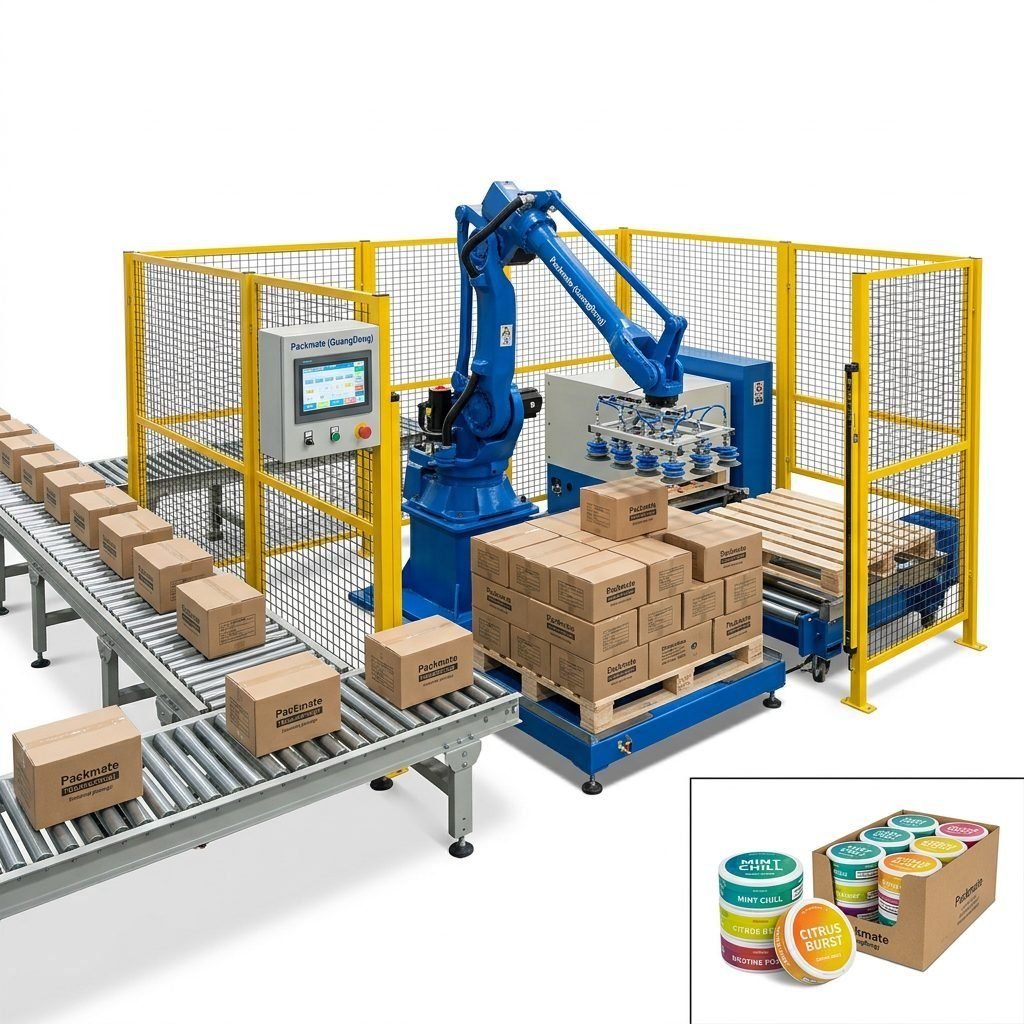
Choosing the right nicotine packaging machine manufacturer for your Southeast Asian production needs requires attention to technical capability, regulatory compliance, local market habits, after-sales service, and the unique environmental and logistical realities of the region. This guide breaks down practical evaluation steps and highlights key decision points so you can select a partner who will deliver reliable machines and long-term support for nicotine pouch, snus and related packaging lines.
Why Southeast Asia Is a Strategic Market for Nicotine Packaging
Southeast Asia (SEA) is a fast-growing market for alternative nicotine products and related consumer goods. Rising disposable incomes, rapid urbanization, and evolving consumption patterns make the region attractive for manufacturers targeting nicotine pouches and snus. However, the region is not uniform: regulatory frameworks, cultural expectations and purchasing preferences vary widely between countries such as Indonesia, Malaysia, Thailand, Vietnam, the Philippines and Singapore. When choosing a manufacturer, take into account both regional dynamics and local specificities.
Key regional considerations
Regulatory variability: Rules on nicotine products differ — some countries have strict bans or evolving rules. Always verify local law before investing in a full production line.
Cultural & labeling expectations: Languages, labeling formats, and marketing norms vary. Consider manufacturers who support multi-language printing and labeling solutions.
Climate & packaging materials: High humidity and heat in SEA affect pouch materials and sealing performance — choose equipment designed for tropical conditions.
Top Criteria to Evaluate a Nicotine Packaging Machine Manufacturer
1. Product Range & Technical Fit
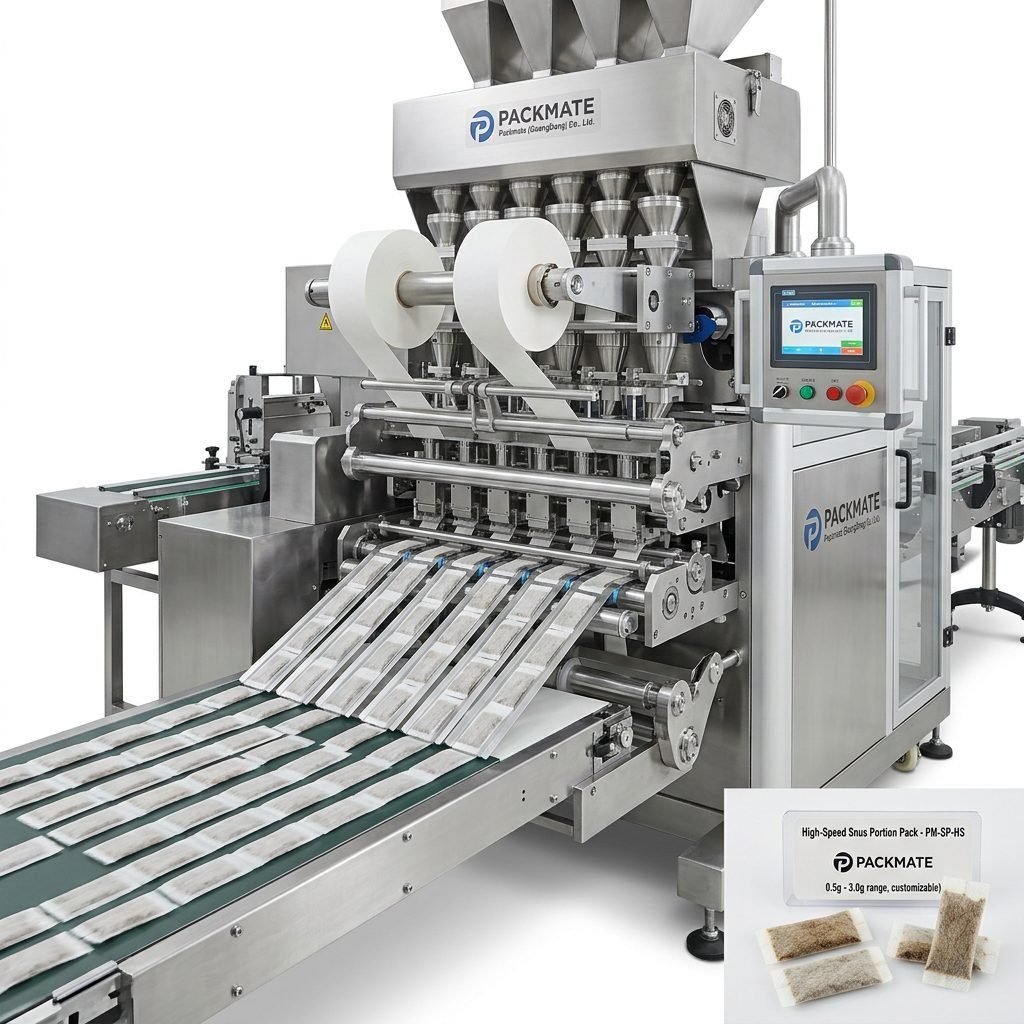
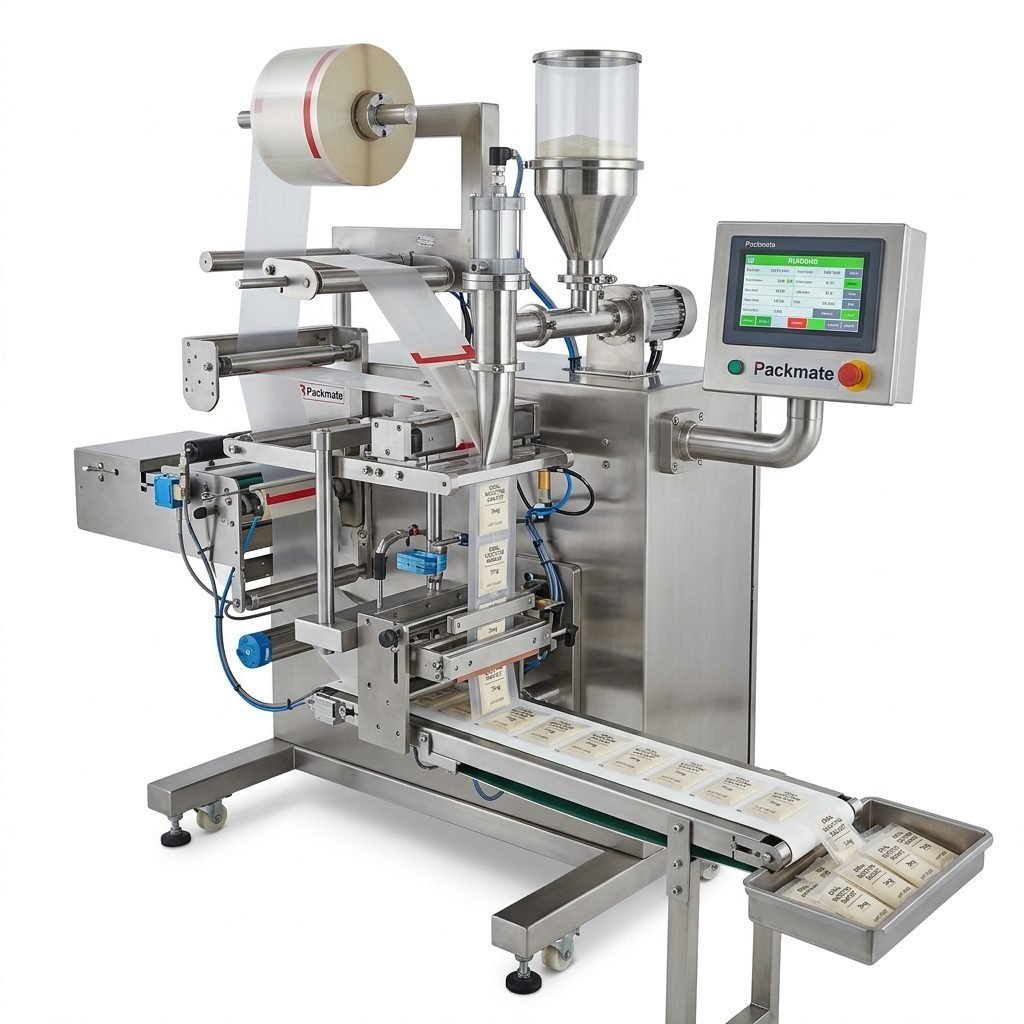
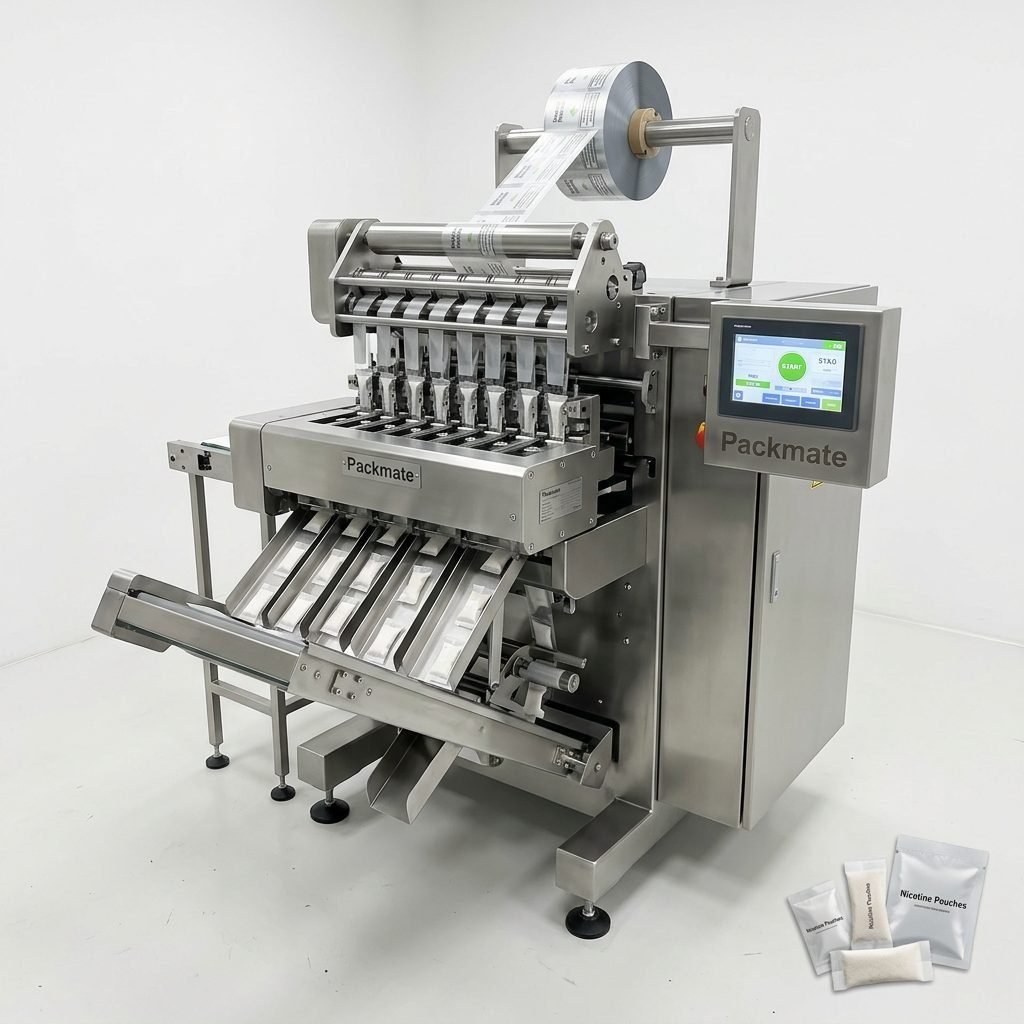
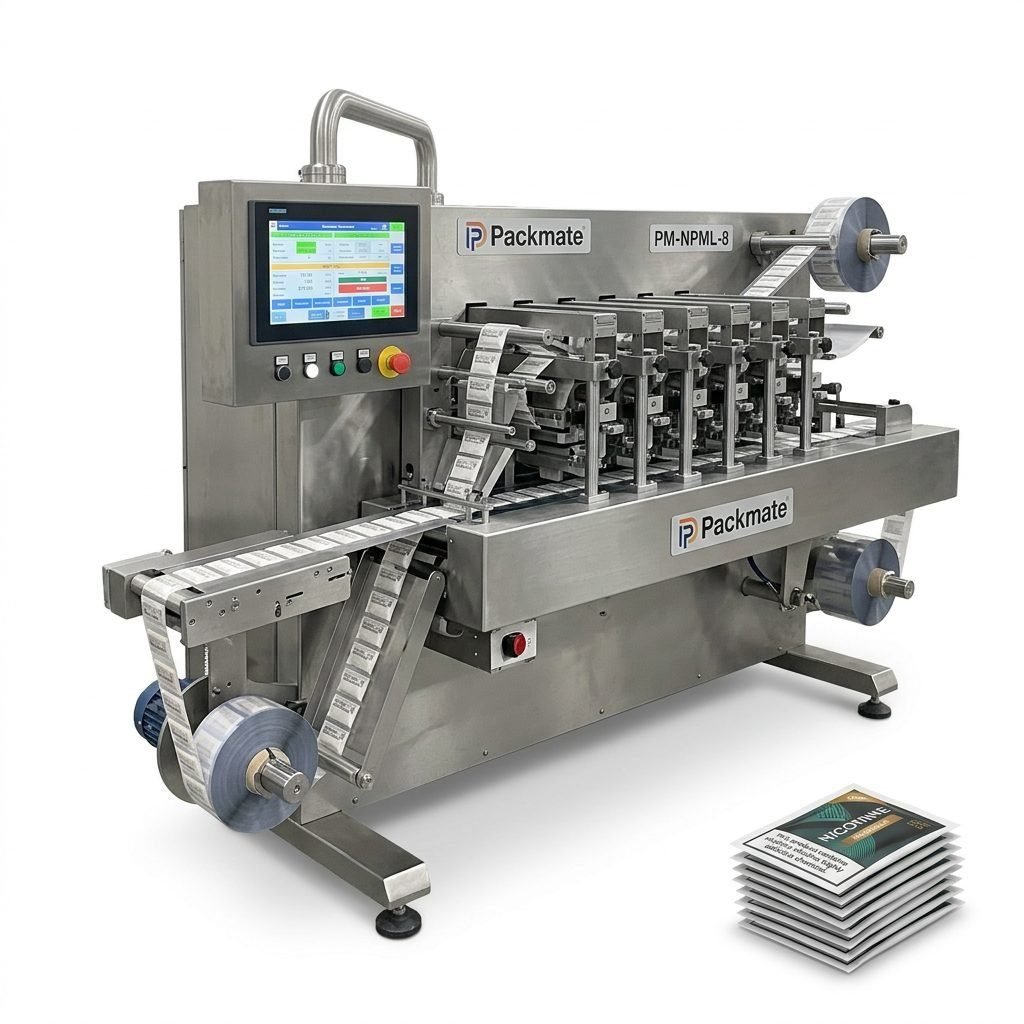
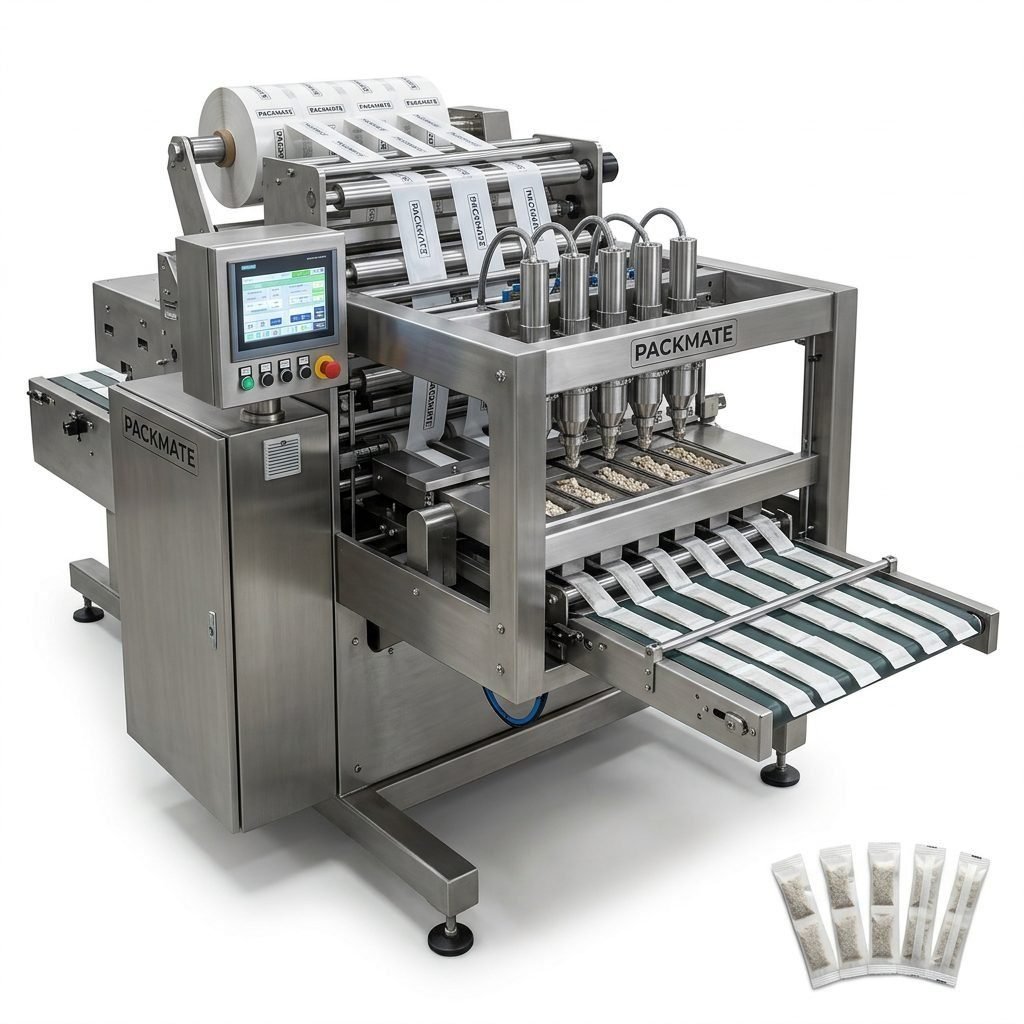
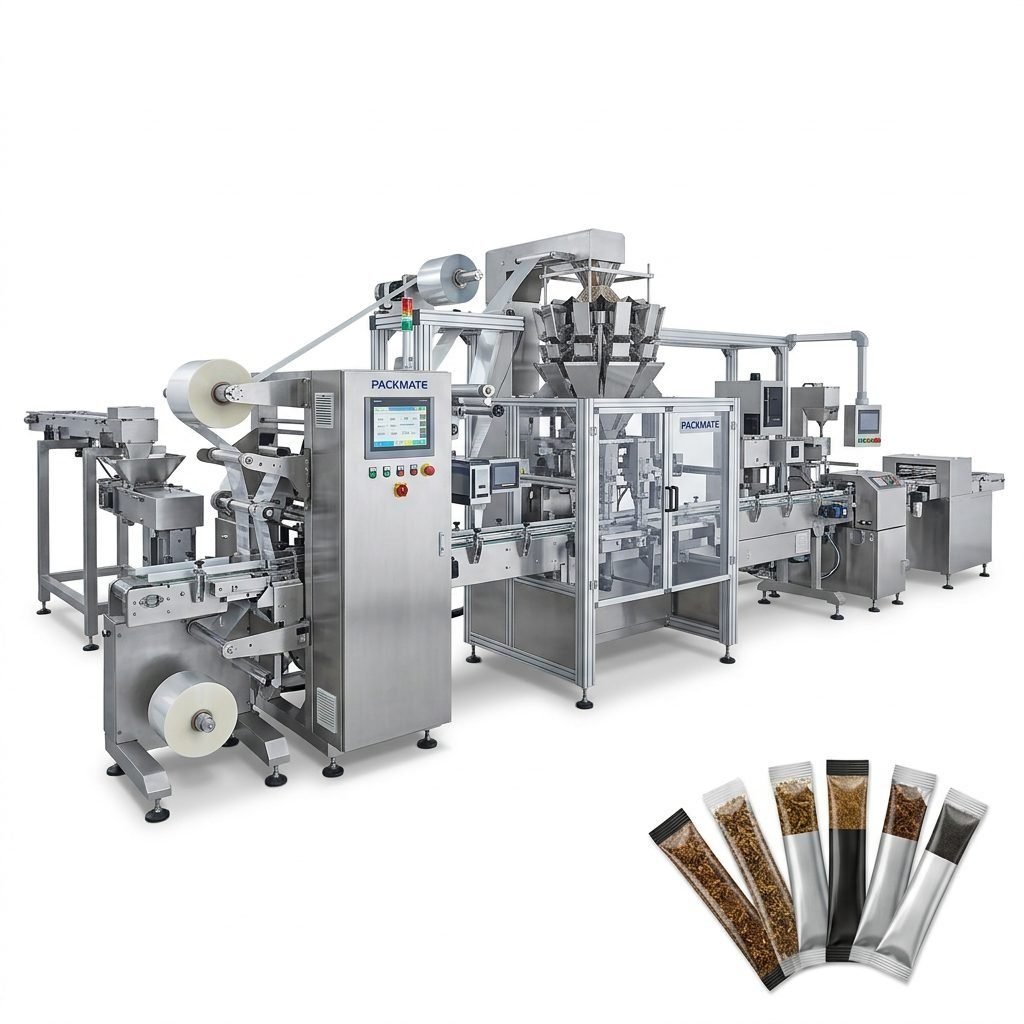
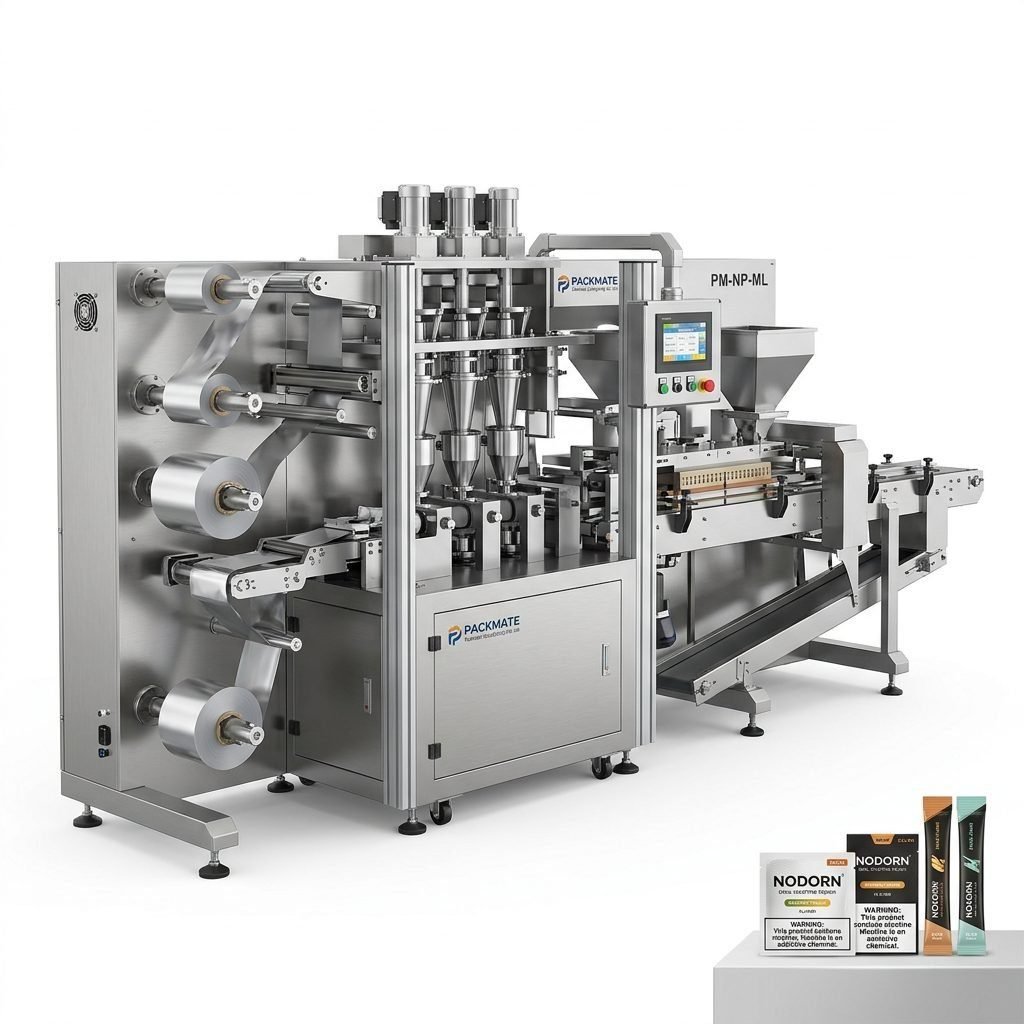
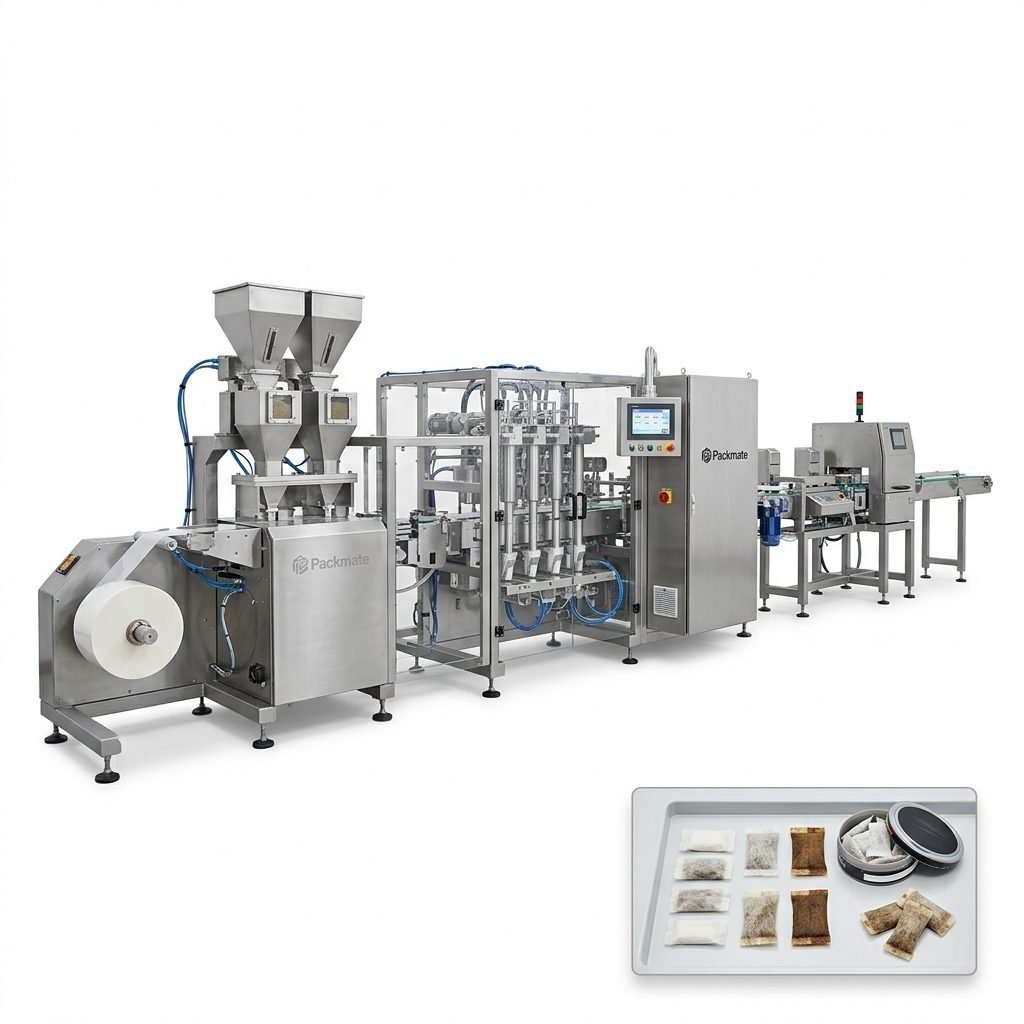
Verify the manufacturer’s machine portfolio and whether it includes systems optimized for nicotine pouches, snus sachets, stick packs, and multi-lane small-dose lines. A robust supplier will offer modular solutions — from single-lane pouch machines to high-speed multi-lane lines — and will provide clear specifications for speed, accuracy, fill ranges, and compatible packaging film types.
For reference, explore product categories such as Snus & Nicotine Packaging Machines and Sachet & Stick Pack Machines to compare features and configurations.
2. Certifications & Compliance
International certifications such as CE and ISO indicate adherence to quality and safety standards. For manufacturers serving SEA markets, factory certifications and documented compliance help smooth customs clearance and reassure local regulators. Check published certificates and request copies of relevant quality documentation.
Visit the manufacturer’s certificate pages when available — for example: Certificate.
3. Manufacturing Strength & Quality Control
Prioritize manufacturers with modern facilities, CNC machining, precision assembly lines, and rigorous QC procedures. A factory that demonstrates systematic testing — such as long-run trials and environmental tests for humid conditions — is more likely to deliver machines that perform reliably in SEA climates.
Tip: Request video of endurance tests and ask for component traceability (motors, PLCs, sensors).
4. Customization & Multi-lane Capability
Nicotine pouches often demand special dosing and sealing techniques. Look for partners with experience in multi-lane small-dose systems and the ability to customize feeders, dosing heads and forming tools. Custom tooling shortens changeover time and makes it easier to produce different sizes and formats for diverse SEA markets.
5. After-sales Support, Spare Parts & Training
In-region support is crucial. Evaluate the manufacturer’s spare-parts policy, warranty terms, remote technical assistance and on-site commissioning services. Ask how quickly replacement parts can reach SEA locations and whether local technicians can be trained for routine maintenance.
Check service offerings: Service and support documentation help anticipate long-term costs.
Operational & Logistical Factors Specific to Southeast Asia
Climate-resilient design
High humidity and temperature fluctuations in many SEA countries accelerate film oxidation and can impact sealing performance. Choose machines with humidity-tolerant sealing systems, active temperature control for critical components, and robust material handling solutions that reduce moisture exposure.
Packaging materials & local supply
Consider whether your chosen pouch films and heat-seal laminates are readily available in the country of production. Local sourcing reduces lead time and import costs. If your manufacturer supports flexible film widths and offers guidance on material selection, this is a strong advantage.
Logistics, customs & import rules
Machines shipped from outside SEA should be packaged and documented to simplify customs clearance. Ask the manufacturer about export packaging, HS codes, and experience in shipping large lines to your country. Local partners or distributors can ease import procedures and arrange in-country installation.
Business & Cultural Considerations in SEA Markets
Halal and religious considerations
In countries with significant Muslim populations (Malaysia, Indonesia), consumers and regulators may expect Halal-compliant processes, even for nicotine-associated products. While nicotine pouches are not food, consider labeling and supply chain transparency to avoid consumer backlash. Manufacturers who can document hygiene and traceability are preferable.
Language & documentation
SEA markets use many languages — Bahasa Indonesia, Malay, Thai, Vietnamese, Filipino and English in business contexts. Ask your supplier to provide manuals, training and spare parts lists in the relevant local languages or in clear English.
Local partnerships & trust
Building a relationship with a supplier who understands local business etiquette leads to smoother negotiations and faster problem resolution. Many SEA businesses prefer long-term partnerships built on face-to-face meetings at trade shows or factory visits.
Assessing Total Cost of Ownership (TCO) — Not Just Purchase Price
TCO includes initial capital, installation, training, spare parts inventory, consumables, energy use, downtime costs, and expected lifespan. A low initial price can be outweighed by frequent breakdowns or incompatible spare parts. Request a breakdown of estimated operating costs and typical MTBF (Mean Time Between Failures) data from the manufacturer.
Factory Visits, References & Case Studies
A factory visit helps verify production capabilities and quality control practices. Ask for client references in similar environments and request case studies that show successful installations in tropical climates or SEA markets. Manufacturer case pages are helpful to review: Case.
Negotiation Points & Contract Essentials
When finalizing the deal, ensure contracts clearly define delivery terms, warranty coverage, scope of commissioning, performance acceptance criteria, training scope, spare-part kits, and penalties for missed milestones. Confirm availability of remote monitoring or IoT diagnostics if you value predictive maintenance.
Why Consider Experienced Global Suppliers
Experienced global suppliers have encountered diverse regulatory environments and climatic challenges. They often provide turnkey solutions that reduce integration risk. If you want to evaluate a mature supplier profile, learn more about their background and mission on pages like About Packmate.
Practical Checklist Before You Buy
🔧 Machine suitability: Confirm speed, lane count, dosing accuracy and film compatibility.
📜 Documentation & certificates: Request CE/ISO and factory inspection reports.
🛠️ Spare parts & service: Verify spare-part lead times and local service options.
🌍 Local compliance: Confirm labeling, tax and import requirements for your target SEA country.
Working With International Manufacturers: Shipping & Installation
If your supplier is based outside SEA, confirm packaging standards for long-distance sea freight, the required installation crew (supplier engineers or trained local personnel), and estimated customs clearance timelines. Ask whether the supplier offers turnkey installation, including electrical layout, utility requirements and operator training.
Many manufacturers showcase their global presence and exhibition schedule — useful for meeting them in person: Our Exhibition.
Making the Final Decision
Balance technical fit, proven reliability, local and regional support, and total cost over expected machine life. Favor manufacturers who provide transparent references, clear test reports, and flexible customization. A well-documented purchase with defined acceptance tests will protect your production timeline and quality targets.
Next Steps & Useful Links
When you are ready to engage, request detailed proposals, ask for on-site or remote demonstrations, and obtain a full parts and service quote. If you wish to explore product lines and request a quote, start with these manufacturer pages: Snus & Nicotine Packaging Machines, Filling & Packaging Lines, and Contact Us.
Final selection reminder
Remember: Regulatory review, climate-appropriate design, solid after-sales support, and local market understanding are typically more important than the lowest purchase price.
Frequently Asked Questions
Q1: Are nicotine pouch machines legal across Southeast Asia? Regulations vary by country and product type. Some markets have strict restrictions or evolving rules. Always consult local regulators or legal counsel before import and production.
Q2: How important is climate adaptation for machines delivered to SEA? Very important — humid-tolerant sealing systems, protected electrical cabinets and material guidance reduce downtime and improve packaging integrity in tropical environments.
Q3: What level of after-sales service should I require? Require documented spare-part lead times, warranty terms, remote diagnostic options and on-site commissioning support. Local service partners or trained local engineers significantly reduce response time.
Q4: Can manufacturers customize lines for multiple pouch sizes and languages? Yes — choose manufacturers who provide modular tooling, multi-lane systems, and multi-language printing/labeling support to adapt quickly to market needs.
Q5: Where can I see real machine examples and references? Ask for case studies, client references in similar climates, and on-site demos. Manufacturer case pages and exhibition schedules often list installations and videos you can review.