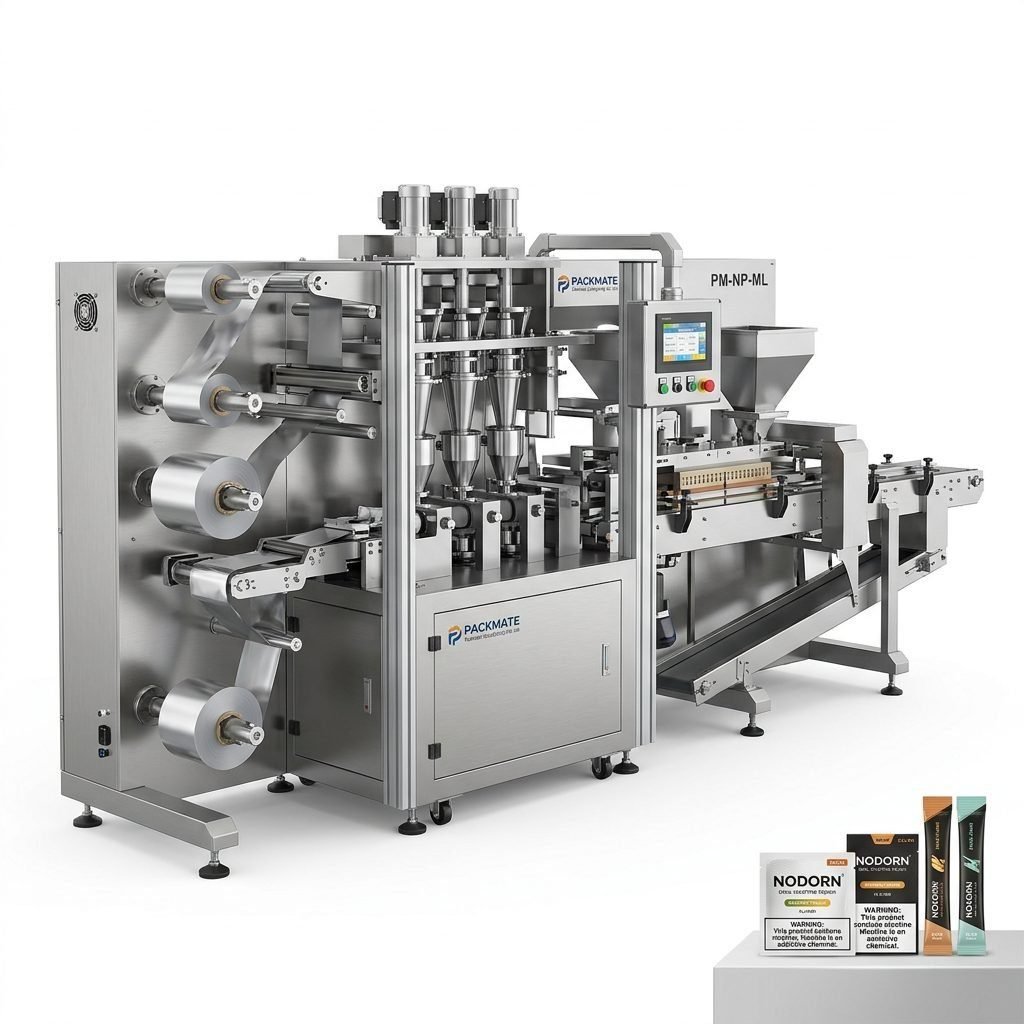
Choosing the right snus packaging machinery supplier in Botswana is a strategic decision that affects product quality, compliance, production efficiency, and long-term profitability. Whether you are expanding a nicotine pouch business in Gaborone, supplying regional retail networks, or launching a private-label snus brand for local tastes, this practical buyer’s guide walks you through the most important considerations — from technical specifications and regulatory fit to after-sales service and total cost of ownership.
Understand Botswana’s Market, Consumers, and Regulatory Context
Botswana’s consumers value trusted brands, discreet packaging, and compliance with health and labeling rules. Importers and manufacturers must consider customs clearance, labeling language (English is widely used), and local distribution channels. In Botswana, business relationships are built on trust and reliability — suppliers that provide clear lead times, reliable spare parts and responsive service are preferred. For operators targeting tourist hubs and urban centers, compact multi-lane machines that can deliver consistent pouch quality at modest volumes are often ideal.
Local customs and practical tips
Business meetings in Botswana often favor punctuality and direct communication. When negotiating equipment supply or commissioning, provide clear timelines, documented warranties and local contact points if possible. Consider stocking essential spare parts locally to reduce downtime caused by shipping from overseas. If you plan to export finished products to neighboring countries, ensure your packaging conforms to regional requirements and that your supplier can offer flexible labeling and pouch formats.
Core Machine Features to Prioritize
When evaluating snus packaging machinery, focus on performance attributes that directly impact your production goals:
🔶 Throughput and scalability: Can the machine handle your required pouches per minute? Look for modular systems that scale by adding lanes or integrating upstream weighing lines.
🔶 Dose accuracy and consistency: Nicotine pouch production demands precise dosing. Evaluate the weighing or volumetric systems and ask for statistical data or test runs.
🔶 Flexibility: The ability to switch pouch sizes, materials (foil, paper, compostable laminates) and sealing types reduces future capital spend.
🔶 Hygiene and cleanability: Stainless steel contact parts, easy-to-clean designs, and enclosed dosing help meet hygiene standards.
Production types and machine families
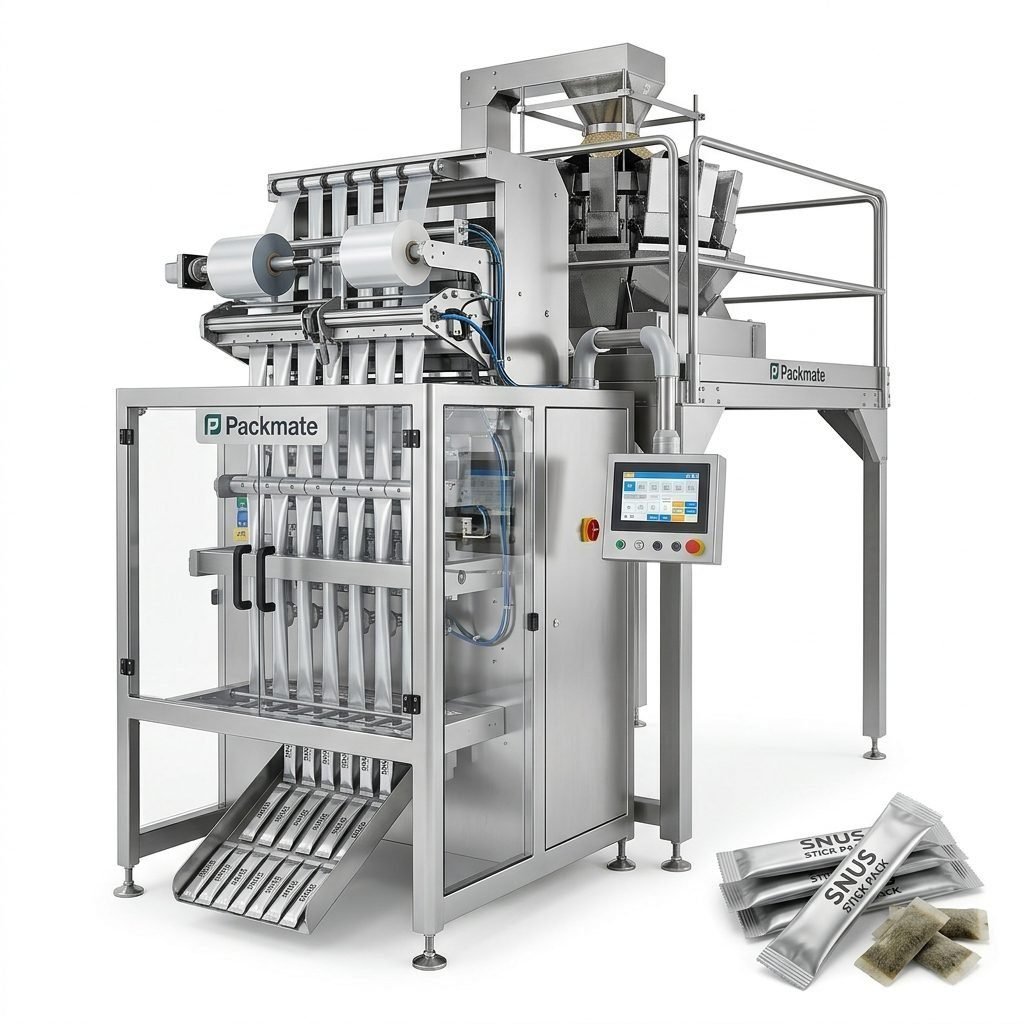
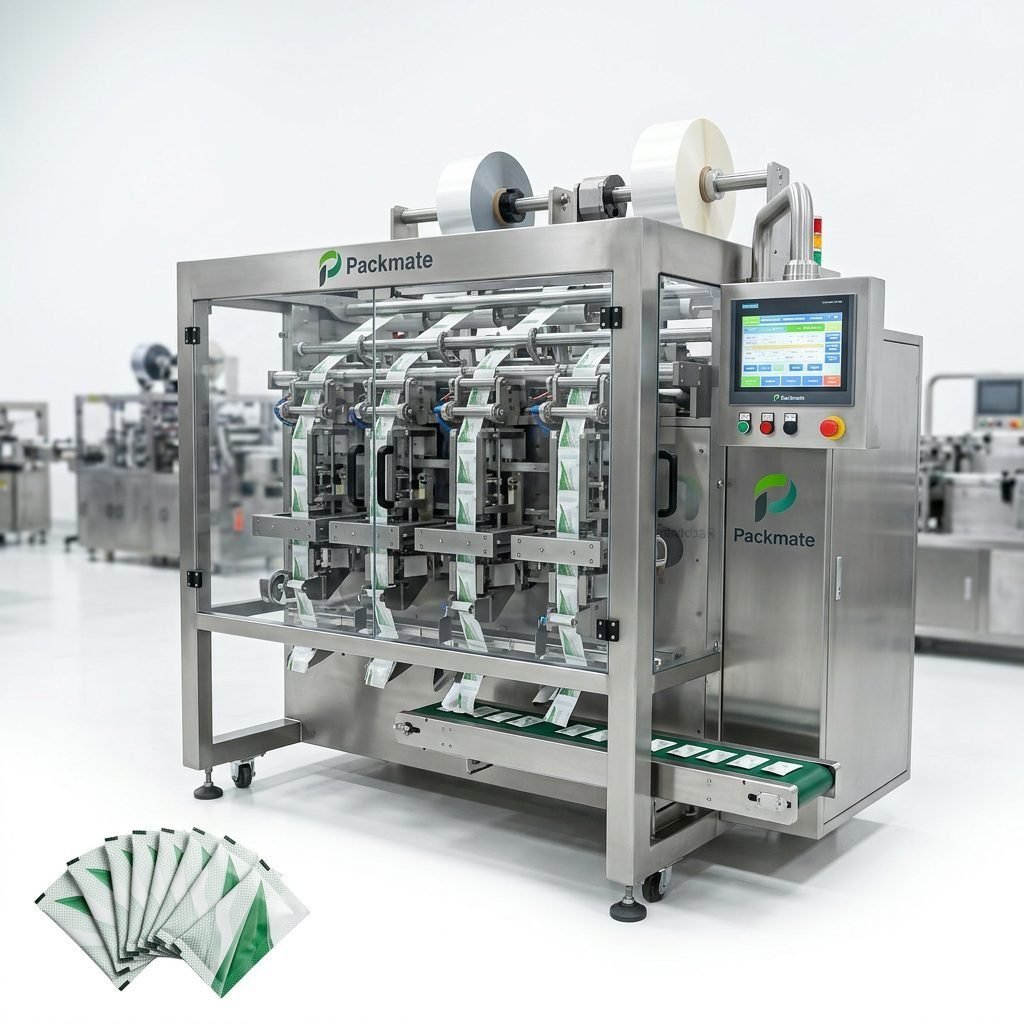
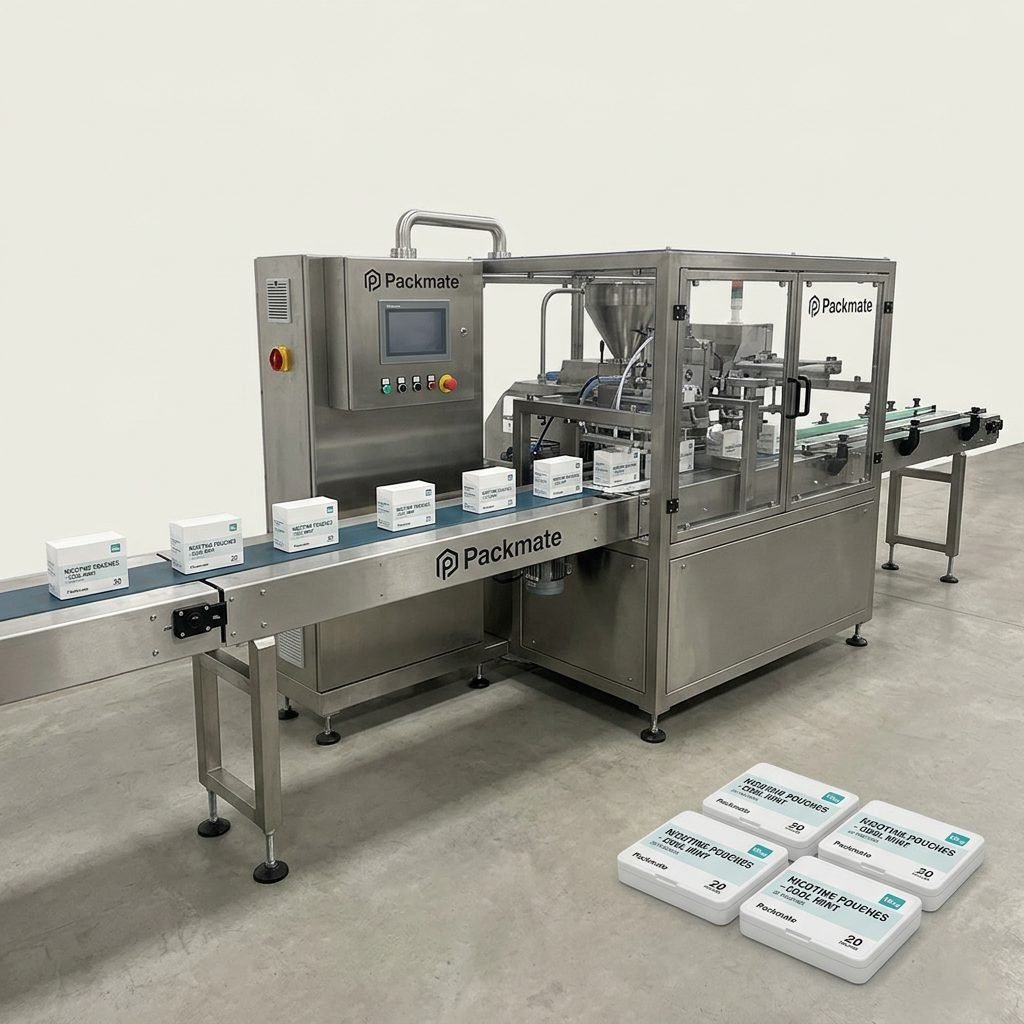
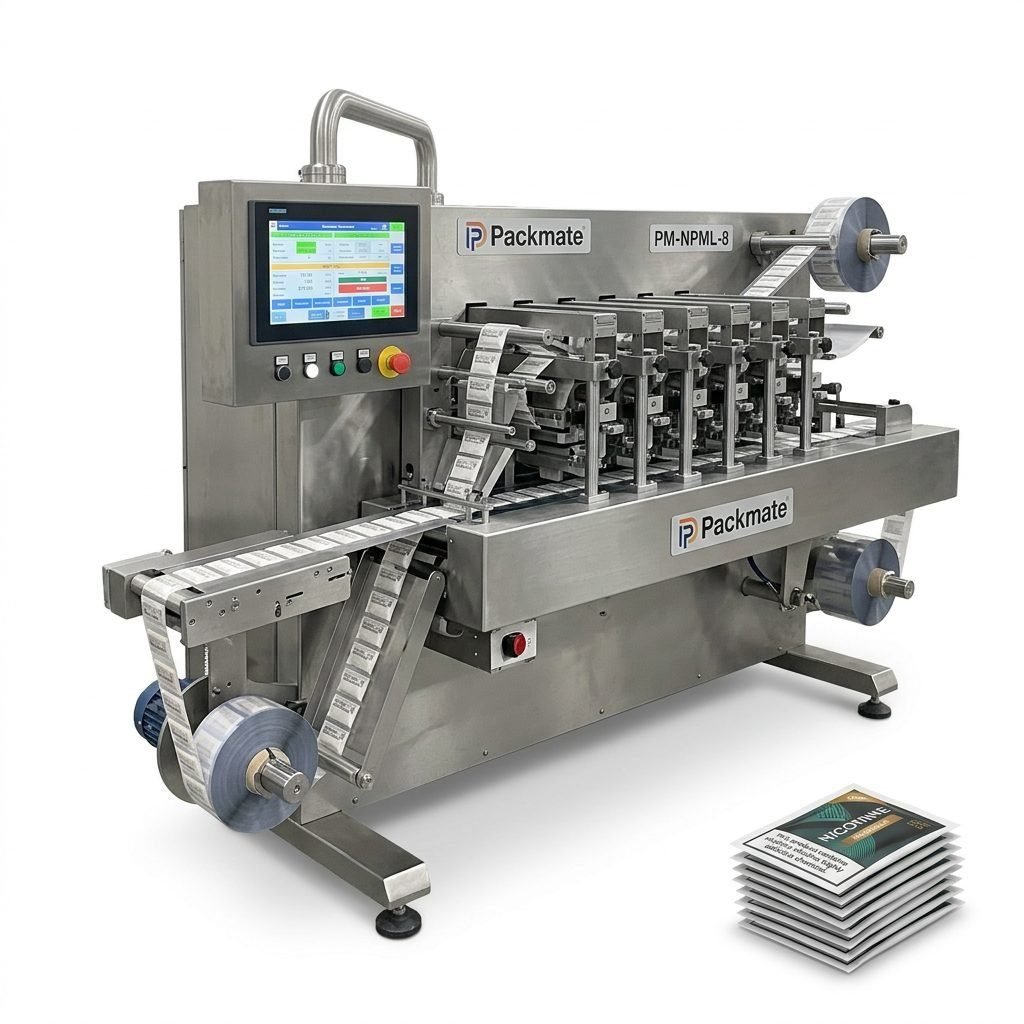
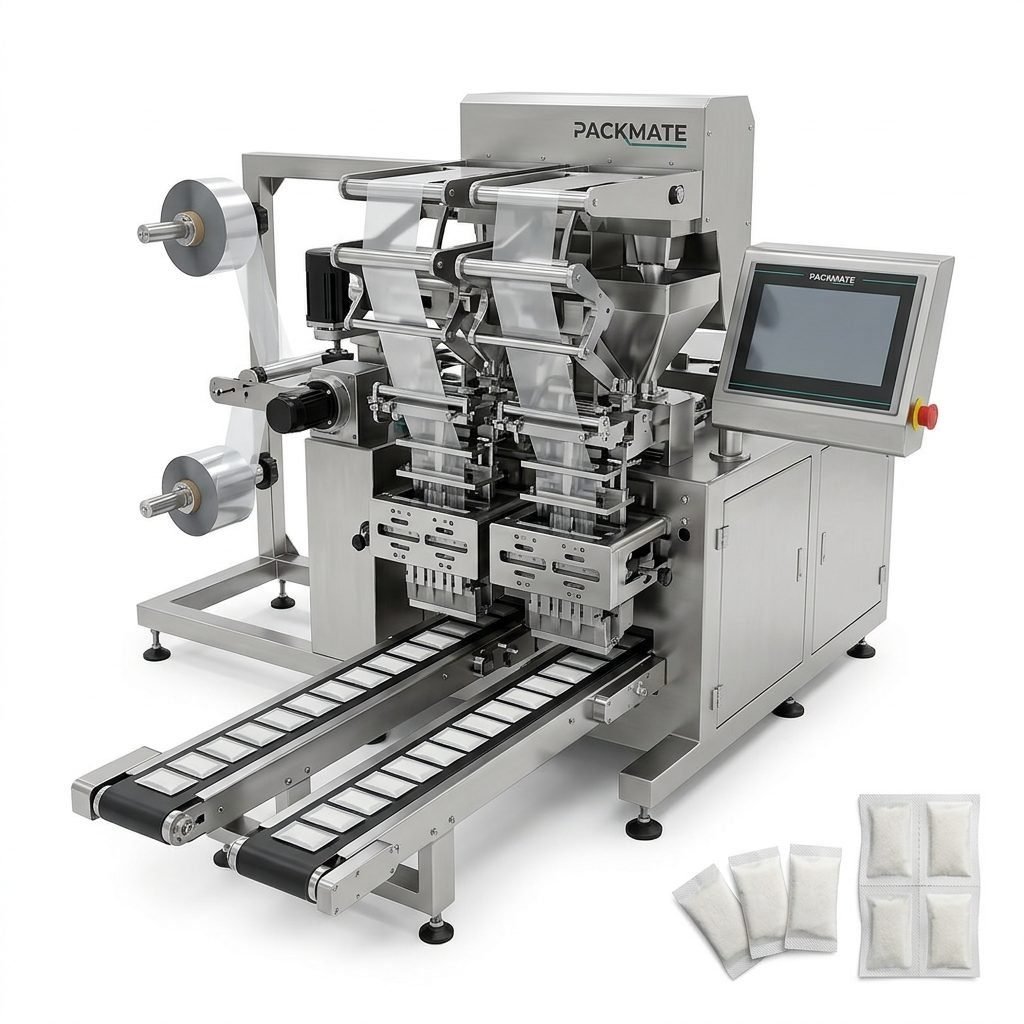
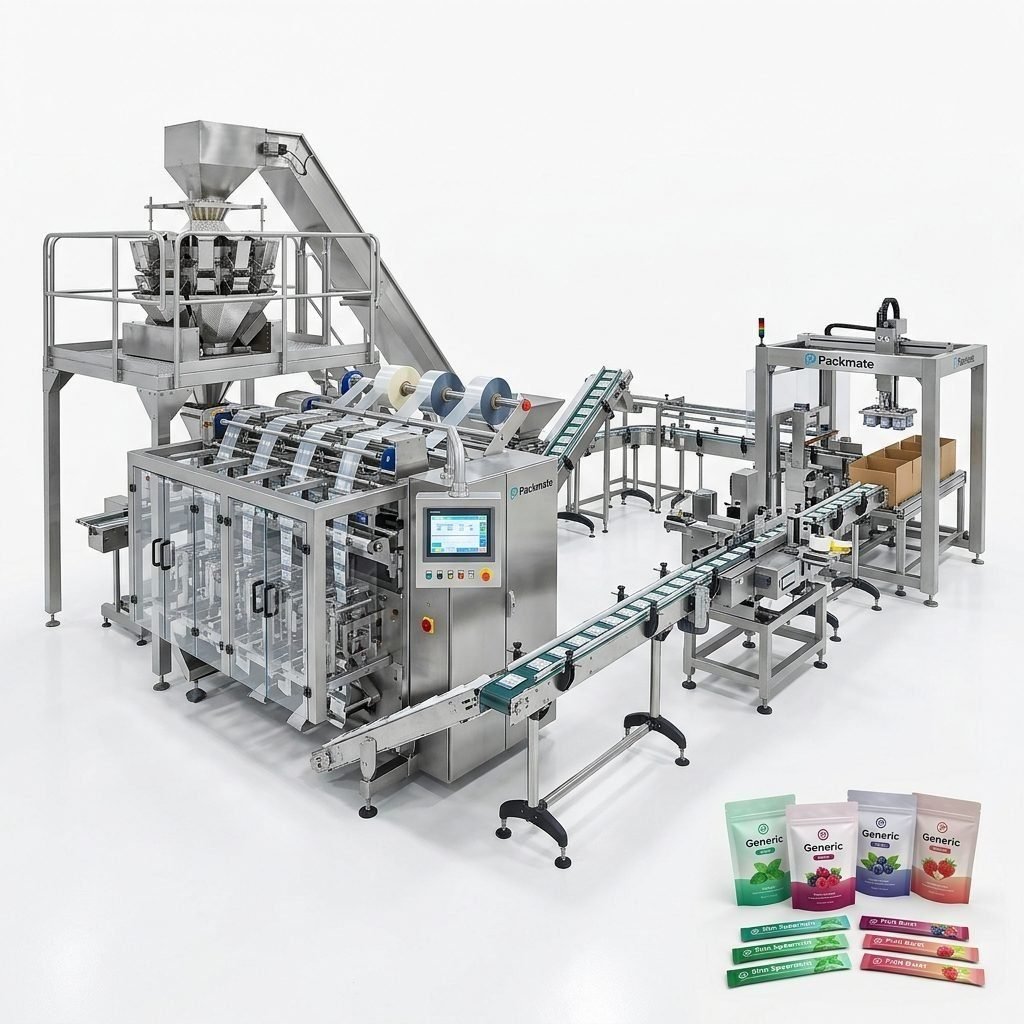
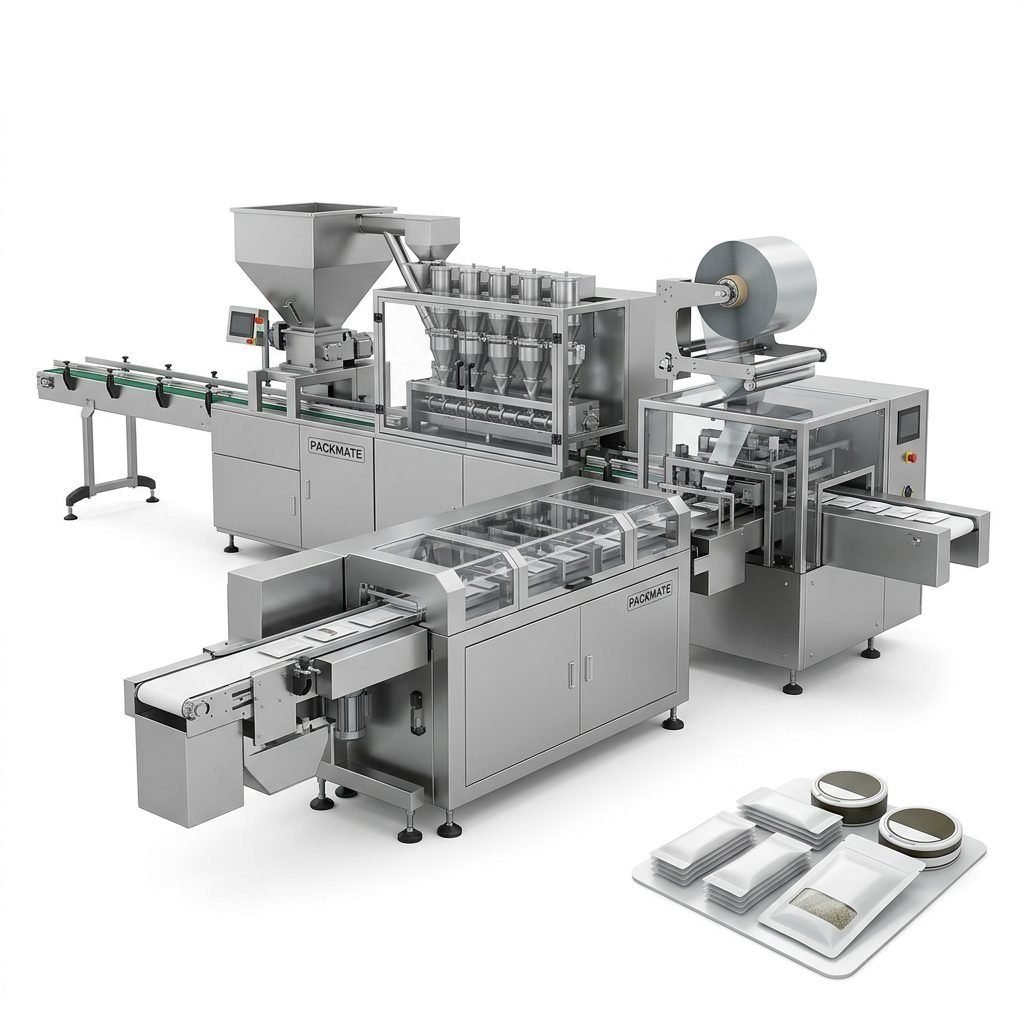
Depending on your product vision, you may consider: stick pack machines for single-dose sachets, sachet and multi-lane systems for small pouches, or integrated weighing and filling lines for powdered or blended nicotine pouches. For more detailed machine categories and model examples, review dedicated product pages such as Snus & Nicotine Packaging Machines and explore bag, pouch and stick pack options.
Technical and Quality Assurance Considerations
High-quality engineering reduces downtime and extends service life. Ask suppliers for documentation and proof points:
✅ Certifications: Verify CE, ISO and other relevant certifications. Certified machines meet electrical and safety norms for international shipments and local operation.
✅ Materials and components: High-quality CNC-machined parts, reliable servo motors and PLC control systems are indicators of durability.
✅ Factory testing and FAT: Request Factory Acceptance Test (FAT) reports, video demos and documented performance metrics under real product conditions.
After-sales Service, Spare Parts and Training
In Botswana, lead times for importing spare parts and skilled technicians can be longer than in major manufacturing hubs. This makes supplier support a critical factor:
Choose suppliers who offer clear service plans, spare parts kits, remote diagnostics and on-site commissioning. Confirm average response times, availability of consumables and whether they provide formal operator and maintenance training on-site or online. Reliable after-sales support reduces downtime and protects production continuity — look for suppliers with regional partners or an established export history.
Service offerings to request
• Detailed spare parts list with part numbers and recommended spares to keep locally.
• Remote troubleshooting via video call and PLC screen sharing.
• Operator and maintenance training during installation and periodic refresher courses.
• Documented maintenance schedule and recommended consumables.
Total Cost of Ownership (TCO) — Beyond the Purchase Price
When comparing offers, calculate TCO: initial purchase, installation, shipping and import duties, training, spare parts inventory, energy consumption, and expected efficiency. A cheaper machine with frequent stoppages can cost more in lost production and repairs. Ask potential suppliers for sample TCO calculations or case studies demonstrating real-life performance.
Factory Visits, References and Live Demonstrations
Visiting a supplier’s factory or attending trade shows gives insight into manufacturing practices and quality control. If travel is difficult, request live video demonstrations and client references. Inspect finished product samples to evaluate sealing integrity, pouch aesthetics and dosing consistency. You can learn more about real projects and examples by checking manufacturer case pages like Case.
Vendor Assessment Checklist — Use This When Evaluating Quotes
🔹 Machine performance: Target speed (ppm), lane count, uptime guarantees, dosing accuracy.
🔹 Customization: Ability to handle your pouch formats and materials.
🔹 Delivery & lead time: Production time, shipping options to Botswana, and import documentation support.
🔹 Warranty & service SLA: Coverage period, response times, remote support options.
🔹 References & FAT: Client list, FAT reports, and video demonstrations.
Working with International Suppliers — Practical Shipping and Import Tips for Botswana
Shipping heavy machinery requires careful planning. Ensure supplier provides clear HS codes, packing lists, and assistance with customs clearance. Consider whether the supplier offers CIF or DAP terms to simplify import logistics. Verify voltage and electrical specifications to match Botswana’s supply, and plan for any local installation adapters or transformers. Where possible, consolidate multiple equipment items into a single shipment to save on freight.
Why a Specialized Supplier Matters — Example: Packmate Snus Machine
Specialized manufacturers bring domain experience that reduces ramp-up time. With over 30 years of engineering and a wide range of models, specialized suppliers can provide turnkey lines tailored to nicotine pouch and snus production. For example, Packmate Snus Machine offers multi-lane systems, advanced CNC manufacturing and global turnkey solutions that suit small-dose pouch production. Learn more about the manufacturer background and capabilities at About Packmate and review their product families including stick pack, sachet and filling systems.
Complementary systems and integration
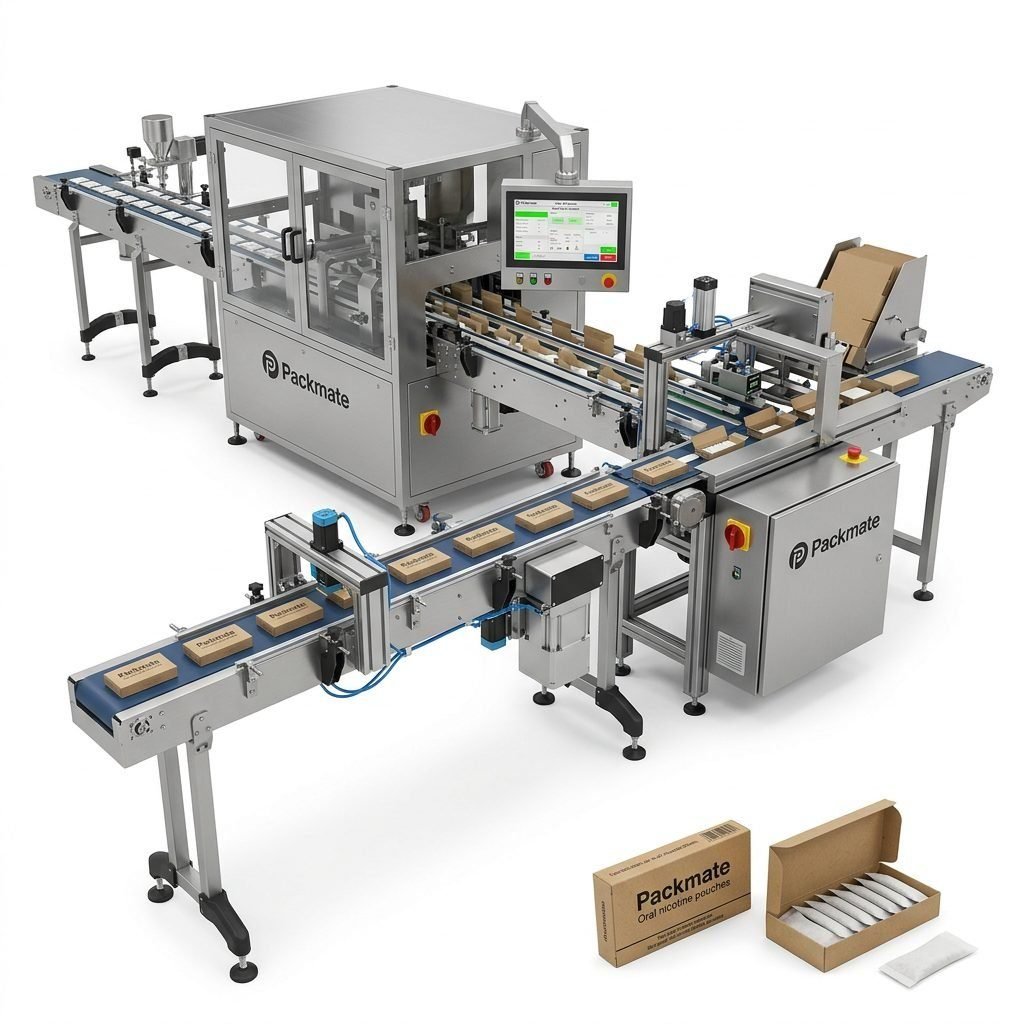
When sourcing packaging lines, consider upstream and downstream integration — automatic weighers, feeding systems, metal detectors, and case packers. Suppliers that provide integrated filling and packaging lines help streamline commissioning and troubleshooting. Explore add-on categories like Weighing & Packaging Systems and Filling & Packaging Lines.
Negotiation and Contract Tips
When finalizing contracts, be explicit about acceptance criteria, test protocols, shipping terms, and warranty conditions. Include spare parts lists, training commitments and penalties or remedies for delayed delivery. Request that the supplier provide step-by-step installation checklists and a commissioning timeline so both parties share clear expectations.
Common Pitfalls and How to Avoid Them
⚠️ Underestimating spare part needs: Stock critical items locally to prevent long downtimes.
⚠️ Choosing purely on price: Balance cost with uptime, service and total lifecycle expenses.
⚠️ Ignoring FAT and real-product tests: Require machine runs with your materials before acceptance.
Short Checklist Before You Buy
• Confirm production speed, pouch formats and material compatibility.
• Verify supplier certifications and factory testing records.
• Ensure clear service agreement and spare parts availability.
• Ask for references and on-site demonstrations or FAT videos.
• Calculate TCO including energy, consumables, and spare parts.
Final Practical Advice for Botswana Buyers
Build relationships with suppliers who understand small-dose pouch markets and can adapt to regional needs. Prioritize suppliers that provide clear after-sales pathways and who have experience exporting to Africa. If you prefer to see a full product range and solutions portfolio, explore product categories and support pages such as Sachet & Stick Pack Machines and the Auxiliary Packaging Equipment listings.
Conclusion
Selecting the best snus packaging machinery supplier in Botswana requires balancing technical fit, supplier reliability, and total lifecycle costs. Focus on dosing accuracy, modular scalability, robust after-sales support, and verified factory testing. Engage suppliers who offer turnkey integration and transparent documentation; this reduces risk and accelerates production ramp-up. A carefully chosen partner will deliver not only equipment but also the operational support you need to grow in Botswana’s regulated and relationship-driven market.
Frequently Asked Questions
Q: How long does it typically take to receive and commission a snus packaging line in Botswana?
A: Lead times vary by supplier and customization level. Standard machines may ship within 8–12 weeks; customized turnkey lines often require 12–24 weeks. Allow extra time for shipping, customs clearance and on-site commissioning.
Q: What certifications should I request from the supplier?
A: Ask for CE and ISO documentation as a baseline. Also request FAT records, electrical schematics compatible with Botswana supply, and evidence of hygienic design if required for your product.
Q: How do I reduce downtime due to spare parts delays?
A: Stock critical wear parts locally, negotiate faster spare parts shipping terms, and ensure the supplier provides a clear spare parts list with part numbers and pricing.
Q: Can suppliers integrate weighing and pouch forming into one line?
A: Yes. Many manufacturers offer integrated weighing and pouch forming solutions. Ask for combined line references and test runs with your product formulation.
Q: Where can I find more product details and contact information for experienced suppliers?
A: For an overview of machine types, services and contact options, see the manufacturer’s service and contact pages such as Service and Contact Us.