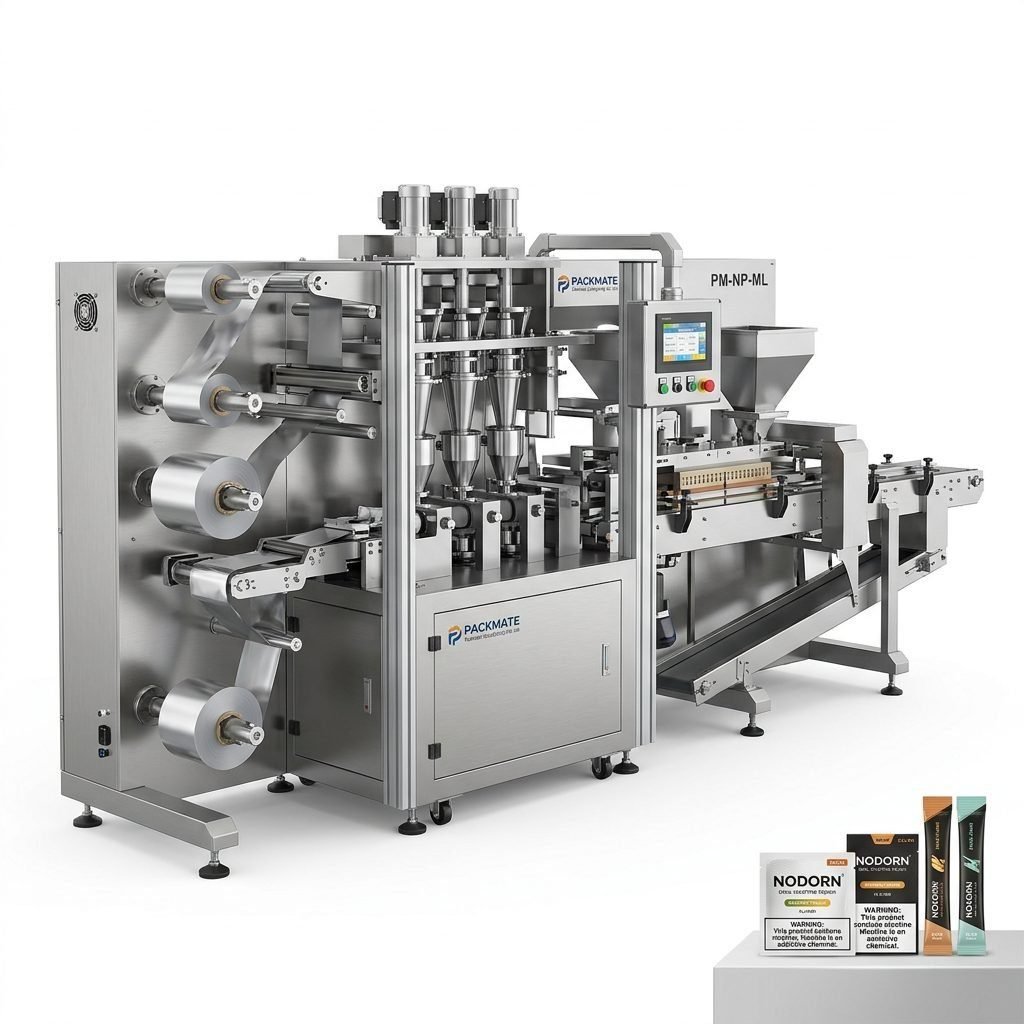
Entering the snus and nicotine pouch packaging market in Brunei requires more than just choosing a machine — it demands a reliable supplier who understands packaging technology, local regulations, and cultural expectations. This guide walks buyers through practical steps to identify trustworthy snus packaging machinery suppliers, evaluate technical specifications, assess after-sales support, and navigate Brunei’s unique business environment.
Understand Brunei’s Market & Regulatory Context
Brunei is a small, conservative sultanate with a predominantly Muslim population. Businesses operating here should be mindful of strict public-health regulations and social norms. Before sourcing equipment, verify local policies governing nicotine products, imports, and labeling. Many buyers find it helpful to consult local customs brokers or legal advisors to confirm whether specific product types require permits or are subject to restrictions.
Tip: Confirm product admissibility into Brunei early. Clearance issues can delay lines and increase costs. Work with suppliers who can provide clear export documentation and compliance certificates.
Key Criteria When Evaluating Suppliers
Selecting a supplier should be a structured process. Focus on technical capability, quality assurance, customization options, and service support. Below are actionable checkpoints to guide your evaluation.
1. Proven Experience with Snus & Nicotine Packaging
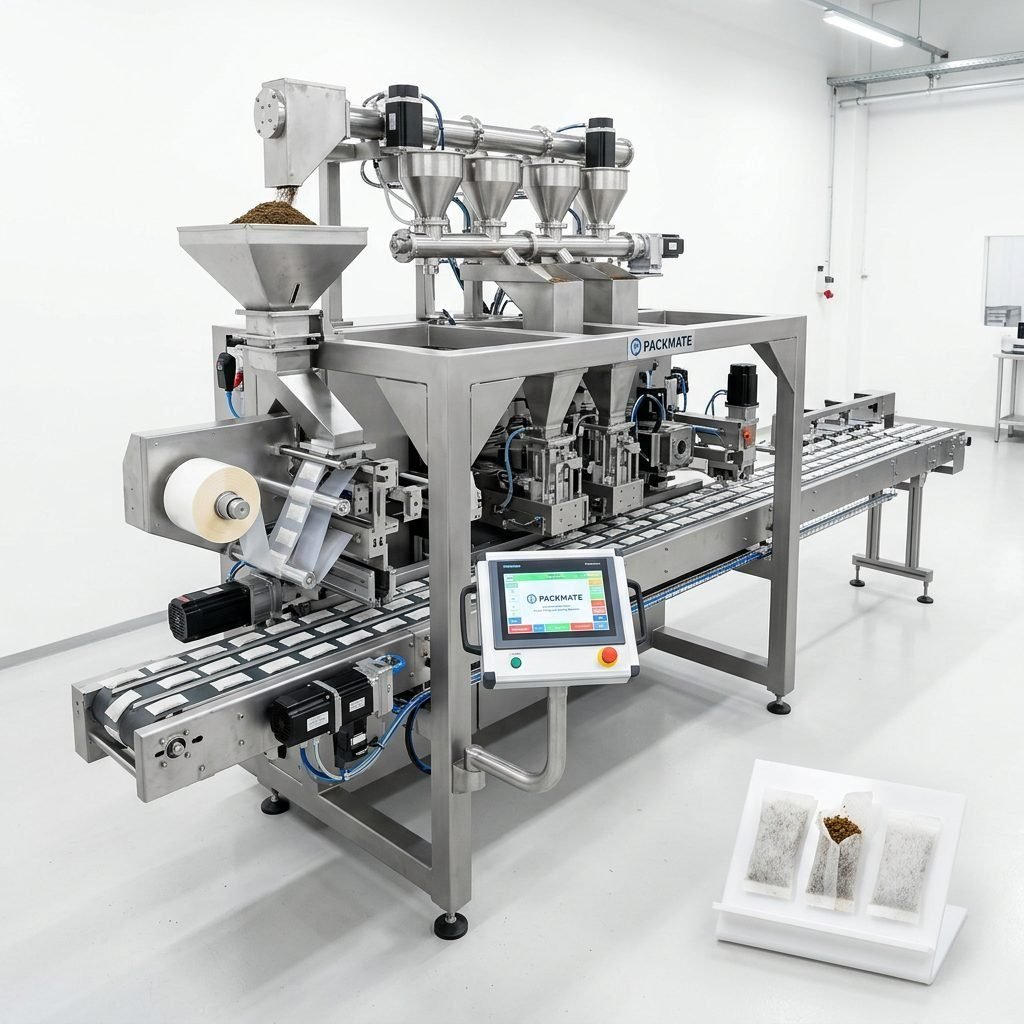
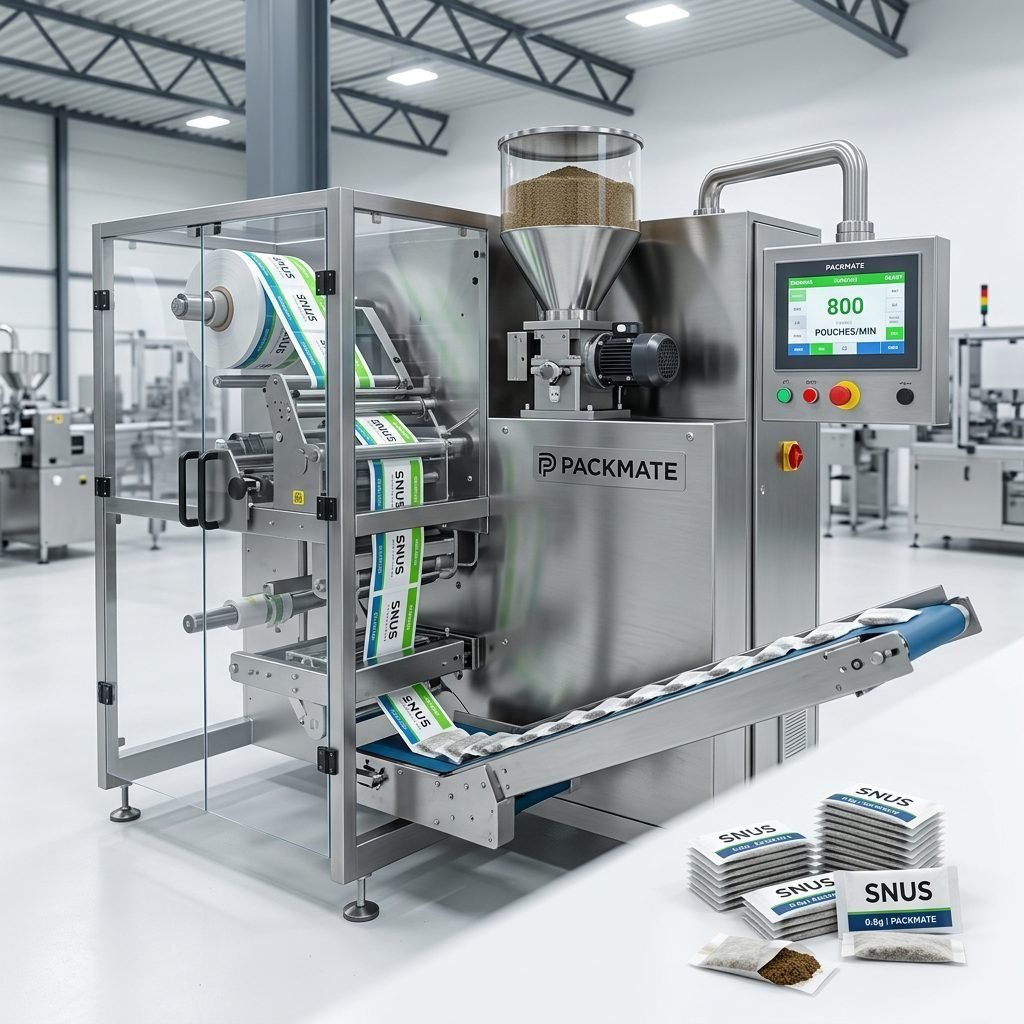
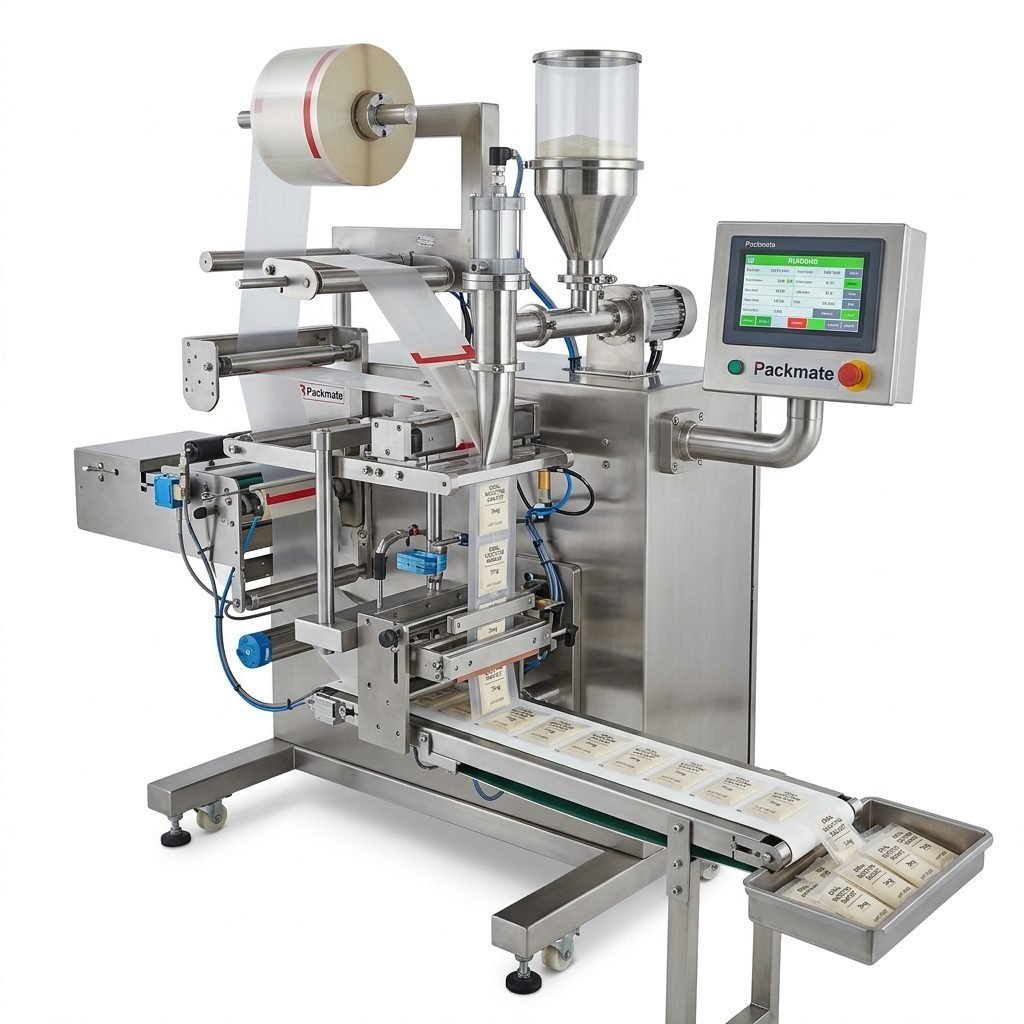
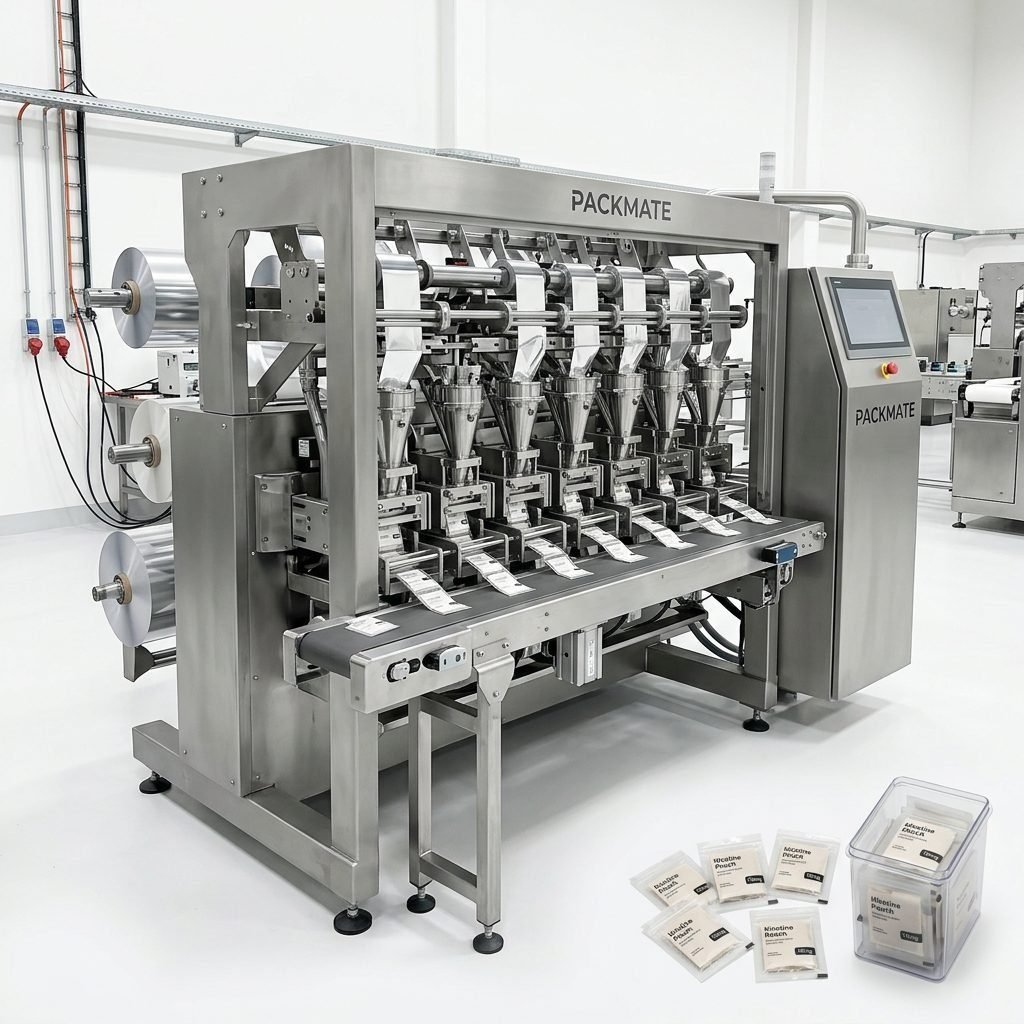
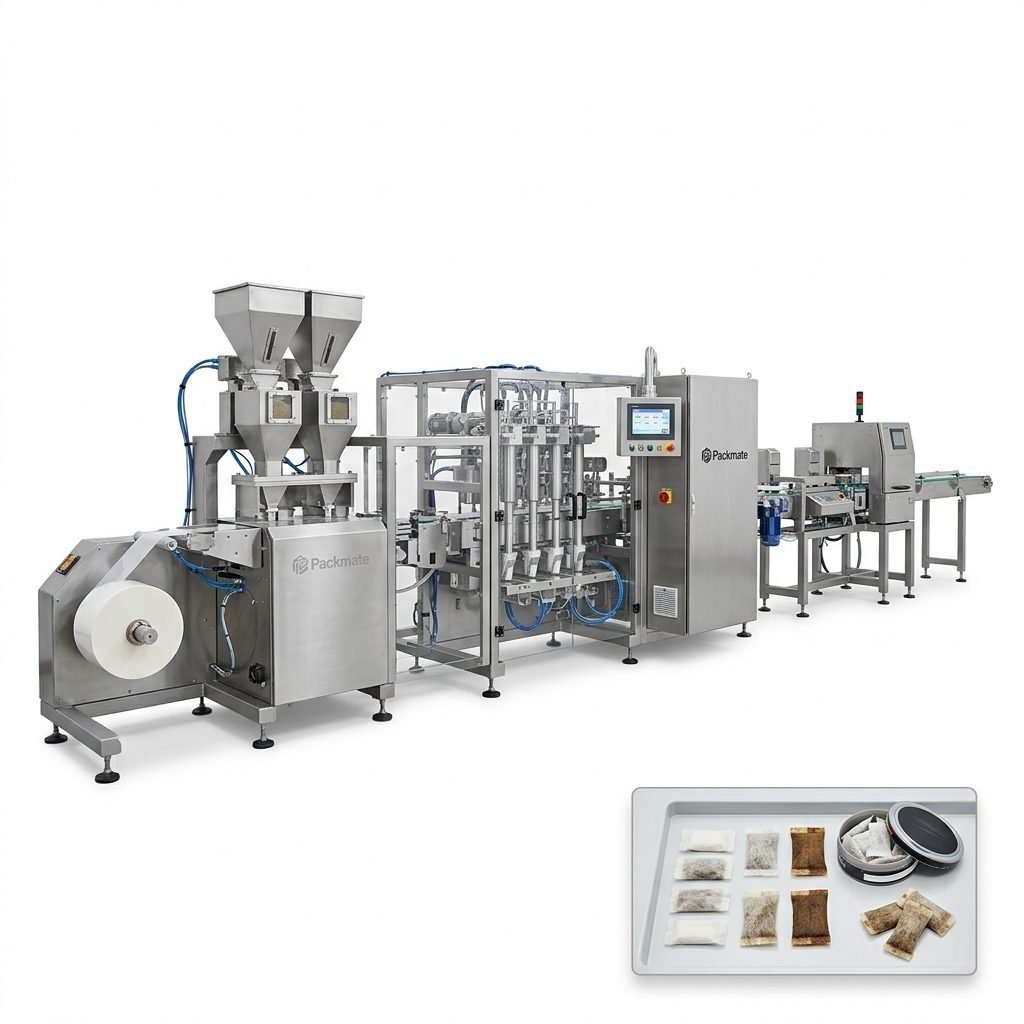
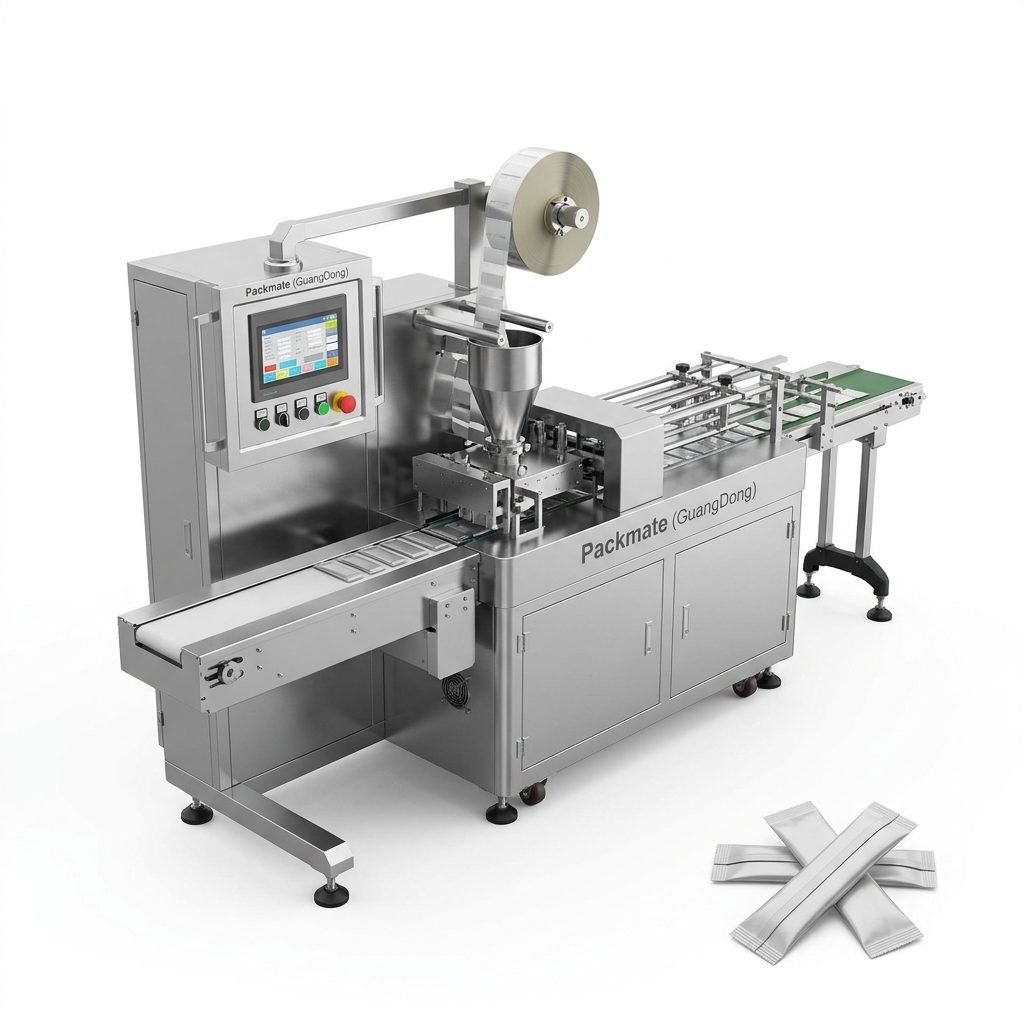
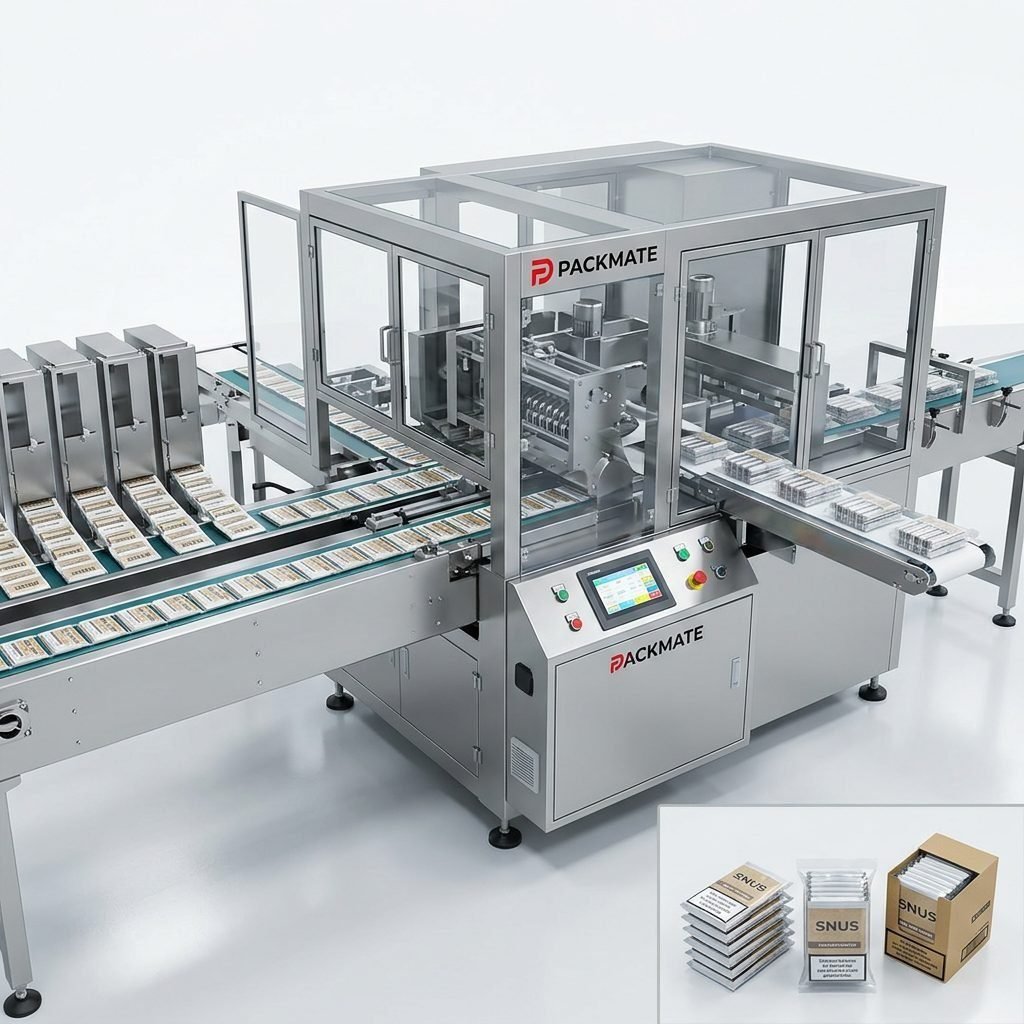
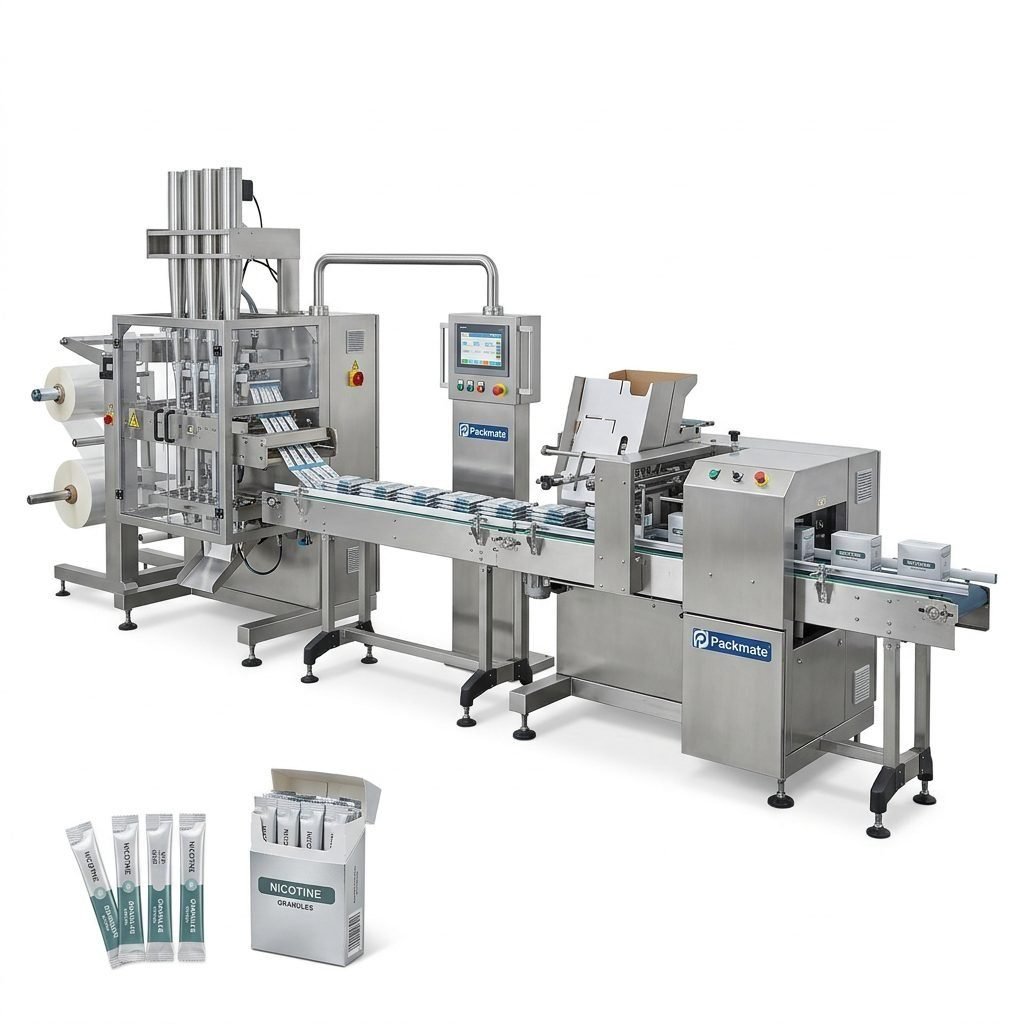
Look for suppliers with demonstrable experience in nicotine pouch and snus packaging. Machines engineered for low-dose, multi-lane sachets and stick packs require fine-tuned precision. Suppliers like Packmate highlight decades of R&D and industry-specific lines; reviewing case studies and machine portfolios helps you judge fit for your product format and speed requirements.
2. Technical Specifications & Customization
Evaluate machine specs: lane count, output speed (pouches per minute), filling accuracy, material compatibility (foil, paper, laminates), and integration with dosing or weighing systems. If your formula requires moisture-control or nitrogen flushing, ensure the supplier can adapt the machine or provide auxiliary equipment.
Checklist: multi-lane capabilities, servo control, PLC integration, CIP/cleaning access, and compatible filling heads for your product type.
3. Manufacturing Strength & Quality Certification
A strong factory footprint and certifications such as CE and ISO indicate consistent manufacturing standards. Suppliers with full CNC machining centers, precision assembly lines, and QA test benches are more likely to deliver durable equipment and reliable spare parts over time.
Assessing Supplier Reliability
Reliability extends beyond the machine — it includes communication, delivery, installation, and technical training. Use a risk-based approach to evaluate potential vendors.
Supplier Background & Reputation
Research company history, client references, and global footprint. Suppliers who participate in international exhibitions or publish project case studies provide transparency into their capabilities. Visiting factory videos or requesting virtual walkthroughs can reveal assembly practices and attention to detail.
Service Network & Spare Parts Availability
In Brunei’s remote market environment, fast access to spare parts and remote troubleshooting reduces downtime. Confirm lead times for critical components, availability of local service partners or authorized technicians, and options for remote PLC or HMI diagnostics.
Important: Ask for a spare-parts kit recommendation and an estimated replacement timeline for wear items like cutting blades, belts, and bearings.
Factory Visit, Audits & Acceptance Testing
If possible, inspect the supplier’s manufacturing facility or request an independent audit. Audits help verify production capacity, QA procedures, and workforce skill levels. When a physical visit is not practical, insist on detailed FAT (Factory Acceptance Test) protocols and remote video FAT sessions with your product run.
Factory Acceptance Test (FAT) & Site Acceptance Test (SAT)
A thorough FAT should include: full-speed testing, accuracy checks, packaging material prequalification, and operator training sessions. SAT verifies that the machine performs to agreed specifications after installation at your Brunei facility and addresses site-specific utilities like power supply, compressed air, and wastewater handling.
Shipping, Customs & Installation Logistics for Brunei
Brunei’s logistics routes are limited compared to larger neighbors. Plan shipments to Muara Port or use airfreight for urgent parts. Account for customs clearance times and duties. Work with suppliers who provide detailed packing lists, commercial invoices, and transport-ready documentation to reduce hold times.
Local Installation Considerations
Ensure your production site in Brunei has the proper foundation, power characteristics (voltage/frequency), and environmental controls. Coordinate with the supplier on site prep and schedule qualified technicians for installation and commissioning. Local technicians and operators may require tailored training in the local language or English.
Logistics Hint: Plan for a buffer of consumables on-site (e.g., 3-6 months) especially for remote locations, to avoid production stoppages due to shipping delays.
Commercial Terms, Warranties & After-Sales Support
Negotiate clear commercial terms: delivery timeline, payment milestones, warranty coverage, and service-level agreements (SLAs). Warranties should include labor and parts for an explicit period and define response times. Ask about extended support packages, remote service subscriptions, and training refreshers.
Cost vs. Total Cost of Ownership (TCO)
The lowest capital cost rarely equals best value. Compare TCO by including energy usage, spare-part costs, expected uptime, maintenance schedules, and consumable life. High-efficiency servo systems and modular designs might cost more initially but reduce long-term operational expenses.
Cultural & Business Etiquette in Brunei
Bruneian business culture values relationships, respect, and trust. Face-to-face meetings, respectful communication, and patience during negotiations help build long-term partnerships. Consider local working hours and religious holidays when scheduling inspections or commissioning.
Cultural Note: Public displays and promotions of nicotine products may be sensitive. Align marketing and packaging with local norms and legal requirements to avoid reputational or regulatory risks.
How to Shortlist & Finalize a Supplier
Use a scorecard approach. Assign weights to technical fit, warranty & service, price, references, and delivery capability. Shortlist 2–3 vendors and negotiate detailed contracts that include acceptance criteria, penalty clauses for delays, and aftermarket service commitments.
Negotiation Pointers
Ask for modular upgrades, extended training, and a spare-parts package in the final quotation. Secure fixed costs for freight where possible and confirm who is responsible for customs duties and local taxes.
Useful Supplier Resources & Next Steps
Explore detailed product pages and case studies to match machine capabilities with your production goals. For example, review comprehensive lines for nicotine pouch solutions, multi-lane sachet platforms, and auxiliary systems that can improve throughput and automation.
Helpful links to get started:
Snus & Nicotine Packaging Machines,
About Packmate,
Project Cases,
Contact Packmate.
Quick Action Plan: 1) Verify regulatory status in Brunei; 2) Shortlist experienced suppliers; 3) Schedule FAT; 4) Confirm logistics and spare parts; 5) Sign a service-backed contract.
Summary
Finding a reliable snus packaging machinery supplier for Brunei blends technical due diligence with cultural and logistical awareness. Prioritize suppliers with focused snus/nicotine expertise, robust factory capabilities, transparent testing processes, and strong after-sales support. A well-documented FAT, clear commercial terms, and a spare-parts strategy reduce risk and ensure smooth commissioning in Brunei’s market context.
Common Questions
Q1: Are nicotine pouch packaging machines permitted in Brunei?
Regulations change, so check current Brunei import and health regulations before purchase. Engage local customs or legal counsel to confirm admissibility and labeling requirements for nicotine products.
Q2: How long does shipping and installation typically take?
Shipping to Brunei can vary from a few weeks by sea to days by air. Allow additional time for customs clearance and on-site installation; typical lead times from factory to production-ready can range from 8–16 weeks depending on customization and logistics.
Q3: What support should I demand from a supplier?
Insist on a written warranty, operator training, remote support options, and a spare-parts list with lead times. Ask for SLAs that specify response times for technical issues to minimize downtime.
Q4: How do I validate machine performance before shipping?
Require a comprehensive FAT with live product runs at the supplier’s factory. If you cannot attend in person, request a recorded FAT and a live video demonstration showing full-speed operation, sealing integrity, and packaging quality.