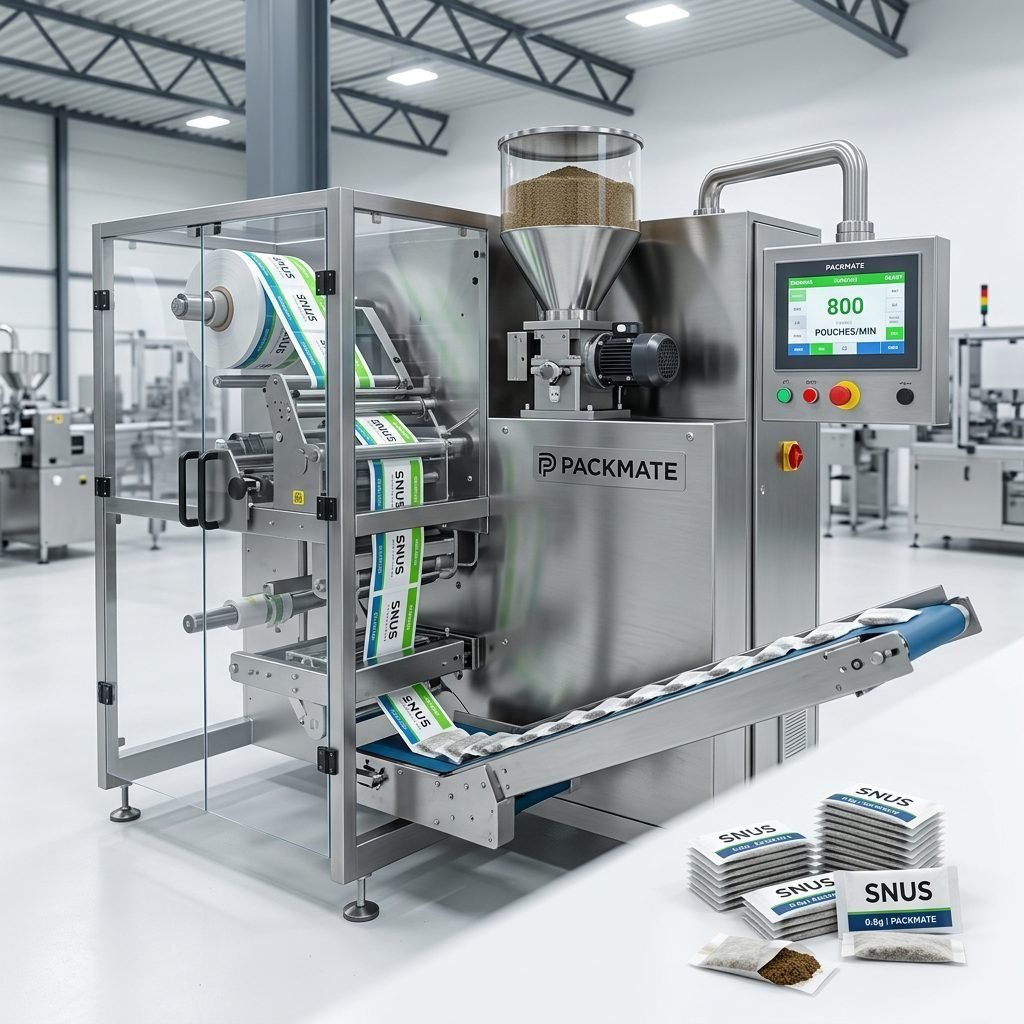
Choosing the right nicotine packaging machine in Germany requires a careful balance of regulatory awareness, technical performance, and local market preferences. This guide walks you through practical steps — from capacity planning and machine types to compliance, after-sales support, and hidden costs — so you can make a confident purchase that fits German production standards and consumer habits.
Understand the German Market and Regulations 🇩🇪
Germany has a mature, quality-driven market with strict rules around nicotine products and packaging. Buyers should factor in local labeling requirements, recycling expectations, and consumer preferences for discreet, compact pouches. German retailers also expect consistent batch traceability and high hygiene standards in production lines.
Key regulatory notes:
Ensure machines support clear batch coding and label integration for German compliance. Consider built-in options for date/lot coding and serialization to meet traceability demands.
Choose the Right Machine Type for Your Product
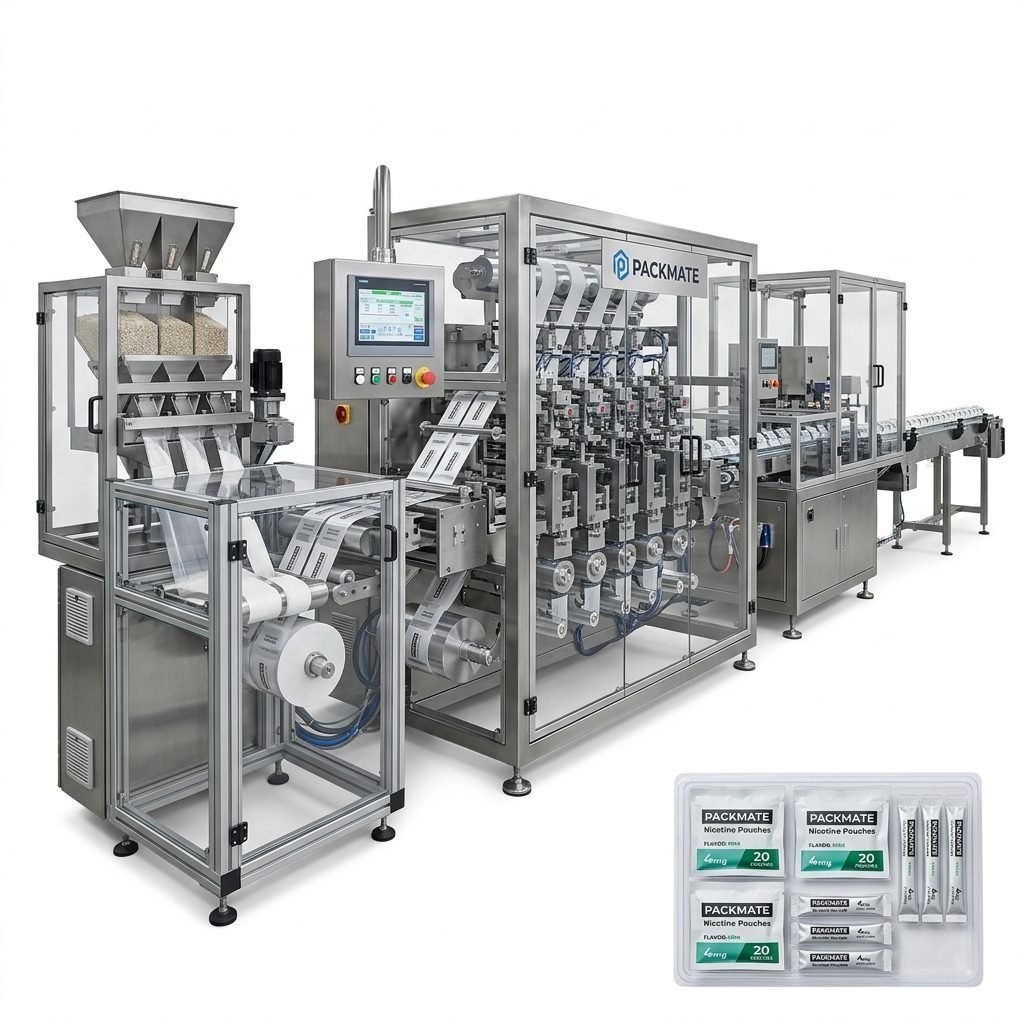
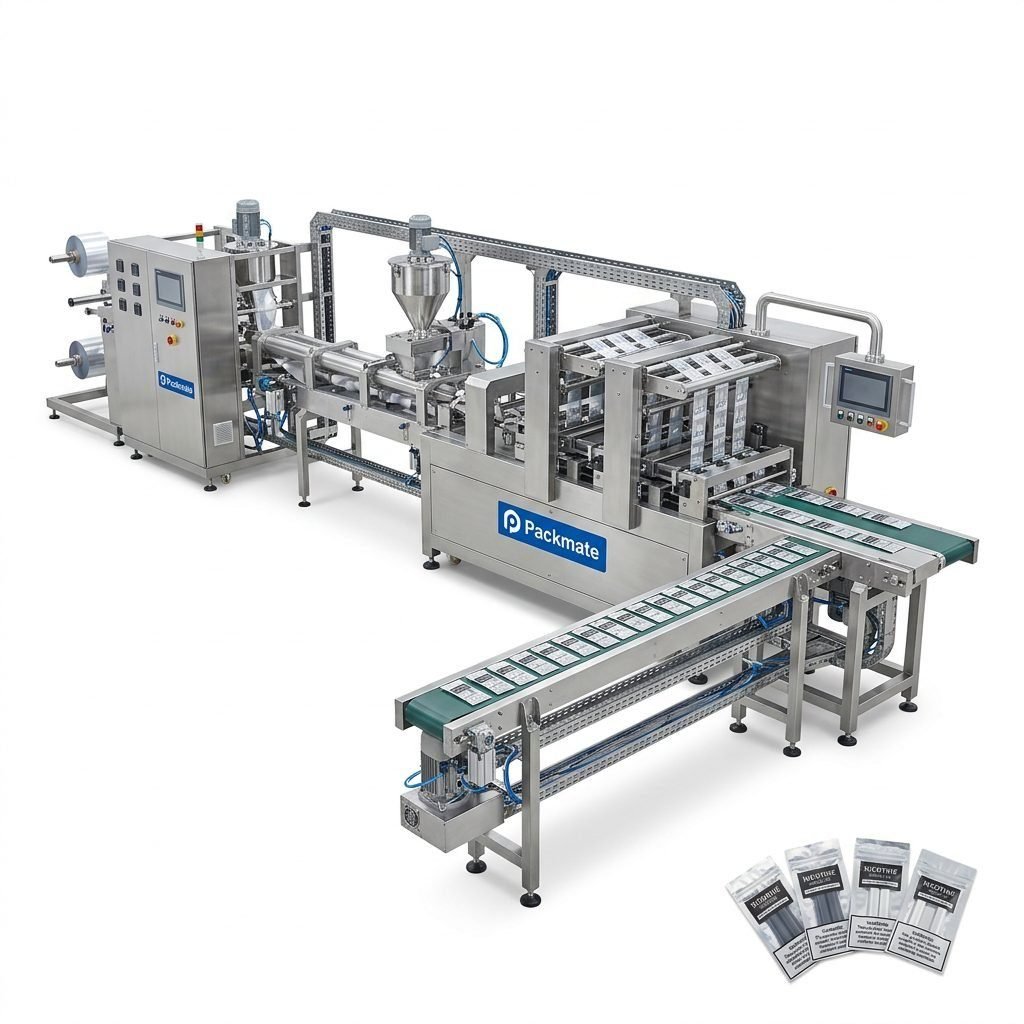
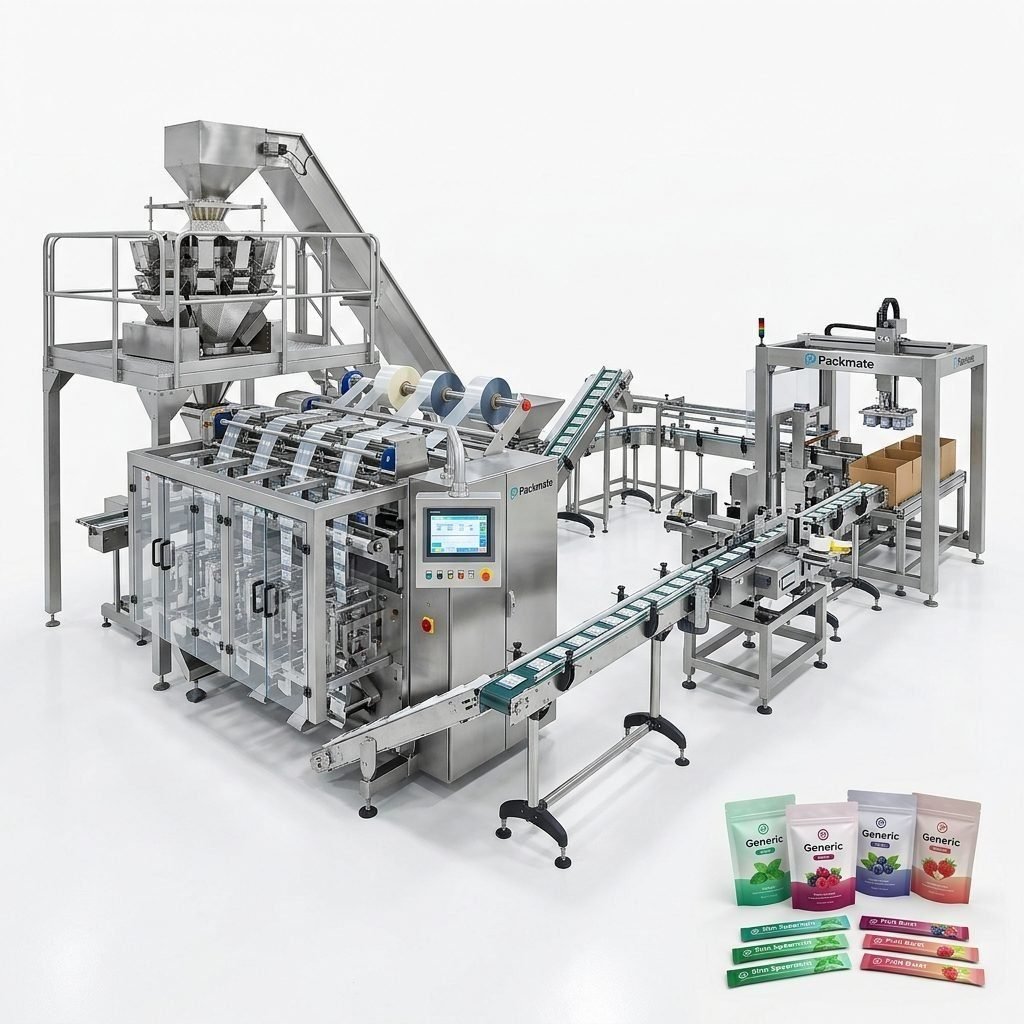
Nicotine pouch packaging solutions vary widely. Your choice depends on pouch format, fill type, daily output, and flexibility needs. Common machine families include:
- Stick pack and sachet packaging for single-dose pouches.
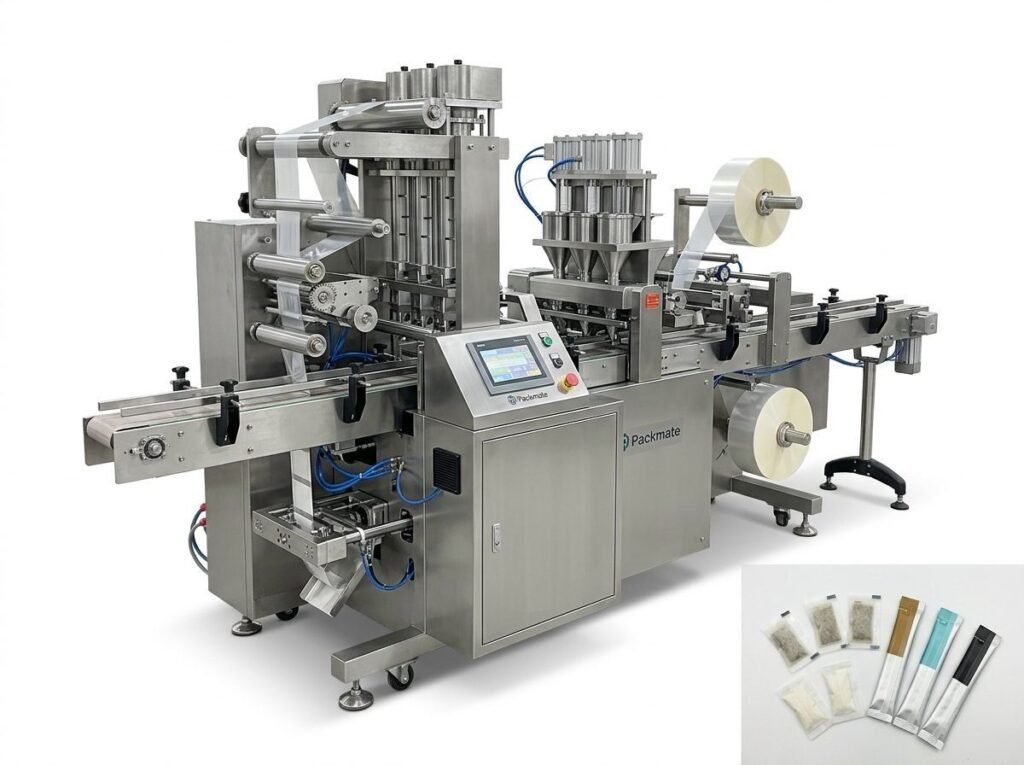
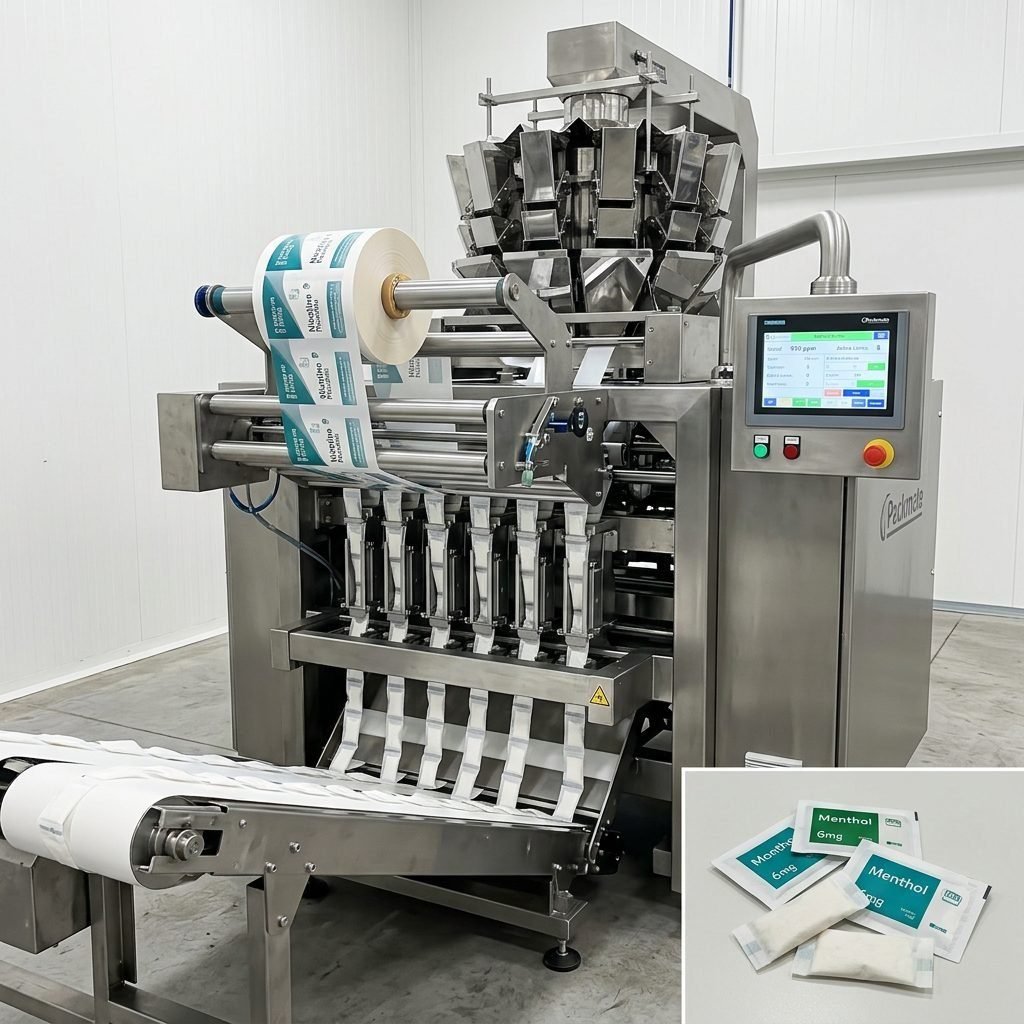
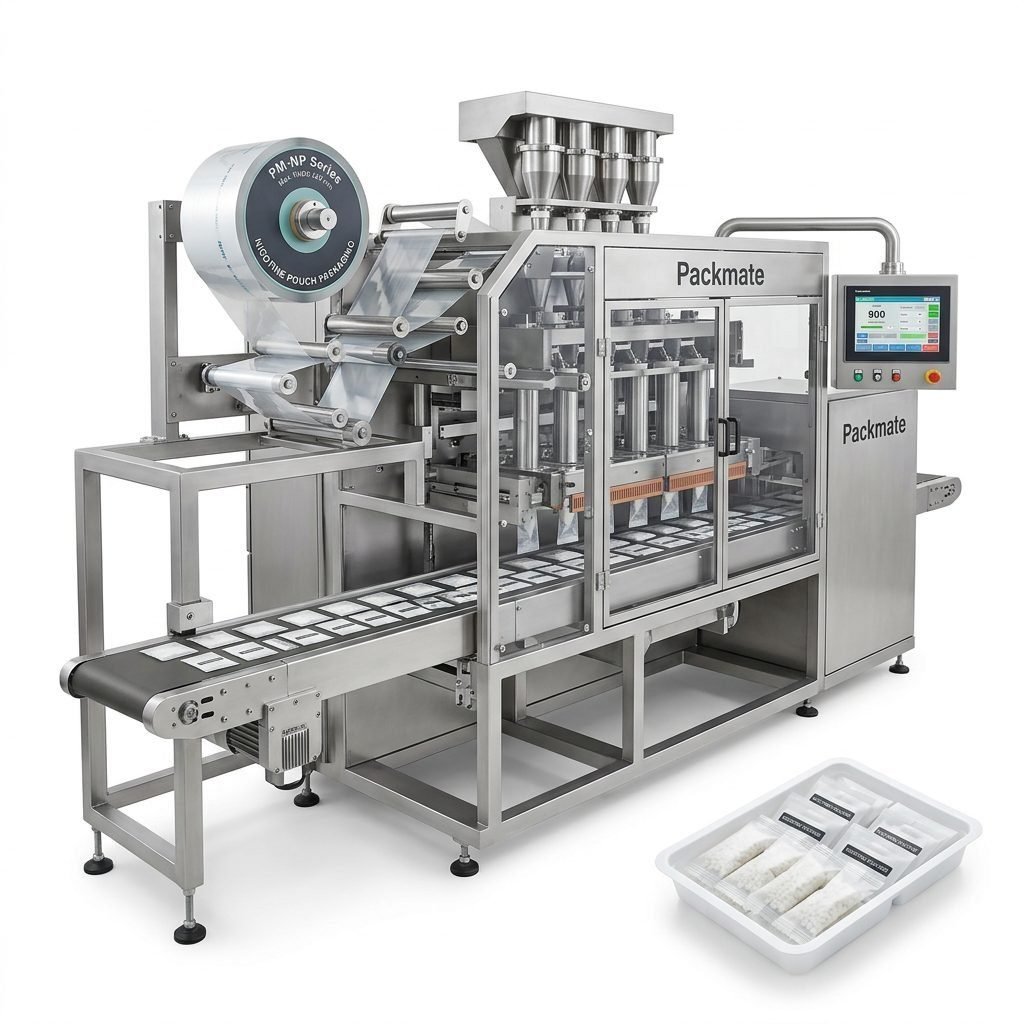
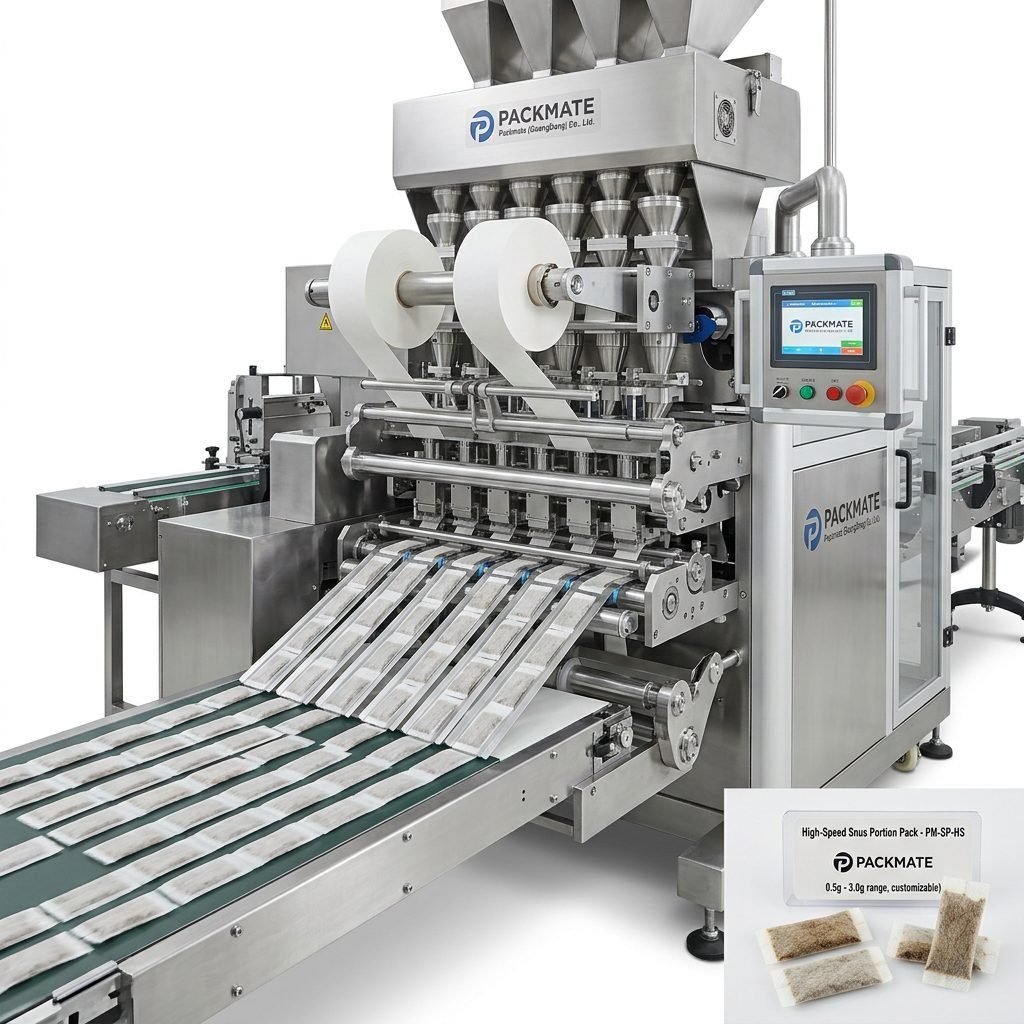
- Multi-lane pouch machines for high-volume, small-dose nicotine pouches (common in European markets).
- Bag and pouch machines for larger consumer packs and mixed-count cartons.
- Integrated weighing and filling systems when precise dosing of powder or granules is required.
Why multi-lane systems are popular in Germany
German producers often value efficiency and low unit costs. Multi-lane systems allow several parallel filling lanes, multiplying throughput without multiplying floor space. If you plan to scale quickly or serve retail channels that demand substantial stock, multi-lane lines offer a good balance of speed and flexibility.
Tip:
If you produce multiple pouch sizes, choose a machine with quick-change tooling or modular lane options to minimize downtime.
Capacity Planning: Match Speed to Demand
Accurately estimating required throughput is essential. Calculate expected daily and peak production needs, factoring in future growth. Consider:
- Target units per minute/hour — avoid overbuying for rare spikes.
- Changeover time between SKUs — frequent format changes reduce effective capacity.
- Integration with upstream/downstream equipment (weighers, cartoners, case packers).
Example calculation
For a small German brand launching into regional retailers, a machine rated 300–500 pouches/min on a two-lane configuration might be sufficient. For national or export-focused manufacturers, consider 8–12 lane systems or multiple synchronized lines.
Material Compatibility and Pouch Styles
Confirm your chosen machine handles your specific pouch materials (e.g., non-woven, textile-like substrates, PP/PE laminates). Heat-sealing, ultrasonic sealing, and cold-seal options all have trade-offs in speed, cost, and appearance. German consumers often prefer premium tactile finishes, so machines that handle laminated or soft-touch laminates reliably will be an advantage.
Important:
Test-run your exact pouch material with suppliers before committing. Small differences in film thickness or coating can affect sealing quality.
Precision Dosing and Weighing
Nicotine pouch filling often requires extremely consistent micro-dosing. Choose machines equipped with high-accuracy feeders and checkweighers. Look for integrated multi-head weighers or precision auger fillers depending on your product (powder vs. granular vs. paste). Integration with automatic rejection systems prevents non-conforming packs from entering the supply chain.
Hygiene, Safety, and Certifications
Compliance with European standards is non-negotiable. Machines with CE and ISO certifications, stainless steel food-grade contact parts, and easy-to-clean designs reduce contamination risk and speed audits. Packmate’s machines comply with CE and ISO, and their manufacturing facility follows strict quality testing protocols.
Consider features such as IP-rated control cabinets, safe access gates with interlocks, and hygienic electrical components to meet both German workplace safety and product safety expectations.
Automation and Industry 4.0 Readiness
Many German manufacturers expect connectivity: remote diagnostics, PLC-based recipes, and MES integration. Machines that provide OEE dashboards, error logs, and remote support capabilities speed troubleshooting and align with German productivity culture.
Total Cost of Ownership (TCO) vs. Purchase Price
Look beyond headline price. Factor spare parts lead time, energy consumption, consumable tooling costs, and expected maintenance intervals. In Germany, downtime costs can be high due to tight delivery windows — prioritize reliability and local service access.
TCO Checklist:
- Spare parts availability and cost
- Average energy consumption
- Tooling and wear parts lifespan
- Planned maintenance intervals and SLAs
Factory Tour, References and Local Support
Always request a factory acceptance test (FAT) and video demonstrations. Ask for reference installations in Europe — or better, in Germany — and check service response times. Many German companies prefer suppliers who participate in trade shows and offer authorized local technicians.
Packmate (GuangDong) Co., Ltd. has a 20,000㎡ manufacturing facility and global turnkey experience. To review product lines and case studies, see these resources:
- Snus & Nicotine Packaging Machines
- Sachet & Stick Pack Machines
- Bag & Pouch Packaging Machines
- Case Studies
Integration and Layout Considerations
Plan your floor layout with ergonomics and German workplace safety in mind. Consider the following:
- Clear maintenance access and service aisles
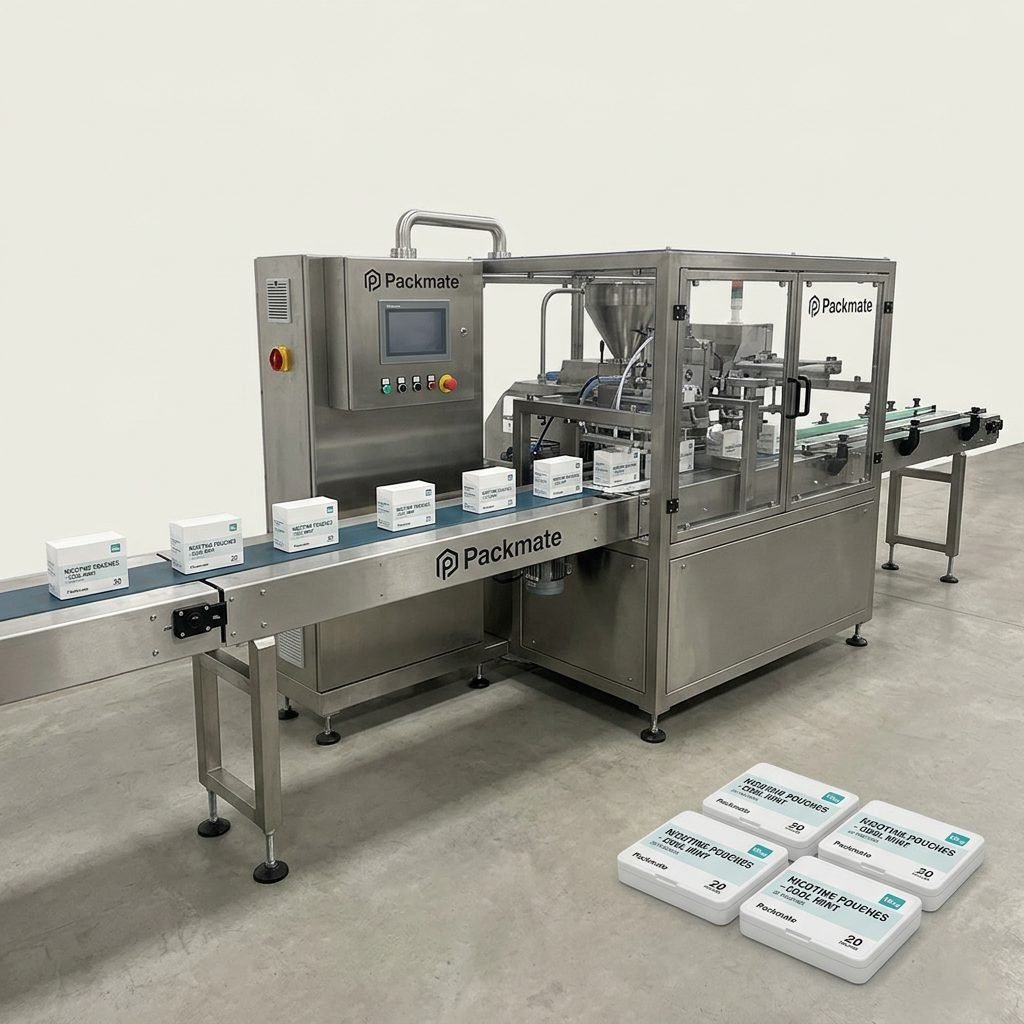
- Integration points for upstream mixers/weighers and downstream cartoners
- Utility requirements: compressed air, stable power, and dust extraction
- Noise limits and worker comfort — Germany has strict occupational standards
After-Sales Support and Spare Parts
Evaluate the supplier’s spare parts strategy: stock levels, lead times, and the ability to deliver replacement parts to Germany quickly. Remote troubleshooting, local partners, or certified service engineers based in Europe dramatically reduce downtime.
Service expectations:
Clear SLAs, spare parts kits with initial delivery, remote support, and operator training in German (or with translated manuals) are highly valued.
Customization and Future-Proofing
Choose a vendor that offers modular upgrades and custom tooling. As your product range expands, you’ll want to add lanes, change sealing methods, or integrate new quality control stations without replacing the entire line.
Common Pitfalls and How to Avoid Them ⚠️
Many buyers focus on top speed and ignore practical realities. Avoid these pitfalls:
- Buying a machine with incompatible sealing technology for your film.
- Underestimating tooling changeover time and operator training needs.
- Ignoring spare part logistics to Germany — long import lead times increase downtime.
- Not validating regulatory labeling and coding options for the EU/German market.
Practical Buying Checklist (Quick Reference)
- Production needs: Expected output and scalability plan.
- Compatibility: Film type, pouch style, dosing technology.
- Certifications: CE, ISO, hygienic design.
- Support: Spare parts, local service, training in German.
- Connectivity: OEE, PLC recipes, remote diagnostics.
Why Work with an Experienced Manufacturer?
Experienced manufacturers, like Packmate, offer proven machine designs, European-compliant documentation, and multi-lane expertise developed over decades. Their facility capabilities — advanced CNC, precision assembly, and stringent quality testing — reduce technical risk and speed delivery.
Learn more about the company, its mission, and certifications:
Negotiation Tips and Purchase Timeline
Request a detailed quotation that itemizes machine configuration, tooling, spare parts kits, FAT, shipping, installation, and training. Build realistic lead times into your project schedule (assembly, FAT, shipping, customs clearance, installation, and validation).
Negotiation checklist:
- Inclusion of FAT and acceptance criteria
- Spare parts list and initial kits
- Guaranteed response time for critical faults
- Training scope and language support
Final Steps Before Purchase
Before signing, validate a live demo or video of the exact model and film, check customer references in Europe, and confirm warranties and transport insurance. Make sure all documentation is available in English and German where necessary to ease regulatory reviews and operator training.
Conclusion: Make a Confident Investment
A smart purchase balances technical fit, regulatory readiness, and reliable after-sales support. In Germany, prioritize machines with excellent hygiene design, accurate dosing, modular expansion, and fast spare parts delivery. When chosen correctly, a high-quality nicotine packaging line becomes a competitive advantage: faster time-to-market, consistent product quality, and lower lifetime cost.
Frequently Asked Questions (FAQs)
Q1: What certifications should I require for a nicotine packaging machine in Germany?
Ask for CE conformity and ISO quality documentation. Additionally, require hygienic design documentation, material certificates for food-contact parts (e.g., stainless steel grades), and electrical safety documentation. If possible, request previous EU installation references.
Q2: How important is multi-lane technology for small-dose nicotine pouches?
Multi-lane machines significantly increase throughput without adding a proportional footprint. For brands targeting broad distribution in Germany and neighboring EU markets, multi-lane systems help meet demand while keeping per-unit costs low. Evaluate lane-changeover complexity before deciding.
Q3: What after-sales support should I insist on?
Require fast spare parts shipment, remote diagnostics, documented SLAs for on-site support, and initial operator training (preferably in German). A clear spare-parts list and recommended spares kit reduce the risk of extended downtime.
Q4: Can I upgrade an existing line to handle new pouch formats?
Many modern machines are modular and support upgrades like additional lanes, new sealing modules, or integrated checkweighers. Confirm upgrade paths and costs with your supplier to avoid unexpected replacement expenses later.
Q5: Where can I see real-world examples of nicotine packaging lines?
Request case studies and FAT videos from vendors. Packmate provides case references and product pages such as Snus & Nicotine Packaging Machines and Case Studies that illustrate installed systems and production outcomes.