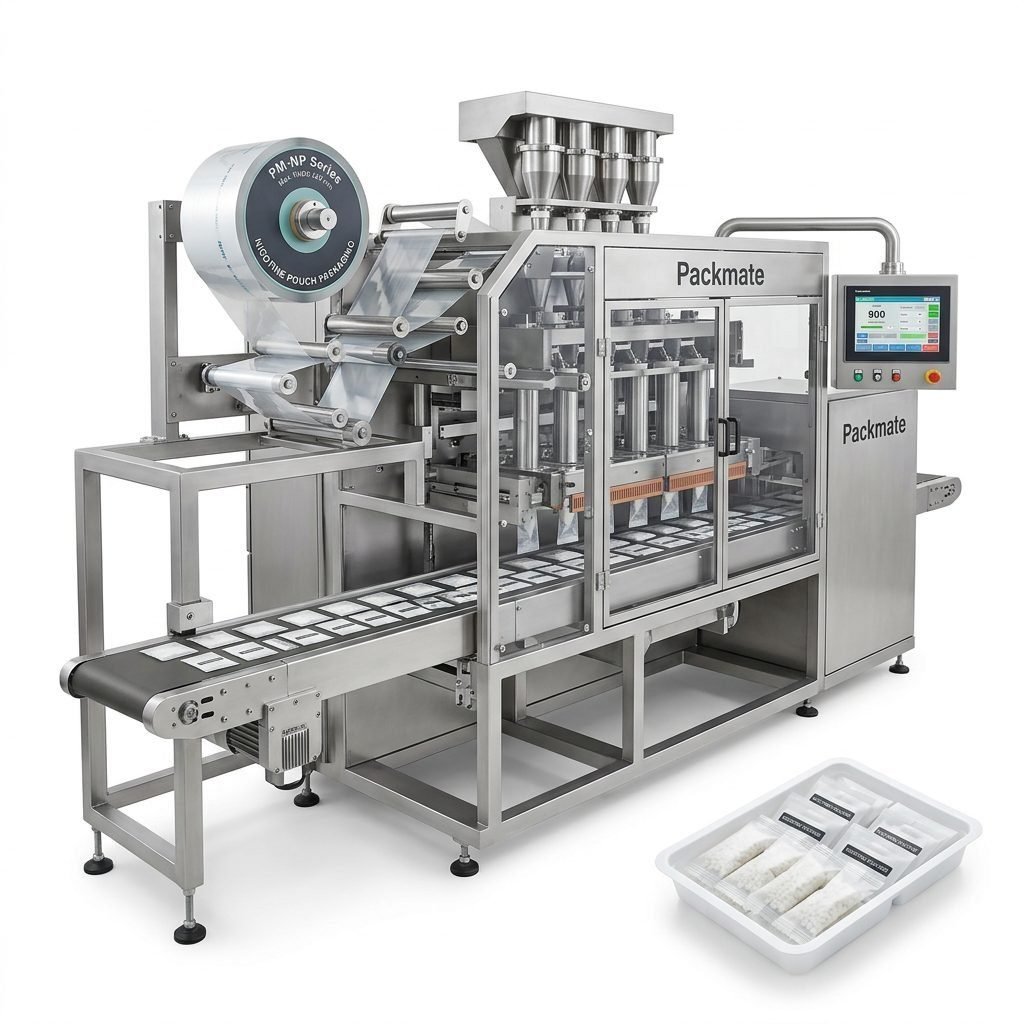
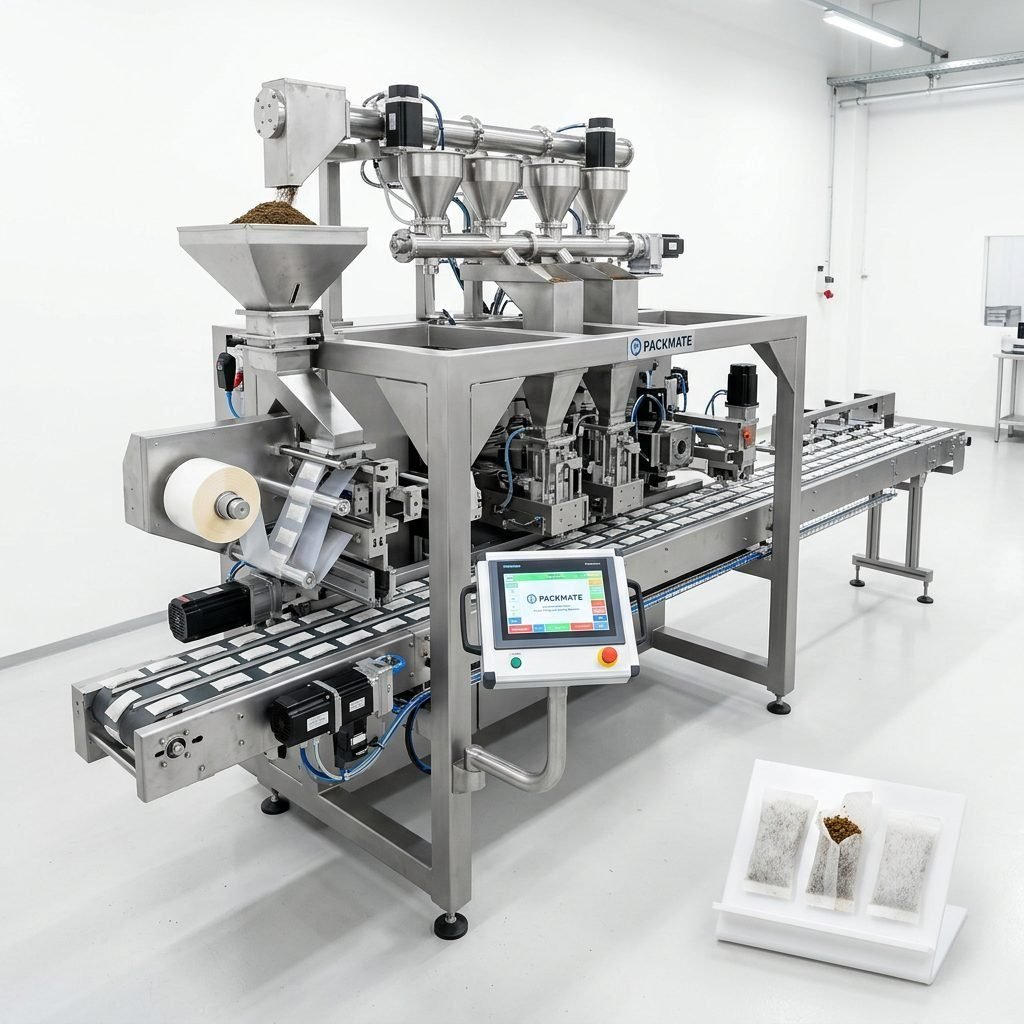
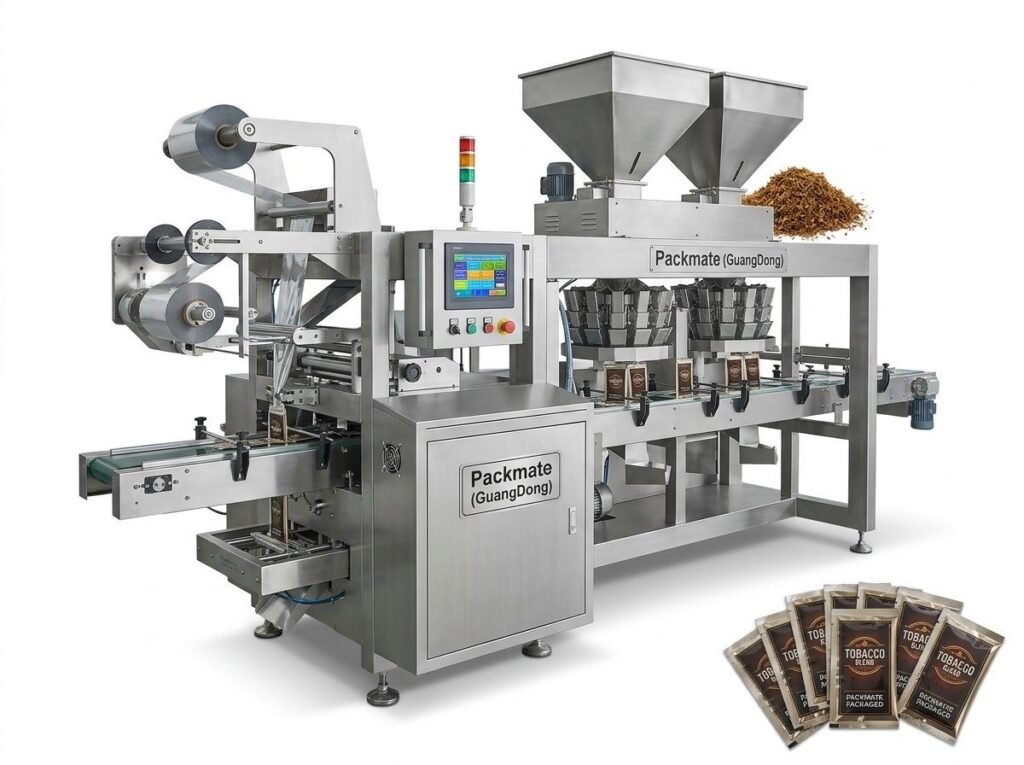
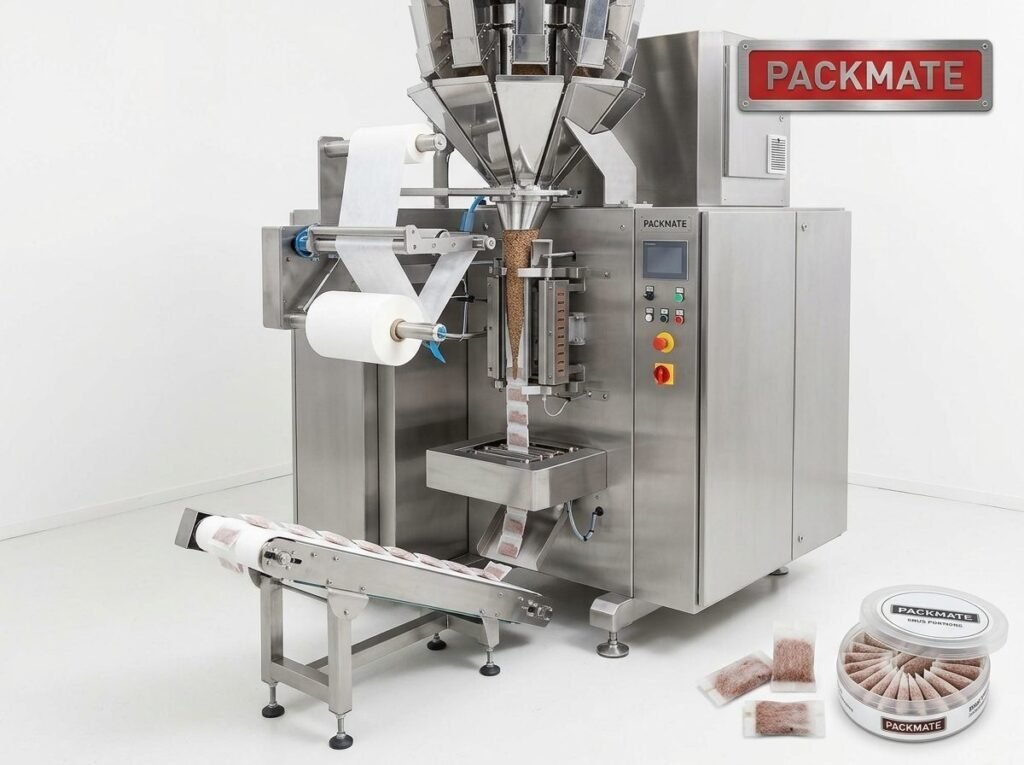
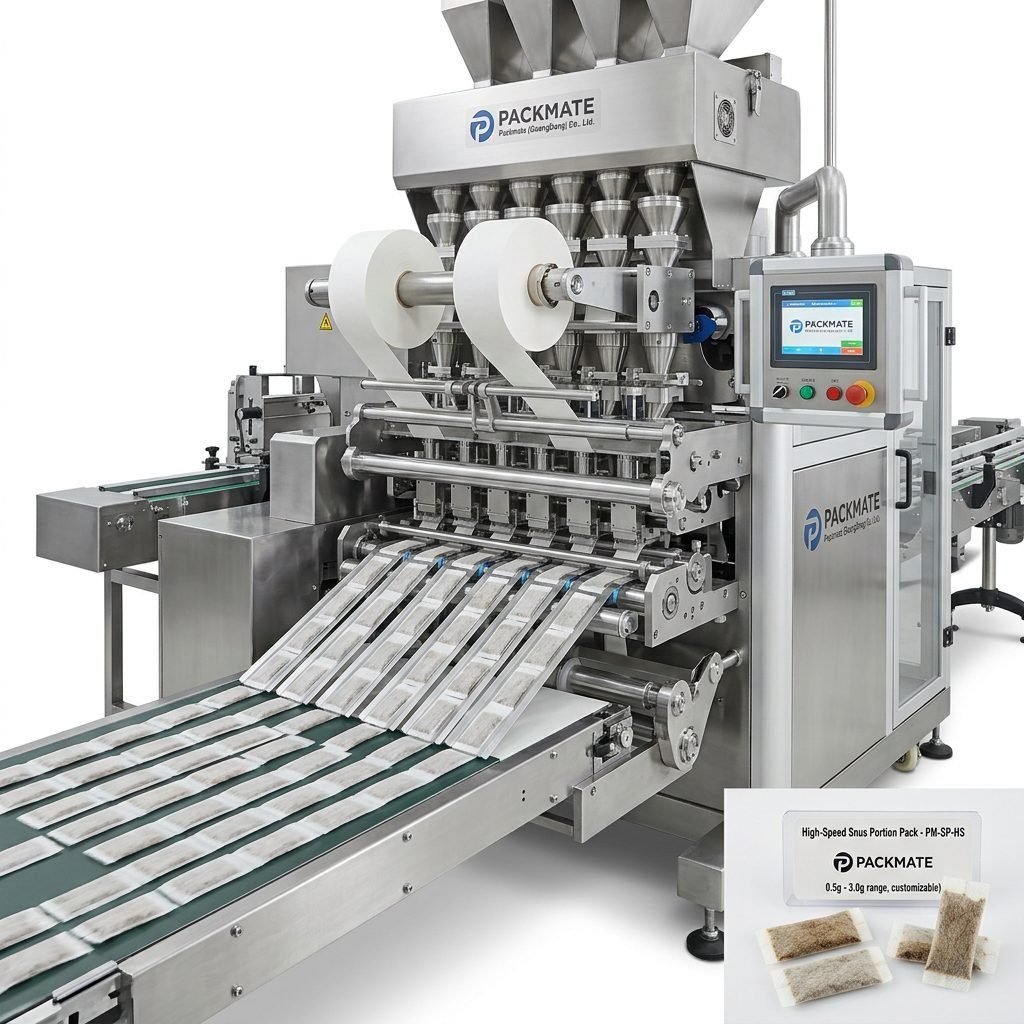
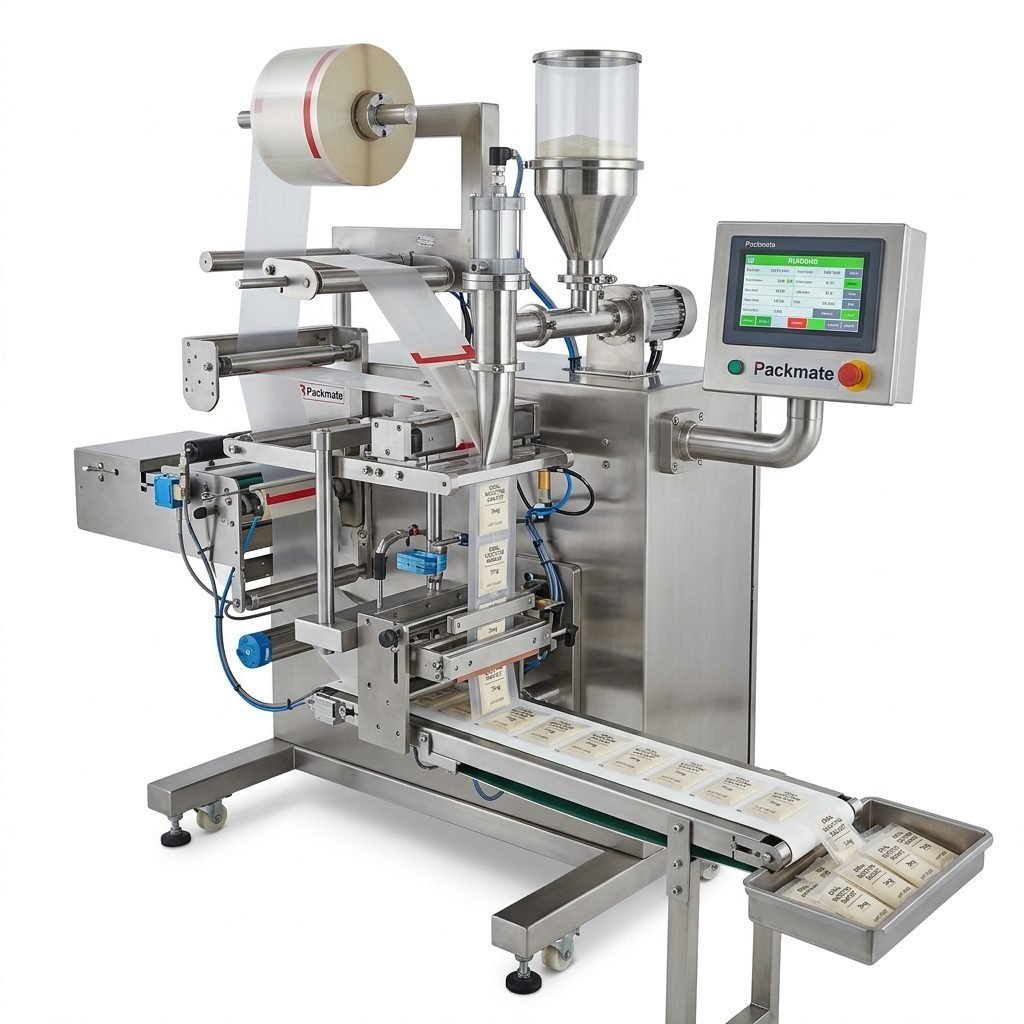
Choosing the right nicotine packaging machine supplier is a strategic decision for any company in Nepal that wants to enter or expand in the nicotine pouch, snus, or related product markets. Local market dynamics — from monsoon humidity to festival-driven demand spikes like Dashain and Tihar — mean that the right equipment, service model, and import partner can determine whether your production line runs reliably year-round or faces repeated downtimes. This guide walks you through the critical factors to evaluate when selecting a supplier, practical tips for working with international manufacturers, and how to ensure long-term ROI for your packaging investment.
Why the Supplier Choice Matters in Nepal
Nepalese manufacturers often operate in an environment that combines limited local industrial support, fluctuating power stability in some regions, and import customs that can delay critical spare parts. A supplier who understands these realities and offers robust after-sales support, accessible training, and machines adapted to local climate and power conditions becomes not just a vendor but a strategic partner. Choosing poorly can lead to frequent breakdowns, extended downtime during peak seasons, and unexpected costs.
Key Buyer Priorities for Nepalese Customers
Nepalese buyers typically prioritize: reliable performance in humid conditions, compact multi-lane machines for small-dose pouches, clear documentation for customs clearance, and a supplier willing to provide clear training and local-language manuals. It’s common for manufacturers to prefer flexible order quantities and financing options aligned with seasonal cash flow. Keep these priorities in mind when reviewing potential suppliers.
Top Evaluation Criteria: What to Check Before You Buy
1. Experience & Track Record
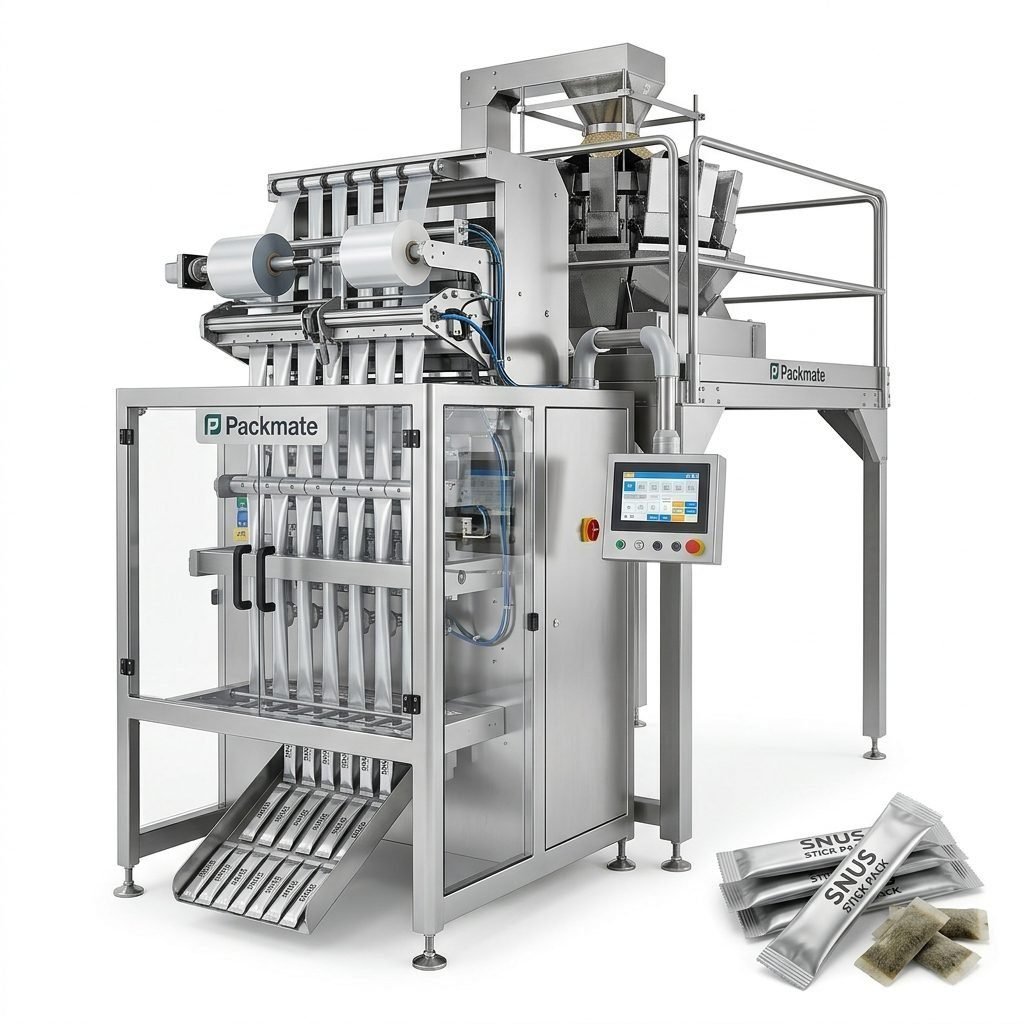
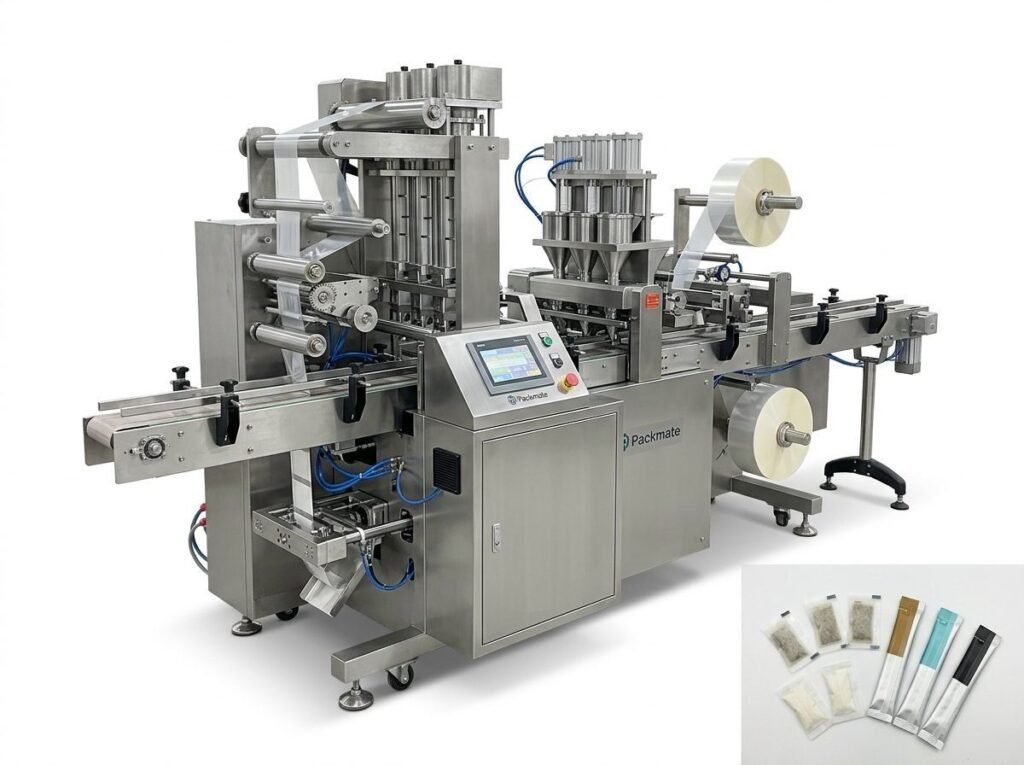
Look for suppliers with proven experience in snus and nicotine pouch packaging. A manufacturer with decades of engineering history demonstrates maturity in design and problem-solving. For example, Packmate Snus Machine has over 30 years of engineering experience and a portfolio covering multi-lane systems, stick packs, and sachet machines—useful evidence that they understand small-dose pouch production at scale.
2. Machine Variety & Technical Fit
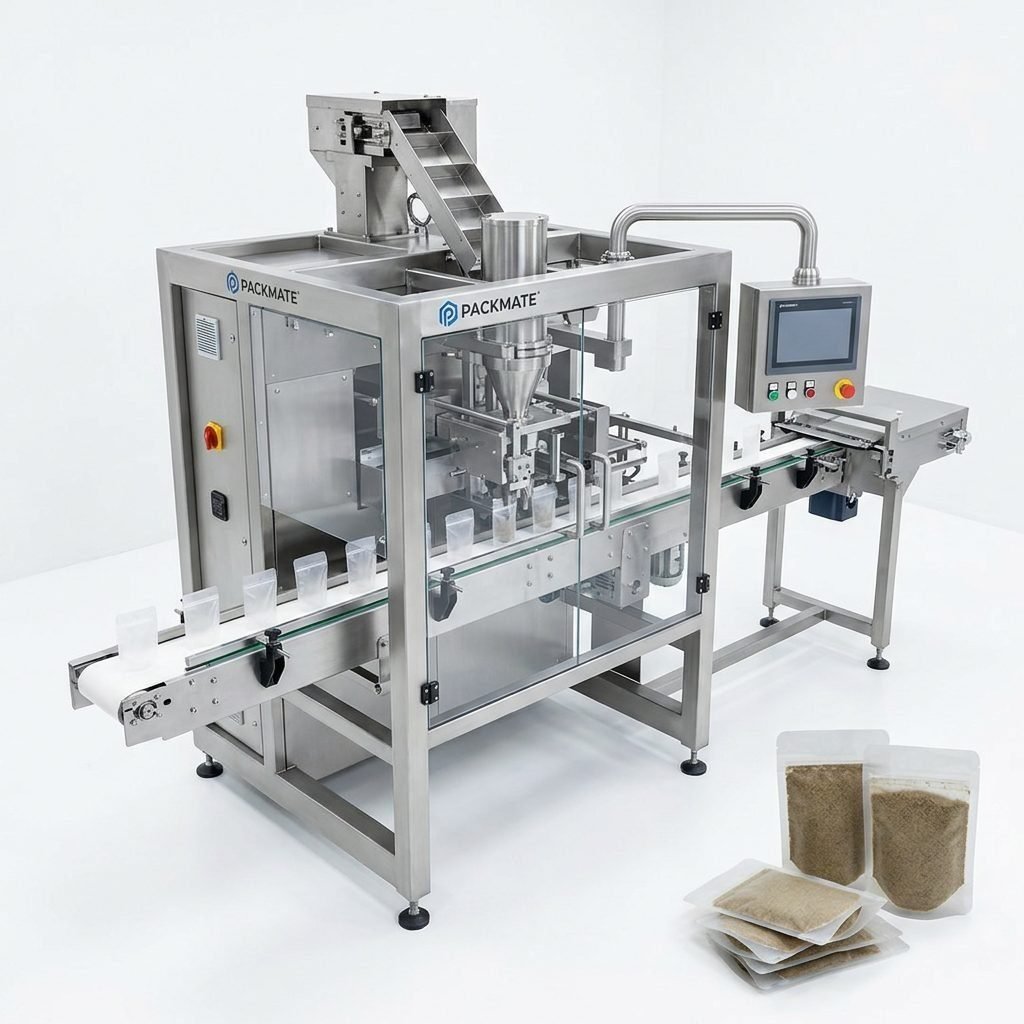
Your supplier should offer a range of models to match your output goals—single-lane for trial batches, multi-lane for high throughput, and flexible stick/sachet options for diversified SKUs. Consider machines that support quick changeovers and modular upgrades. Check product pages like Snus & Nicotine Packaging Machines for examples of specialized equipment.
3. Quality Control, Certifications & Compliance
Verify international certifications such as CE and ISO—these indicate safer design and consistent manufacturing standards. Suppliers with documented quality control systems and factory tours (or virtual demos) reduce risk. Packmate lists CE and ISO compliance, which helps with regulatory acceptance and buyer confidence.
4. After-sales Service, Training & Spare Parts
In Nepal, timely access to spare parts and training is vital. Confirm spare-part lead times, whether the supplier offers spare-parts kits with the machine, and if they provide remote troubleshooting or on-site service partners. Suppliers offering comprehensive training (onsite or via video) in English and translated documents are preferable.
🔍 Quick Checklist — Verify: machine uptime track record, spare parts availability, warranty terms, local technical support options, and references from similar customers or industries.
5. Price vs Total Cost of Ownership (TCO)
Don’t focus only on the purchase price. Consider energy consumption, maintenance frequency, spare parts costs, anticipated downtime, and the expected lifetime of key components. A slightly higher initial investment in a more robust machine can yield a lower TCO over 5–10 years.
6. Delivery, Installation & Commissioning
Confirm clear shipping terms (FOB, CFR, CIF), expected delivery windows, and whether installation and commissioning are included. For Nepal, coordinate customs clearance and local transport early—monsoon season can delay inland logistics. Some suppliers will assist with paperwork; check their Service offerings.
Supplier Red Flags to Watch For
Be cautious if a supplier is vague about spare parts lead times, unwilling to provide client references, avoids factory demonstrations, or cannot supply clear technical documentation. Also be wary of offers that seem too-good-to-be-true on price without a corresponding explanation of lower quality or omitted services.
⚠️ Red Flags — No warranty details, no spare parts plan, unrealistic delivery promises, or poor references from past clients.
Practical Steps to Vet Suppliers — A Nepal-Focused Checklist
Follow these step-by-step checks when evaluating suppliers for nicotine pouch packaging equipment in Nepal:
Step 1: Verify company background and factory capability
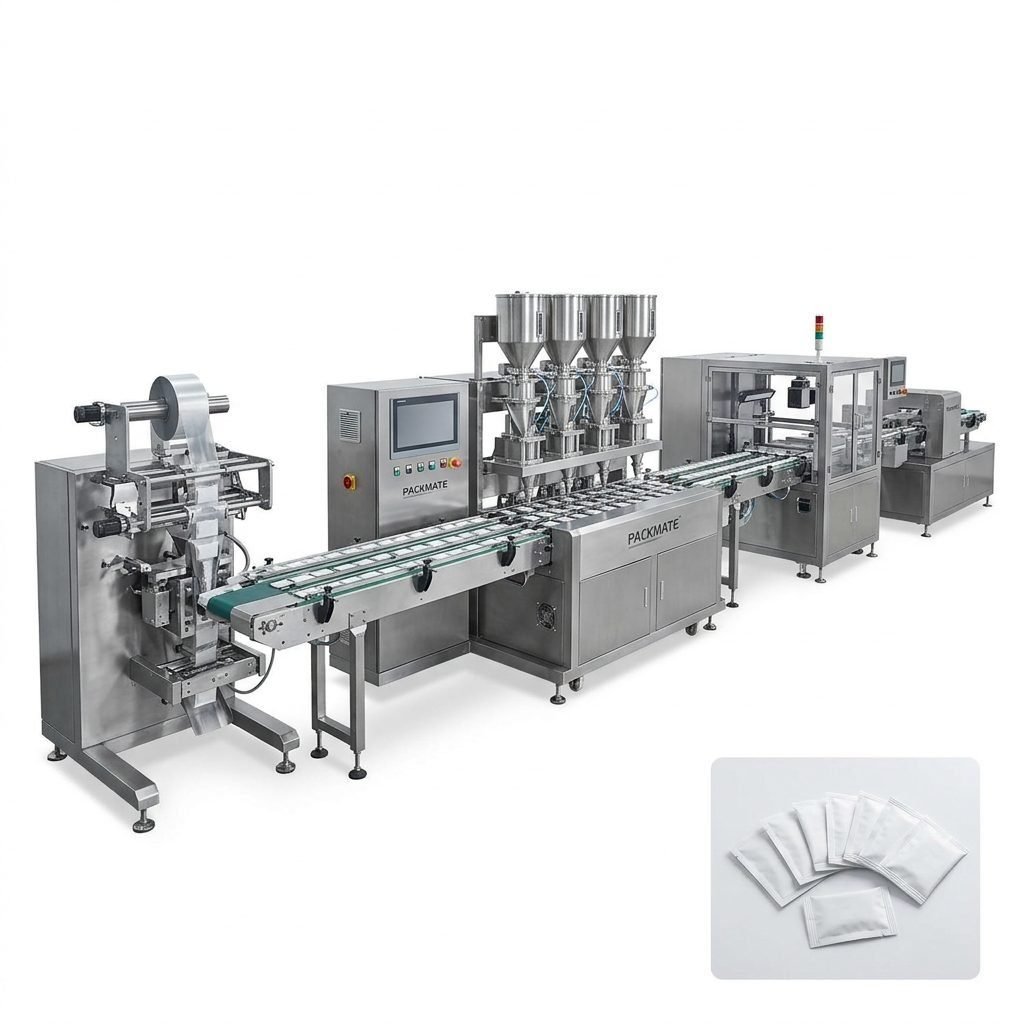
Ask for factory photos, equipment lists (CNC centers, assembly lines), and production capacity. Packmate’s 20,000㎡ facility and 50+ machine models illustrate the scale and variety you might look for when intending to scale production.
Step 2: Request a tailored proposal with local considerations
Ask suppliers to propose machines adapted to Nepal’s humidity and power supply, with recommendations for packaging films and sealing temperatures suitable to local conditions. Include language preferences for manuals and training.
Step 3: Ask for references and case studies
Request case studies in similar climates or industries—review machine uptime, real-world performance, and long-term client feedback. See examples and success stories at the supplier’s Case pages.
Negotiation Tips & Contract Essentials
Negotiate delivery schedules, acceptance tests, spare parts kits, and on-site commissioning. Include service-level agreements (SLAs) for response times and remote support. For Nepal, explicitly define responsibilities for customs documentation and local transport to avoid delays during monsoon season.
Payment Terms & Financing
Suppliers may accept TT, L/C, or progressive payments tied to milestones (factory acceptance test, shipment, commissioning). Local buyers often request flexible payment plans aligned with agricultural or festival-season cash flow—discuss options early.
Why Packmate is a Viable Option for Nepalese Buyers
Packmate Snus Machine presents several features attractive to Nepalese manufacturers: multi-lane systems for small-dose pouches, a wide model range (50+), advanced manufacturing capability in a large factory, and international certifications that ease export and compliance concerns. Learn more on their About Packmate page.
Local Adaptation & Training
A strong supplier will provide operator training, maintenance manuals, and troubleshooting guides—ideally with documentation or translation support in local languages. They may also provide remote training via video conferencing, allowing faster ramp-up even if on-site visits are limited by travel or customs constraints.
Logistics & After-Sales: Minimizing Downtime in Nepal
Consider establishing a local spare-part inventory for critical wear items to reduce downtime during long import lead times. Discuss with your supplier whether they can pre-package essential spares or recommend local vendors for routine consumables. Also, align installation timing to avoid monsoon impacts and festival seasons that could disrupt customs and transport.
Remote Diagnostics & IoT Capabilities
Increasingly, suppliers offer remote diagnostics and IoT-enabled monitoring to preempt failures. This can be particularly valuable in Nepal where fast on-site service can be costly. Ask about secure remote support options and any subscription costs.
Useful Resources & Next Steps
If you are seriously evaluating suppliers, request factory acceptance tests (FATs), detailed quotes with itemized scope, and a written spare-parts plan. Review product lines such as Sachet & Stick Pack Machines and consider complementary equipment like weighing systems to build an efficient line (Weighing & Packaging Systems).
✅ Pro Tip — Always plan for a 10–20% spare parts buffer for the first 12 months of operation to handle initial wear patterns and ensure stable production during critical sales seasons.
Final Considerations: Long-term Partnership vs Single Purchase
Treat supplier selection as a partnership decision. The best value often comes from vendors who invest in ongoing training, spare parts availability, and process optimization. Confirm the supplier’s willingness to support product development, packaging innovation, and changes in local regulatory requirements.
For specific inquiries or to request quotes, you may contact the supplier directly through their Contact Us page and review their exhibition demonstrations listed under Our Exhibition.
Frequently Asked Questions (Common Buyer Questions)
Q1: How do I estimate the right machine capacity for my Nepal-based nicotine pouch brand?
A1: Start by projecting monthly sales volume and SKU mix, then factor in planned growth and seasonal peaks (e.g., Dashain/Tihar). Choose a machine with capacity 20–30% above your immediate needs to allow for growth and reduce changeover strain.
Q2: What spare parts should I stock locally after installing a snus packing line?
A2: Keep a buffer of sealing rollers, belts, sensors, nozzles, and any machine-specific wear parts. A supplier should recommend a parts list based on your machine model and throughput.
Q3: Can a foreign supplier support remote troubleshooting for Nepal customers?
A3: Yes—many suppliers offer remote diagnostics and video-based troubleshooting. Confirm data security measures and whether remote monitoring is included or offered as a paid service.
Q4: How do Nepal import customs and monsoon season affect delivery and setup?
A4: Plan for longer lead times during monsoon months and local festivals. Work with suppliers who assist in documentation and consider shipping so installation avoids peak monsoon transport disruptions.