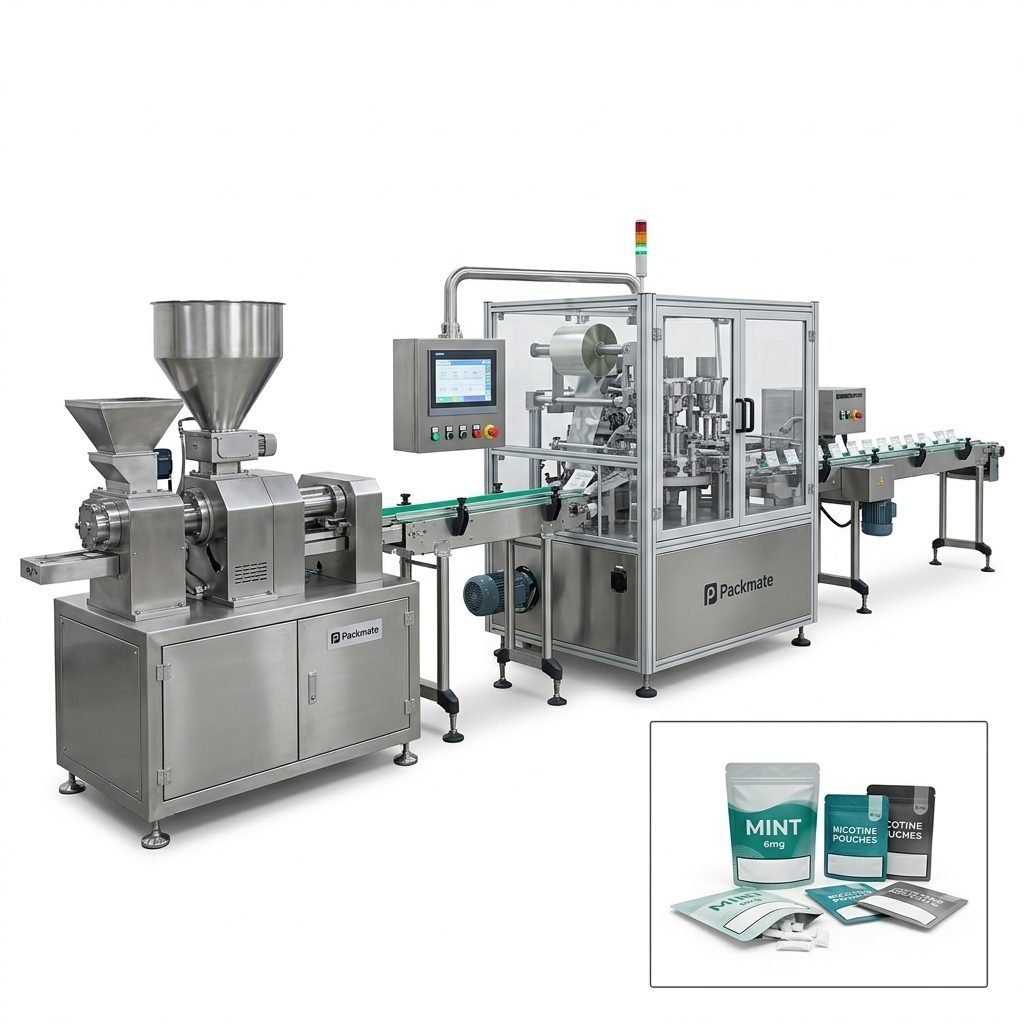
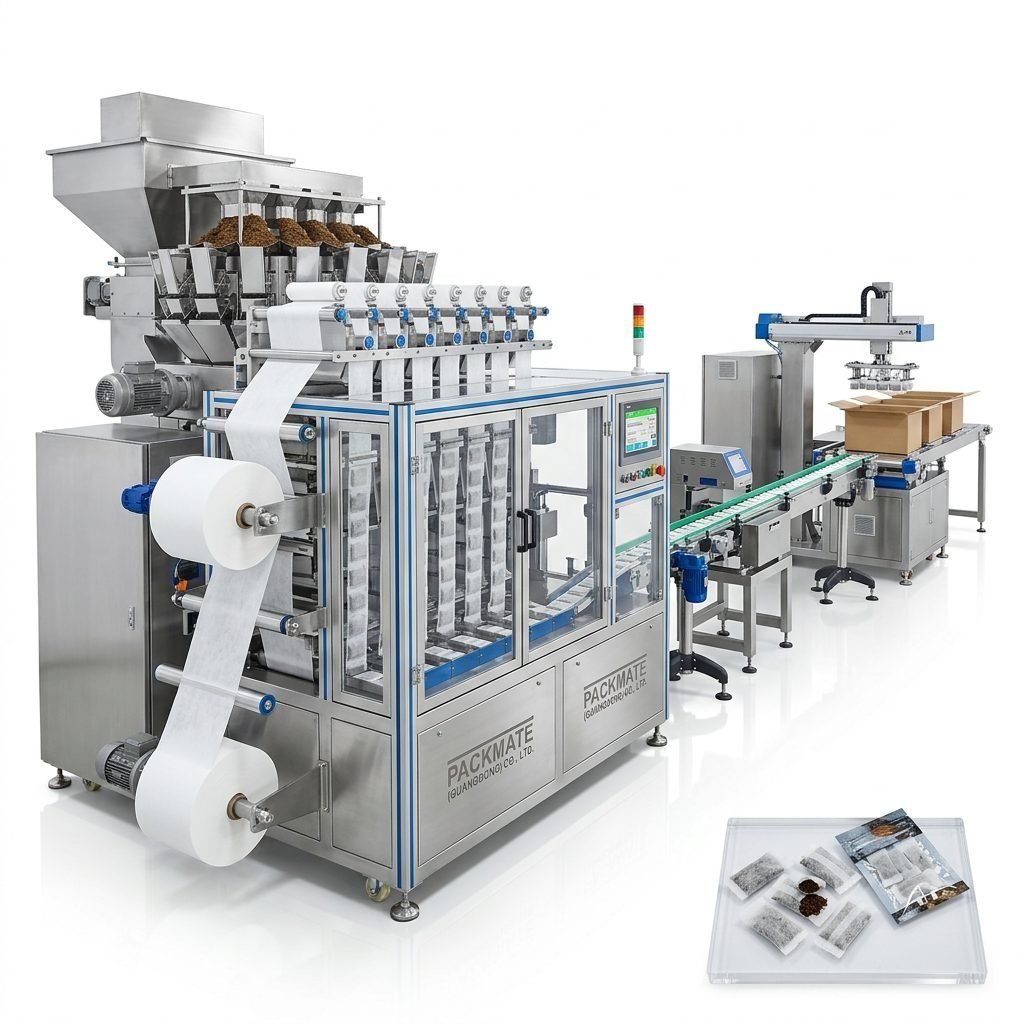
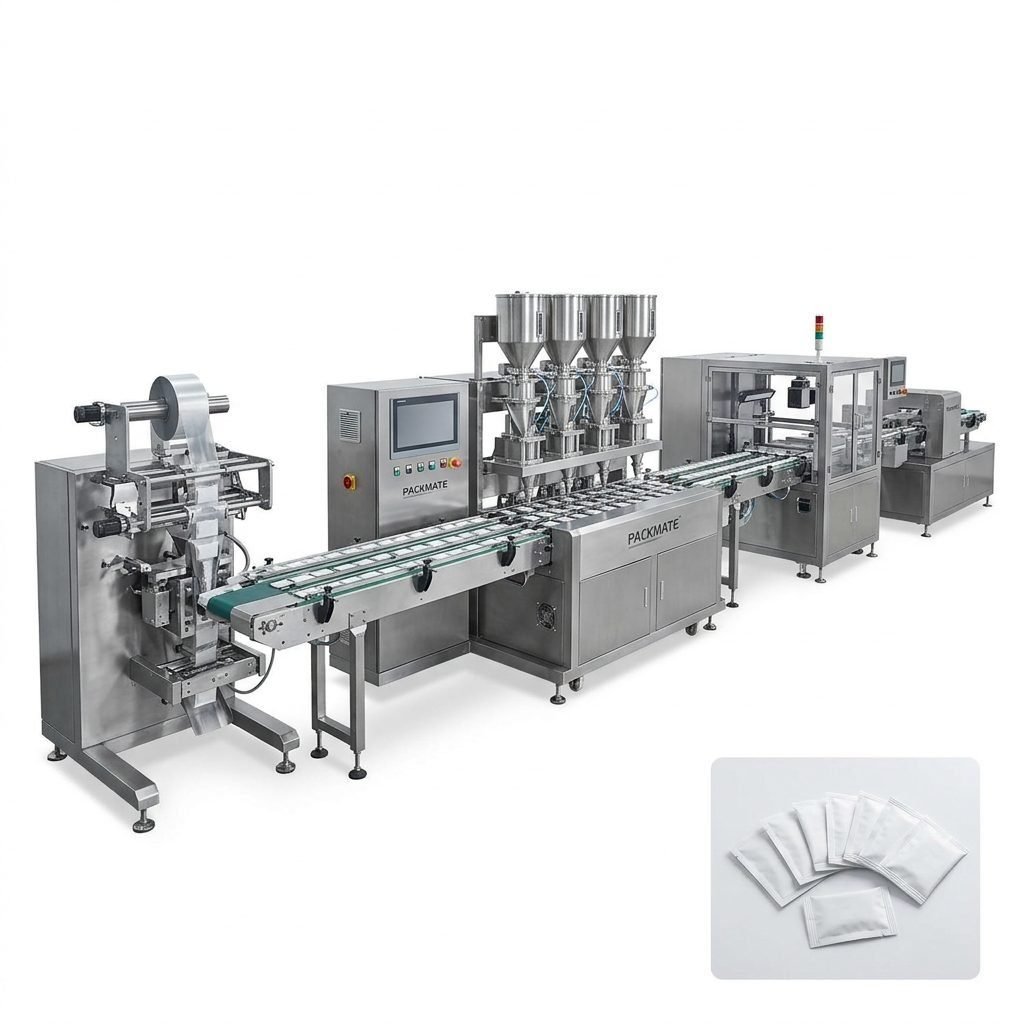
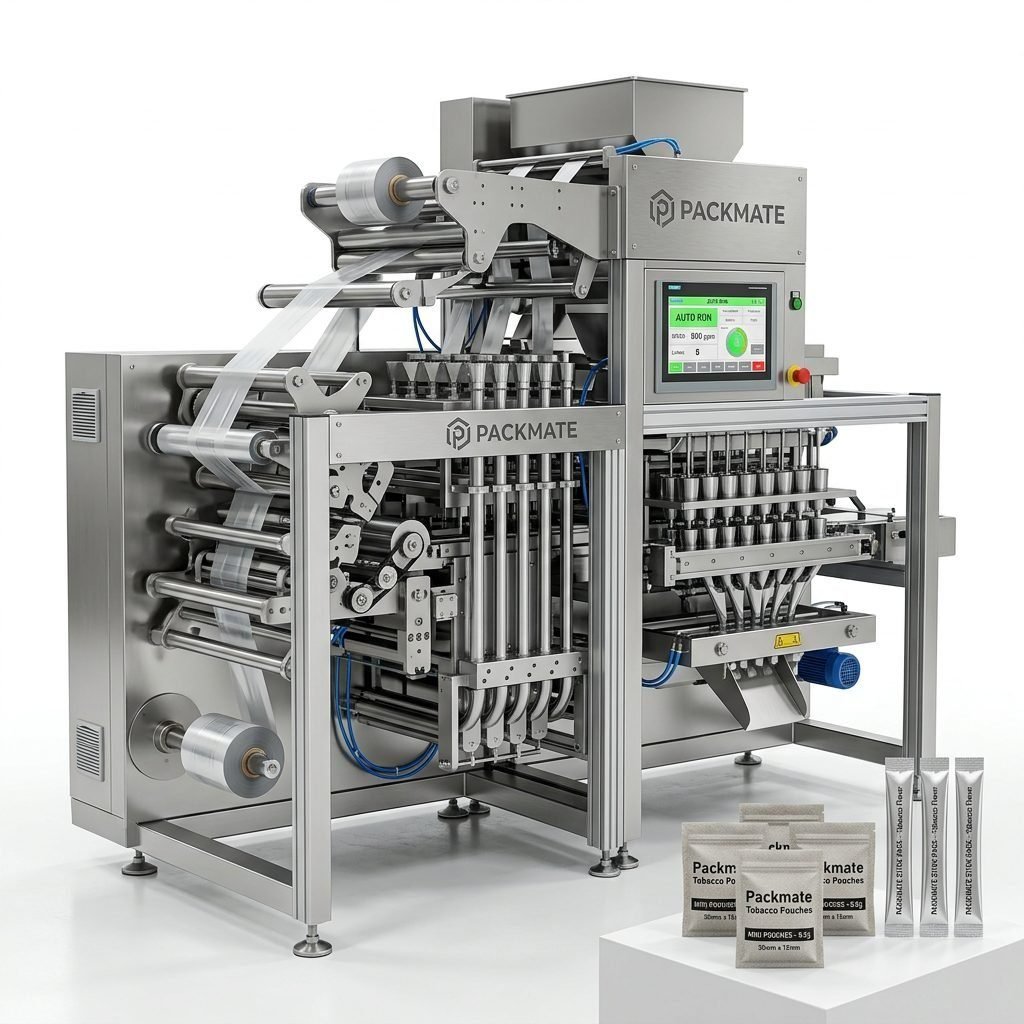
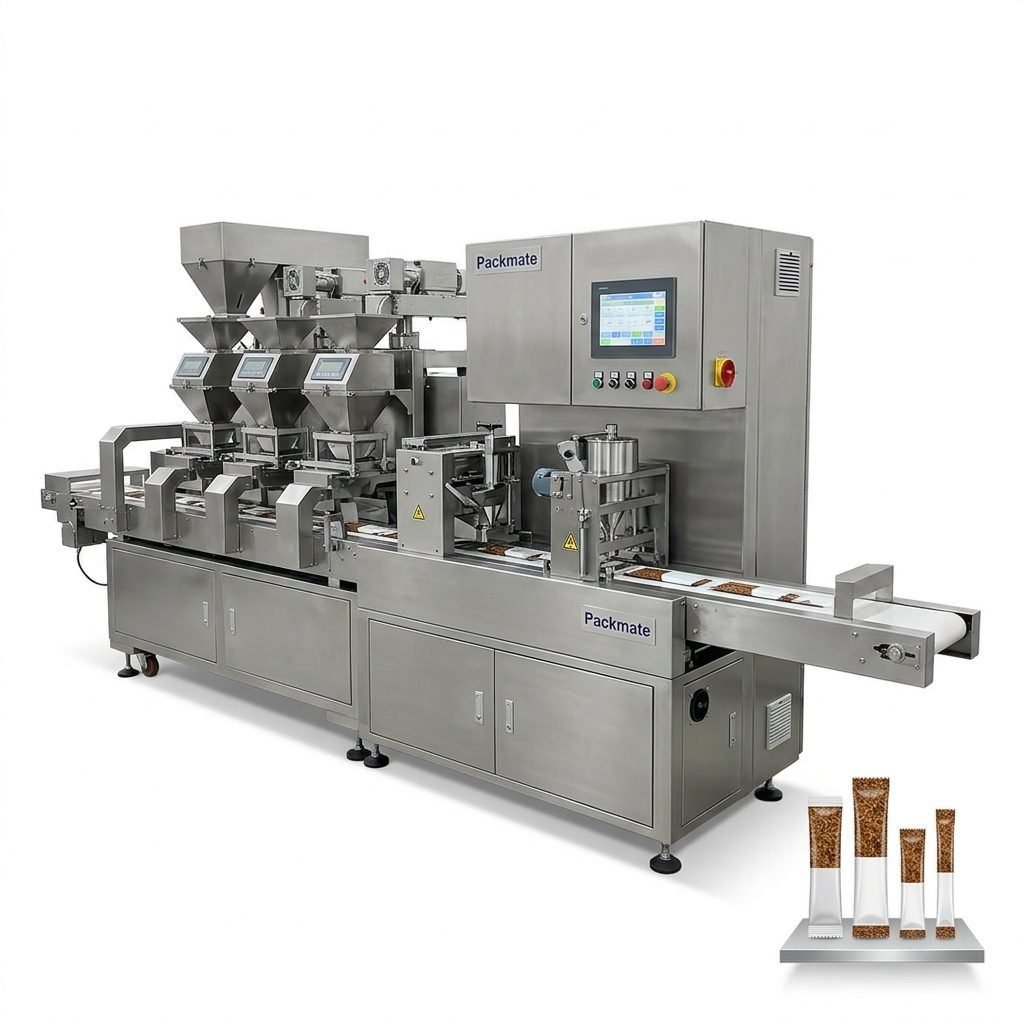
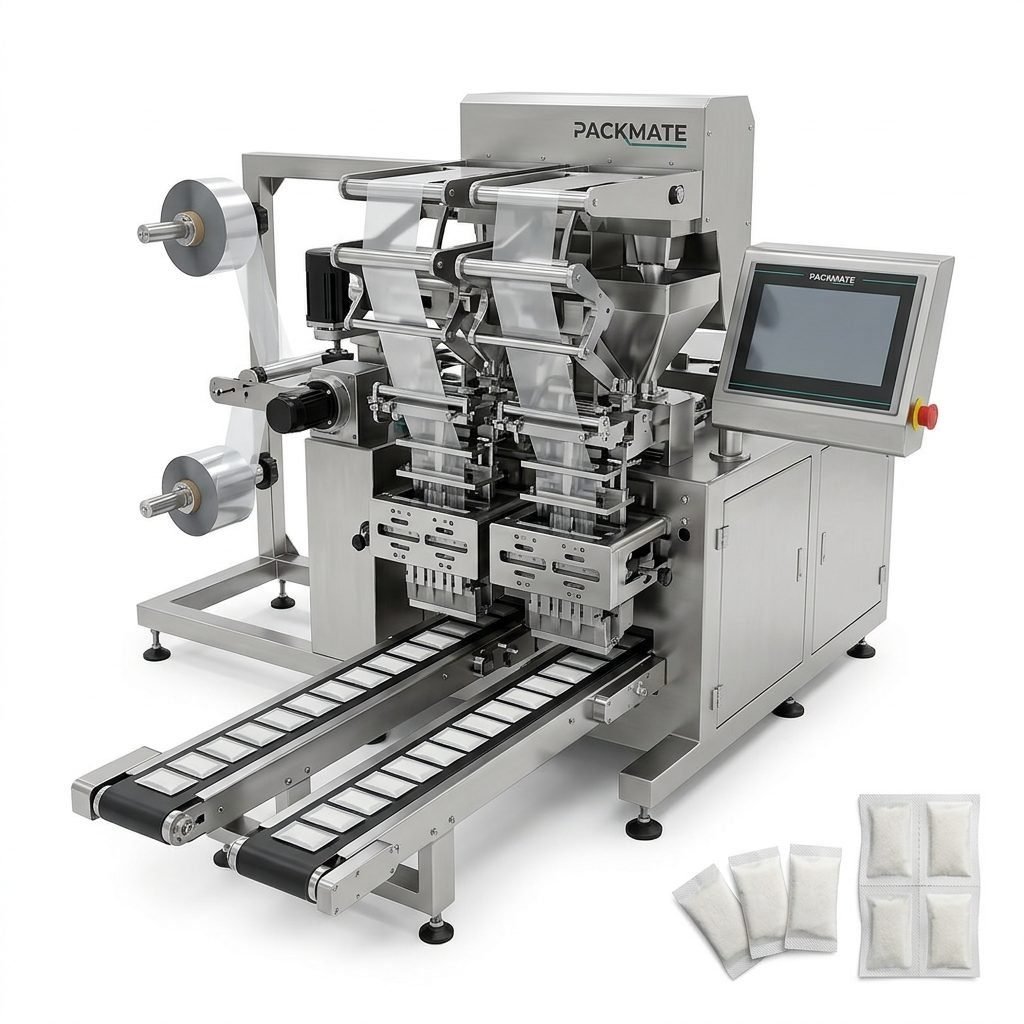
Choosing the best snus packaging machinery supplier in Australia requires a careful balance of technical capability, regulatory awareness, and local market understanding. Whether you plan to run a small artisan line or scale up to high-speed multi-lane production, the right partner will affect product quality, compliance, uptime, and total cost of ownership. This guide walks you through practical criteria, Australian-specific considerations, and actionable evaluation steps to select a supplier who delivers reliable equipment, responsive service, and long-term value.
Understand Your Production Requirements
Start by documenting current and projected output, product formats, and packing styles. Snus and nicotine pouches come in many formats—portion bags, stick packs, sachets, and loose-dose cans—so clarify which formats you will run now and in the future. Consider:
- ⚙️ Daily and hourly throughput targets (units per minute/hour)
- 📦 Packaging types: pouches, sachets, multi-lane sticks, sachets with tear notch, or flow-wrapped cans
- 🧪 Product characteristics: moisture, particle size, granules vs powder vs moist portion
- 🔁 Changeover frequency and need for quick tool-free transitions
Why format flexibility matters
A machine that handles multiple formats reduces capital expenditure and gives you agility to respond to changing market tastes. If you expect to expand into tea, powders, or other FMCG lines, consider suppliers whose lines are modular and provide multi-purpose capabilities.
Key Technical Features to Prioritize
The right machine architecture directly affects yield, hygiene, and uptime. Look for the following technical strengths:
- 🔧 Robust dosing systems for small-dose nicotine pouches and fine powders
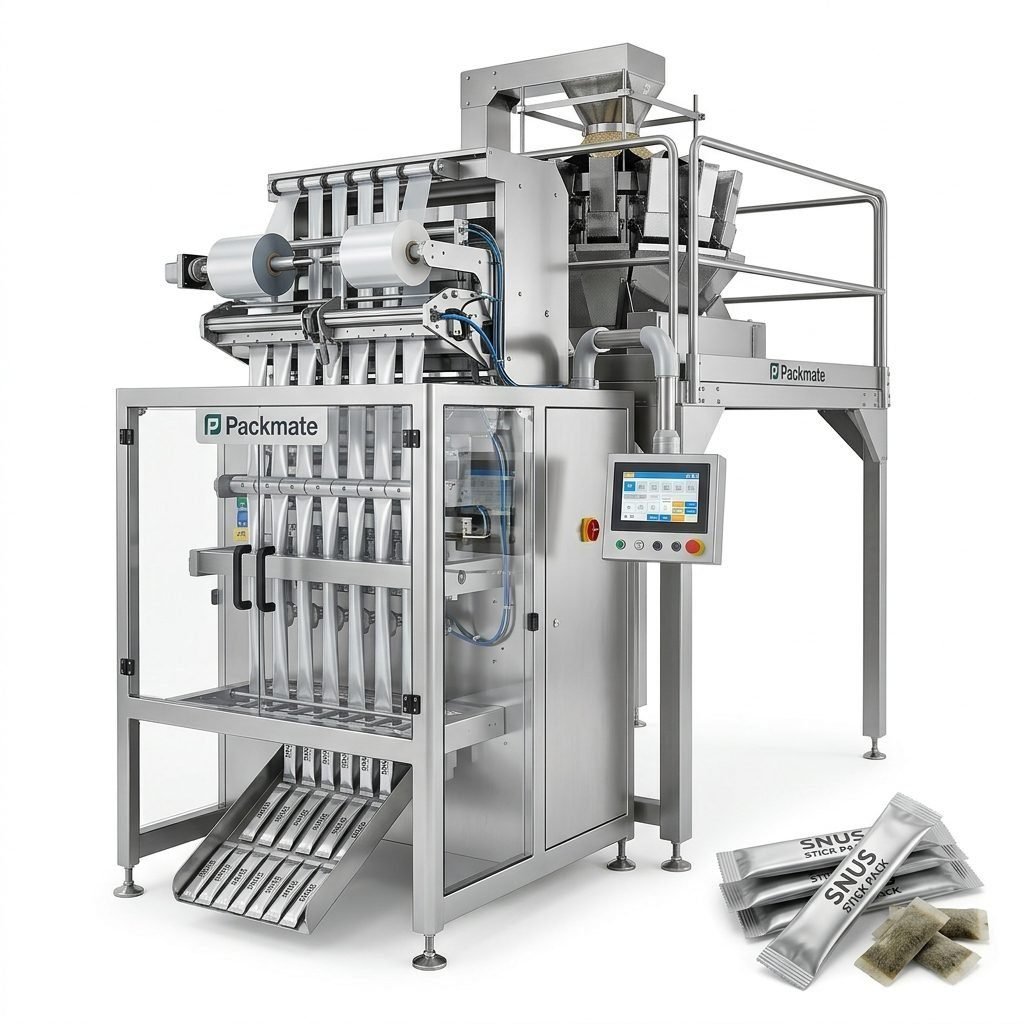
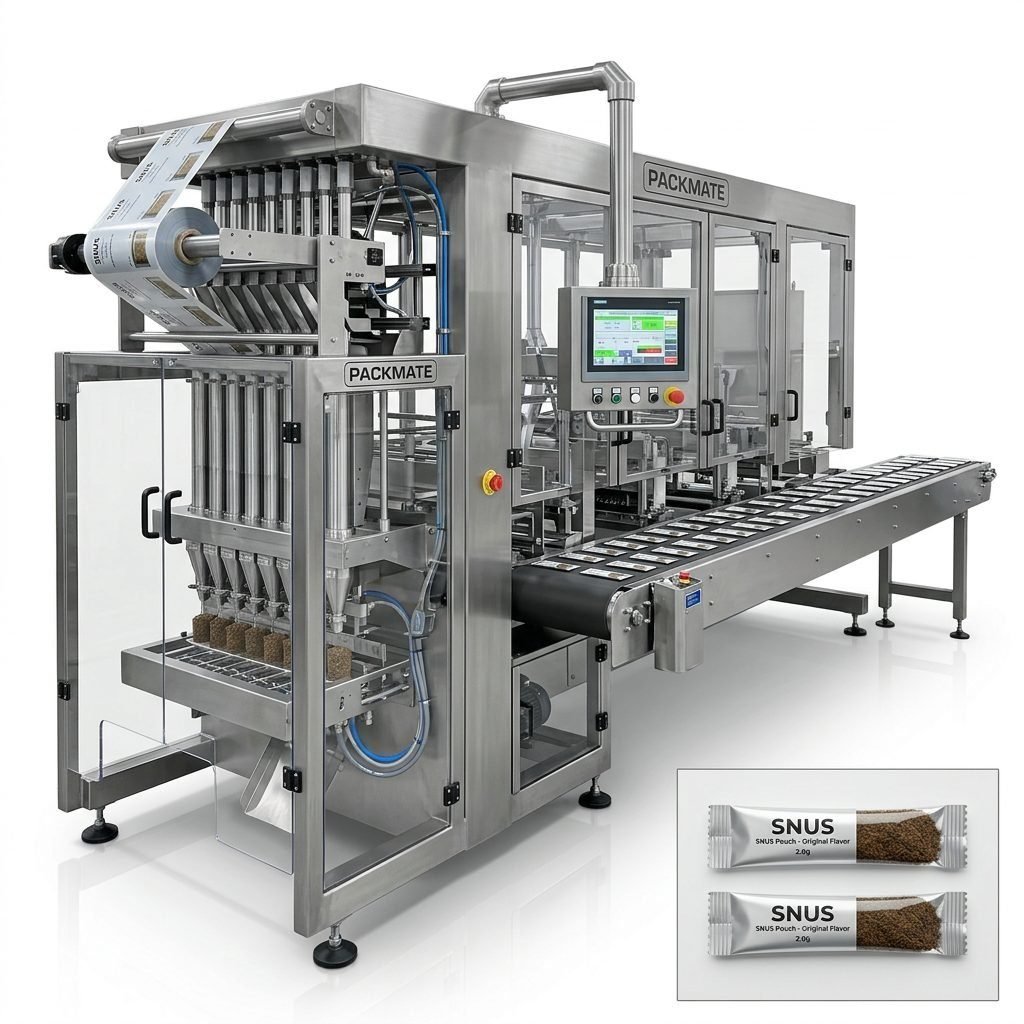
- 🔁 High-precision multi-lane options if you require high output without increasing footprint
- 🤖 Advanced PLC and servo controls for reproducible sealing, cutting, and filling
- 🧼 Hygienic design: easy cleaning, food-grade contact parts, and minimal product traps
- ⚡ Simple HMI with recipe management to speed up changeovers
Assess Supplier Manufacturing Capability and Track Record
Evaluate the supplier’s production scale, quality systems, and real-world references. A factory with advanced CNC machining and precision assembly lines demonstrates the ability to deliver consistent mechanical quality. Check for:
- 🏭 Factory size and equipment footprint (larger factories often mean better quality control)
- 📜 Certifications such as CE and ISO that show compliance with international engineering standards
- 🧾 Case studies and customers in similar product categories (nicotine pouches, tea, powders)
- 🌍 Global installation footprint—experience exporting to diverse markets is a plus
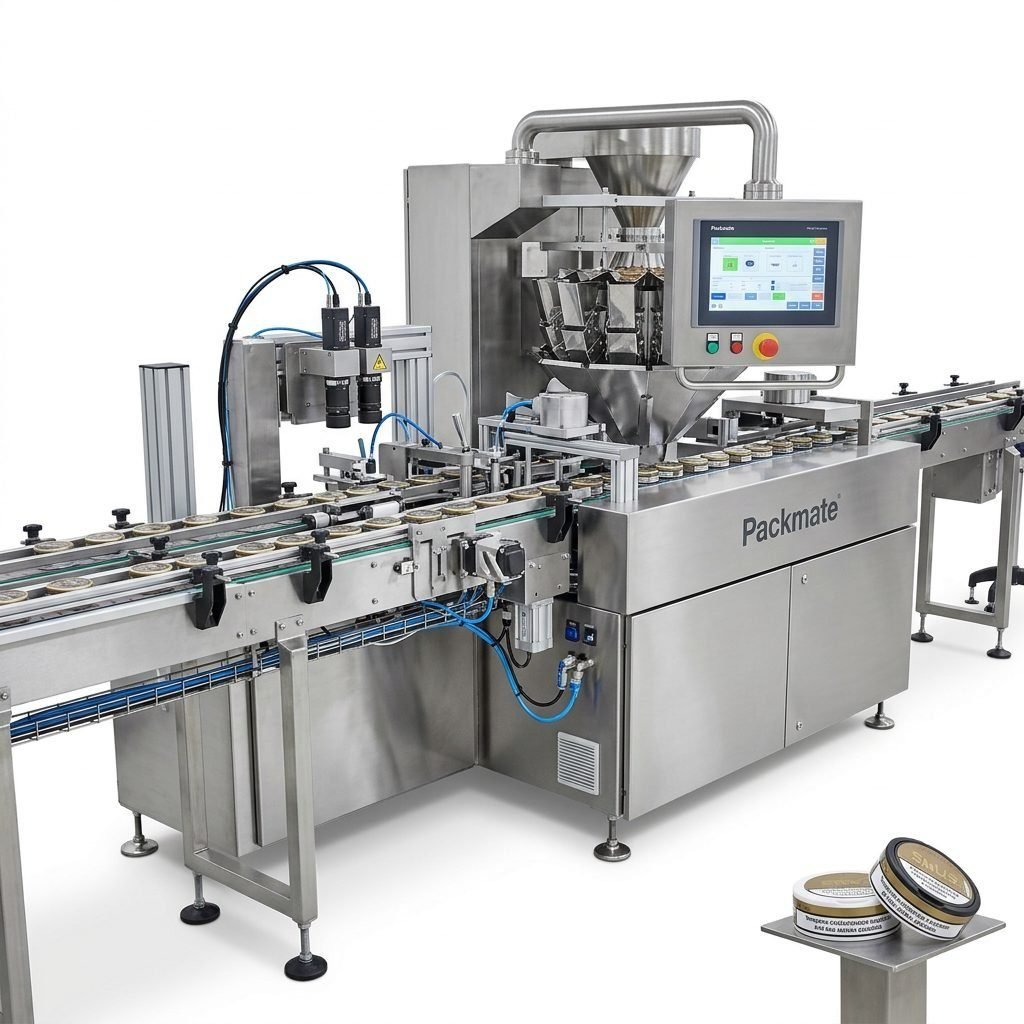
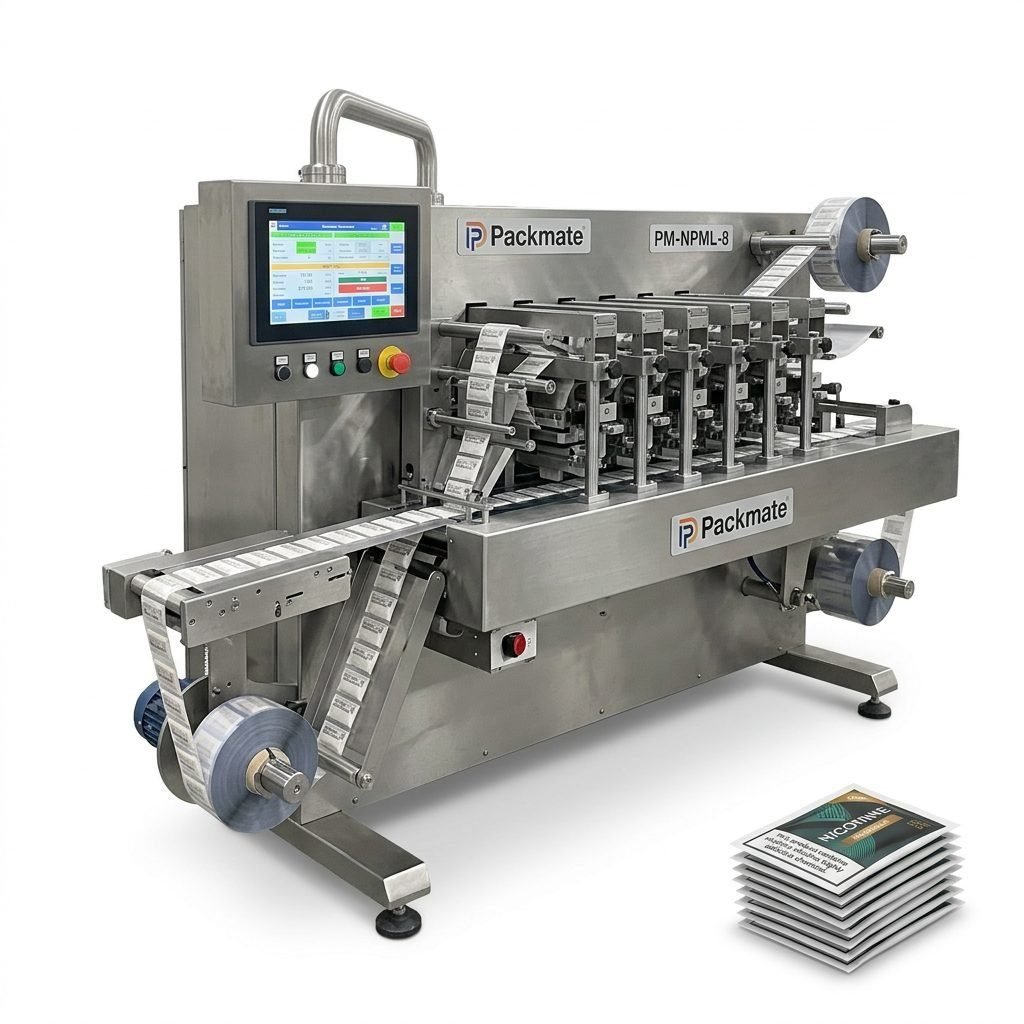
For example, Packmate Snus Machine has a 20,000㎡ facility with CNC centers and a track record of delivering multi-lane systems for nicotine pouches—information to consider when you vet suppliers.
Regulatory and Compliance Considerations in Australia
Australia has strict controls around nicotine-containing products. When evaluating machinery suppliers, verify they can support compliance with Australian regulatory requirements (packaging materials, labeling capabilities, tamper-evident seals, and traceability). Ensure the supplier can:
- 🔎 Provide documentation for materials and contact parts (food-grade certificates)
- 🧾 Offer traceability and serialization modules if required for regulatory tracking
- 📦 Help implement compliant labelling workflows and safe sealing solutions
Also consult local legal counsel or regulatory advisors about nicotine product rules in Australia. A supplier experienced with global markets often understands how to adapt machines for local regulatory demands.
Service, Spare Parts, and Local Support
After-sales service is a critical differentiator. Machines run 24/7 in many facilities; downtime costs are high. Ask the supplier about:
- 🛠️ Spare parts availability and lead times
- 🧑🏫 On-site commissioning, operator training, and maintenance training
- 📞 Remote support capabilities—live diagnostics via secure connections
- 🔁 Warranty terms and preventive maintenance contracts
📌 Tip: Prioritize suppliers who offer spare parts kits and a stocked consumables program. Response time from a supplier who ships quickly to Australia will minimize production interruptions.
Local Logistics, Installation and Training in Australia
Factor in shipping, customs, and on-site installation. Suppliers who have exported to Australia before will be familiar with:
- 🚢 International packing standards for safe transit
- 🧾 Documentation needed for Australian customs and quarantine
- 👷 Local installation teams or trained engineers who can travel for commissioning
A supplier that offers remote training resources, spare parts distribution, and local agent support will reduce friction and get your line running faster.
Financial Considerations and Total Cost of Ownership
Purchase price is only a part of the equation. Evaluate:
- 💰 Operating costs (energy, maintenance labor)
- 🔧 Replacement parts pricing and expected component life
- 📉 Downtime risks and mean time to repair (MTTR)
- 📈 Scalability: can you add lanes, modules, or upgrades later?
Some suppliers structure deals with spare parts or service subscriptions that can stabilize operating costs and improve uptime—ask for modeled examples based on your projected production.
Factory Acceptance Testing (FAT) and Quality Assurance
Insist on a detailed FAT that replicates your product and output. Confirm the supplier will:
- 🧪 Run your formulation and packaging materials during FAT
- 📊 Provide performance reports: speed, yield, sealing integrity, weight variance
- 🔁 Demonstrate changeover procedures and recipe loading
A successful FAT reduces commissioning surprises and validates supplier claims before shipping.
Vendor Evaluation Checklist (Quick)
Use this concise checklist during supplier conversations:
- ✅ Machine models and specs match your formats (ask about multi-lane options)
- ✅ Evidence of CE / ISO certifications and relevant material certificates
- ✅ FAT with your product and acceptance criteria
- ✅ Clear spare parts lead times and support SLAs for Australia
- ✅ Training, commissioning, and documentation in English
- ✅ Transparent warranty and upgrade paths
Why Global Experience Matters — and Local Sensitivity
Suppliers with global projects bring robustness and tested designs; they also understand diverse packaging regulations and supply chain realities. At the same time, choose a partner who listens to local needs. In Australia, discreet packaging aesthetics, child-proofing, and clear labeling can be especially important given public sensitivity around nicotine products. A supplier who can tailor sealing, tamper-evident features, and label formats demonstrates market awareness.
How to Compare Final Proposals
When you receive quotes, compare more than price:
- 📌 Delivered performance guarantees (speed, waste, accuracy)
- 📌 Lead times, shipping & import assistance
- 📌 Payment terms, financing, and C.O.D. options
- 📌 Training, commissioning, and after-sales service packages
Ask suppliers for three client references in similar industries, and where possible, visit an installed machine to observe operation and discuss reliability with the operator.
Supplier Demonstration & Ongoing Partnership
A supplier who demonstrates machines—either at trade shows or in their factory—gives you confidence. Suppliers that invest in long-term partnerships provide periodic upgrades, process optimization support, and spare parts planning. Consider awards and exhibitions as signals of credibility—Packmate regularly attends international fairs and provides comprehensive case studies and machine lines.
Useful resources and contacts
When researching suppliers, useful links include manufacturers’ product pages, company background, and service offerings. For instance, explore product categories like
Snus & Nicotine Packaging Machines,
view company details via About Packmate, check support options on their Service page, or get direct assistance through Contact Us.
Final selection: practical steps
Follow these final steps before making your purchase decision:
- Request a tailored proposal with FAT scope and acceptance criteria.
- Arrange a factory visit or remote live demo with your product.
- Verify spare parts availability for shipments to Australia and ask about local stocking options.
- Confirm on-site commissioning, operator training, and documentation language.
- Negotiate warranty, preventive maintenance, and spare parts bundles.
🔍 In short: choose a supplier that can prove machine performance with your product, supports Australian regulatory needs, provides fast spare parts/service response, and offers a clear lifecycle plan for upgrades and spare parts management.
Conclusion & Next Steps
Selecting the best snus packaging machinery supplier in Australia is a strategic decision that influences production reliability, regulatory compliance, and market responsiveness. Prioritize technical fit, proven manufacturing capability, strong after-sales service, and suppliers who demonstrate experience with nicotine pouch lines. With the right partner you’ll reduce time-to-market, control operating costs, and build a scalable production line for future growth.
Frequently Asked Questions
Q1: How important is FAT for snus packaging machines?
A1: FAT is essential—it verifies machine performance with your product, reduces commissioning time on-site, and ensures acceptance criteria are met before shipment.
Q2: Can suppliers help with Australian regulatory requirements for nicotine products?
A2: Many experienced suppliers provide documentation, material certificates, and machine options (serialization, tamper-evidence) to help with compliance, but you should consult local legal/regulatory experts for official guidance.
Q3: What after-sales support should I expect in Australia?
A3: Expect commissioning, operator training, remote diagnostics, parts kits, and spare parts lead-time commitments. Prefer suppliers with local agents or reliable international logistics to shorten downtime.
Q4: Are multi-lane machines a good fit for small operations?
A4: Multi-lane machines excel when you need high throughput in a compact footprint. For small operations, consider modular systems that let you start with fewer lanes and upgrade as demand grows.
Q5: How do I evaluate total cost of ownership?
A5: Include purchase price, energy consumption, maintenance, spare parts, expected downtime costs, and upgrade potential. Ask suppliers for modeled TCO examples based on your production plan.