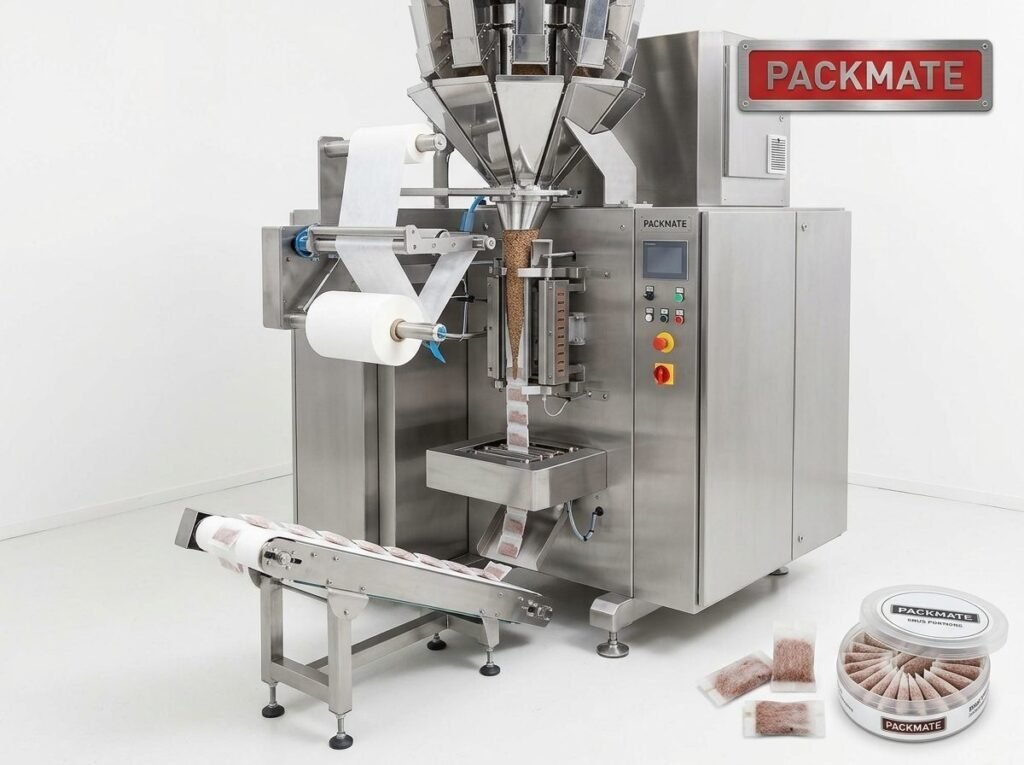
For manufacturers and entrepreneurs in the tobacco pouch and nicotine pouch industry, a well-executed snus line installation is the foundation of reliable production, product consistency, and long-term cost control. This article walks through professional turnkey solutions for efficient tobacco pouch production, including equipment selection, installation steps, quality control, staff training, and ongoing service support — all designed to help you start production quickly and scale sustainably.
Why a Professional Turnkey Snus Line Matters
✔️ Efficiency and consistency: A turnkey installation aligns upstream and downstream equipment — from dosing and filling to sealing and secondary packaging — ensuring stable cycle times and consistent pouch quality. This reduces waste and boosts yield.
🔧 Single-source responsibility: When a trusted manufacturer provides an integrated line, you benefit from coordinated commissioning, simplified accountability, and faster troubleshooting.
Core Components of a Turnkey Snus Production Line
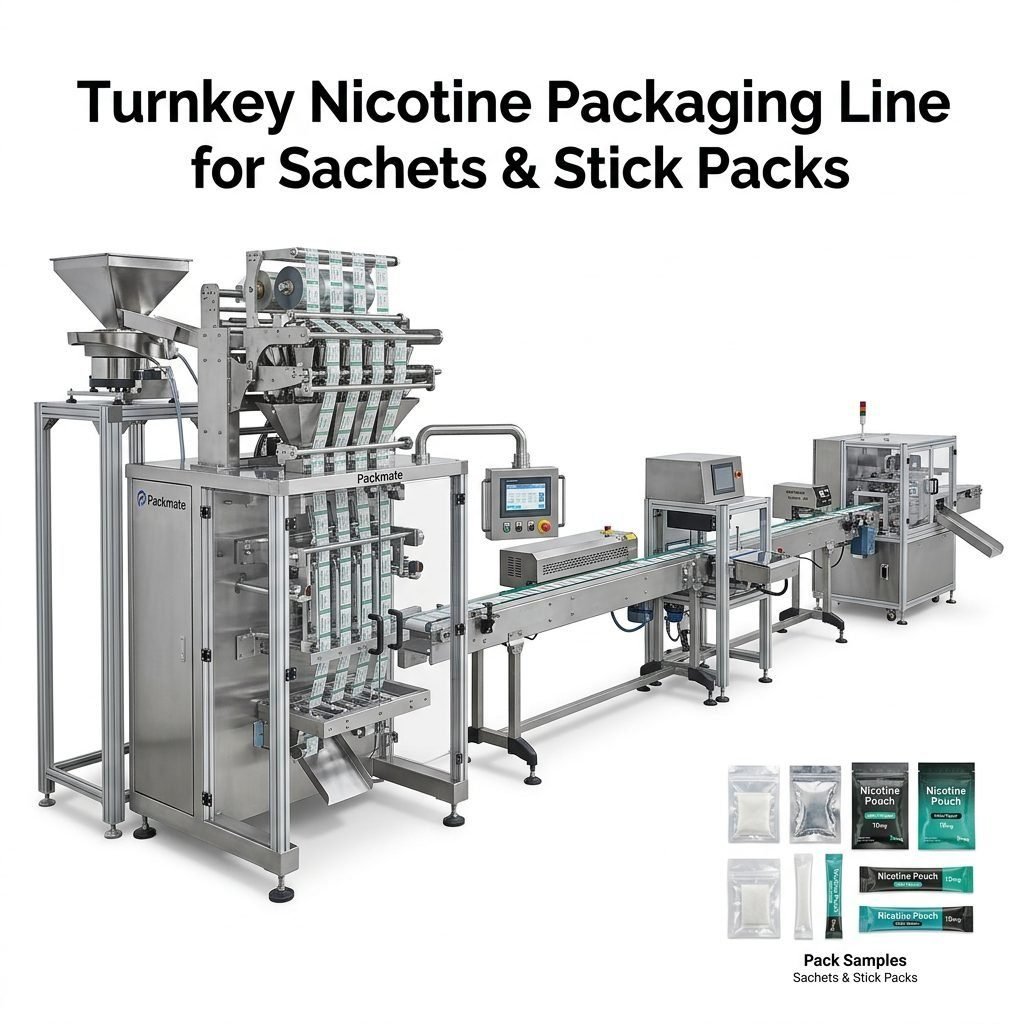
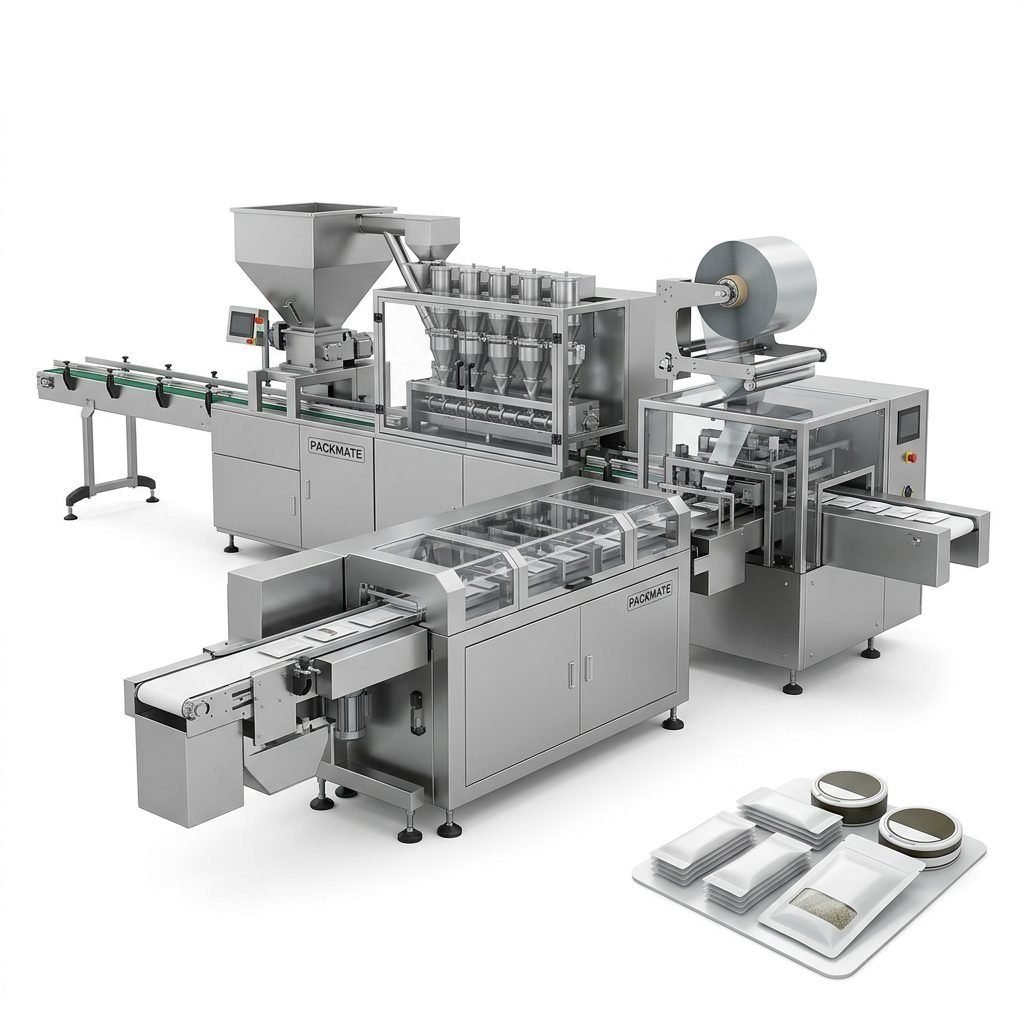
A fully integrated snus pouch line typically includes the following equipment groups. Choosing complementary machines from a single supplier simplifies mechanical and electrical integration and reduces commissioning time.
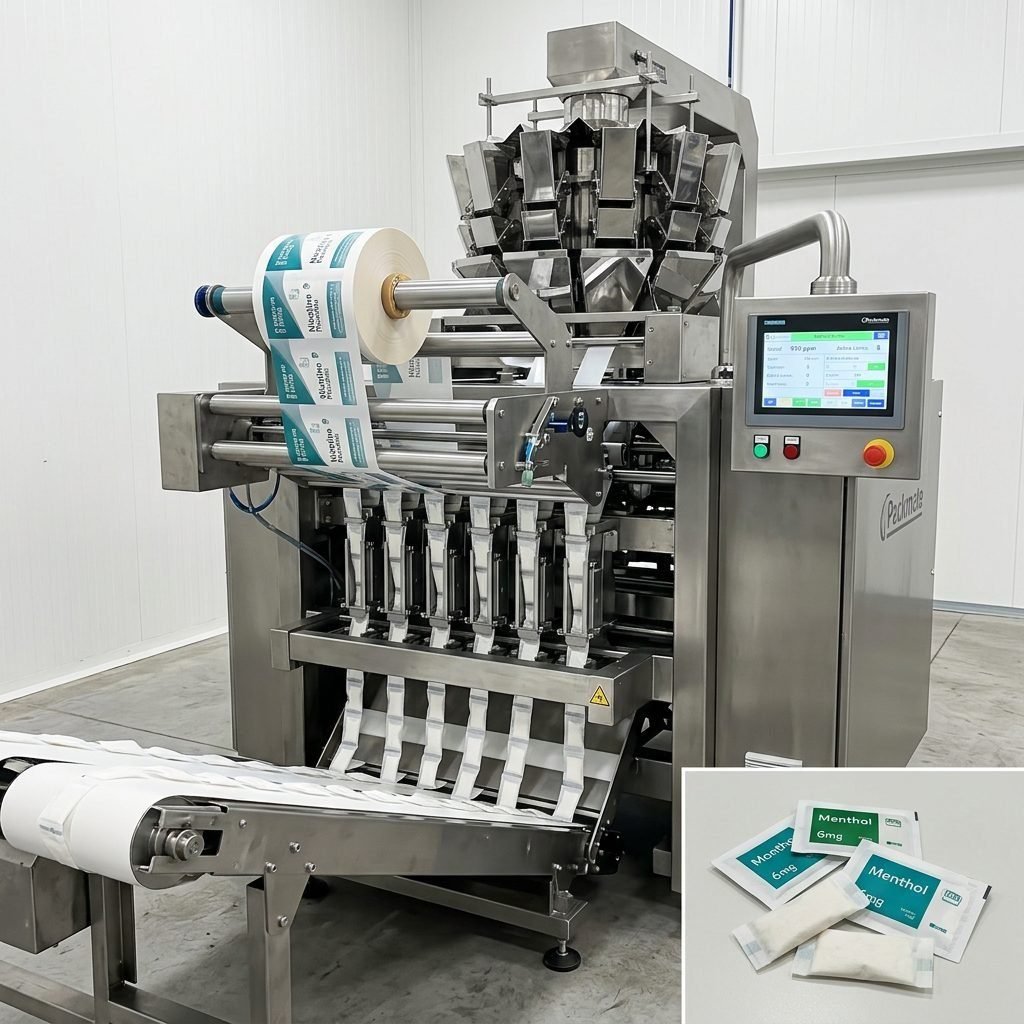
📌 Weighing & Dosing Systems — precise dosing is critical for nicotine pouches to meet regulatory limits and maintain product uniformity. Integrating high-precision weighing systems prevents overfill and underfill.
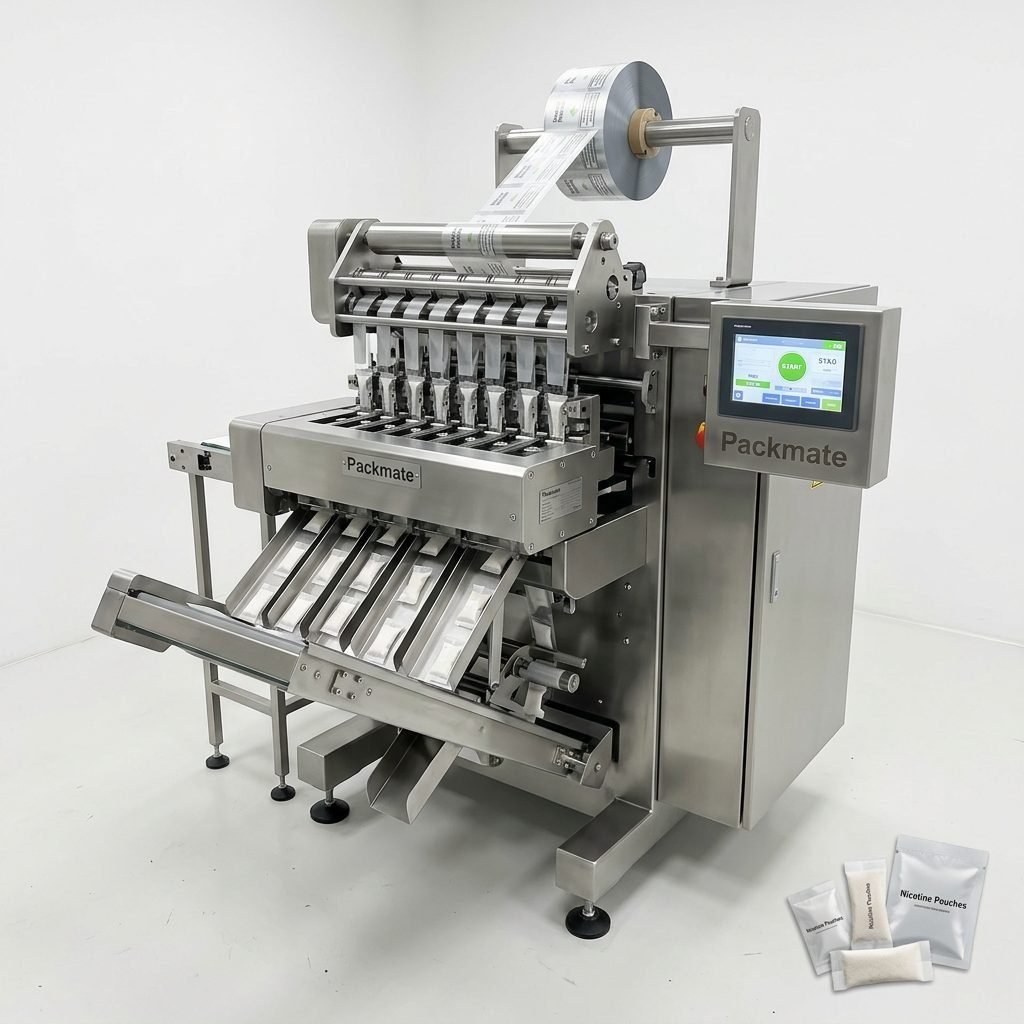
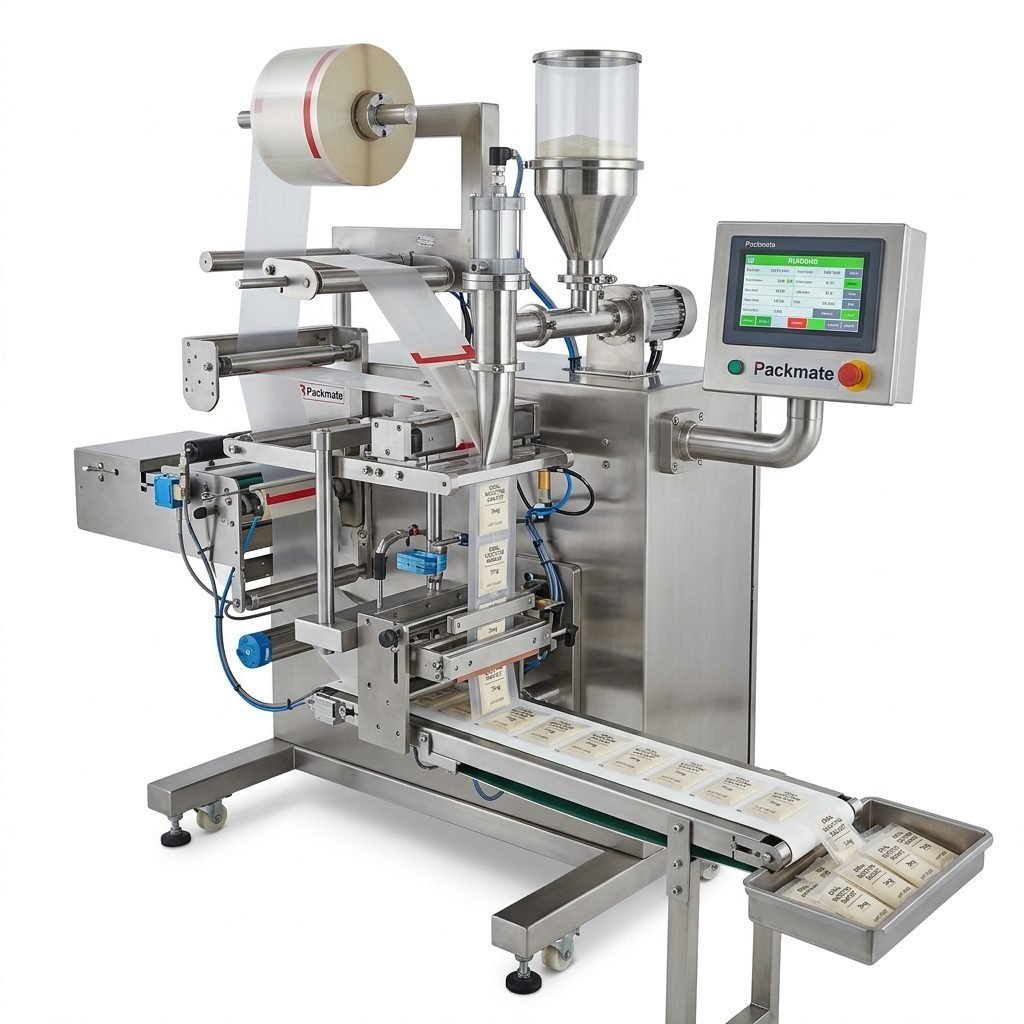
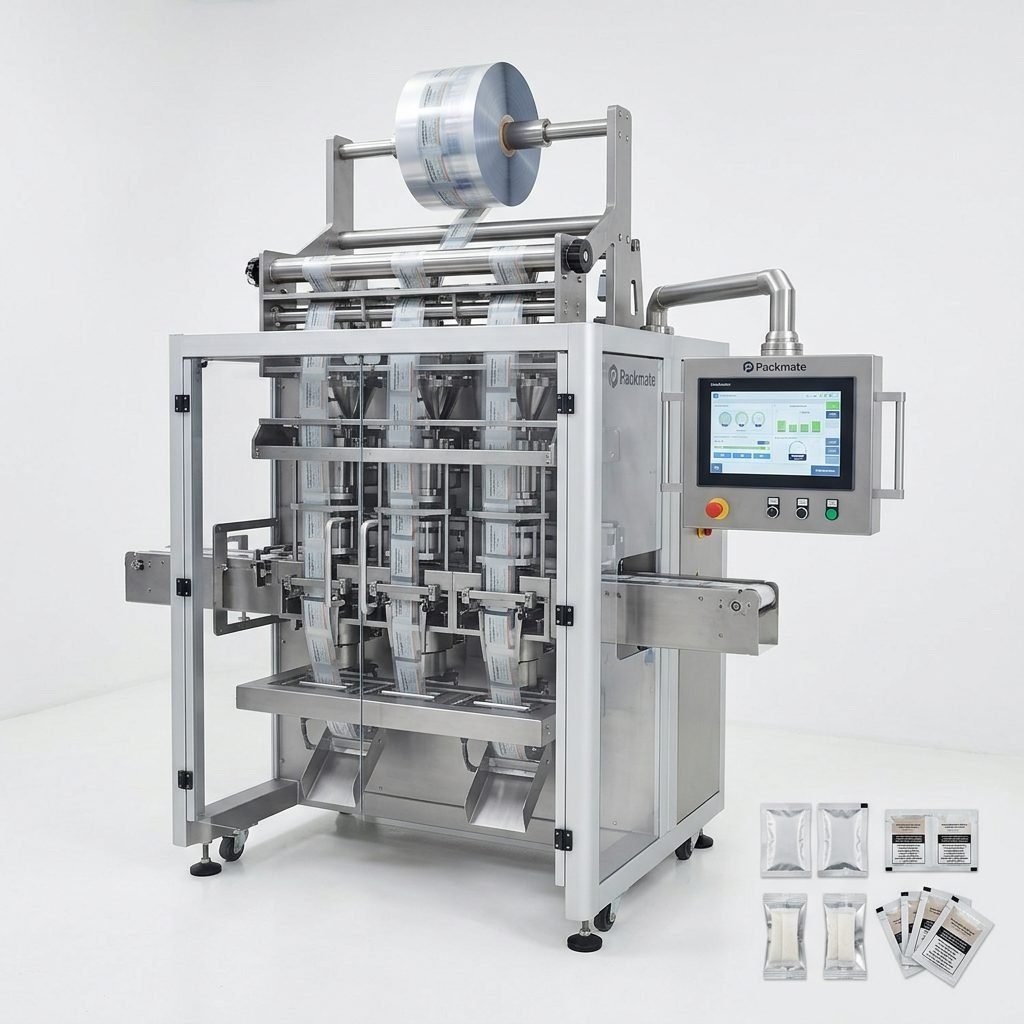
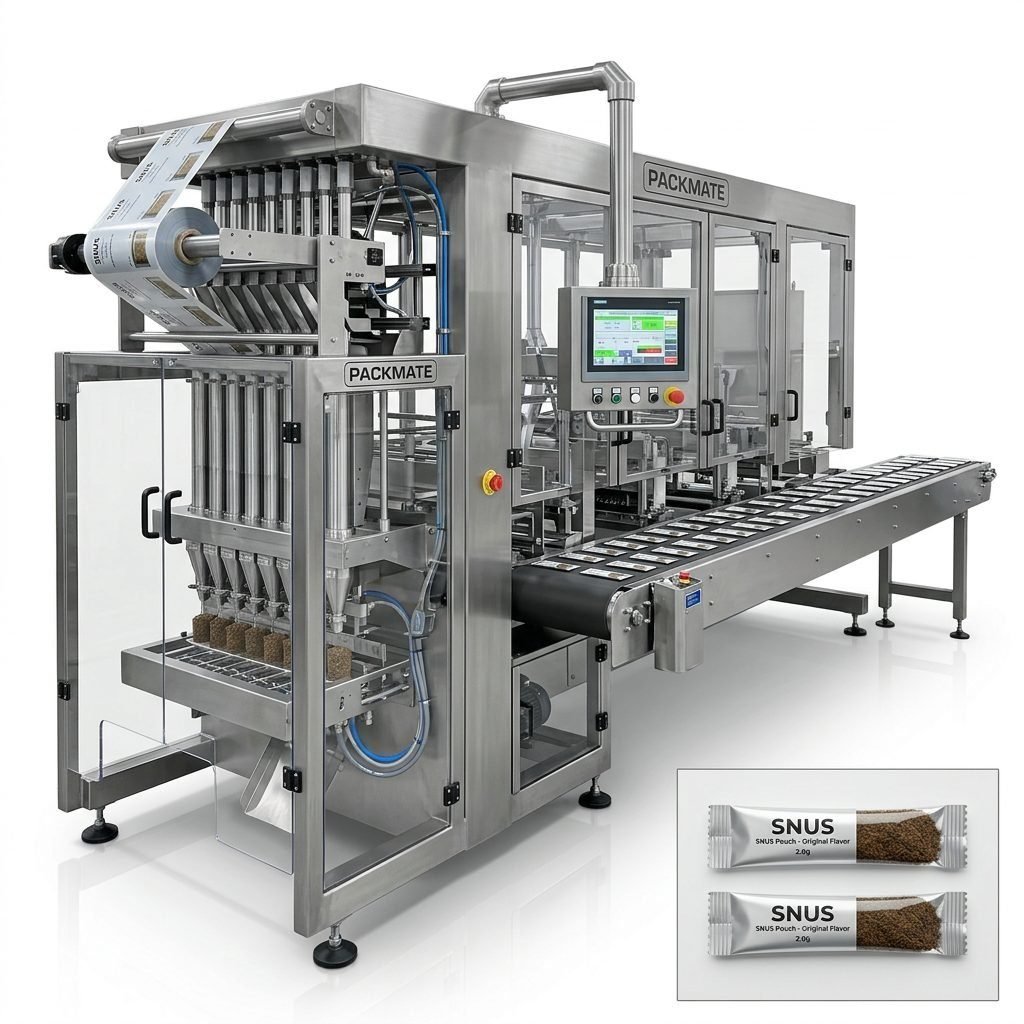
📌 Snus & Nicotine Packaging Machines — the core forming, filling, and sealing machines designed specifically for small-dose multi-lane pouch production.
📌 Sachet & Stick Pack Machines — for stick or sachet styles, providing quick format changeovers and high throughput for single-serve options.
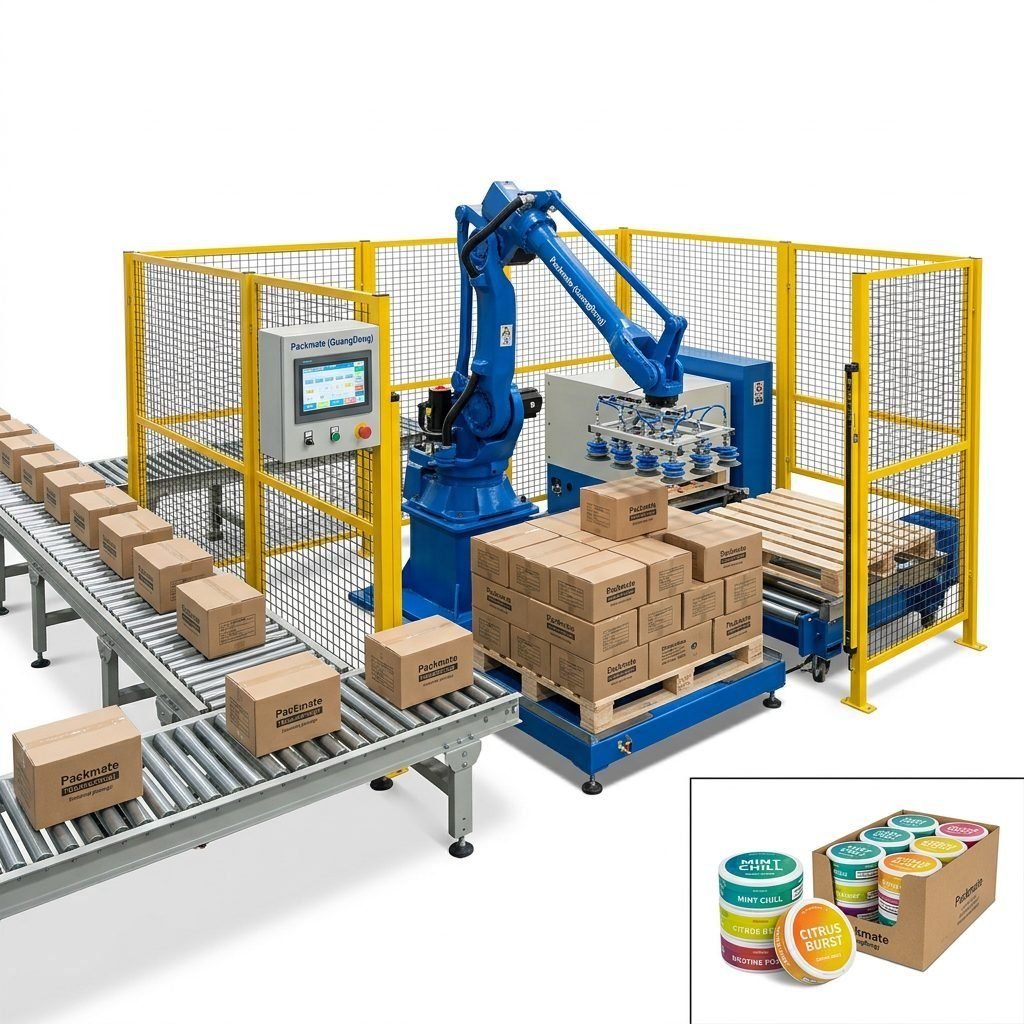
📌 Filling & Packaging Lines — conveyors, checkweighers, labelers and cartoners that automate secondary packaging and ensure traceability.
Pre-installation Planning and Site Preparation
A successful installation begins long before machines arrive. Proper planning avoids delays, reduces cobbling onsite, and provides a safer, more predictable startup.
Site survey and layout: Ensure floor load, utilities (power, compressed air, water/vacuum), and egress meet equipment specifications. A line layout drawing helps visualize flow and ergonomics.
Cleanroom and hygiene needs: For tobacco and nicotine pouch operations, controlled environments and appropriate HVAC filtration reduce contamination and protect product stability.
Regulatory alignment: Confirm local labeling, batch traceability, and material handling rules to select equipment options (e.g., GMP-compliant stainless surfaces or CIP capability).
Delivery, Assembly and Commissioning Workflow
Professional installers follow a consistent workflow that shortens start-up time and improves performance verification.
⚙️ Pre-shipment FAT (Factory Acceptance Testing): Before shipment, machines are tested with customer-supplied products or simulated materials to verify functions, speeds, and recipe settings.
🚚 Logistics & delivery coordination: Crating, customs documentation, and on-site handling plans reduce damage risk and avoid unexpected delays at port or site.
🛠️ Assembly and mechanical alignment: Trained technicians perform machine alignment, anchoring, and mechanical integration, followed by electrical and PLC wiring checks.
🔌 Control system commissioning: Recipe loading, HMI customization, and safety interlocks are programmed and validated to guarantee safe operator interaction.
Quality Validation and Process Optimization
After mechanical commissioning, process optimization ensures the line achieves target throughput, product weight accuracy, and pouch integrity.
📈 Performance trials: Run incremental speed tests while monitoring reject rates, packaging seal strength, and weight variance. Document stable recipes for every formulation.
🔬 Product testing: Check moisture, nicotine content (if applicable), and pouch integrity under expected storage conditions.
✅ Documentation: Create SOPs, maintenance schedules, and batch records to meet audits and support consistent production.
Customization and Scalability
Market changes and diverse product portfolios require flexible machine platforms that adapt to new formats, multi-lane upgrades, and automated changeover features.
📦 Multi-format capability: Select machines with modular tooling and quick-change systems to switch between pouch types and sizes with minimal downtime.
➕ Lane expansion: If demand grows, multi-lane fillers and formers let you increase throughput without doubling floor footprint.
🔁 Integration-ready design: Ensure the line supports future automation like robotic case packing, vision inspection, or industry 4.0 connectivity.
Packmate’s Manufacturing and Service Strength
Packmate Snus Machine combines decades of R&D with robust manufacturing capabilities to deliver reliable snus packaging lines. Below are key strengths that matter when choosing an installation partner.
Factory scale and precision: A 20,000㎡ facility with advanced CNC centers and precision assembly lines ensures repeatable machine quality and fast custom part production.
Proven product range: Over 50 machine models and experience across powder, granule, and liquid filling give Packmate the flexibility to design lines tailored for nicotine pouches and other related products.
Global compliance and support: CE and ISO certifications, plus experience on multiple continents, ensure installations meet local regulations and customer expectations. Learn more on the About Packmate page.
After-sales, Spare Parts and Training
Ongoing support is as important as initial commissioning. Effective training and spare part strategies reduce downtime and extend machine life.
📘 Operator and maintenance training: Hands-on sessions on SOPs, changeover, and preventive maintenance equip your team to run the line efficiently.
🧩 Spare parts kits: Keep critical spares on site for mechanical wear parts and electronics. Packmate’s spare packages reduce lead time for repairs.
🌐 Remote support and service agreements: Remote diagnostics, software updates, and scheduled preventive visits help maintain top performance. See details at Service.
Common Installation Challenges and How to Avoid Them
Experienced installers anticipate common pitfalls and prepare contingencies.
⚠ Unclear utility specifications: Verify voltage phases, air pressure quality, and grounding requirements before equipment arrival.
⚠ Insufficient training: Allocate time for operator ramp-up with production trials and create laminated SOPs for quick reference.
⚠ Incomplete FAT documentation: A detailed FAT reduces on-site adjustments and protects both parties during acceptance.
Real-world Case Studies & Exhibitions
Packmate machines are demonstrated worldwide at international exhibitions and validated in multiple customer installations. Prospective buyers should request references and site visits to understand real-world performance. View project references in the Case section and the exhibition calendar at Our Exhibition.
Return on Investment and Long-term Benefits
A properly installed snus packaging line delivers measurable ROI through reduced labor, lower material waste, higher throughput, and improved product quality that supports brand growth.
📊 Cost-per-unit reduction: Automated dosing and precise control shrink variance and reduce regulatory rework.
⏱️ Faster market ramp-up: Turnkey delivery shortens the time from equipment purchase to commercial batches.
🔒 Risk mitigation: Single-vendor coordination, documented FATs, and standardized training reduce installation risk and future disputes.
Selecting the Right Partner
When evaluating suppliers, look beyond the machine specs — prioritize installation experience, global references, spare parts availability, and long-term service capabilities. For full product ranges and technical information explore Packmate’s offerings: Bag & Pouch Packaging Machines, Weighing & Packaging Systems, and the company profile on About Packmate.
Final Recommendations for a Smooth Installation
📌 Engage early: Involve the machine supplier during the factory layout and utility planning stage.
📌 Document expectations: Agree on FAT criteria, acceptance tests, and spare part lists before contract signing.
📌 Plan for scale: Choose modular equipment that allows lane expansion and integration of new automation.
Frequently Asked Questions
Q1: How long does a typical snus line installation take from delivery to commercial production?
A1: Installation time varies with line complexity, but most turnkey snus lines reach commercial production within 4–12 weeks after delivery when site preparation and utilities are ready.
Q2: What is included in a Factory Acceptance Test (FAT)?
A2: FAT covers mechanical checks, electrical and PLC testing, safety interlocks, speed verification, and simulated product runs. A detailed FAT reduces onsite adjustments and is often required for acceptance.
Q3: Can the line be upgraded later to add more lanes or different pouch formats?
A3: Yes — selecting modular, lane-expandable machines and compatible controls enables future upgrades with minimal disruption.
Q4: What support is available after installation?
A4: Remote diagnostics, preventive maintenance plans, spare parts supply, and on-site service visits are commonly offered. See the Service page for program details.