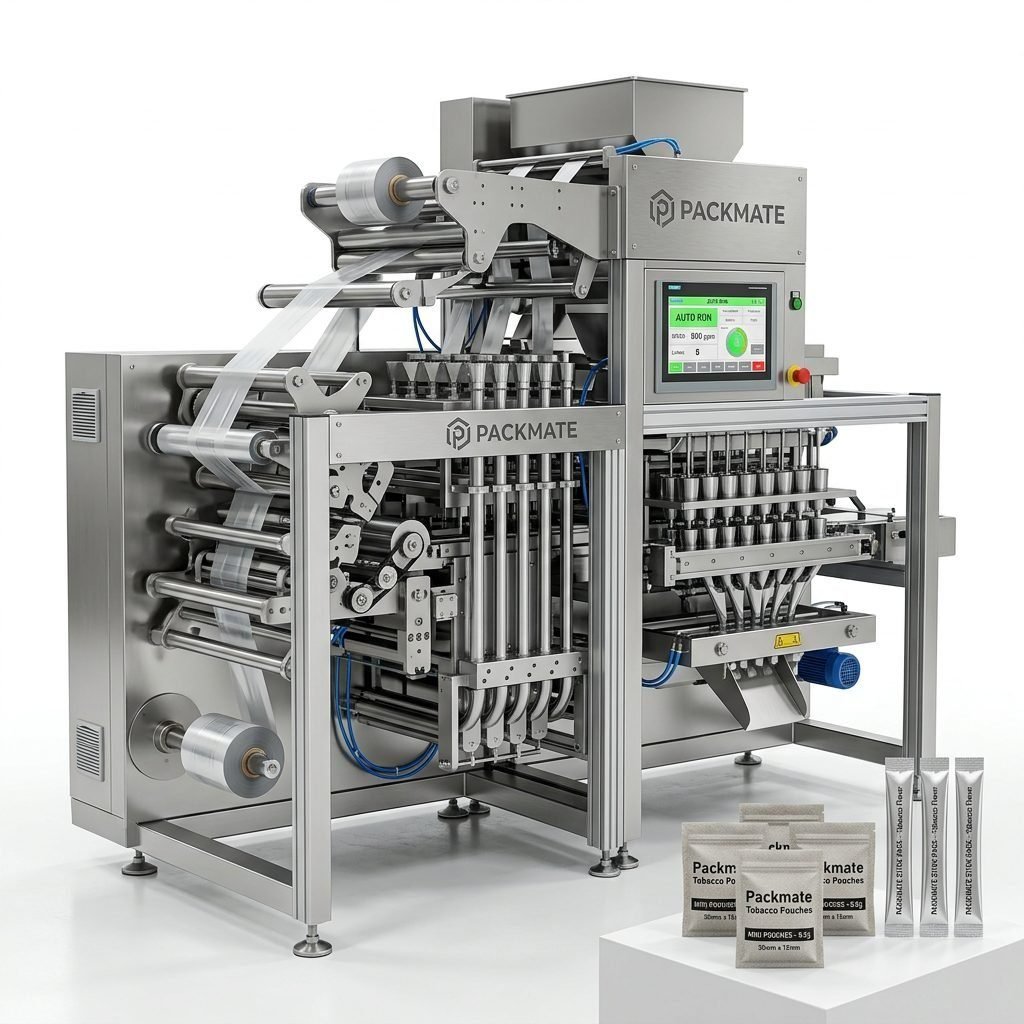
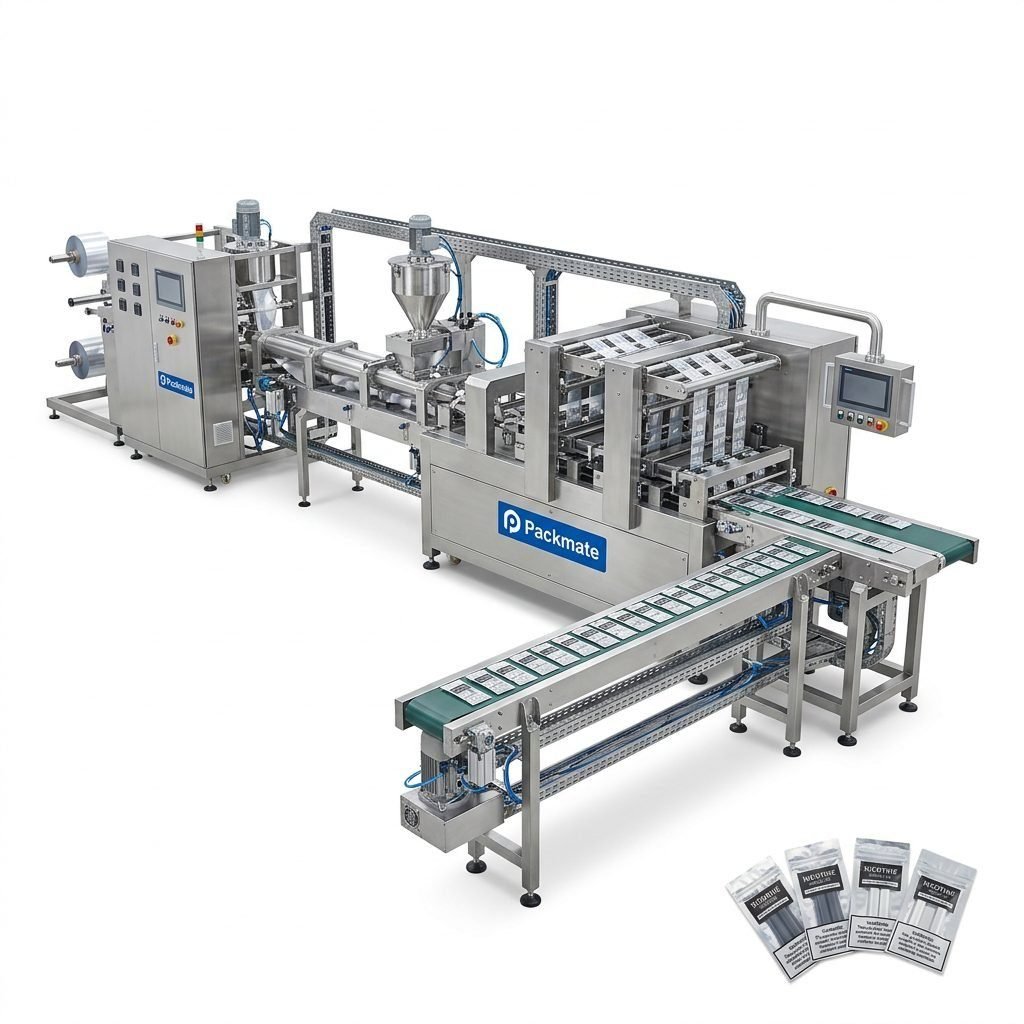
Rwanda’s manufacturing and retail sectors are growing steadily, and as nicotine pouch products enter regional markets, finding a reliable nicotine packaging machine supplier is vital for success. This buyer’s guide walks Rwandan importers, contract packers, and entrepreneurs through practical steps to source high-quality snus and nicotine pouch packaging equipment, evaluate suppliers, manage import logistics, and secure after-sales support. Follow these recommendations to reduce risk, optimize costs, and ensure your packaging line runs reliably from day one.
Understand Rwanda’s Market and Local Customs
🔍 Business etiquette: Rwandan business culture values respect, formality, and relationship-building. Meetings are typically punctual; use polite greetings and exchange contact information. English and Kinyarwanda are common in business; French is also used in some circles. Establishing trust through face-to-face meetings (or reliable video calls) helps when negotiating technical purchases.
📌 Regulatory awareness: Rwanda has evolving tobacco and product-safety regulations. Before buying machinery, verify whether nicotine pouches are regulated for sale or require special licensing, product testing, or labeling. Work with local legal counsel or regulatory consultants to confirm importation rules, tax treatment (VAT/exemptions), and any local certification requirements.
Step 1 — Define Your Production Requirements
⚙️ Start by documenting your target product specifications: pouch weight, pouch shape (round, tearable sachet, stick pack, multi-lane), material types (foil, paper, laminates), daily output target (units/hour), automation level, and any secondary packaging needs (cartoning, case packing). This clear brief lets potential suppliers propose machines that fit your capacity and budget.
Quick Production Brief Checklist
✓ Production format (single-lane, multi-lane)
✓ Target throughput (e.g., 200,000 pouches/day)
✓ Filling system (weighing, volumetric, pump)
✓ Package seal requirements (vacuum, modified atmosphere)
✓ Desired level of integration (filling, sealing, cartoning)
Step 2 — Evaluate Supplier Capabilities
🔎 When assessing suppliers, prioritize engineering experience, manufacturing capacity, certifications, and after-sales service. Look for vendors with a strong track record in snus/nicotine pouch equipment and related packaging lines; manufacturers that serve food and pharma often follow stricter hygiene and documentation practices.
Must-have supplier credentials
• Proven models for nicotine pouches or snus
• CE and ISO certifications for machinery and quality systems
• Factory capacity & CNC/assembly capabilities
• References and case studies from global clients
• Stable spare-parts supply and training programs
Packmate as an Example Supplier
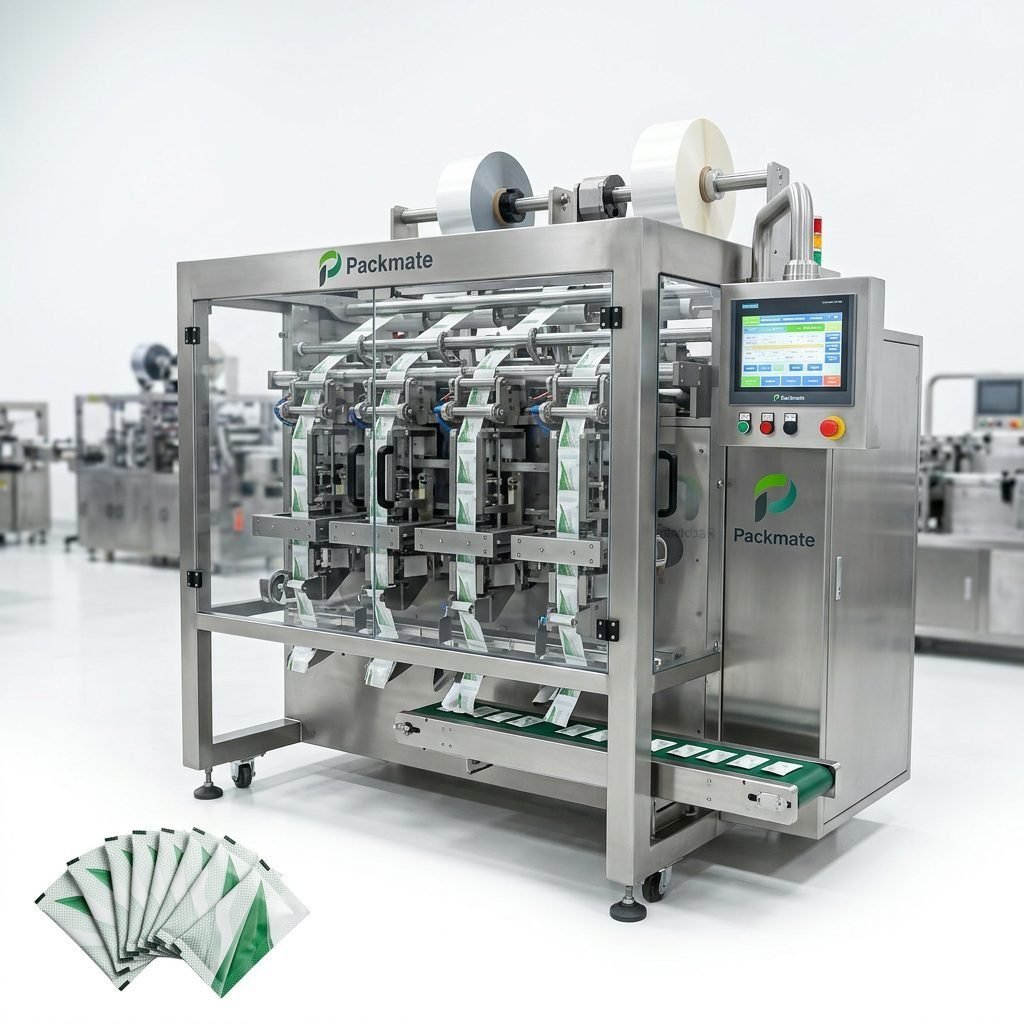
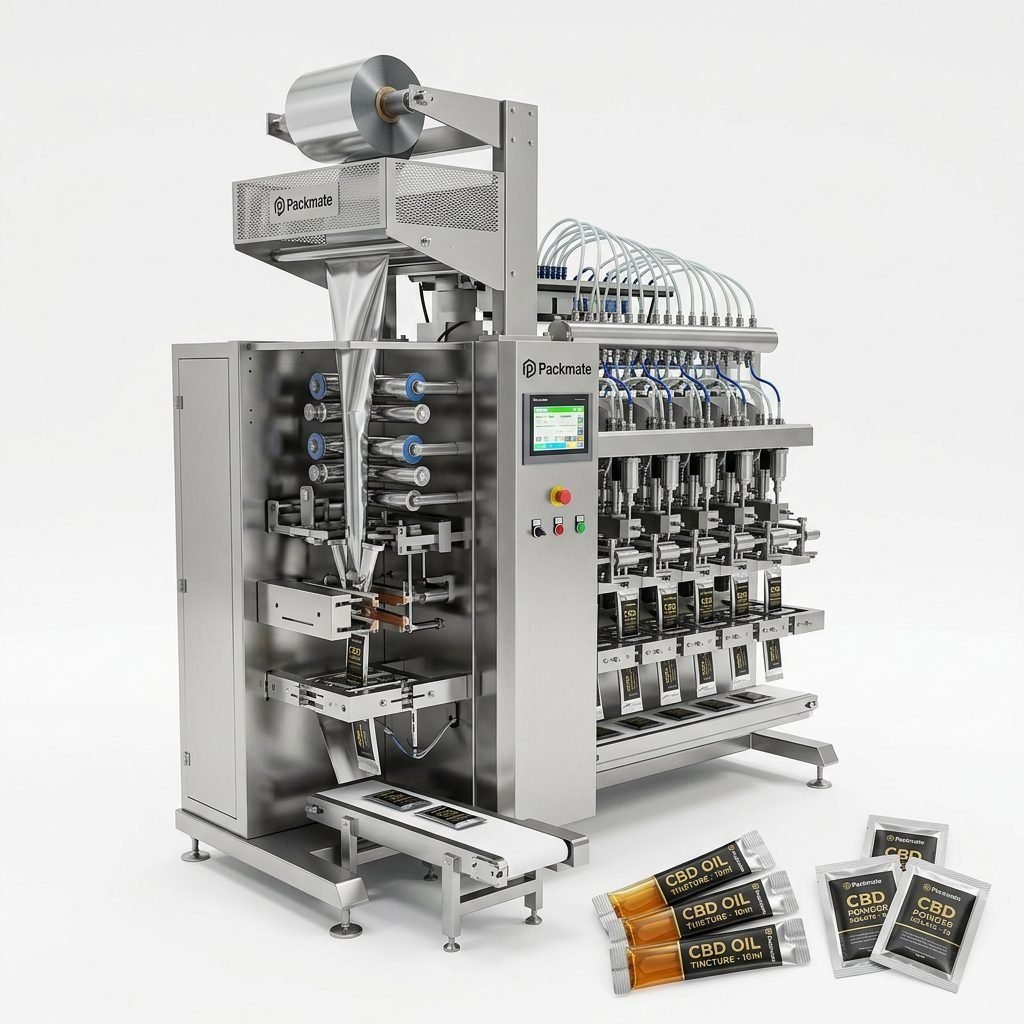
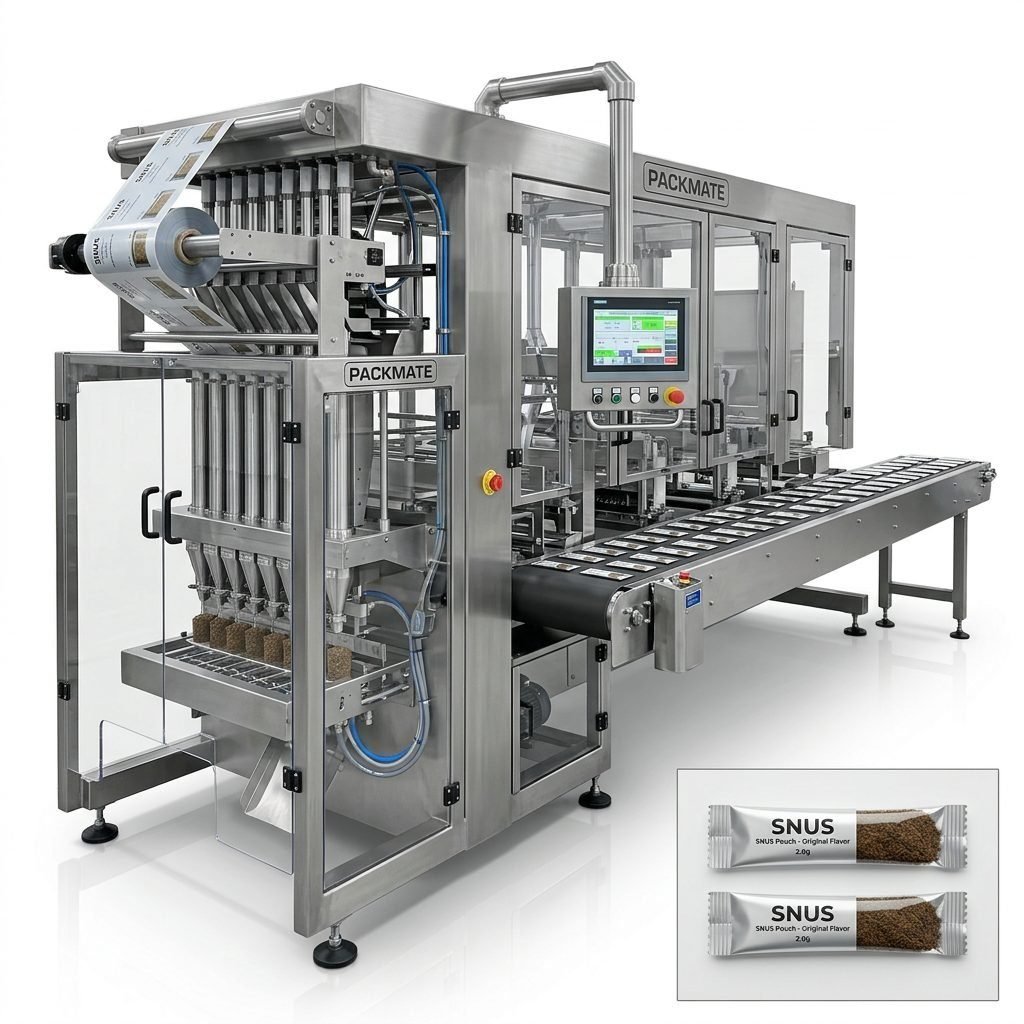
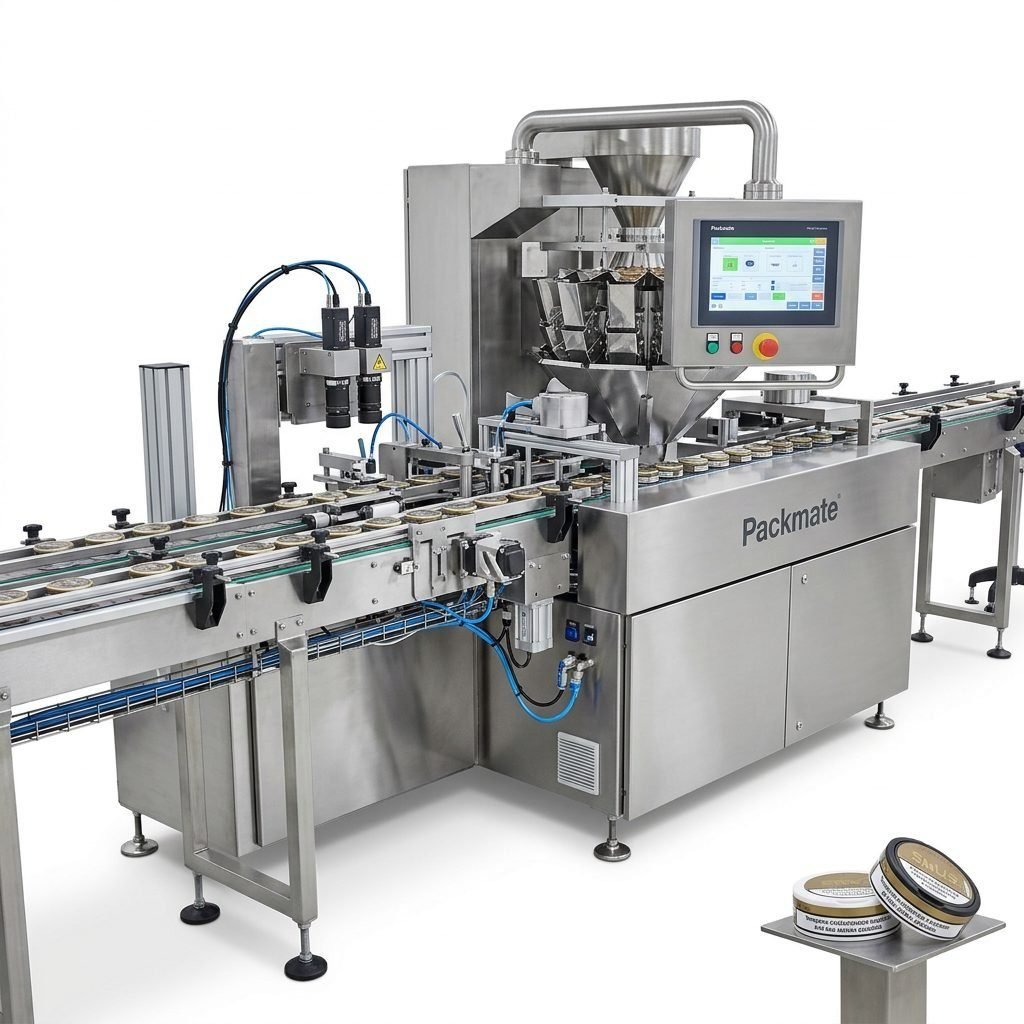
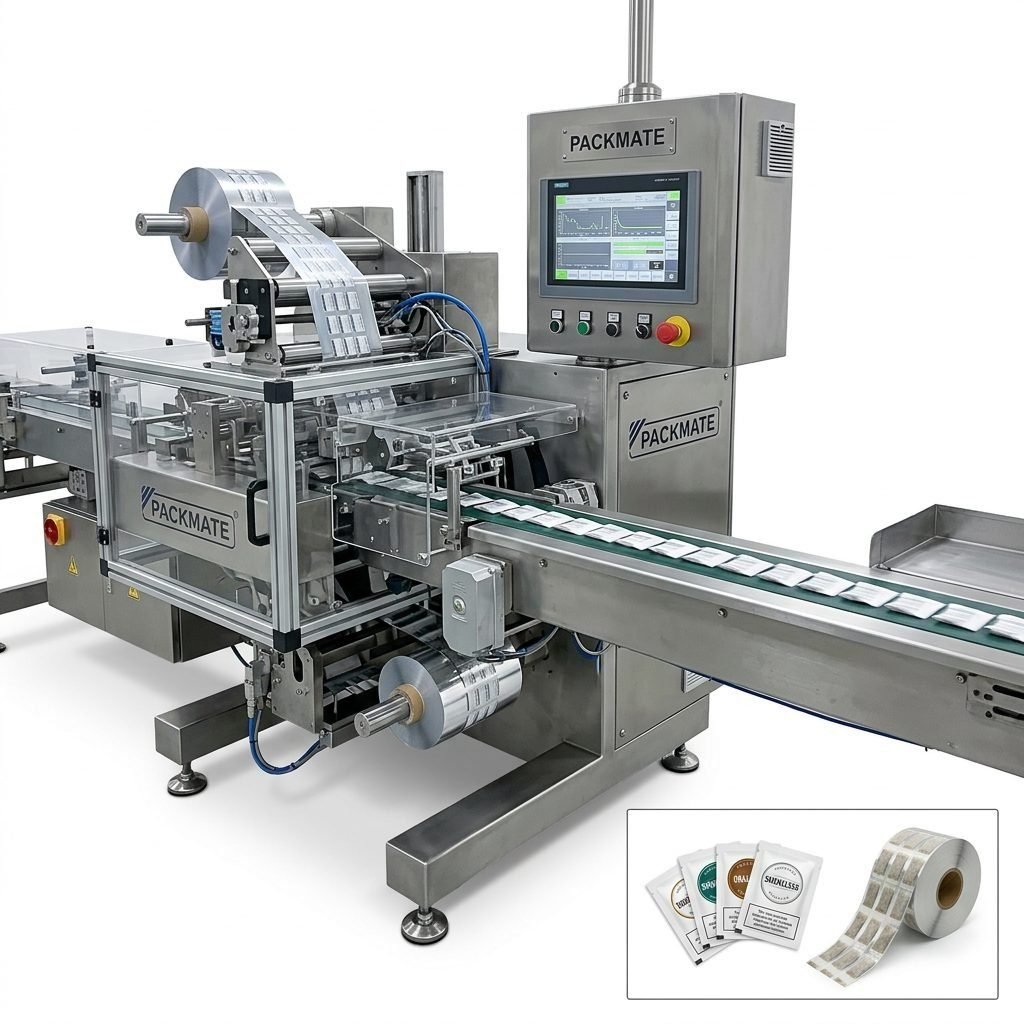
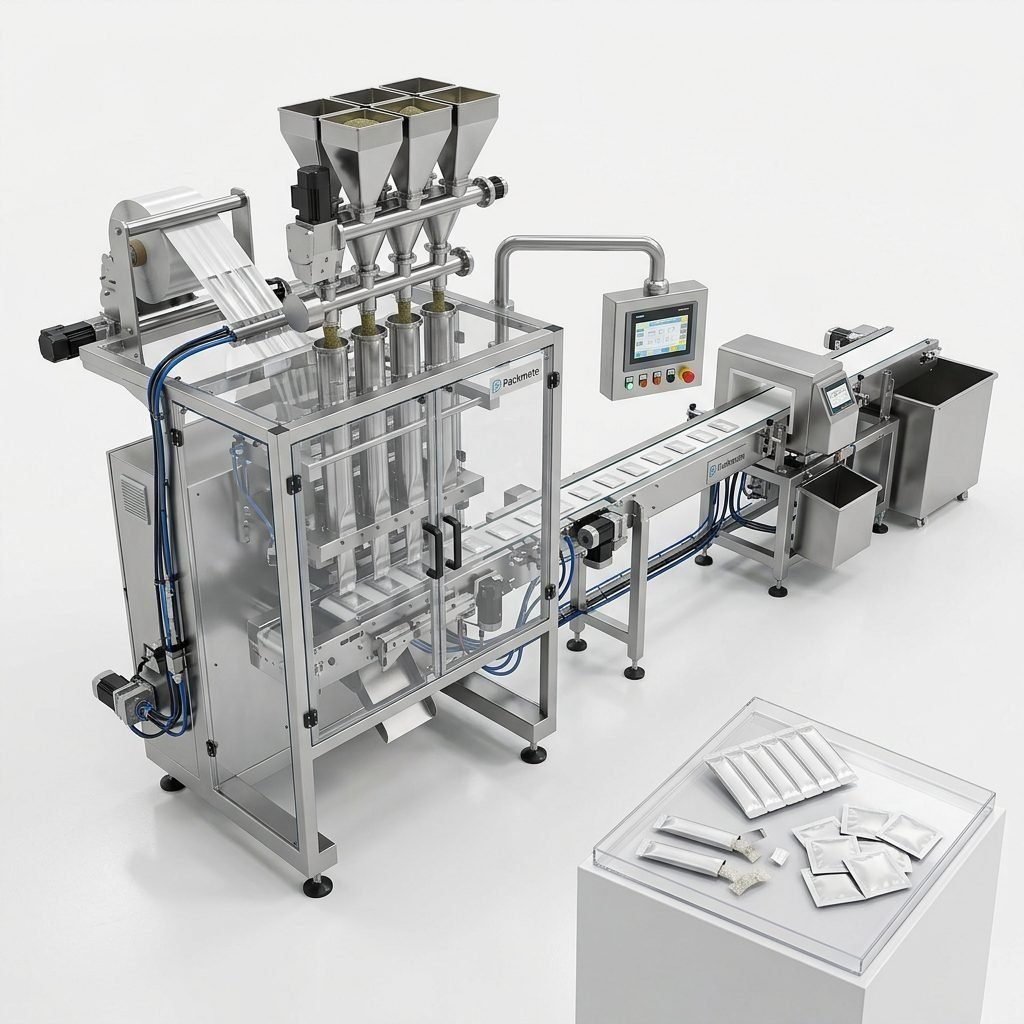
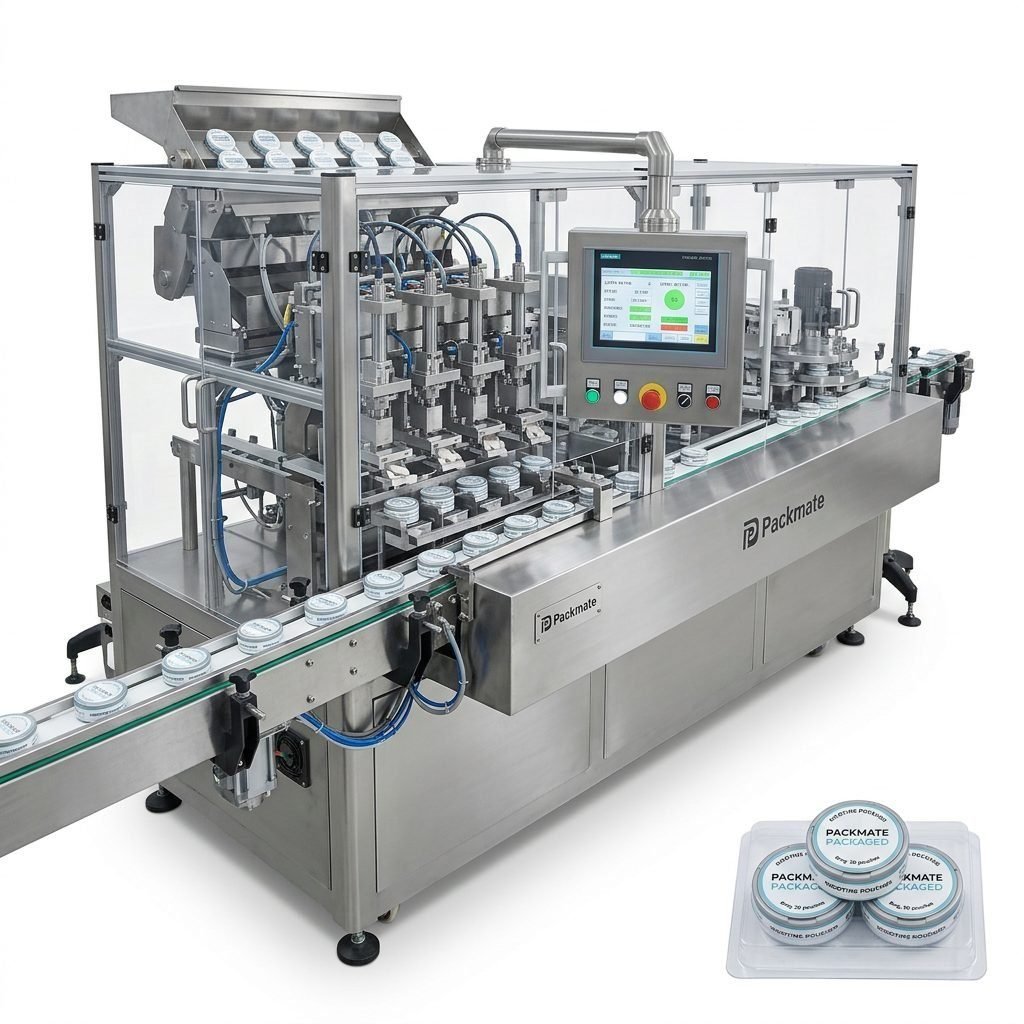
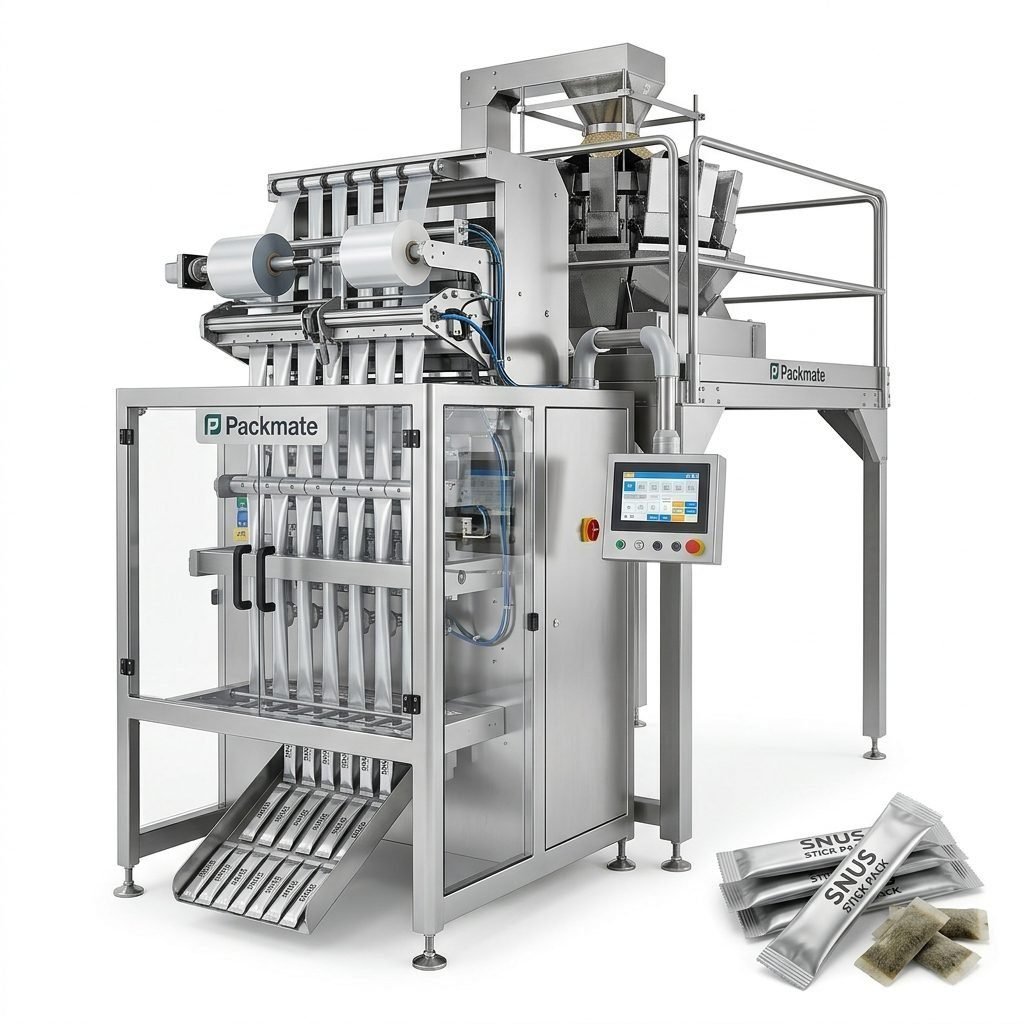
📌 Consider suppliers such as Packmate Snus Machine, a manufacturer with 30+ years of engineering experience and a 20,000㎡ manufacturing facility. Their product range includes snus & nicotine pouch packing machines, stick pack and sachet systems, and integrated filling & packaging lines. Review supplier product pages and case studies to confirm fit; for instance, see Packmate’s Snus & Nicotine Packaging Machines and About Packmate for details and certifications.
Links to check (examples): Snus & Nicotine Packaging Machines, About Packmate, Case studies.
Step 3 — Request Detailed Technical Proposals
📑 Ask shortlisted suppliers for a formal proposal that includes: machine model, electrical and pneumatic specifications, expected output, acceptance criteria, factory acceptance testing (FAT) procedures, warranty terms, spare parts list, drawings, and references. Avoid vague quotes; insist on measurable performance metrics.
What a strong proposal contains
• Detailed BOM and electrical schematics
• FAT protocol with acceptance tests and sample runs
• Lead time and shipment plan (FOB/CIF)
• Training plan (onsite/virtual) and warranty coverage
• After-sales support and spare-parts availability
Step 4 — Inspect the Factory or Request Virtual FAT
🏭 Whenever possible, visit the manufacturer’s facility to inspect equipment, workmanship, machining centers, and assembly lines. If travel is constrained, arrange a live virtual factory tour and a recorded Factory Acceptance Test that demonstrates machine running with your product or a simulated equivalent.
🔧 Key items to verify during FAT: packaging speed consistency, seal quality, filling accuracy (mean and standard deviation), changeover time, and integration with upstream/downstream equipment. Request spare-part lead times and see how service documentation is delivered (manuals, PLC code comments, electrical diagrams).
Step 5 — Plan Shipping, Import & Local Support
🚢 For Rwandan buyers, factor in import logistics and customs clearance. Decide Incoterms early (FOB, CIF, DDP) and confirm who handles local clearance, duties, port handling, and inland transport. Work with experienced freight forwarders who understand Kigali/Rwanda customs and can manage customs brokerage for industrial machinery.
💱 Payment terms are important: negotiate staged payments tied to milestones (deposit, FAT completion, shipping, installation). Consider documentary letters of credit (L/C) or escrow arrangements to reduce payment risk. Ensure the contract outlines penalties for late delivery and performance shortfalls.
Step 6 — Installation, Commissioning & Training
🛠️ A reliable supplier should provide installation guidance, onsite commissioning, and operator/maintenance training. For Rwanda, request that the supplier supports initial start-up remotely if on-site engineers cannot travel. Ensure training materials are in a language your team understands and include routine maintenance schedules and troubleshooting guides.
Assessing Total Cost of Ownership (TCO)
💡 Don’t focus only on purchase price. Calculate the TCO by including energy consumption, spare parts consumption, expected downtime, maintenance labor, and useful life. A slightly higher initial cost from a reputable manufacturer often pays off in lower downtime and better long-term reliability.
TCO factors to compare
• Purchase price and installation costs
• Spare-parts pricing and availability
• Energy and consumables per production run
• Expected MTBF (mean time between failures) and warranty
• Downtime impact on revenue
Negotiation Tips & Contract Terms
📝 Include clear acceptance criteria and a FAT sign-off in the contract. Define warranty scope (mechanical parts, electrical systems, PLC), response time for service requests, and spare-part kits shipped with the machine. Ensure intellectual property, training rights, and software licenses are clearly stated.
🔒 Protect your purchase with milestone-based payments, and insist on machine performance guarantees (e.g., speed and accuracy tolerances) backed by financial remedies or rework obligations.
After-sales Service & Spare Parts
⚠️ After-sales support is often the deciding factor. Confirm how the supplier handles spare parts shipping to Rwanda, average delivery times, and whether there is a regional partner or service center. Request a spare-parts list for one year of operation and ask about preventive maintenance contracts.
📦 Suppliers with global service networks or documented spare-part inventory (like Packmate’s auxiliary packaging equipment and spare systems) will reduce downtime risks and typically provide better long-term ROI. Visit the supplier’s Service and Contact Us pages for more details when available.
Useful links: Auxiliary Packaging Equipment, Contact Us.
Common Pitfalls and How to Avoid Them
📍 Common mistakes include: accepting vague performance claims, skipping FAT, failing to confirm power/pneumatic specs for local conditions, and underestimating spare-part needs. Avoid these by demanding detailed technical documentation, validating specs with tests, and planning a realistic spare-part inventory.
Red flags when evaluating suppliers
• No FAT or vague acceptance criteria
• Limited references or no case studies for nicotine pouches
• Poor documentation or language barriers for manuals
• Unclear warranty terms and slow service response
Practical Checklist Before You Buy
✅ Final pre-purchase checklist: confirm certifications (CE/ISO), inspect or review FAT footage, obtain a complete proposal, clarify Incoterms and lead times, secure payment milestones, and plan local installation and training. Make sure documentation includes electrical drawings, PLC ladder logic overview, and spare-parts lists.
Local Partnerships and Scaling in Rwanda
🤝 Partner with local engineering firms or equipment integrators for site preparation, civil works, and utilities. As you scale, consider multi-lane systems and higher levels of automation to reduce labor costs per unit. Suppliers that deliver turnkey lines and integration experience can save time and reduce coordination complexity.
Final Recommendations
🔑 Take a methodical approach: define your product and capacity, shortlist suppliers with proven nicotine pouch experience, insist on FAT and measurable acceptance criteria, and secure robust after-sales terms. For Rwandan buyers, align logistics, customs, and regulatory compliance early to avoid unexpected delays.
Frequently Asked Questions
Q1: How do I verify a supplier’s machine performance before purchase?
A1: Require a Factory Acceptance Test (FAT) with video or onsite demonstration using your product or a simulated formulation. The FAT should measure speed, fill accuracy, seal integrity, and changeover times. Include these acceptance tests in the purchase contract.
Q2: What certifications should a nicotine packaging machine have for international use?
A2: Look for CE and ISO quality management certifications. Suppliers experienced with food or pharmaceutical industries often maintain higher manufacturing and documentation standards. Also verify electrical safety standards compatible with Rwandan power systems.
Q3: How do I manage spare parts and maintenance in Rwanda?
A3: Negotiate an initial spare-parts kit with the purchase and confirm lead times for additional parts. Establish a maintenance schedule with the supplier, and consider remote-support agreements and virtual training for on-site technicians to reduce downtime.
Q4: What Incoterms & payment terms are recommended for first-time international machinery purchases?
A4: Common approaches include staged payments tied to milestones (deposit, FAT completion, shipment), and using letters of credit (L/C) for added protection. Choose Incoterms (FOB, CIF, DDP) based on your ability to manage customs and local logistics; DDP shifts more responsibility to the supplier.
Q5: Where can I find reliable suppliers with nicotine packaging expertise?
A5: Research manufacturers that specifically advertise snus and nicotine packaging solutions. Review product pages, case studies, and certifications. For examples and further reading, explore supplier resources such as Filling & Packaging Lines and the supplier’s Certificate pages.