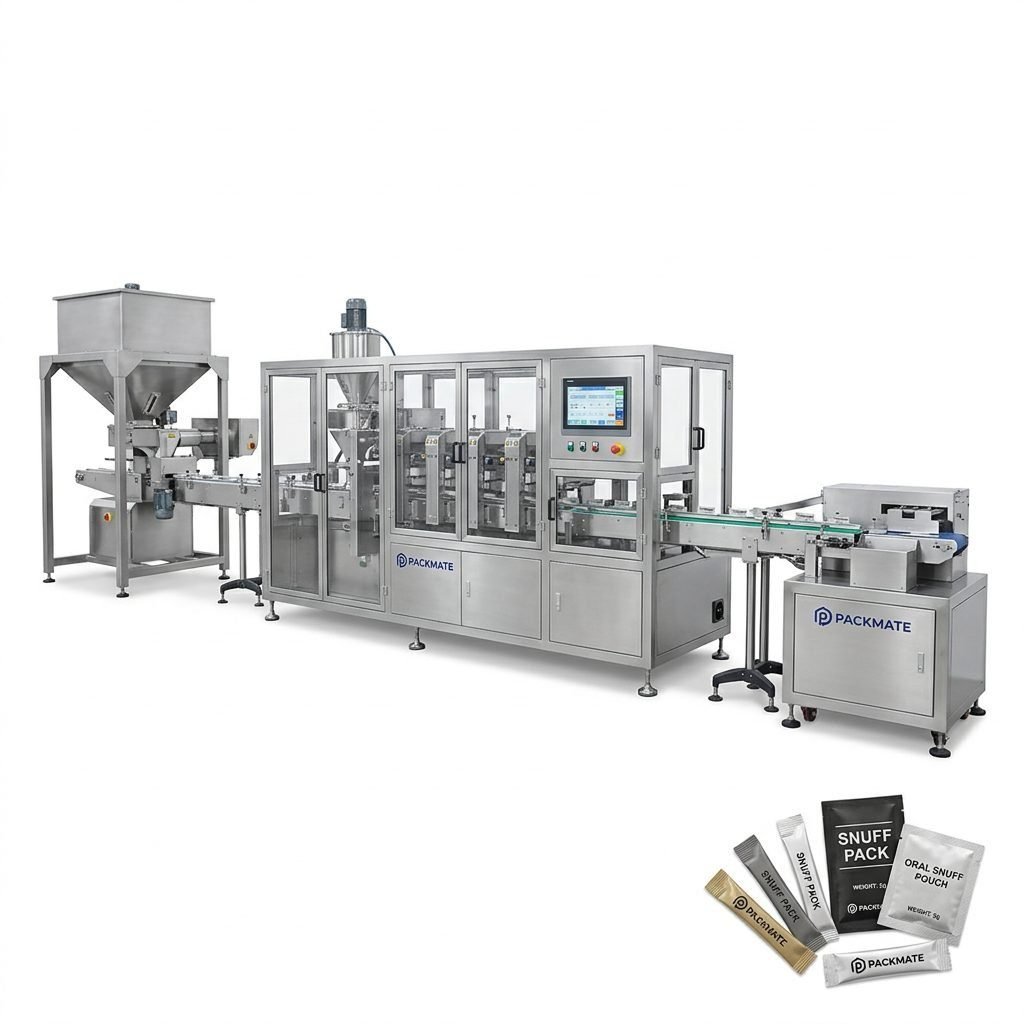
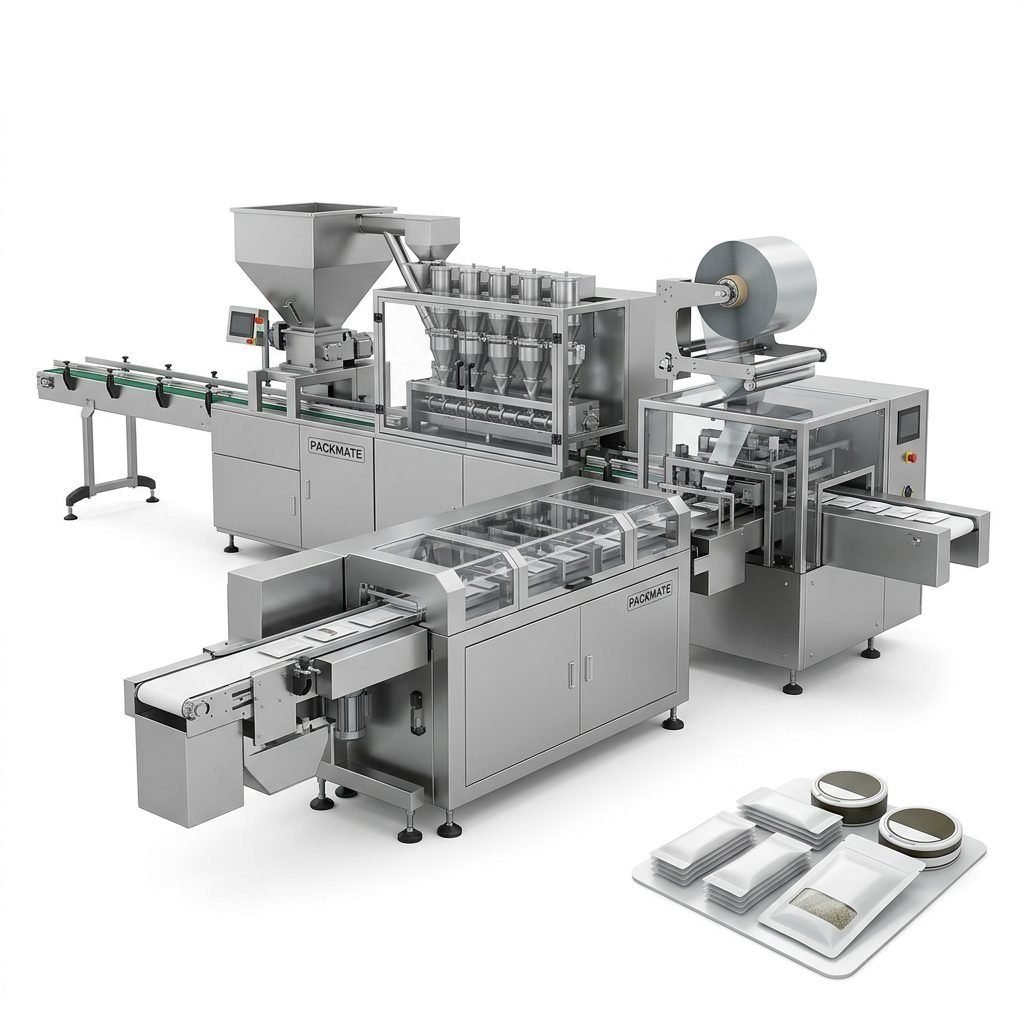
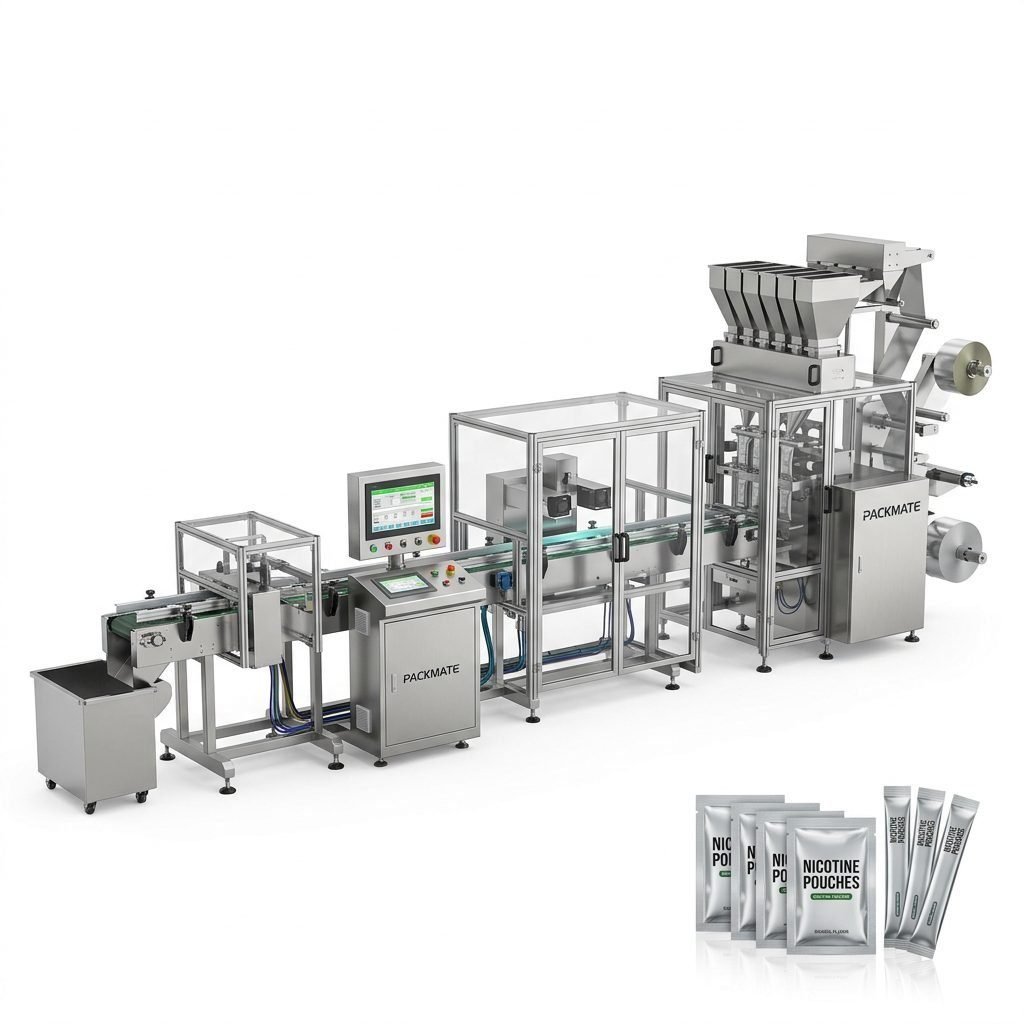
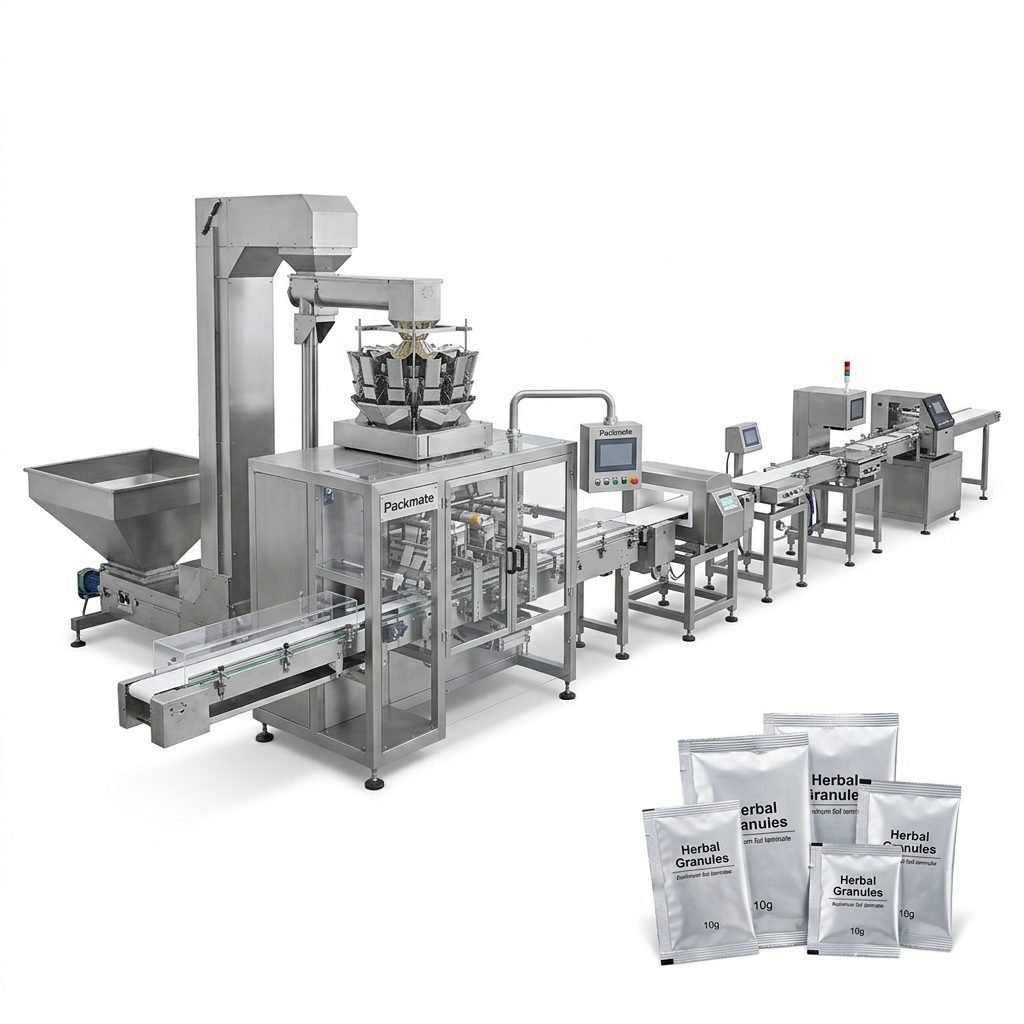
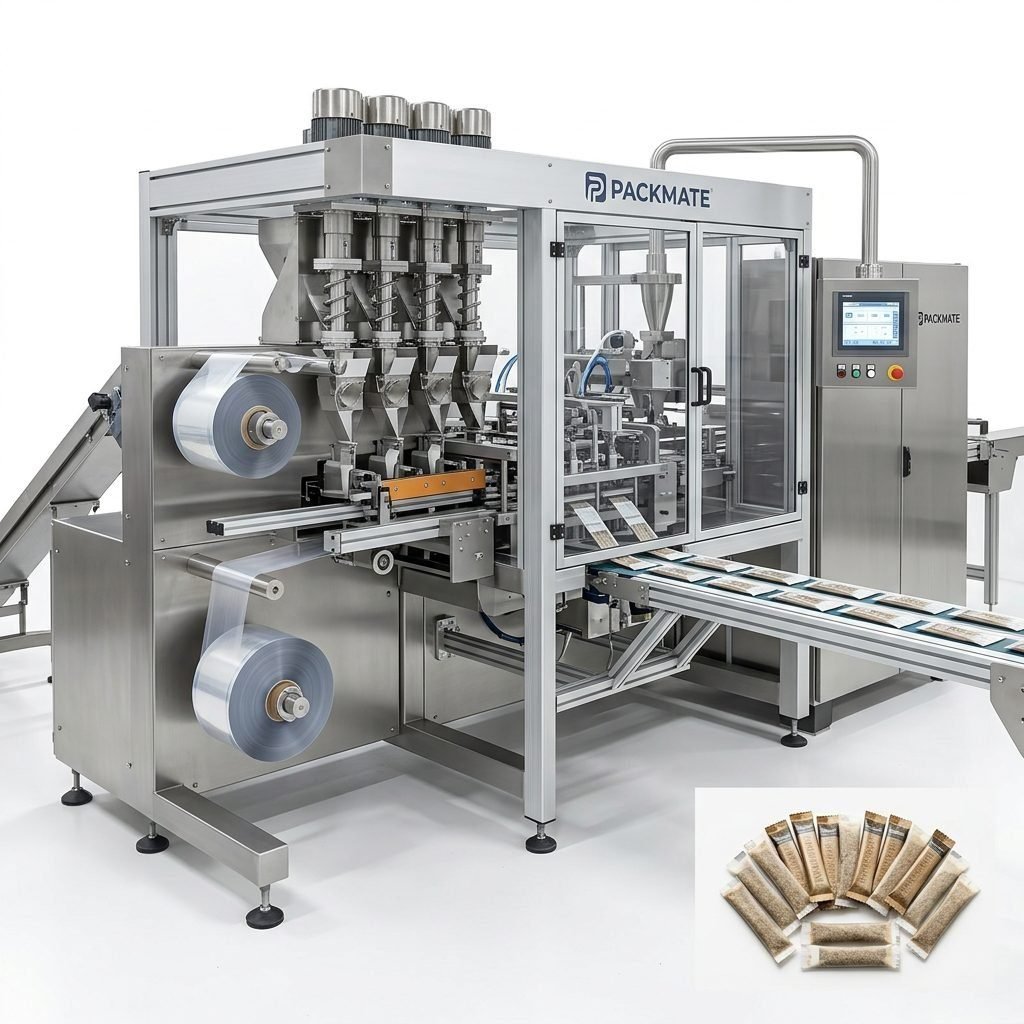
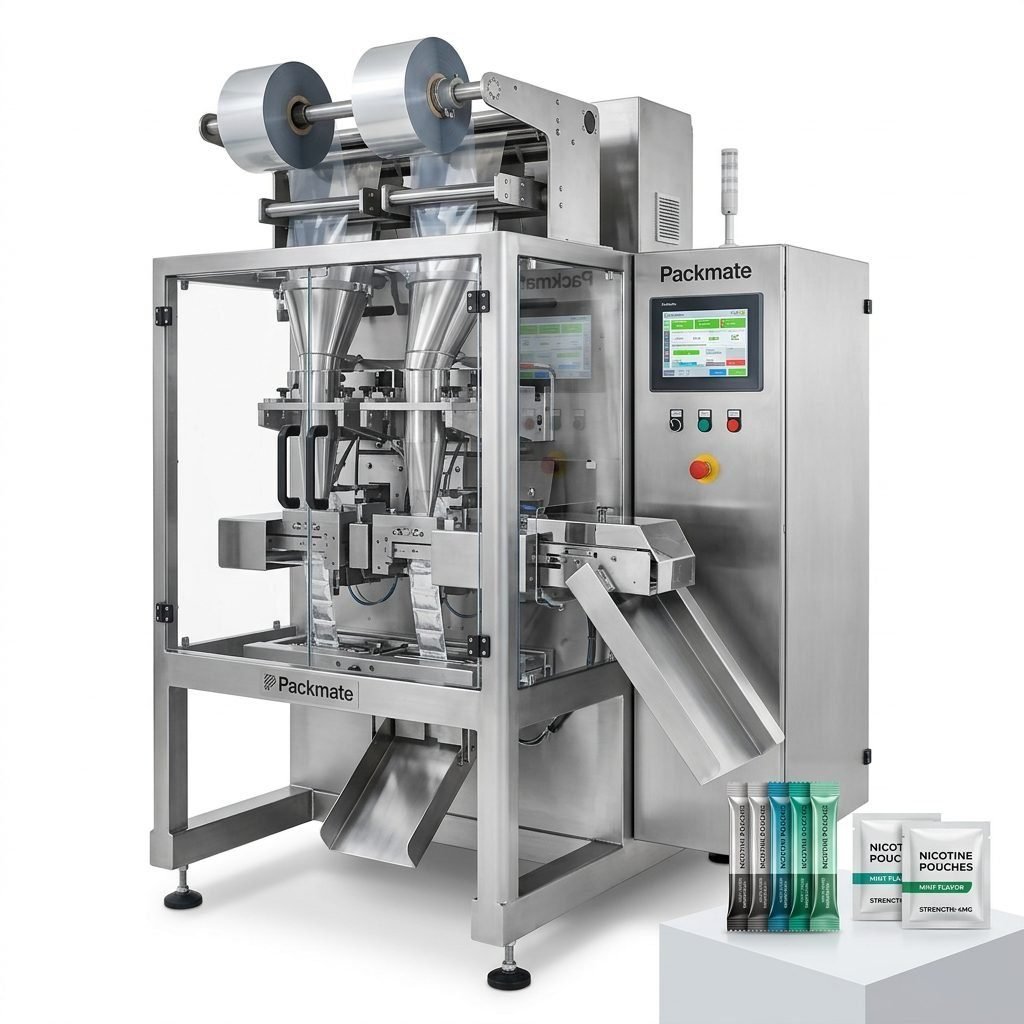
Choosing the right snus packaging machinery in Djibouti requires a careful balance of production goals, regulatory awareness, local logistics, and supplier capabilities. This guide walks manufacturers and brand owners through the key factors to evaluate when selecting snus and nicotine pouch packaging equipment — from machine types and production capacity to installation, certification, and after-sales support. Whether you are launching a new product line or upgrading an existing line, the right machine choice will protect product quality, optimize cost-per-unit, and ensure compliance with international standards.
Understand Your Production Requirements
The first step is to define clear production targets. Consider the following variables:
Daily output target: How many pouches per day or per shift do you expect? Machines are rated by pieces per minute and lanes; choose a configuration that meets peak demand without oversizing.
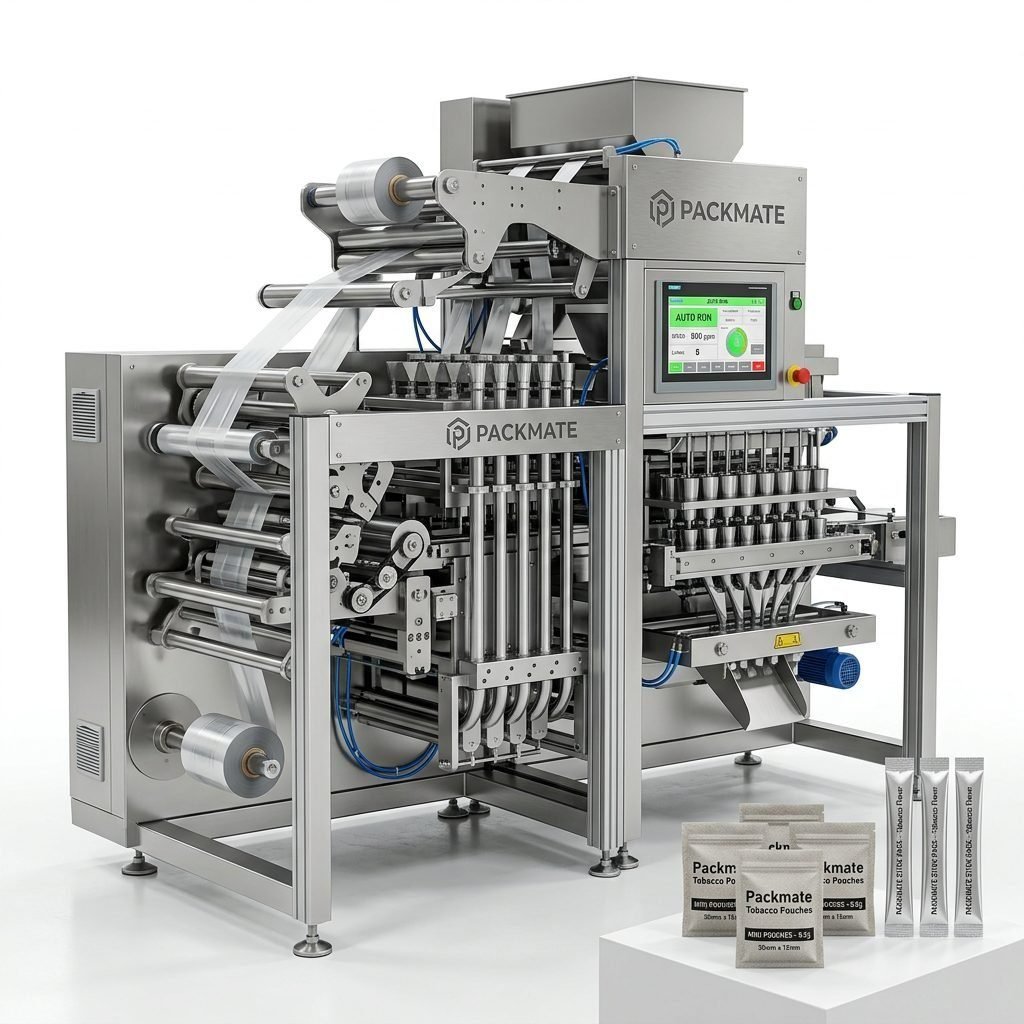
Product format and range: Are you producing single-portion snus pouches, sachets, stick packs, or multi-dose formats? Machines specialized in multi-lane snus pouch production differ from standard sachet lines. Explore models in categories such as Snus & Nicotine Packaging Machines and Sachet & Stick Pack Machines.
Changeover frequency: If you plan frequent format changes, prioritize machines with fast and simple changeover features to minimize downtime.
Types of Machines and When to Choose Them
🔧 There are several machine types commonly used for snus and nicotine pouch production:
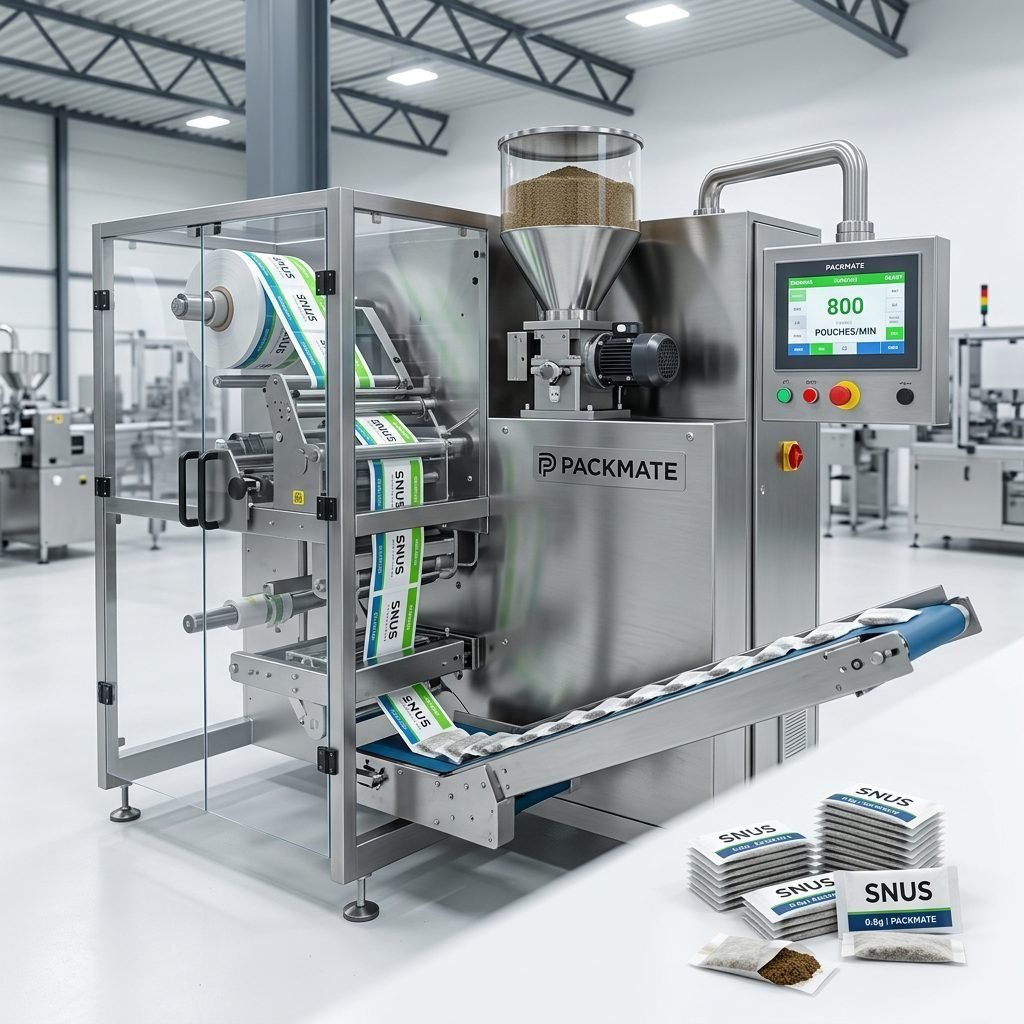
Multi-lane snus pouch machines — Ideal for small-dose pouches produced in high volumes. They multiply lane throughput while maintaining consistent fill accuracy.
Stick pack and sachet machines — Best for single-serve sachets or stick formats. They offer flexible dosing and are suitable for tea, powder, or tobacco alternatives.
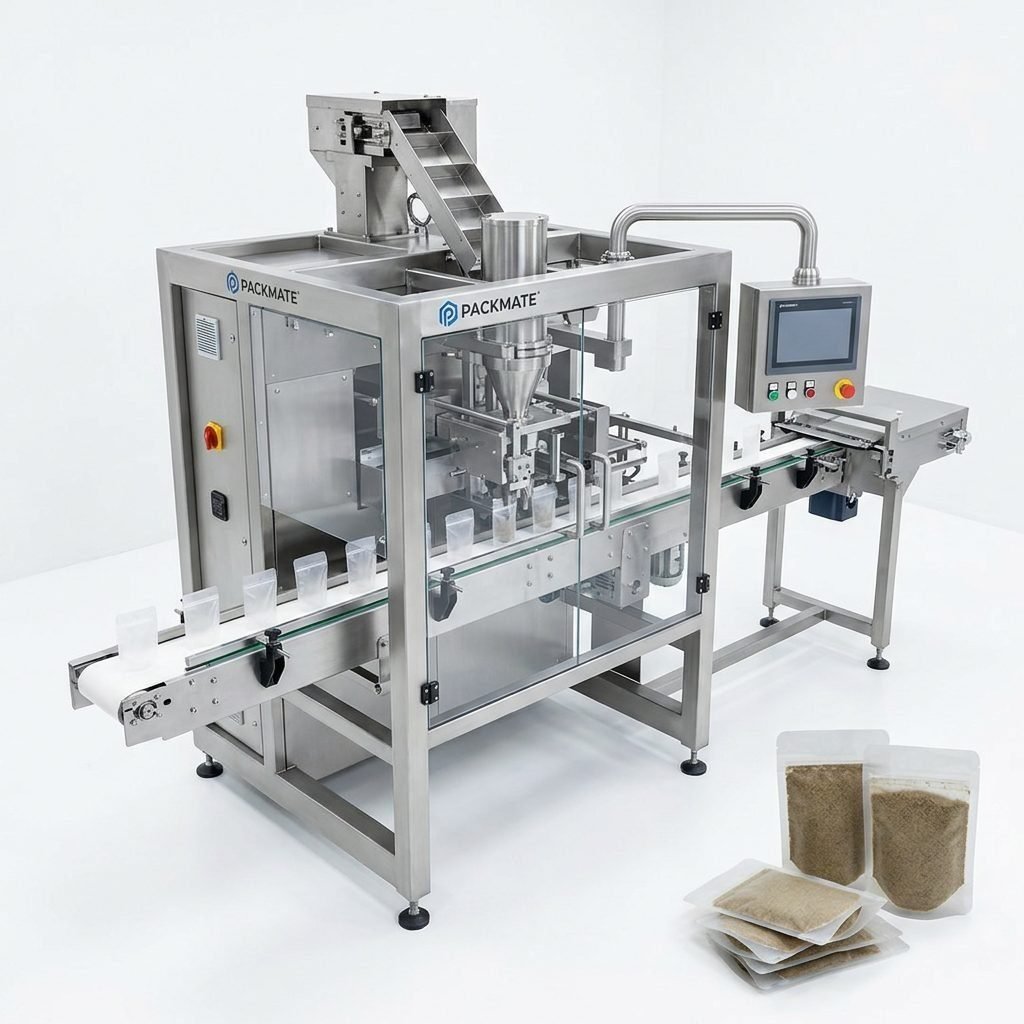
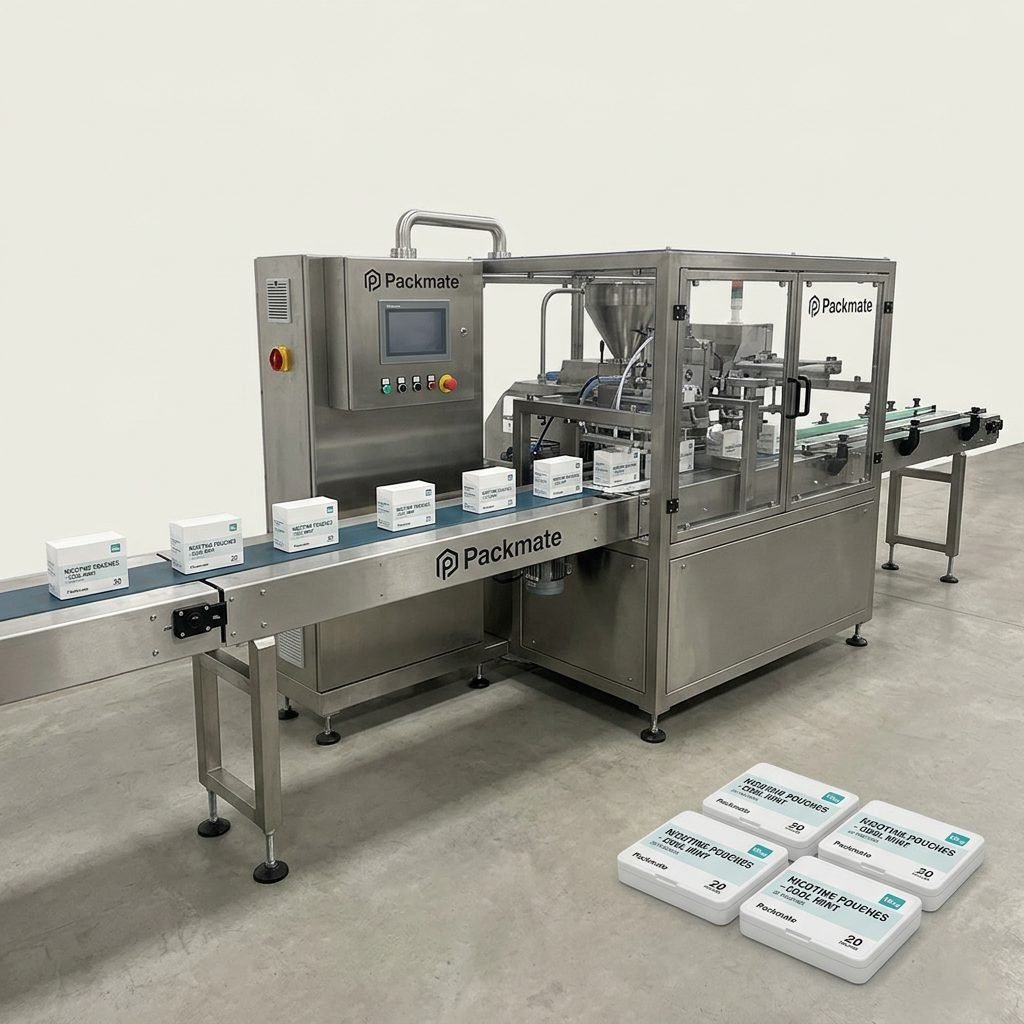
Filling and integrated packaging lines — For liquid or moisture-sensitive formulas, integrated filling systems reduce contamination risks and improve sealing reliability. See the Filling & Packaging Lines options for guided configurations.
Key Technical Criteria to Evaluate
When comparing vendors and models, assess these technical specifications carefully:
Throughput and lanes: Check pieces/minute and how many lanes the machine supports. A 4-lane machine at 120 pcs/min per lane offers a different profile than a single-lane machine at 500 pcs/min.
Fill accuracy and weighing systems: For nicotine pouches and regulated products, fill tolerance is critical. Integrated weighing or volumetric fillers with feedback control help maintain consistency.
Material compatibility: Confirm the machine handles your pouch material (paper, laminate, PET/PE, etc.) and closure types (heat seal, ultrasonic, zipper). Materials affect sealing temperature and dwell time.
Hygiene and cleanability: Food and nicotine products must be handled hygienically. Look for stainless-steel contact surfaces, easy-to-remove tooling, and designs that simplify cleaning.
✅ Tip: Ask suppliers for a production video or a live demonstration using material similar to yours. Visual proof of performance helps validate throughput and sealing quality.
Quality, Certification and Regulatory Compliance
Regulatory requirements vary by market. For export-oriented operations in Djibouti, ensure machines meet international standards:
CE and ISO compliance: Choosing CE- and ISO-compliant machinery ensures mechanical safety, consistent manufacturing processes, and easier customs clearance for exports.
Traceability and data logging: Many modern systems support batch coding and production logs — helpful for recalls, audits, and quality control.
Supplier Capabilities: Why Factory Strength Matters
Partnering with a manufacturer that has robust production facilities reduces risk. Consider suppliers with:
– Large manufacturing area, advanced CNC and assembly systems, and a broad model range to support customization. For example, Packmate Snus Machine offers a 20,000㎡ factory, advanced CNC machining centers, and 50+ machine models tailored for snus pouch and stick pack production.
– Long industry experience (30+ years) indicates mature engineering and stable product designs that reduce maintenance issues and downtime.
– Case studies and global exhibition presence show how machines perform in real production environments. Browse examples in the supplier’s Case resources and check exhibition demos on Our Exhibition.
Local Considerations for Djibouti
Djibouti’s strategic location provides good shipping routes, but you should evaluate local factors:
Import duties and customs: Confirm tariff classifications and prepare documentation for machinery import. Work with suppliers experienced in shipping to African ports.
Spare parts and maintenance: Ensure availability of spare parts or fast shipment options. Choose manufacturers with global support networks or local service partners — this reduces downtime.
Power and utilities: Confirm machine electrical requirements and whether voltage conversion or stable UPS systems are needed to protect sensitive controls.
⚠️ Local tip: Plan for at least a stock of critical wear parts (sealing jaws, belts, sensors) on-site for the first six months after installation.
Total Cost of Ownership (TCO) — Beyond Purchase Price
When evaluating quotes, calculate TCO rather than only the upfront cost:
Energy consumption: Higher-speed machines and heating systems can increase operational electricity costs.
Maintenance and consumables: Frequent replacement parts and consumables (films, adhesives) add to per-unit cost.
Training and installation: Factor in commissioning, operator training, and potential local modifications for utilities or layout.
Service, Training and After-Sales Support
Strong after-sales service is essential for continuous production:
– Verify warranty terms and the availability of remote diagnostics. Many modern machines allow remote troubleshooting to minimize onsite visits.
– Check if the supplier provides operator and maintenance training during installation. Look for training documentation in English and any required local language.
– Confirm spare parts lead times. A supplier with a stocked parts warehouse or express shipping options can be a major advantage.
Packmate offers dedicated service and global cooperation cases — review the Service and About Packmate pages for more details.
Installation and Factory Layout Planning
Proper installation influences machine longevity and output:
Floor space and foundation: High-speed machines may require reinforced flooring and vibration dampening. Provide accurate footprint and clearances in early planning.
Material handling and storage: Plan for raw material (film rolls, pouches) storage near the line to reduce changeover time. Consider automated feeders for continuous operation.
Workflow optimization: Align upstream filling, weighers, and downstream packaging to avoid bottlenecks. Integrated weighing & packaging systems can simplify synchronization — see Weighing & Packaging Systems offerings for examples.
Why Choose a Specialized Snus Packaging Manufacturer
Specialized manufacturers understand the nuances of nicotine pouch packaging: dosing small volumes, multi-lane synchronization, and packaging that preserves freshness. Benefits of choosing a specialist include:
– Purpose-built designs for nicotine pouches and snus formats.
– More accurate dosing and sealing solutions, lower scrap rates, and higher uptime.
– Access to turnkey solutions including auxiliary equipment, weighing systems, and packaging lines that are pre-engineered for compatibility.
🔍 Checklist before placing an order — Confirm production speed, lane count, material compatibility, certifications (CE/ISO), spare parts list, warranty, onsite training, and shipping/import terms.
Negotiation and Purchasing Tips
– Request a detailed quotation that breaks down machine parts, optional modules, and spare parts kits.
– Negotiate for a trial period or performance guarantee where feasible—this mitigates performance risk on arrival.
– Consider financing or leasing options if capital expenditure is a constraint. Many manufacturers support flexible payment terms for large lines.
Integration Examples and Case Studies
Explore case studies to understand real-world performance. Manufacturers often share success stories showing how their multi-lane snus machines delivered output improvements and cost savings. View the supplier’s case gallery to match scenarios similar to your production scale: Case.
Final Recommendation
Select a machine based on a combination of production targets, product format, hygiene requirements, and supplier reliability. Prioritize manufacturers with proven experience in snus and nicotine pouch lines, robust factory capabilities, and clear after-sales support. A specialist partner can deliver turnkey solutions and accelerate time-to-market while minimizing operational risks.
Next Steps
Reach out to shortlisted suppliers with your product samples and production brief. Request quotations, video demonstrations, and references. If you need personalized support, contact the manufacturer to discuss layout, installation timelines, and commissioning plans. Use the supplier contact channels to arrange a meeting: Contact Us.
Common Questions
Q1: What machine type is best for small-dose nicotine pouches?
A1: Multi-lane snus pouch machines are typically best for small-dose products because they multiply throughput while keeping dosing accuracy high. Evaluate lane count and filler precision.
Q2: How long does installation and commissioning usually take?
A2: Installation times vary by line complexity — a single machine might take a few days, while integrated lines can take several weeks. Allow time for testing and staff training.
Q3: Are CE and ISO certifications necessary for Djibouti-based production?
A3: While local regulations vary, CE and ISO certifications are valuable for export markets and indicate adherence to international safety and quality standards.
Q4: What spare parts should I keep on hand after buying a snus packaging machine?
A4: Keep critical wear parts such as sealing jaws, belts, sensors, and spare blades. Maintain an inventory sufficient for at least 3–6 months of production during initial ramp-up.
Q5: How can I evaluate potential suppliers before purchase?
A5: Ask for production videos, references, factory tour invitations (virtual or in-person), and sample runs with your materials. Review warranty terms and after-sales service offerings.