Choosing the right snus packaging machinery manufacturer for operations in Ecuador is a strategic decision that affects product quality, regulatory compliance, production uptime, and long-term cost efficiency. Whether you are launching a new nicotine pouch brand or expanding existing capacity, this guide outlines the practical factors to evaluate, specific machine features to prioritize, and how to work effectively with a global supplier to achieve consistent, compliant, and cost-effective packaging production.
Understand Your Production Requirements
Start by defining your production needs precisely. Consider current and projected daily output, package formats (stick pack, sachet, multi-lane pouches), fill materials (powder, granules, liquid, tobacco / nicotine pouches), and any secondary packaging requirements.
Quick checklist
✓ Production capacity target (units / hour)
✓ Package format(s)
✓ Product characteristics (moisture, particle size)
✓ Regulatory and labeling needs
Why Manufacturer Experience Matters
Manufacturers with proven experience in snus and nicotine pouch packaging bring optimized machine designs, better material handling, and fewer reliability issues. A supplier with deep industry knowledge understands nuances like small-dose filling precision, moisture control, and multi-lane synchronization — all critical for snus and nicotine pouches.
What to look for in a credible supplier
- Track record of delivering similar packaging lines (stick pack, sachet, multi-lane).
- Reference installations in comparable markets.
- Comprehensive after-sales service and spare-part support.
Real-world proof
Look for case studies and exhibition appearances to validate the manufacturer’s capabilities. For example, supplier catalogs or case pages can demonstrate practical outcomes and machine configurations. Explore the manufacturer’s case examples to see line layouts and throughput numbers.
View cases
Machine Types and Technical Priorities
Different packaging machines serve different roles. Match machine types to your product and business model.
Snus & nicotine pouch machines
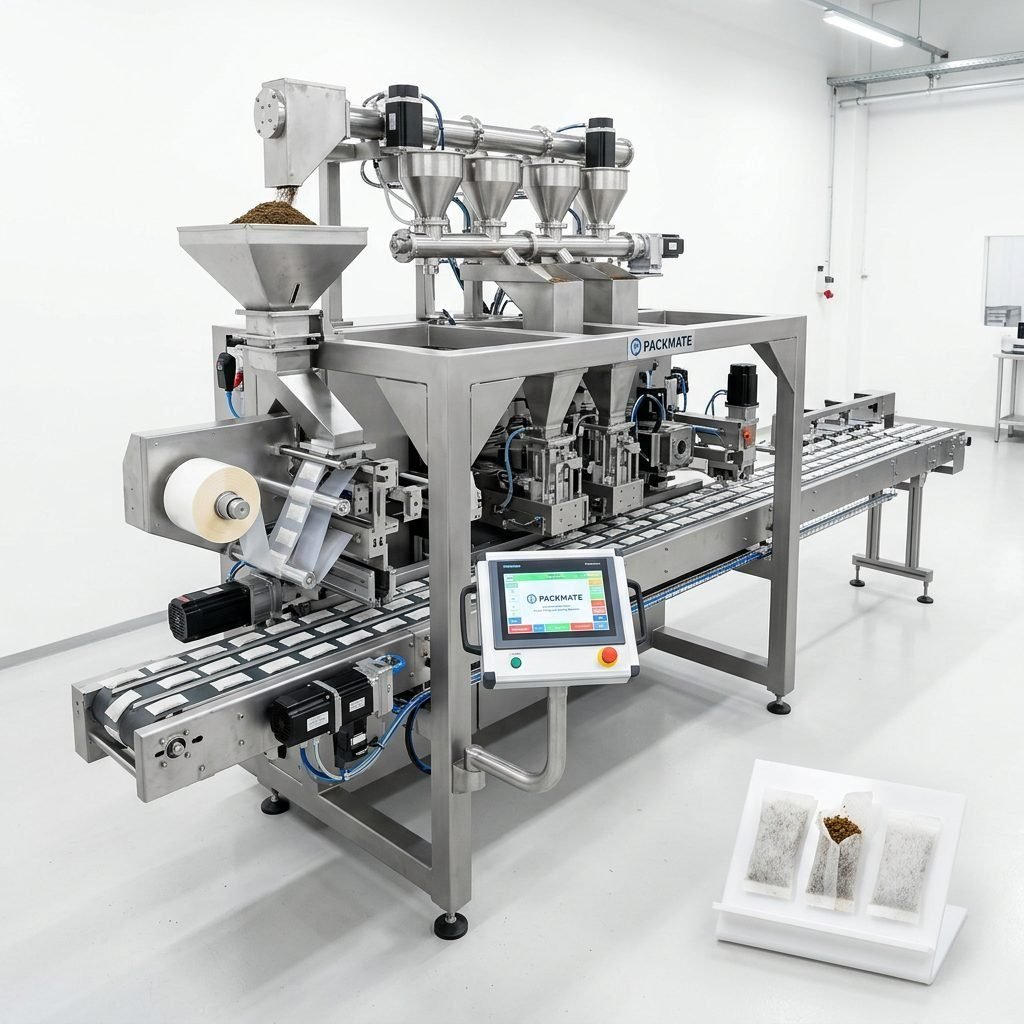
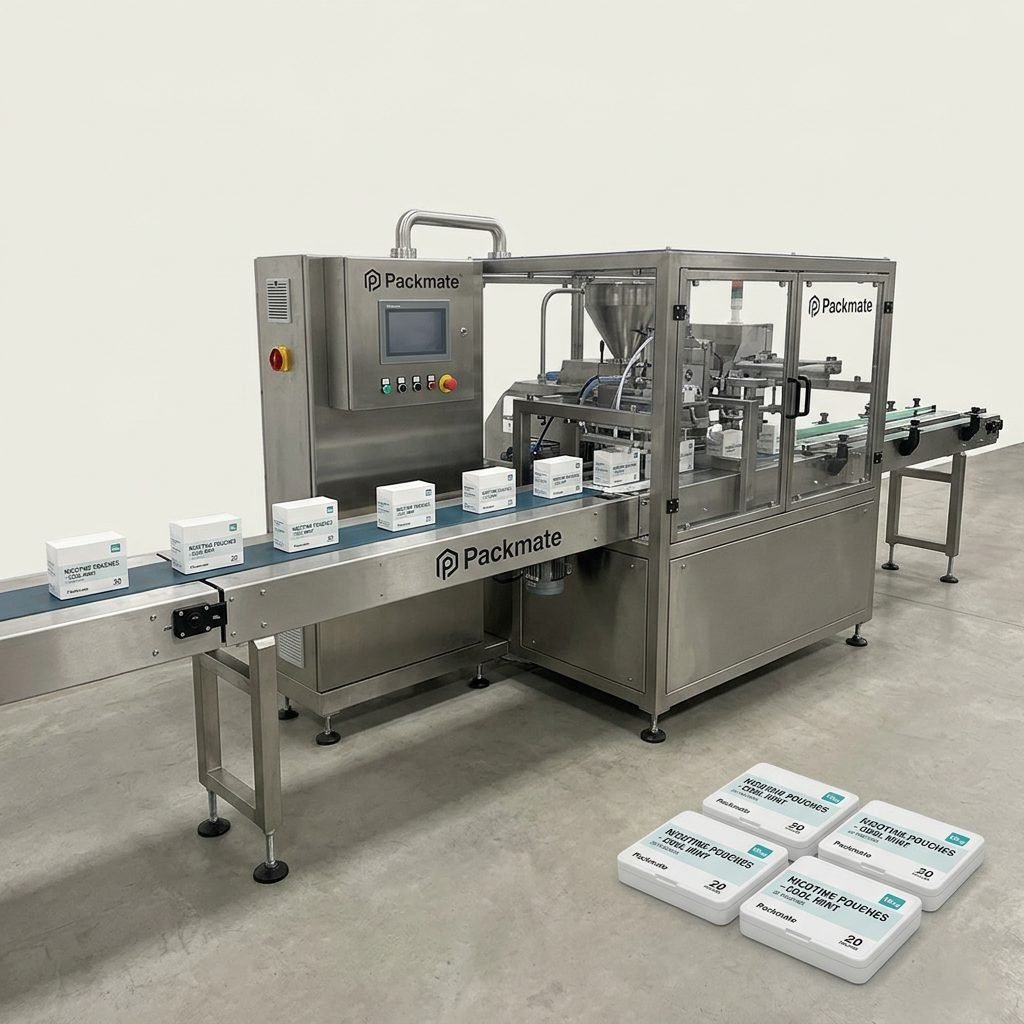
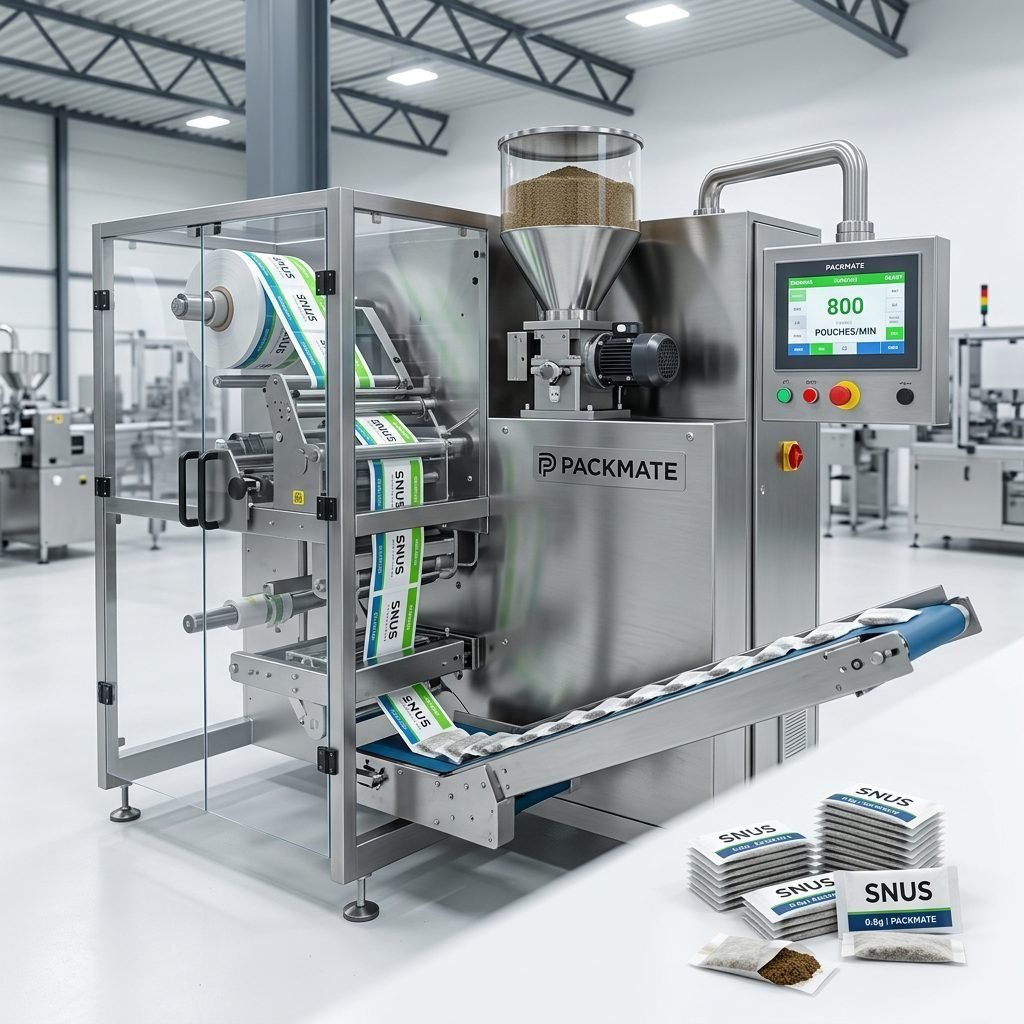
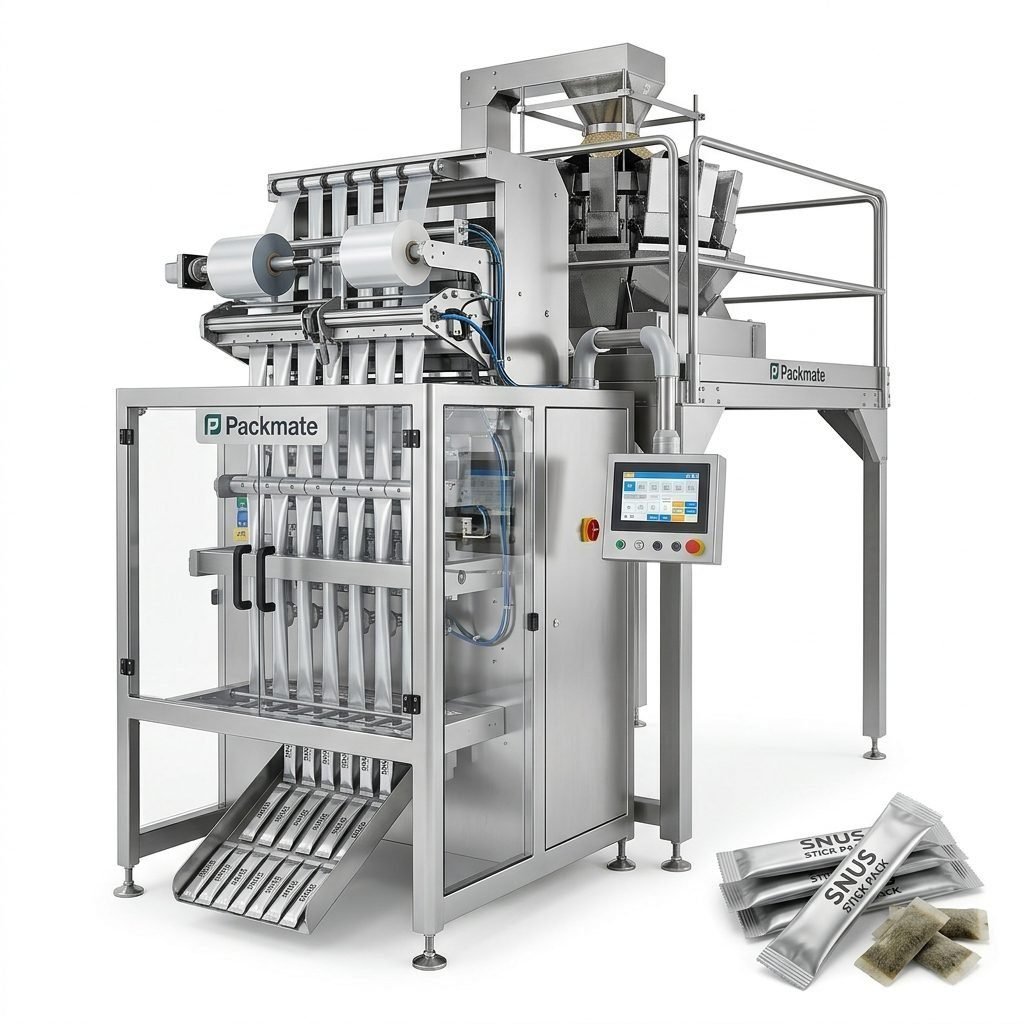
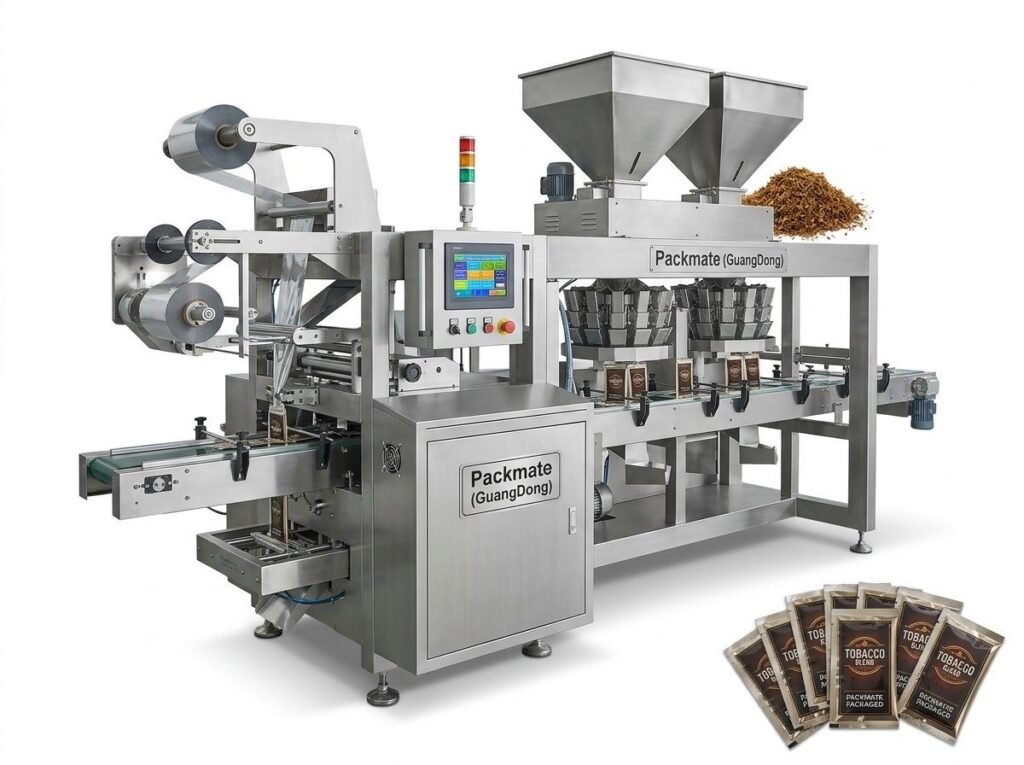
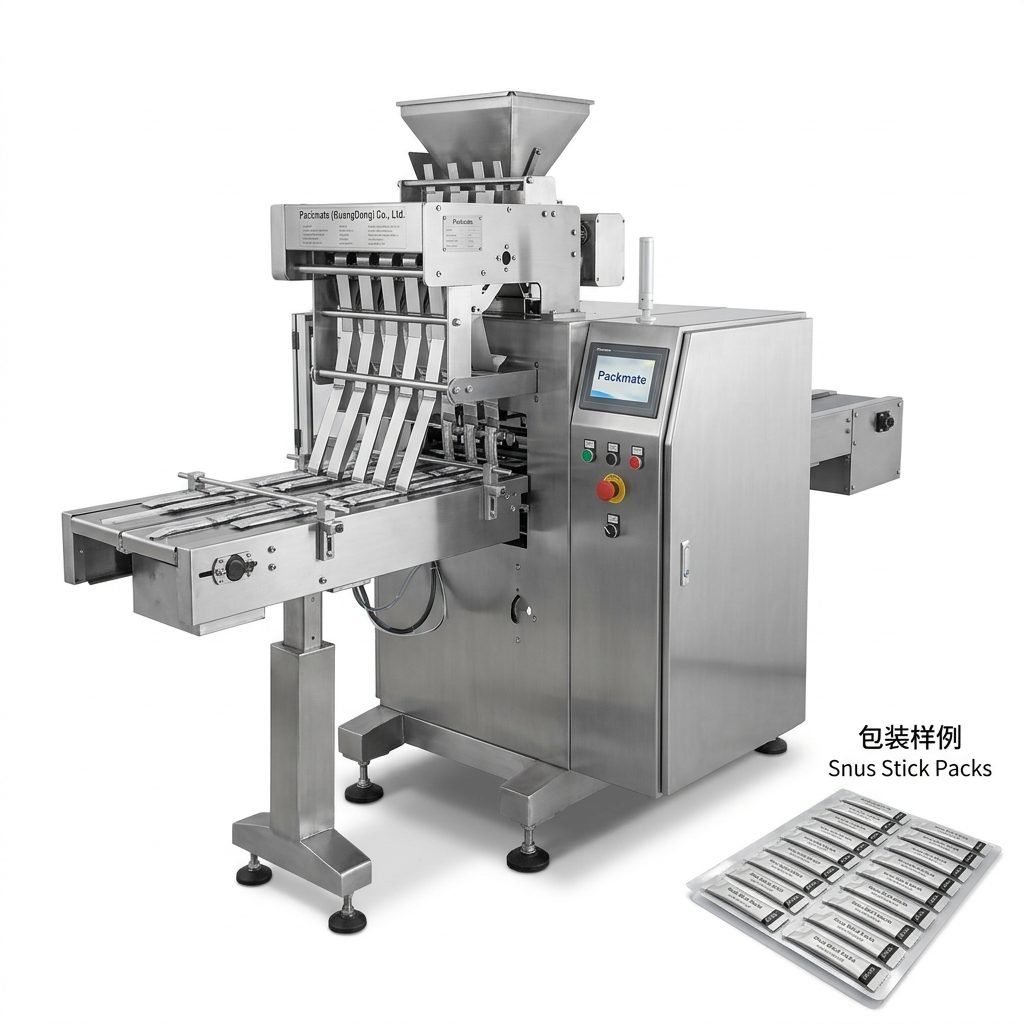
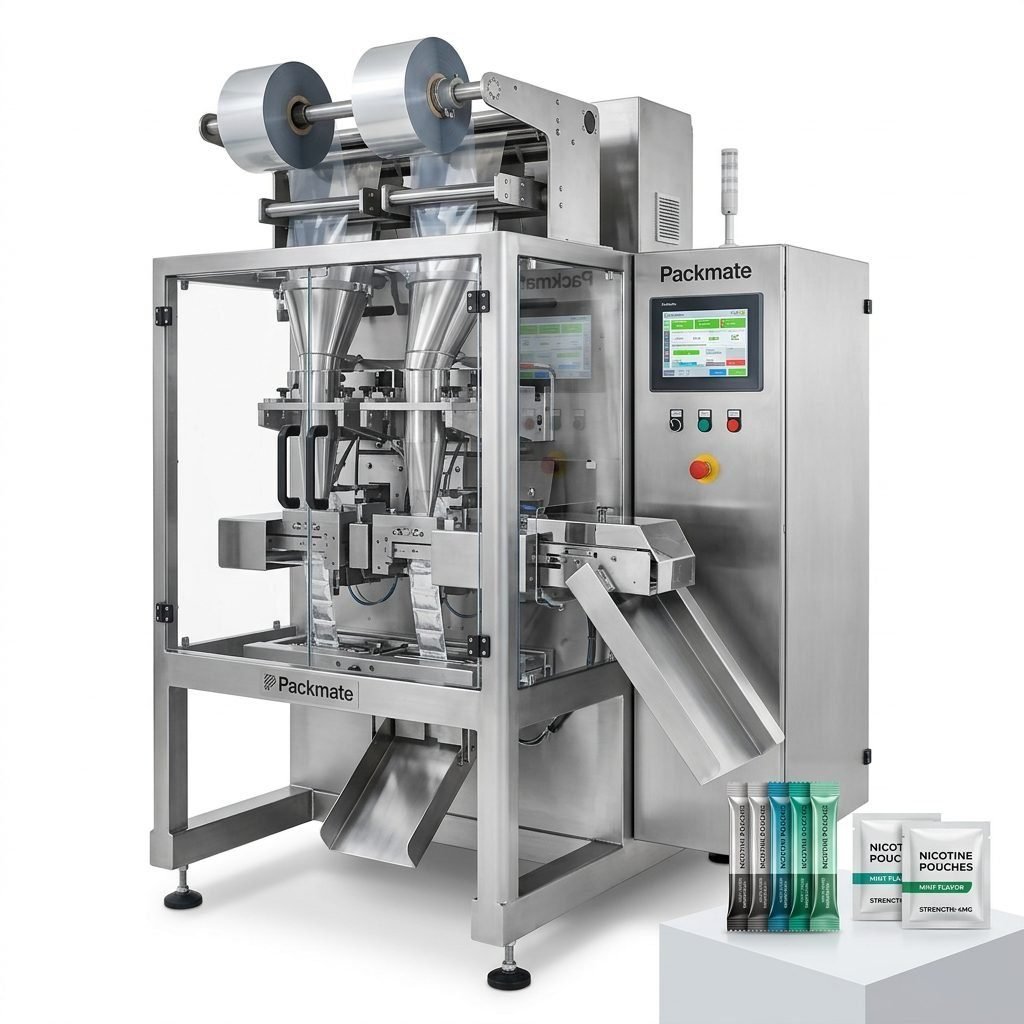
Machines designed specifically for nicotine pouches offer precise dosing, gentle pouch handling, and airtight sealing. They often support multi-lane production to maximize small-dose output. If your priority is nicotine pouches, focus on specialized snus machinery designs.
Snus & Nicotine Packaging Machines
Stick pack and sachet machines
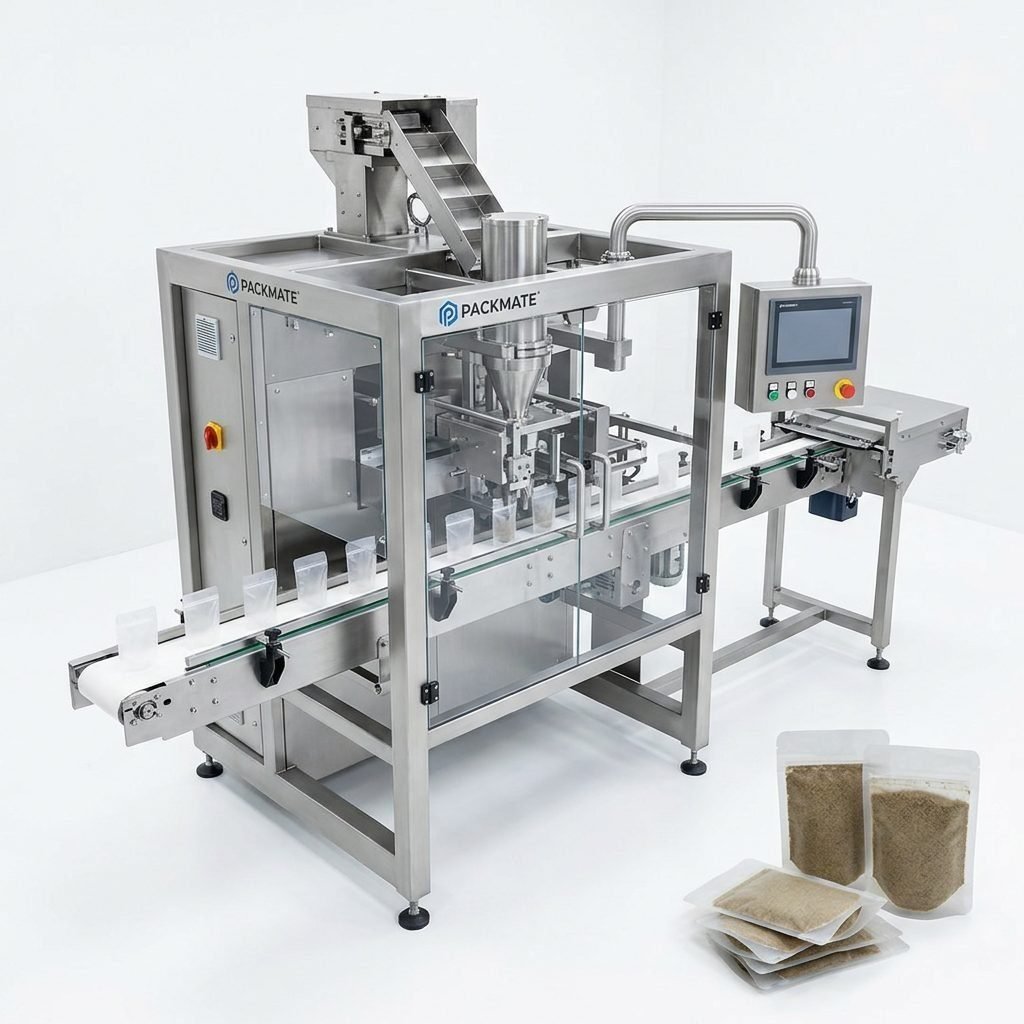
Stick pack and sachet systems are flexible for single-use portions and often combine high speed with simplified changeovers. These machines are suitable for flavors, single-dose portions, and fast-moving SKUs.
Sachet & Stick Pack Machines
Ancillary systems
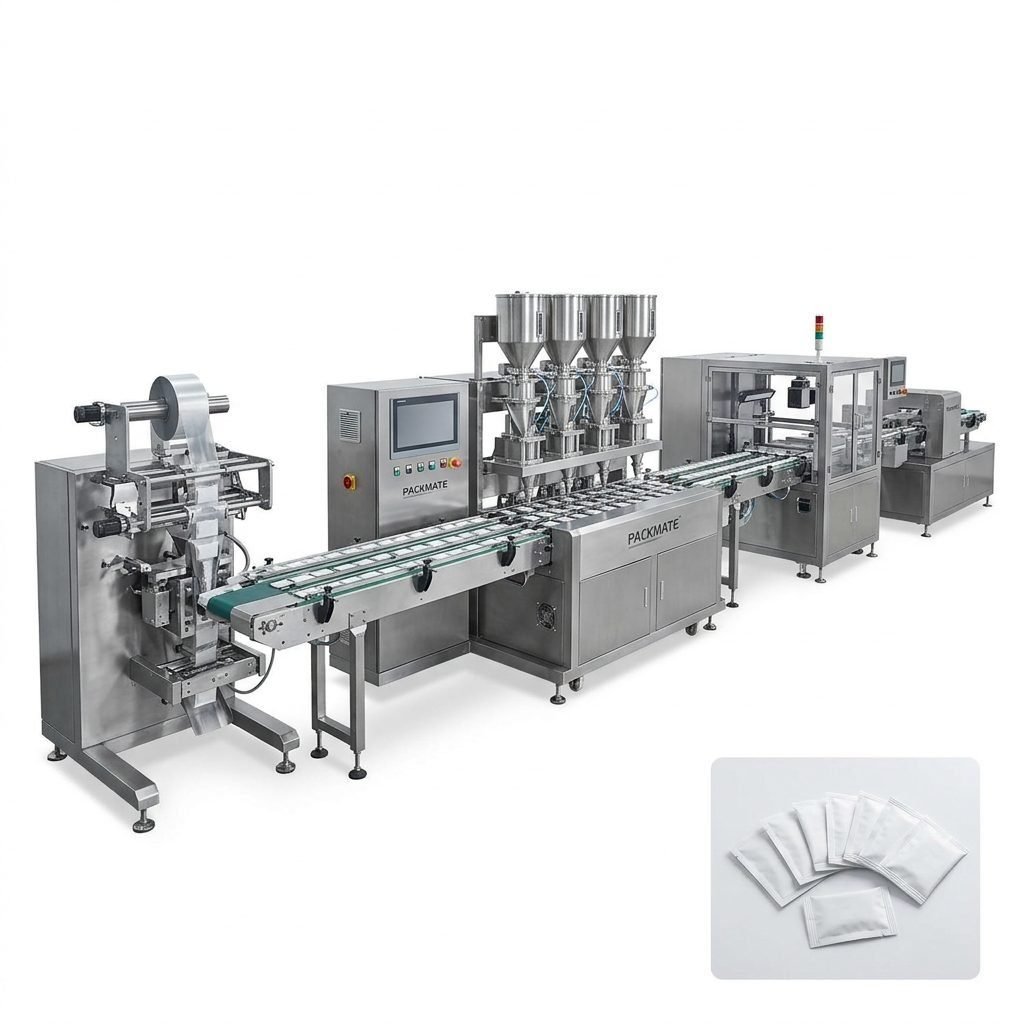
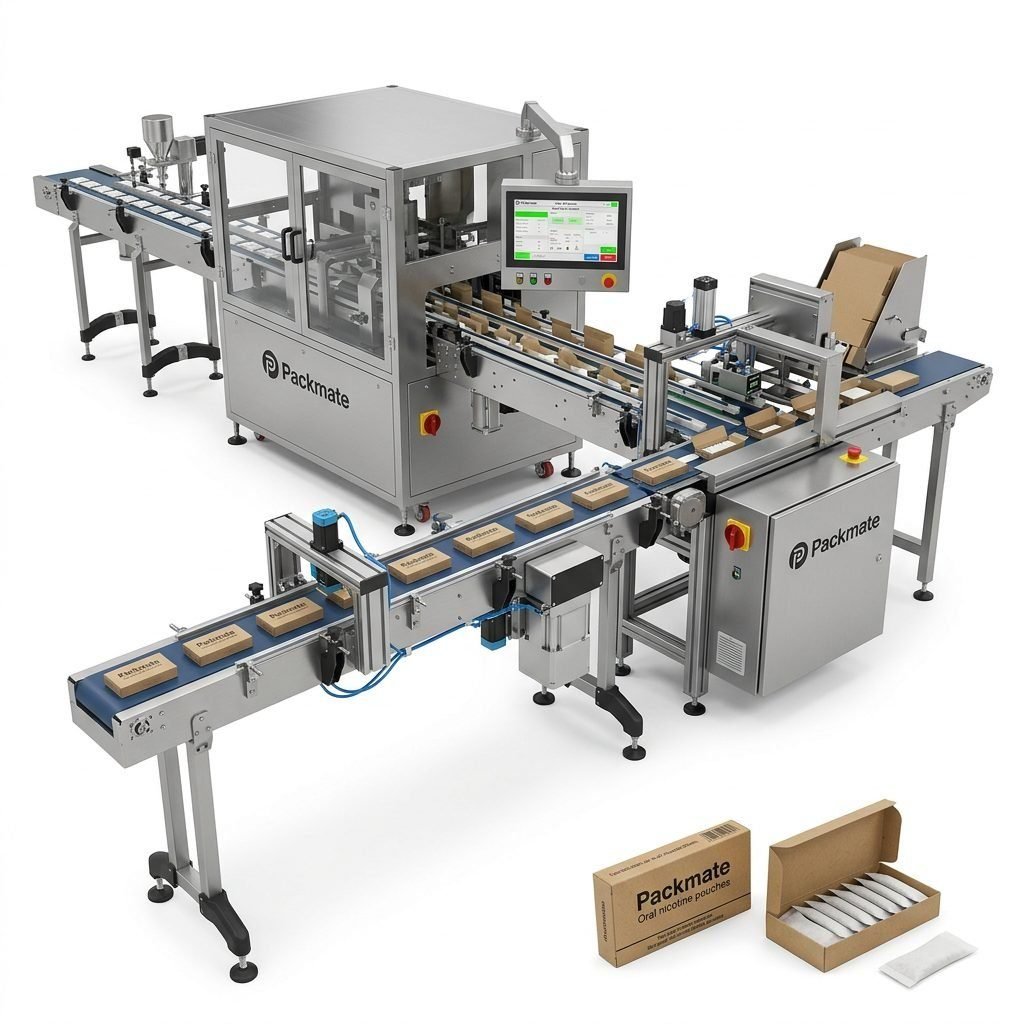
Consider upstream and downstream equipment: weighers, dose feeders, automatic pouch collators, and secondary cartoning or shrink-wrapping lines. Integration reduces manual handling and improves traceability.
Weighing & Packaging Systems
Key Selection Criteria for Ecuadorian Operations
Selecting a manufacturer for Ecuador requires assessing local logistics, support availability, compliance with regulations, and total cost of ownership rather than just upfront price.
1. Regulatory compliance and certifications
Ensure equipment meets international standards such as CE and ISO and can be adapted to local labeling, hygiene, and electrical standards. Certificates reduce import hurdles and reassure local authorities.
Certificates
2. Spare parts and service network
Downtime in nicotine pouch lines can be costly. Confirm the manufacturer’s spare parts stock, typical lead times, and whether they offer local technicians or remote support. A documented service plan and clear SLA are important.
3. Turnkey project capability
A turnkey supplier provides complete line design, equipment, installation, commissioning, and operator training. This reduces coordination errors and speeds up time-to-market.
About Packmate
Factory & manufacturing strength
Prefer manufacturers with modern CNC machining, precision assembly, and quality inspection systems. A solid factory footprint (for example, a 20,000㎡ manufacturing area) indicates capacity to build consistent, high-quality machinery.
Evaluating Machine Performance and Reliability
Performance claims must be verified through testing, references, and observation. Request FAT (Factory Acceptance Test) videos and try to visit an exhibition or a live installation.
Key performance metrics
- Consistent dosing accuracy (± acceptable tolerance for nicotine pouches).
- Uptime percentage and mean time between failures (MTBF).
- Changeover time between SKUs and ease of cleaning (CIP capabilities if required).
- Sealing quality and package integrity under humidity and transport conditions.
Testing and validation
Insist on FAT with your actual product or a representative blend, and document acceptance criteria. Check sealing tests, drop tests, and label accuracy as part of factory validation.
Commercial Terms and Warranty
Beyond technical fit, commercial terms determine the success of the purchase. Clarify delivery timelines, payment terms, warranty coverage, and penalties for missed milestones.
Important contract elements
⚠️ Warranty length and what parts are covered
ℹ️ Spare-part kits and recommended stock levels
✓ Training, commissioning, and handover documentation
Logistics, Installation, and Local Considerations in Ecuador
Ecuador presents specific logistical and import considerations: shipping routes, port handling, customs documentation, and local electrical standards. A manufacturer with export experience to Latin America can provide correct documentation and avoid delays.
Installation and commissioning
Ensure the supplier provides on-site commissioning or remote assistance with clearly defined responsibilities. Include operator training and initial production runs in the scope of work.
Contact the supplier
Cost of Ownership: Beyond the Purchase Price
Evaluate total cost of ownership (TCO) which includes energy consumption, maintenance, spare parts, downtime costs, consumables, and software licensing. A slightly higher upfront investment in a robust, well-supported machine often leads to lower TCO.
Calculate realistic ROI
Build models that account for expected uptime, labor savings from automation, and product yield. Ask the manufacturer for real-world benchmark data or references to validate ROI assumptions.
Working Relationship: Communication and Long-Term Support
Long-term partnerships are built on transparent communication, mutual expectations, and documented service paths. Evaluate supplier responsiveness during the sales process as an indicator of future support quality.
Questions to ask before signing
• How is spare-part pricing handled?
• What remote diagnostics or software updates are included?
• Can the supplier provide local references or third-party testimonials?
Why Choose an Established Manufacturer Like Packmate
Established manufacturers with decades of engineering experience and a wide product portfolio can deliver optimized snus packaging solutions. A manufacturer with a diverse product range (snus machines, bag & pouch machines, filling lines, auxiliary equipment) simplifies integration and reduces supplier management overhead.
Bag & Pouch Packaging Machines
What capacity & customization options matter?
Look for suppliers that offer modular designs and multiple machine models (50+ models are a good sign) to accommodate scaling and SKU expansion. Factory customization and in-house CNC capabilities help adapt machines to specialized product geometries.
Implementation Roadmap for Ecuador
A structured rollout reduces risk and speeds time to full production. Typical phases include needs analysis, machine selection, contract negotiation, FAT, shipping, installation & commissioning, and post-install support.
Example timeline
- 0-4 weeks: Requirements, supplier evaluation, quotes.
- 4-12 weeks: Design finalization, order placement, FAT preparation.
- 12-20 weeks: Manufacturing and FAT.
- 20-26 weeks: Shipping, customs clearance, site preparation.
- 26-30 weeks: Installation, commissioning, training, first production run.
Final selection checklist
✓ Proven snus/nicotine pouch machines with real references
✓ CE / ISO compliance and export experience to Latin America
✓ Turnkey project capability including upstream/downstream integration
✓ Clear spare parts & service strategy for Ecuador
✓ Transparent TCO and documented ROI scenarios
Next Steps and How to Engage Suppliers
Prepare a Request for Proposal (RFP) that includes product specs, required throughput, available floor space, utility constraints, and acceptance test criteria. Invite shortlisted suppliers for remote or in-person demonstrations and request FAT with your product.
Useful links
Learn about full production lines and auxiliary equipment to plan integration:
Filling & Packaging Lines,
Auxiliary Packaging Equipment.
Conclusion
Selecting the best snus packaging machinery manufacturer for Ecuador means balancing technical fit, local support, regulatory compliance, and TCO. By prioritizing proven snus-specific designs, turnkey capabilities, and clear service commitments, companies can accelerate market entry, reduce downtime, and maintain consistent product quality.
Common Questions
Q1: How long does it take to install a snus packaging line in Ecuador?
Typical timelines from order to commissioning range from 20 to 30 weeks depending on customization, FAT scheduling, and shipping. Allow additional time for customs clearance and site preparation.
Q2: What certifications should I insist on?
Ask for CE and ISO certificates as a baseline, and ensure documentation for electrical compatibility and hygiene standards required by Ecuadorian authorities.
Q3: How do I manage spare parts and maintenance locally?
Negotiate spare-part kits as part of the contract, maintain critical spares on-site, and secure remote diagnostic access or local technician training for quicker recovery.
Q4: Can one supplier provide a complete turnkey solution?
Yes. Many experienced manufacturers provide turnkey solutions including filling, weighing, packaging, and secondary packing. Choose suppliers with multi-model portfolios and project management capabilities.