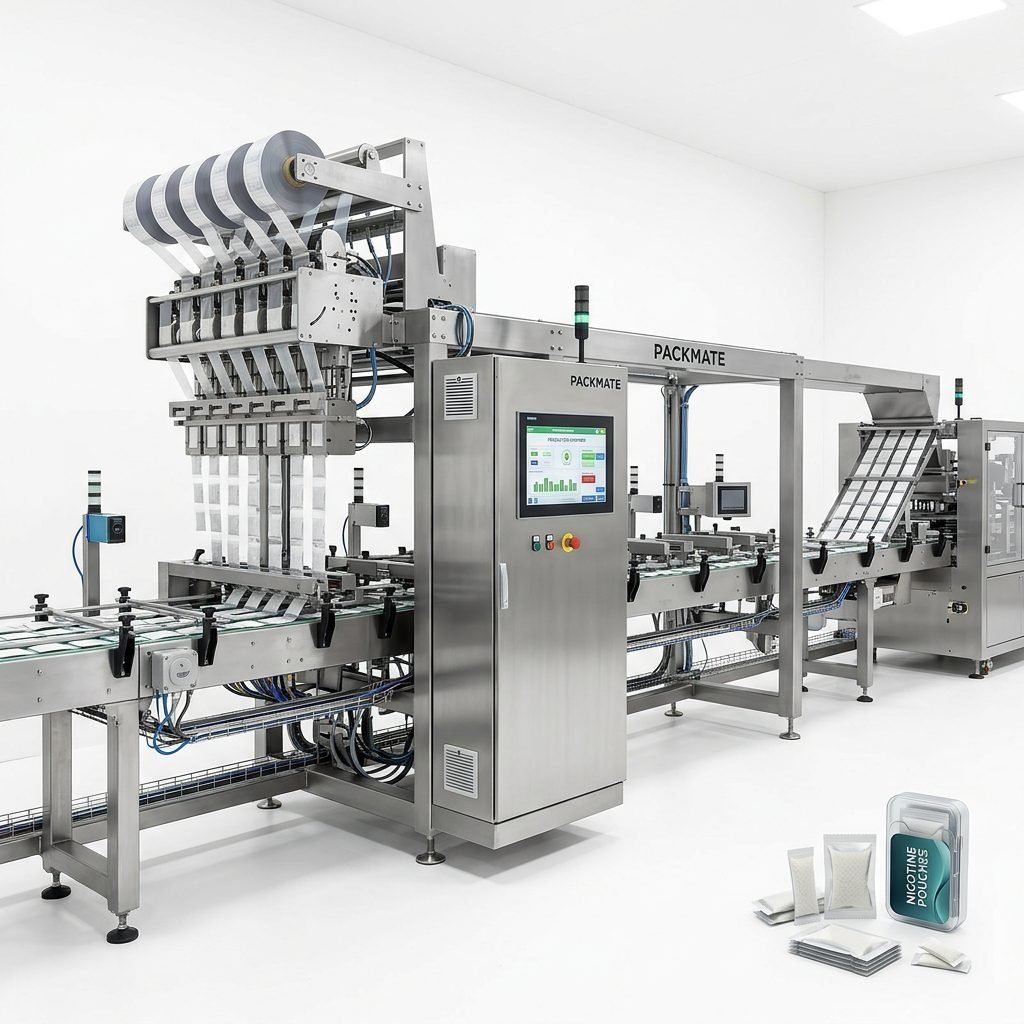
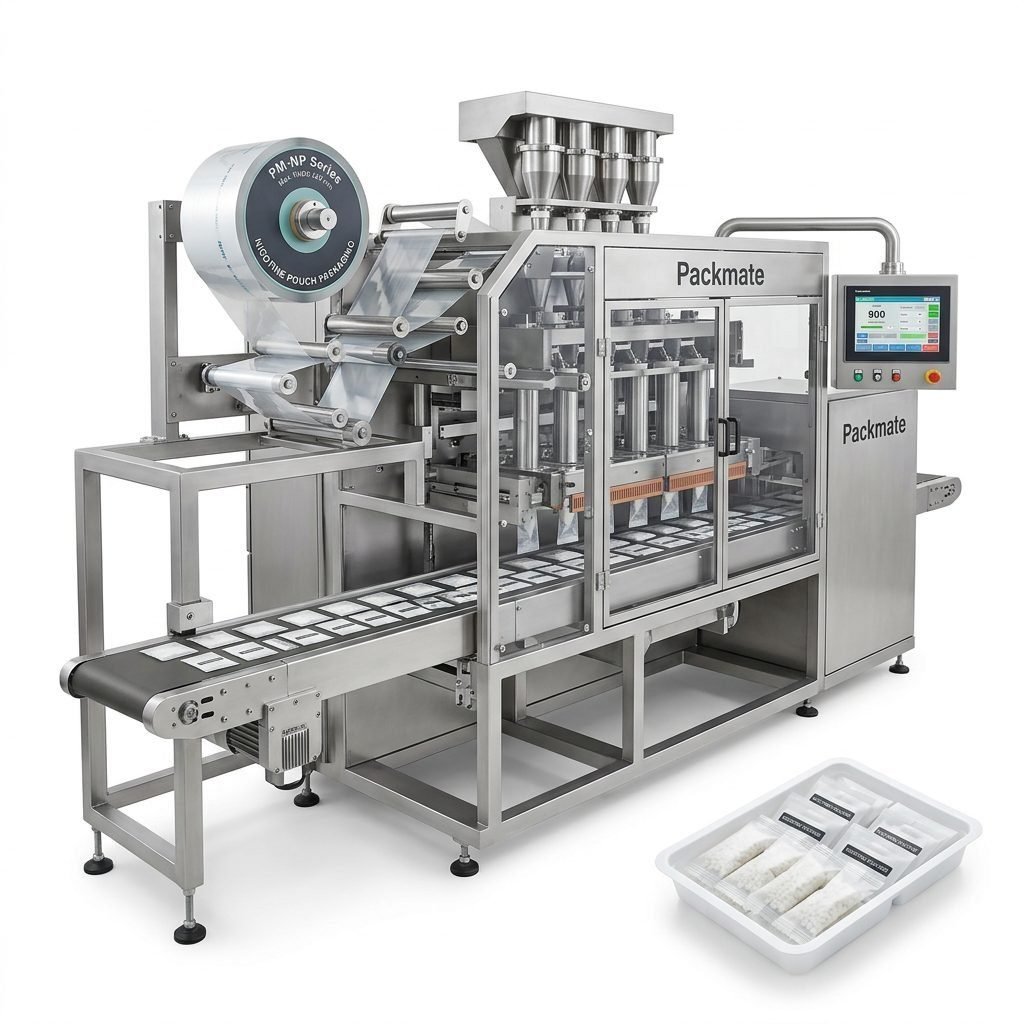
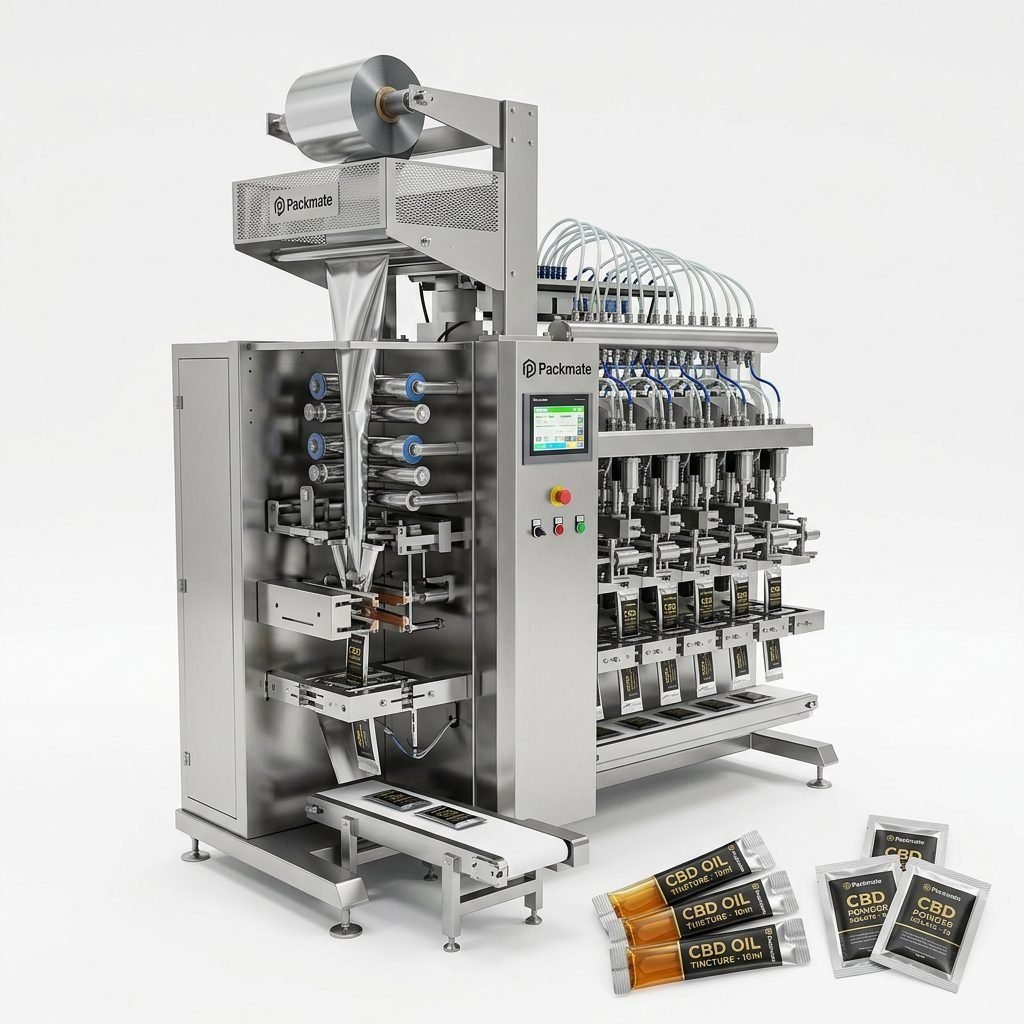
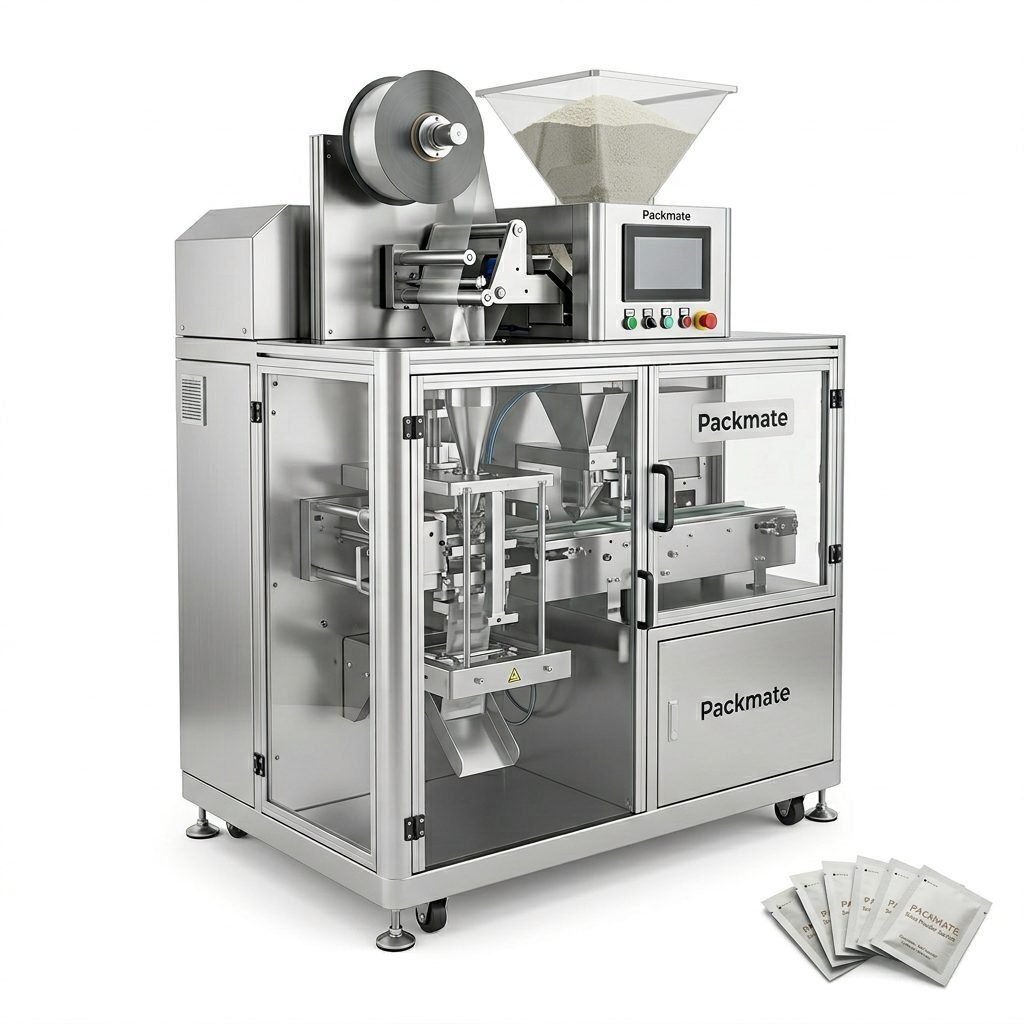
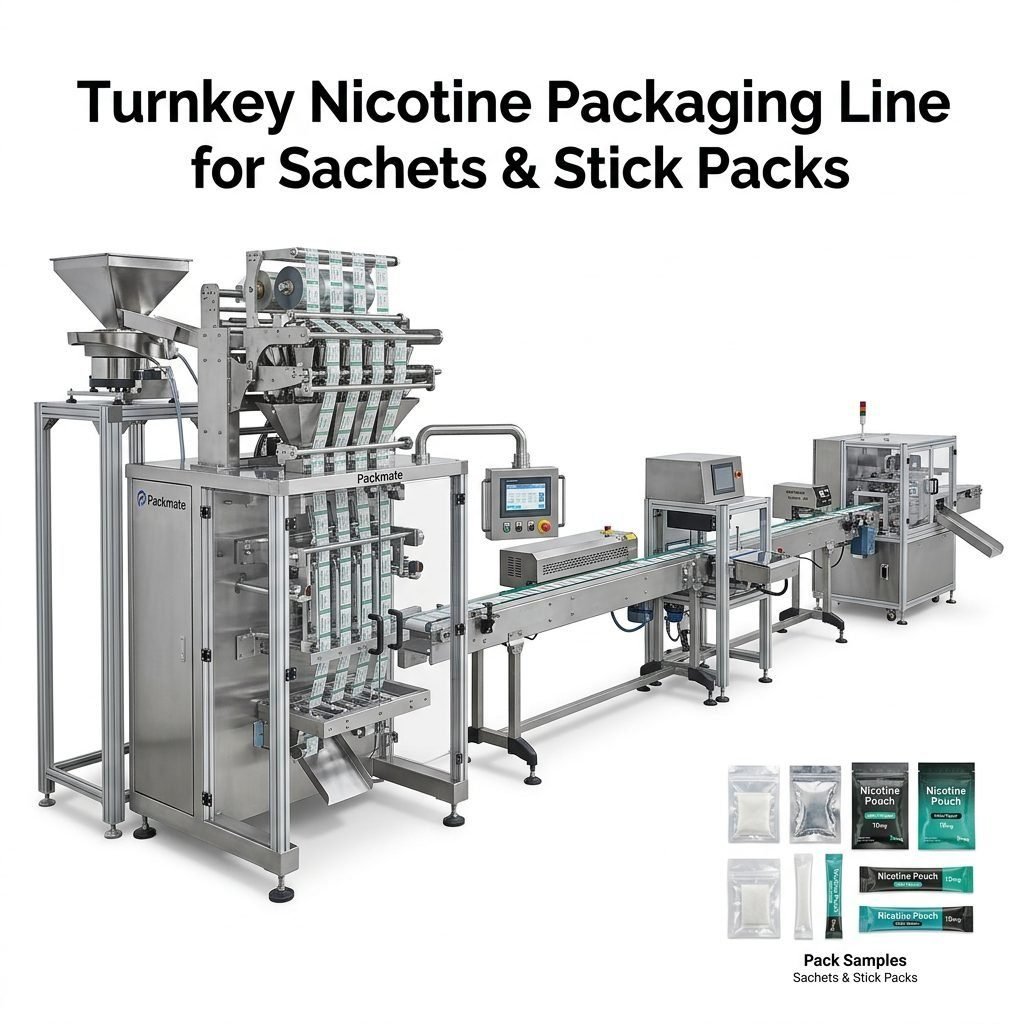
Choosing the right snus packaging machine for a production site in Cambodia requires balancing local market demands, regulatory compliance, production scale, and long-term serviceability. This guide walks you through everything you need to assess—from machine types and technical specifications to supplier evaluation and return-on-investment calculations—so you can make an informed purchase that supports reliable output and growth.
Understanding Cambodia’s Snus Market and Production Context
Cambodia’s manufacturing sector has been expanding, and companies entering the nicotine pouch or snus market must consider local logistics, labor skills, and regulatory frameworks. For many new or growing operations, the priority is a machine that offers stable output, low downtime, and straightforward maintenance. Local electricity stability, available factory floor space, and workforce technical skill levels should be counted into machine selection.
Why machine choice matters
A poorly matched machine can cause production bottlenecks, high scrap rates, and excessive maintenance costs. Conversely, the right snus packaging machine will reduce waste, keep product quality consistent, and lower per-unit labor and overhead costs. Consider both immediate production needs and scalability when choosing a model.
Types of Snus Packaging Machines and Their Best Uses
Different packaging technologies suit different product formats. Below are common machine categories used for snus and nicotine pouches:
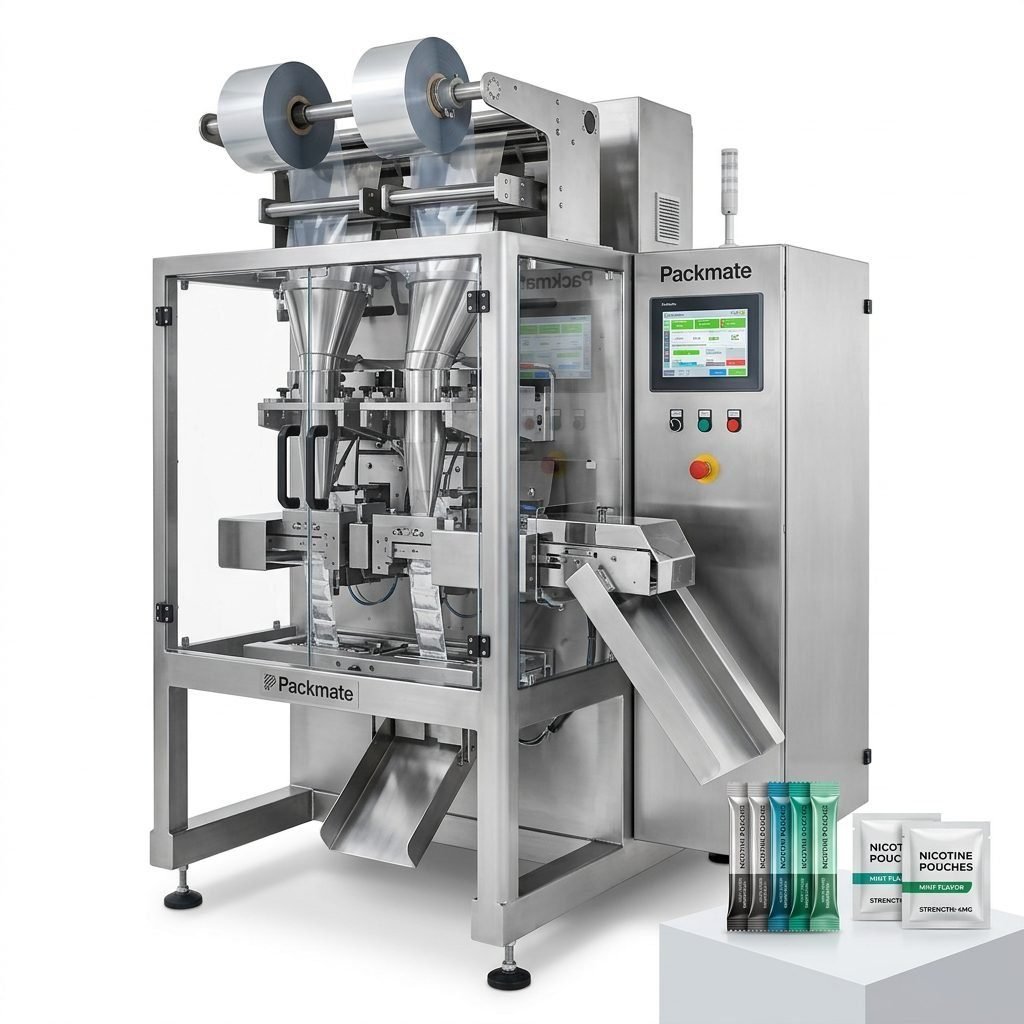
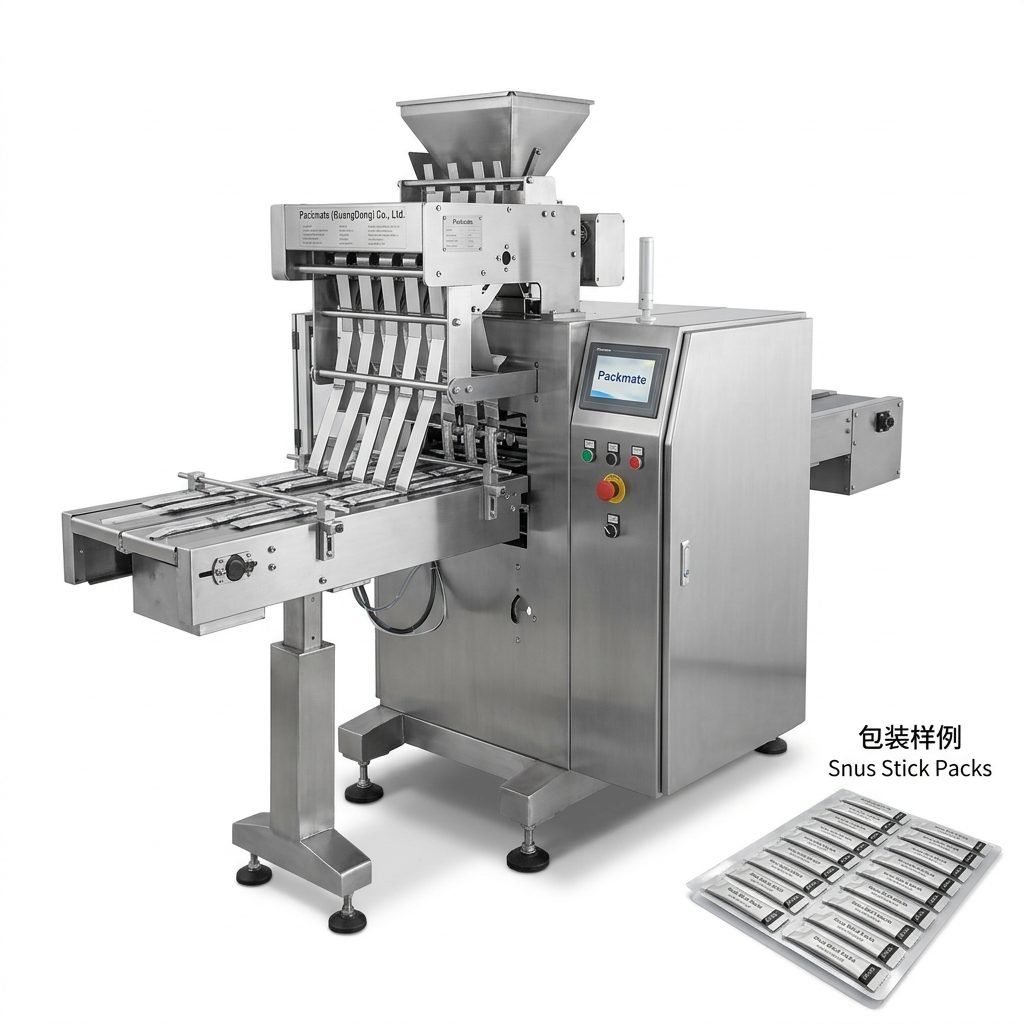
Stick Pack Machines
Stick packs are narrow sachets ideal for single-dose nicotine pouches. They are fast and efficient for high-volume single-serve items. If your product positioning emphasizes convenience and single-use servings, stick pack systems can offer excellent throughput.
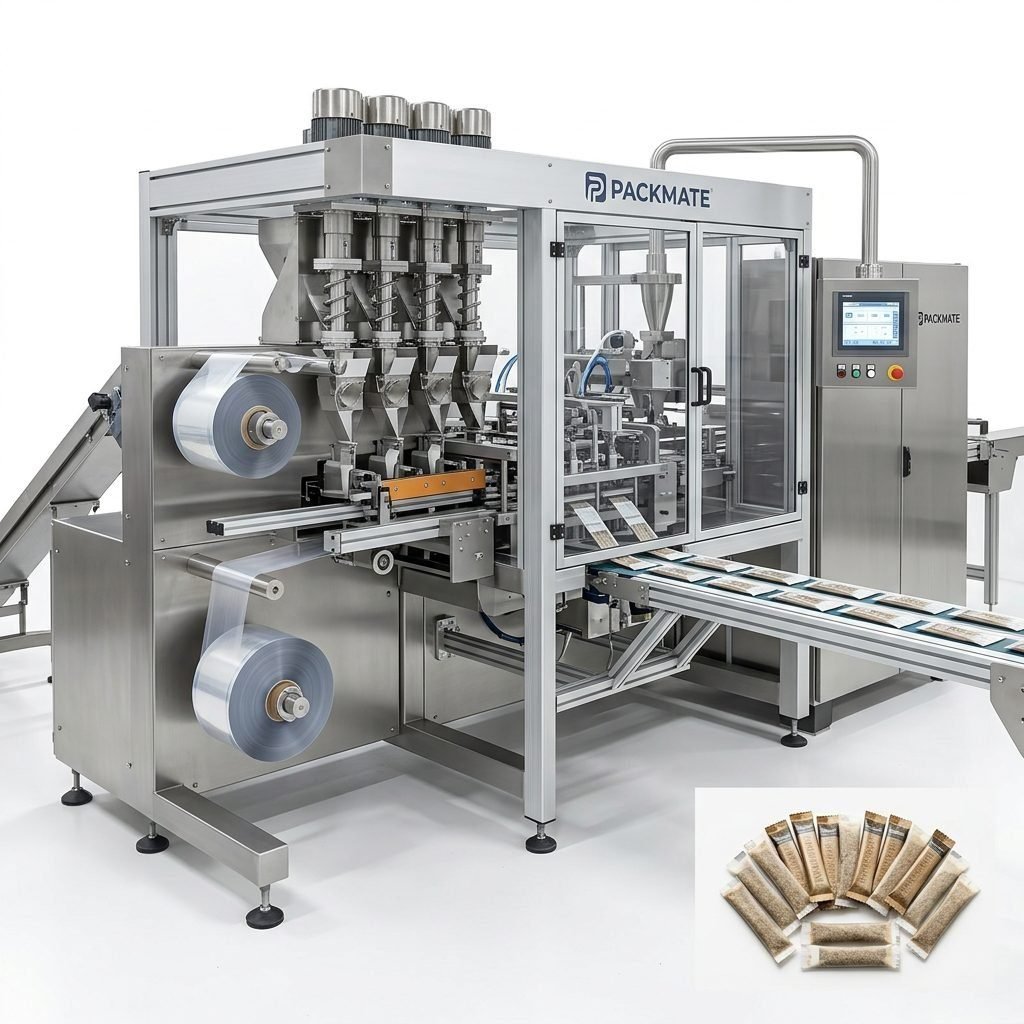
Sachet & Multi-Lane Systems
Sachet and multi-lane machines are tailored for multi-lane production of small-dose pouches. They allow simultaneous formation and filling across multiple tracks, delivering higher aggregate outputs within a compact footprint. These systems are particularly valuable when running a variety of pouch sizes on the same line.
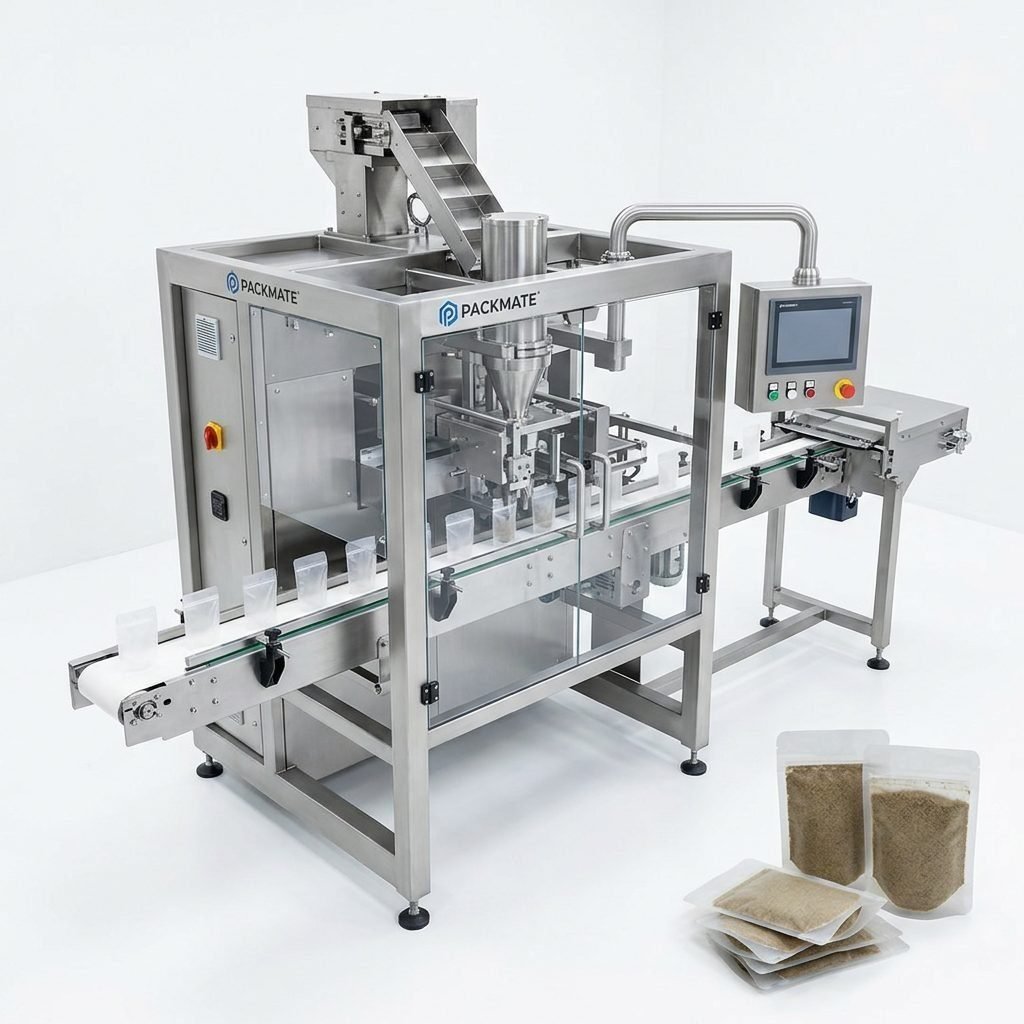
Pouch Packaging Machines (Bag & Pouch)
For sealed pouches and more flexible packaging styles, pouch machines can form, fill, and seal bags made from laminated films. They support diverse formats and are often combined with upstream dosing systems for powder or granules.
Quick tip: If your production plan includes multiple SKUs and variable pouch sizes, prioritize modular machines with quick-change tooling and a robust HMI (Human-Machine Interface) for easy recipe changes.
Core Selection Criteria: What to Evaluate
Selecting the best snus packaging machine means evaluating technical specs, operational costs, and supplier capabilities. The following criteria will guide your decision-making.
1. Production Capacity and Scalability
Determine your target output (pouches per minute and per shift). Choose a machine that meets current demand and allows for capacity upgrades. Multi-lane systems help scale without proportionally increasing floor space.
2. Filling Accuracy and Product Handling
Accurate dosing reduces material waste and keeps regulatory compliance. Check whether the machine supports your product type—powder, granule, or wet formulation—and whether it integrates precision weighing or volumetric dosing systems.
3. Materials Compatibility and Film Types
Confirm the machine supports laminates or films you plan to use, including barrier grades and sealant layers. Improper temperature or pressure settings can cause sealing defects, so ensure control systems allow fine adjustments.
4. Automation Level and PLC/HMI Features
Modern machines use servo motors, PLC control, and touchscreen HMIs to speed changeovers and reduce operator error. Look for recipe memory, remote diagnostics, and alarm logging to maintain uptime.
5. Footprint, Utilities, and Installation Requirements
Verify machine dimensions, power requirements, compressed air usage, and dust extraction needs. Match machine layout to available factory space and ensure access for maintenance and cleaning.
6. Maintenance, Spare Parts, and Local Support
Rapid access to spare parts and remote or local technical support in Southeast Asia will minimize downtime. Ask about spare parts kits, lead times, and whether the manufacturer offers site commissioning and training.
Checklist highlight: Verify CE/ISO certifications, recommended spare parts list, average MTBF (mean time between failures), and whether on-site training is included.
Evaluating Suppliers: Questions to Ask
When contacting potential suppliers, comprehensive questions reveal capabilities and long-term fit. Key topics include quality control, customization, warranty, and examples of similar projects.
Ask about industry experience and case studies
Suppliers with proven snus machine experience can better anticipate common issues and deliver optimized solutions. Request case references or visit their case gallery. For example, Packmate Snus Machine documents global projects and machine variants that can be reviewed for fit.
Service, certification and factory capabilities
Check the supplier’s factory scale, machining capabilities, and testing protocols. Larger manufacturers with CNC centers and precision assembly lines typically provide more consistent quality and faster custom tooling.
Learn more about machine types and technical specs via product pages such as Snus & Nicotine Packaging Machines, Bag & Pouch Packaging Machines, and explore support options on the Service page.
Cost Considerations and Return on Investment
Beyond the purchase price, calculate total cost of ownership (TCO) over a 3-5 year period. Include installation, training, spare parts, consumables, energy use, and expected yield losses. Compare machines by cost per pouch produced rather than upfront cost alone.
Consider also operational savings from reduced labor and increased uptime; higher automation often yields significant long-term savings even if initial investment is larger. Run a simple ROI model: estimate monthly production, average margin per pouch, and incremental output or savings the new machine delivers.
Installation, Commissioning, and After-Sales
Successful deployment requires thorough installation and commissioning. Confirm whether the manufacturer includes on-site commissioning, operator training, and an initial spare parts package. Remote support and video diagnostics should be available for quick troubleshooting when local service is not immediately accessible.
Service note: Long-term support matters. Check warranty terms and whether the supplier maintains a regional service network or trained third-party technicians near Cambodia.
Practical Tips for Cambodian Manufacturers
Several tactical considerations can smooth procurement and operation:
– Start with a clear production forecast and specify maximum and minimum run sizes. Machines with modular lanes or interchangeable tooling will adapt better to changing SKUs.
– Prioritize machines with easy cleaning and maintenance access to meet hygiene requirements and reduce downtime between shifts.
– Confirm spare parts availability before purchase and arrange a stock of high-wear parts on-site or nearby.
– If you plan to export, ensure packaging materials and sealing meet destination market regulations and transit durability standards.
Supplier Example: What to Expect from a Professional Manufacturer
A professional manufacturer will present clear documentation about their manufacturing capabilities, certification, and test reports. They will provide references, a detailed technical datasheet for each machine model, and options for turnkey production lines including dosing, filling, packaging, and auxiliary equipment.
For instance, companies with decades of experience, a large manufacturing floor, and a diverse product catalogue can offer tailored multi-lane lines, precision assembly, and global turnkey solutions. Review their exhibition presence and case studies to verify their market engagement and product maturity. See the manufacturer’s background to evaluate long-term reliability on their About Packmate page or view real-world examples in their Case gallery.
Final Checklist Before Purchase
Before signing a purchase order, confirm the following:
– Certified performance test reports under load conditions similar to your product
– Clear warranty terms, response times, and spare parts lead times
– On-site commissioning, operator training, and a documented maintenance plan
– Availability of technical drawings for plant layout and utilities
Decision trigger: If a supplier cannot provide a clear test protocol, spare parts list, or commissioning plan, treat this as a red flag.
Conclusion
Selecting the best snus packaging machine in Cambodia depends on aligning machine capabilities with your production goals, product characteristics, and operational constraints. Prioritize machines that offer precise dosing, modular scalability, solid after-sales support, and documented performance. Use the supplier evaluation checklist to compare offers fairly, and always verify test runs and references before final commitment.
Frequently Asked Questions
Q: What machine type is best for a startup producing multiple pouch sizes?
A: A modular multi-lane sachet or pouch machine with quick-change tooling and recipe memory is ideal because it supports multiple SKUs without extensive downtime.
Q: How important is it to buy from an experienced snus machine manufacturer?
A: Very important. Experienced manufacturers offer tested line designs, reliable components, and documented case studies. They also tend to provide faster spare parts support and better commissioning services.
Q: What certifications should I request from a packaging machine supplier?
A: Ask for CE and ISO certifications as a baseline, plus any testing documentation relevant to your product. Certification shows compliance with international quality and safety standards.
Q: How can I ensure low downtime and good local support in Cambodia?
A: Negotiate spare parts kits, remote support options, and training for your maintenance staff. Consider suppliers with regional partners or technicians who can respond quickly.
Q: Where can I learn more about specific machine models and full production lines?
A: Review product pages for detailed model specifications and contact suppliers for customized quotations; for example, check the company’s product range and exhibition history to validate capability and footprint before deciding.