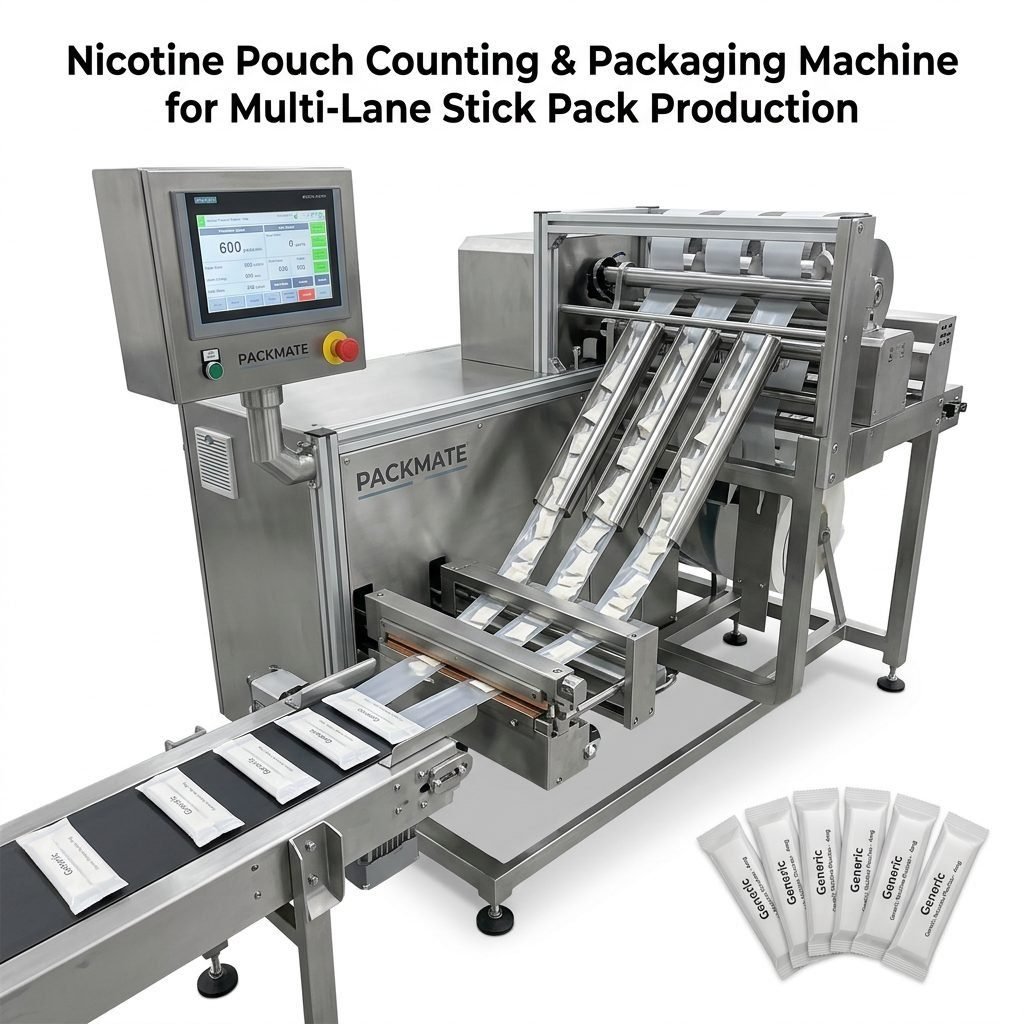
Choosing the right snus packaging machinery manufacturer is a critical step for any business that wants to bring nicotine pouches, snus, or small-dose products to market in the Solomon Islands. This buyer’s guide walks you through practical, decision-driving factors—from machine types and production capacity to certification, after-sales service, and local operational considerations—so you can make an informed investment that fits both technical needs and the realities of operating in a Pacific island nation.
🔍 Understand Your Product and Market Needs
Before contacting manufacturers, clearly define your product format, target capacity, and packaging materials. Snus and nicotine pouch products vary in dose, pouch size, and humidity sensitivity—these differences directly affect machine choice. In the Solomon Islands, consider limited cold-chain options and high humidity: choose machines with good sealing control and moisture-resistant handling to reduce product spoilage and ensure shelf stability.
Key product questions to answer:
• What pouch formats will you produce (stick pack, sachet, or multi-lane pouches)?
• What is the target output per shift and per day?
• What materials (laminated films, paper laminates) will your packaging use?
• Do you require nitrogen flushing or special sealing for freshness?
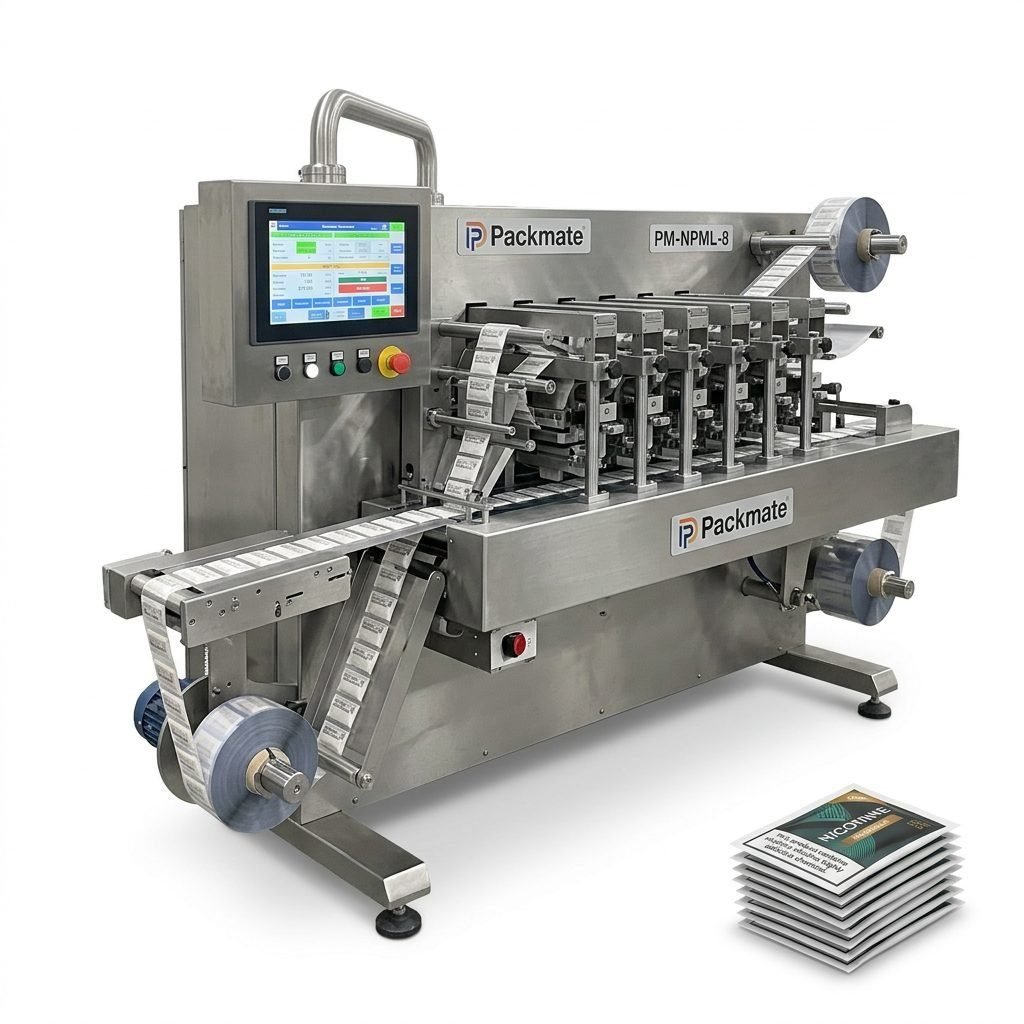
✅ Tip: For multi-lane small-dose pouches choose equipment built for precise weighing and synchronized multi-lane feeding to keep variation below acceptable thresholds.
⚙️ Types of Snus Packaging Machinery and When to Use Them
Manufacturers offer several core machine families. Knowing the strengths of each type will help you align equipment to your business plan:
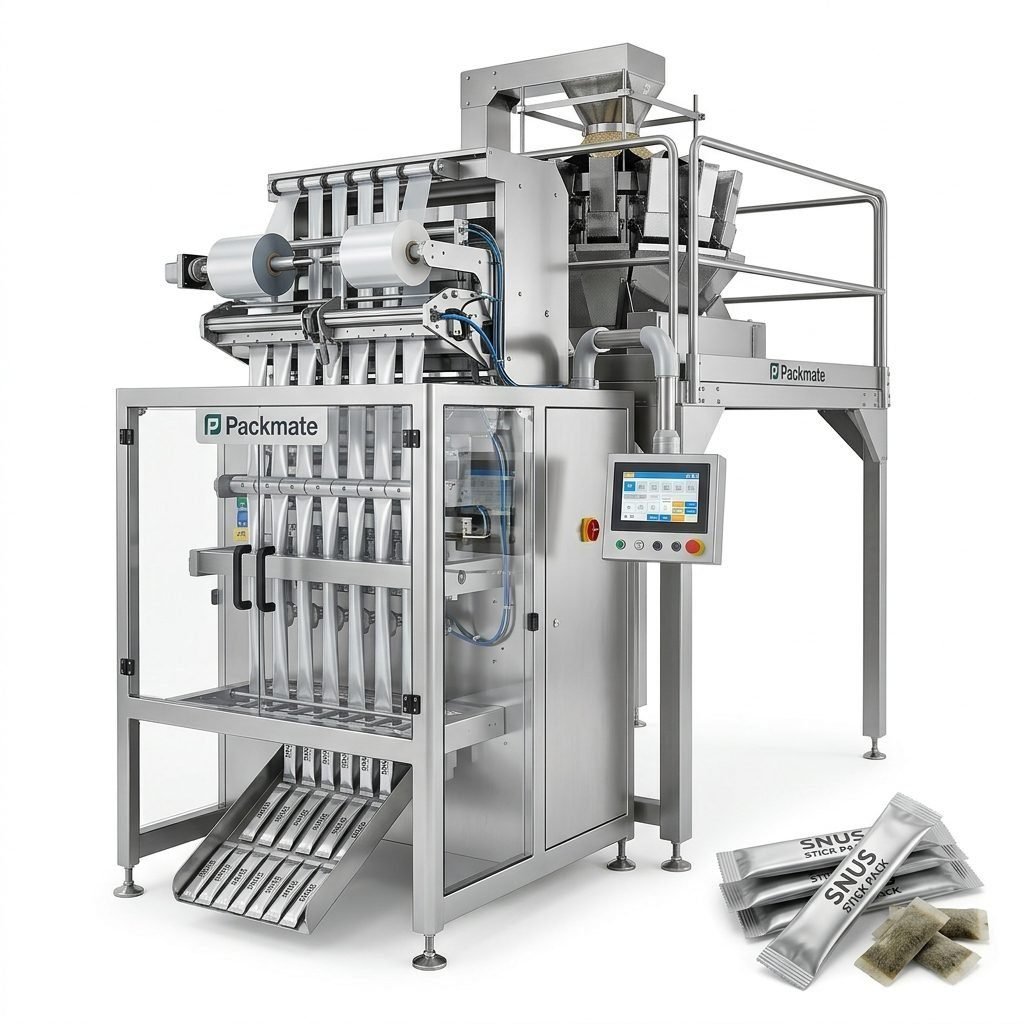
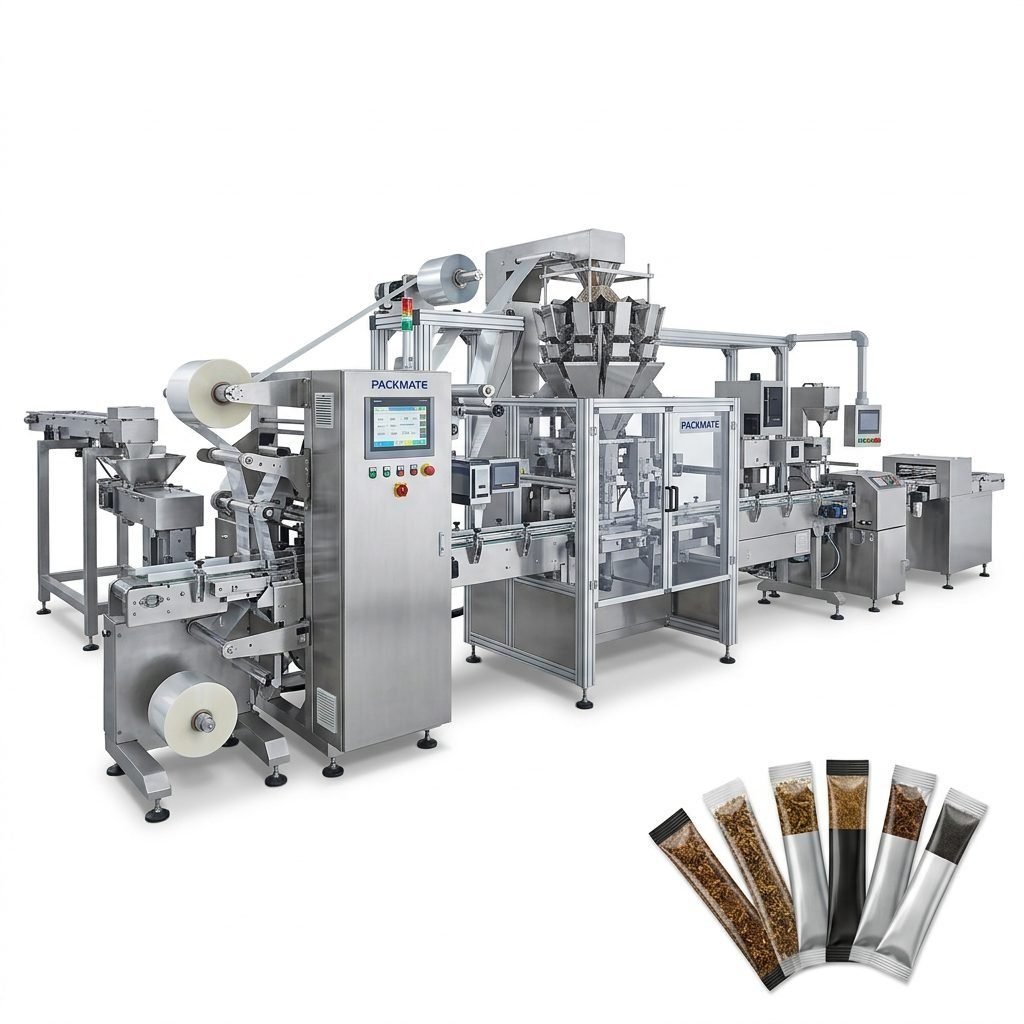
Stick Pack Machines
Stick packs are ideal for single-serve nicotine portions. They are compact, cost-effective, and often used for high-speed lines. If your strategy focuses on retail single-dose convenience, select a robust stick pack machine with precise dosing and high-speed sealing.
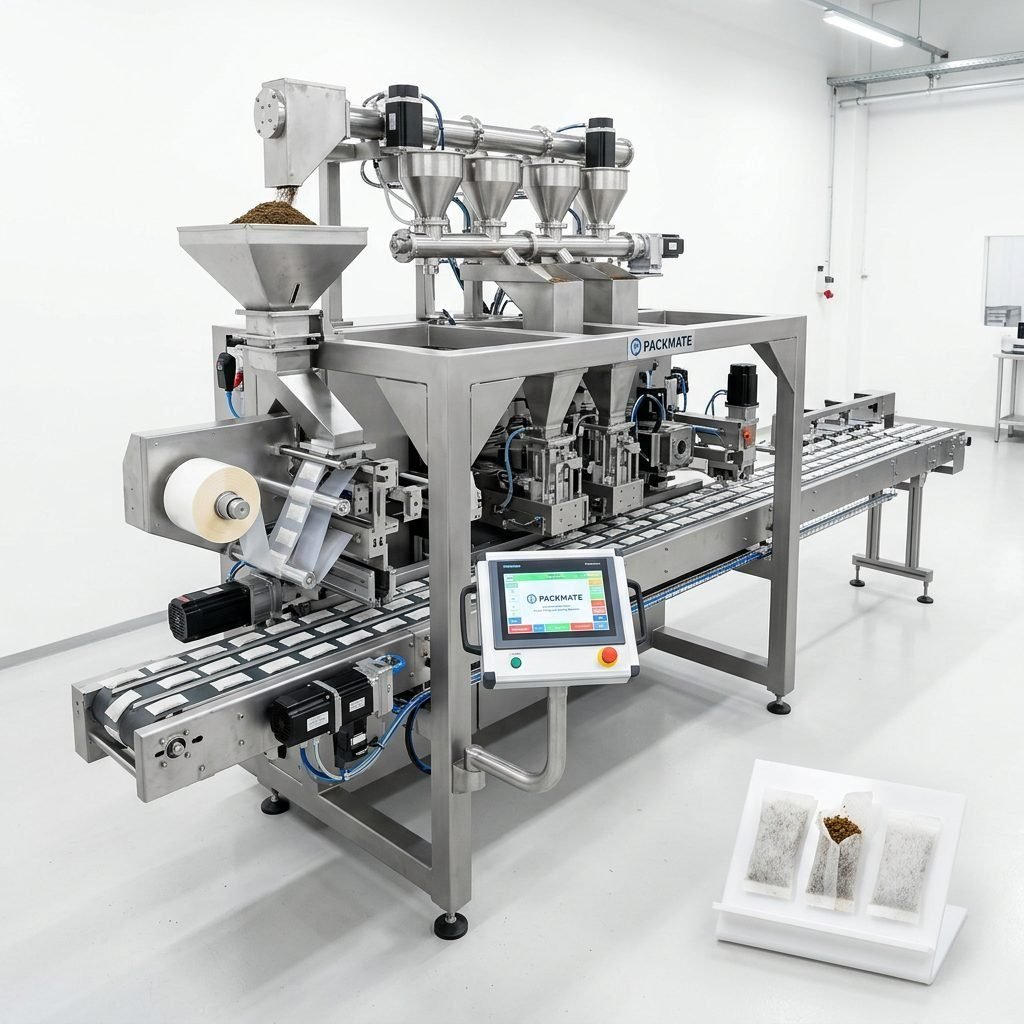
Sachet & Pouch Machines
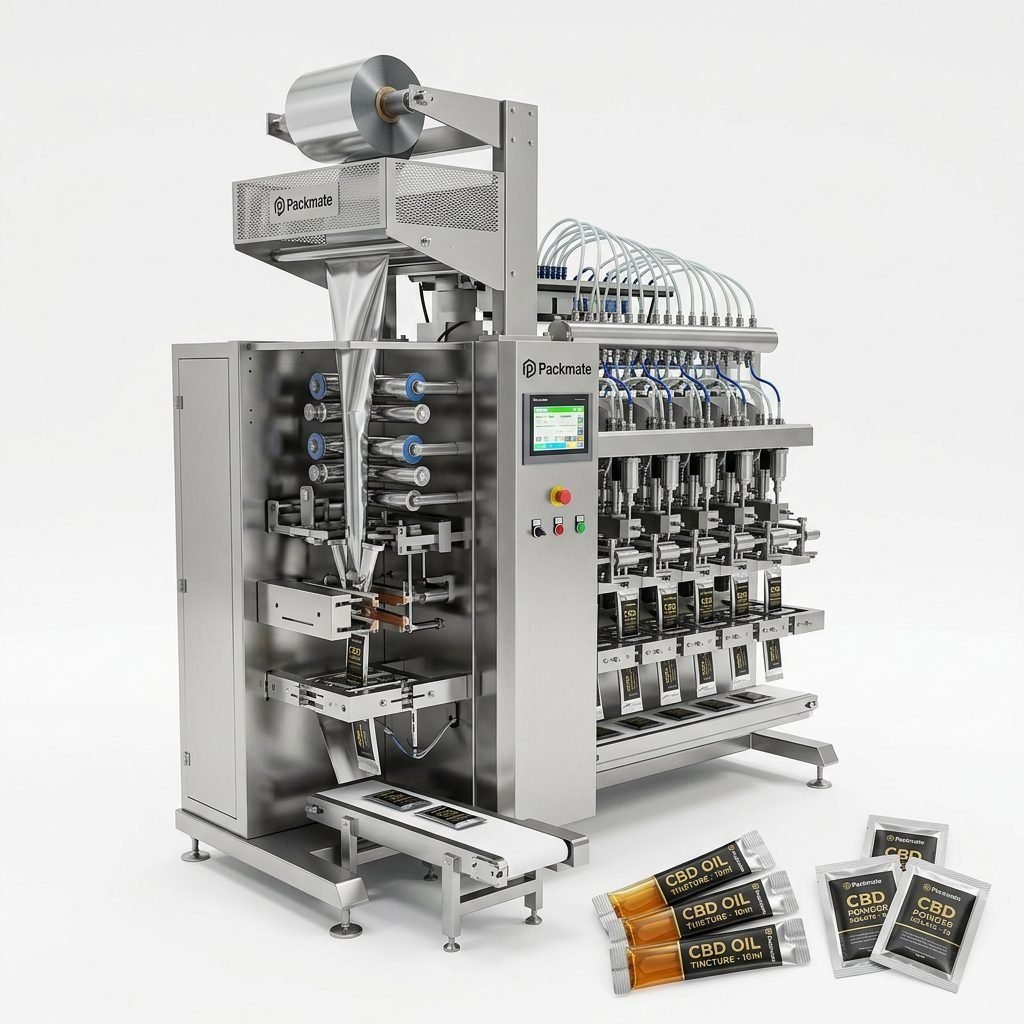
Sachet and pillow pouch systems offer more design flexibility and can be used for sachet-style snus or nicotine pouches. Look for machines that handle multiple pouch sizes and film types without long changeover times.
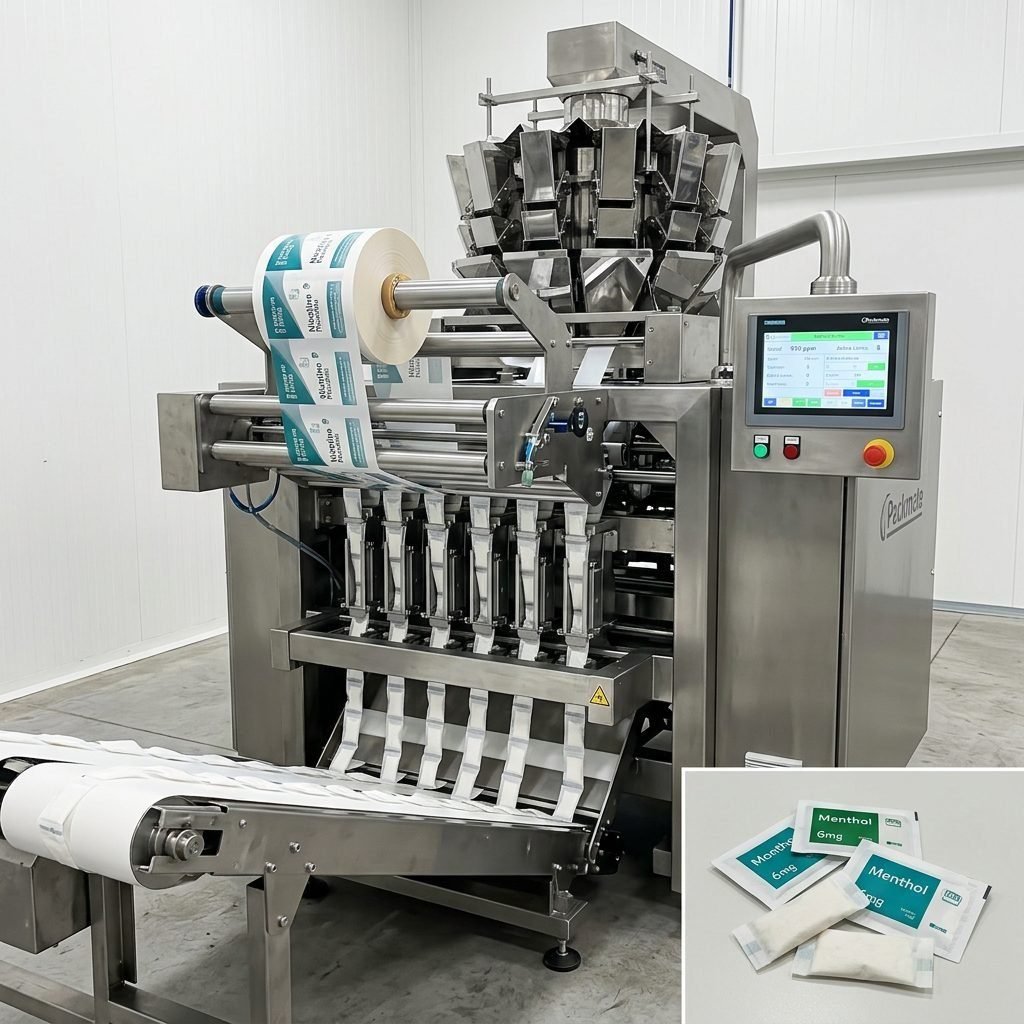
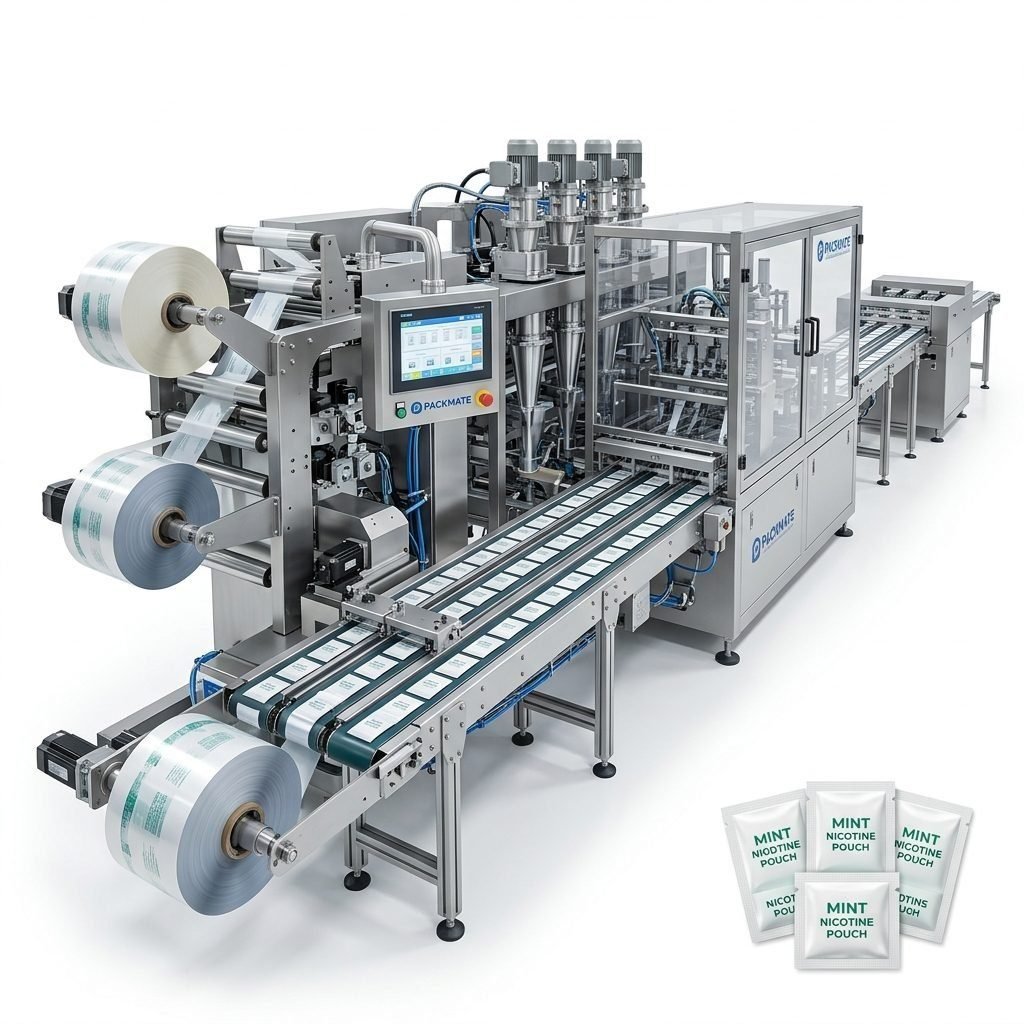
Multi-lane Systems
If you plan to scale rapidly, multi-lane machines substantially increase output while saving factory floor footprint. Choose systems with synchronized lanes and reliable lane balancing to avoid uneven fill or sealing defects.
📈 Evaluate Production Capacity, Accuracy, and ROI
Match machine rated speed with realistic net output. Vendors often quote theoretical top speeds; ensure you verify net throughput after accounting for film splices, changeovers, and cleaning. For nicotine pouches, dosing accuracy is essential: look for per-pouch weight variation specifications and in-line weighing solutions.
📌 Financial checklist: capital cost, spare parts inventory, shipping & import duty to Solomon Islands, installation and training fees, and expected uptime. Calculate payback time using realistic labor and material costs.
🔧 Technical Features to Prioritize
The following features directly impact product quality and line efficiency:
-
Servo-driven film control for precise positioning
-
In-line checkweighing and metal detection compatibility
-
Quick-change forming sets and tool-less changeovers
-
HMI with recipe management for repeatable setups
-
Materials handling optimized for hygroscopic fillers
🛡️ Quality, Certification, and Factory Strength
Choose manufacturers with robust quality systems and verifiable credentials. International certifications (CE, ISO) indicate adherence to common safety and manufacturing standards. Factory scale and machining capacity matter—look for suppliers with advanced CNC centers and assembly lines to ensure parts precision and repeatability.
Packmate Snus Machine, for example, highlights its 20,000㎡ facility, 30+ years of engineering history, and CE/ISO conformity—important indicators of manufacturing maturity and quality consistency. Explore product lines such as Snus & Nicotine Packaging Machines and Sachet & Stick Pack Machines when evaluating suppliers.
🚚 Logistics, Shipping, and Local Support in Solomon Islands
The Solomon Islands’ island geography affects shipping, customs, and service support. Key local considerations:
• Shipping routes and transit times: smaller islands may require transshipment—factor additional transit days and freight costs.
• Import duties and documentation: ensure all machine certificates and invoices are ready for customs clearance to avoid delays.
• Local technical support: with limited local machine service providers, prioritize suppliers offering comprehensive remote support, spare parts kits, and onsite commissioning options.
📦 Practical advice: request a spare-parts list and estimated lead-times. Ask your vendor about consolidated shipments and local shipping partners familiar with Pacific island delivery.
⚖️ Compliance, Health Policy, and Community Sensitivity
Nicotine products are subject to both international and local regulations. The Solomon Islands has a conservative social context and strong community ties—marketing and sales channels for nicotine pouches should be operated with cultural sensitivity and legal compliance. Before full-scale equipment purchase:
• Confirm the legal status of nicotine pouches in Solomon Islands and any labeling or import restrictions.
• Prepare community engagement plans if launching consumer-facing distribution—respect local norms and public health messaging.
• Ensure packaging machines can print required labels, health warnings in local languages if necessary.
🔁 After-sales Service, Training and Spare Parts
Reliable after-sales service is often the deciding factor. Key service expectations include:
-
Warranty terms and coverage details
-
Remote technical support and diagnostics
-
Availability and lead-time for critical spare parts
-
On-site commissioning and operator training
Look for manufacturers offering structured training and documentation. Consider companies with local or regional partners for faster service response. Packmate’s global solutions and case references can be reviewed at Case and their Service pages for reference.
🔎 How to Evaluate Suppliers—A Practical Checklist
When comparing quotes, evaluate suppliers using this actionable checklist:
✔️ Factory capability: facility area, CNC capabilities, and assembly lines.
✔️ Performance guarantees: real-world throughput numbers and weight variation data.
✔️ Support & spare parts: lead-times and local availability.
✔️ Customization: ability to adapt machines for local packaging designs and labeling.
✔️ References: customer case studies from similar markets.
📞 Negotiating Purchase, Delivery and Installation
Negotiate clear delivery terms (Incoterms), installation responsibilities, and acceptance criteria. Include FAT (Factory Acceptance Test) and SAT (Site Acceptance Test) clauses to protect both parties. Confirm training schedules and that the contract includes a spare-parts starter kit.
If you need to contact the supplier directly for specification clarifications, the manufacturer’s contact pages and catalogs can speed up the procurement process—see Contact Us and review their Catalog.
🌱 Sustainability and Local Preference
Consumers globally—and increasingly in the Pacific—value sustainable packaging. Discuss recyclable or lower-carbon film options with suppliers, and ensure machines can handle alternative films. Packaging that reflects local culture and environmental care can strengthen market acceptance in communities across the Solomon Islands.
📌 Final Practical Steps Before Purchase
1) Prepare a detailed technical specification and production forecast.
2) Request performance videos and FAT documentation.
3) Ask for a list of recommended spare parts and estimated annual consumption.
4) Confirm post-sale support, training, and warranty terms.
5) Validate the supplier’s export experience to Pacific islands and logistics plan.
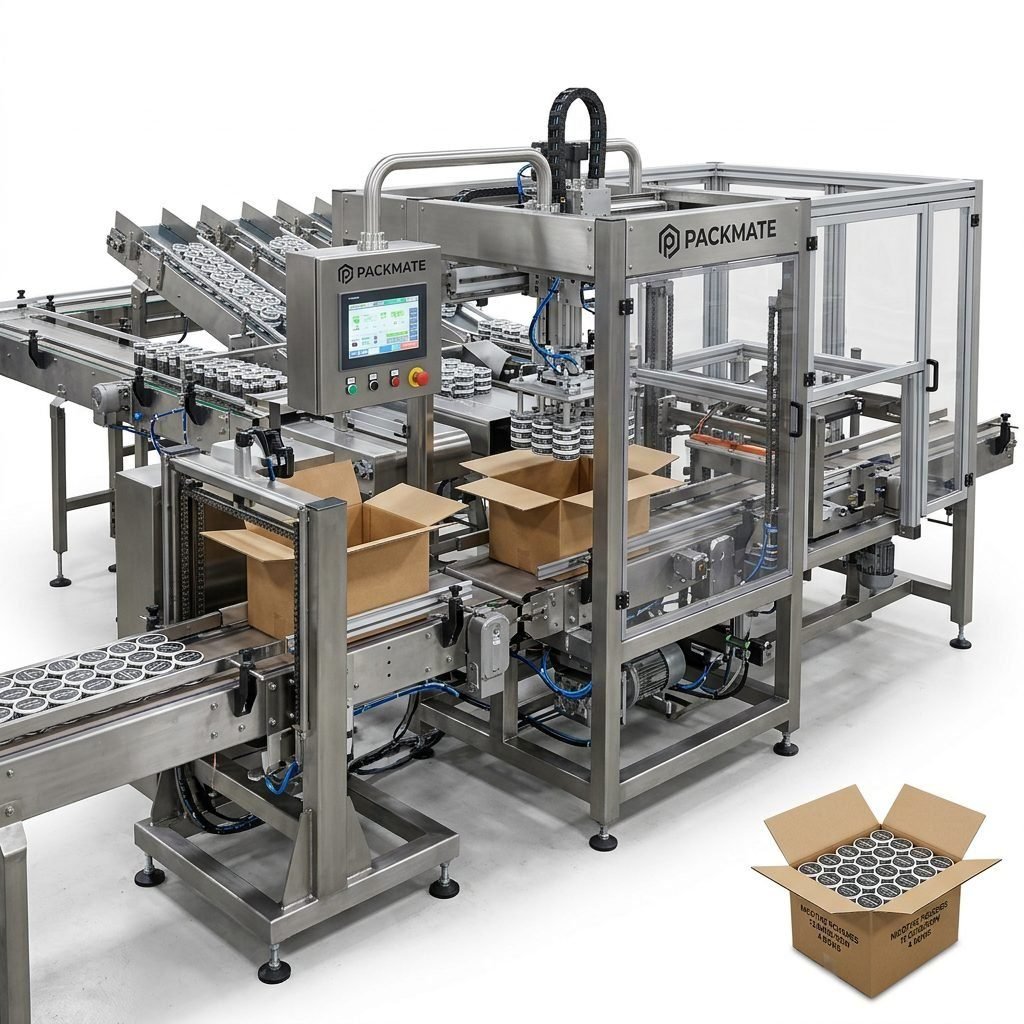
🔔 Note: If you are evaluating multiple product lines, review integrated options like Weighing & Packaging Systems and Filling & Packaging Lines to build a complete production solution.
Choosing a snus packaging machinery manufacturer for the Solomon Islands requires a balance of technical performance, after-sales reliability, and sensitivity to local logistics and community norms. Prioritize vendors with documented factory strength, international certifications, and proven export experience. By following this guide you’ll be better equipped to select equipment that delivers consistent product quality, minimizes downtime, and supports market growth responsibly.
Frequently Asked Questions
Q1: What certifications should I ask a snus machine manufacturer for?
A1: Request CE and ISO certifications, plus documentation proving electrical and safety compliance. For export to Solomon Islands, ensure paperwork supports customs and import clearance.
Q2: How do I handle spare parts and maintenance in the Solomon Islands?
A2: Negotiate a spare-parts starter kit and documented annual spare parts list. Prioritize suppliers that provide remote support and have experience shipping to Pacific islands to reduce downtime.
Q3: Can machines be customized for local packaging designs and legal labeling?
A3: Yes—most reputable manufacturers offer customization for pouch layout, label printing stations, and film formats. Confirm changeover times and costs for custom tooling.
Q4: What is the typical lead time from order to delivery?
A4: Lead times vary by model and customization. Standard machines may take several weeks to months; multi-lane or fully customized lines can be longer. Always include freight and customs time for island delivery.
Q5: Where can I find examples of installed lines and user references?
A5: Review supplier case studies and exhibition records. Packmate’s case and exhibition pages provide real-world references: About Packmate and Our Exhibition.