Choosing the right nicotine packaging machine supplier in Australia can make or break your production plans. Whether you are launching a new nicotine pouch brand, scaling up operations, or seeking higher automation and reliability, the supplier you select affects equipment uptime, compliance with Australian regulations, and long-term costs. This guide walks you through practical steps, local considerations, and evaluation criteria so you can make an informed decision that fits Australian market needs and business culture.
Why choosing the right supplier matters in Australia
Australia has strict import rules, consumer safety expectations, and a professional B2B market that values transparency and after-sales support. A competent supplier not only sells machines but offers regulatory guidance, reliable spare parts delivery across Australia’s major cities, and responsive technical service. Selecting the right partner can reduce production downtime, speed up your market entry, and improve product consistency in a regulated environment.
Key Australian considerations
📌 Customs & import: Machines imported to Australia require accurate documentation, correct HS codes, and compliance with electrical and safety standards. Work with suppliers familiar with Australian customs processes to avoid delays.
📌 Local support: Given Australia’s geographic spread, a supplier with proven logistics and support channels can shorten service response times in Sydney, Melbourne, Brisbane and Perth.
📌 Cultural fit: Australian businesses prefer clear contracts, transparent total cost estimates, and direct communication. Expect professional quotations and straightforward delivery timelines.
Top factors to evaluate when selecting a nicotine packaging machine supplier
1. Compliance & certification
Australian buyers must verify that machines and electrical components meet applicable standards. Ask for CE, ISO and other international certificates and, when relevant, documentation for Australian electrical safety standards. A reputable supplier will provide certificates, test reports, and machine validation data promptly.
2. Product fit: machine type and technology
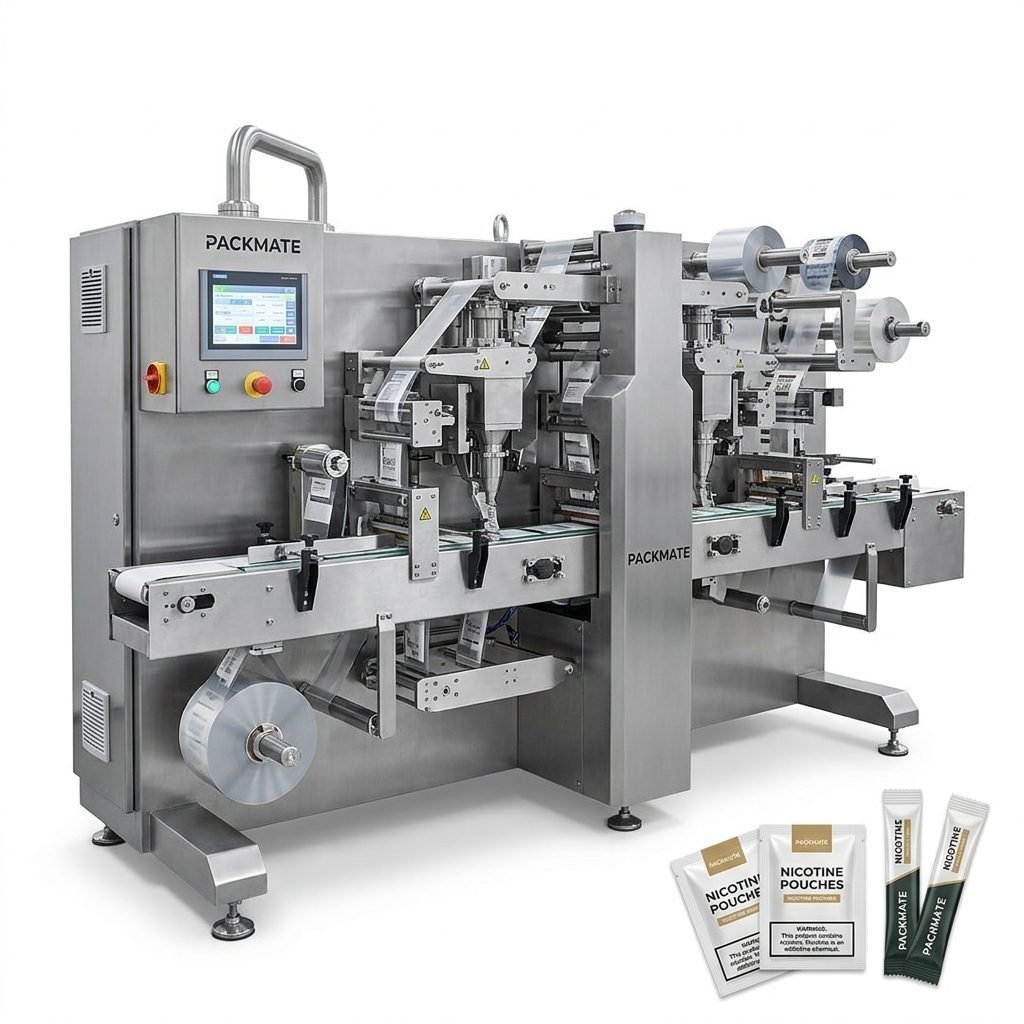
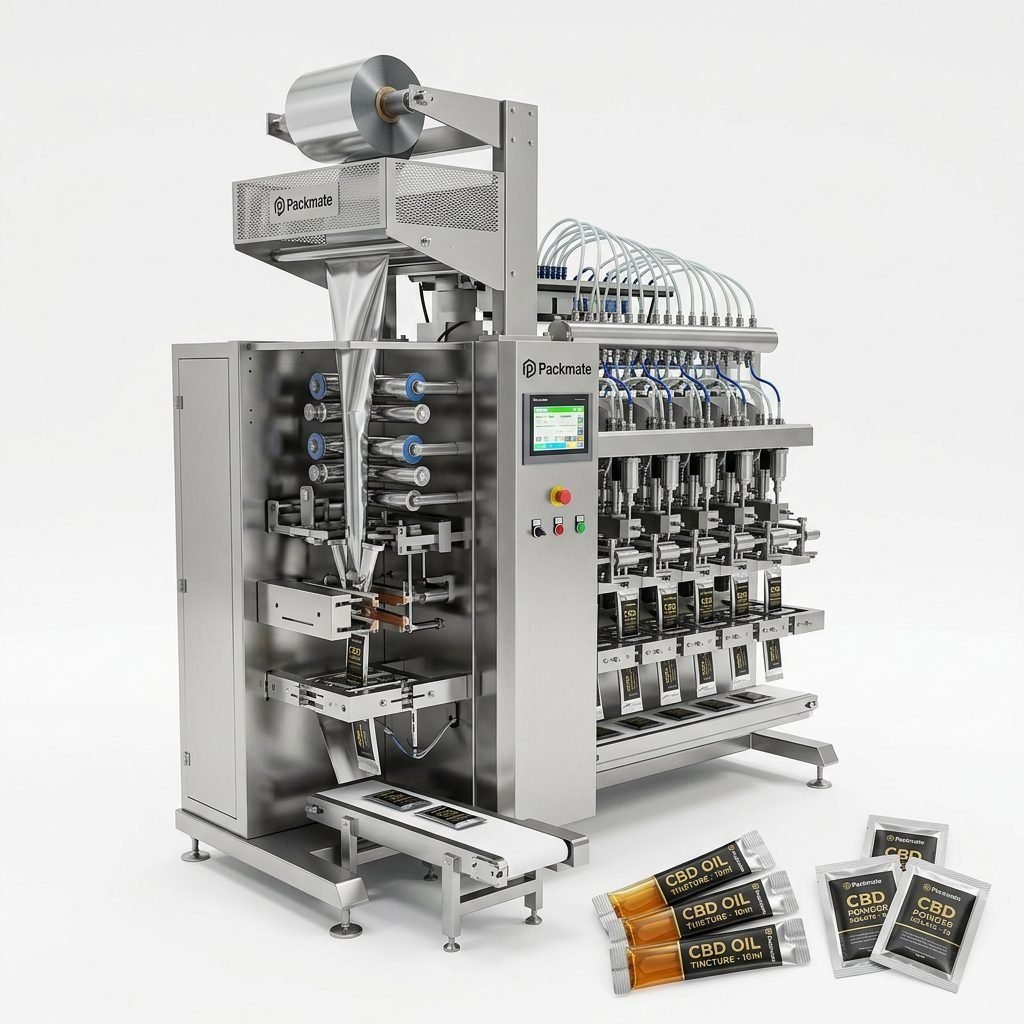
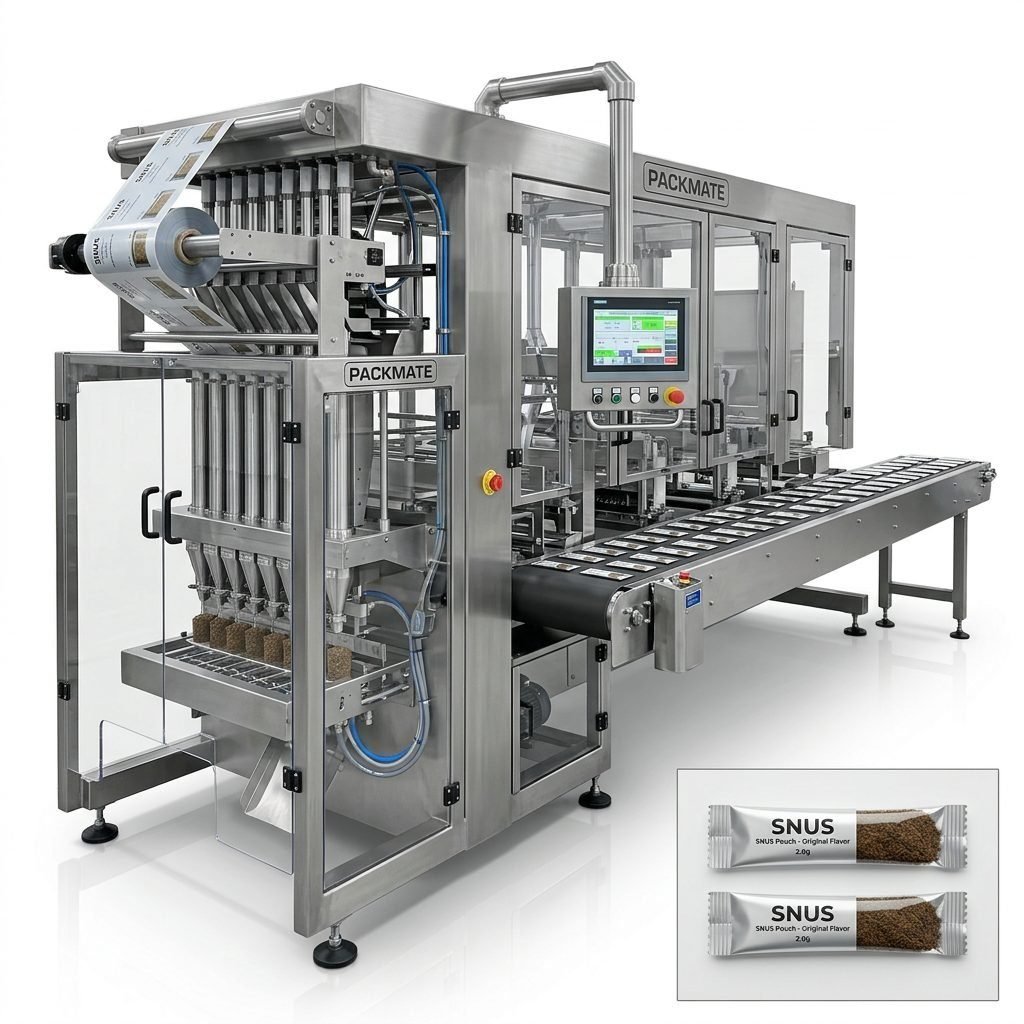
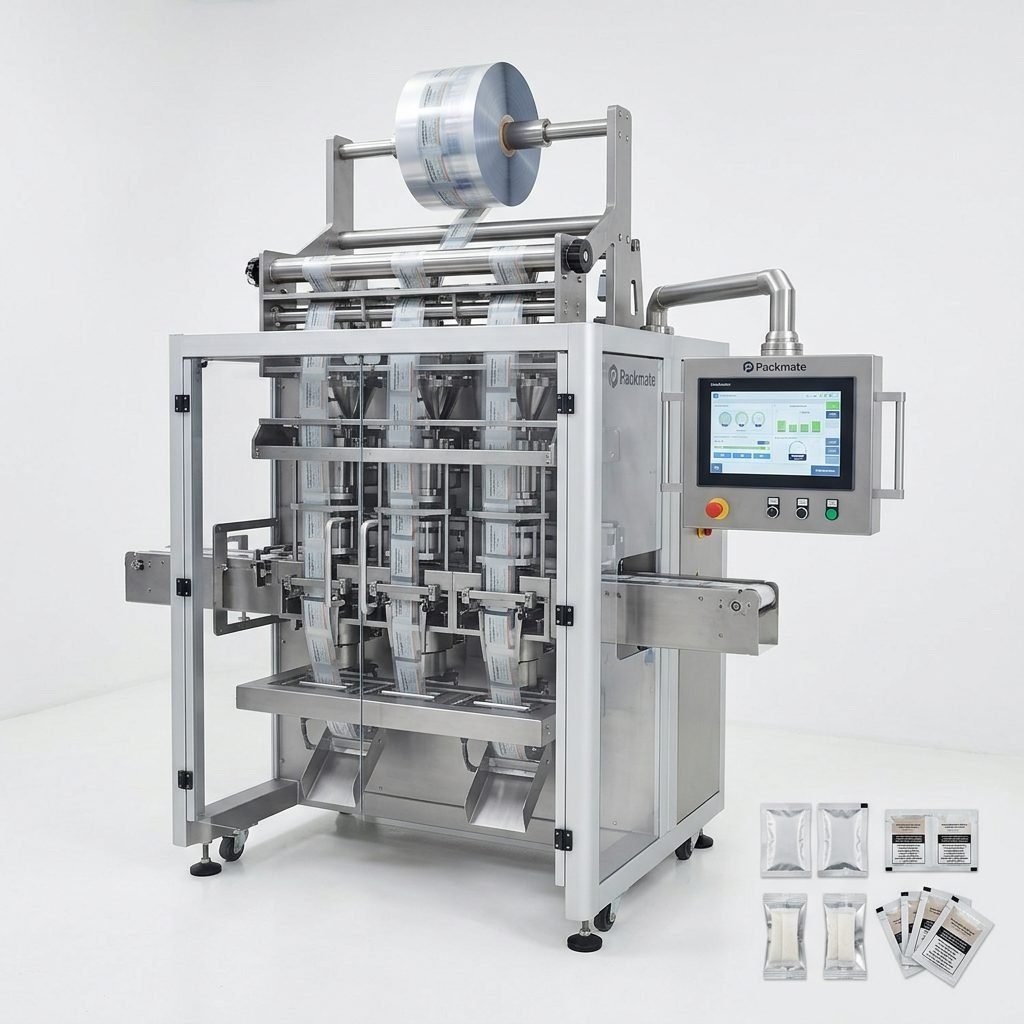
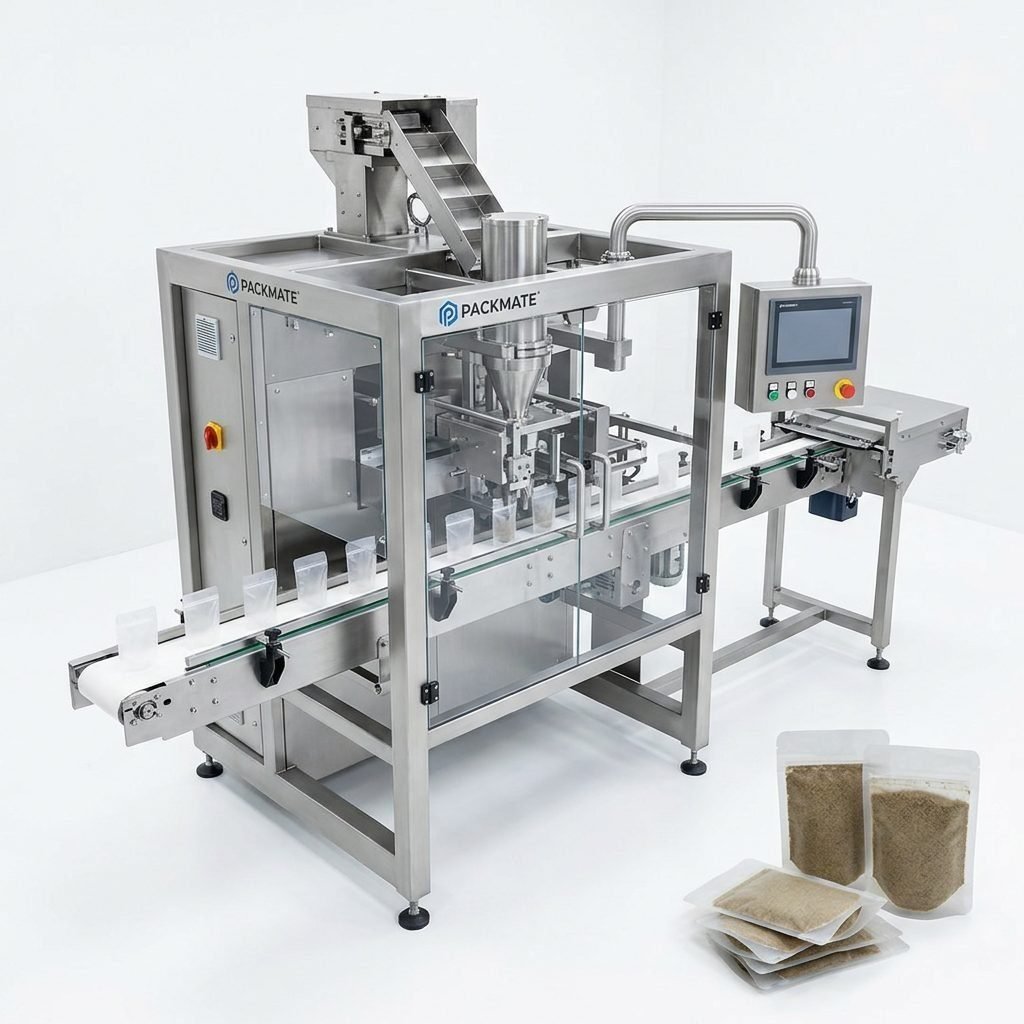
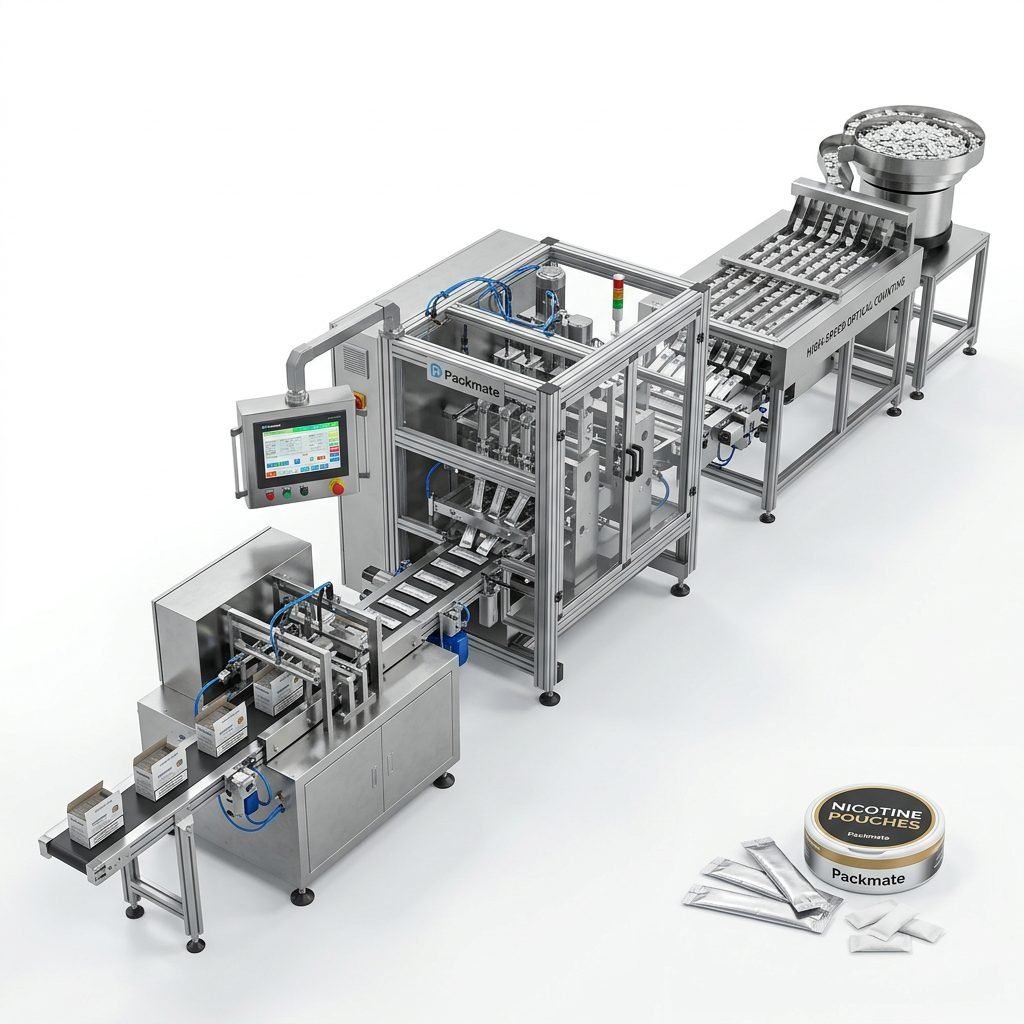
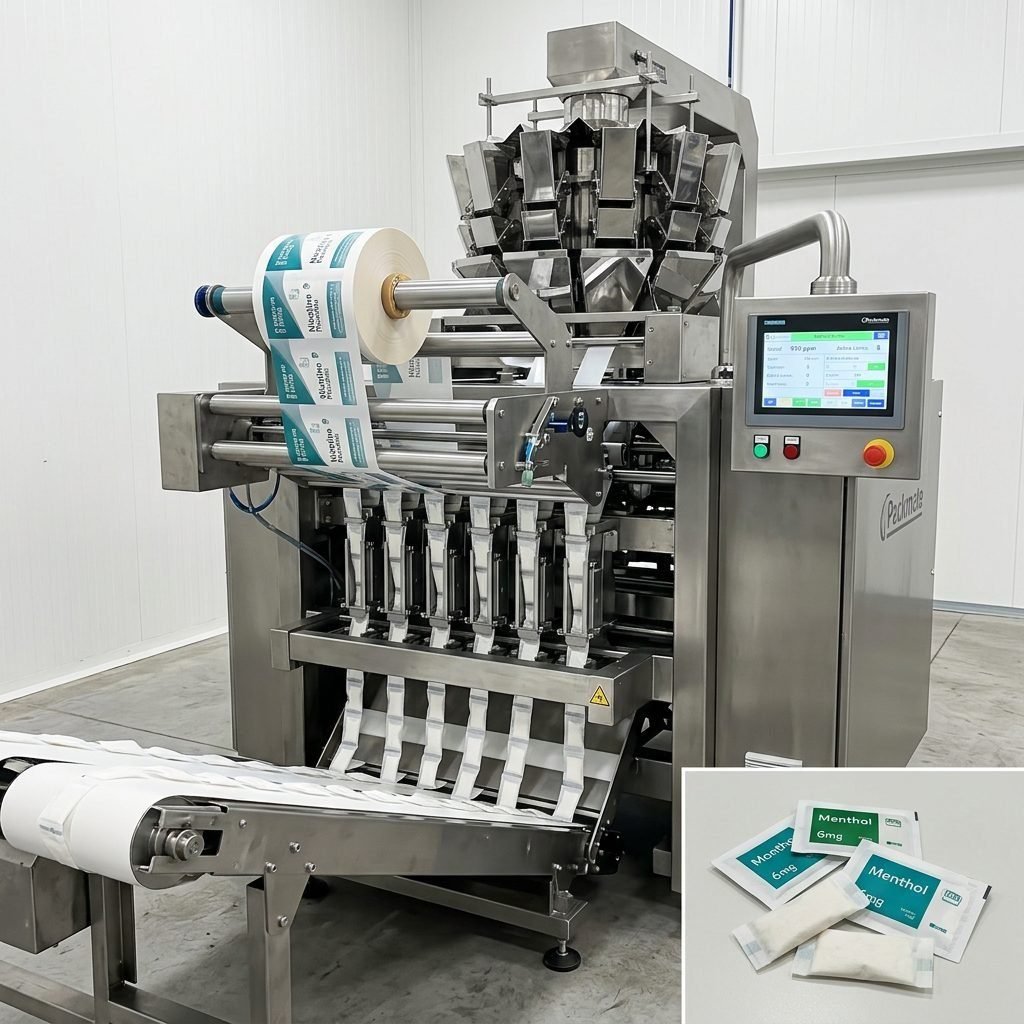
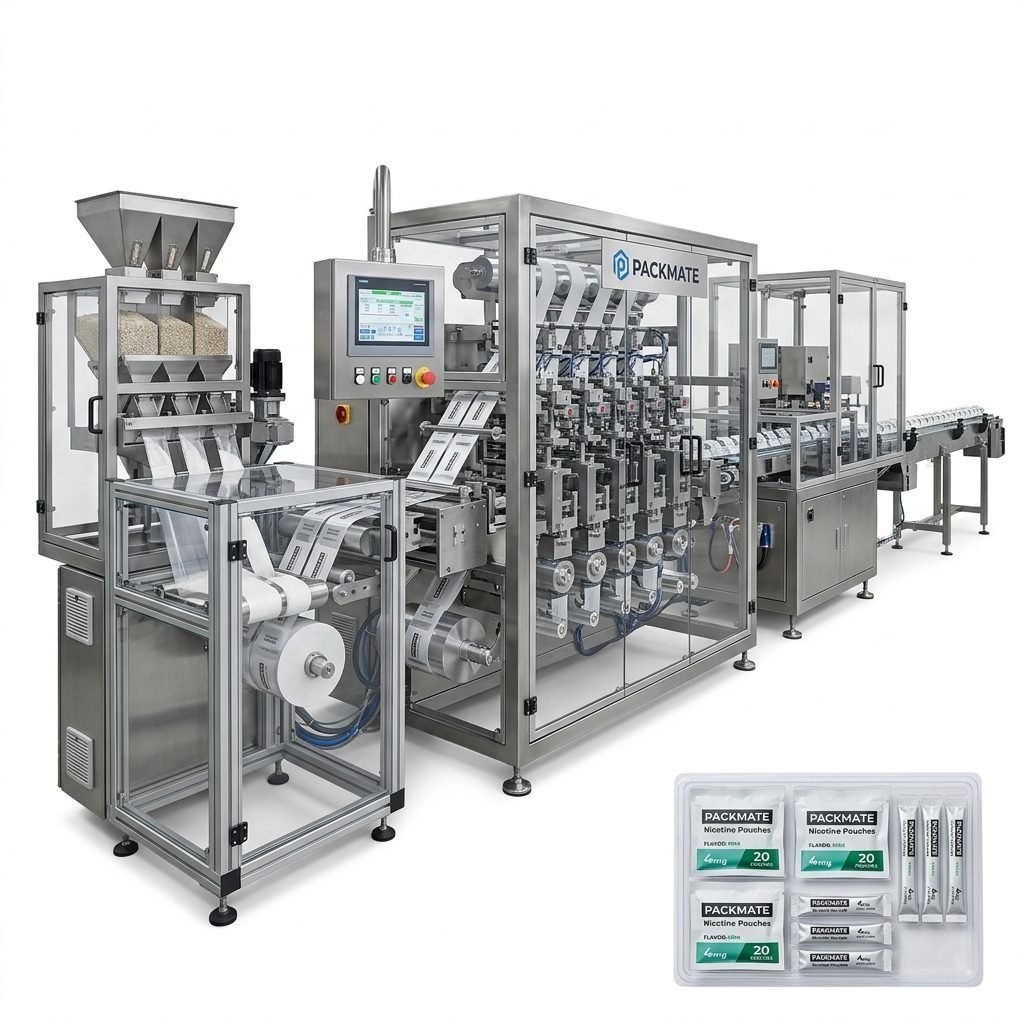
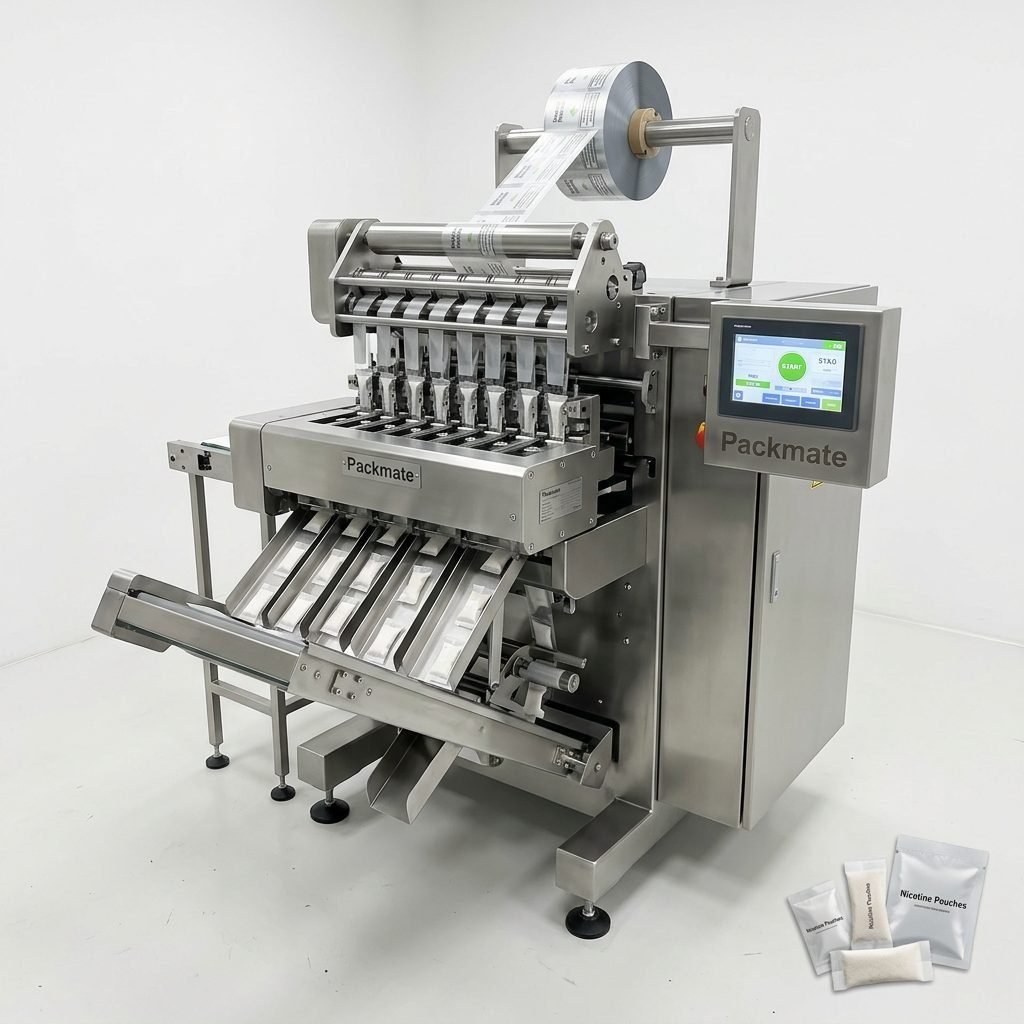
Nicotine pouches and snus require specialized packaging formats: stick packs, sachets, or multi-lane pouch systems. Choose a supplier with proven models for nicotine pouches, such as multi-lane systems for small-dose pouches or stick-pack lines for continuous filling. Review demo videos and specifications to match machine output to your target volumes.
3. Production capacity & scalability
✓ Throughput matching: Ensure the supplier can provide machines that meet your current daily output and allow upgrades as demand grows.
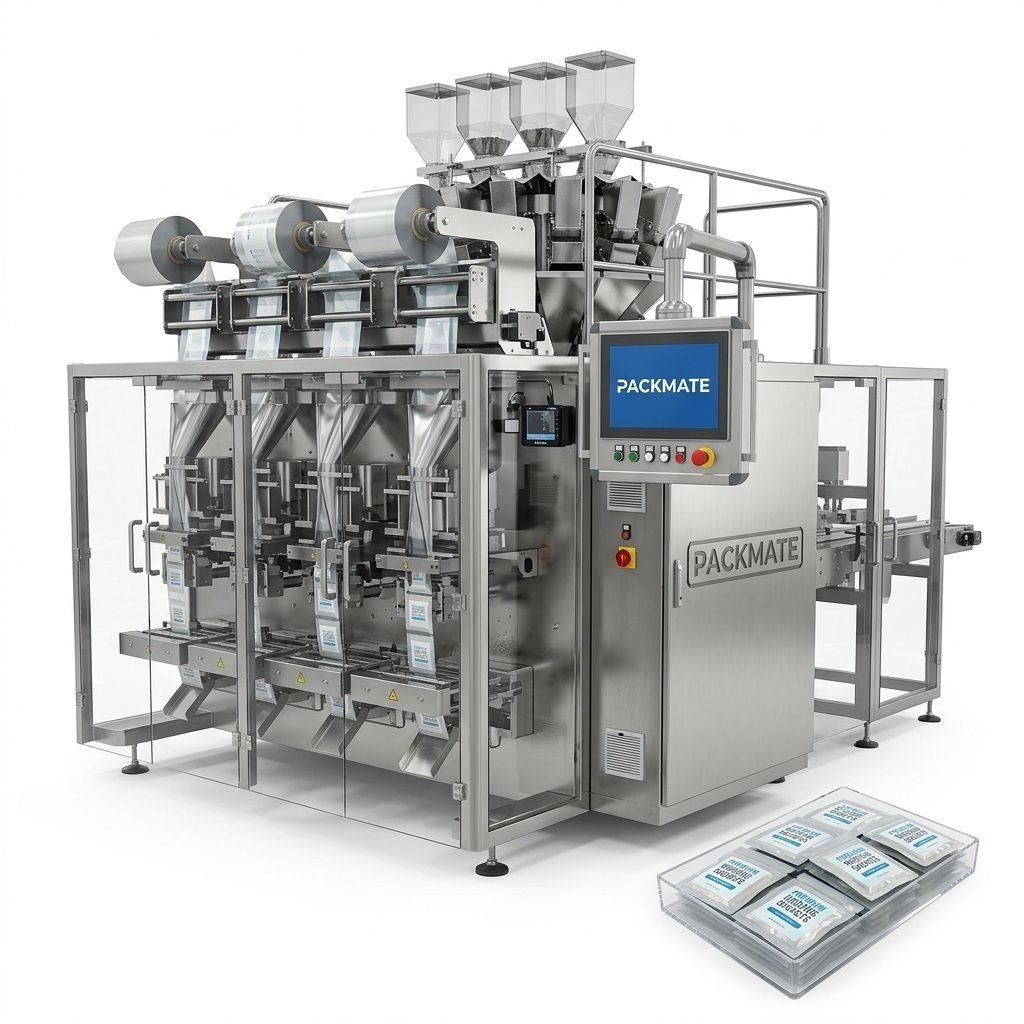
✓ Multi-lane options: For small-dose nicotine pouches, multi-lane machines increase output without expanding factory footprint.
4. Reliability, build quality & testing
Inspect supplier manufacturing capabilities: CNC machining centers, precision assembly lines and factory floor photos reflect build quality. Request acceptance tests, run-time demonstrations, and references. A supplier with long industry history and factory scale is often more dependable for long-term supply of spare parts.
5. After-sales service, spare parts & training
Fast technical support and ready access to spare parts are essential in Australia. Ask about service contracts, remote troubleshooting capability, spare parts lead times, and whether the supplier provides on-site commissioning and operator training. Prefer suppliers that include clear training plans and documentation in English.
6. Customization & flexibility
Your nicotine pouch formats, film types, and filling systems may require customized tooling or conveyors. Check whether the supplier offers turnkey solutions and tailored designs, including integration with weighing and upstream filling systems.
7. Total cost of ownership and ROI
Don’t focus only on purchase price. Consider energy consumption, maintenance intervals, spare part costs, expected lifespan, and production efficiency. Request a total cost estimate and sample ROI calculations based on your production plan.
8. Lead time, logistics & installation
Confirm shipping schedules, packaging standards for export, and whether the supplier handles freight forwarder recommendations and customs paperwork. A supplier experienced with Australian shipments can prevent costly delays.
9. References, case studies & transparent communication
Ask for customer references, performance case studies, and exhibition showings. Reliable suppliers will share client success stories and be transparent about limitations. If the supplier participates in international exhibitions or has local case studies, that’s a strong signal of credibility.
Practical evaluation checklist (step-by-step)
Step 1: Define your production profile
Outline formats, daily output, working shifts, and acceptable downtime. This helps filter suppliers by machine capacity and available configurations.
Step 2: Shortlist suppliers and request documentation
Collect machine specifications, certificates, factory photos, and client references. Include questions on spare parts availability in Australia and typical lead times.
Step 3: Review factory capabilities and testing
⚙️ Factory checks: Confirm machining centers, assembly lines, and QA procedures. Request live demos or recorded machine runs producing nicotine pouches.
Step 4: Negotiate warranty, training, and support
Ensure warranty coverage, response time SLAs, and included training. Clarify costs for extended warranties and spare-part kits.
Step 5: Logistics and commissioning plan
Agree on shipping milestones, customs documents, installation timeline, and site readiness requirements. Include acceptance criteria and performance testing after installation.
What to ask during supplier meetings — a focused Q&A
When speaking to a supplier, cover topics such as: expected OEE (overall equipment efficiency), spare parts lead times, recommended preventive maintenance, on-site training scope, examples of similar nicotine pouch lines, and any local Australian partners for service.
Red flags
Suppliers who avoid showing factory operations, cannot provide machine test runs, lack references in regulated markets, or are vague about spare parts and after-sales service should be treated cautiously.
Why Packmate Snus Machine is worth considering
Packmate Snus Machine is a specialist manufacturer with over three decades of experience in packaging machinery and a clear focus on snus and nicotine pouch lines. With a 20,000㎡ factory, advanced CNC machining and more than 50 machine models, Packmate provides high-performance options for nicotine pouches, including stick pack and multi-lane systems suitable for the Australian market.
For detailed product options, explore Packmate’s Snus & Nicotine Packaging Machines and related systems:
Snus & Nicotine Packaging Machines,
Filling & Packaging Lines,
and learn about the company’s credentials on their About Packmate page.
Factory strength & certifications
Packmate’s manufacturing facility, advanced machining centers and strict QA systems help ensure consistent machine performance. Confirm certifications like CE and ISO to align with your compliance needs; Packmate publishes certificates and third-party test reports for transparency and verification: Certificate.
Local partnerships and exhibitions — why they matter in Australia
Suppliers who participate in global exhibitions and maintain a record of international cooperation are more likely to provide high-quality demonstrations and references. Packmate attends major exhibitions — review exhibition histories and client demonstrations to validate capabilities: Our Exhibition.
Negotiation tips and contract essentials
When negotiating, include clear acceptance tests, spare-parts kits, training terms, warranty coverage, penalty clauses for missed lead times, and explicit terms for software/PLC updates. Ensure the final contract lists all deliverables and includes an installation and commissioning checklist.
Payment and financing
Consider staged payments tied to milestones: design approval, factory acceptance test (FAT), shipping, and installation. For larger lines, discuss financing options or leasing arrangements with your supplier.
Post-purchase best practices
After installation, document baseline OEE, log initial downtime reasons, and maintain a spare-parts inventory recommended by the supplier. Schedule regular preventive maintenance and ensure operators receive refresher training when you introduce new products or formats.
📌 Pro tip: Work with suppliers that provide clear documentation and remote support tools so your Australian team can resolve minor issues quickly without waiting for on-site service.
Summary — steps to choose the best supplier for your business
Define production needs, shortlist experienced suppliers who demonstrate compliance and local logistics knowledge, verify factory capabilities and machine performance, secure clear warranty and support terms, and plan commissioning with explicit acceptance criteria. Suppliers like Packmate offer a full range of snus and nicotine packaging machines and have the factory scale, certifications and case studies to support Australian businesses.
Next steps
If you are ready to evaluate specific machine models, request machine specifications, FAT videos, and a tailored quote including shipping and installation. Use supplier FAQs and contact portals to start conversations: Contact Us.
Frequently Asked Questions
Q1: How long does it typically take to receive a nicotine pouch packaging line in Australia?
A1: Lead times vary by model and customization; standard models often ship within 8–16 weeks after order and FAT; customized or multi-lane systems can take longer. Always confirm with the supplier and include shipping and customs timelines.
Q2: What certifications should I require from a packaging machine supplier?
A2: Request CE, ISO and any documentation for electrical safety and materials compatibility. Suppliers experienced in global markets should supply test reports and validation protocols.
Q3: How important is local spare parts support for Australian operations?
A3: Very important. Fast spare parts delivery reduces downtime. Verify typical spare parts lead times and whether the supplier keeps parts in regional warehouses or ships from overseas.
Q4: Can suppliers integrate nicotine pouch packaging machines with existing lines?
A4: Many suppliers offer turnkey solutions including weighing and filling integration. Discuss I/O requirements, conveyors, and software interfaces during the quoting stage.
Q5: Where can I find more product details and case studies?
A5: Review product pages and global case studies to validate real-world performance: Case and Snus & Nicotine Packaging Machines.