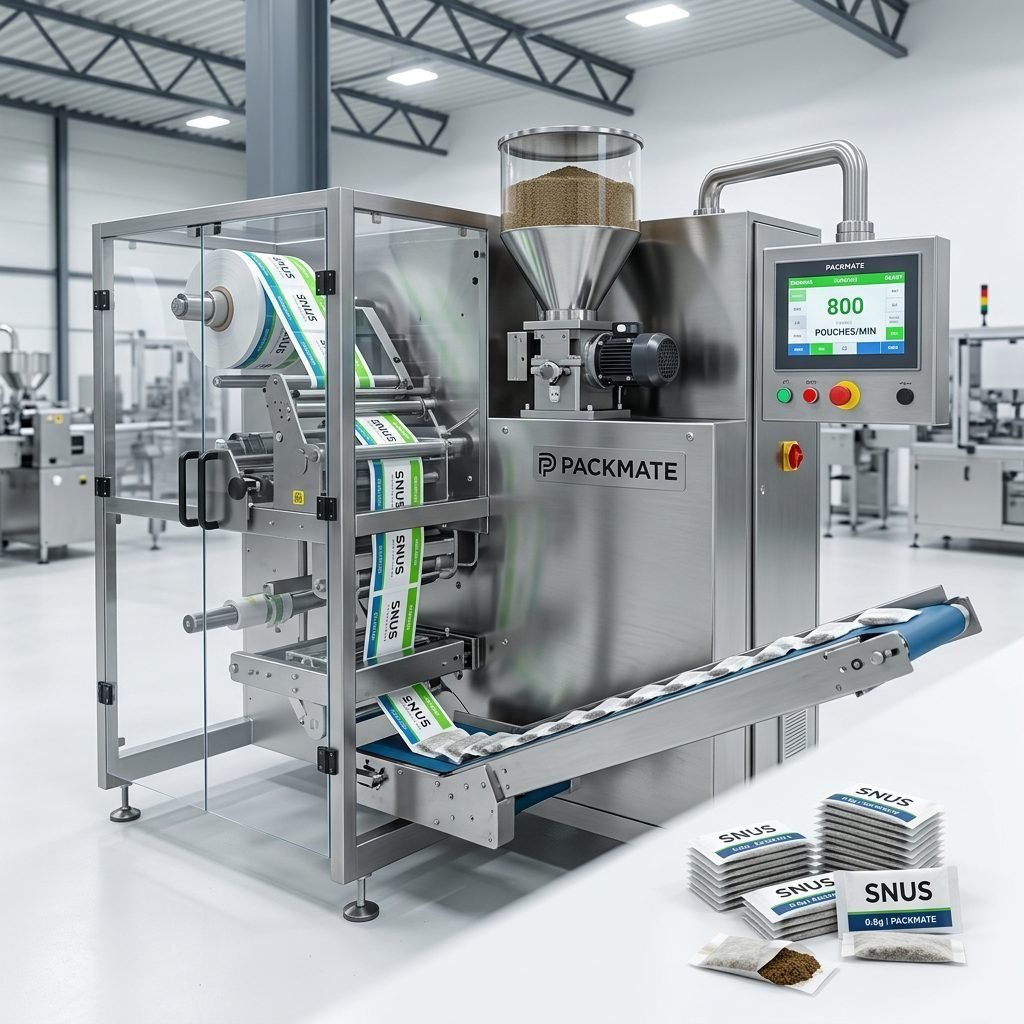
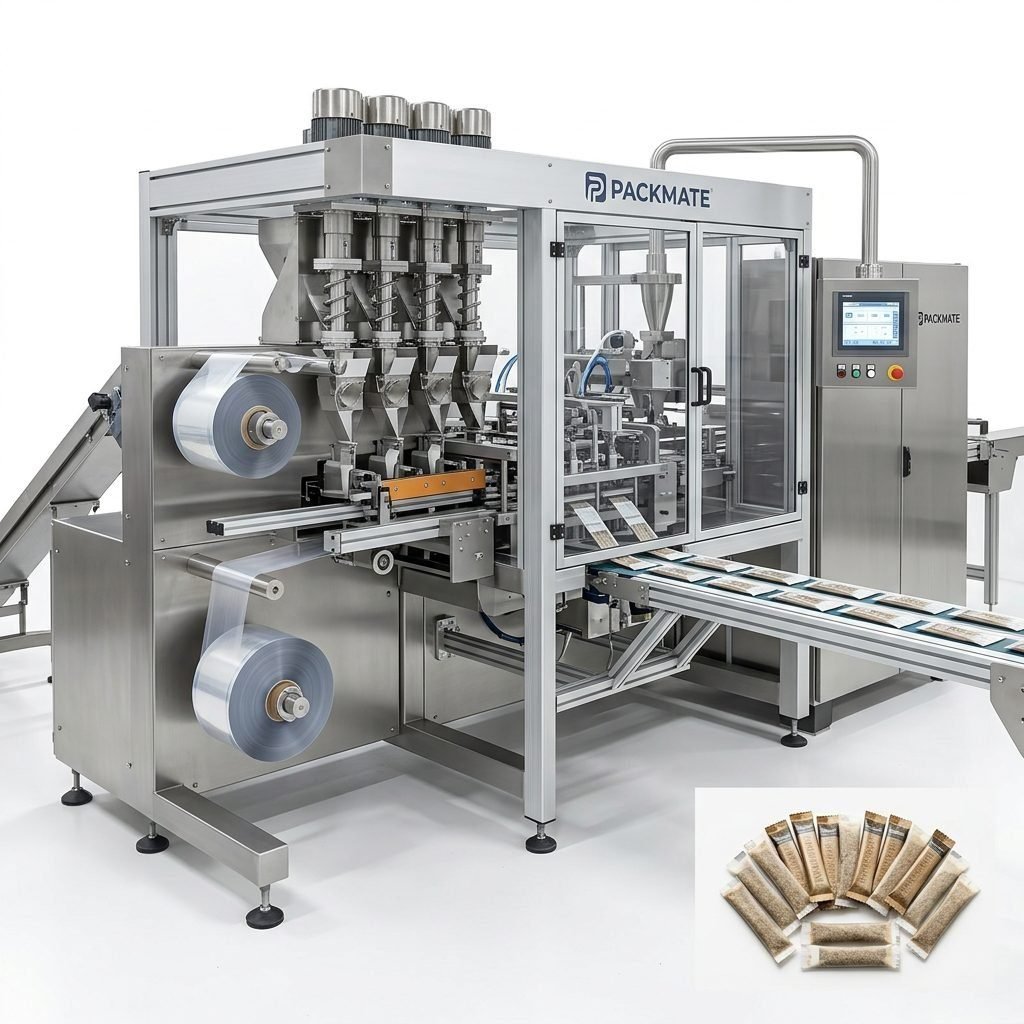
Choosing the right nicotine packaging machine in South America is a strategic decision that affects product quality, regulatory compliance, and long-term profitability. This guide explains how to match machine type, technology, and vendor support to local market customs, climate challenges, and legal frameworks across countries such as Brazil, Argentina, Chile, Colombia, and Peru.
Understand South American Market & Regulatory Environment
South America is diverse in terms of regulation and consumer behavior. Some countries have strict tobacco and nicotine laws (for example, Brazil often enforces tighter restrictions), while others allow nicotine pouches and snus under specific labeling and testing standards. Local consumers value quality, consistent dosing, and hygienic packaging. When selecting equipment, make sure your machine supports regulatory traceability, tamper-evident options, and clear labelling workflows to meet national requirements.
📌 Key regulatory tip: verify local nicotine limits, import rules, and packaging mandates before finalizing machine specifications. Local certification or documentation may be required for export within Mercosur or to EU/US markets.
Select the Right Machine Type for Your Product
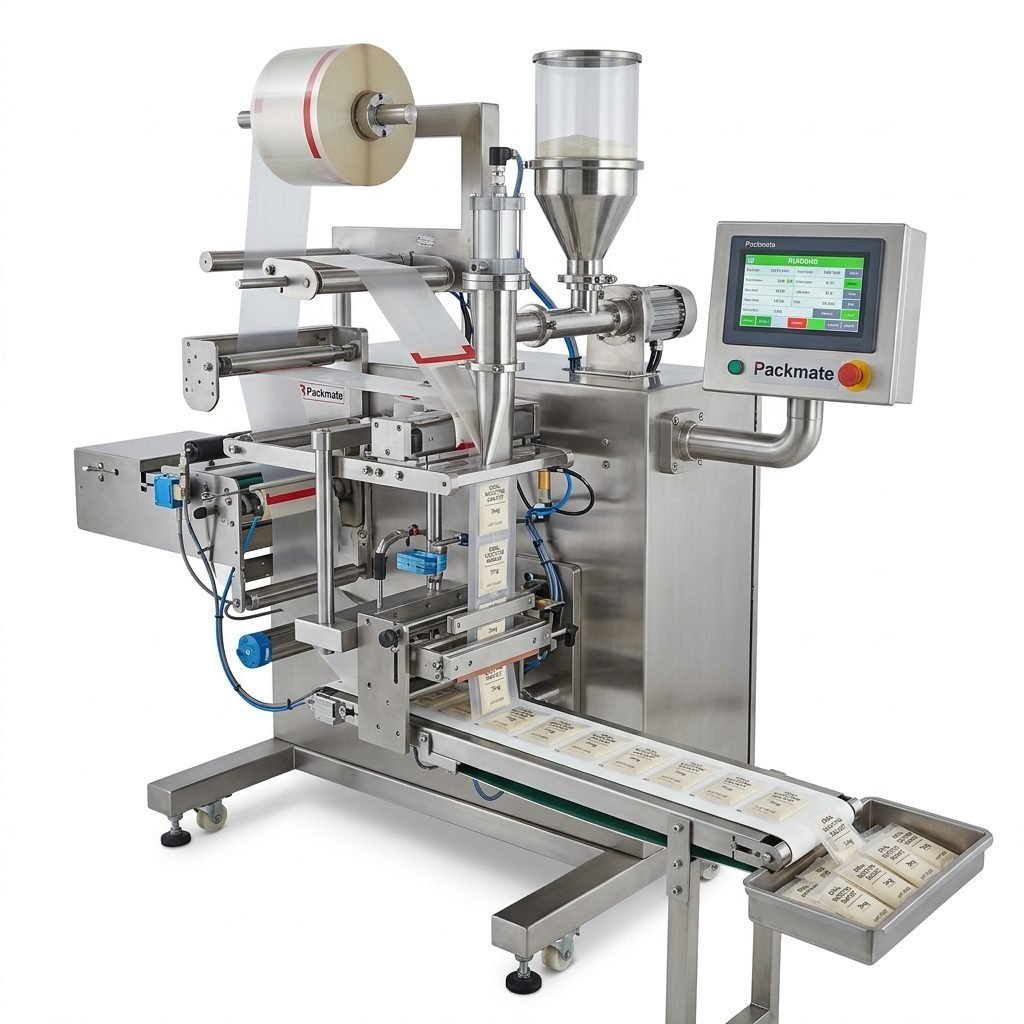
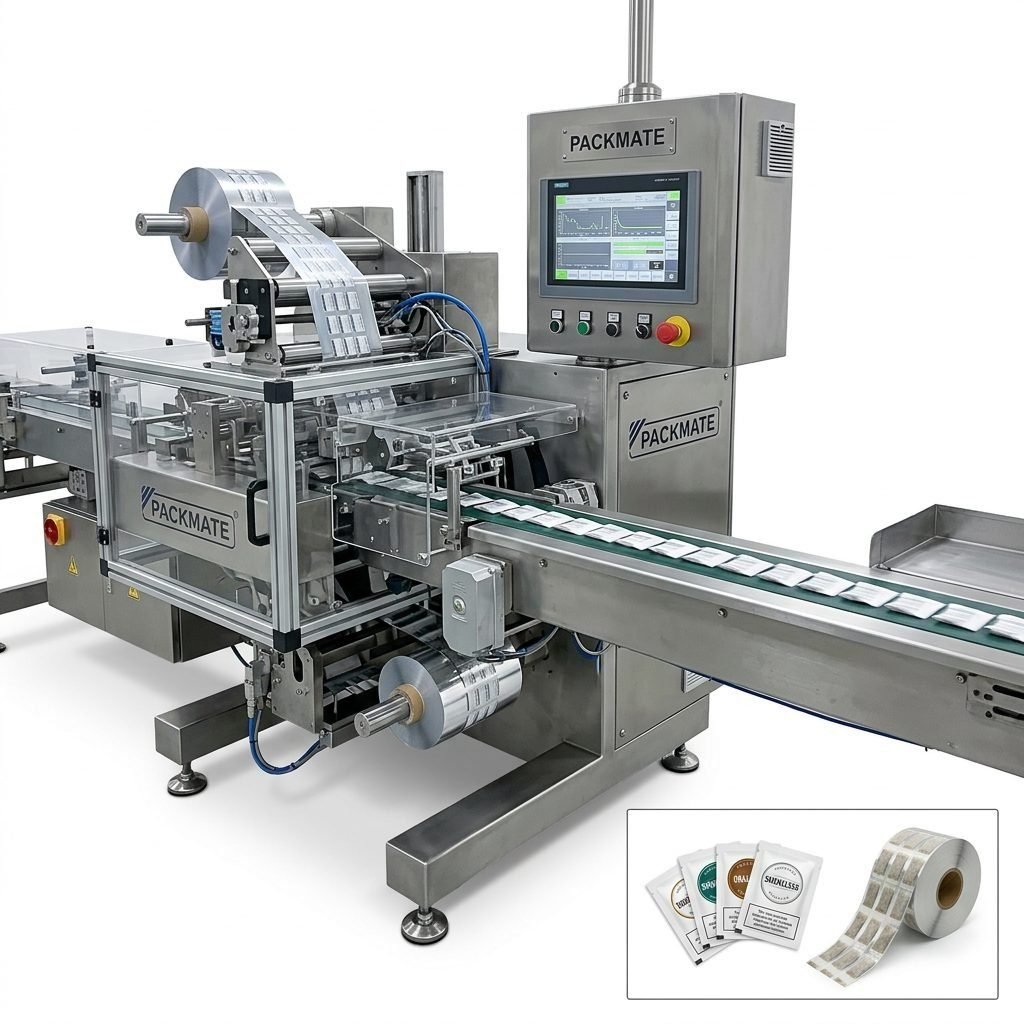
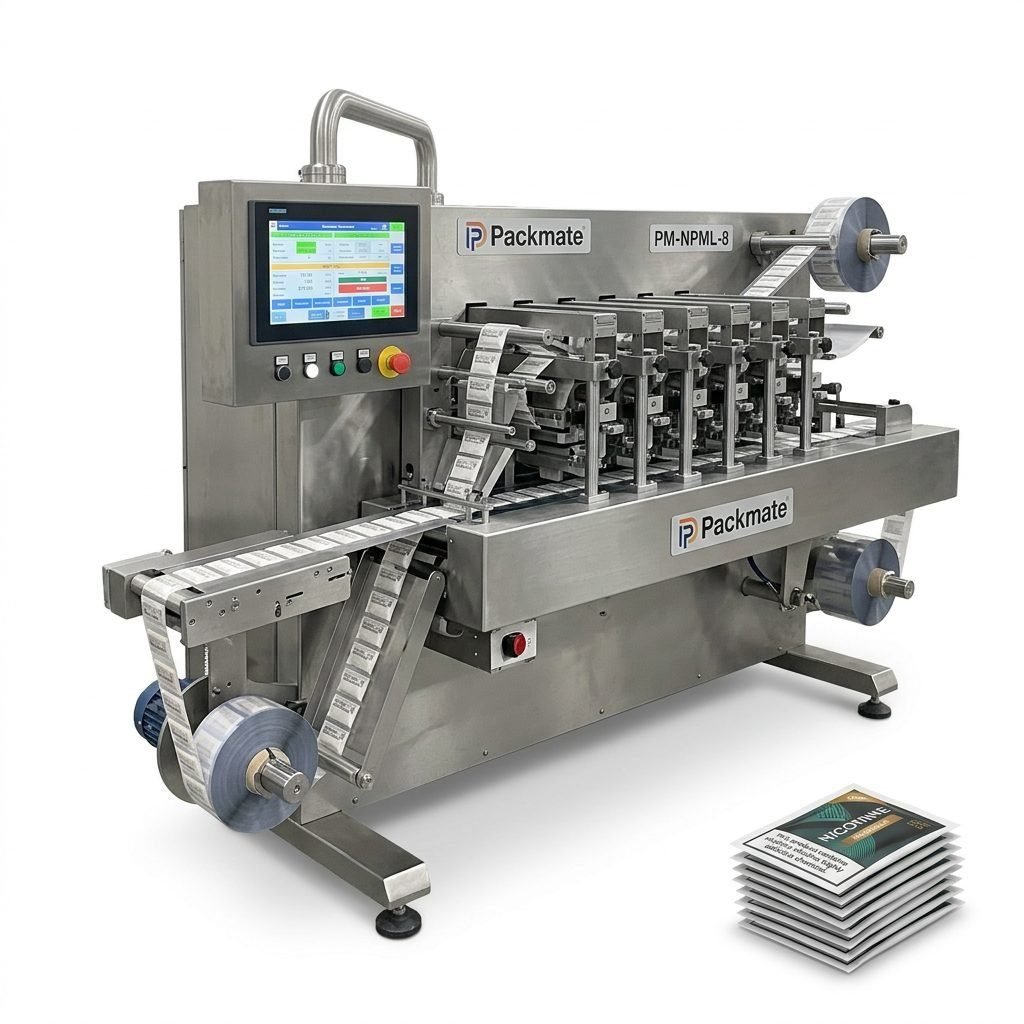
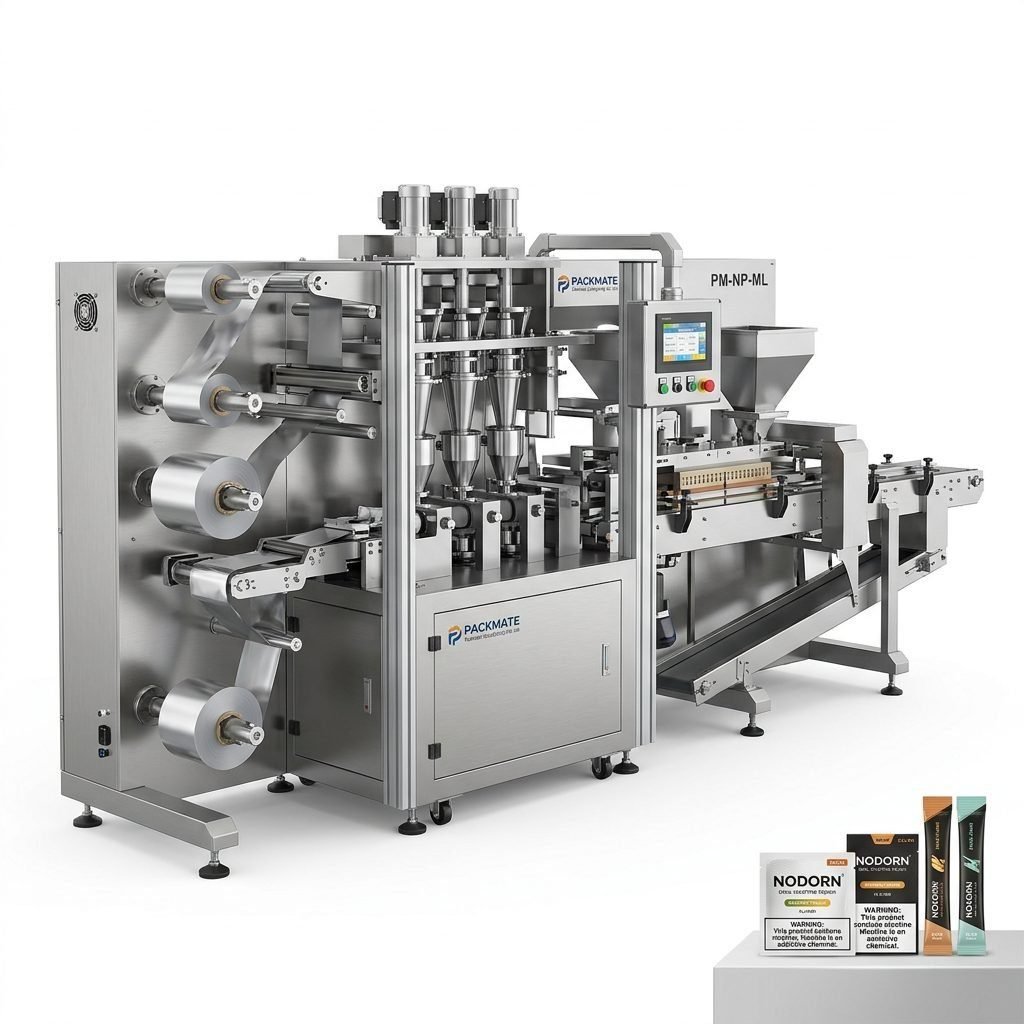
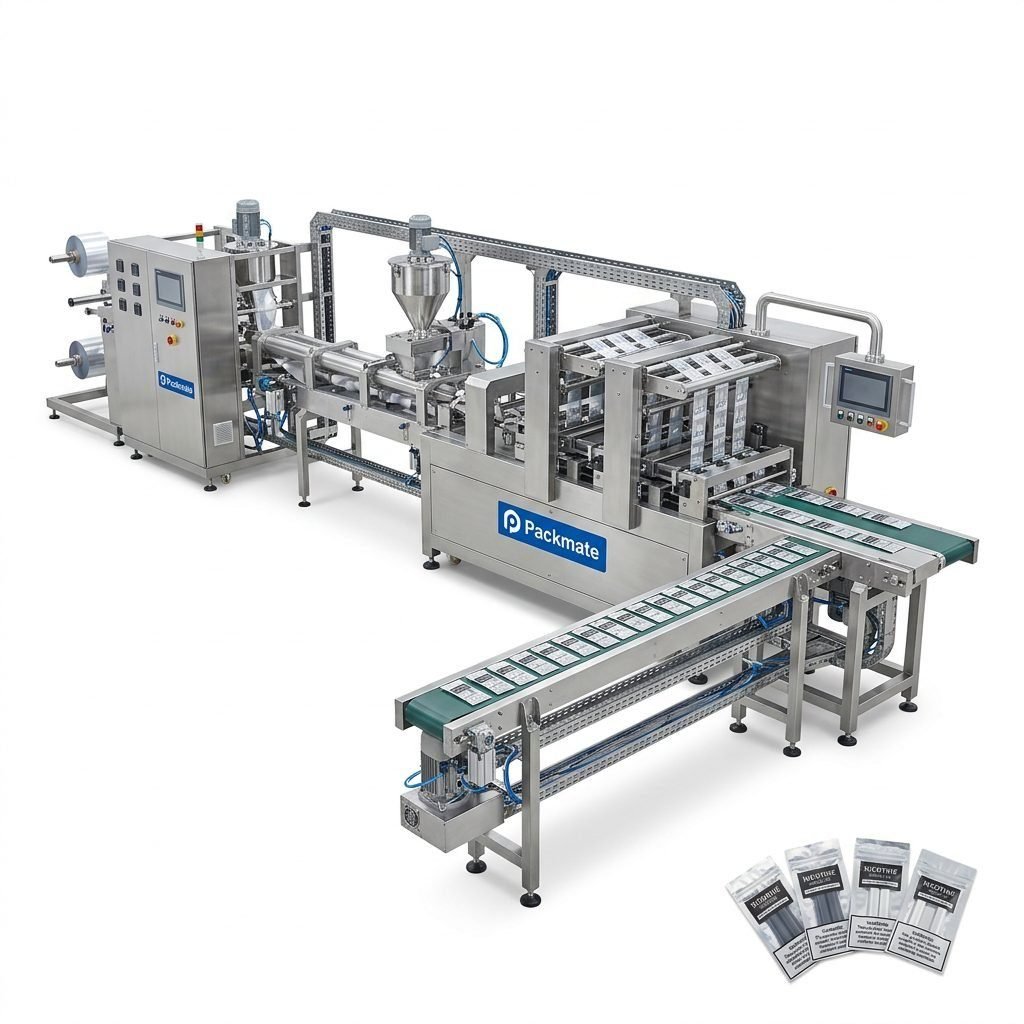
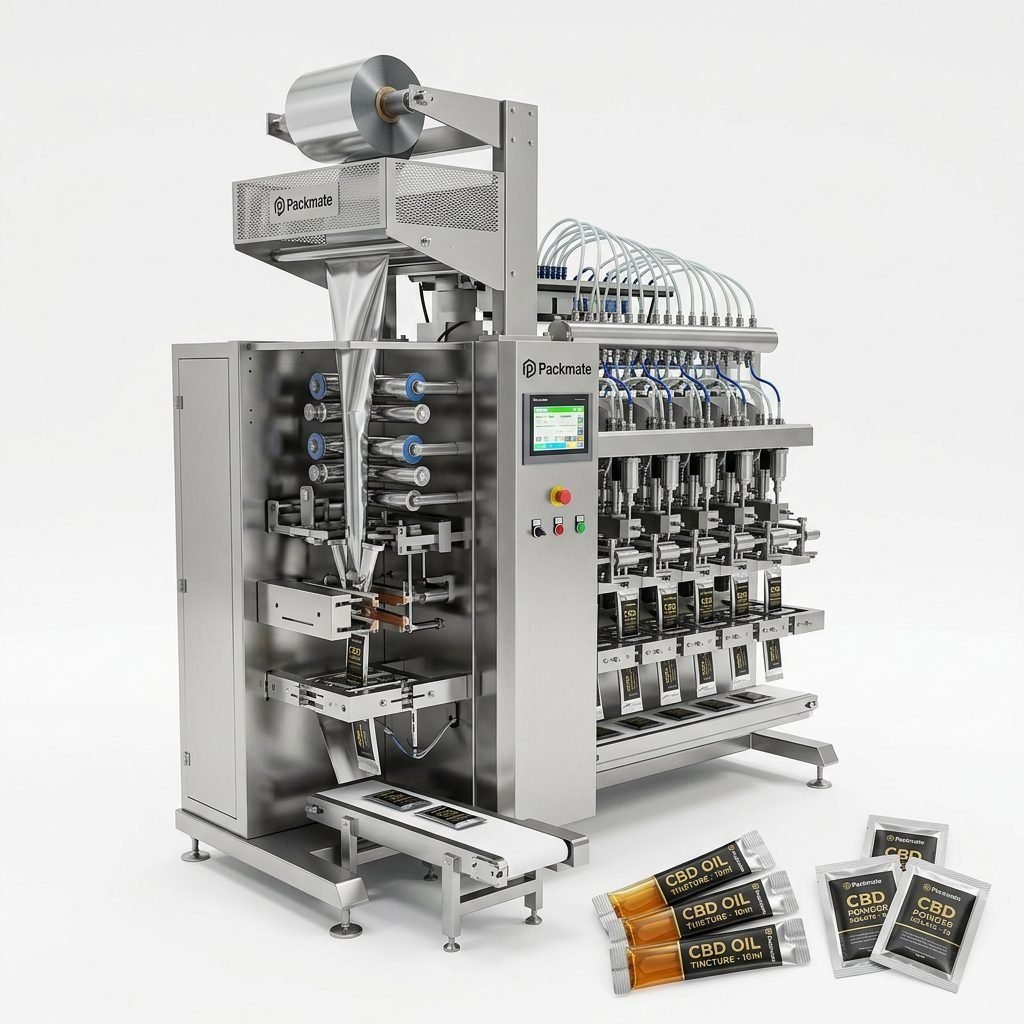
Packaging needs vary by product form — loose snus pouches, nicotine sachets, stick packs, or multi-dose pouches. Machines differ in feeding mechanisms, sealing technologies, and lane configurations. If your product is small-dose nicotine pouches, high-speed multi-lane systems are often the best choice for throughput and consistent dosing.
Explore specialized lines like Snus & Nicotine Packaging Machines and Sachet & Stick Pack Machines to compare features such as lane count, pouch dimensions, and sealing methods.
Throughput, Scalability and Lane Configuration
Estimate your target annual production and peak daily output. Choose machines with scalable lane configurations (2, 4, 8, or more lanes) so you can expand without replacing core systems. Throughput is a trade-off between speed and accuracy — for nicotine pouches, dosing accuracy is paramount, so prioritize stable multi-lane systems that maintain dose precision at high speeds.
🔧 Production planning tip: select a machine that supports lane expansion and modular upgrades so you minimize downtime when volumes increase.
Compatibility with Product Form and Filling Technologies
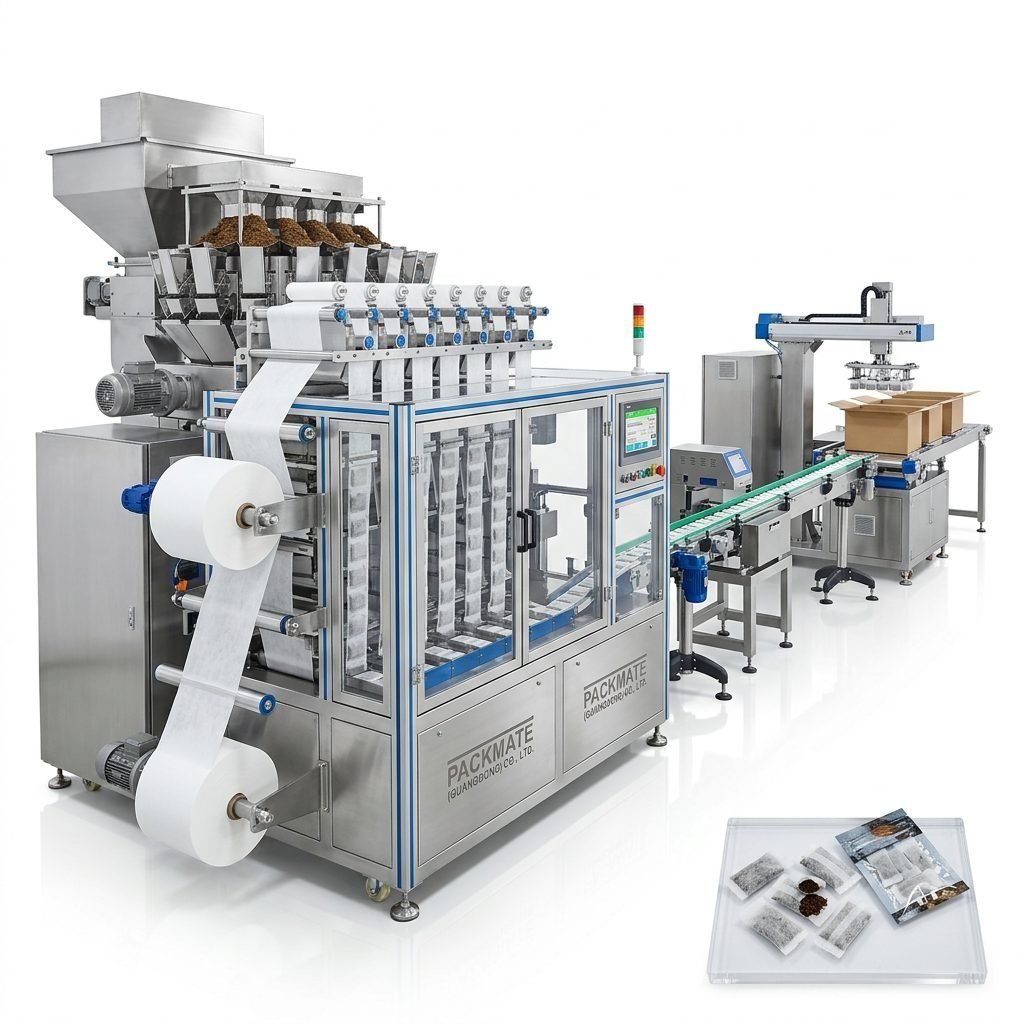
Determine whether your product is powder, granule, paste, or liquid — each requires different filling and sealing solutions. For powders and granules, volumetric augers or multi-head combination weighers are common; for free-flowing granules, vibratory feeders and precision weigh systems reduce variation.
Learn about integrated weighing and dosing options from providers such as Weighing & Packaging Systems and consider automated product handling for powder hygiene and cross-contamination control.
Material, Film & Sealing Requirements
Nicotine pouches require barrier films and precise sealing to maintain shelf life. Machines should support the materials you plan to use (aluminum foil laminates, PET/PE, paper-based films) and offer reliable heat-seal control, controlled dwell time, and pressure settings. If oxygen sensitivity is a concern, look for in-line nitrogen flushing or vacuum options.
Accuracy, Detection & Quality Control
For nicotine products, dosing accuracy is essential. Choose machines with integrated checkweighers, vision inspection systems, and metal detectors where required. Machines certified to global standards (CE, ISO) and those that allow data logging simplify regulatory compliance and batch traceability.
Factory Support, Parts & Language-Friendly Training
After-sales support is a make-or-break factor. In South America, Spanish and Portuguese language support, local spare parts availability, and fast commissioning reduce downtime. Confirm the manufacturer provides installation, operator training in local languages, and documented maintenance schedules. A reliable supplier should offer remote troubleshooting plus field technicians when needed.
📌 Service checklist: ask about response time, spare parts lead time, local partner networks, and language options (Spanish/Portuguese).
Adaptations for South American Conditions
Consider environmental factors — many regions have high humidity, dust, and variable power quality. Choose machines with IP-rated electrical panels, corrosion-resistant materials, and reliable temperature compensation in sensors. Confirm voltage configurations (220V, 380V three-phase) and whether the machine supports local power standards without expensive retrofits.
Total Cost of Ownership (TCO) & ROI Analysis
Evaluate upfront CAPEX, expected operating costs (energy, consumables, spare parts), and labor requirements. High-end machines may have higher initial cost but lower downtime and better yield — improving ROI across years. Include training costs, shipping, import duties, and potential retrofit expenses when comparing vendors.
Practical Checklist: Questions to Ask Potential Suppliers
🔍 What is the machine’s guaranteed range of throughput (pouches/min) at full accuracy?
⚙️ Can the machine handle my specific pouch dimensions and film types?
🛠️ What spare parts are commonly replaced and what are the lead times?
🌡️ Is the equipment adapted for humid, dusty environments and variable power?
📚 Does the supplier offer installation, commissioning, and operator training in Spanish or Portuguese?
Why Consider Packmate (Packmate Snus Machine)?
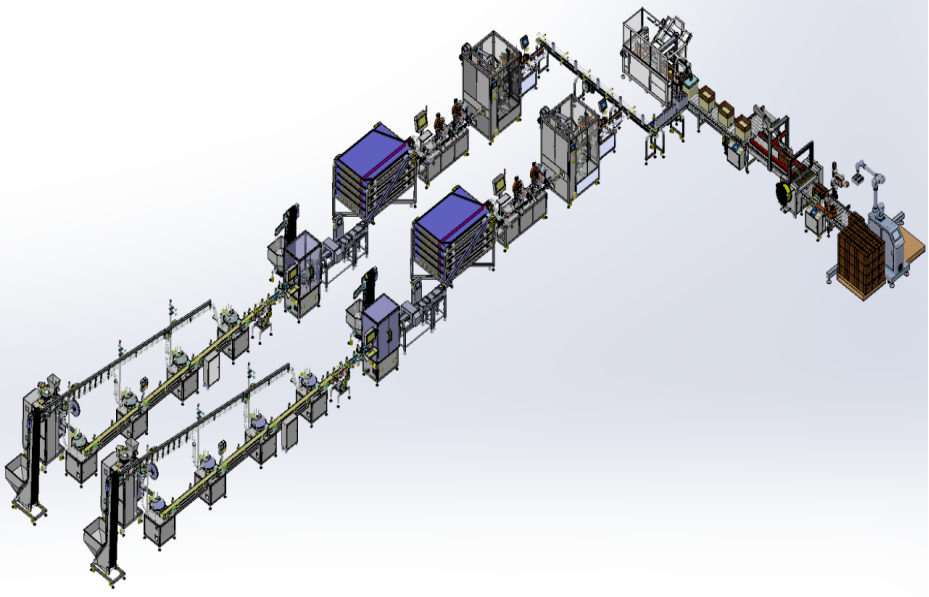
Packmate has over 30 years of engineering experience, a 20,000㎡ manufacturing facility, and a broad product range including Bag & Pouch Packaging Machines and complete Filling & Packaging Lines. Their multi-lane systems are widely used for nicotine pouches and snus, offering modular designs, CE and ISO compliance, and global turnkey solutions.
Case studies and exhibition demos can be helpful — review Packmate’s production cases and exhibition history to see how machines perform in real-life conditions: Case and Our Exhibition.
Commissioning, Training & Localization
Prioritize suppliers that include on-site commissioning and multilingual manuals. Localized HMI options (Spanish/Portuguese) reduce operator errors and accelerate ramp-up. Confirm service packages for scheduled preventive maintenance and remote diagnostics to keep lines productive.
Final Recommendations Before You Buy
1) Define product specifications, annual volumes, and quality targets. 2) Shortlist machines that meet dosing accuracy, lane scalability, and material compatibility. 3) Validate regulatory compliance and ask for performance videos or a plant trial. 4) Negotiate spare parts, warranties, and training in local languages. 5) Plan for environmental adaptations and TCO.
🔎 Quick decision guide: if you need high-volume small-dose pouches with maximum uptime, choose a multi-lane snus/nicotine pouch line with integrated weighing and vision inspection.
Additional Resources & Links
For more detailed specifications and to compare machine types, visit Packmate’s product categories: Snus & Nicotine Packaging Machines, Weighing & Packaging Systems, and Service for after-sales options.
Common Questions (FAQs)
Q1: Do nicotine pouch machines require special certification for South American countries?
A1: Certification depends on the country. Some markets require specific labeling, ingredient disclosure, or import documentation. Choose CE/ISO-compliant machinery and confirm documentation for local regulatory submissions. Work with local consultants when necessary.
Q2: Can machines handle different pouch sizes without major retrofits?
A2: Many modern systems are modular and adjustable within a range. For broad size changes you may need new tooling or a format-change kit. Verify the manufacturer’s changeover time and whether quick-change tooling is available.
Q3: How important is local spare parts availability?
A3: Extremely important. Fast access to common wear parts reduces downtime. Ask suppliers for parts stocking plans in South America or regional hubs and negotiate on lead times and emergency shipments.
Q4: What operating conditions should I prepare for in tropical climates?
A4: Prepare for high humidity and dust by selecting corrosion-resistant materials, sealed electrical cabinets, and effective climate control in critical areas. Regular preventive maintenance and air filtration extend machine life.
Q5: Where can I see real-world examples of nicotine packaging lines?
A5: Manufacturer case pages and trade show demonstrations are valuable. Review real production cases and request video demos or a factory acceptance test to confirm performance before purchase. See examples at Packmate’s Case pages.