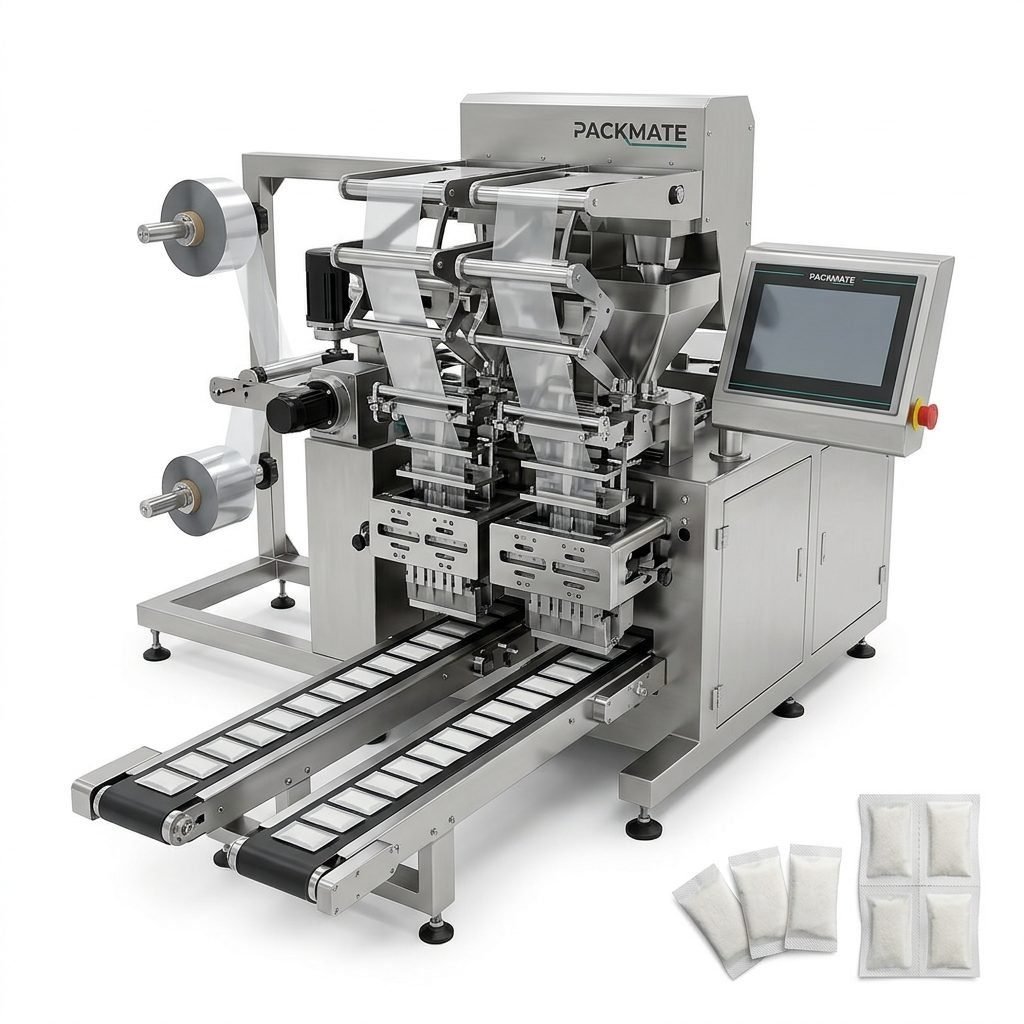
Choosing the right snus packaging machinery manufacturer in New Zealand (or a supplier that serves New Zealand) is a strategic decision that affects product quality, regulatory compliance, production uptime, and long-term profitability. This guide walks you through the practical criteria, inspection steps, and negotiation points you need to evaluate so you can select a supplier who delivers reliable snus and nicotine pouch packaging lines tailored to your business needs.
Understand the market and machine types
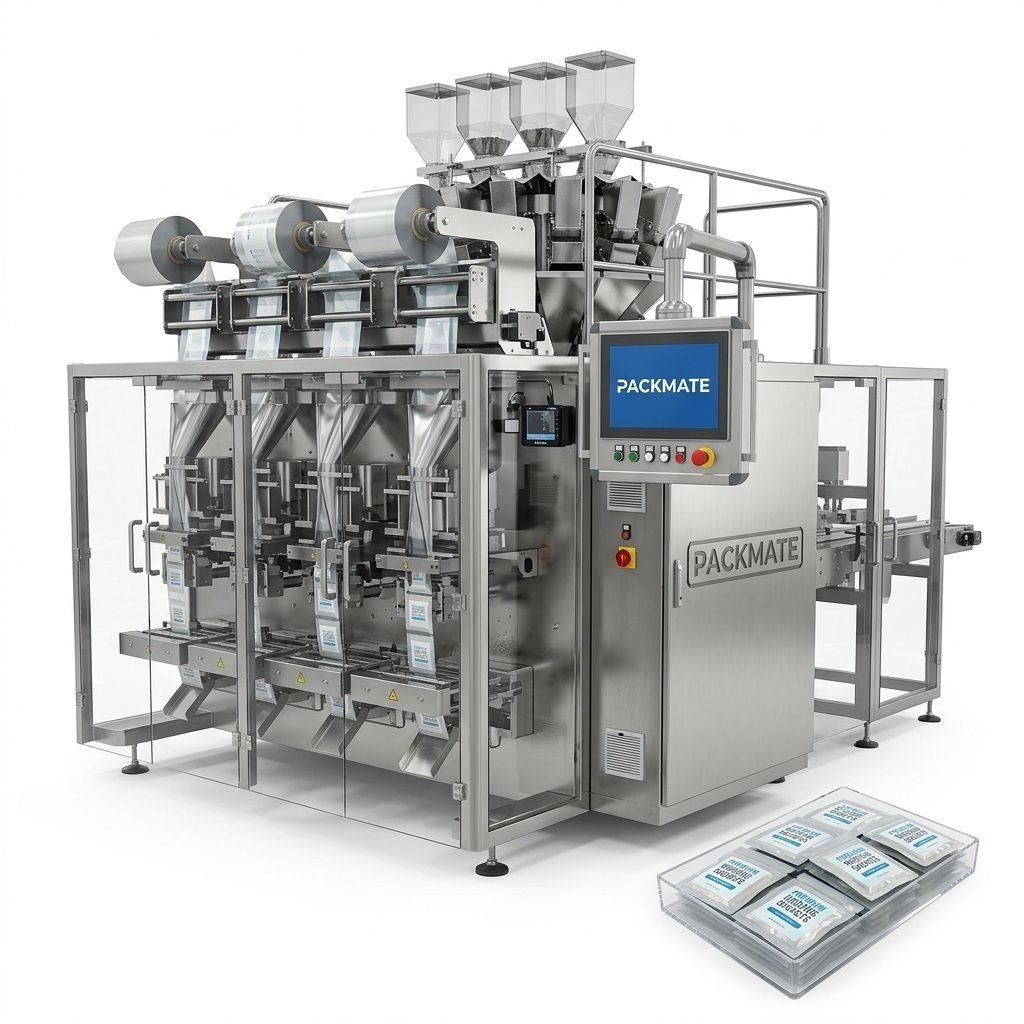
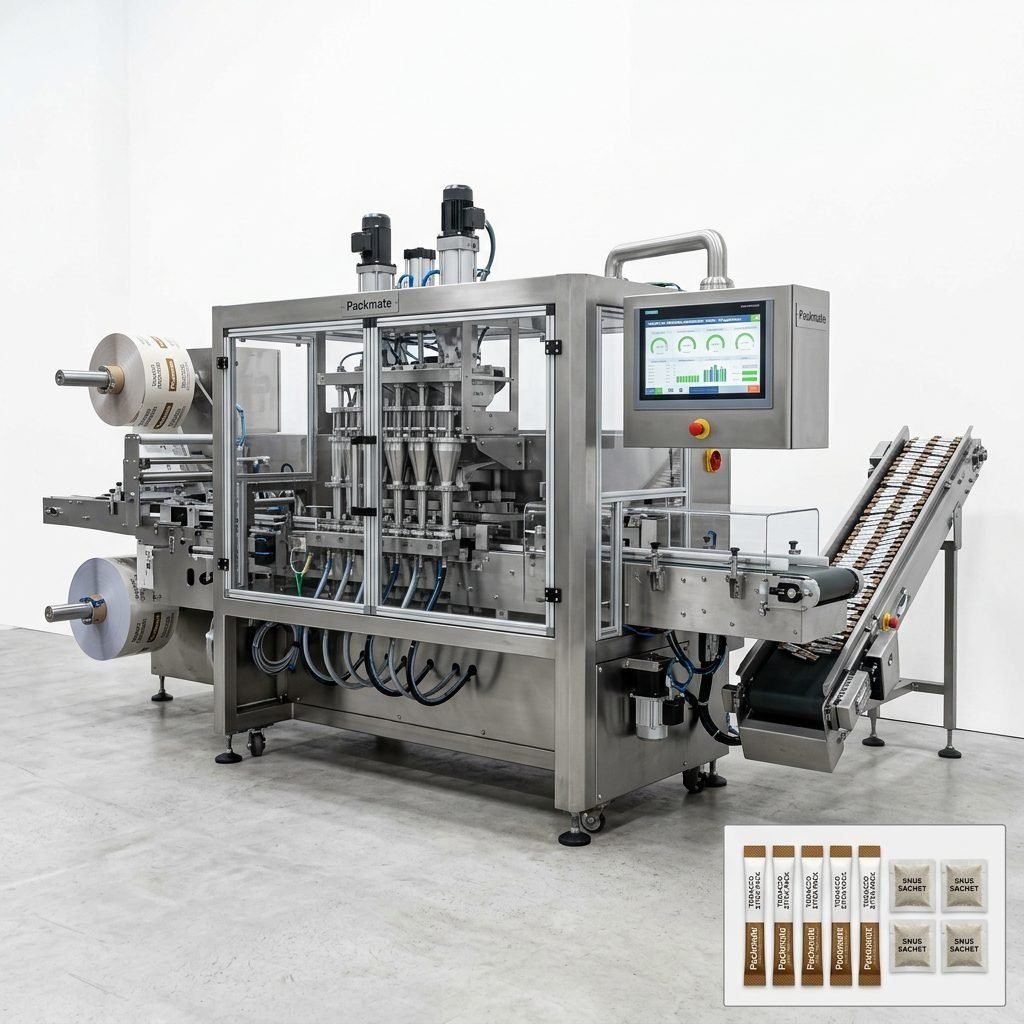
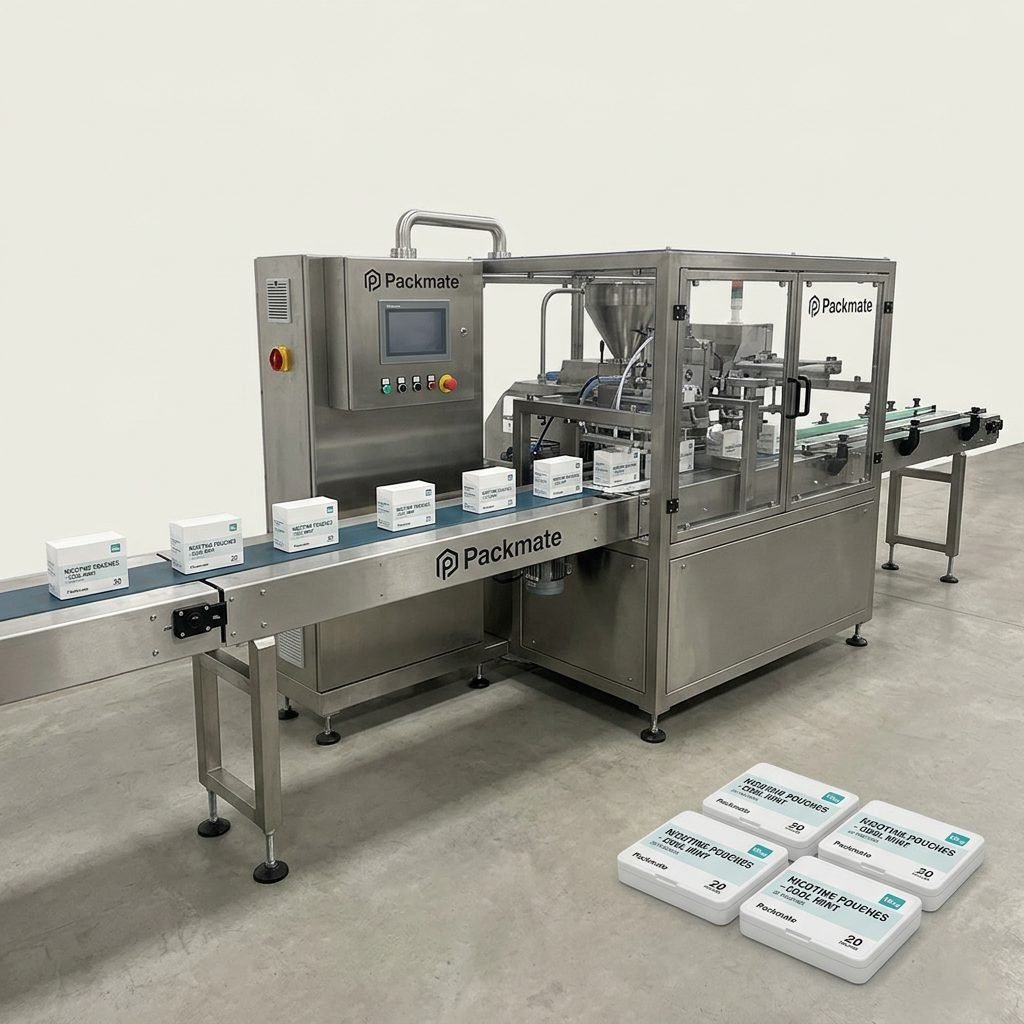
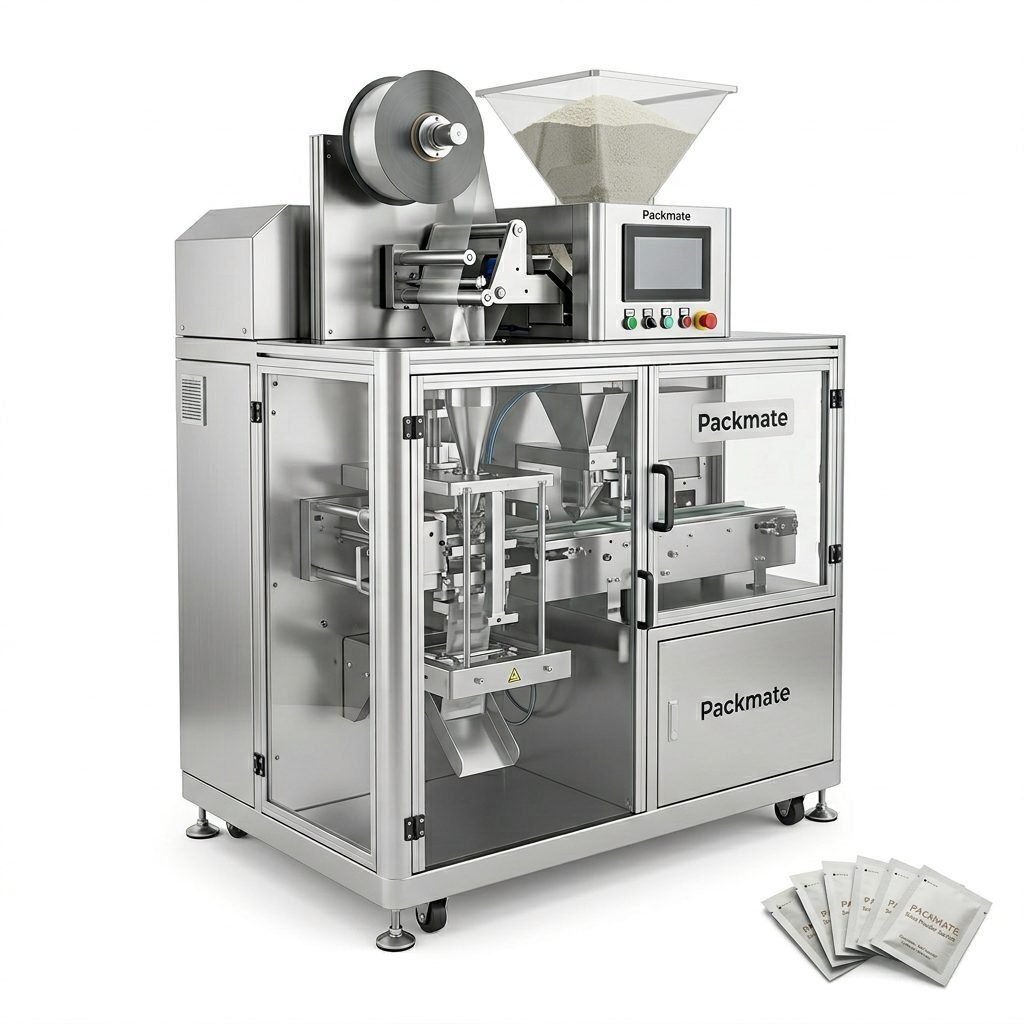
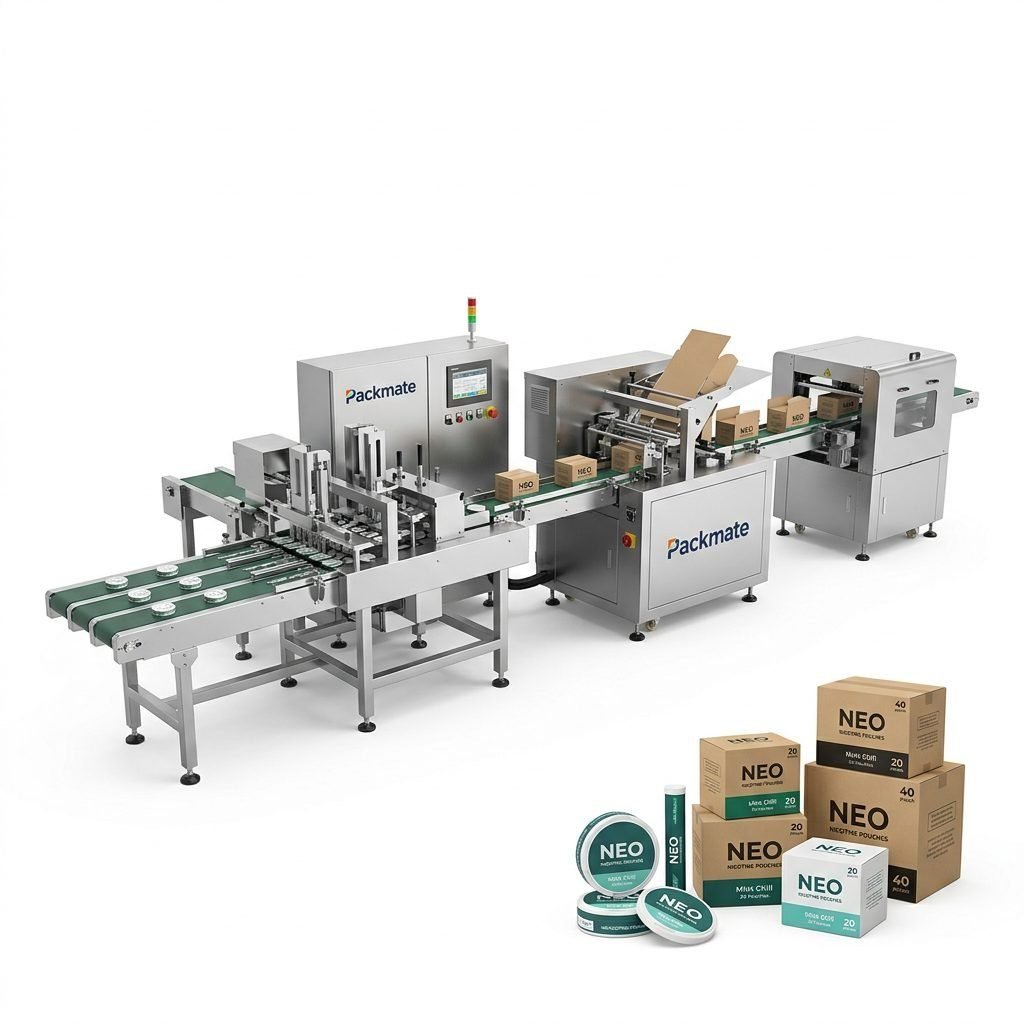
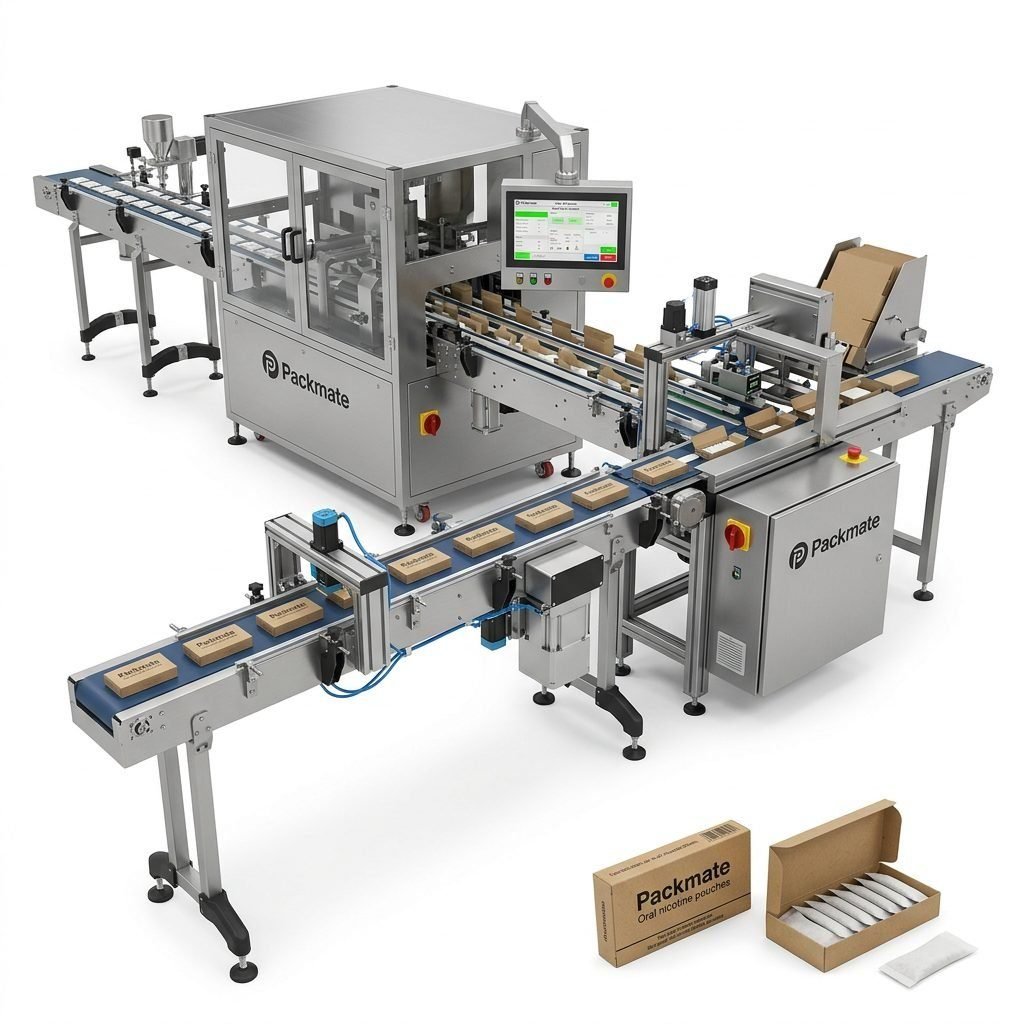
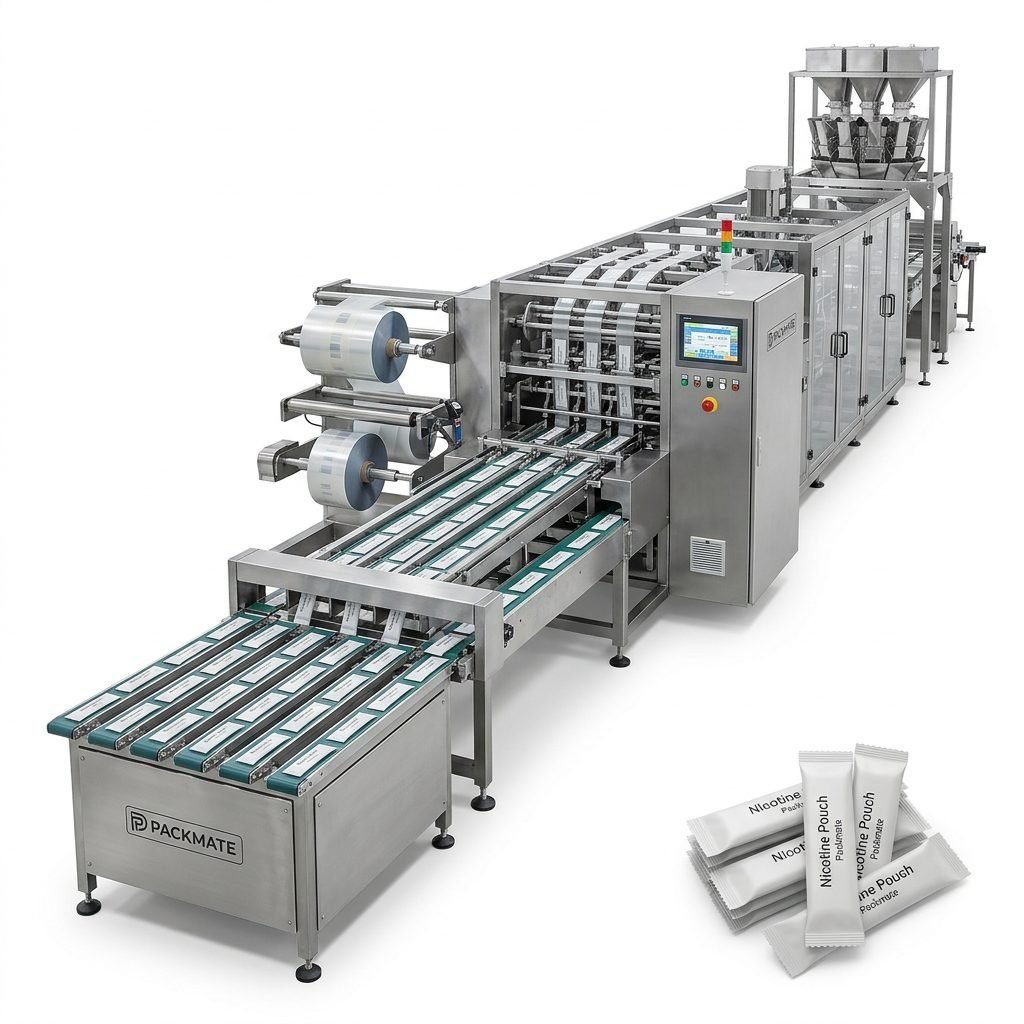
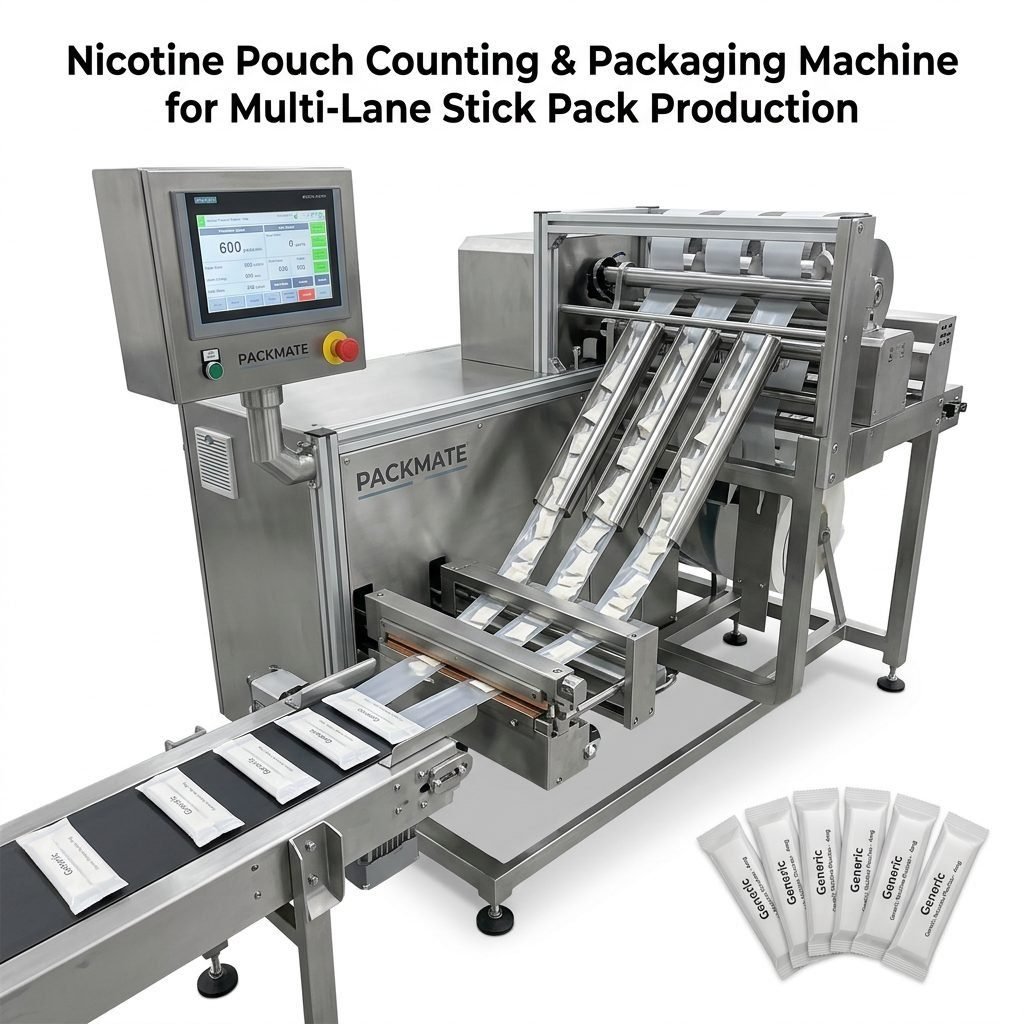
Before comparing manufacturers, be clear about the packaging formats and output targets for your snus or nicotine pouch product. Manufacturers typically supply a range of systems — from single-lane pouch machines to high-speed multi-lane lines. If you need integrated production you will look for suppliers that can provide upstream dosing and downstream sealing, counting, and packing modules.
For detailed product categories and machine options, review dedicated product pages such as Snus & Nicotine Packaging Machines and Sachet & Stick Pack Machines to understand available formats and capacities.
Core selection criteria: what truly matters
Below are the primary factors to evaluate. Use these as a checklist during vendor assessment:
● Experience and industry focus: A manufacturer with extensive experience in nicotine pouch and snus machinery will better understand dosing accuracy, pouch sealing needs, and regulatory considerations. Look for companies with multi-decade engineering histories and case studies in this niche.
● Range of machine models & flexibility: Ensure the manufacturer offers both standalone machines and turnkey lines (weighing, filling, packaging, cartoning). A broad product range reduces integration headaches and gives you options for scaling up.
● Factory & manufacturing strength: A modern factory with CNC machining centers, precision assembly, and quality testing indicates consistent production quality and better lead-time control.
● Certifications & compliance: Machines that comply with CE and ISO standards are safer and more likely to meet international customer expectations — essential if you plan to export or meet stringent local regulations.
Deep dive: technical capabilities and customization
Technical specifications often make the difference between a machine that merely functions and one that performs reliably for years. Assess the following technical details:
Precision & dosing accuracy: Nicotine pouches are small-dose products; dosing repeatability is critical for product consistency and regulatory compliance. Ask for measured performance data and test reports.
Multi-lane capability: High-output lines often rely on multi-lane technology. Validate that the vendor’s multi-lane solutions maintain uniform pouch weight across lanes.
Changeover & format flexibility: Fast, tool-less changeovers reduce downtime when you switch pouch sizes or materials. Check how the machine handles different film types, sealing temperatures, and pouch geometries.
Automation & Industry 4.0 features: Modern lines offer PLC control, recipe management, remote diagnostics, and data logging. These features improve quality control and allow predictive maintenance.
Quality assurance and testing
Quality control begins long before shipping. Ask for factory test reports, acceptance criteria, and witness testing options. Prefer suppliers who provide FAT (Factory Acceptance Test) documentation, performance curves, and video demonstrations.
Service, spare parts and after-sales support
After-sales service is a major differentiator. A high-quality machine with poor support will cost more in the long term due to downtime and replacement parts delays. Evaluate:
● Local or regional support capability: Does the manufacturer have service partners or distributors in New Zealand, or provide international support with reasonable response times?
● Spare parts availability: Confirm standard spare parts lists, lead times for critical components, and whether consumables are available locally.
● Training & documentation: Ask for operation manuals, preventive maintenance schedules, and commissioning/training support on-site or remotely.
For information about service offerings and support philosophy, review the manufacturer’s service section such as Service.
Factory capability, capacity and lead times
A large, well-equipped factory with modern CNC centers and precision assembly lines typically produces machines with consistent tolerances and shorter lead times. When assessing vendors, request:
• Manufacturing area and equipment list — this shows ability to scale and maintain quality.
• Production throughput and scheduling policy — helps set expectations for delivery and planning.
• Quality testing labs and acceptance criteria — ensures machines are checked under realistic operating conditions.
If you want to better understand a manufacturer’s footprint and history, the About page can be helpful, for example: About Packmate.
Commercial considerations and pricing transparency
Price matters, but the lowest bid can conceal higher lifetime costs. When comparing quotes, analyze:
● Scope included in the price — commissioning, training, warranty length, spares and tooling lists.
● Payment and delivery terms — staged payments tied to milestones and clear delivery dates reduce risk.
● Warranty & performance guarantees — ensure uptime guarantees or corrective service commitments are documented.
Factory visits, FAT and validation
Whenever possible, conduct a factory visit or request a Factory Acceptance Test (FAT). Witnessing machines run with your product or product simulants provides direct evidence of performance and helps identify potential issues before shipping.
Tip: Ask the supplier to run a FAT using your actual materials, pouches, and operating parameters. This reduces commissioning time on site and verifies integration with downstream packing.
References, case studies and exhibitions
A reputable manufacturer will show project cases, exhibition participations, and customer references. Review real-world installations and ask for contactable references with similar production scale and product types.
You can review published cases and exhibition activity on pages such as Case and Our Exhibition.
Integration with upstream and downstream equipment
A complete line often requires coordination with weighing, dosing, filling and cartoning machines. Prefer suppliers who can provide or coordinate the full line — this simplifies commissioning and reduces compatibility risks.
Explore complementary systems like weighing and packaging modules on the manufacturer’s product lists, for example Weighing & Packaging Systems and Filling & Packaging Lines.
Evaluation checklist: questions to ask suppliers
Use this checklist during vendor discussions — present it in written form and compare answers between suppliers.
✓ Production capacity & lead times: What is the typical delivery lead time for the quoted model and for customized machines?
✓ FAT & test protocols: Will the supplier provide a documented FAT and allow you to witness it?
✓ Warranty & SLA: What are the warranty terms and guaranteed response times for service calls?
✓ Local support & spare parts: Are there local distributors or partners in New Zealand, and what spare parts are stocked regionally?
✓ Documentation & training: Are manuals, spare parts lists, and operator training included in the package?
Negotiation tips and contracting
When you narrow down to one or two suppliers, negotiate clear contractual terms that protect your investment:
• Acceptance criteria: Define test acceptance metrics (pouch weight variance, speed, downtime limits).
• Performance guarantees: Include remedies or penalties if the machine fails to meet documented performance.
• Spare parts & support commitments: Ensure a guaranteed list of critical spares and defined response times for service.
Why a specialized snus machine manufacturer matters
Manufacturers that specialize in nicotine pouch and snus packaging have focused expertise on small-dose filling, multi-lane pouch handling, and material compatibility. They are more likely to understand the nuances of pouch integrity, moisture control, and product stability.
If you are evaluating a specialist, consider their model range — for example, manufacturers that offer dedicated snus machines and complementary pouch handling systems like those listed on Bag & Pouch Packaging Machines typically deliver more focused solutions.
Final selection steps
1) Shortlist vendors based on experience, product fit and references. 2) Request detailed quotes and FAT plans. 3) Conduct factory visits or remote FATs. 4) Negotiate contract terms with clear acceptance criteria. 5) Plan commissioning, spare parts stocking, and operator training before shipment.
Need more direct help? If you want to contact a specialist manufacturer for machine details or request a customized turnkey line, use their contact page to arrange a consultation: Contact Us.
In summary: quick decision framework
– Prioritize suppliers with proven snus/nicotine experience, strong factory capabilities, and documented FAT practices.
– Evaluate total cost of ownership, not just initial price.
– Confirm service commitments, spare parts supply, and training.
– Run FATs with your materials and negotiate clear acceptance criteria.
Useful resources and next steps
Explore product pages and catalogs to match machine models to your targets. For example, review packaging lines, auxiliary equipment, and filling systems on the manufacturer’s product pages and catalog resources: Catalog | Auxiliary Packaging Equipment.
Frequently Asked Questions
Q1: How long does it take to deliver a custom snus packaging line?
A1: Typical lead times vary by complexity and factory workload; standard machines may ship in a few months while fully customized turnkey lines can take longer. Always request a detailed delivery schedule.
Q2: What guarantees should be included in the purchase contract?
A2: Include performance acceptance criteria, warranty period, response times for service, and spare parts delivery commitments. This protects uptime and investment value.
Q3: Can a manufacturer provide on-site commissioning and training in New Zealand?
A3: Many suppliers offer on-site commissioning and operator training. Confirm travel and service costs in advance and consider remote commissioning options for quicker support.
Q4: How do I ensure regulatory compliance for nicotine pouch packaging?
A4: Choose machines with CE/ISO compliant designs and validate packaging parameters (barrier films, sealing energy, and labeling) to meet local and export regulations. Request compliance documentation from the supplier.
Q5: Where can I see machine demonstrations or real case studies?
A5: Visit manufacturers’ exhibition pages or case study sections to view demonstrations and customer installations. For curated case examples and demos see Case.