Selecting the right snus packaging machinery supplier for Comoros demands more than a simple price comparison. You must weigh technical capability, after-sales service, compliance with import rules, and sensitivity to local market preferences. This guide walks you through practical steps and decision points so you can confidently choose a supplier who will deliver reliable machines, spare parts, and long-term support tailored to the Comoros environment.
Understand the Comoros Market and Local Customs
Comoros is a small island nation in the Indian Ocean where business practices and consumer habits differ from larger markets. Language preferences (Comorian, Arabic, French) and conservative cultural values guide packaging design and labeling requirements. When planning snus or nicotine pouch production, consider packaging that respects local sensibilities and legal frameworks. Importation typically goes through the port of Moroni, so lead times and customs clearance affect stock planning.
Key local considerations include: labeling in French or Comorian, clear ingredient disclosure for regulatory compliance, and modest, discreet retail packaging preferred by some communities. Buyers often rely on trusted distributors and local importers — so choose a supplier who understands these distribution channels and can provide language-capable documentation and training.
Define Your Production Needs First
Before contacting suppliers, precisely define your product and production goals. Ask yourself:
🔍 What product formats will you produce — single-dose snus pouches, multi-lane sachets, stick packs?
📈 What daily output (pieces per minute and per shift) do you need?
🔁 Will you require multiple lanes for higher throughput or flexibility for small-batch runs?
⚖️ What’s the filling type — powder, granule, paste, or liquid — and what accuracy is required?
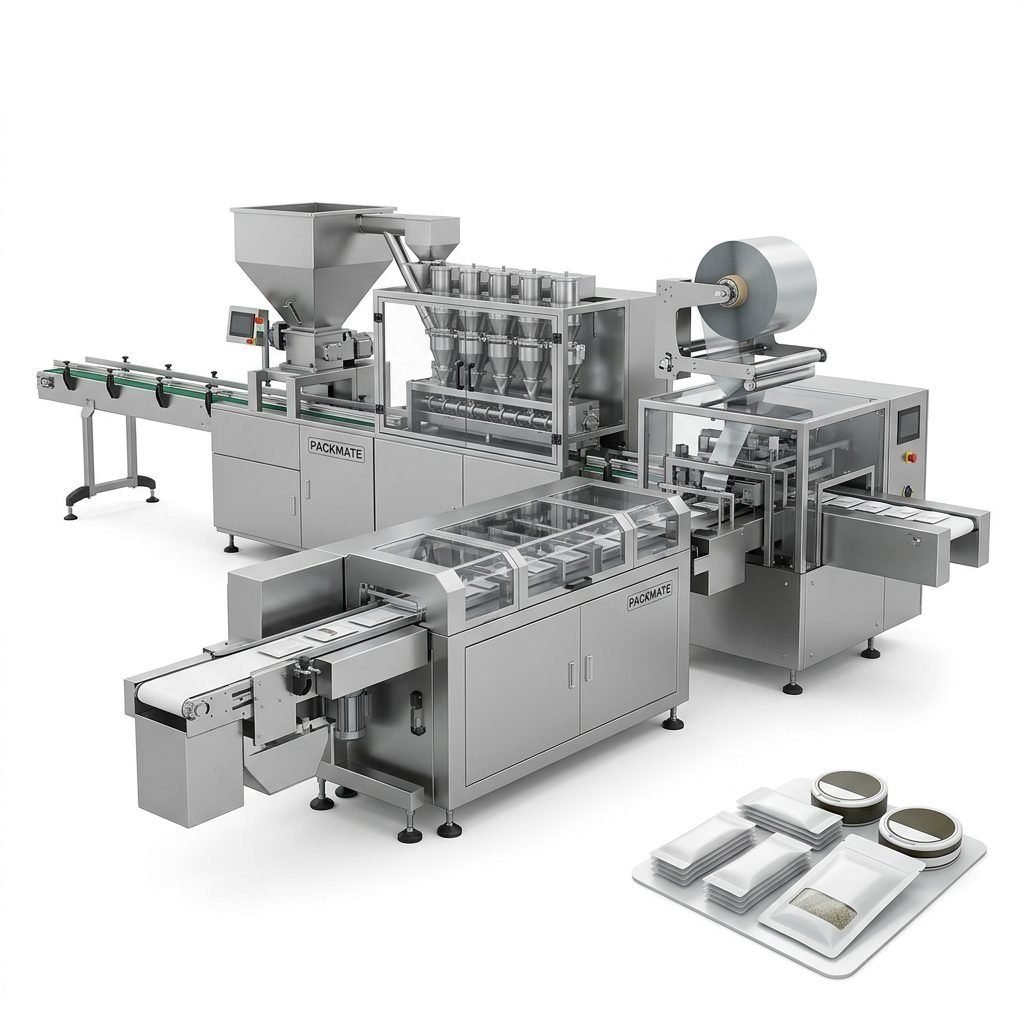
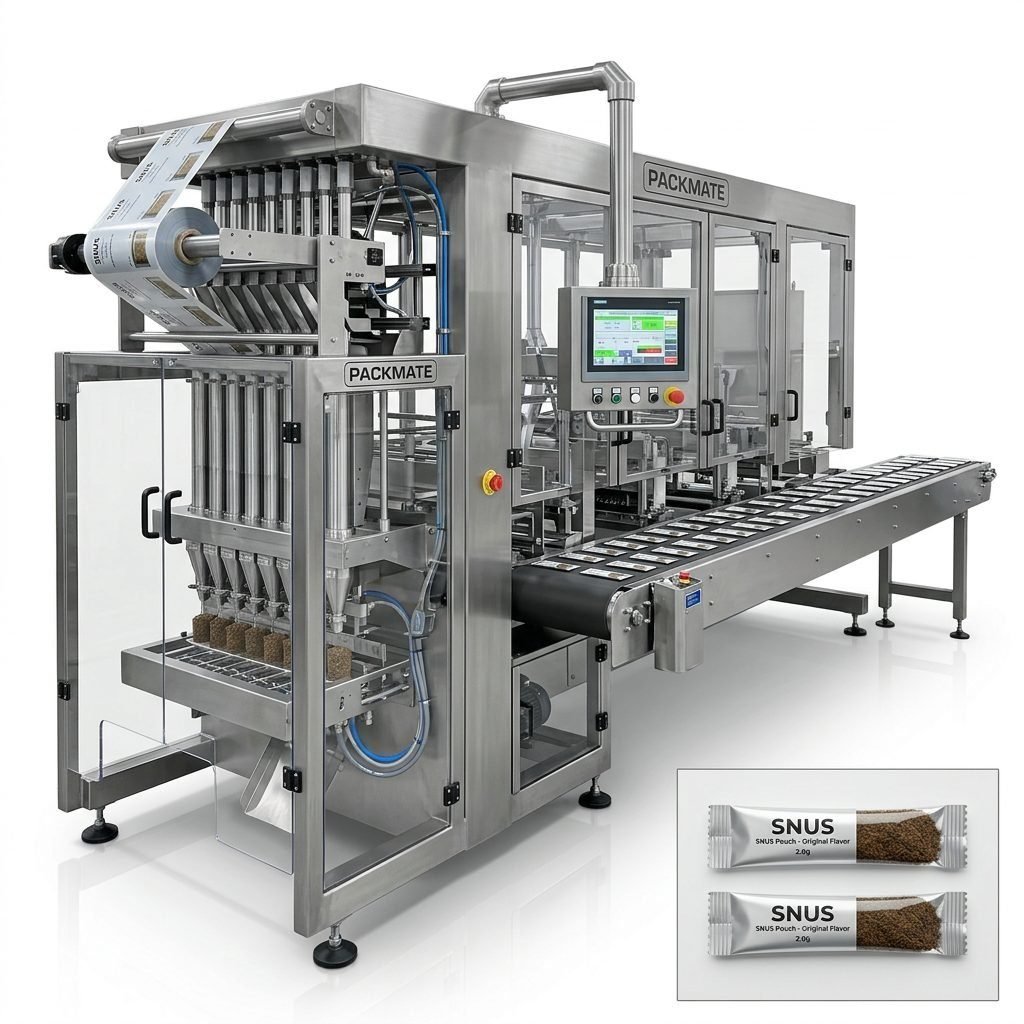
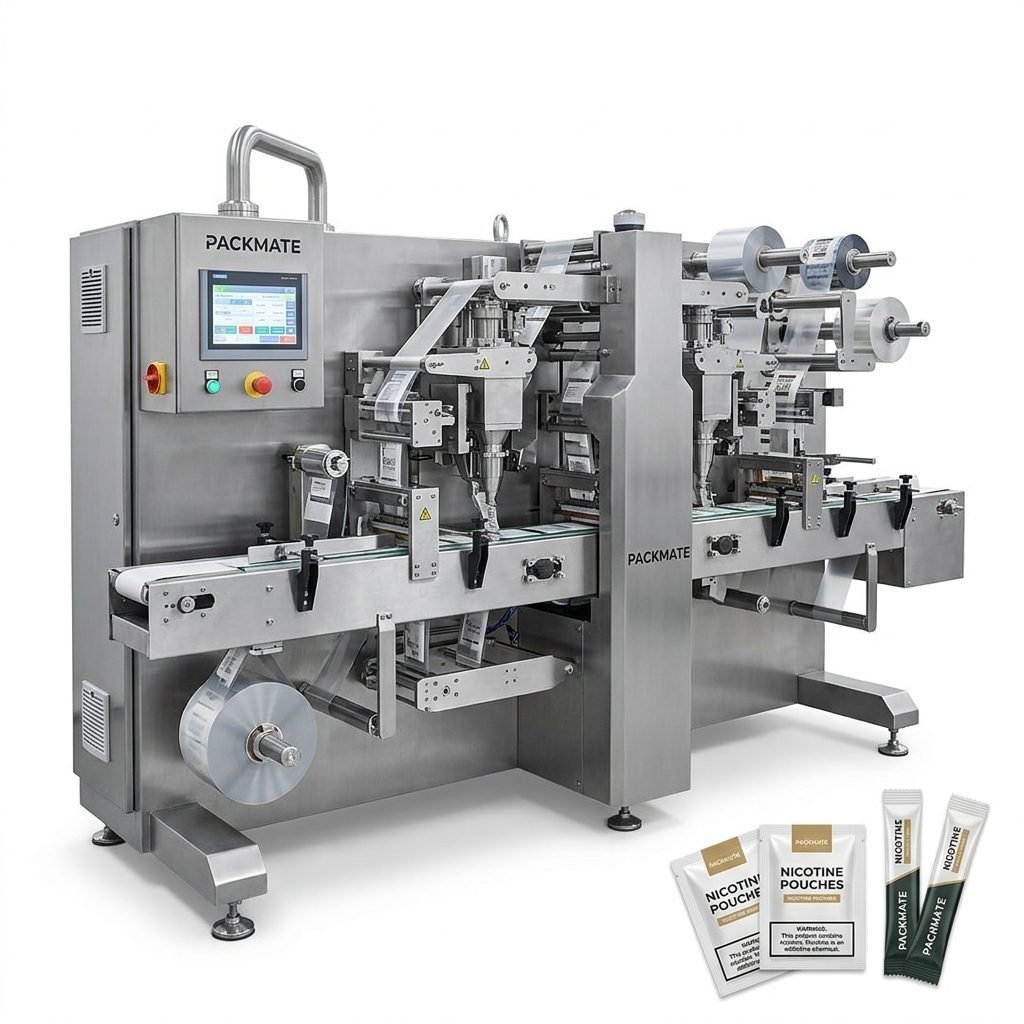
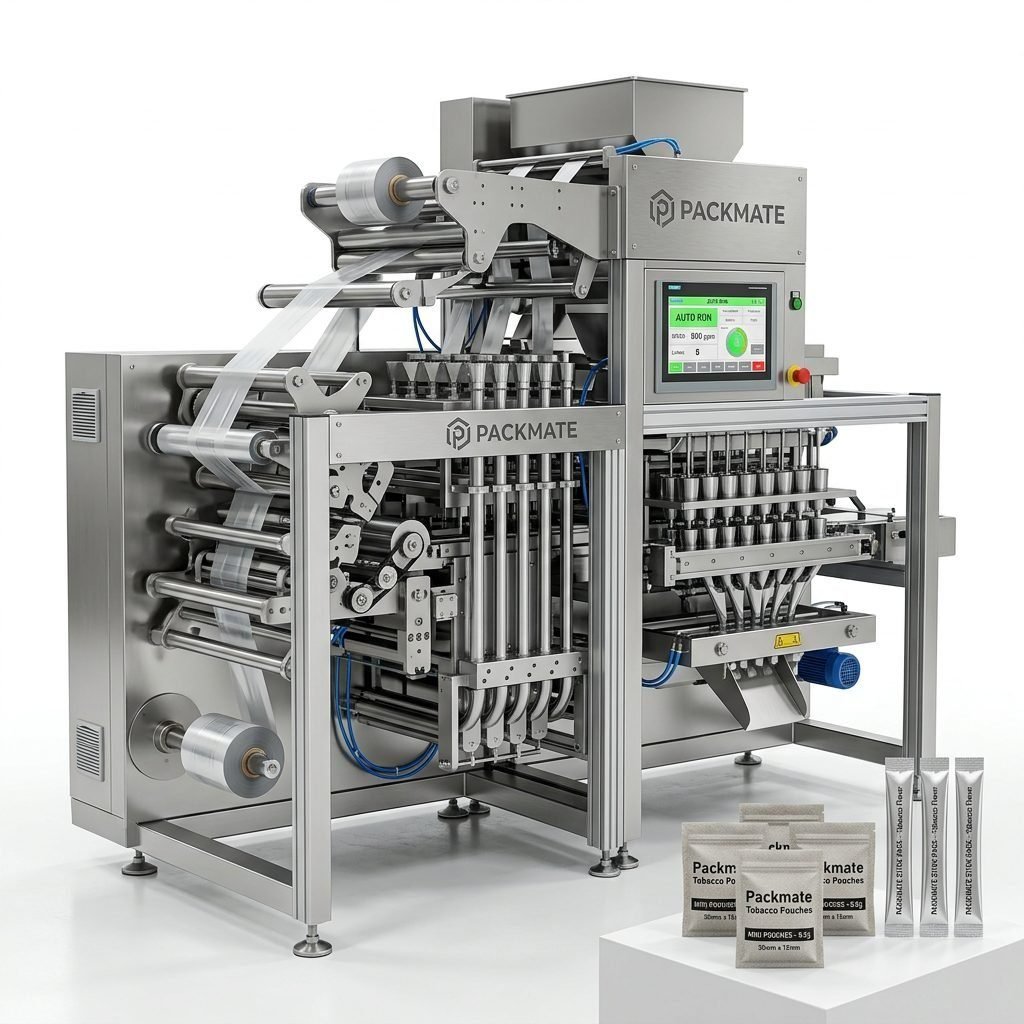
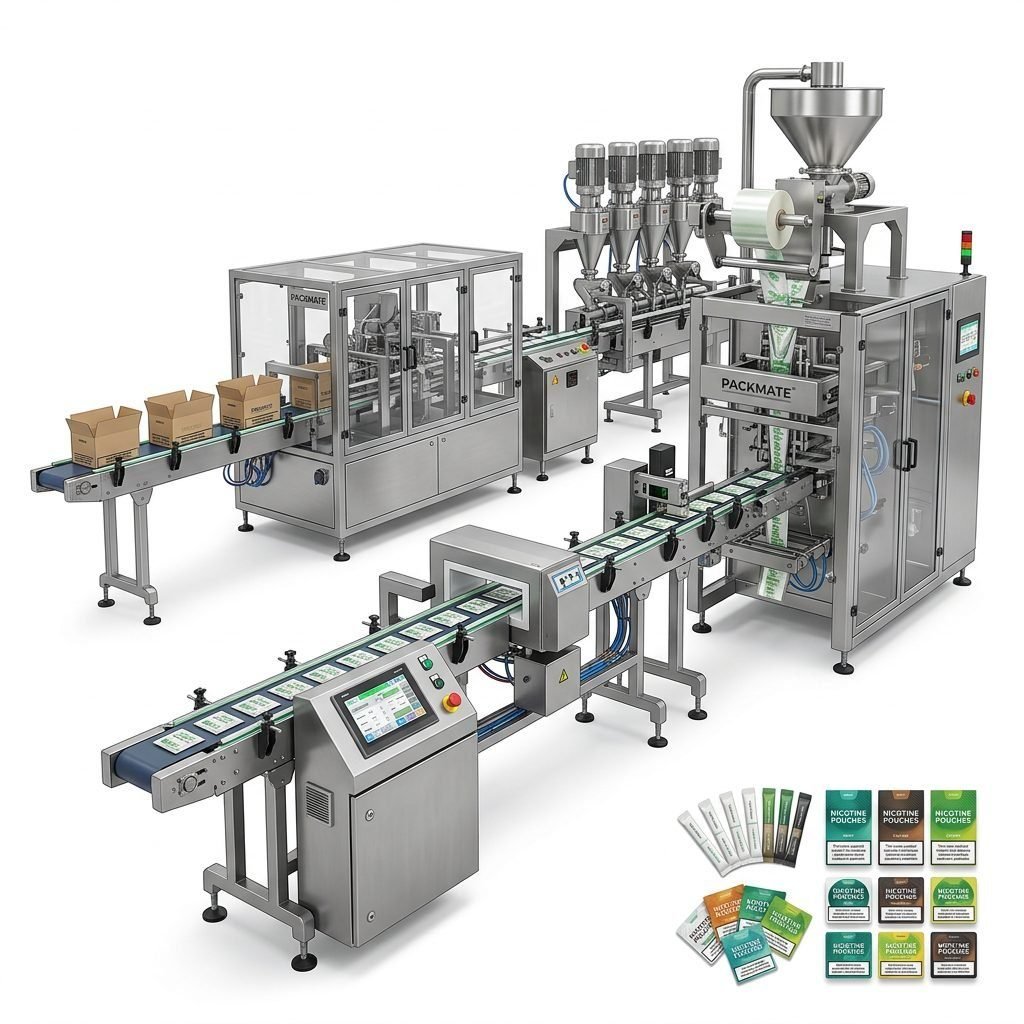
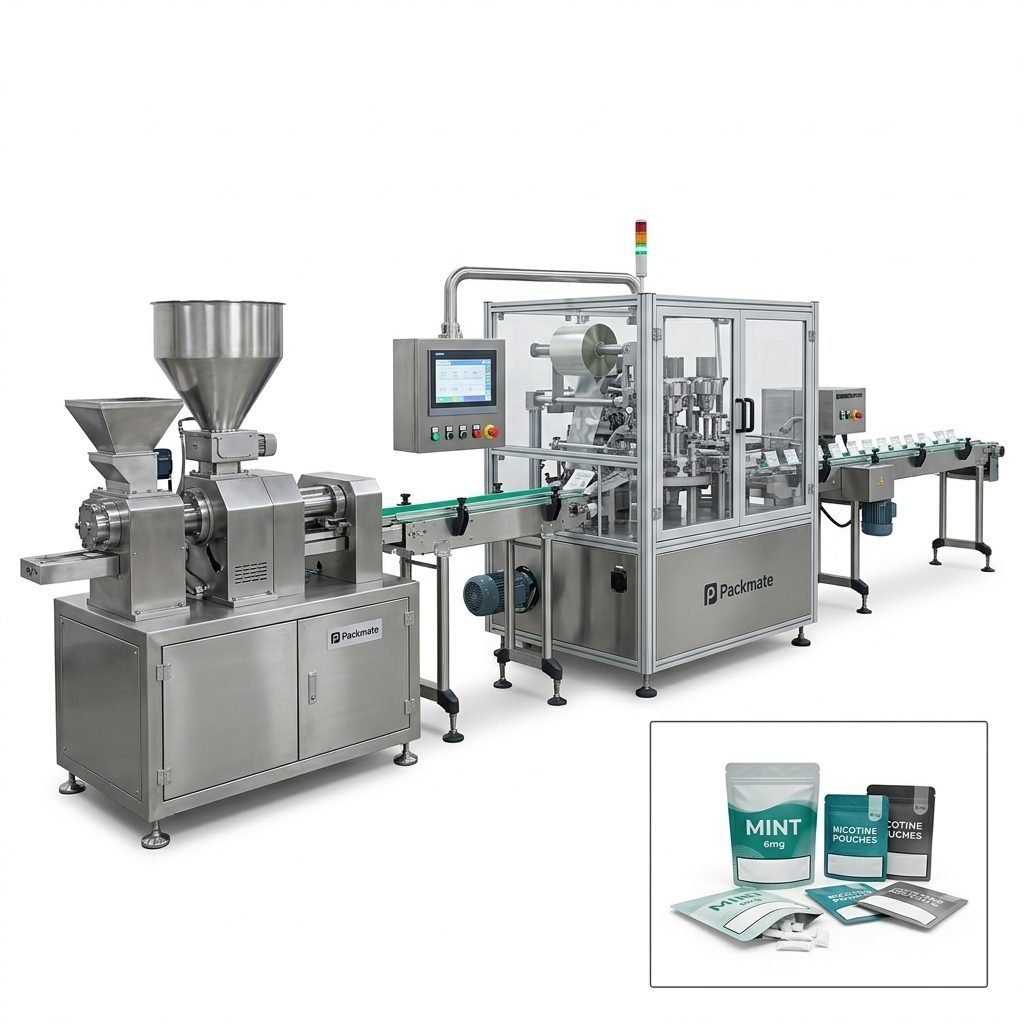
Clear answers help shortlist the right machine family — for example, multi-lane pouch lines for high-volume nicotine pouches, stick-pack machines for single-dose formats, or sachet equipment for traditional small-dose packaging. Explore product reference pages such as Snus & Nicotine Packaging Machines and Sachet & Stick Pack Machines to align specifications with your needs.
Machine Types & Best Uses
– Stick pack machines: compact, ideal for single-portion formats; suitable for startups and small lines.
– Sachet/multi-lane systems: best for higher throughput and multi-lane small-dose pouches.
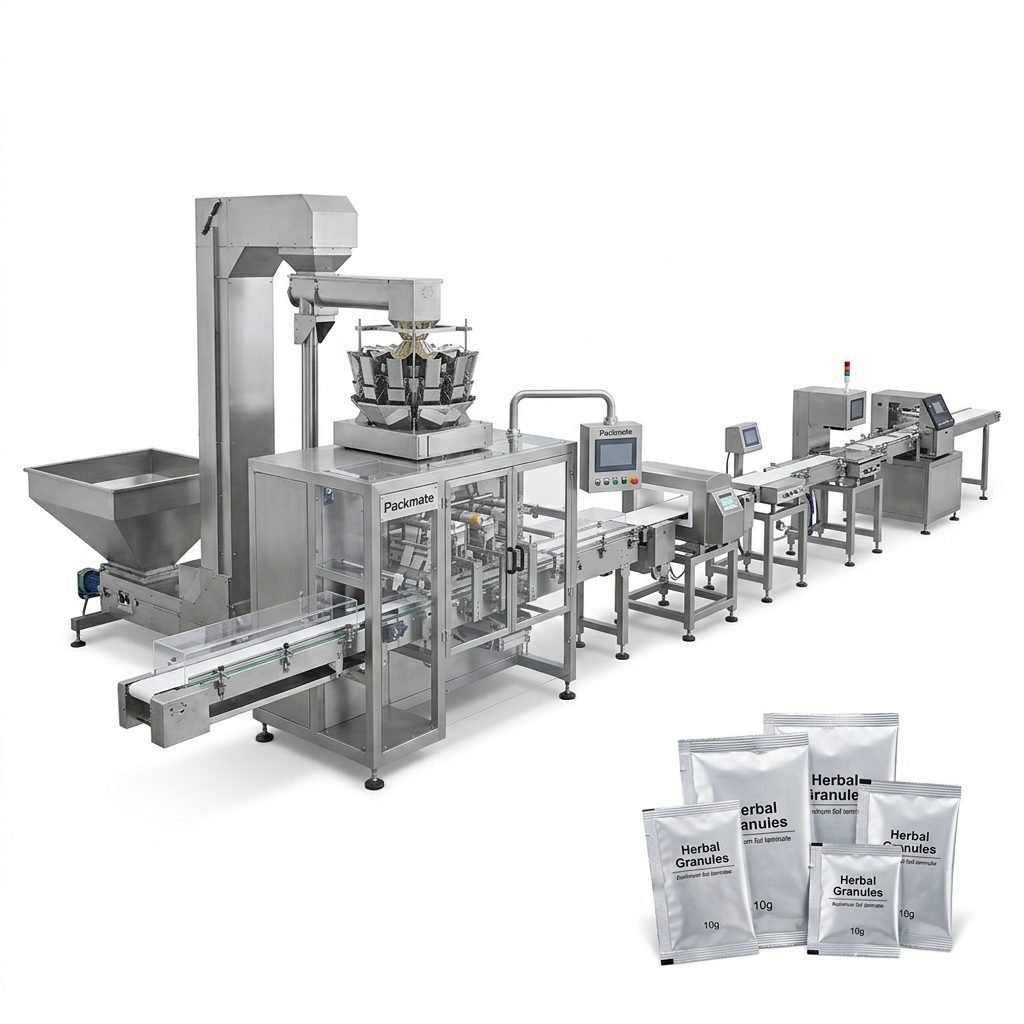
– Filling & packaging integrated lines: recommended when product handling (powders or liquids) requires dedicated dosing solutions — see Filling & Packaging Lines.
Key Technical Specifications to Compare
When evaluating machine models, prioritize objective technical metrics:
- Speed (pieces/min) and scalability for future growth.
- Dosing accuracy (important for regulatory weight compliance).
- Servo-driven systems and PLC control for stability and repeatability.
- Material contact surfaces and cleanability for hygiene and long-term maintenance.
- HMI language options and remote connectivity for diagnostics and support.
A well-equipped supplier offers modular solutions (e.g., interchangeable dosing modules) so you can adapt to new SKUs without large capital outlays. For a comprehensive view of module choices and auxiliary equipment, check Auxiliary Packaging Equipment.
Evaluate Supplier Capabilities and Factory Strength
Factory capability matters. Look for suppliers with:
📌 Extensive manufacturing space (to scale production and manage lead times).
📌 Advanced CNC and assembly systems to ensure precision components.
📌 Established quality management such as ISO and CE compliance.
A supplier that publishes factory details, certifications, and case studies demonstrates transparency. Packmate Snus Machine, for example, highlights a 20,000㎡ facility, 30+ years of engineering experience, and certifications — important signals when you request factory pictures, qualification records, and client references. Review real project references at Case.
Ask for FAT, SAT, and References
Never skip factory acceptance testing (FAT). FAT provides live proof the line can meet agreed speeds and accuracy. After shipment, plan for site acceptance testing (SAT) in Comoros with defined acceptance criteria. Ask suppliers for local or regional references and, where possible, visit an exhibition or trade fair to see machines running; a supplier’s event schedule is useful — see Our Exhibition.
After-Sales Support: The Deciding Factor
For an island market like Comoros, strong after-sales support is crucial. Prioritize suppliers who offer:
- Spare parts kits shipped internationally and local stocking options.
- Remote diagnostics and software support to reduce downtime.
- Installation and commissioning with multilingual technicians or clear manuals in French.
- Training programs for operators and maintenance staff.
Clarify warranty terms, response times for parts shipments, and options for on-site engineer visits. Consider suppliers who provide extended service contracts or partner with regional agents for quicker support.
Logistics, Customs and Local Compliance in Comoros
Shipping packaging lines to Comoros involves special logistics planning. Typical steps and tips:
- Confirm port of entry (Moroni) and local clearance procedures.
- Identify HS codes, import duties, VAT, and any specific tobacco product regulations that affect machinery or consumables.
- Plan for complete crate packing lists and certificates to speed customs inspections.
- Check local electrical standards and request machines with compatible voltage or transformers supplied.
Engage a customs broker familiar with Comoros to avoid delays. Ask your supplier for experience shipping to small island nations and for references that show successful deliveries and remote commissioning.
Price vs. Total Cost of Ownership
The lowest purchase price rarely gives the best value. Consider total cost of ownership:
- Initial cost + shipping + customs duties.
- Installation, training, and commissioning expenses.
- Spare parts consumption and lead times to Comoros.
- Energy consumption, maintenance intervals, and expected lifetime.
A reliable supplier will help you create a lifecycle cost estimate. If you need machine models and specs for comparison, consult the Catalog or request a formal quote with clear BOM and service packages.
Negotiation and Contract Essentials
Key contract items to negotiate:
✔ Warranty length and scope (parts and labor).
✔ Lead times and penalties for missed delivery.
✔ List of included spare parts and consumables.
✔ Acceptance criteria for FAT and SAT, including performance metrics.
✔ Payment terms, escrow options, and financing (if needed).
Make sure the contract includes a clear handover process and language on intellectual property for recipe settings or programmed HMI screens.
Installation, Training and Local Ramp-Up
A successful installation in Comoros depends on practical training and knowledge transfer:
- Documented operator & maintenance manuals in French and basic Comorian if available.
- On-site commissioning support until production targets are met.
- Train-the-trainer programs so local staff can maintain knowledge despite staffing changes.
- Remote support setup (VPN/HMI) for quick troubleshooting.
If travel is restricted, confirm the supplier’s remote commissioning track record and ask for recorded training sessions and multilingual documentation.
Final Validation: Samples, Trials & References
Before final payment, require the supplier to run sample products on the exact line configuration ordered. Validate weight accuracy, sealing integrity, and labeling compliance. Request client references in regions with similar logistical challenges and review them carefully. Use the supplier’s About Packmate page and service descriptions to verify long-term capabilities.
Participate in trade events or watch live demos when possible — this is a reliable way to verify machine performance and supplier professionalism.
• Confirm product format and capacity.
• Require FAT and documented acceptance tests.
• Verify CE/ISO certifications and factory capabilities.
• Ensure spare-parts plan and service SLA for Comoros.
• Clarify shipping, customs, and electrical compatibility.
Where to Get More Information & Next Steps
If you need detailed proposals or machine catalogs, request formal quotes and technical sheets from shortlisted suppliers. For Packmate’s solution portfolio and support options, visit product pages and contact channels such as Contact Us or review success stories in the Case library.
Choosing the right snus packaging machinery supplier for Comoros is a strategic decision. Prioritize suppliers with proven manufacturing strength, international certifications, transparent testing procedures, and strong after-sales plans to minimize downtime and ensure compliance with local regulations.
Frequently Asked Questions (FAQs):
1) Q: How do I ensure customs clearance in Comoros for a packaging line? — A: Work with a local customs broker, obtain correct HS codes, prepare full packing lists and certificates of origin, and provide manufacturer documentation to streamline inspection.
2) Q: What warranty and spare-parts arrangements should I require? — A: Require at least a 12-month warranty on major components, a clear spare-parts list included with the purchase, and committed lead times for replacement parts.
3) Q: Can machines be configured for French-language HMI and manuals? — A: Yes — request HMI language options and translated manuals during contract negotiations to support local operators.
4) Q: How important is FAT for snus packaging lines? — A: FAT is essential; it validates that the line meets speed, accuracy, and sealing requirements before shipment.
5) Q: What ongoing support is realistic for islands like Comoros? — A: Expect a mix of remote support, periodic on-site visits, and stocked spare parts shipped by air or sea; choose suppliers with experience serving island nations.