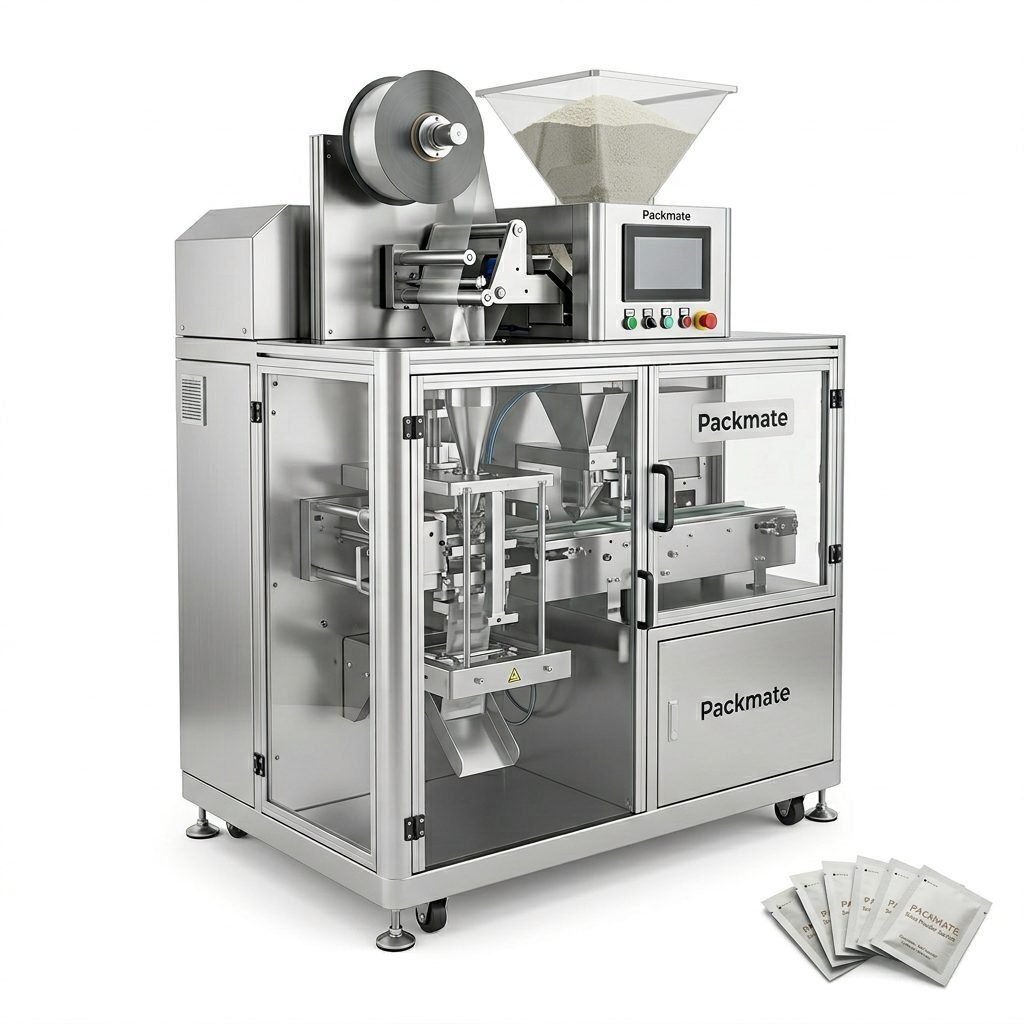
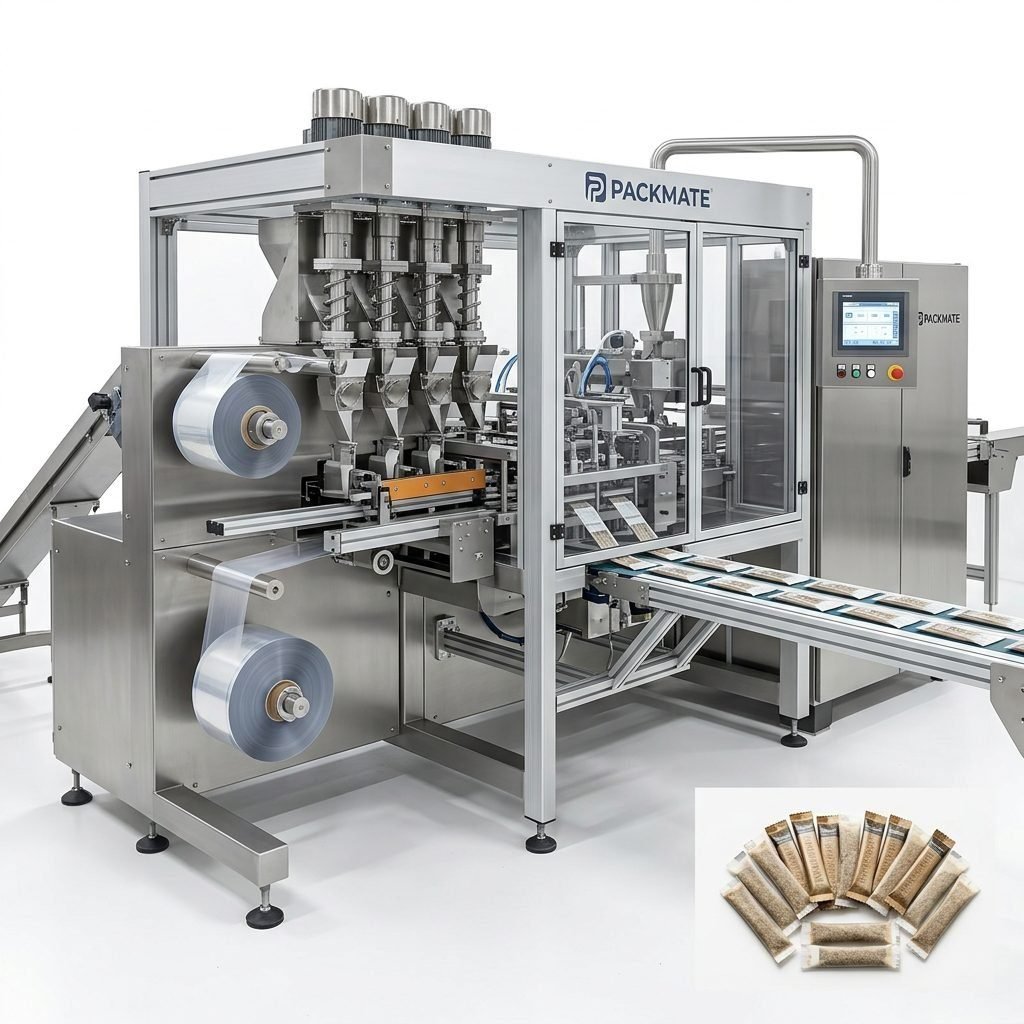
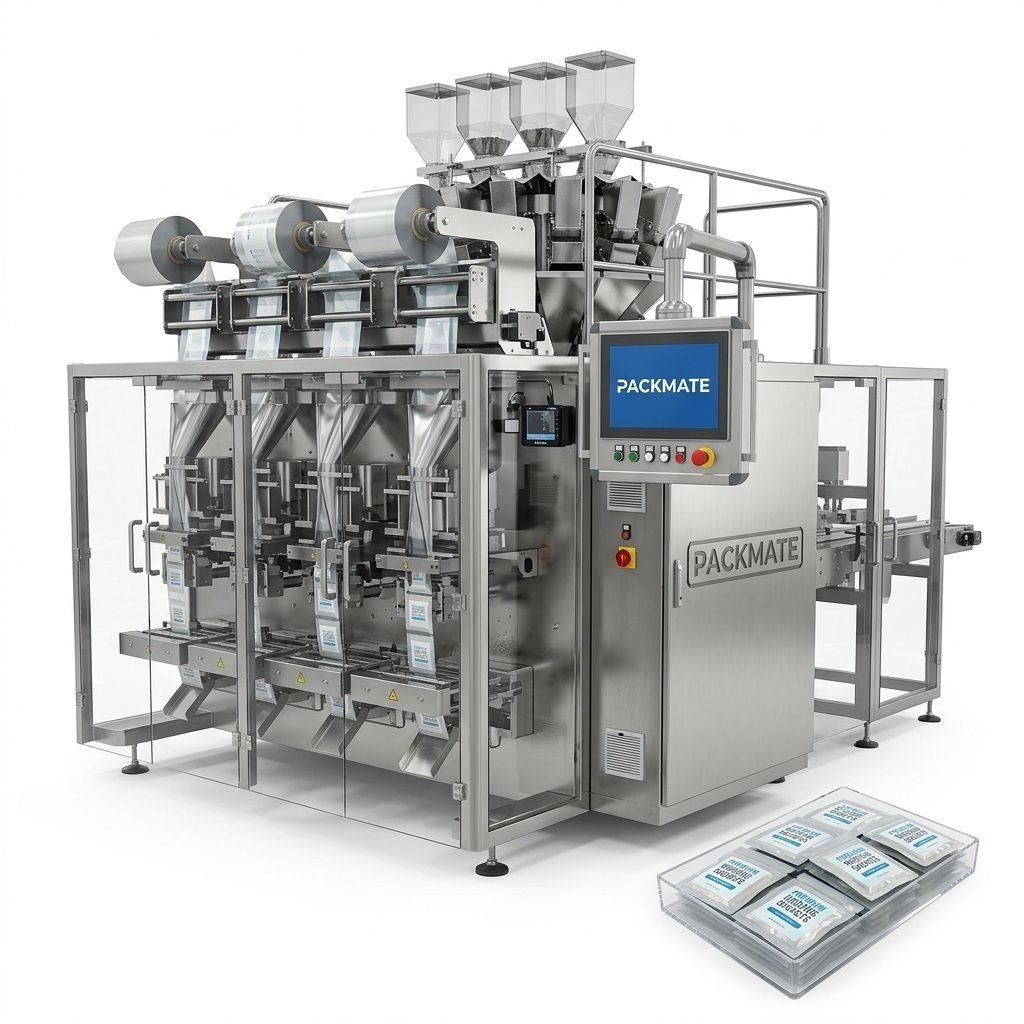
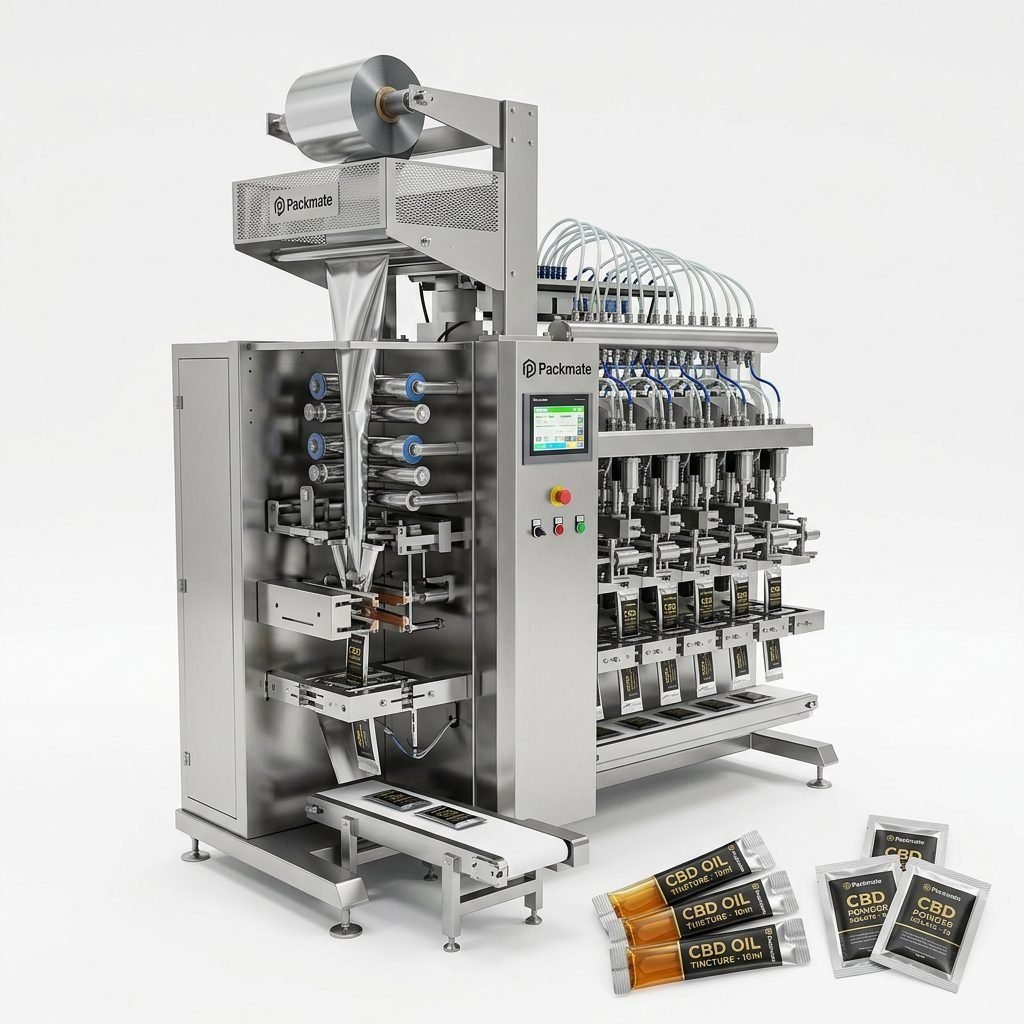
The modern snus and nicotine pouch market demands packaging solutions that combine speed, precision and compliance. A fully automated snus packaging line integrates filling, sealing and cartoning into a synchronized workflow that reduces labor, minimizes waste and guarantees consistent product quality. Below we explore a complete Automatic Snus Packaging Solution, the technology behind it, practical benefits, customization options and implementation guidance for producers scaling up or upgrading their production capabilities.
What a Fully Automated Snus Packaging Line Includes
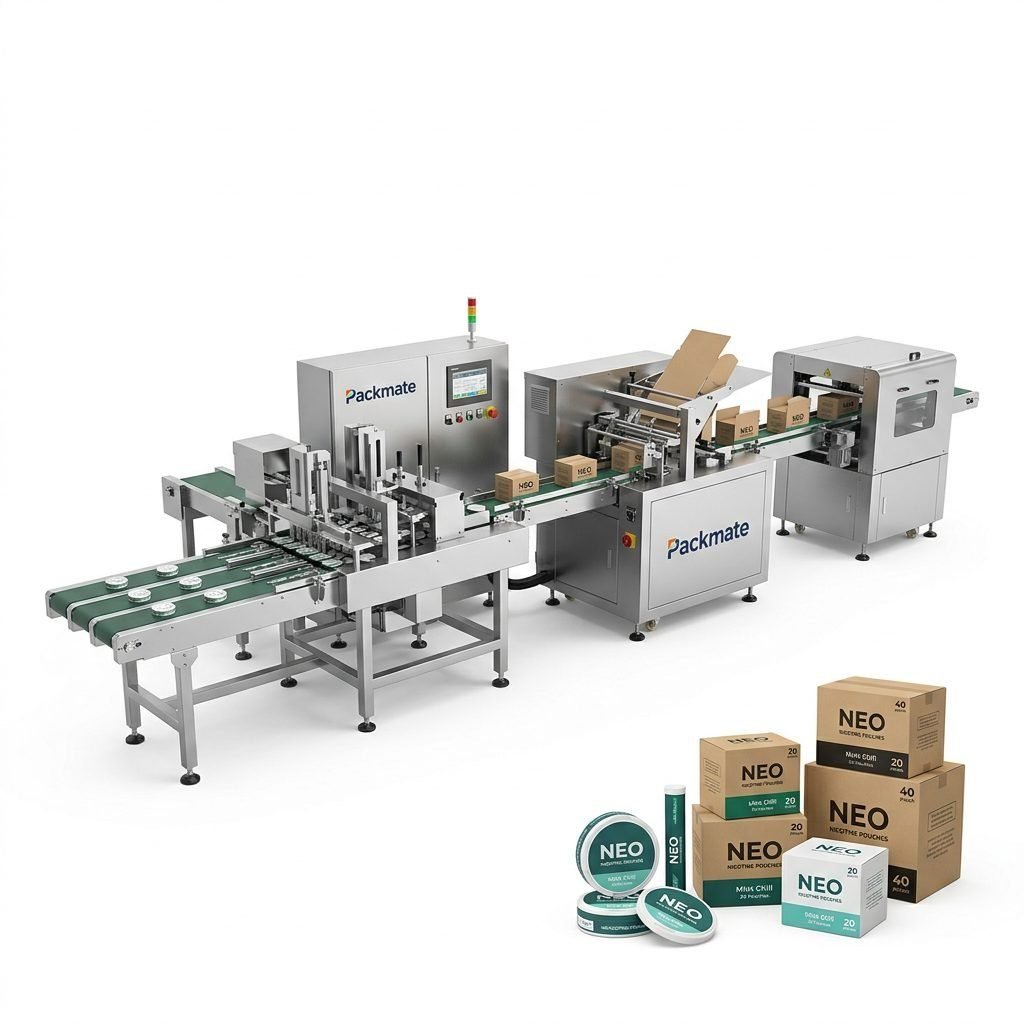
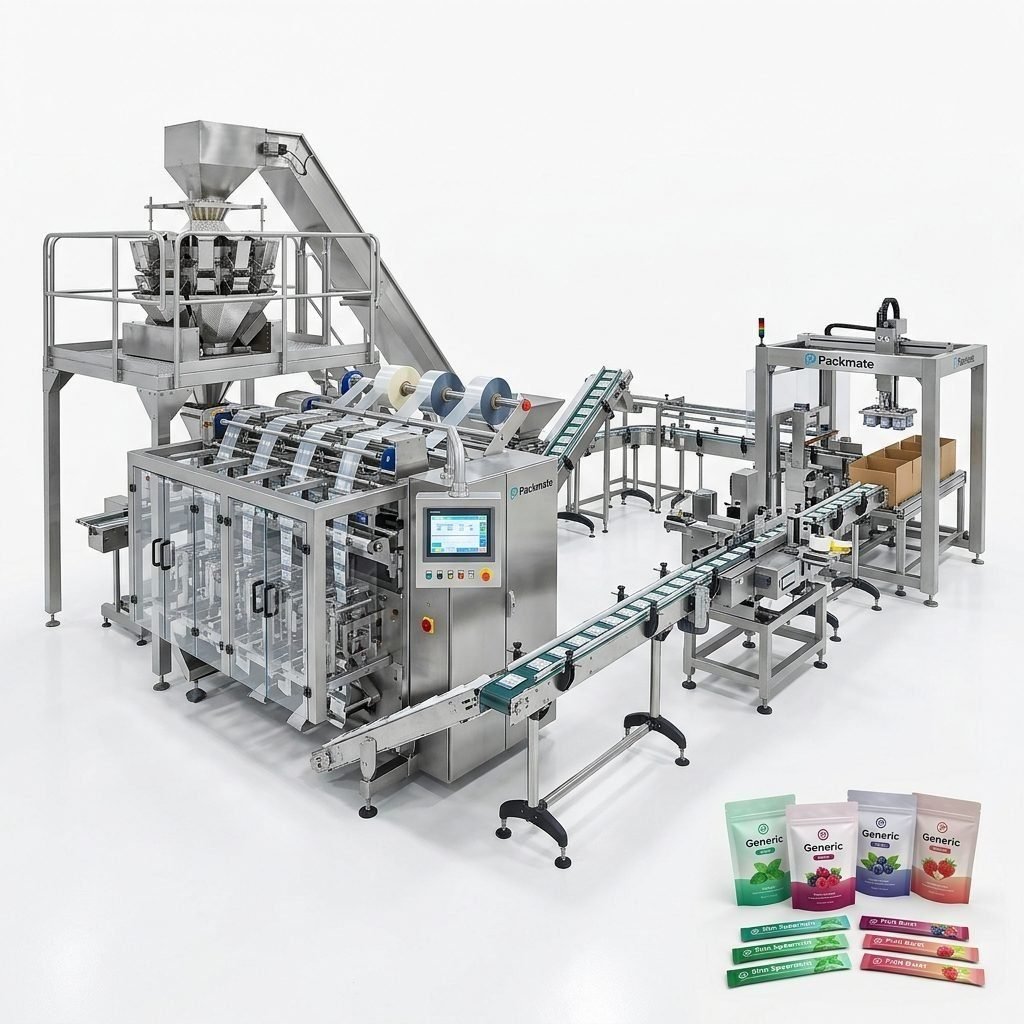
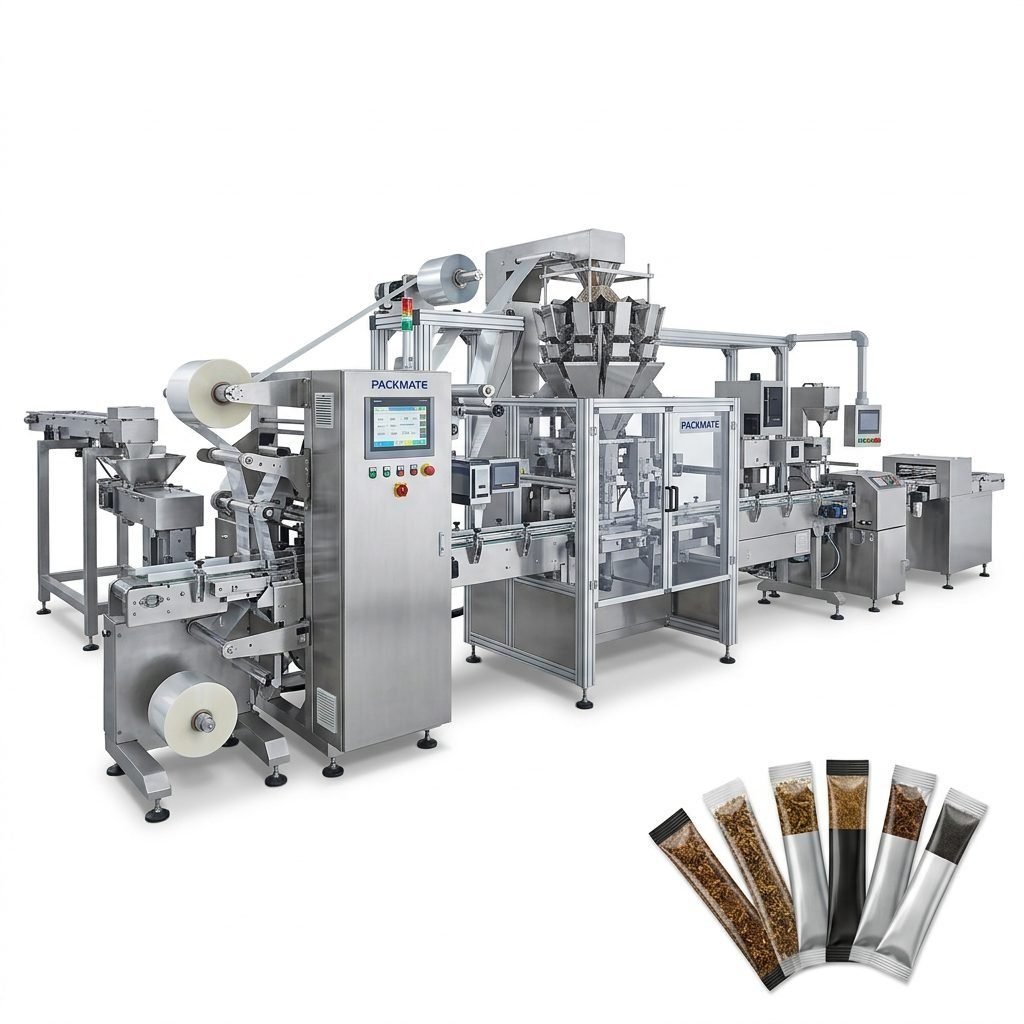
A turnkey snus packaging line typically includes several integrated modules working in series: automated feeding and dosing systems, multi-lane pouch or sachet forming machines, precision filling heads, ultrasonic or heat sealing stations, date/lot coding, secondary grouping and cartoning machines, and a final case packing or palletizing stage. Modern lines often add in-line quality inspection, metal detection, nitrogen flushing and automated waste handling to meet stringent quality and safety requirements.
Key Modules & Functions
⚙️ Filling & Dosing — high-precision auger, volumetric or weigh dosing for powders and granules; modified for moisture-sensitive or sticky snus blends.
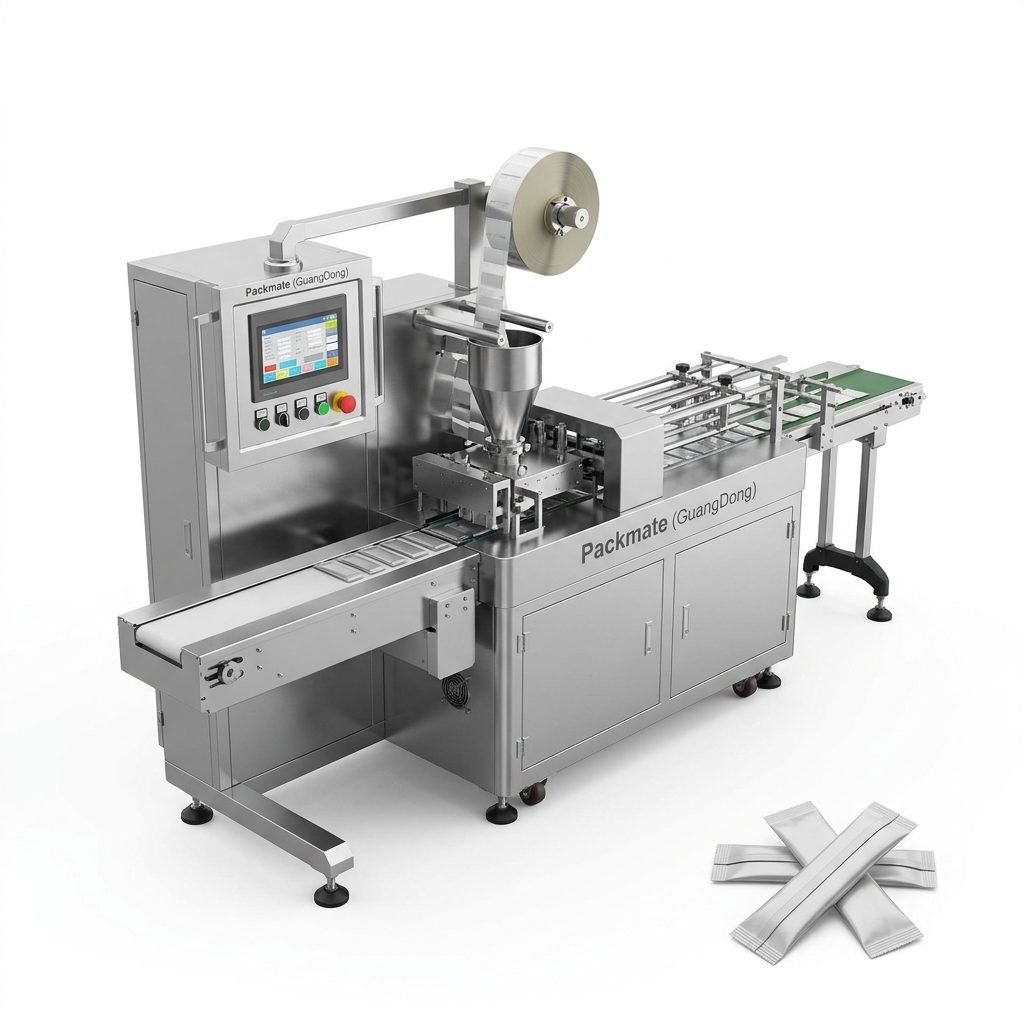
🔒 Sealing — ultrasonic or heat-seal bars designed to form reliable seals on various laminate films and pouches, with adjustable temperature and time parameters.
📦 Cartoning — servo-driven cartoners for erecting, filling and sealing cartons at speeds matching the primary packaging rate.
🔍 Inspection & Traceability — vision systems for fill-level and seal integrity checks, plus inkjet or laser coders for batch and date codes.
🚀 Integration — PLC and HMI centralized control, SCADA-ready communication and recipe management for fast product changeovers.
Why Automation Matters for Snus & Nicotine Pouches
Automation raises consistency and throughput while addressing regulatory and consumer safety concerns. Nicotine pouches require precise dosing to ensure compliance and uniform user experience. Automated lines remove variability caused by manual handling, deliver superior portion accuracy, and reduce product contamination risks. For manufacturers looking to expand, automation is the most reliable path to scale production with predictable operating costs.
Core Technical Advantages
A well-engineered snus packaging line delivers several measurable benefits:
- Increased throughput with multi-lane options delivering thousands of pouches per minute across combined lanes.
- Improved accuracy with weight-based or volumetric dosing systems minimizing giveaway and ensuring consistent portion size.
- Reduced downtime through quick-change tooling, recipe recall and predictive maintenance alerts.
- Enhanced compliance via in-line inspection, traceability, and documentation for regulatory audits.
Multi-Lane Systems: Efficiency Multiplied
Multi-lane machines are a game-changer for small-dose snus pouches. By running multiple lanes simultaneously, manufacturers can multiply output without a proportional increase in floor space. These systems require coordinated dosing and precise web handling to maintain uniform pouch weight and seal quality across all lanes — an engineering challenge Packmate has solved across many models. Learn more about our product range at Snus & Nicotine Packaging Machines.
Material Compatibility and Packaging Formats
Snus pouches and nicotine products use diverse packaging materials: laminated films, barrier pouches, sachets and stick packs. The ideal machine accepts a range of film thicknesses and sealant layers while controlling heat and pressure to avoid discoloration or contamination of the product. For companies expanding their product line, choosing equipment that supports multiple formats — sachet, stick pack and tray-based pouches — provides flexibility for seasonal runs or new SKUs.
Safety, Hygiene & Regulatory Compliance
🔒 Food-Grade Design — stainless steel contact parts, sealed bearings and sanitary conveyor options to limit microbial risks.
📋 Certification — CE and ISO-compliant equipment, backed by documentation to streamline audits and cross-border trade.
🧼 Cleaning & Maintenance — tool-free access panels, modular components for CIP-friendly routines and spare parts availability from an established manufacturer.
Customization & Turnkey Solutions
Not every production line is the same. Packmate provides tailored solutions from single-machine upgrades to full turnkey lines including weighing, filling, primary packaging and cartoning. Customizations can include climate-controlled dosing hoppers for hygroscopic blends, nitrogen flushing for extended shelf life, and OEM-specific cartoning formats. For a closer look at integrated options, see our Filling & Packaging Lines page: Filling & Packaging Lines.
Project Management & Support
Successful deployment depends on more than hardware. Packmate provides project management, site surveys, layout drawing, FAT/SAT testing and operator training. Spare parts support and remote troubleshooting are part of the service package to maximize OEE (Overall Equipment Effectiveness). To get started, contact the team via Contact Us.
Case Studies & Global Reach
Packmate’s machines operate across Europe, Asia and the Americas. Clients benefit from localized service and standardized quality from a 20,000㎡ manufacturing base equipped with advanced CNC and precision assembly systems. Documented case studies show improved throughput, lower product giveaway and rapid ROI when switching from semi-automatic to fully automated lines. Explore customer examples at our Case page: Case.
Exhibitions & Demonstrations
Live demonstrations at international exhibitions provide an excellent opportunity to evaluate machinery performance before purchase. Packmate frequently showcases multi-lane systems and live demos to help customers witness changeover speed, sealing integrity and integration capability. Check upcoming events on our exhibition page: Our Exhibition.
Economic Considerations & ROI
Investing in an automated snus packaging solution involves capex and opex considerations. Key ROI drivers include labor savings, reduced giveaway due to accurate dosing, lower scrap rates and increased production capacity enabling new revenue streams. A typical payback analysis compares current manual or semi-automatic throughput with projected multi-lane output, factoring in maintenance, spare parts and training. Manufacturers often see payback within 18–36 months depending on utilization and product margins.
Financing & Phased Upgrades
For companies that prefer gradual investment, modular platforms allow phased upgrades: start with a high-precision filler, then add sealing and cartoning modules as volumes grow. Leasing and financing options may be available to spread the initial capital outlay while capturing immediate productivity gains.
Choosing the Right Supplier
When selecting a supplier, evaluate technical expertise, proven track record in snus/nicotine packaging, after-sales service and spare parts logistics. Packmate’s 30+ years of engineering experience and a catalog of 50+ machine models make it a seasoned partner for bespoke and high-volume production lines. For detailed information about the company and capabilities, visit About Packmate.
Checklist Before Procurement
✅ Define required throughput, pouch formats and material compatibility.
✅ Confirm hygiene and certification requirements for target markets.
✅ Plan layout and utilities (air, power, vacuum, nitrogen) for the production area.
✅ Request FAT (Factory Acceptance Test) and performance guarantees.
✅ Verify spare parts lead times and local service arrangements.
Start Your Automation Journey
Transitioning to a fully automated snus packaging line is a strategic move toward higher quality, lower costs and greater market responsiveness. Whether you are launching a new brand of nicotine pouches or upgrading legacy equipment, partnering with an experienced manufacturer can shorten the path from concept to production. For product lines, part numbers and machine specifications, you can browse specific categories like Bag & Pouch Packaging Machines or Sachet & Stick Pack Machines.
Frequently Asked Questions
Q1: How quickly can a turnkey line be delivered and installed?
A1: Typical lead times vary by customization level. Standard configurations may ship within 12–20 weeks, while highly customized turnkey projects including layout, utilities and FAT can take longer. Project timelines are confirmed during contractual planning.
Q2: Can the machines handle different pouch sizes and materials?
A2: Yes. Modern systems are designed for flexibility with quick-change tooling and adjustable settings that accommodate a wide range of pouch dimensions and laminate materials.
Q3: What technical support is available after purchase?
A3: Suppliers typically offer commissioning, operator training, spare parts support and remote diagnostics. Packmate also provides extended service contracts and on-site maintenance agreements where required.
Q4: Are these machines compliant with international safety and quality standards?
A4: Yes. Reputable manufacturers ensure CE and ISO compliance and supply relevant documentation to facilitate regulatory approvals.
Q5: How do I evaluate ROI for automation?
A5: Calculate current manual costs, lost production time, giveaway and scrap. Compare those with projected throughput, labor reduction and maintenance costs to estimate payback. Many producers realize substantial returns within 18–36 months.