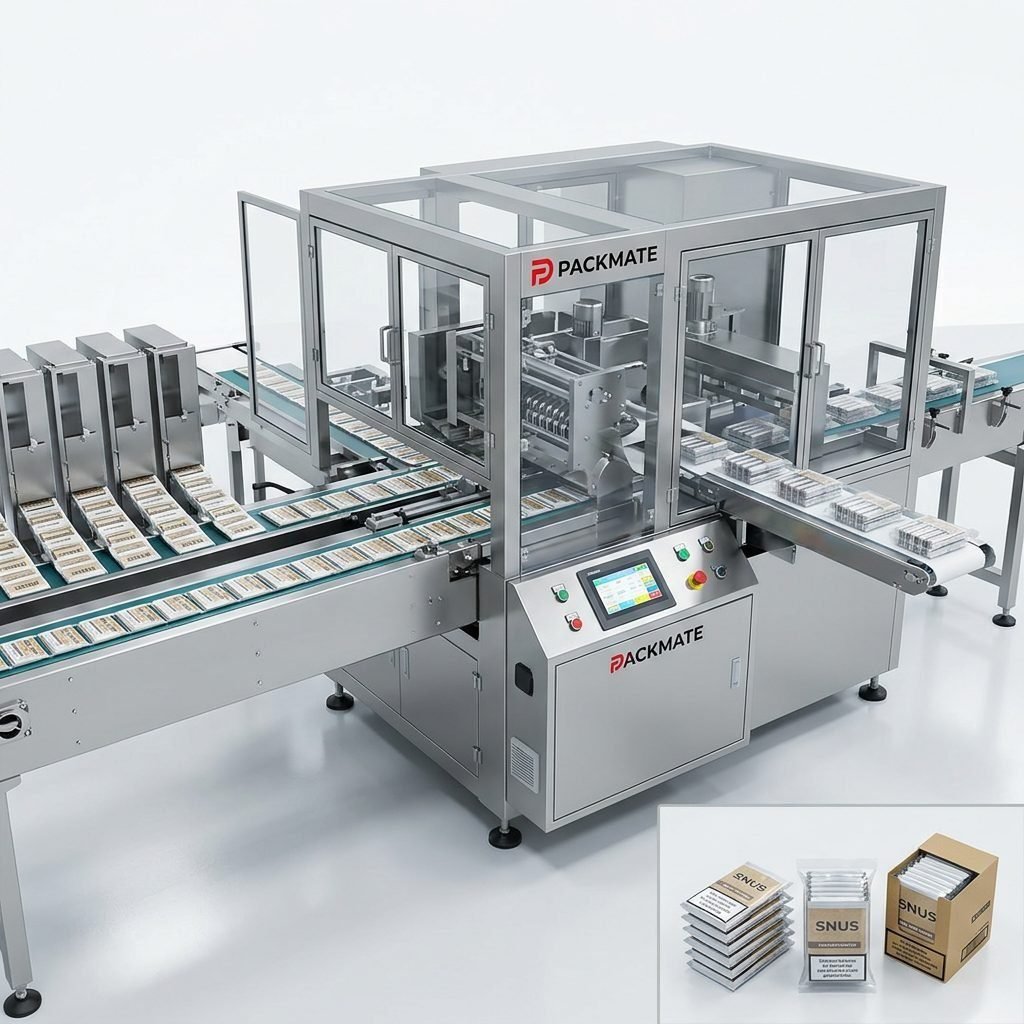
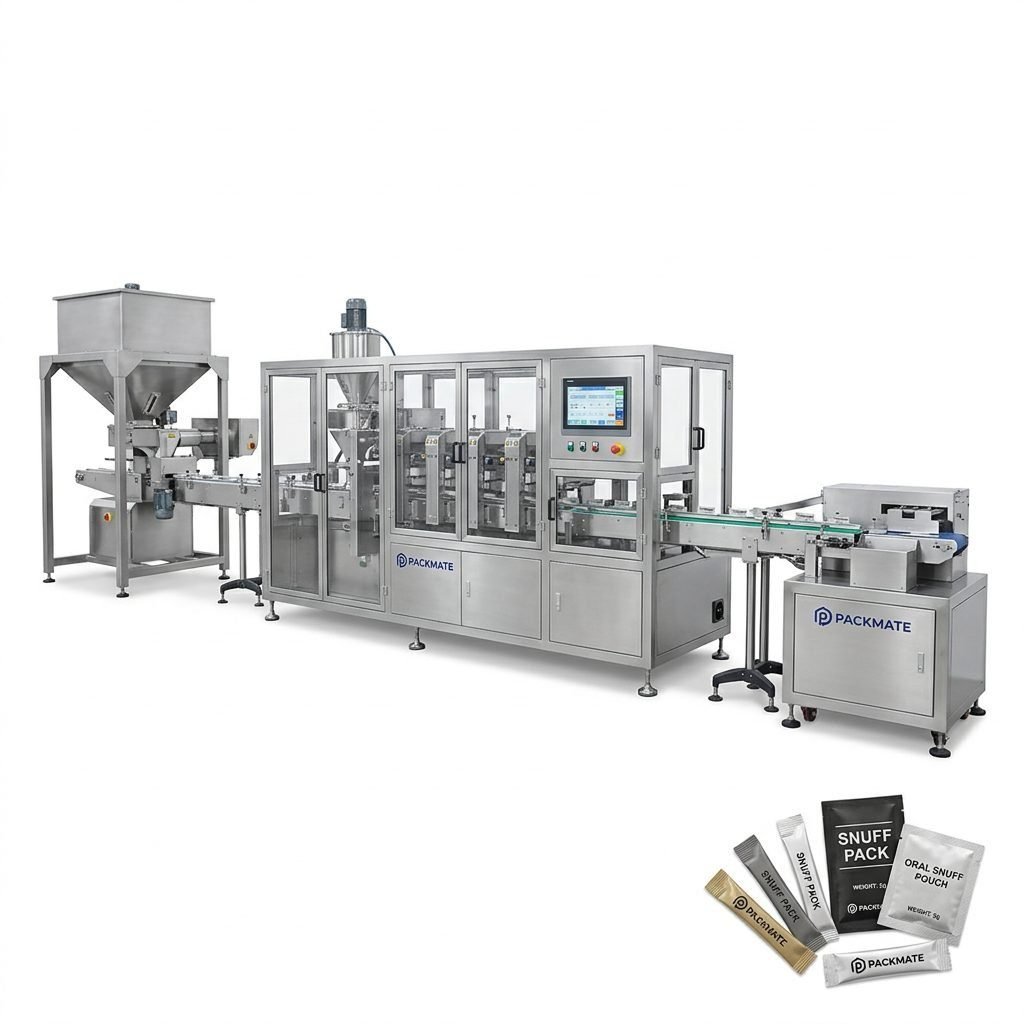
Choosing the right snus packaging machine in Germany demands a clear understanding of production goals, regulatory requirements, and long-term operational needs. This practical buyer’s guide walks you through the technical criteria, performance benchmarks, supplier due diligence, and implementation tips that help manufacturers, contract packers, and entrepreneurs make a confident equipment choice for snus and nicotine pouch production.
Understand Market & Product Requirements
Start by clarifying what you will pack: traditional snus, nicotine pouches, or nicotine-free herbal blends. Each product variant affects machine choice due to differences in dose size, pouch material, humidity sensitivity, and required shelf-life packaging. Also consider batch sizes and seasonal variations — will you run continuous high-volume lines or smaller, flexible batches?
Quick checklist:
⚙️ Dose range needed (mg/dose),
📦 Final pouch style (stick, sachet, multi-lane pouches),
🔬 Product sensitivity (moisture, heat),
🏭 Planned output per shift
Core Machine Types for Snus & Nicotine Pouches
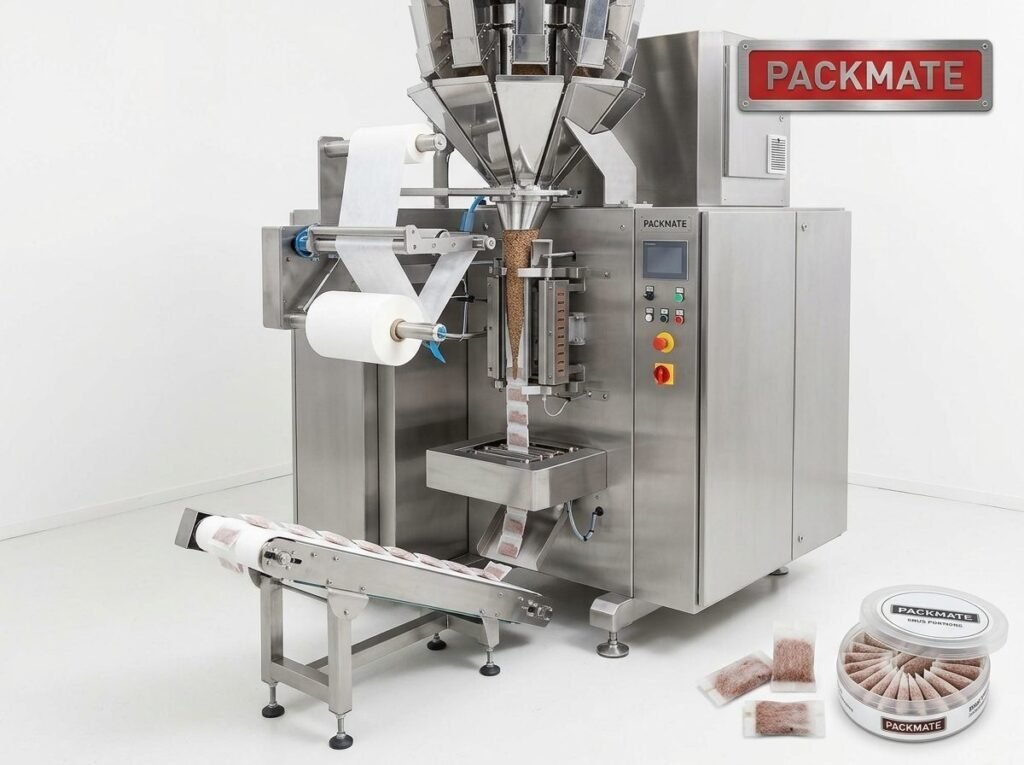
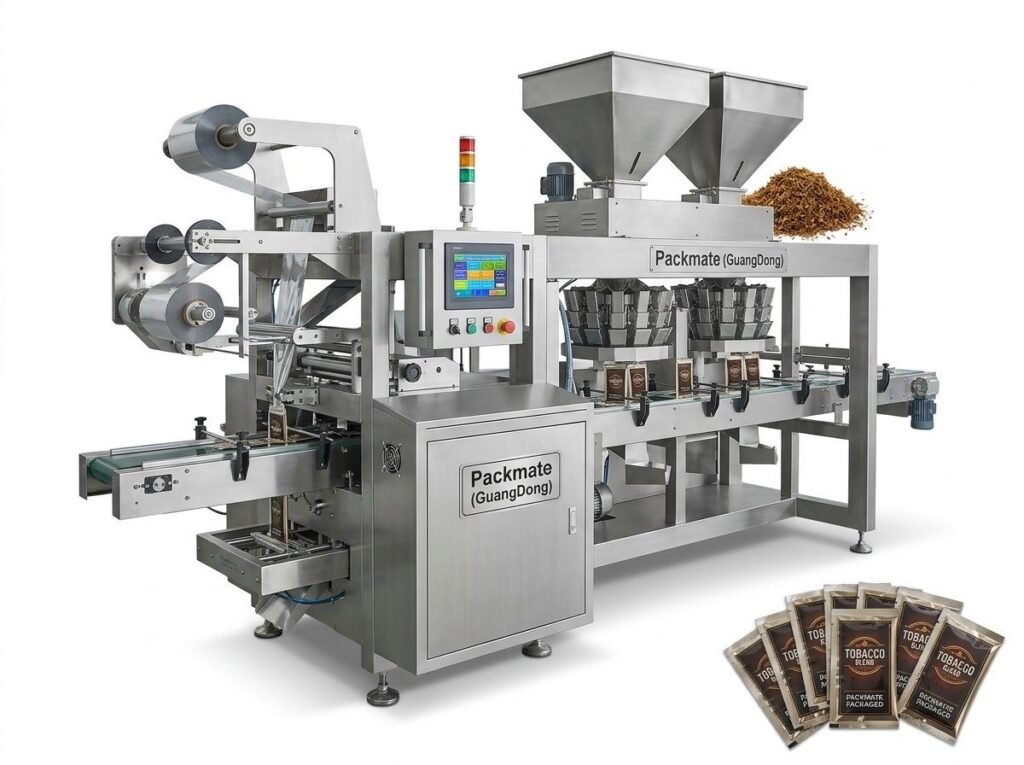
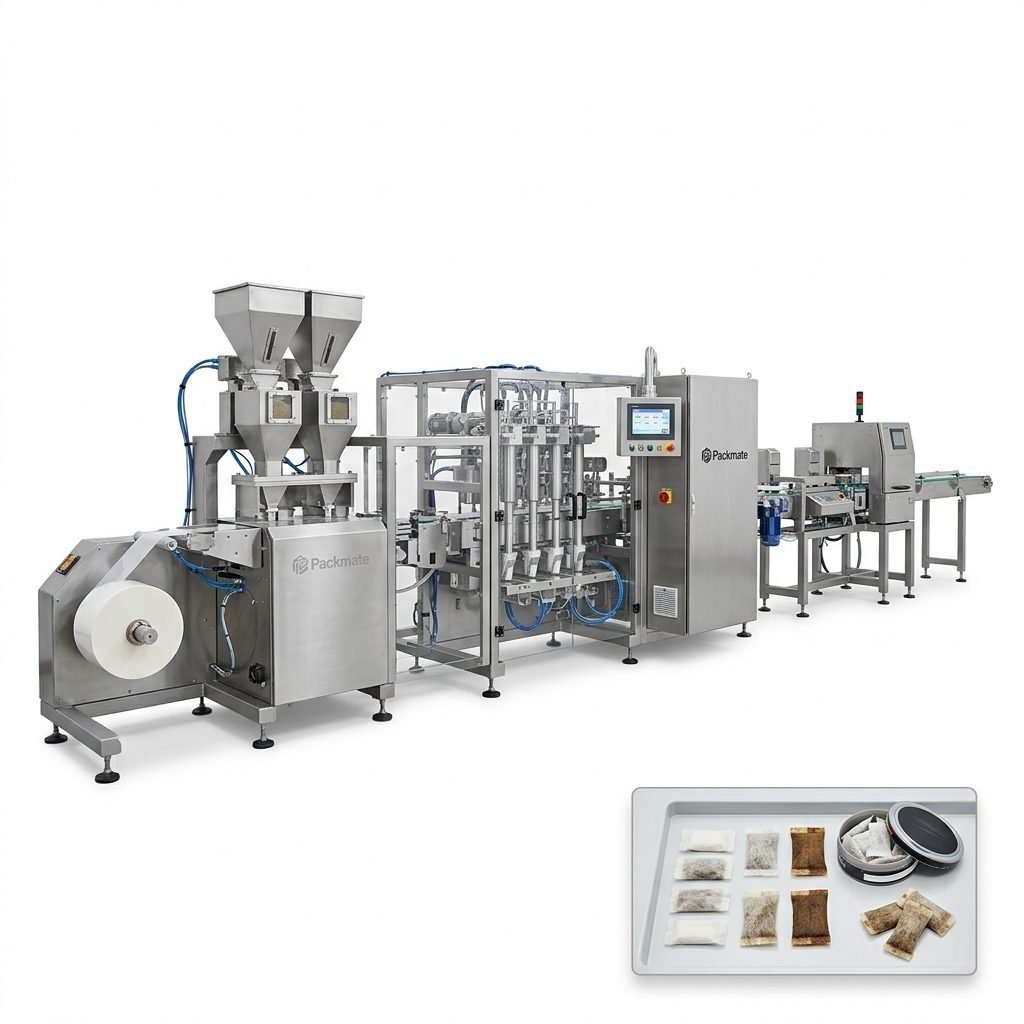
There are several machine architectures commonly used for snus packaging. Match the machine type to product form and production goals:
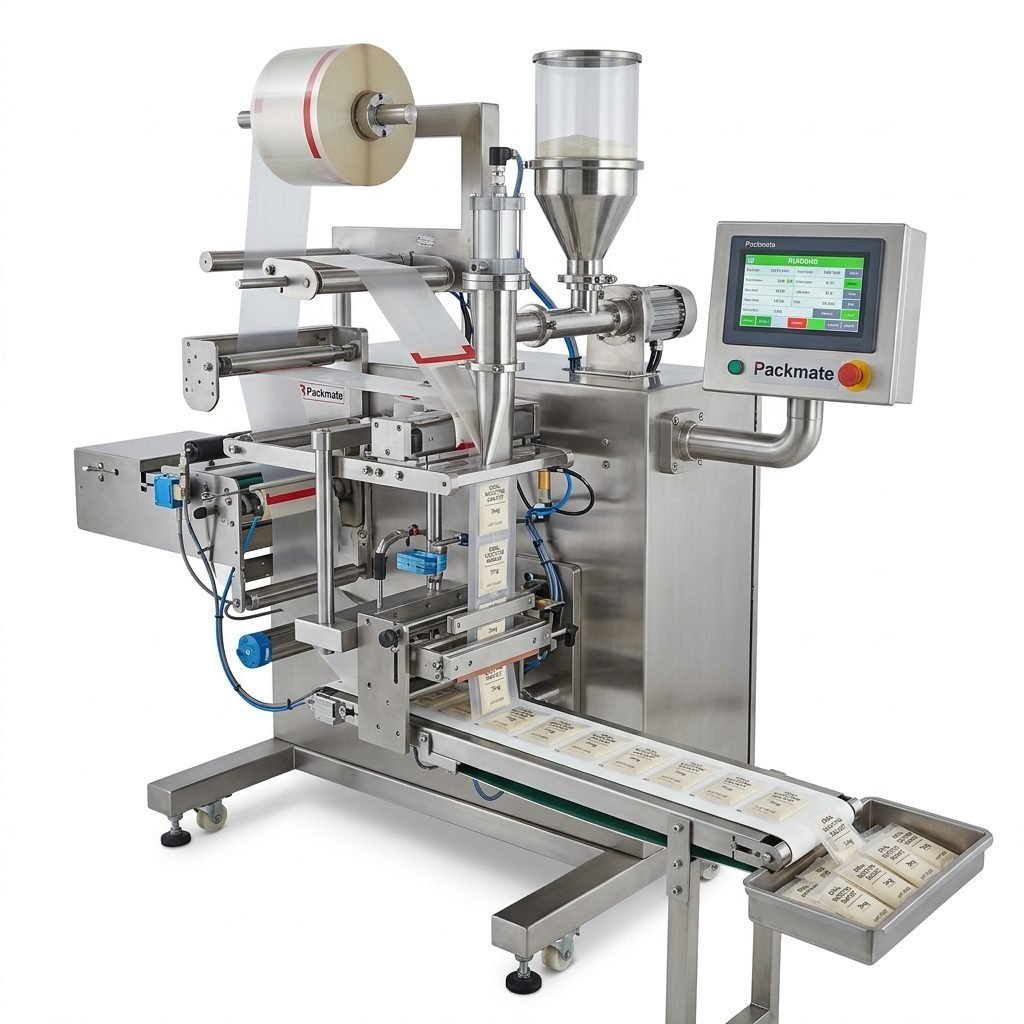
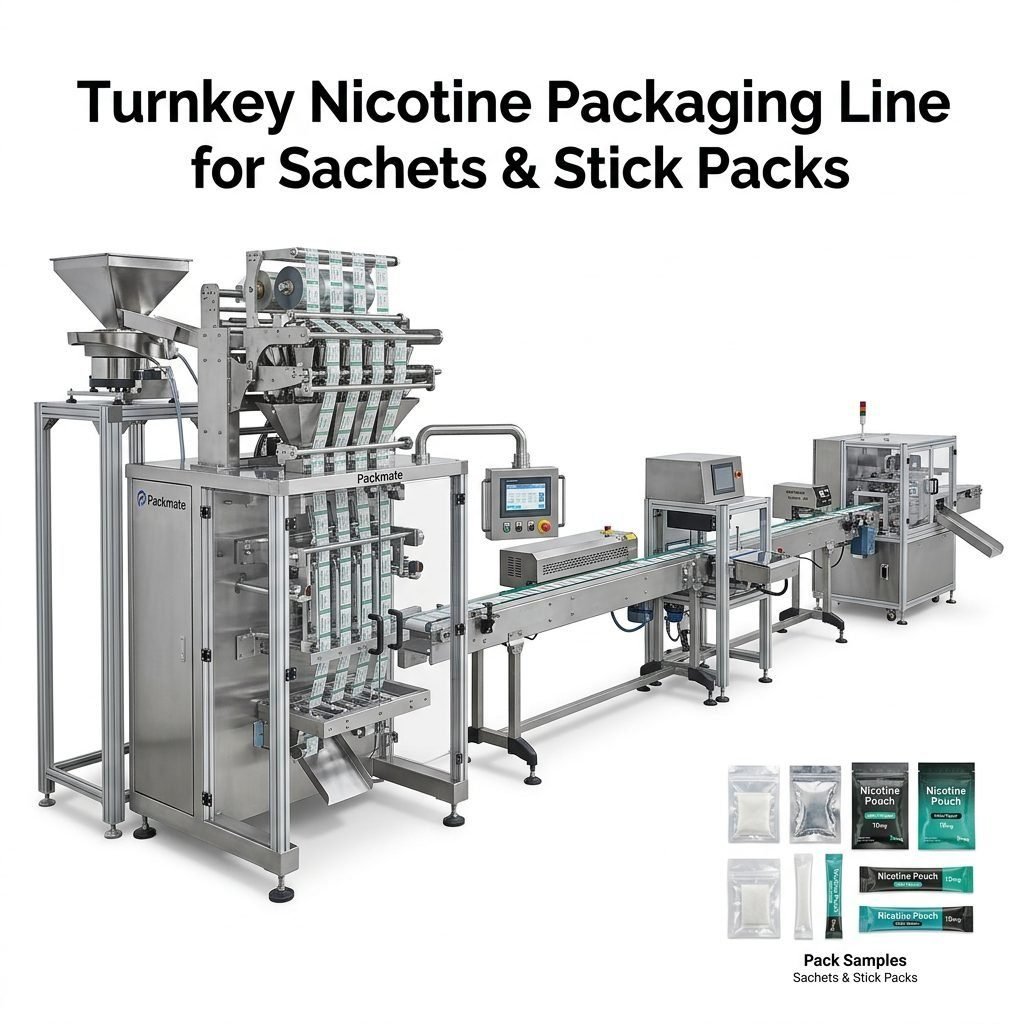
Sachet & Stick Pack Machines
Sachet and stick pack machines are suitable for single-dose pouches and provide compact, high-speed production with accurate dosing. These systems are excellent when you need sealed individual portions with tight dimensional control.
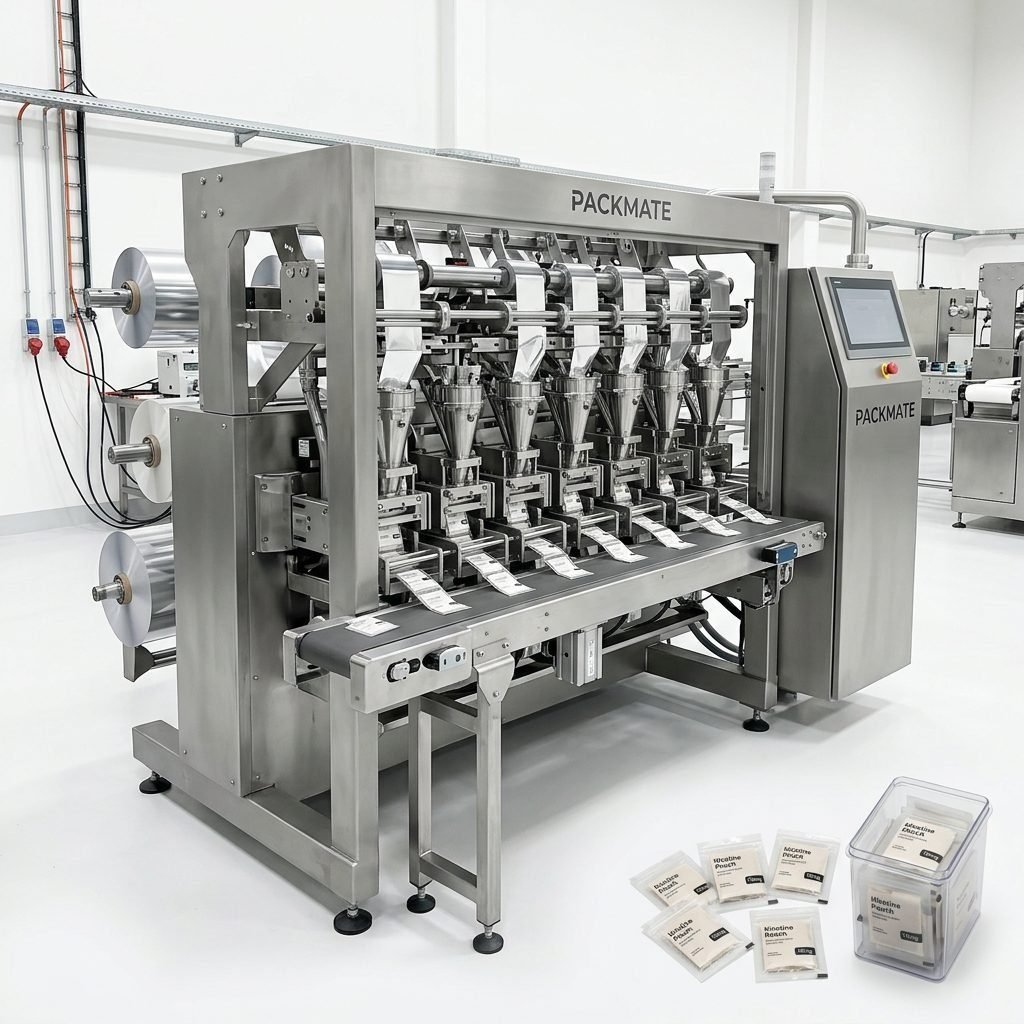
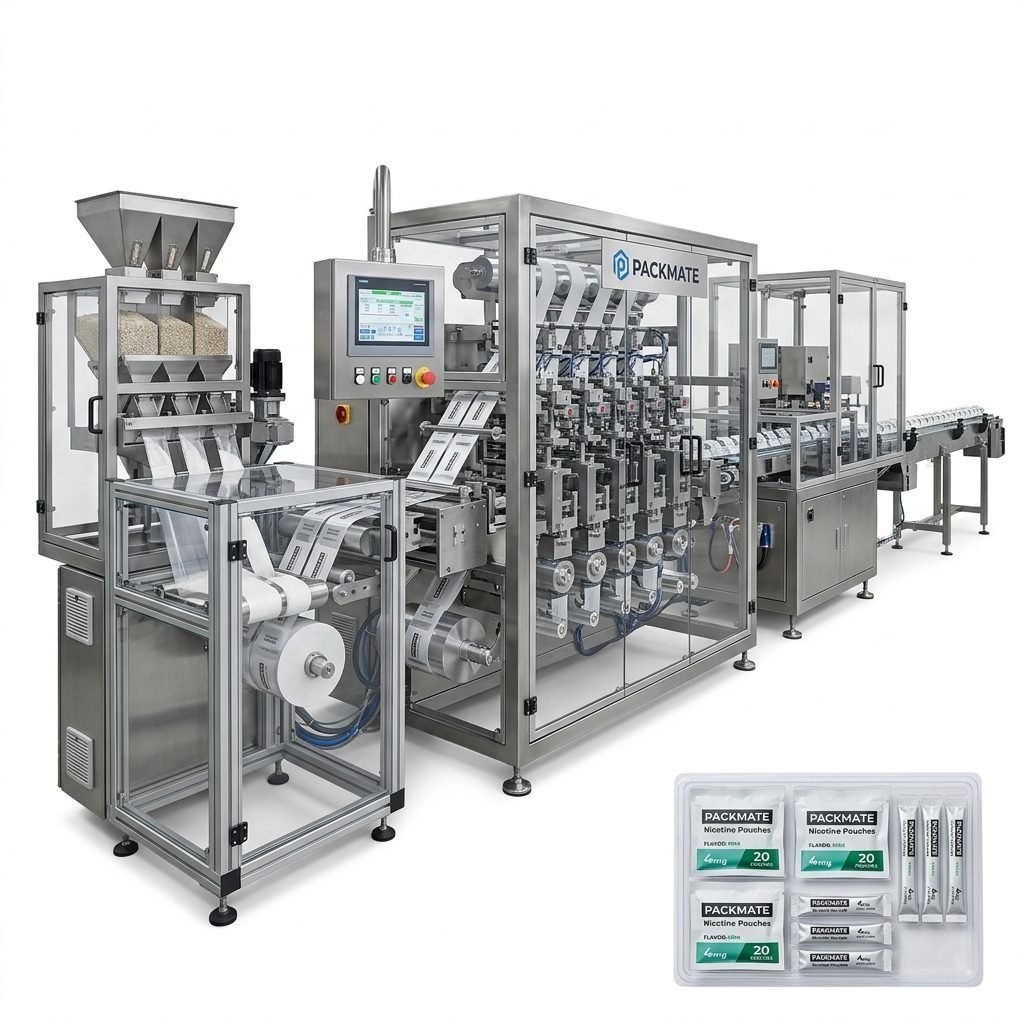
Multi-lane Pouch Systems
For high throughput and smaller pouch sizes, multi-lane systems multiply output without enlarging the machine footprint dramatically. These systems are often used in mature markets needing consistent high volumes.
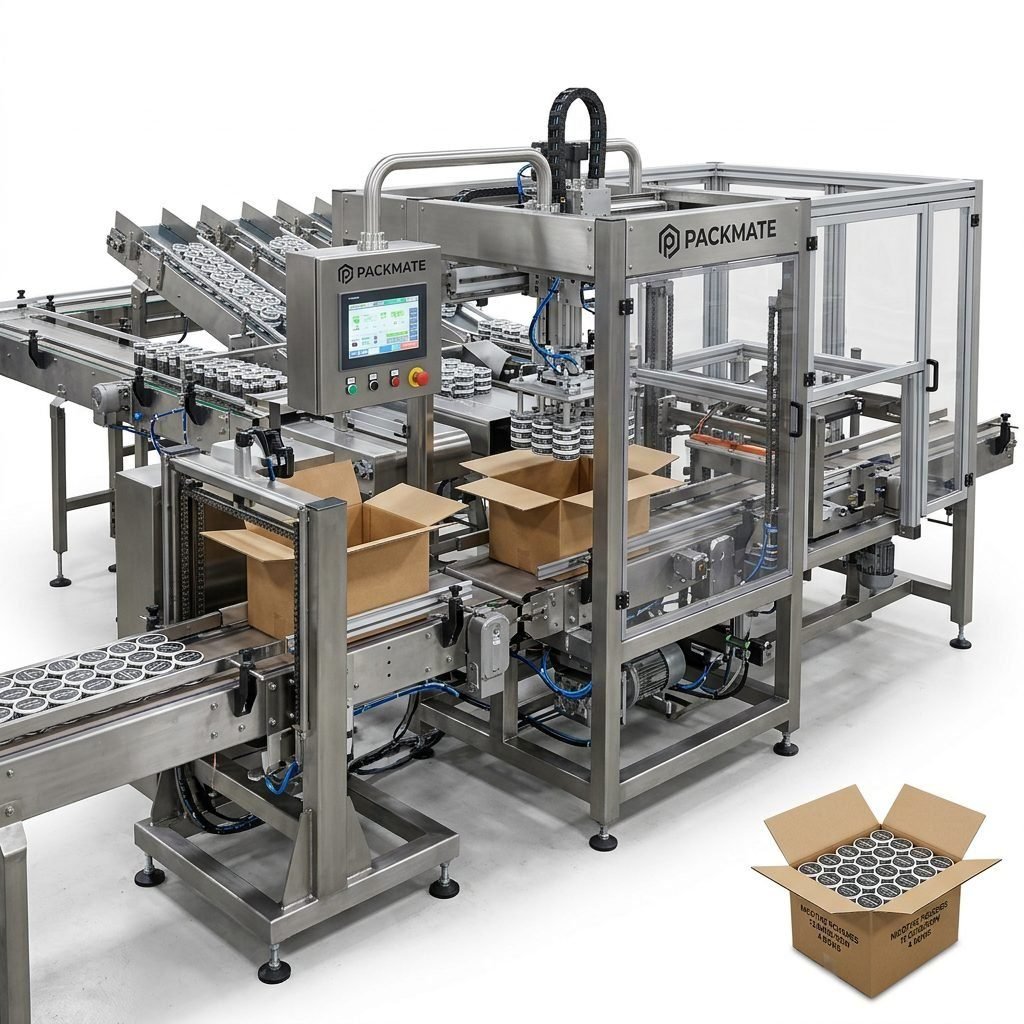
Customized Turnkey Lines
Turnkey packaging lines integrate dosing, pouch forming, sealing, and secondary packaging (carton & case packing). If you require a complete line from raw material to boxed product, insist on a supplier who can deliver and validate the entire solution.
If you want to review product families and specific configurations, check manufacturer catalogs for Snus & Nicotine Packaging Machines and Sachet & Stick Pack Machines.
Key Specifications to Compare
Use measurable specifications when comparing vendors. Ambiguous promises are risky — require data and factory acceptance tests.
Must-compare specs:
- Output rate (pouches/min per lane and total)
- Dosing accuracy and tolerance (mg)
- Compatible pouch materials and thickness
- Available lane count and upgradability
- Changeover time between formats
Material & Packaging Compatibility
Pouch films vary from biodegradable laminates to multi-layer barrier films. Make sure the sealing method (heat, impulse, ultrasonic) is compatible with your chosen film to prevent seal failures or migration issues. Request film trials during FAT (Factory Acceptance Test).
Automation, Controls & Industry 4.0
Modern snus lines include PLC controls, recipe management, remote diagnostics, and data logging. Confirm the machine provides:
• Remote troubleshooting,
• Production data export (CSV/SQL),
• Easy HMI recipes for format changes.
Hygiene, Safety & Compliance
Germany expects strict adherence to CE and international safety norms. Select machines with stainless-steel contact parts (SS304 or SS316 where needed), hygienic design for cleaning, and sealed electronics for dust/moisture protection. Certifications such as CE and ISO should be available — ask for certificates and see the test reports.
For validated compliance and service records, consider vendors who present transparent certificates; Packmate Snus Machine, for example, highlights CE and ISO conformity across product lines — see their Certificate page.
Supplier Evaluation: Beyond Price
Price matters, but low initial cost can mean higher lifetime expenses. Evaluate suppliers by:
- Service & spare parts availability in Europe
- Factory lead times and production capacity
- References and site visits — ask for case studies
- Warranty terms, MTBF data, and replacement part lists
- Training, installation support, and documentation language
Review real-world examples by checking supplier case pages and exhibition presence — vendors often publish line installations; explore Case studies to understand delivered outcomes.
Service, Spare Parts & Training
A reliable local or regional service network reduces downtime. Confirm the vendor offers:
Service commitments to request:
- Guaranteed spare parts lead times and kits for wear items
- Onsite commissioning and operator training
- Remote diagnostic capabilities and agreed SLA
Factory Acceptance Test (FAT) & Site Acceptance Test (SAT)
FAT and SAT are crucial. Insist on witnessed FAT with your material or close analogs, documented run rates, and sample retention. A comprehensive FAT report reduces surprises during installation and handover.
Installation, Layout & Utilities
Validate the factory layout with a supplier-provided installation drawing. Check power, compressed air, vacuum, and waste handling needs. Plan for maintenance access and spare parts storage. Make sure the vendor supplies clear utility lists and recommended spare kits.
Lead Time, Financing & Total Cost of Ownership
Lead times can vary widely. Consider financing options or phased investments that allow you to start with a base machine and add lanes or modules as demand grows. Calculate total cost of ownership over a 5–7 year horizon, including maintenance, consumables, energy, and personnel.
Why Choose an Experienced Manufacturer
Suppliers with decades of engineering experience understand nuanced packaging challenges. For example, a manufacturer with 30+ years of engineering and a large production facility can offer robust R&D, precision machining, and customized turnkey solutions. If you prefer to learn more about the supplier story and credentials, visit About Packmate.
Sustainability & Futureproofing
Plan for future material shifts (e.g., recyclable films) and consider machines designed for easy upgrades. Energy-efficient drives, servo controls, and modular designs extend equipment life and reduce environmental impact.
Making the Final Decision
Narrow choices to three suppliers and score them against a weighted criteria list: performance, uptime guarantee, service footprint, price, documentation, and references. Require a final commercial proposal with lead time, warranties, and clearly defined acceptance tests.
Buyer’s final checklist:
- Completed FAT with your product
- Clear spare parts & service agreement
- Training plan & documentation in English/German
- Warranty terms and MTBF data included
Additional Resources & Where to See Machines
Attend packaging exhibitions to watch live demonstrations and compare machines side-by-side. You can also explore full equipment lines for weighing and filling if your process requires integrated dosing — review Weighing & Packaging Systems and Filling & Packaging Lines to evaluate integration options.
Contact & Next Steps
When you are ready to request quotations or schedule a factory visit, ensure you have a clear specification sheet (product data, output targets, preferred pouch dimensions, and utility availability). Reach out to the supplier’s sales and engineering teams to start technical scoping — for direct inquiries, check the vendor’s Contact Us page.
Final Advice
Invest in the highest quality core components (servo drives, dosing systems) you can afford. A well-engineered machine reduces downtime, improves yield, and lowers maintenance budgets. Prioritize vendors with documented experience in snus and nicotine pouch lines to minimize the learning curve.
Frequently Asked Questions
Q1: How do I verify dosing accuracy?
Request a dosing accuracy report from FAT with your product. Machines should demonstrate repeatable dosing within the tolerance you require (e.g., ±X mg). For high-value products, ask for statistical sampling results.
Q2: What spare parts should I stock?
Stock wear items: sealing jaws, belts, dosing nozzles, bearings, and PLC backups. Suppliers normally provide a recommended spare parts kit tailored to your expected annual throughput.
Q3: Can machines be upgraded later?
Many modern systems are modular and allow lane additions, upgraded controls, or auxiliary modules. Confirm upgrade paths and incremental costs in your proposal.
Q4: How long is a typical lead time?
Lead times vary with customization level and order book. Standard single-lane machines may be shipped faster, while turnkey multi-lane lines and custom integrations can take several months. Request a confirmed production and delivery schedule with your purchase order.
Q5: Where can I see installed machines?
Ask the supplier for references and factory tours. Attend global exhibitions to see live demos or ask for virtual machine walk-throughs. Vendors often publish case studies and exhibition schedules — review their Exhibition and Case pages for upcoming events and installations.